Our verdict
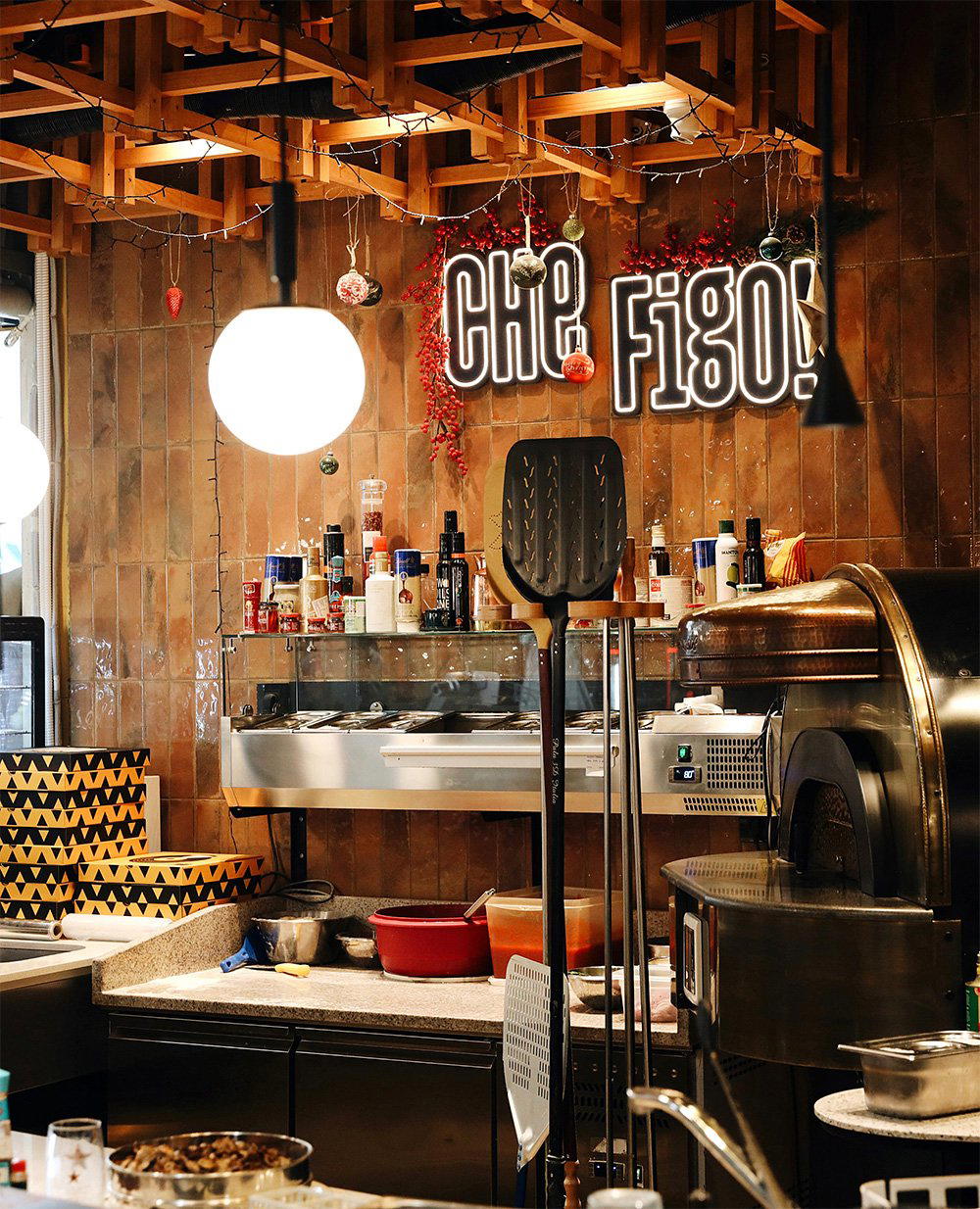
Figo serves authentic Italian pizza with Serbian twists on Ilije Garašanina in Belgrade, pairing an open kitchen with craft cocktails and street views.

Pearl is the En Primeur Club membership app, where members save venues, book tables and use the concierge.
The menu
What to order
- Srbizza
- Mortadellizza
- Classic Margherita
- Truffle Funghi
A Corner of Ilije Garašanina That Earns Its Reputation
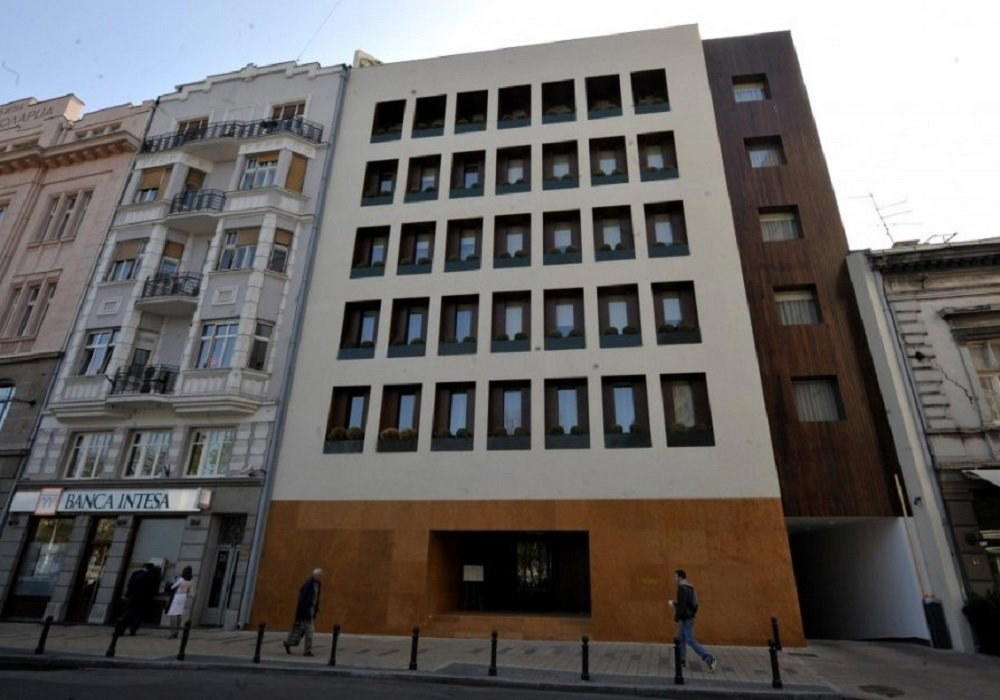
Belgrade's dining scene has spent the last decade sorting itself into legible tiers. At one end, a cluster of modern-cuisine restaurants commands attention with tasting menus and wine lists calibrated against European peers. At the other, neighbourhood restaurants hold their ground by doing a smaller range of things with consistency and conviction. Figo, on Ilije Garašanina 56, occupies the latter category, and that positioning is precisely where its interest lies. The street runs through a residential stretch of the city where the architecture is undemonstrative and the foot traffic belongs to people who actually live nearby, not to tourists following a map. Walking toward the entrance, the immediate context is one of scaled-down urban life: apartment blocks, parked cars, the ordinary rhythms of a Belgrade neighbourhood that has not been packaged for external consumption.
The Physical Container
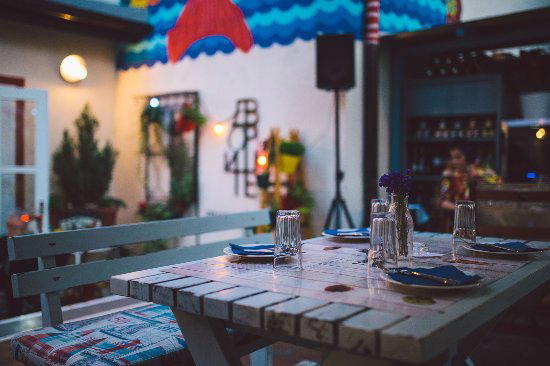
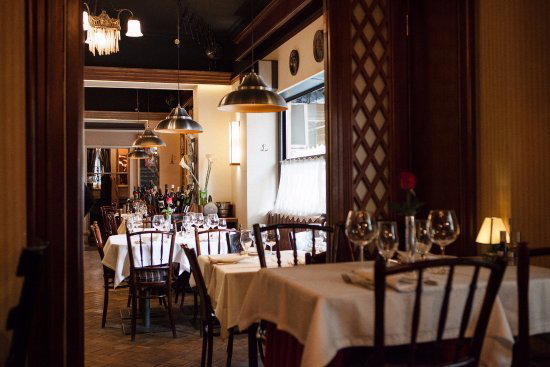
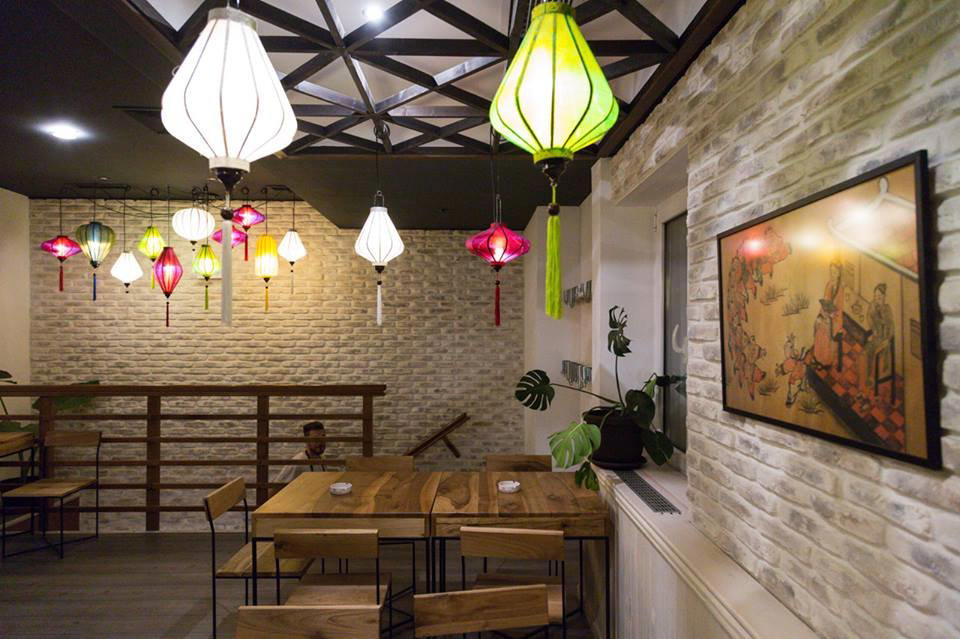
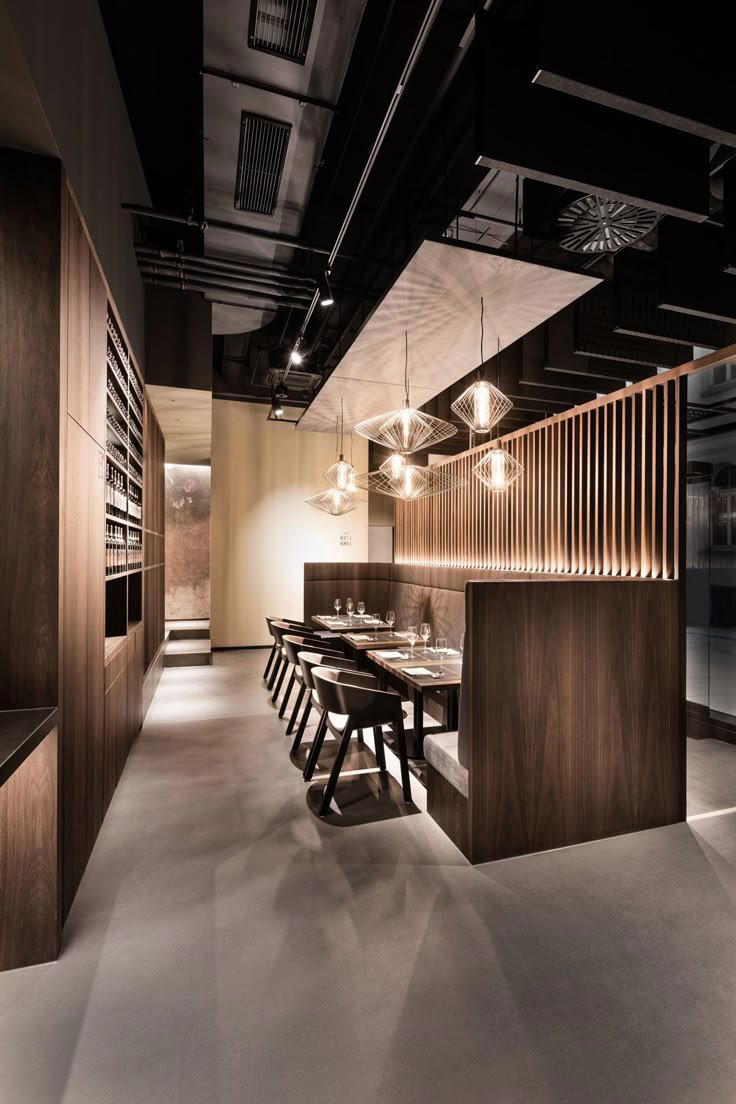
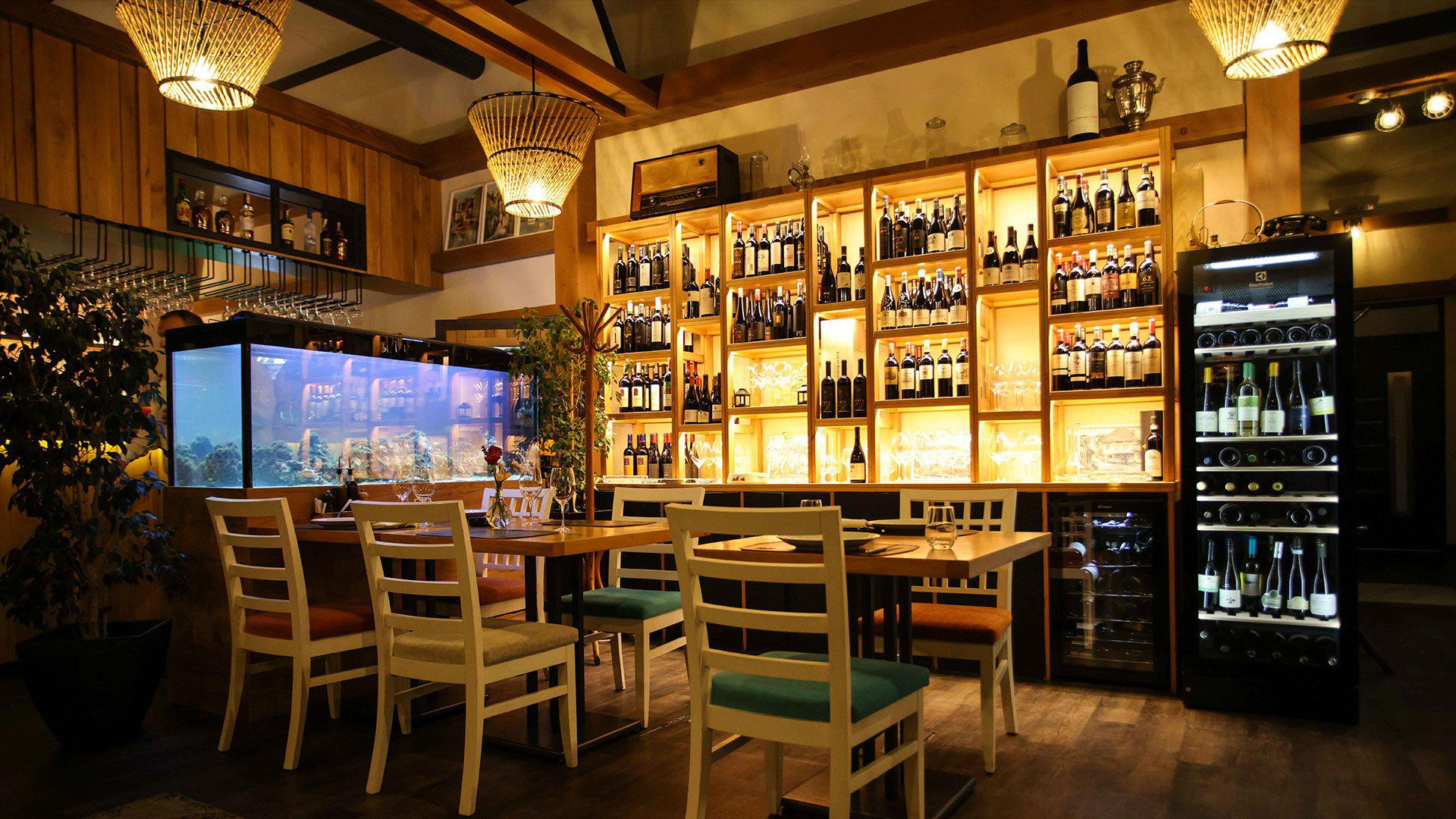
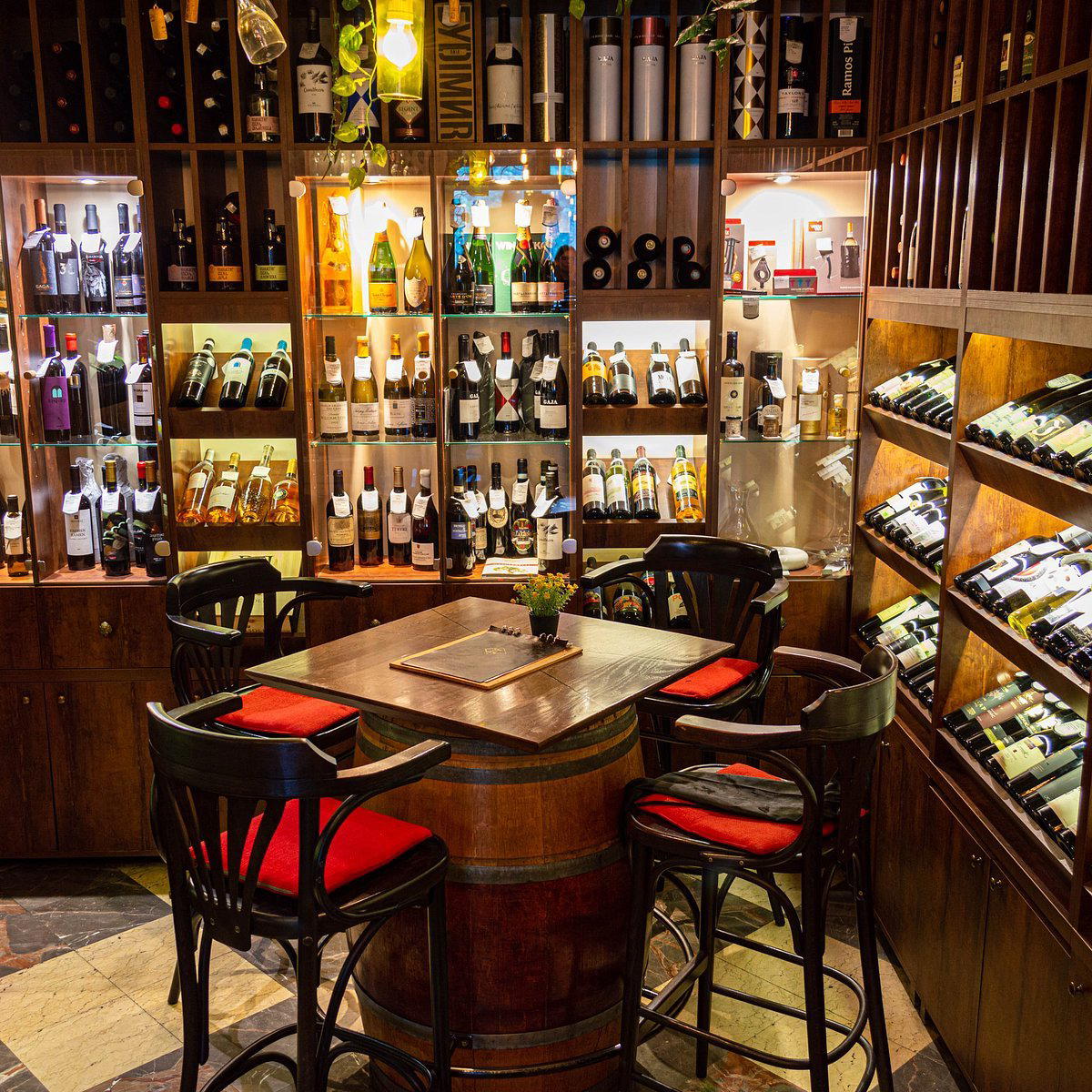
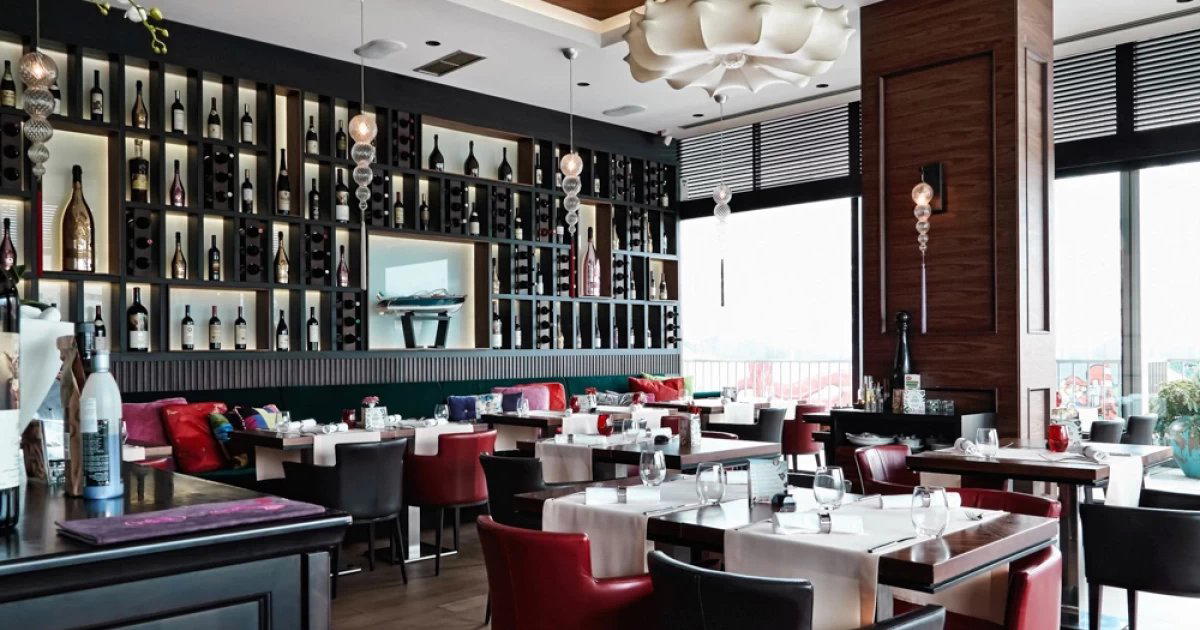
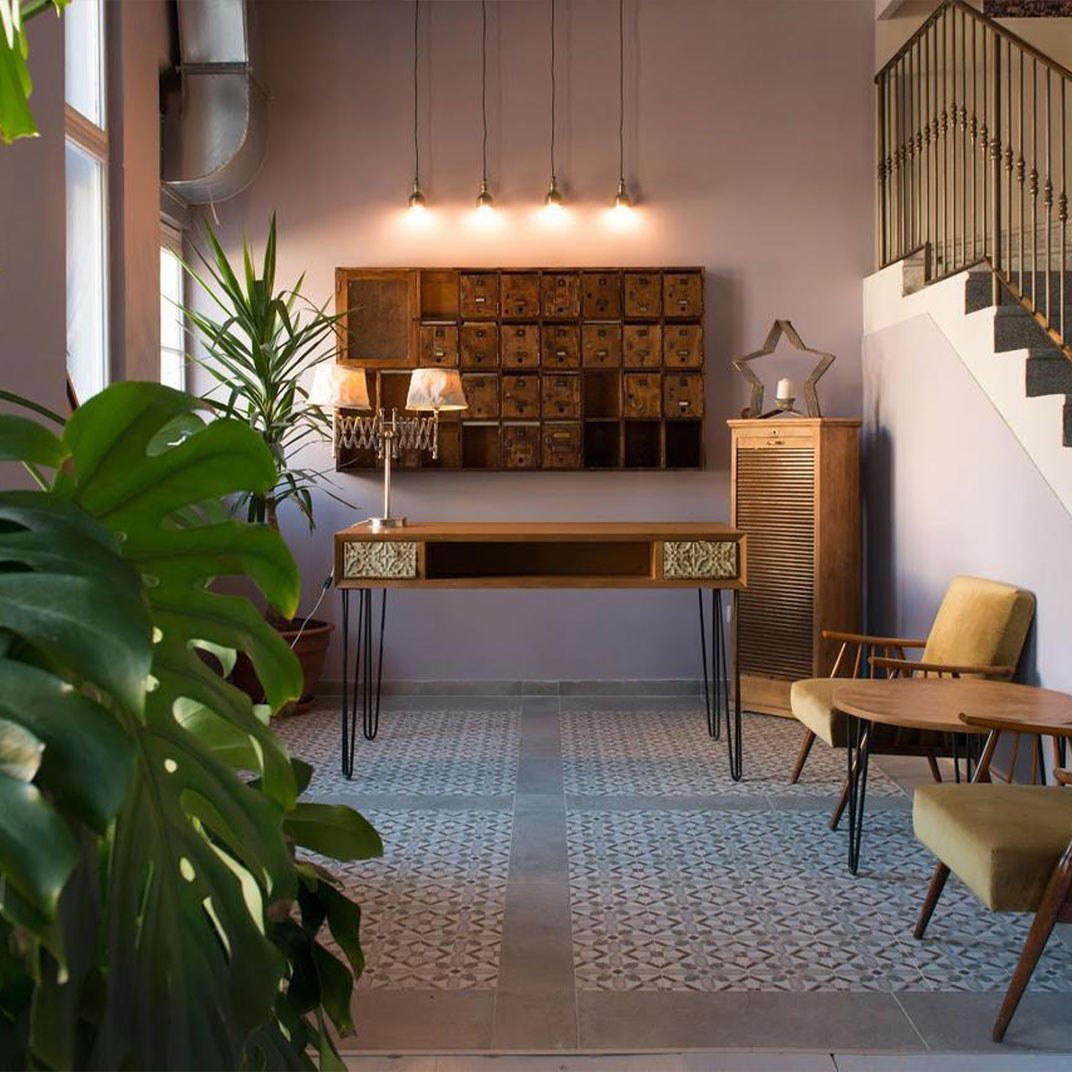
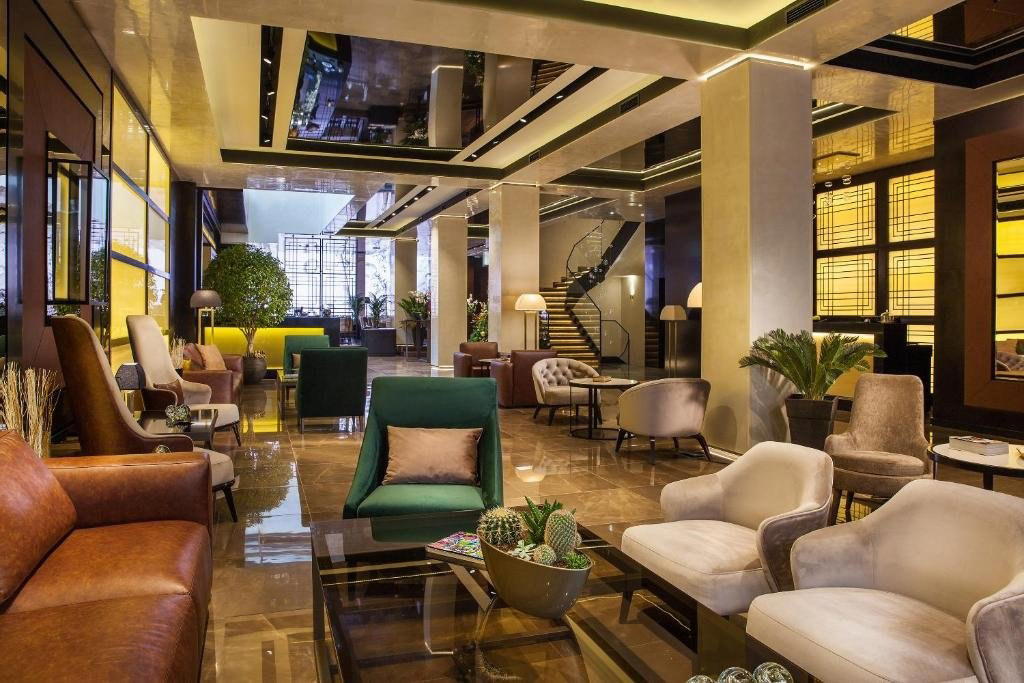
In a city where restaurant interiors frequently swing between two poles, heavy folkloric ornament or aspirational minimalism borrowed from Western European templates, the spaces that find a third register tend to hold attention longest. Belgrade's mid-range dining rooms have historically struggled to balance warmth with clarity, defaulting either to the generic or the theatrical. Figo's address on a low-key residential street already signals something about scale: this is not a room built for spectacle or for crowds. The architectural logic of smaller rooms in this part of Belgrade tends toward the intimate, with seating arrangements that favour conversation over throughput, and surface materials that absorb sound rather than amplify it. That kind of environment changes how a meal unfolds. The tempo is set by the table, not by a room trying to sustain its own energy independently of the people in it.
The design and spatial choices at restaurants in this tier of the Belgrade scene matter more than they might elsewhere because the price-to-experience calculation is different. Without the formal architecture of a tasting menu or the gravitational pull of a marquee chef credential, a room that works well physically is carrying real weight. Across the city's dining tier that corresponds to this address and neighbourhood, the restaurants that sustain local loyalty over years tend to have spaces people want to return to as physical environments, not just as menus.
Where Figo Sits in the Belgrade Dining Picture
Belgrade's restaurant categories have sharpened considerably. For modern cuisine with formal technique and premium pricing, venues like Langouste and The Square define the upper bracket. For Balkan cooking interpreted through a contemporary lens, Ambar has built a reputation that extends beyond the city. For drinking-forward environments with food as a serious secondary concern, Barrel House holds its own distinct position. Figo operates in a different register from all of these, one that serves a local need rather than competing directly within those tiers. Neighbourhood restaurants of this type in Belgrade succeed or fail on repeat business from people within a walkable radius, which produces a different kind of discipline than destination dining. The menu has to perform reliably across multiple visits, not just on a first impression.
That competitive position connects to a broader pattern visible across Serbian dining. Outside Belgrade, restaurants like Fleur de Sel in Novi Slankamen and Ananda in Novi Sad demonstrate how the country's most consistent restaurants are often those that have identified a specific local function and executed it with focus. The same logic applies within Belgrade's own neighbourhoods. Figo's address anchors it to a specific community rather than to a destination-dining circuit, and that anchor produces its own kind of editorial interest.
The Dining Tradition Behind the Address
Serbian urban food culture has always placed significant value on the local restaurant as a social institution rather than purely a consumption point. The kafana tradition, which reached its peak in Belgrade through the nineteenth and twentieth centuries, established the idea of a neighbourhood eating and drinking room as a place of extended visits, known regulars, and meals that stretched across the better part of an evening. That tradition has fractured and evolved, but its influence persists in how Belgraders relate to local restaurants. The expectation is not merely that food will be delivered to a table: it is that the room will accommodate the rhythms of a social occasion. Restaurants on residential streets in Belgrade, particularly those operating outside the explicit fine-dining tier, inherit that expectation whether or not they consciously invoke it.
Figo's location on Ilije Garašanina places it within that lineage without the self-consciousness of venues that explicitly market their Balkan heritage. For comparison, restaurants across Serbia that foreground their regional identity, such as Etno Kuća Dinar in Vrsac, ETNO PODRUM BRKA in Nis, or Etno Restoran Fijaker in Sombor, make a different kind of appeal. Figo occupies a less declarative position, which suits the neighbourhood it serves.
Planning a Visit
Ilije Garašanina 56 is reachable from central Belgrade without difficulty; the address sits within the fabric of the city rather than at its edges. Given the limited data available publicly for Figo, including hours, booking method, and current menu format, the practical recommendation is to contact the restaurant directly before visiting, particularly on weekday evenings when smaller neighbourhood rooms in this part of Belgrade tend to fill with regulars. For visitors exploring the wider Serbian dining picture beyond the capital, Aleksandar Gold in Uzice, Borkovac in Ruma, Cafe Boem in Pirot, ČARDA ZLATNA KRUNA in Apatin, and Burrito Madre Big Pančevo in Pancevo represent the range of what the country's regional dining offers. The full Belgrade restaurants guide maps the city's broader scene for those planning across multiple meals. For reference points against which to calibrate ambition at the formal end of the global spectrum, venues like Le Bernardin in New York City and Lazy Bear in San Francisco set the international benchmark for what committed fine dining looks like; Figo operates in a different category entirely, but understanding that range helps frame where neighbourhood restaurants in Belgrade fit within a wider picture. For those spending time in the surrounding region, Avala rounds out the Belgrade options worth considering.
Frequently asked questions
How do I find Figo?
Figo is located at Ilije Garašanina 56, Beograd, Serbia, Belgrade.
How does Figo compare to other modern-cuisine restaurants in Belgrade?
Figo's address at Ilije Garašanina 56 positions it within the city's residential-commercial fabric rather than in a high-profile district, a placement that in Belgrade tends to signal a restaurant earning its audience on cooking rather than location premium.
What dish is Figo famous for?
What the restaurant at Ilije Garašanina 56 has built its reputation on is consistency of cooking within Belgrade's competitive modern-cuisine tier, where returning guests drive word-of-mouth rather than a single headline plate.
How far ahead should I plan for Figo?
No formal booking window is published for Figo, but its position within Belgrade's sharper, demand-led dining category means walk-in availability at peak hours is unreliable. Reaching out several days to a week in advance is a reasonable baseline, particularly on weekends when Belgrade's dining rooms fill early.
What's Figo best at?
Figo holds ground in the mid-to-upper tier of Belgrade's restaurant scene, where the city has spent the last decade building a credible modern dining identity. Its address on Ilije Garašanina 56 places it inside the urban fabric rather than in a tourist corridor, which tends to keep the room oriented toward a local, returning clientele rather than a transient one.
Cuisine Lens
Comparable venues nearby, for context on price, style, and recognition.
| Venue | Cuisine | Price | Notes |
|---|---|---|---|
| FigoThis venue (the venue you are viewing) | Authentic Italian Pizza with Serbian Twists | $10–20 | Not listed |
| Trattoria Campania | Authentic Neapolitan Italian Trattoria | $20–30 | Belgrade Center |
| Bella Napoli kod Garića | Italian | $20–30 | Zemun |
| PizzaBar | Italian Pizza | $10–20 | Novi Beograd |
| Go Sushi | Japanese Sushi & Fusion | $10–20 | Belville |
| Trandafilović | Traditional Serbian Bistro | $10–20 | Vračar |