Restavracija Pavel occupies a waterfront address on Prešernovo nabrežje in Piran's old town, placing it squarely within the Adriatic-facing dining corridor that defines the town's restaurant identity. The kitchen draws on the Slovenian coast's tradition of Istrian seafood cookery, positioning Pavel among the handful of sit-down dining rooms that serve the harbour's daily catch with table-service formality.
Pearl is the En Primeur Club membership app — saves, bookings, and concierge access live there. Same editors, same standards.
- Address
- Prešernovo nabrežje 4, 6330 Piran, Slovenia
- Phone
- +38656747101
- Website
- pavelpiran.com
- Directions
- Get directions
 Saves & bookings on Pearl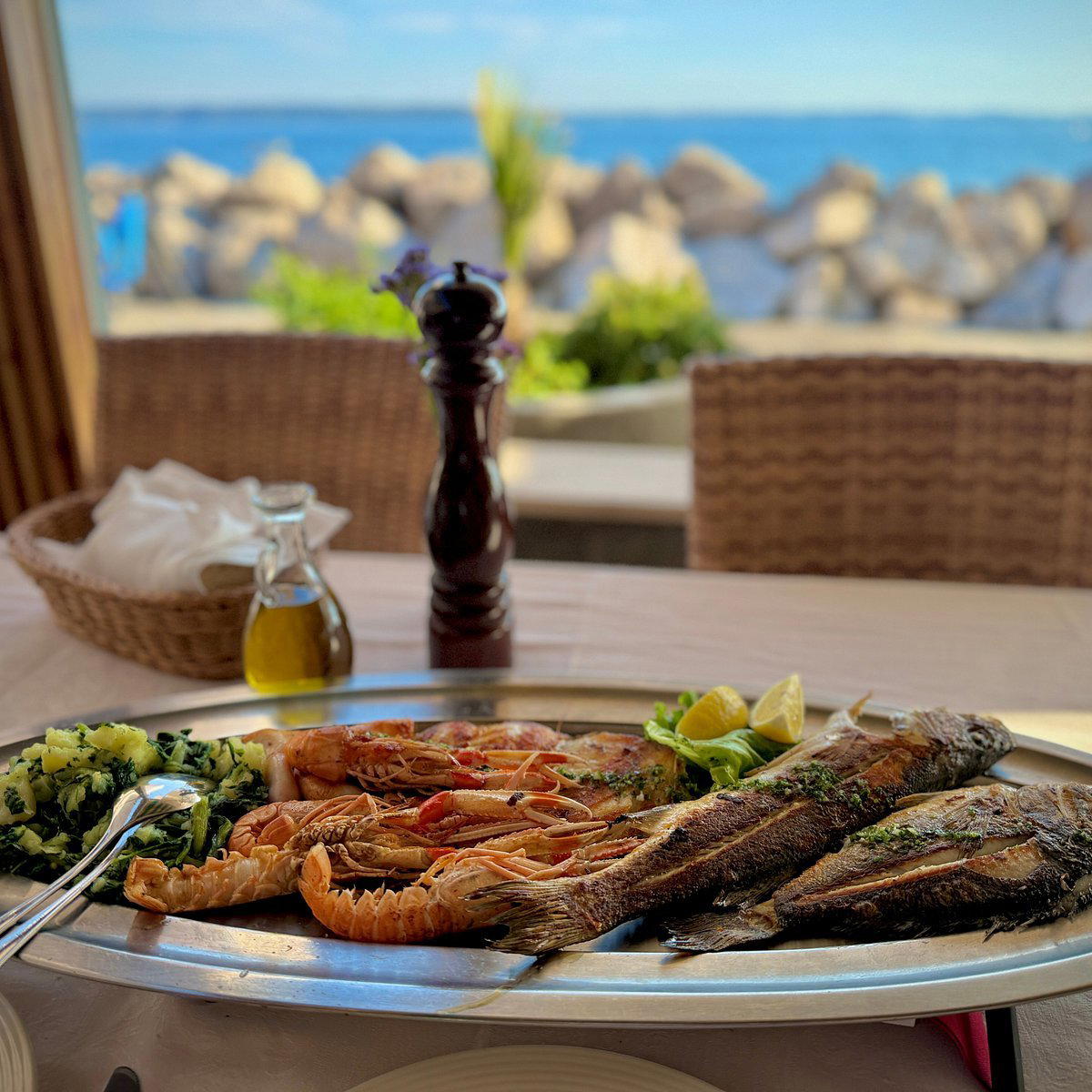
The Waterfront Setting That Shapes the Meal
Piran's Prešernovo nabrežje is one of the more quietly serious restaurant streets on the northern Adriatic. The promenade runs along the town's seaward edge, where the Venetian-influenced old town meets open water, and the dining rooms that line it operate with a geographic advantage that is also a competitive pressure: the same view draws multiple operators, so differentiation has to come from the plate and the floor, not the postcode. Restavracija Pavel, at number 4, sits inside that dynamic. The address places it within easy reach of Tartinijev trg, Piran's central square, which means foot traffic from both day visitors and the smaller cohort of guests staying overnight in the old town.
Istrian coastal cooking, which stretches across the Slovenian, Croatian, and Italian sides of the northern Adriatic, has a recognisable grammar: olive oil from the Istrian interior, seafood from the same waters you can see from the table, and a structural debt to Venetian technique that never fully announced itself as influence because it simply became local practice over centuries. The dining rooms along Prešernovo nabrežje, including Pavel, operate in that tradition, and the context matters because it sets the expectation correctly. This is not a cuisine that performs novelty; it earns credibility through material quality and restraint.
How the Floor and Kitchen Work Together
The editorial angle most useful for understanding Pavel, and for understanding the better waterfront restaurants in Piran generally, is the relationship between front-of-house and kitchen in a setting where the tourist-to-local ratio skews heavily seasonal. Slovenia's Adriatic coastline is short, roughly 46 kilometres in total, and Piran absorbs a disproportionate share of visitors relative to its size. That compression means a dining room on the harbour has to make two calculations simultaneously: how to serve a table of Italian day-trippers and a table of Slovenian regulars with the same menu and the same confidence. The restaurants that manage it, like Delfin and Fritolin – Ribja Kantina on the same stretch, tend to have front-of-house teams that read the room rather than recite the menu, and kitchens that have decided what they are rather than trying to be all things.
That team dynamic, where the sommelier or floor lead functions as an interpreter between kitchen identity and guest expectation, is particularly consequential in a wine context. The Slovenian coast sits at the edge of several interesting wine zones. Kras, just inland, produces Teran from Refošk grapes on red limestone soils; the Vipava Valley, further north, is producing some of the country's more precise whites. A floor team that knows this geography, and can guide a guest from a reflexive Pinot Grigio order toward a Slovenian coastal or near-coastal wine, is doing something genuinely useful. Whether Pavel's team operates at that level is something a first visit would confirm; the address and format suggest the expectation is appropriate to hold.
Piran's Dining Tier and Where Pavel Sits
Piran does not have a Michelin-starred restaurant. The broader Slovenian dining conversation at the awarded level happens elsewhere: Hiša Franko in Kobarid holds two stars and operates as the country's reference point for produce-led fine dining; Dam in Nova Gorica and Gostilna Pri Lojzetu in Vipava represent the award-adjacent tier in their respective regions. Hiša Denk in Zgornja Kungota and Hiša Linhart in Radovljica hold recognised positions in the national conversation. The coastal strip, by contrast, operates in a different register: the ceiling here is set by the quality of the catch and the discipline of the kitchen, not by tasting-menu architecture.
Within Piran specifically, the dining options divide roughly into three bands. There are the casual spots operating on volume, the mid-market gostilne that serve reliable Istrian standards, and a small number of sit-down restaurants on or near the waterfront that attempt a more considered experience. Pavel occupies that third tier alongside Gostilna Ivo, Gostilna Park, and Gostilna Ribič. The competitive set is not large, which means the choice between them comes down to specifics of format, service approach, and what the kitchen does well on a given day, rather than a meaningful hierarchy of ambition.
For context on what the upper tier of European seafood dining looks like at the awarded level, Le Bernardin in New York City represents one pole of that conversation, where a dedicated seafood kitchen has been refined over decades into something approaching a canonical reference. The distance between that and a harbour-side room in Piran is significant, but the underlying commitment, to the product rather than the performance, runs along the same axis.
Planning a Visit: Timing, Access, and Practical Notes
Piran's old town is a pedestrian zone, which means arriving by car requires parking outside the historic centre and walking in. One practical approach for visitors staying outside the town is to use the Fornače car park on the western approach and cover the remaining distance on foot, a walk of roughly ten to fifteen minutes along the seafront depending on your starting point. The summer season, from June through August, is when Prešernovo nabrežje operates at full capacity; dinner reservations on the waterfront during that period are not casual decisions, and arriving without a booking carries genuine risk of a long wait or no table at all. Shoulder season, particularly May and September, offers the same setting with considerably less competition for seats. Piran's weather in those months, mild and typically dry, makes waterfront dining more comfortable than the height of summer in any case.
For visitors building a broader itinerary around Slovenian dining, the coast is most productively combined with the Vipava Valley and Karst regions, where the wine output gives the meals a geographical logic. Milka in Kranjska Gora, Restavracija Strelec in Ljubljana, Pavus in Lasko, Grič in Šentjošt nad Horjulom, and Gostilna Mlinar in Idrija each anchor different parts of a country whose dining geography rewards a multi-stop approach.
Cost and Credentials
Comparable venues nearby, for context on price, style, and recognition.
| Venue | Cuisine | Price |
|---|---|---|
| Restavracija PavelThis venue — the venue you are viewing | Piran seafront, Mediterranean Seafood | $$$ |
| Tri Vdove | Punta, Mediterranean Seafood | $$$ |
| Neptun | Piran, Fresh Adriatic Seafood | $$ |
| Gostišče Neptun | Piran Old Town, Fresh Adriatic Seafood | $$ |
| Restavracija Marina | Portorož Marina, Modern Istrian Seafood | $$$ |
| Pri Mari | Piran, Seafood | $$ |
Continue exploring
More in Piran
Restaurants in Piran
Browse all →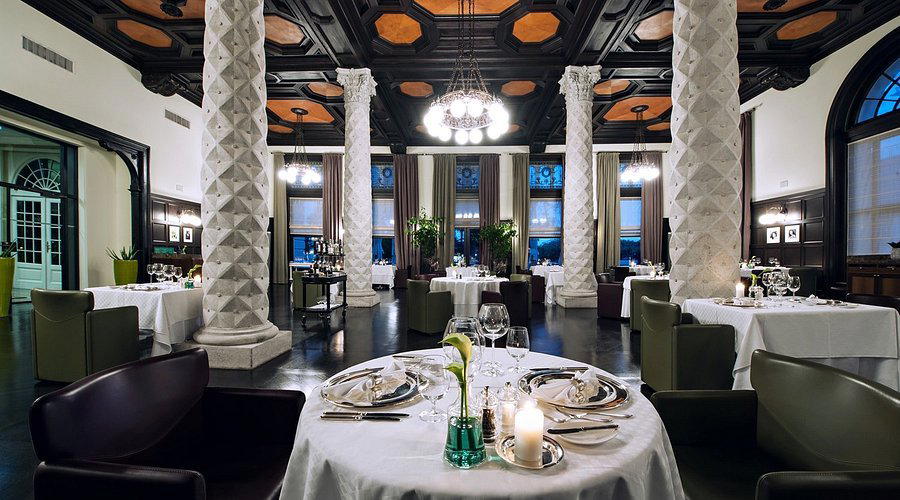
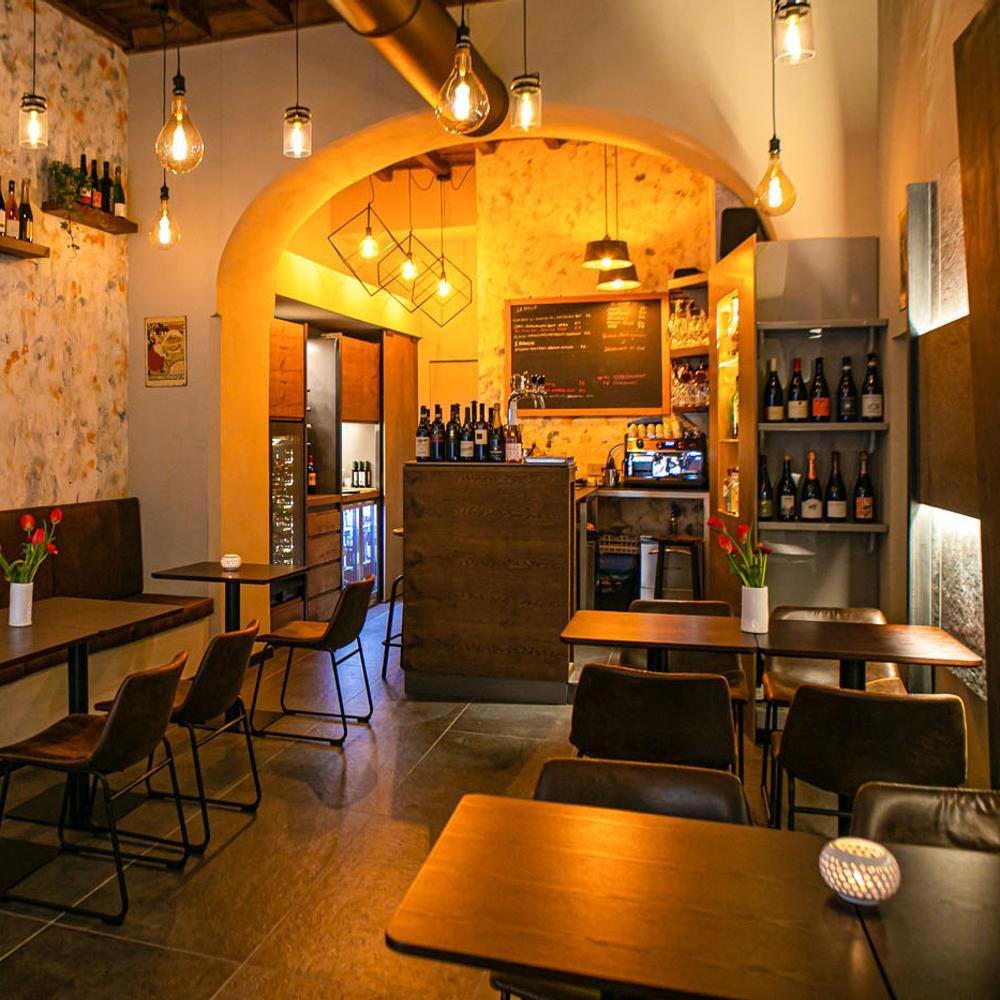
Bars in Piran
Browse all →
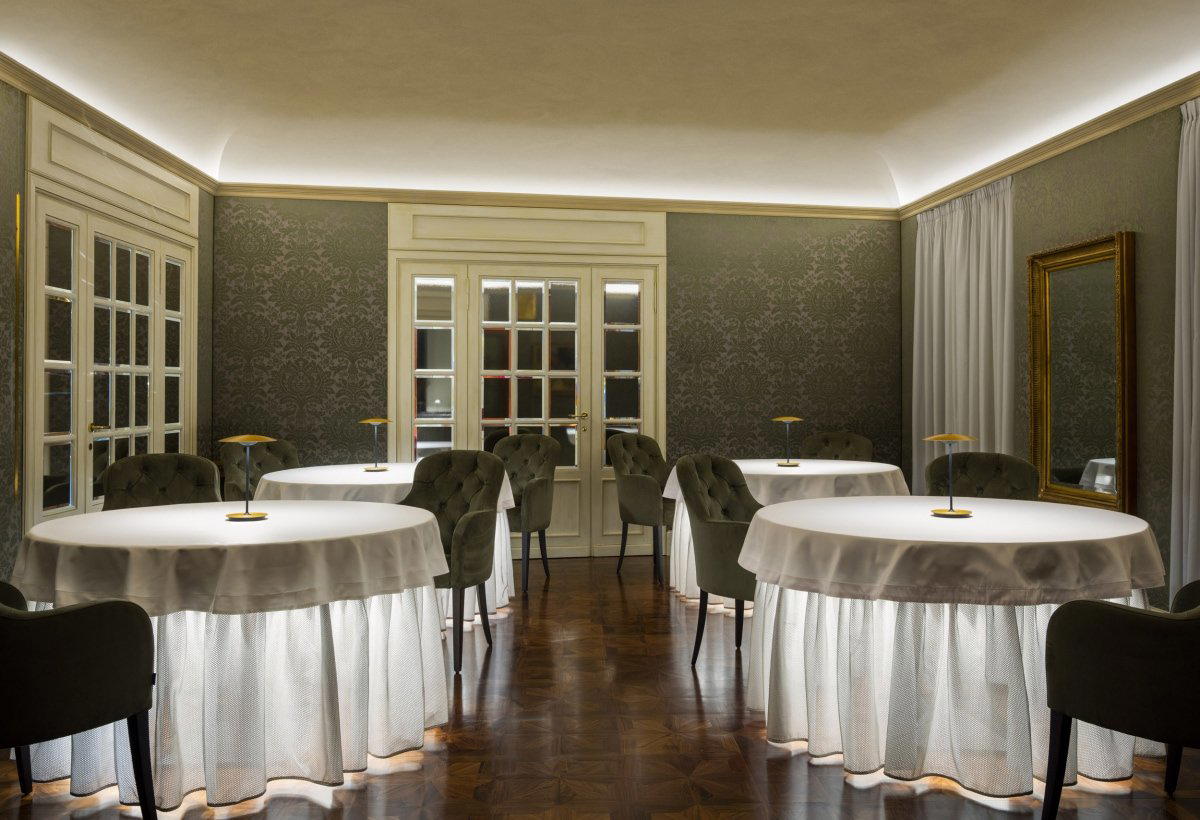
Hotels in Piran
Browse all →
At a Glance
- Scenic
- Classic
- Cozy
- Date Night
- Special Occasion
- Waterfront
- Terrace
- Extensive Wine List
- Local Sourcing
- Waterfront
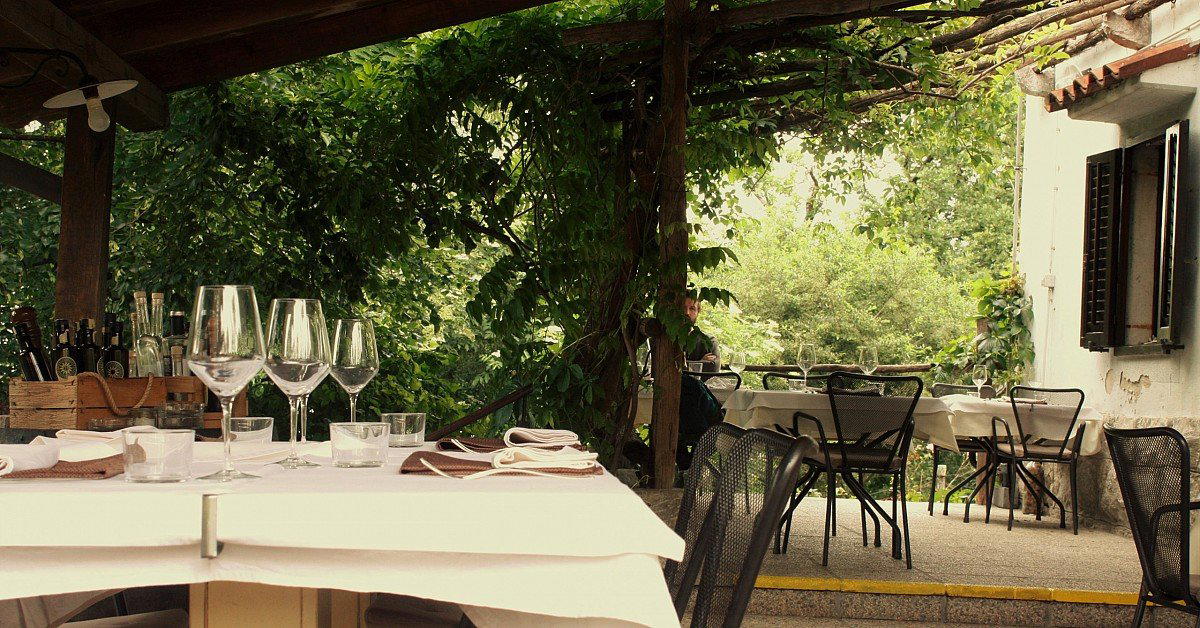
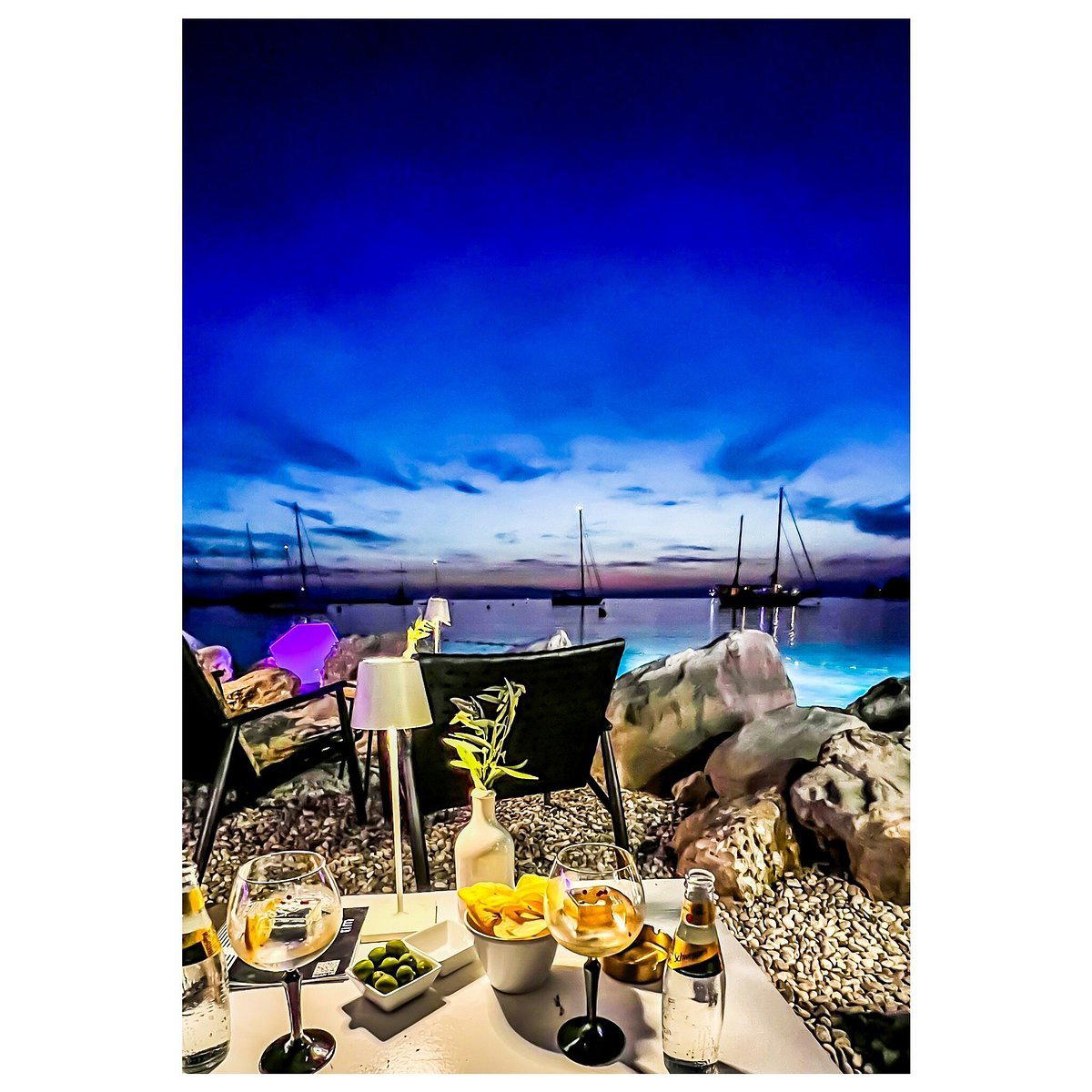
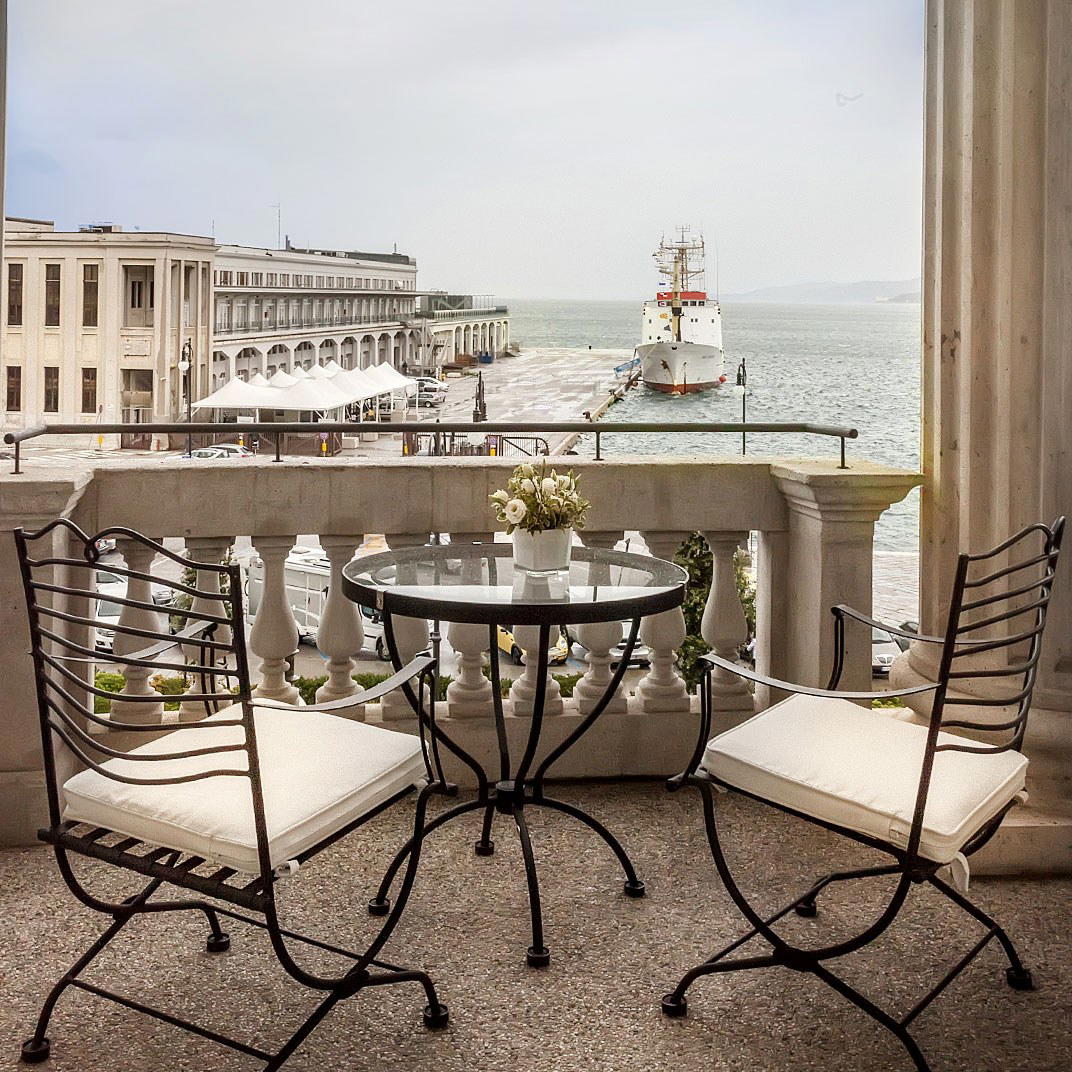
Cozy indoor seating or open-air terrace with gentle sea breeze and authentic Mediterranean atmosphere.