



Gostilna Pri Lojzetu occupies Chateau Zemono on a low hill above the Vipava Valley, where Chef Tomaž Kavčič has held a Michelin star continuously since at least 2024 and earned 90 points from La Liste in 2025. The restaurant sits at the premium end of Slovenia's growing constellation of destination dining, pairing modern technique with the wines and produce of one of the country's most fertile valleys. Booking is advised well in advance, particularly for terrace seating during the summer season.
Pearl is the En Primeur Club membership app — saves, bookings, and concierge access live there. Same editors, same standards.
- Address
- Zemono 7, 5271 Vipava, Slovenia
- Phone
- +386 5 368 70 07
- Website
- prilojzetu.com
- Directions
- Get directions
 Saves & bookings on Pearl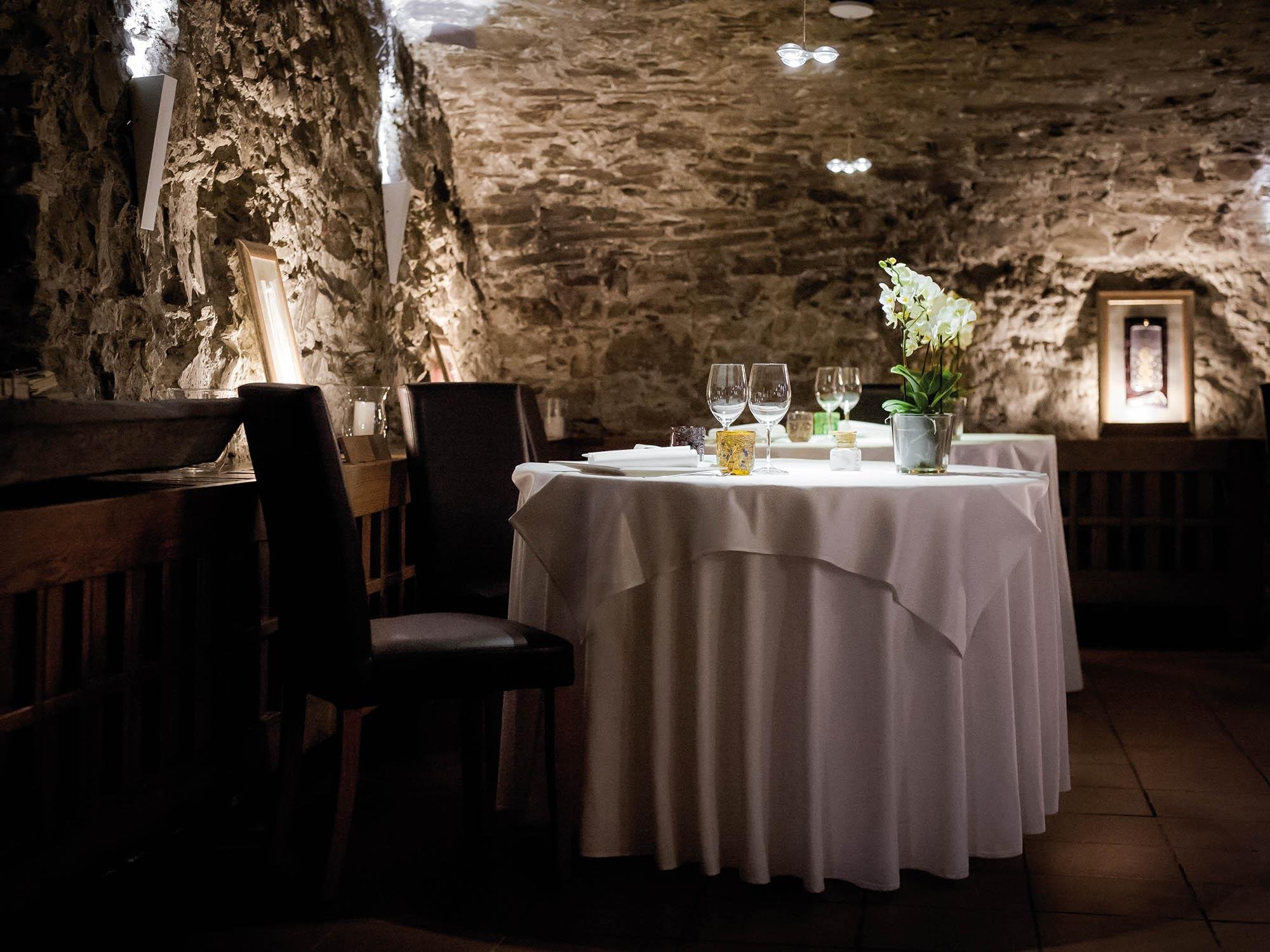
A Hill, a Chateau, and the Weight of the Vipava Valley
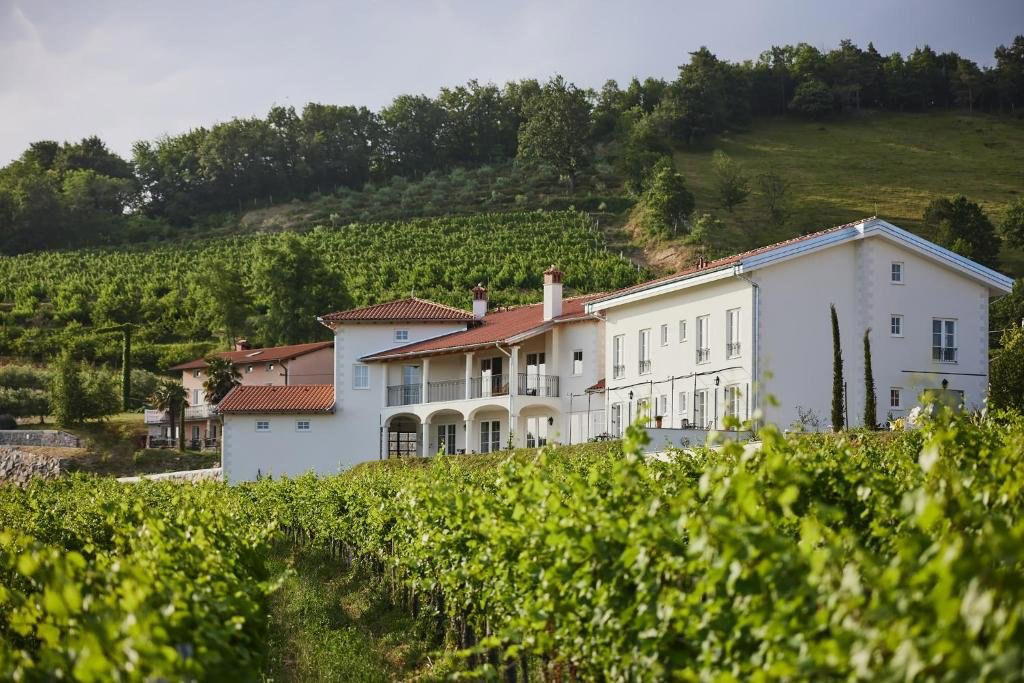
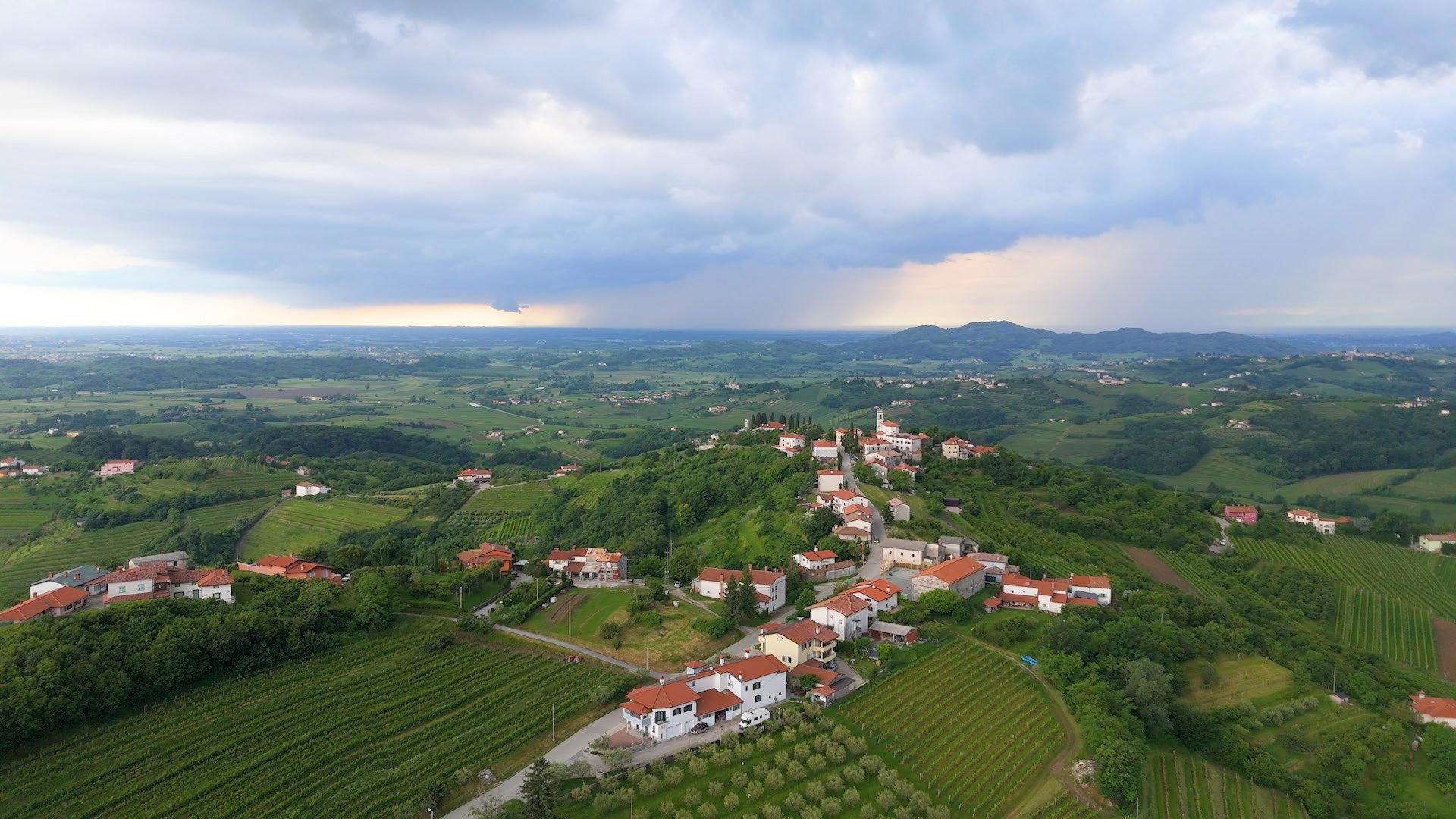
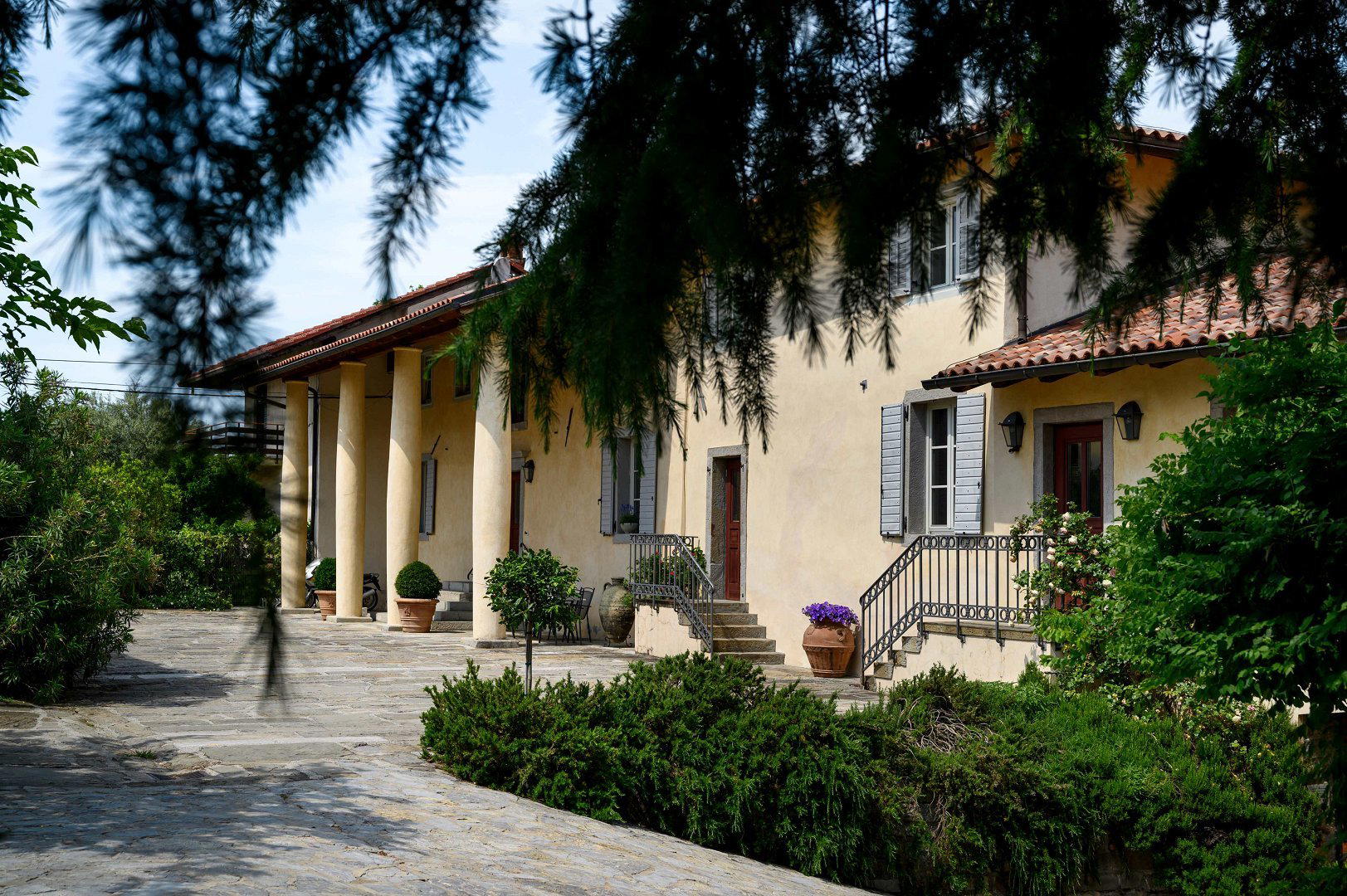
Gostilna Pri Lojzetu is a one-Michelin-star restaurant in Vipava, Slovenia, at the €€€€ price tier. The approach to Chateau Zemono sets a particular kind of expectation. A small, vine-framed hill rises out of flat agricultural land west of Vipava town, and the 17th-century manor at its crest is visible long before you arrive. That physical drama, stone walls and a panoramic sweep of karst ridgelines and valley floor, is not incidental to what happens at the table inside. It is the frame that Chef Tomaž Kavčič has spent years working within, and the tension between historic place and modern technique is the defining logic of the restaurant.
Gostilna Pri Lojzetu operates at the €€€€ price tier, which in Slovenia means it competes directly with the country's other destination-format restaurants: Hiša Franko in Kobarid, Milka in Kranjska Gora, and Grič in Šentjošt nad Horjulom. All four carry Michelin recognition. Hiša Franko holds three stars; Milka, two. Gostilna Pri Lojzetu and Grič each hold one, placing them in the same recognition tier while offering distinct regional identities. What differentiates the Zemono experience is geography: no other Michelin-starred table in Slovenia is positioned inside an active wine-producing valley with this kind of agricultural immediacy.
Slovenia's Starred Circuit and Where Vipava Fits
Slovenia's Michelin coverage has expanded steadily over the past decade, moving from a handful of Ljubljana-anchored entries to a distributed national map that now includes the Julian Alps, the Savinja Valley, the Kranjska region, and the western wine zones. That expansion reflects a broader shift: the country's serious restaurants are increasingly anchored to place and to specific agricultural identities rather than to capital-city visibility. The Vipava Valley is a logical home for this kind of cooking. Its microclimate, sheltered from the Adriatic by the Nanos plateau and exposed to the warm bora wind, produces markedly different ingredients than the cooler Slovenian interior, and its wine culture, built around Zelen, Pinela, and Rebula, has attracted international attention particularly over the past fifteen years.
The restaurant earned its Michelin star in 2024 and retained it in 2025. That positioning is instructive: the restaurant sits comfortably in the upper bracket of Slovenia's dining scene without yet reaching the critical mass of, say, Hiša Franko, which has become a European destination in its own right. For the traveller working through Slovenia's serious restaurant tier, the restaurant belongs on the same itinerary as Hiša Linhart in Radovljica and Dam in Nova Gorica, each of which represents a different facet of the country's modern cooking.
Chef Tomaž Kavčič and the Logic of Rooted Modern Cuisine
Slovenia's most compelling destination restaurants tend to share a structural characteristic: a chef who has committed to a specific place over a long period rather than cycling through urban kitchens. Kavčič's work at Zemono follows that pattern.
The editorial angle that matters here is not biographical but competitive: in a country where the premium dining tier is thin and the gap between a competent regional restaurant and a Michelin-starred one is more apparent than in France or Japan, Kavčič has built something durable. The restaurant's classification as Modern Cuisine positions it alongside international peers such as Frantzén in Stockholm and FZN by Björn Frantzén in Dubai in terms of category, though its scale and setting are entirely different. Where those operations represent large-footprint urban destinations, the restaurant is the opposite: a rural manor with a single defining view and a kitchen vocabulary rooted in one valley's seasons.
Across Slovenia's broader starred circuit, the chefs who have built sustained recognition, at Hiša Franko, at Hiša Denk in Zgornja Kungota, at Pavus in Lasko, share that commitment to regional specificity. Kavčič's version of it is the Vipava Valley: its produce, its wine, its particular relationship between Mediterranean warmth and Alpine cool.
Reading the Room: Atmosphere and Format
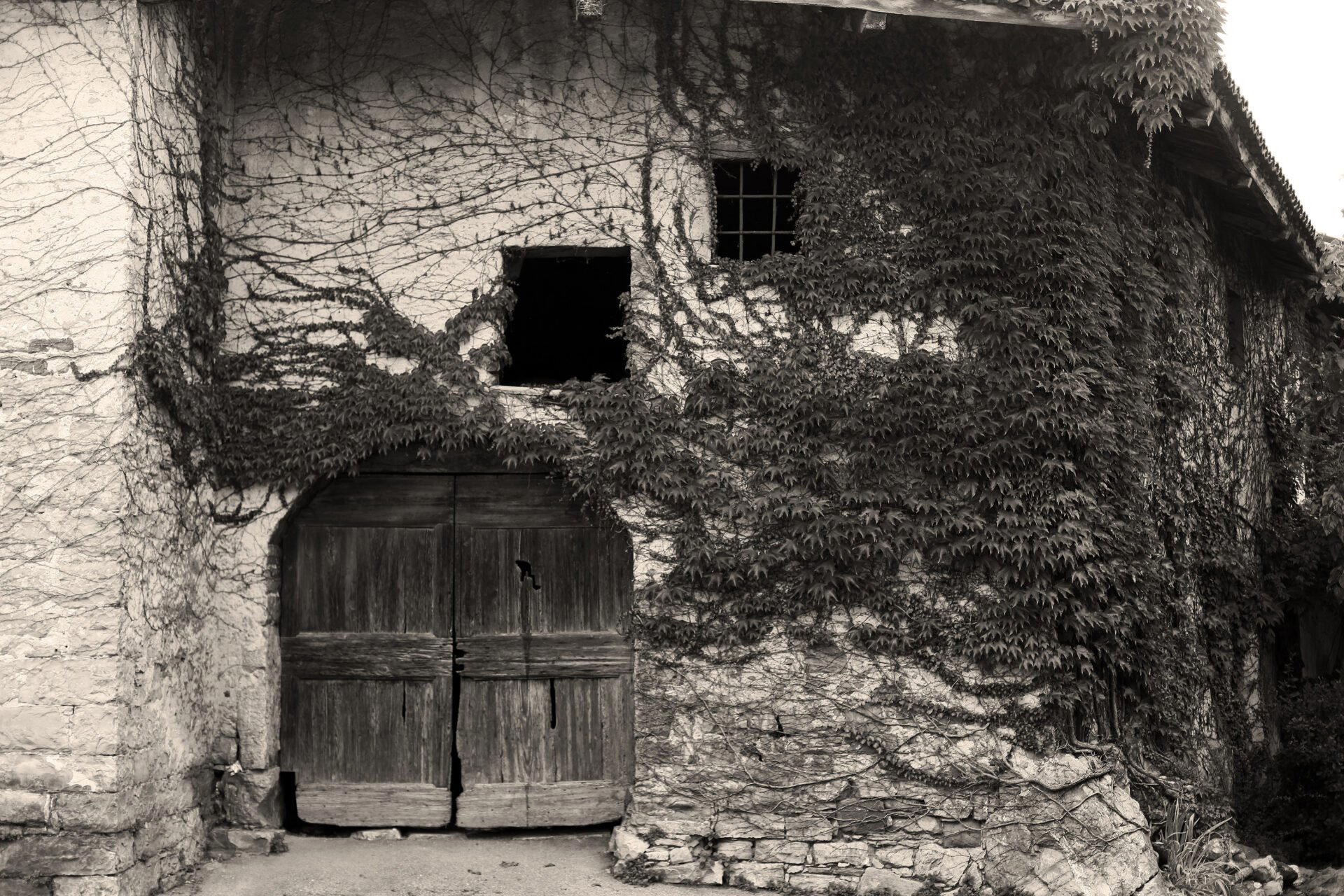
The dining room at Chateau Zemono carries the architectural logic of a 17th-century Slovenian manor: stone, height, and a certain formality that the food works against rather than with. That productive friction, between historic setting and contemporary plate, is common to a particular tier of European destination restaurants that occupy inherited buildings. Restavracija Strelec in Ljubljana uses the Tower of Ljubljana Castle in a comparable way. The building does not explain the cooking; it frames it.
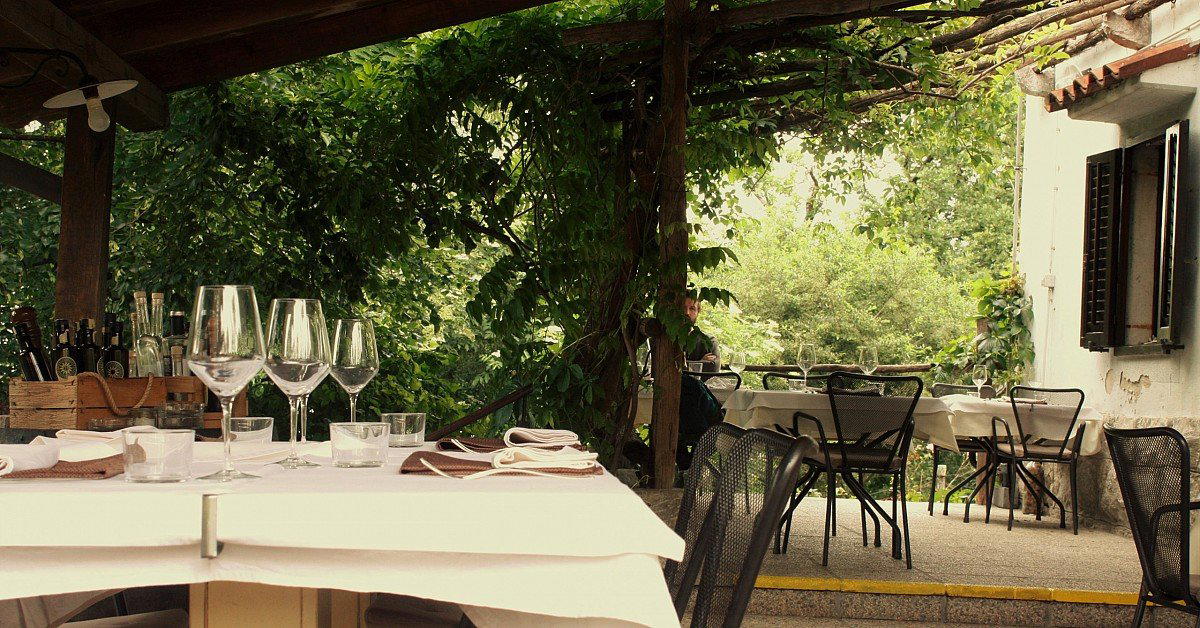
The terrace, when weather allows, shifts the register considerably. Looking out over the valley floor with karst hills in the distance is a different experience from sitting inside stone walls, and for first-time visitors the terrace is worth requesting specifically. Vipava's main growing season runs from late spring through early autumn, and the valley is at its most visually alive from May through September, making summer the period when the setting and the seasonal menu align most naturally. Booking during that window, and booking the terrace if possible, is the practical advice that follows from the geography.
Planning the Visit: Logistics and Context
Vipava is approximately 50 kilometres from Ljubljana by car, making the restaurant accessible as a long lunch or dinner destination from the capital without requiring an overnight stay, though the valley's wine producers and smaller accommodation options reward a slower visit. The nearest significant town is Vipava itself, a few kilometres from Zemono hill. The restaurant address at Zemono 7 places it slightly outside the town, reachable by car; the uphill approach is part of the arrival sequence.
At the €€€€ tier with Michelin recognition, the restaurant draws visitors from across Europe, and weekend tables during summer require advance planning. Elsewhere in Slovenia, Danilo in Škofja Loka and A3 in Brestanica represent the country's broader modern dining circuit for those building a multi-stop itinerary. Similarly, City Terasa in Maribor offers a useful contrast in urban register.
Comparable Venues
Comparable venues nearby, for context on price, style, and recognition.
| Venue | Cuisine | Price | Awards | Notes |
|---|---|---|---|---|
| Gostilna Pri LojzetuThis venue — the venue you are viewing | Slovenian | $$$$ | Michelin 1 Star | Not listed |
| Gostilna in vinoteka Faladur | Dining | Not listed | Bib Gourmand | Vipava |
| Dvorec Zemono | Modern Slovenian with Deconstructionist Techniques | $$$$ | Not listed | Vipava Valley |
| Gostilna Theodosius | Modern Slovenian Fine Dining | $$$ | Not listed | Vipava Valley |
| Gostilna Podfarovž | Modern Slovenian Vipava Valley | $$$ | Not listed | Vipava |
| Krhne | Modern Slovenian | $$ | Not listed | Vipava Old Town |
Recognition history
Dated appearances from independent guides and award organizations, with the underlying list record or original source where available.
Falstaff Restaurant - 95 Falstaff Points
Falstaff
La Liste Top Restaurants
La Liste
Michelin 1 Star
Michelin
Star Wine List
Star Wine List
La Liste Top Restaurants
La Liste
Michelin 1 Star
Michelin
Michelin 1 Star
Michelin
Continue exploring
More in Vipava
Restaurants in Vipava
Browse all →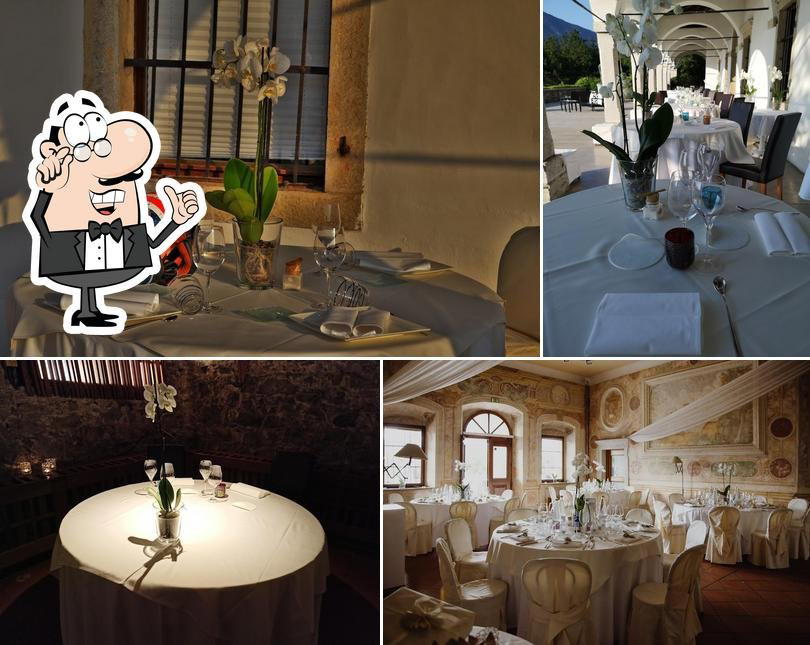
Bars in Vipava
Browse all →
Hotels in Vipava
Browse all →
At a Glance
- Elegant
- Scenic
- Sophisticated
- Romantic
- Classic
- Special Occasion
- Date Night
- Celebration
- Business Dinner
- Private Event
- Historic Building
- Terrace
- Panoramic View
- Private Dining
- Standalone
- Extensive Wine List
- Mountain
- Vineyard
Elegant and refined in an old manor setting, with terrace dining in summer and warm, carefully arranged historic rooms in winter.