
A Michelin Bib Gourmand holder in Istria's wine country, Konoba Malo Selo operates out of a centuries-old stone building in Kaldanija, near Buje, where an open fireplace anchors both the room and the cooking. Half-portions are the strategy here: the format lets you work through Istrian cured ham, hand-rolled fuži pasta, and fire-grilled Fiorentina steak in a single sitting. At €€ pricing, it represents one of the more credible value propositions in the Croatian Michelin network.
Pearl is the En Primeur Club membership app — saves, bookings, and concierge access live there. Same editors, same standards.
- Address
- Fratrija 1, Kaldanija1, 52460, Buje, Croatia
- Phone
- +385 52 777 332
- Directions
- Get directions
 Saves & bookings on Pearl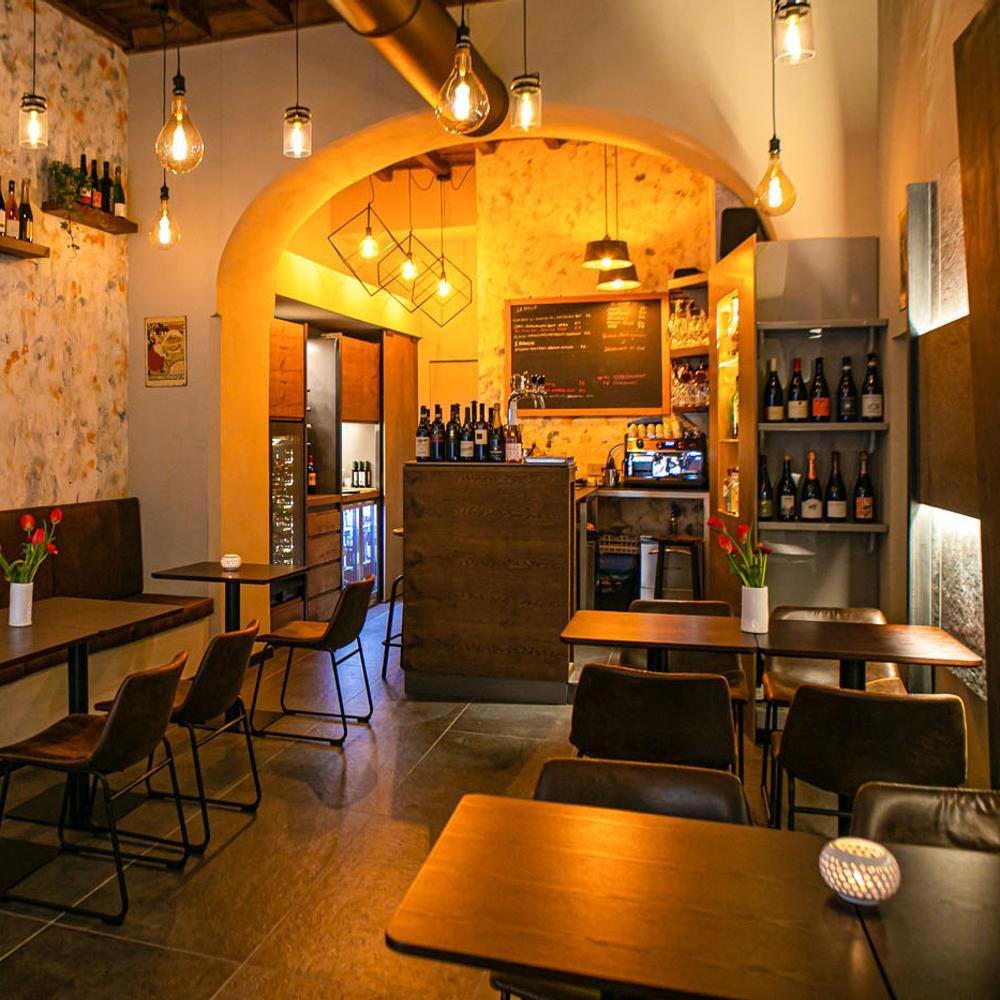
Stone Walls, Open Fire, and the Logic of Istrian Cooking
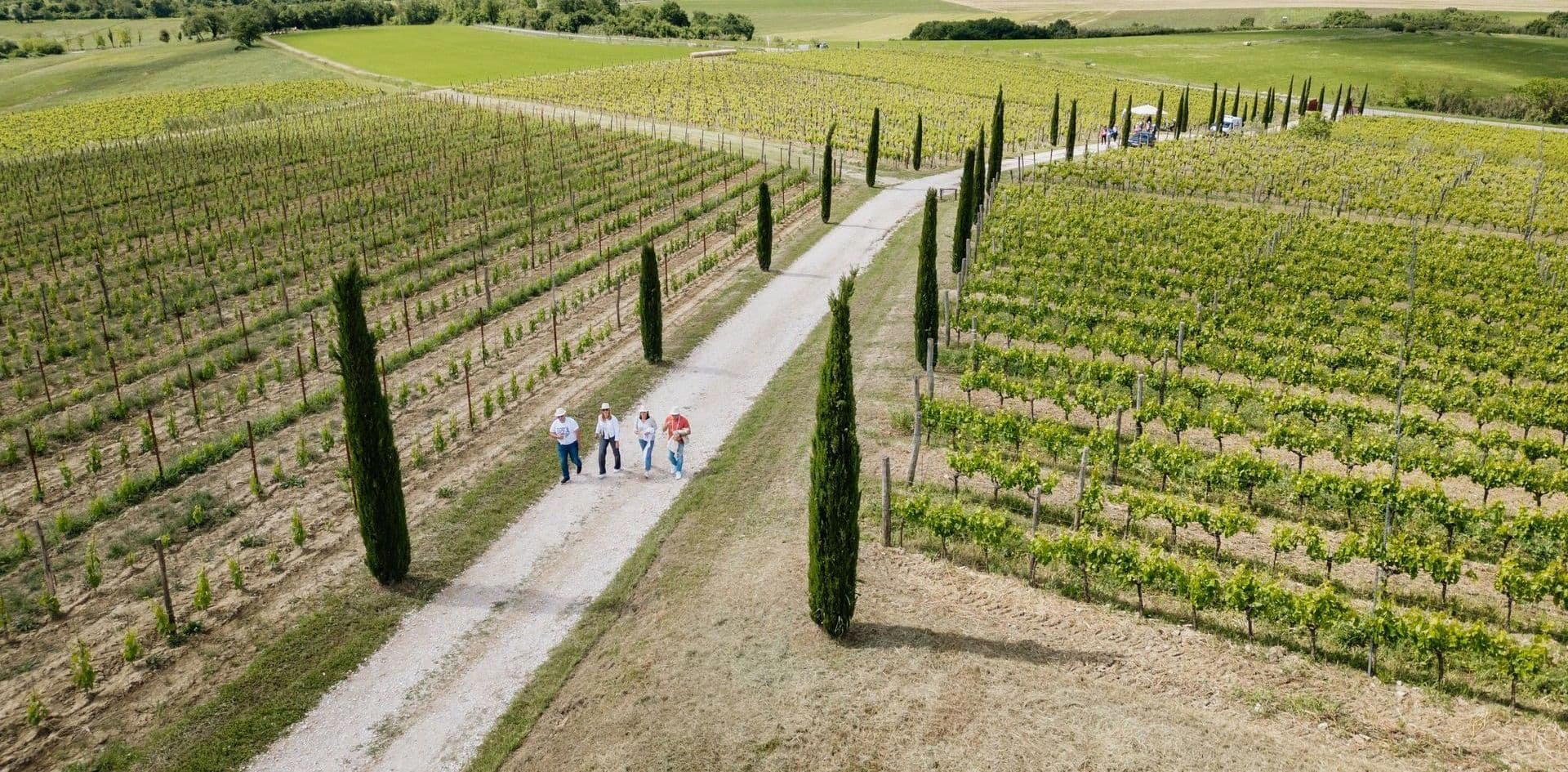
Approach the hamlet of Kaldanija outside Buje and the landscape does the framing for you: terraced olive groves, limestone walls, and the kind of compressed rural quiet that coastal Istria tends to keep for itself once you move a few kilometres inland from the tourist circuits. The building that houses Konoba Malo Selo is old stone, the kind that retains the cold in winter and the cool in summer, and the fireplace visible from both small dining rooms is not decorative. It is the kitchen's primary tool, and the menu is designed around what an open fire can do that a hob cannot.
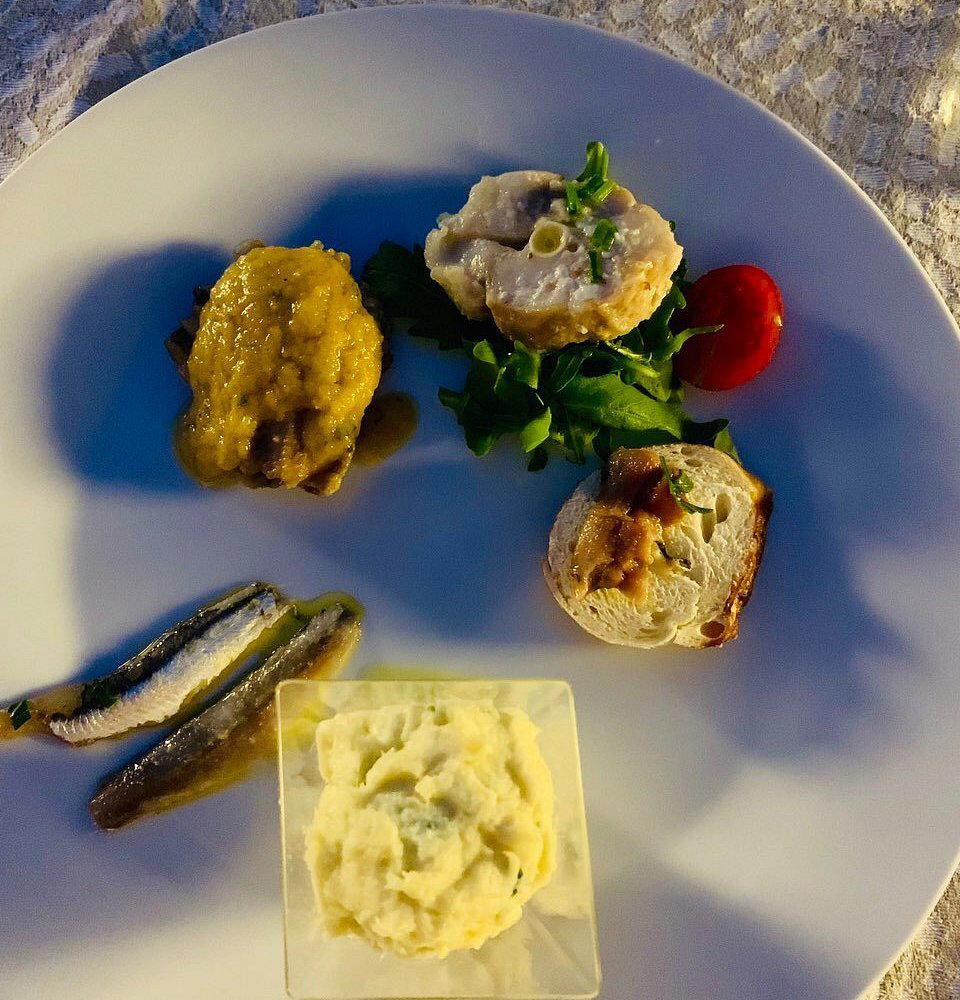
That physical grounding matters because it explains the cooking's logic. The fireplace shapes what gets ordered, how long it takes, and what it tastes like. Fillet of Fiorentina steak grilled directly over those flames is the anchor of the meal for meat-led tables; it arrives with the char and rendered-fat character that only live fire produces. The fuži, hand-rolled pasta tubes that are one of Istria's most distinctly regional formats, come with a mushroom sauce that draws on the inland Istrian obsession with forest fungi, particularly the wild porcini and tartufo that the area's oak woodland produces in autumn. These are not dishes designed to demonstrate technique in the abstract. They are dishes designed for this room, this fireplace, and this set of producers.
A Bib Gourmand in the Context of Croatia's Michelin Network
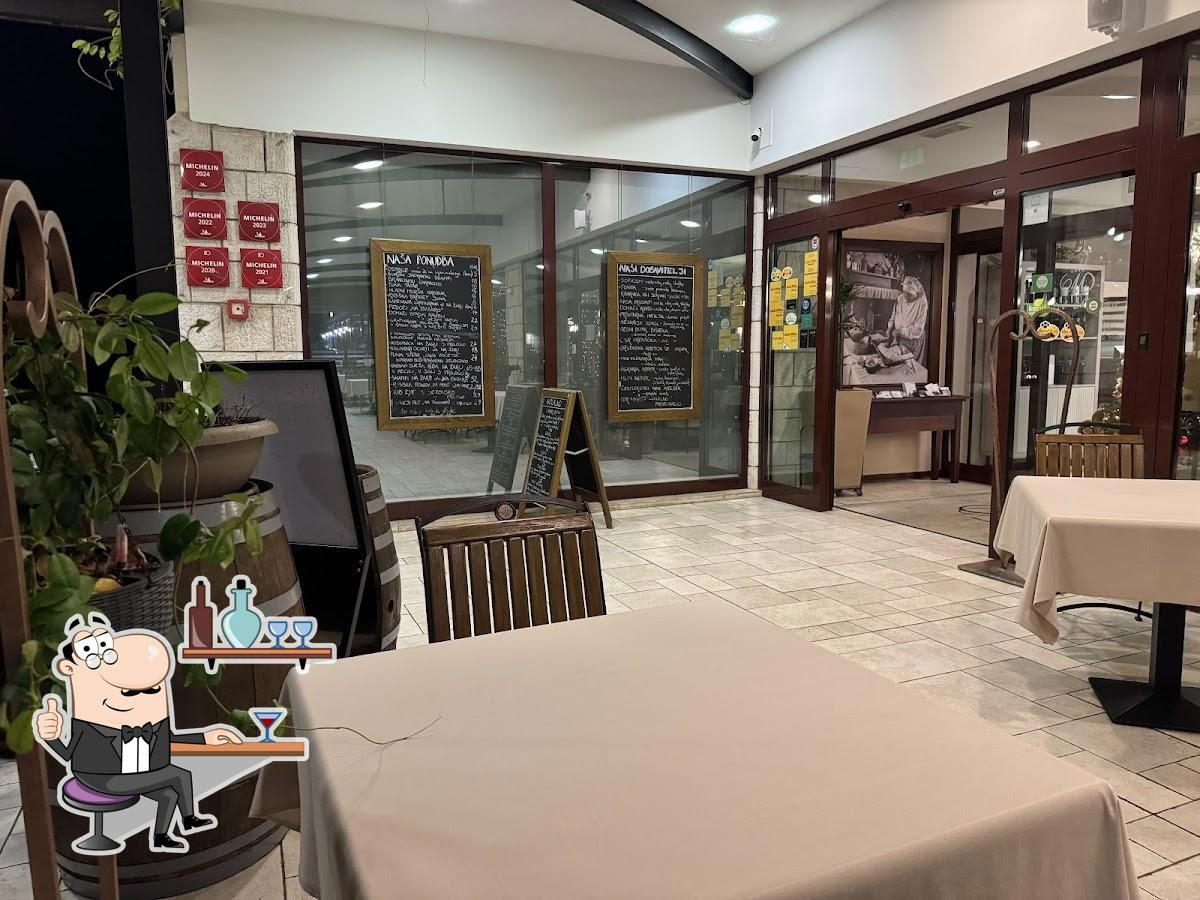
Konoba Malo Selo holds a Michelin Bib Gourmand as of 2025, which suits its position in Croatia's broader Michelin picture. The Croatian Michelin map has expanded steadily over the past decade, with starred recognition now spread across Dalmatia, the Kvarner Gulf, and Istria. Starred operations like Agli Amici Rovinj in Rovinj at the two-star level, or Pelegrini in Sibenik and Restaurant 360 in Dubrovnik at one star, tend to operate at €€€€ price points with modern plating and formal service rhythms. The Bib Gourmand category occupies a different position in that hierarchy: it flags good cooking at prices that remain accessible, and in Malo Selo's case that means a €€ bracket that makes it one of the more affordable Michelin-recognised tables in the country.
That value signal is part of what the Bib Gourmand communicates. Michelin uses the category to distinguish restaurants where quality and price are simultaneously well-calibrated, and in a region where wine-country tourism has pushed mid-range prices upward, a stone farmhouse konoba delivering fire-cooked Istrian food at this tier is a meaningful finding. For comparison, inland Istrian dining at similar quality levels has historically undercut the coastal equivalents by a measurable margin, and Malo Selo sits at the more accessible end of that inland range.
Other Bib Gourmand holders across Croatia's regions offer a useful peer frame: Korak in Jastrebarsko, Dubravkin Put in Zagreb, and Nebo by Deni Srdoč in Rijeka each represent the category's range across different regional formats. Malo Selo's version of the recognition sits at the more traditional end of that spectrum, grounded in konoba cooking rather than modern bistro or urban-casual formats. Further afield, the same category logic applies to regional specialists like Fahr in Künten-Sulz and Gannerhof in Innervillgraten, both operating within similarly rooted Central European farmhouse traditions.
The Istrian Cured Ham and Why the Bora Wind Is Relevant
Istrian cured ham occupies a specific position in the regional charcuterie canon. Unlike Prosciutto di San Daniele or Parma ham, which are cured in the Po Valley's humid air, Istrian pršut is dried in the Bora wind: a cold, dry, north-easterly that blows hard off the Dinaric Alps and across the Istrian plateau for days at a stretch, sometimes for weeks. The effect on the curing process is direct. The Bora dehydrates the exterior rapidly, which prevents surface spoilage and produces a drier, more intensely mineral cure than humidity-cured equivalents. Michelin's own notes on Malo Selo flag the ham as worthy of particular attention, describing its flavour as distinctive specifically because of this wind-curing method.
Ordering it as a half-portion at the start of a meal, before the fuži and before the fire-grilled meat, gives the meal a geographic arc: from the wind-dried plateau to the forest-mushroom interior to the fireplace. That sequencing is not coincidental. It reflects the way Istrian cooking organises its primary ingredients around altitude, microclimate, and season.
How to Eat Here
The Michelin inspectors' recommendation to order half-portions carries practical weight. The kitchen produces several distinct categories of food, and tasting across them is more instructive than committing fully to one. Half-portions of the fuži with mushroom sauce and the tagliatelle variant let you compare two pasta formats within the same menu sitting. A half-portion of the cured ham as a starter, then the fire-grilled Fiorentina as the main event, covers the konoba's two strongest registers without overeating through to the end.
The outdoor space adds a seasonal dimension: in the warmer months from late spring through early autumn, eating outside against the stone building in the evening is how most tables approach the place. The interior, with its two small dining rooms and the fireplace dominant in winter service, is the colder-season alternative, and the fire changes the atmosphere considerably.
Planning a table here requires some lead time during peak Istrian season, roughly June through September, when demand from visitors touring the inland wine routes around Buje pushes availability tighter. The area around Buje concentrates some of Istria's most serious Malvazija and Teran production, and Malo Selo sits within easy reach of several key wineries, making it a natural anchor for a day that includes both wine and food.
Comparison Snapshot
Comparable venues nearby, for context on price, style, and recognition.
| Venue | Cuisine | Price | Awards | Notes |
|---|---|---|---|---|
| Konoba Malo SeloThis venue — the venue you are viewing | Authentic Istrian Grill | $$ | Bib Gourmand | Not listed |
| Rino | Traditional Istrian | $$ | Not listed | Momjan |
| Luciano | Modern Istrian | $$$$ | Michelin Plate | Buje |
| Stara škola | Contemporary Istrian & Mediterranean | $$$ | Not listed | Krasica, Buje |
| San Servolo Steakhouse | Istrian Steakhouse | $$$ | Not listed | Buje |
| Konoba Buščina | Traditional Istrian Mediterranean | $$ | Michelin Plate | Buščina |
Recognition history
Dated appearances from independent guides and award organizations, with the underlying list record or original source where available.
Michelin Bib Gourmand
Michelin
Michelin Bib Gourmand
Michelin
Michelin Bib Gourmand
Michelin
Continue exploring
More in Buje
Restaurants in Buje
Browse all →
Bars in Buje
Browse all →

Hotels in Buje
Browse all →
At a Glance
- Rustic
- Cozy
- Intimate
- Special Occasion
- Family
- Open Kitchen
- Courtyard
- Extensive Wine List
- Local Sourcing
Current opening hours
- Monday
- 12–10 PM
- Tuesday
- Closed
- Wednesday
- Closed
- Thursday
- 12–10 PM
- Friday
- 12–10 PM
- Saturday
- 12–10 PM
- Sunday
- 12–10 PM
Hours can change for holidays and private events. Last verified .
Rustic and cozy with stone walls, cozy fireplace, white linen tables, and warm lighting from open fire cooking.