Neptun sits on Župančičeva ulica in Piran's medieval core, a short walk from the Venetian-influenced Tartini Square. In a town where the Adriatic seafood tradition runs deep and the waterfront dining scene draws visitors from across Slovenia and the wider region, Neptun occupies a quieter address that rewards those who venture slightly off the harbour path. It is a reference point for understanding how Piran's neighbourhood dining operates away from particularly visible tourist corridors.
Pearl is the En Primeur Club membership app — saves, bookings, and concierge access live there. Same editors, same standards.
- Address
- Župančičeva ulica 7, 6330 Piran, Slovenia
- Phone
- +38641715890
- Directions
- Get directions
 Saves & bookings on Pearl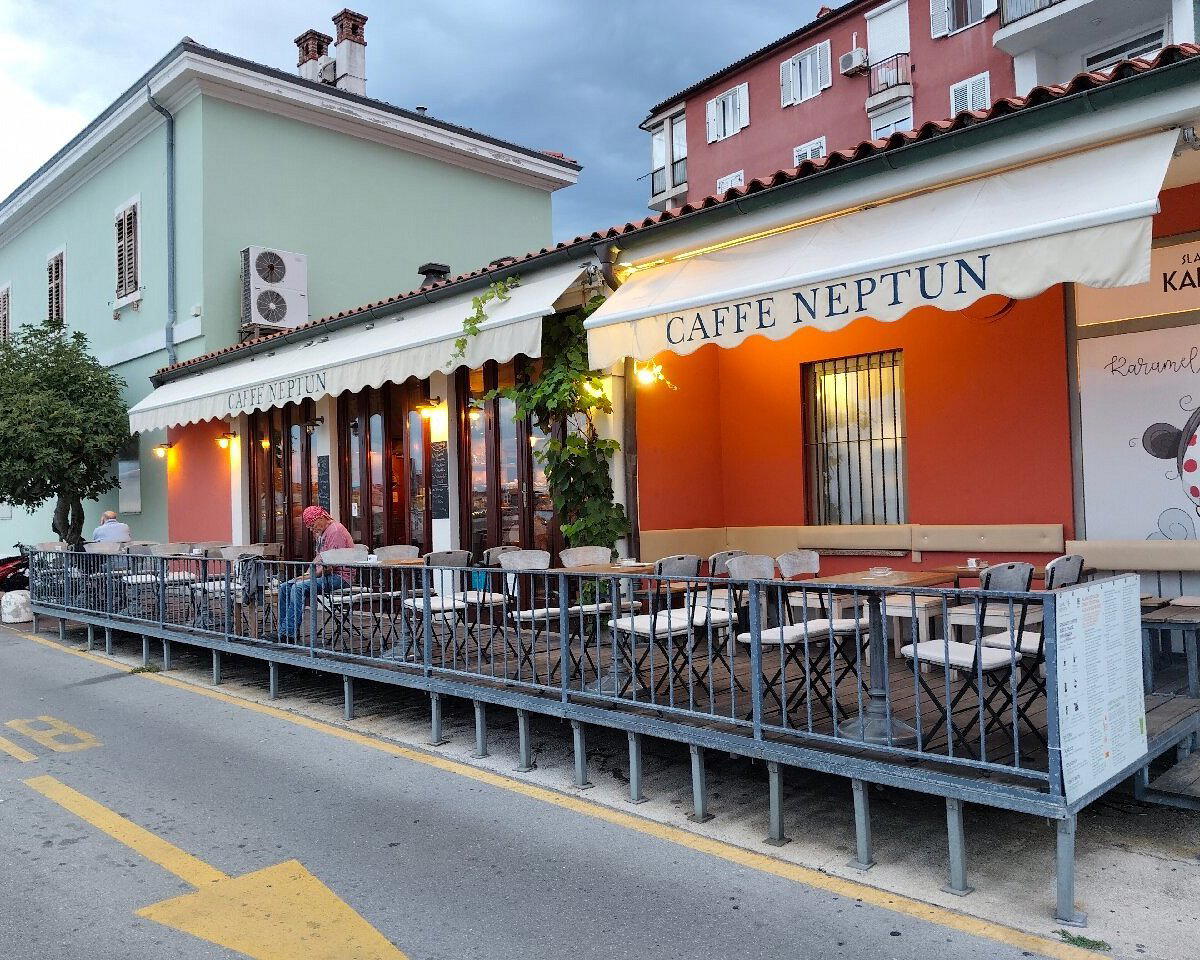
Piran's Old Town Table: Eating a Street Back from the Sea
Approach Piran from the bus terminus at Portorož and the town reveals itself gradually: the compressed medieval streetplan, the orange-tiled rooflines, the sudden opening onto Tartini Square with its marble paving and the bust of the Baroque violinist who gave the square its name. Most visitors instinctively track toward the harbour terrace restaurants that line the waterfront, where the views of the Adriatic and the Slovenian coast are obvious and the menus price accordingly. Neptun, at Župančičeva ulica 7, sits one layer deeper into the old town fabric, on a street that connects the square's edges to the quieter residential quarter behind, which, in a town as compact as Piran, is a meaningful distinction.
Piran is one of the few places on the Adriatic coast where medieval Venetian urban planning survives almost intact. The street grid is tight, the buildings lean toward each other above narrow passages, and the relationship between indoor and outdoor dining is conditioned by the physical constraints of centuries-old stone. Restaurants that operate away from the water's edge exist in a different commercial register: they serve a combination of returning visitors, local workers, and travellers who have done enough research to know that waterfront premiums in Adriatic towns rarely correlate with kitchen quality. Neptun's address places it in that second category of Piran dining.
The Adriatic Seafood Tradition in Context
Slovenia's coastline stretches approximately 47 kilometres, making it one of the shortest national sea frontages in Europe, but the fishing and cooking traditions concentrated along that strip are disproportionately developed. Piran and the surrounding Piran municipality have historically been the centre of that tradition, with the town's fishing fleet, salt pans at Sečovlje to the south, and proximity to the Koper market creating a supply chain for fresh Adriatic catch that distinguishes the area from inland Slovenian cuisine.
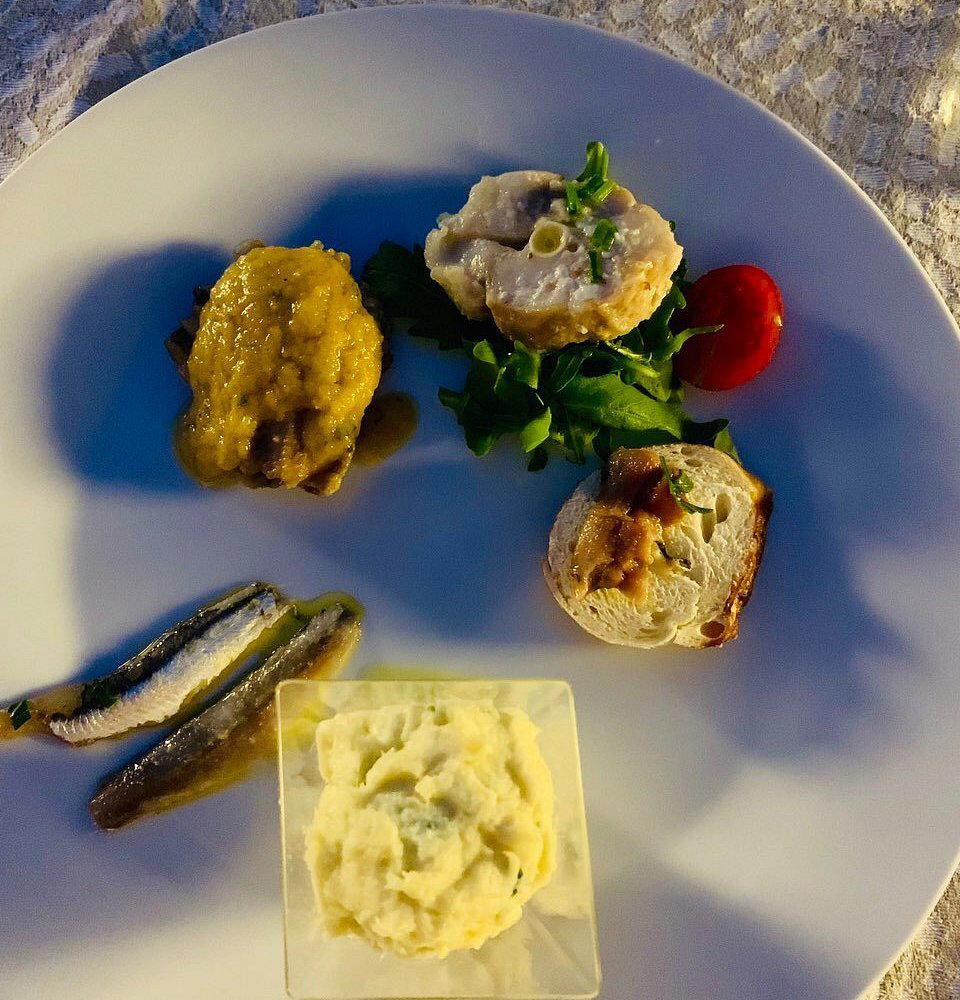
The dominant mode of coastal cooking here draws on the same Italian-influenced framework shared across the northern Adriatic, squid prepared simply, whole fish grilled over open heat, pasta with shellfish, and the olive oil that comes from the groves on the Slovenian and Istrian karst above the coast. That tradition sits alongside a broader Slovenian culinary identity that reaches its formal expression in restaurants like Hiša Franko in Kobarid or Gostilna Pri Lojzetu in Vipava, where the raw ingredients of Slovenian geography, the karst, the rivers, the alpine meadows, are treated with the rigour of a formal kitchen. Piran's neighbourhood tables, Neptun among them, operate closer to the everyday end of that spectrum: the seafood tradition as it is actually eaten by people who live near it, not as a curated tasting proposition.
Where Neptun Sits Among Piran's Tables
Piran's restaurant concentration is relatively high for a town of its permanent population size, sustained by the tourism volume that moves through the Slovenian Riviera between late spring and early autumn. The competitive set for a venue at Neptun's address and format includes several well-established names. Gostilna Ribič and Fritolin – Ribja Kantina both operate with a seafood-first focus and have built returning visitor bases. Gostilna Ivo and Gostilna Park represent the gostilna tradition, the Slovenian inn format where seafood shares the menu with meat dishes and the atmosphere skews toward the local rather than the purely touristic. Delfin is another point of reference along the waterfront corridor.
Neptun's positioning on Župančičeva ulica, a residential address rather than a harbour-front terrace, shapes what kind of meal is likely here. In Adriatic towns of this scale, the restaurants that survive on interior streets over multiple seasons do so because they maintain a regular clientele that is not purely dependent on summer tourist throughput. That structural fact tends to produce more consistent kitchens and less aggressive pricing than the premium waterfront spots, though it also means the setting trades view for authenticity of place.
Planning a Visit to Neptun
Piran is reached most directly from Ljubljana by bus, a journey of approximately two hours, or by car via the A1 motorway to Koper and then the coastal road south. Day-trip volumes from Portorož are substantial in July and August, which means that Piran's old town restaurants, including those on interior streets, fill at peak lunch and dinner hours during the summer season. Visiting on a weekday rather than a weekend, or arriving early for either meal service, reduces the friction considerably. The shoulder seasons of May to June and September to October offer a different version of Piran: the light quality is excellent, the crowds thin, and the local character of the old town reasserts itself.
Neptun's address at Župančičeva ulica 7 is walkable from Tartini Square in under five minutes. Parking is not available in the medieval core; the dedicated car park at the town entrance handles most visitor vehicles. For those approaching from Portorož, the seasonal boat service is a practical alternative to road traffic.
Slovenia's broader dining circuit for travellers who move beyond the coast includes formal addresses like Restavracija Strelec in Ljubljana, Hiša Denk in Zgornja Kungota, Hiša Linhart in Radovljica, Milka in Kranjska Gora, Dam in Nova Gorica, Grič in Šentjošt nad Horjulom, Pavus in Lasko, and Gostilna Mlinar in Idrija. For those cross-referencing against high-end European and global seafood standards, Le Bernardin in New York City and Atomix in New York City represent different points on that international spectrum.
A Minimal comparable set
Comparable venues nearby, for context on price, style, and recognition.
| Venue | Cuisine | Price | Notes |
|---|---|---|---|
| NeptunThis venue — the venue you are viewing | Piran, Fresh Adriatic Seafood | $$ | Not listed |
| Delfin | Not listed | $$ | Piran Old Town, Traditional Slovenian Seafood |
| Gostišče Neptun | Piran Old Town, Fresh Adriatic Seafood | $$ | Not listed |
| Pri Mari | Piran, Seafood | $$ | Not listed |
| Ribja kantina Santalucia | Portoroz, Fresh Istrian Seafood | $$ | Not listed |
| Gostilna Ribič | Piran, Fresh Adriatic Seafood | $$ | Not listed |
Continue exploring
More in Piran
Restaurants in Piran
Browse all →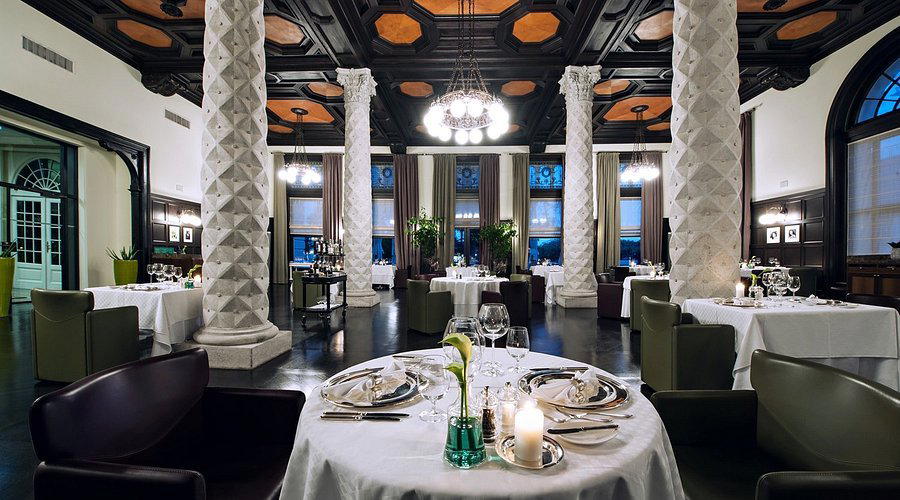
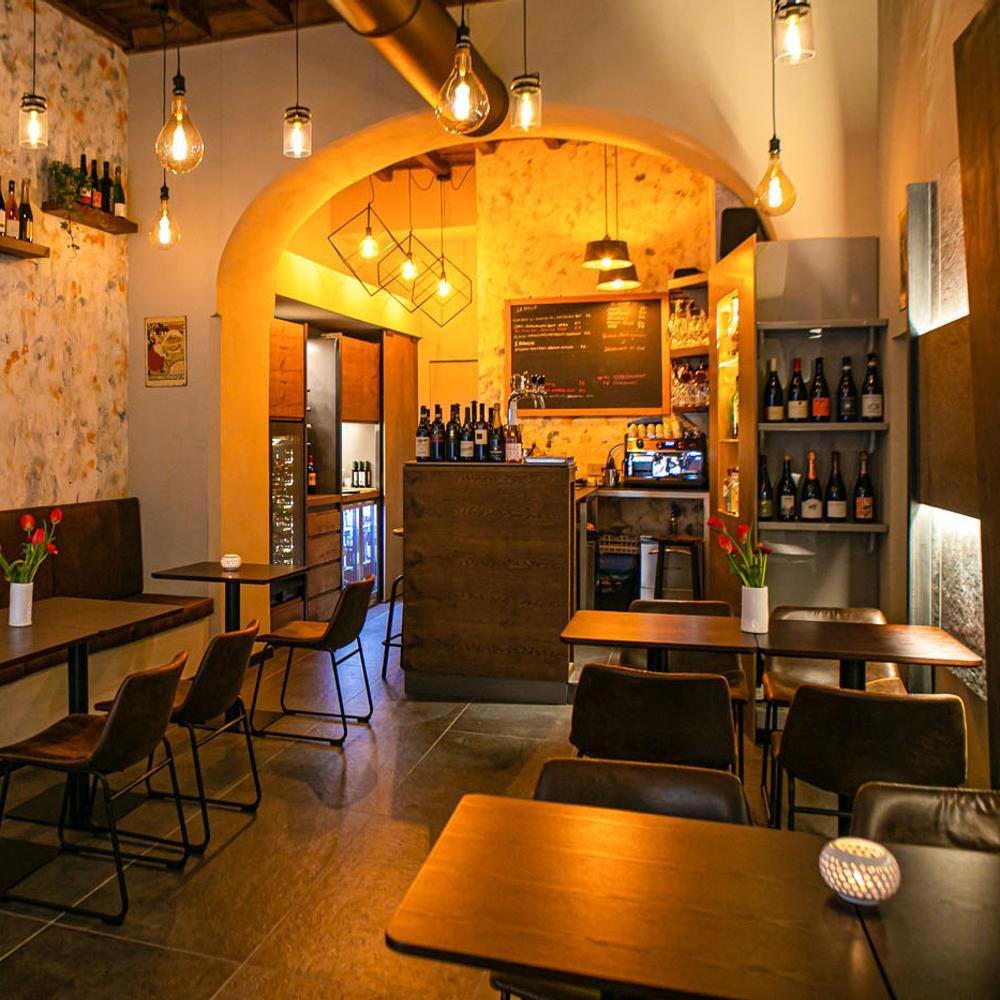
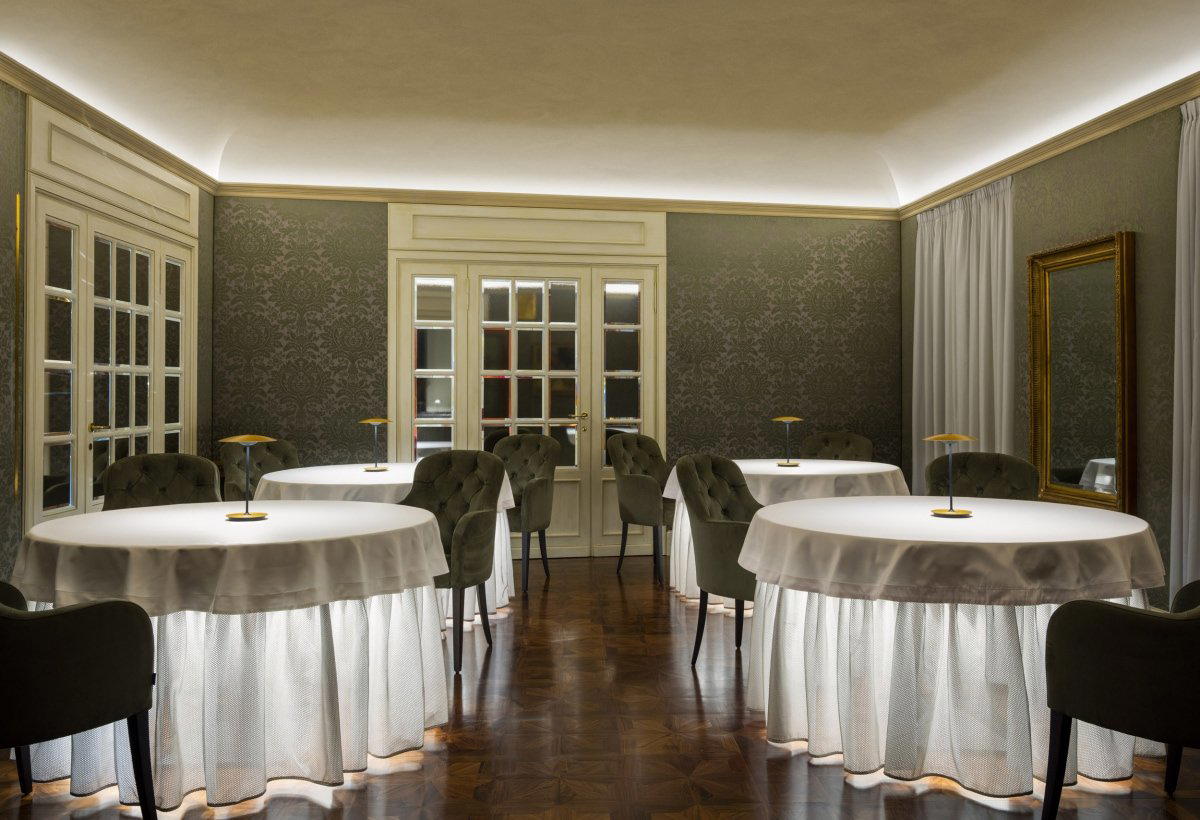
Bars in Piran
Browse all →
Hotels in Piran
Browse all →
At a Glance
- Cozy
- Relaxed
- Date Night
- Casual Hangout
- Waterfront
- Local Sourcing
- Waterfront
Current opening hours
- Monday
- 12–3 PM, 6–10 PM
- Tuesday
- Closed
- Wednesday
- 12–3 PM, 6–10 PM
- Thursday
- 12–3 PM, 6–10 PM
- Friday
- 12–3 PM, 6–10 PM
- Saturday
- 12–3 PM, 6–10 PM
- Sunday
- 12–3 PM, 6–10 PM
Hours can change for holidays and private events. Last verified .
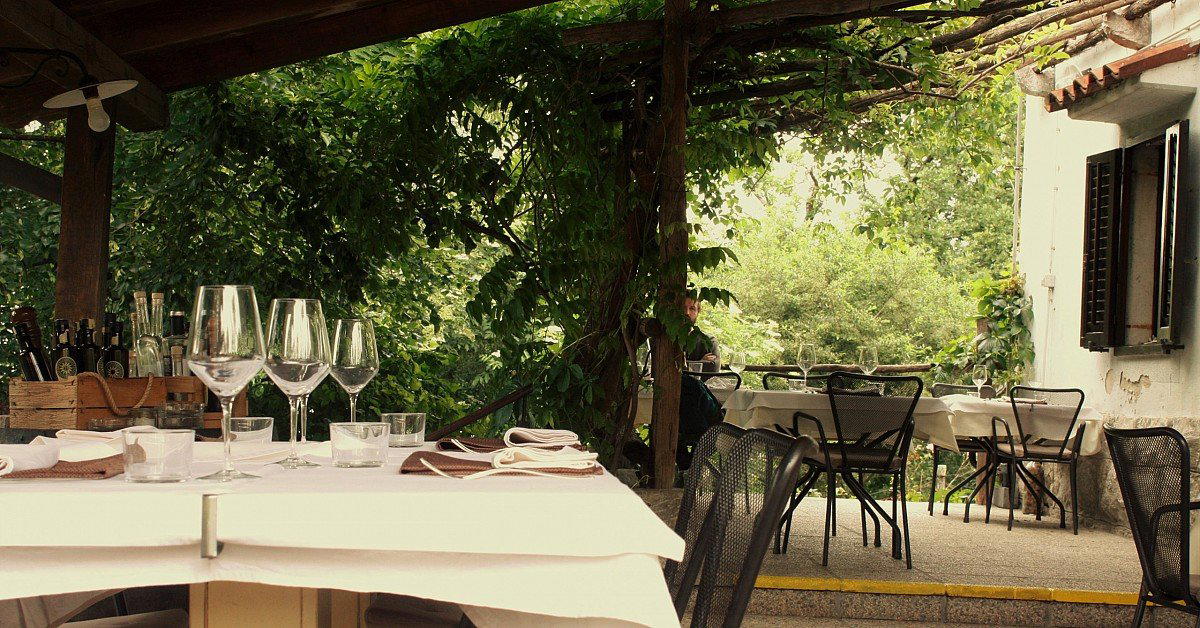
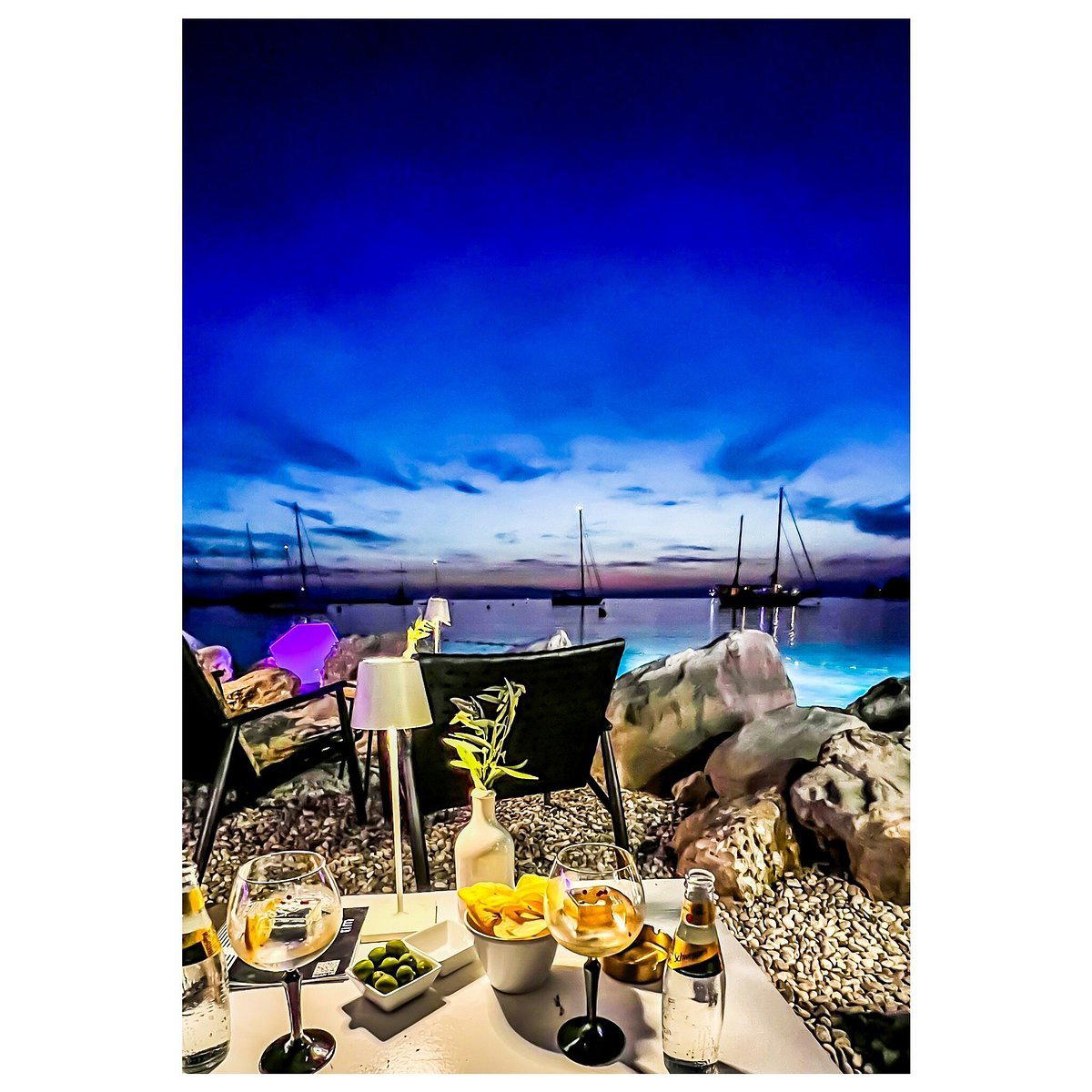
Pleasant and relaxed atmosphere in a cozy seaside setting with outdoor seating for enjoying fresh air amid local charm.