Gostilna Park occupies a quiet address on Župančičeva ulica in Piran's old town, drawing a loyal local following that returns for the kind of direct, unfussy Istrian cooking that tourist-facing restaurants rarely sustain. Set within walking distance of Tartini Square, it operates at the unhurried pace the town's regulars expect. For visitors willing to step away from the waterfront strip, it offers a more grounded read on how Piran actually eats.
Pearl is the En Primeur Club membership app — saves, bookings, and concierge access live there. Same editors, same standards.
- Address
- Župančičeva ulica 19-21, Župančičeva ulica 21, 6330 Piran, Slovenia
- Phone
- +38659771513
- Directions
- Get directions
 Saves & bookings on Pearl
What Piran's Regulars Already Know
The restaurants that face Piran's waterfront promenade operate on a different logic to the ones tucked into the old town's interior lanes. The former price for the view and the foot traffic; the latter survive on repetition, on the same faces appearing on Tuesday evenings and Sunday lunches, on a menu that doesn't need to explain itself because the people ordering from it grew up eating this way. Gostilna Park is a restaurant in Piran, Slovenia, serving Mediterranean Seafood & Slovenian Grill in a casual setting at about $25 per person. Gostilna Park, on Župančičeva ulica in the upper reaches of the medieval town, belongs to the second category. Its address is residential rather than theatrical, and that distinction shapes everything about how the place operates.
Piran itself is one of the Adriatic's more compressed dining environments. The town covers less than a square kilometre of peninsula, with a restaurant density that would be notable even in a city ten times its size. That concentration means the distinction between venues serving locals and venues serving visitors is felt sharply, and regulars develop strong loyalties to the places that feel genuinely theirs. Gostilna Park sits in that bracket. Visitors who find it tend to do so by following a local recommendation rather than a guidebook listing, which is itself a kind of editorial signal.
The Istrian Kitchen and What It Actually Demands
The cooking tradition that Gostilna Park operates within is worth understanding on its own terms before arriving with expectations shaped by neighbouring Italian or Croatian cuisines. Istrian cooking draws from all three national traditions that have governed this peninsula across different centuries, but it has a character distinct from any of them. The emphasis falls on preserved and cured fish, on slow-cooked legumes, on olive oil pressed from Istrian groves that produce some of the highest-polyphenol oils in Europe, and on pastas that owe more to the Venetian maltagliati than to Roman or Bolognese conventions.
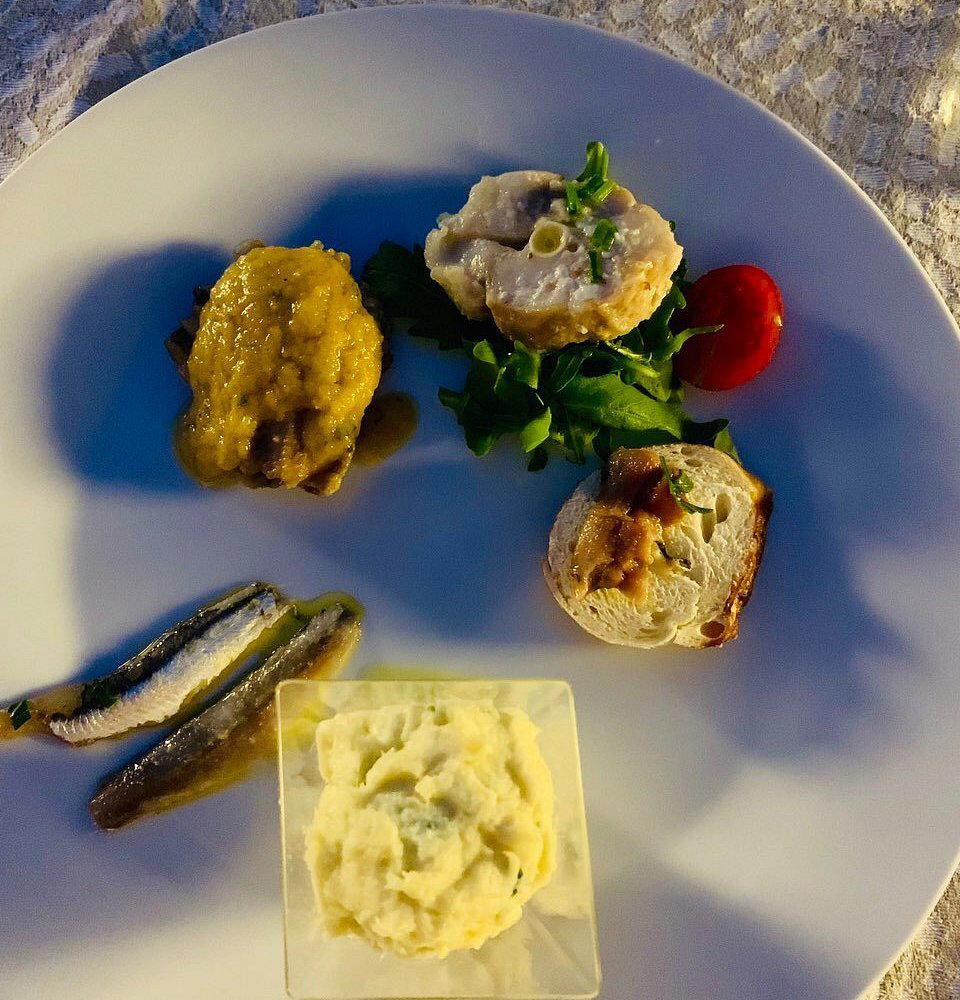
This is not a kitchen that performs for the camera. The dishes that define it, the hand-rolled fuži with truffle shavings, the bobiči stew of corn and beans, the salt-cured fish pulled from the Gulf of Trieste, are built for eating rather than documentation. That creates a particular challenge for restaurants serving both locals and visitors: the food has to be honest enough to satisfy people who know it from childhood, while remaining legible to someone encountering it for the first time. Gostilnas that get this calibration right tend to become the ones with decade-long regulars.
The broader Slovenian dining scene has developed considerable international recognition in recent years. Restaurants like Hiša Franko in Kobarid and Hiša Denk in Zgornja Kungota operate at the decorated end of the spectrum, while places like Gostilna Pri Lojzetu in Vipava and Hiša Linhart in Radovljica have built reputations for grounding contemporary technique in regional tradition. The restaurant operates well below that visibility tier, but the question of what defines quality changes depending on what the kitchen is attempting. In a neighbourhood gostilna, consistency and honesty count for more than technical ambition.
Župančičeva ulica and the Old Town's Interior Logic
Piran's street plan follows the logic of a medieval fishing settlement rather than a planned town, with lanes that narrow unpredictably and open onto small squares without warning. Župančičeva ulica sits away from the main tourist circulation that runs between Tartini Square and the tip of the peninsula, which means arriving at the restaurant requires either local knowledge or the willingness to get pleasantly turned around in the old town. The address itself, at number 19-21, places it in a part of the town where the buildings are residential in character and the pace is noticeably slower than the waterfront.
That physical remove from the promenade is one reason the clientele skews local. When the summer season is at its most intense and every table on the seafront has a waiting list, places like this absorb the overflow of residents who want nothing to do with the tourist surge. In the shoulder months, October through April, when Piran contracts to its year-round population of just over three thousand, these interior gostilnas are effectively the only places eating at all.
Where Gostilna Park Sits in Piran's Dining Field
Piran's restaurant range covers several distinct tiers. At one end, the seafront addresses like Delfin and Gostilna Ribič compete on position and produce. Further into the old town, Fritolin – Ribja Kantina operates as a more informal fish counter format, while Gostilna Ivo and Gostišče Neptun cover the middle ground between tourist accessibility and local function. The restaurant doesn't compete directly with any of these. Its comparable set is the category of place that regulars treat as an extension of the domestic kitchen: known, trusted, and not particularly interested in being discovered.
For context on what that means in pricing terms: Piran's interior gostilnas typically run at a meaningful discount to the waterfront addresses, with the trade-off being atmosphere over position. Anyone familiar with how neighbourhood restaurants price in small Adriatic towns will have accurate expectations. The full Piran restaurants guide maps the field more completely for visitors planning a multi-day stay.
Slovenia's other strong regional dining rooms, among them Milka in Kranjska Gora, Dam in Nova Gorica, Grič in Šentjošt nad Horjulom, Restavracija Strelec in Ljubljana, Pavus in Lasko, and Gostilna Mlinar in Idrija, each occupy specific regional niches and operate with a different ambition to the coastal gostilna tradition. Internationally, the pure commitment to local seafood that characterises the Gulf of Trieste kitchen finds distant parallels in the sourcing discipline of places like Le Bernardin in New York City, though the register and price point are entirely different. The restrained, product-forward approach at some of those rooms also echoes what Korean fine dining has done with restraint, as at Atomix in New York City, though again the comparison is philosophical rather than culinary.
Planning a Visit
The restaurant is located at Župančičeva ulica 19-21 in Piran's old town, within walking distance of Tartini Square. Given the absence of published contact details and booking infrastructure in public records, one reliable approach is to arrive in person, which is consistent with how most neighbourhood gostilnas in the region operate. Visiting outside peak summer lunch service, specifically on weekday evenings or during the shoulder season, gives
Category Peers
Comparable venues nearby, for context on price, style, and recognition.
| Venue | Cuisine | Price | Notes |
|---|---|---|---|
| Gostilna ParkThis venue — the venue you are viewing | Mediterranean Seafood & Slovenian Grill | $$ | Not listed |
| Gostilna Ribič | Fresh Adriatic Seafood | $$ | Piran |
| Gostišče Neptun | Fresh Adriatic Seafood | $$ | Piran Old Town |
| Ribja kantina Santalucia | Fresh Istrian Seafood | $$ | Portoroz |
| Pri Mari | Seafood | $$ | Piran |
| Neptun | Fresh Adriatic Seafood | $$ | Piran |
Continue exploring
More in Piran
Restaurants in Piran
Browse all →
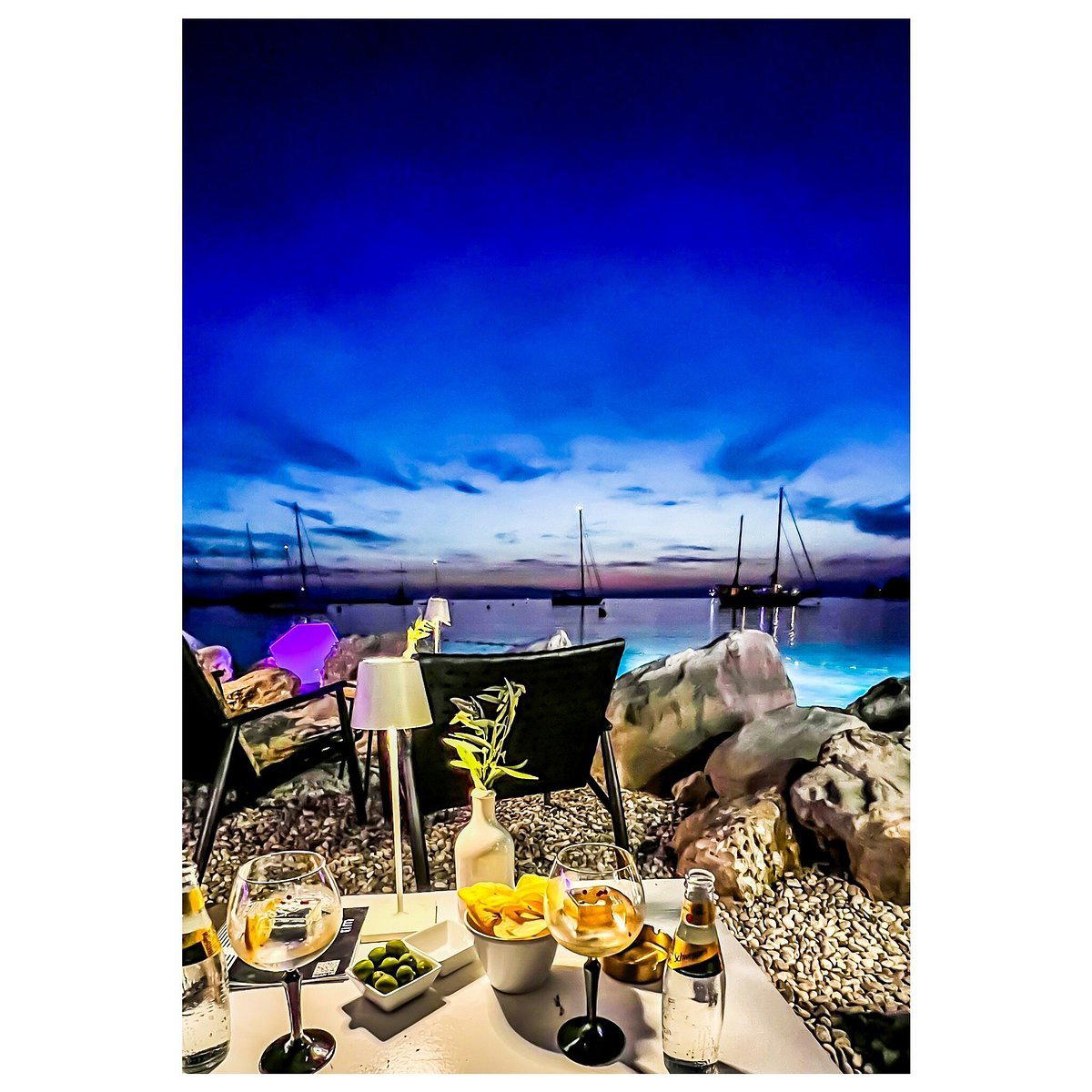
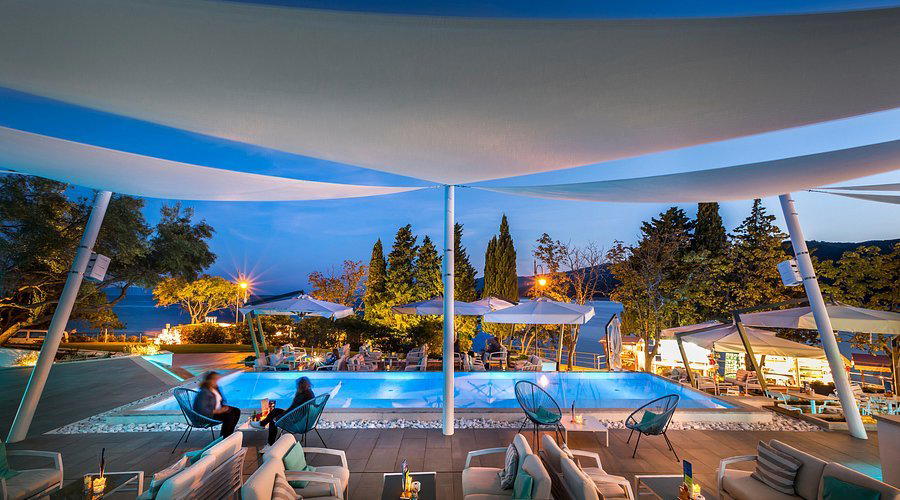
Bars in Piran
Browse all →
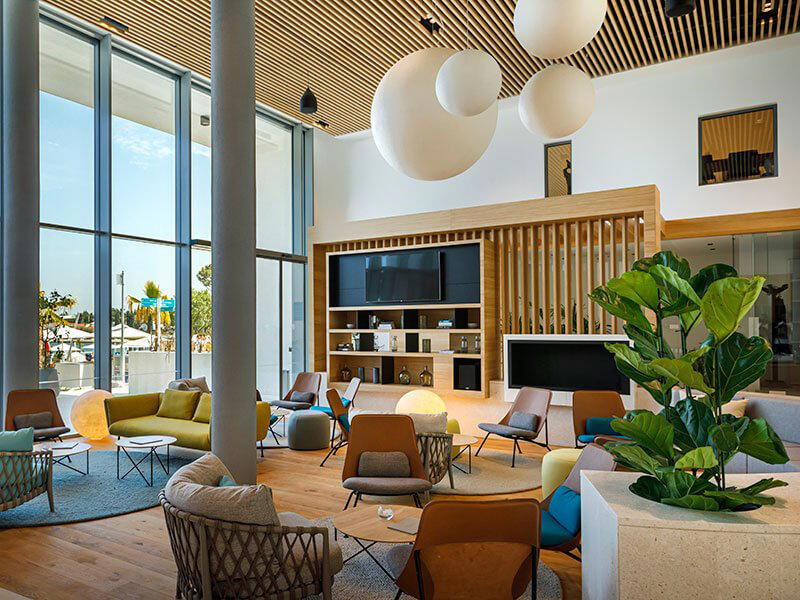
Hotels in Piran
Browse all →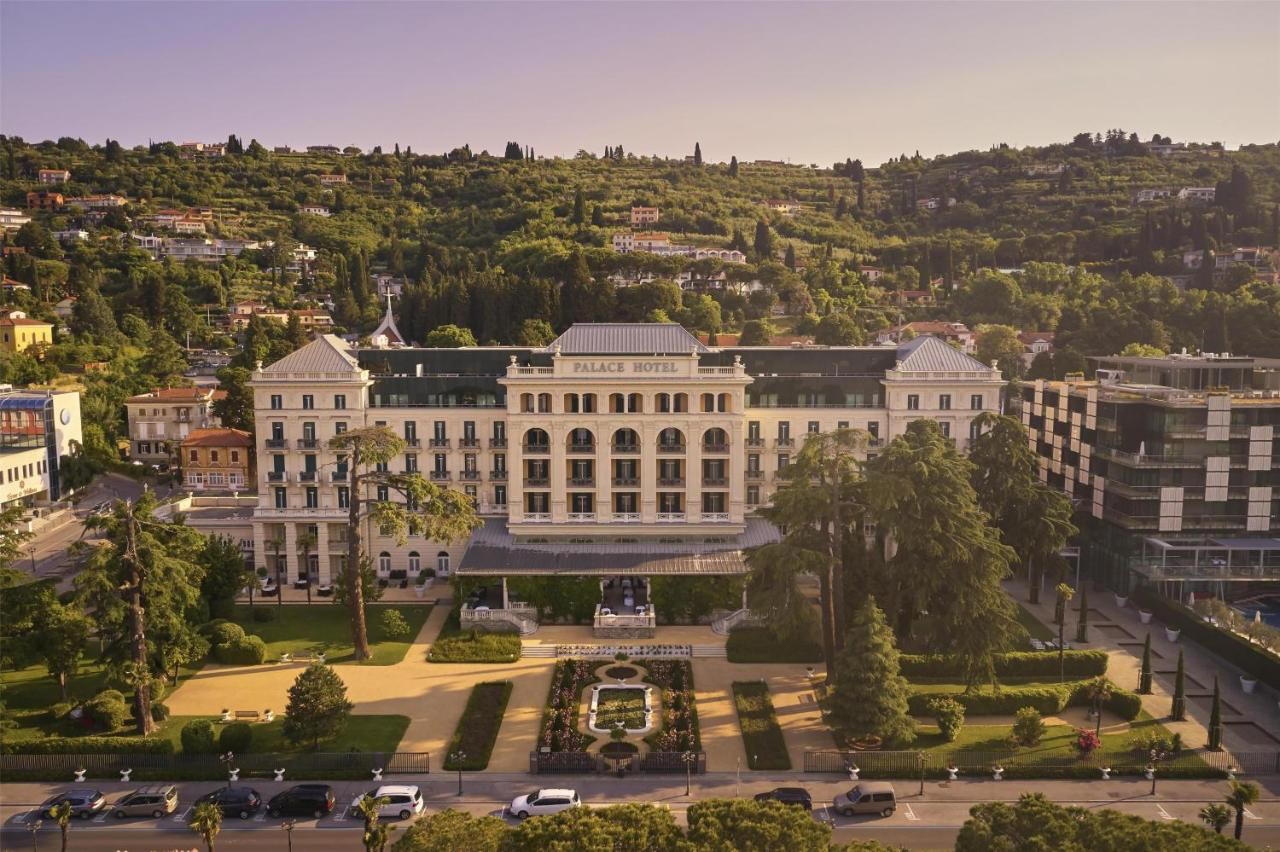
At a Glance
- Cozy
- Scenic
- Classic
- Intimate
- Casual Hangout
- Family
- Group Dining
- Courtyard
- Waterfront
- Standalone
- Beer Program
- Local Sourcing
- Sustainable Seafood
- Street Scene
Current opening hours
- Monday
- 12–11 PM
- Tuesday
- 12–11 PM
- Wednesday
- 12–11 PM
- Thursday
- 12–11 PM
- Friday
- 12–11 PM
- Saturday
- 12–11 PM
- Sunday
- 12–10 PM
Hours can change for holidays and private events. Last verified .
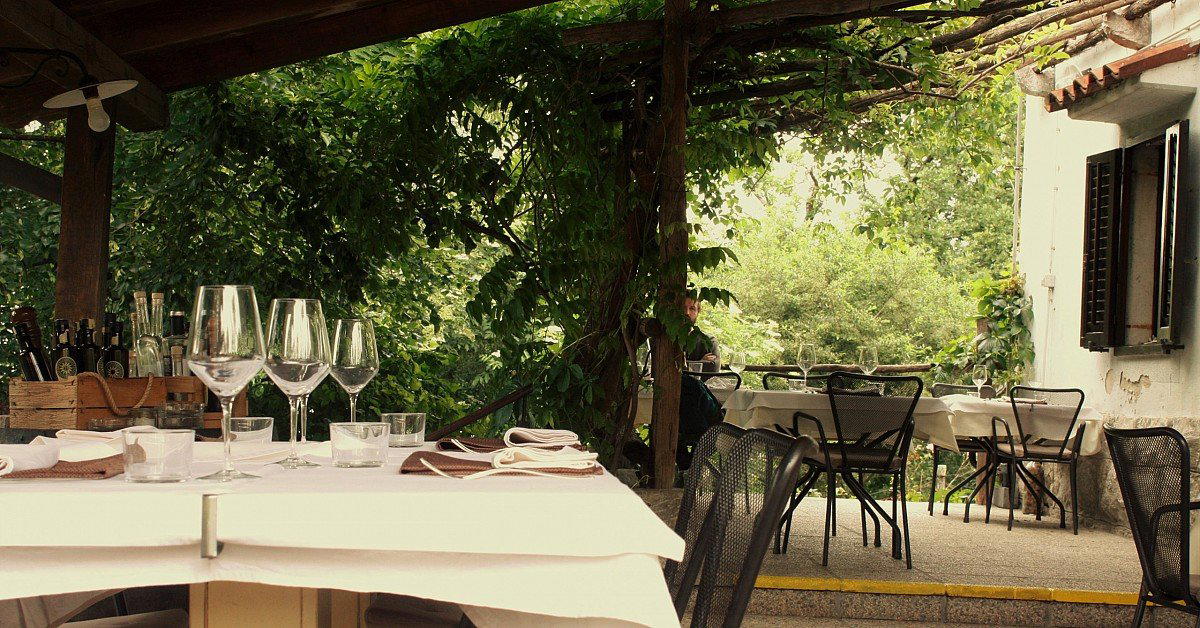
Intimate and welcoming with a shaded outdoor courtyard and indoor dining hall, creating a warm, locally-rooted atmosphere that captures the essence of coastal Slovenian hospitality.