Our verdict
Gostilna Mlinar serves Traditional Slovenian with Idrijske žlikrofi, uses local sourcing, and sits at Žirovska cesta 4 in Spodnja Idrija with mountain views.

Pearl is the En Primeur Club membership app, where members save venues, book tables and use the concierge.
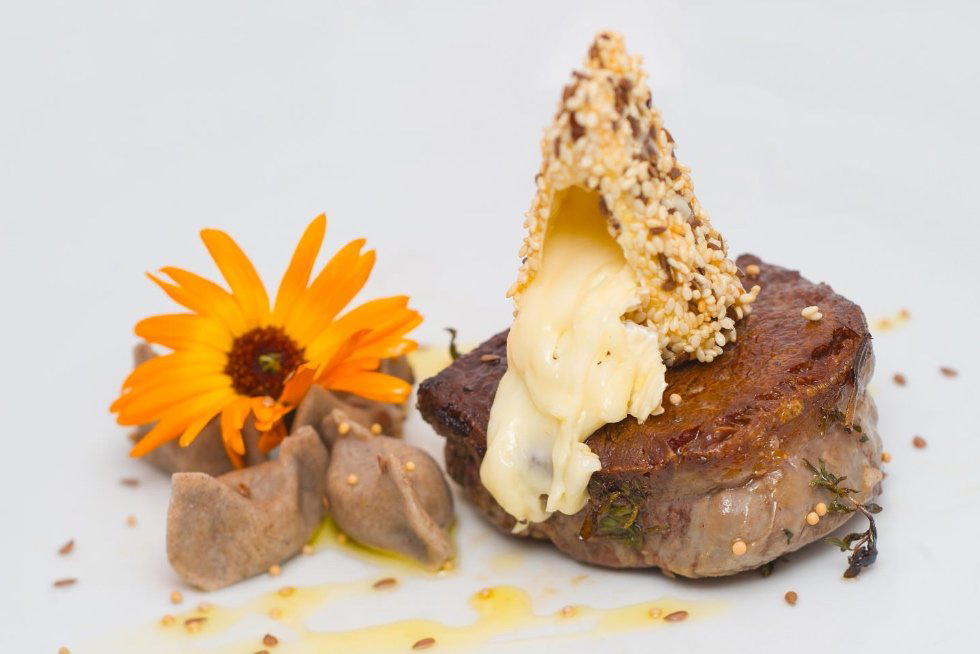
Where the Idrija Valley Sets the Table
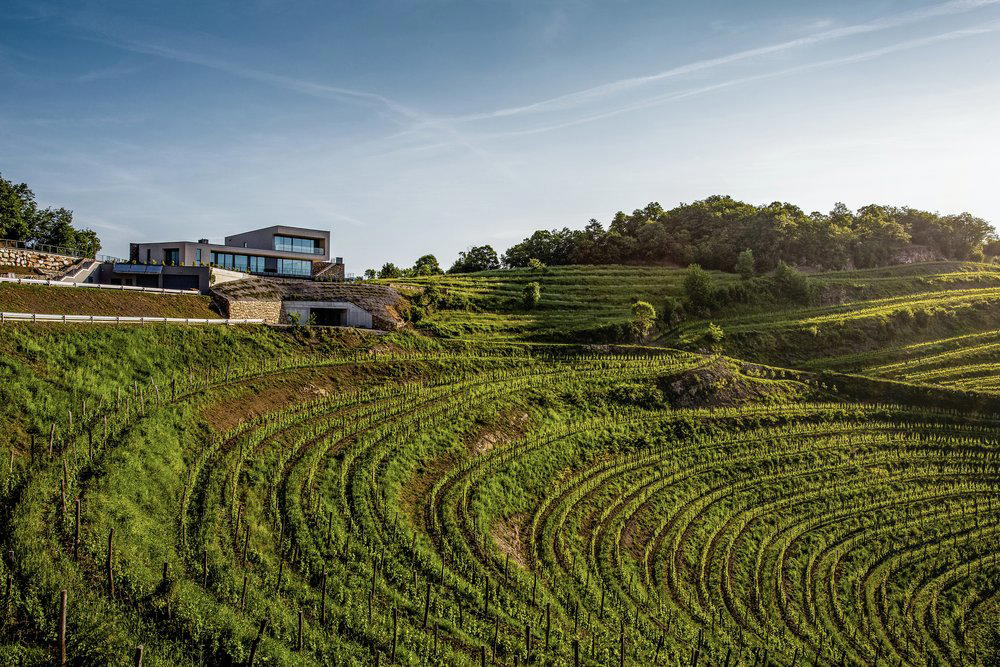
The road into Spodnja Idrija follows the Idrijca River through limestone gorges and forested slopes that have defined the local larder for centuries. This is mercury-mining country, but it is also žlikrofi country: the small, hat-shaped potato dumplings that carry a protected geographical indication and represent one of Slovenia's most specific regional contributions to the wider Alpine-Adriatic culinary tradition. Gostilna Mlinar sits on Žirovska cesta at the edge of town, and its address places it squarely inside that tradition rather than above or apart from it.
The Slovenian gostilna format is worth understanding before walking through the door. It occupies a different tier from the destination restaurants that have made the country's food scene internationally legible over the past decade. Places like Hiša Franko in Kobarid or Milka in Kranjska Gora operate as creative fine-dining propositions with multi-course tasting formats and international press attention. The gostilna operates on entirely different terms: rooted in the village, priced for the local community, and measured by fidelity to regional ingredients rather than reinterpretation of them. Gostilna Mlinar sits in this second category, and that positioning is the point, not a limitation.
The Ingredient Logic of the Idrija Table
In a region where the surrounding hills supply game, foraged mushrooms, and the specific floury potato varieties that make žlikrofi structurally possible, ingredient sourcing is not a marketing position: it is the baseline condition of cooking here. The Idrijca and its tributaries produce freshwater fish, principally trout, that appear on gostilna menus with a directness that reflects short supply chains rather than chef curation. The forest canopy above Spodnja Idrija yields porcini and chanterelles in season, and these move from hillside to kitchen without the intermediary infrastructure that urban restaurants must construct deliberately.
This is the core argument for eating in Idrija rather than passing through on the way to Ljubljana or the Soča valley. The ingredient geography here is specific and not easily replicated elsewhere in Slovenia. The žlikrofi dough, the local cured meats, the freshwater fish: each is tied to a particular combination of altitude, water chemistry, and agricultural tradition that the valley has maintained across the industrial disruptions of the mining era. For a point of contrast with what high-concept kitchens do with similar raw materials at the other end of the price spectrum, Gostilna Pri Lojzetu in Vipava and Grič in Šentjošt nad Horjulom both use farm-to-table sourcing logic, but within a creative fine-dining frame that Mlinar does not attempt.
Reading Mlinar Against the Wider Slovenian Table
Slovenia's restaurant scene has developed two distinct registers over the past fifteen years. The internationally recognised tier, anchored by venues recognised by the Michelin Guide's Slovenia selection and the broader European food press, draws travellers specifically to eat. The working gostilna tier serves a different function: it preserves the regional archive, maintaining preparations that would otherwise exist only in domestic kitchens. Both registers matter, and the country's culinary identity is impoverished without either.
Gostilna Mlinar operates within the second register in a city that is genuinely small: Idrija's population sits below 12,000, and Spodnja Idrija, where Mlinar is located, is smaller still. This means the restaurant draws from a local base rather than a tourist flow, which tends to keep menus honest about what the kitchen can source and execute reliably. Compare that dynamic with Restavracija Strelec in Ljubljana, which operates in a high-visibility urban context with a different competitive calculus, or Jožef, which represents Idrija's higher-end dining option and sits at a different price point within the same small city. Understanding where Mlinar sits in relation to Jožef is the first orientation task for any visitor to Idrija: they are not interchangeable.
For readers interested in the broader Slovenian dining map, our full Idrija restaurants guide covers the city's options across tiers and cooking styles. For context on what the country's farm-sourced, region-specific cooking looks like at its most ambitious, Turistična Kmetija Breg in Brda offers an agricultural estate format that draws from its own land in a way that parallels, at a different scale, the local-supply logic at work in Idrija's gostilne.
The Room and the Experience
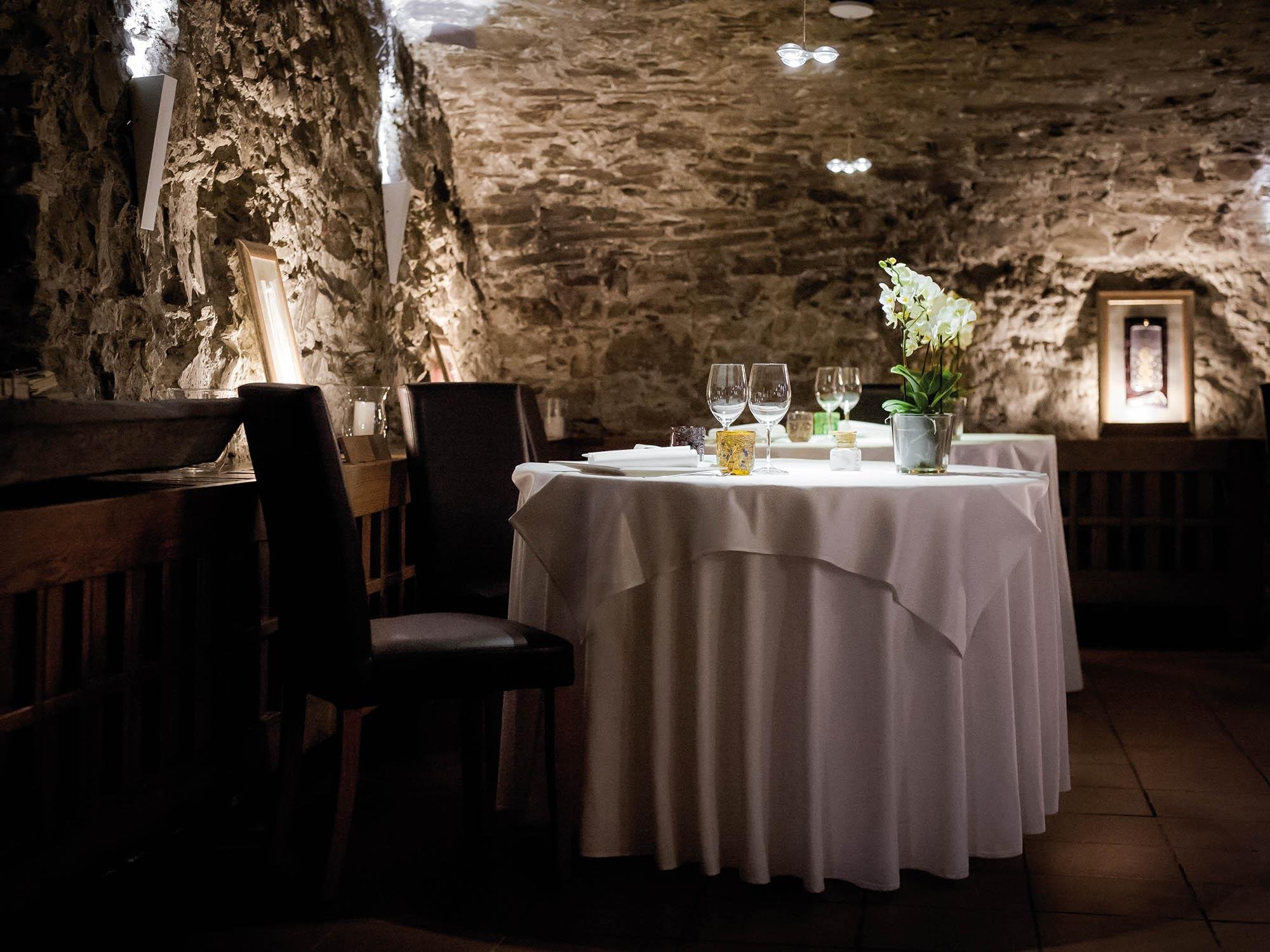
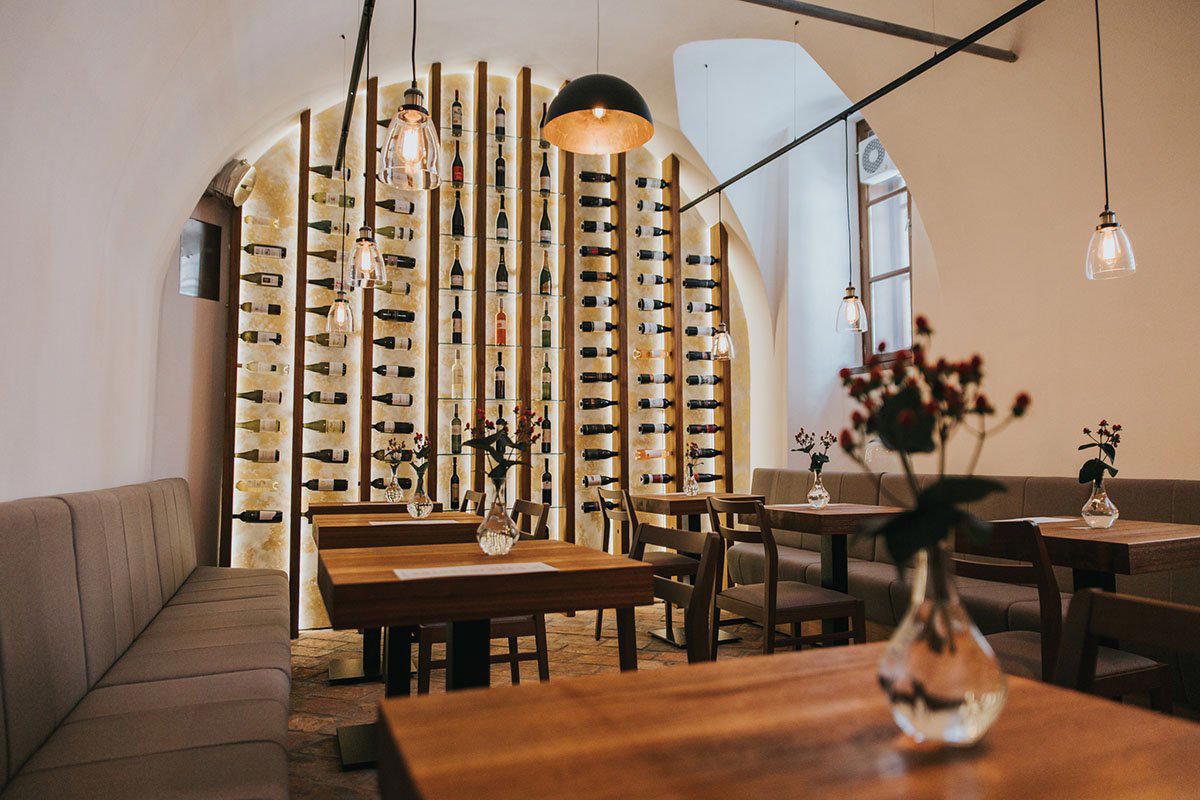
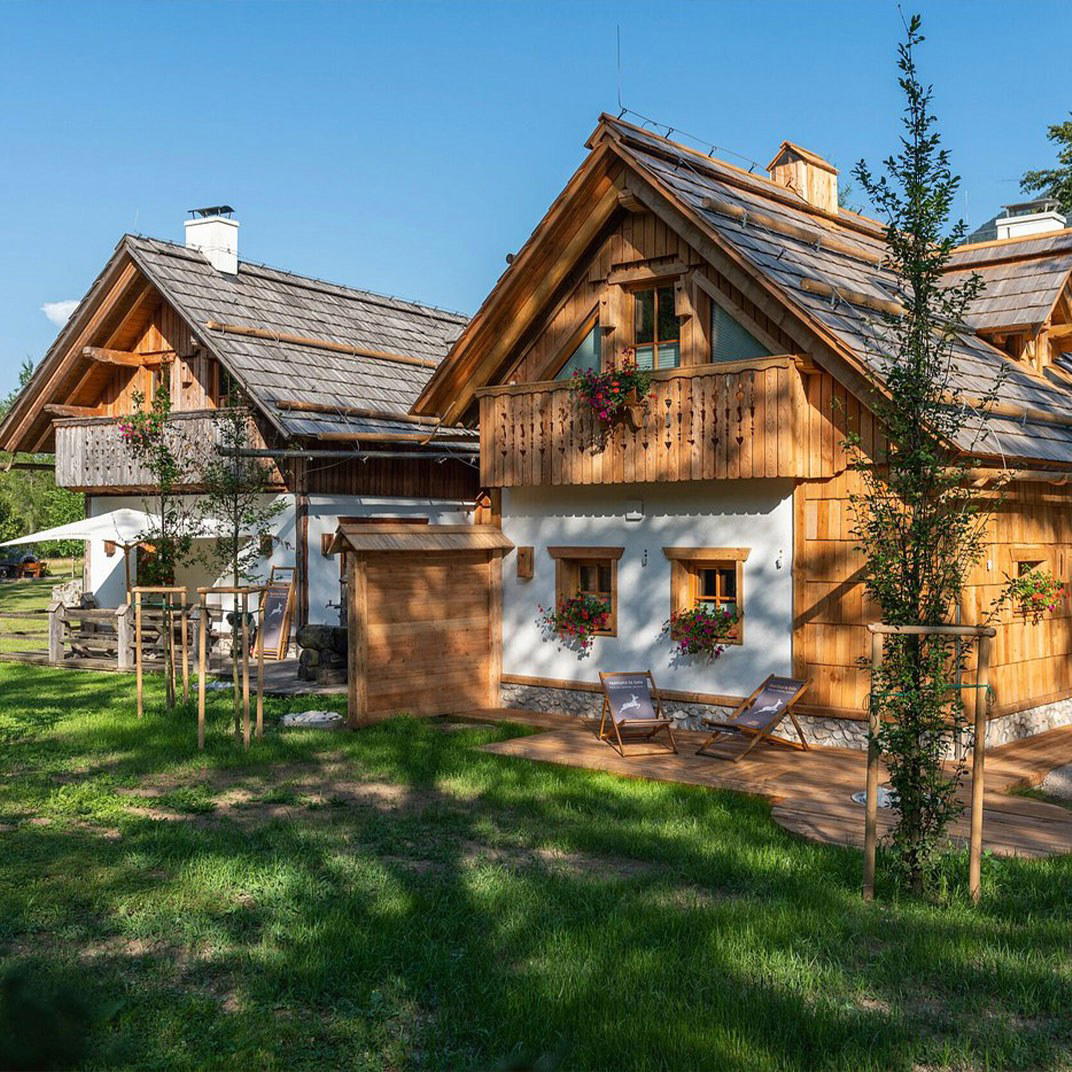
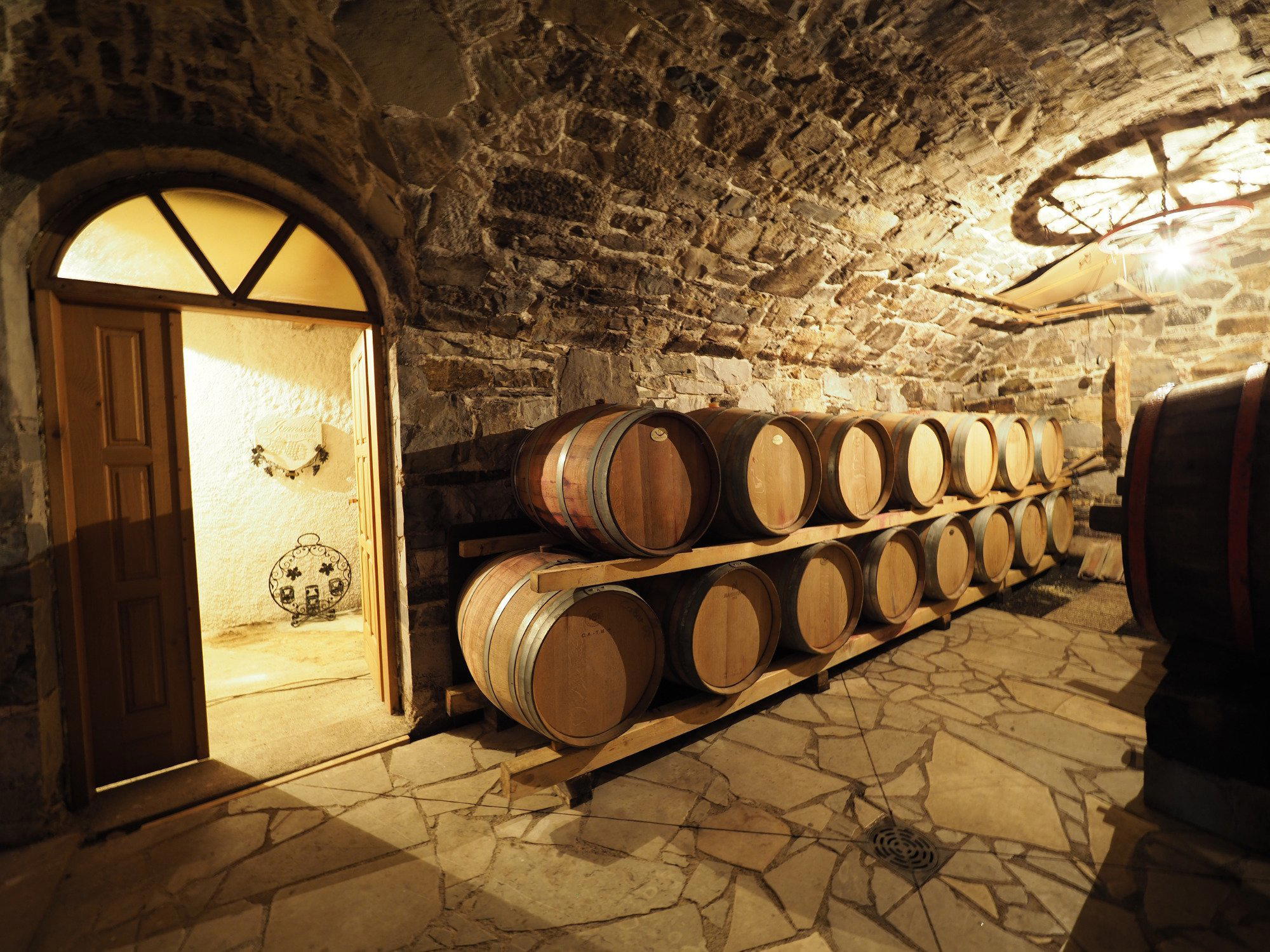
The gostilna interior in this part of Slovenia follows a legible vernacular: wood panelling, checked tablecloths or plain linen, framed landscapes or old photographs of the valley. The atmosphere is functional warmth rather than designed atmosphere. Noise levels track the time of day and the composition of the room: a weekday lunch service in a small-town gostilna runs quieter than a Sunday family gathering, when extended families occupy large tables and the kitchen runs at full capacity. The physical space at Žirovska cesta 4 reflects this rhythm.
Seasonality here is not a menu concept: it is an operational reality. What grows, what runs in the streams, and what the hunters bring in determines what the kitchen offers at any given time of year. Autumn shifts the menu toward forest mushrooms and game; spring brings the first freshwater fish runs and younger, lighter preparations. A visitor arriving in different seasons will encounter different menus without any deliberate tasting-menu engineering behind the variation.
Planning a Visit
Spodnja Idrija sits roughly 60 kilometres southwest of Ljubljana, accessible by road in under an hour on clear days, though the valley roads require more attention than the motorway network. There is no train connection to Idrija itself; the car or organised transfer is the practical option. For visitors building a wider western Slovenia itinerary, Idrija connects logically with the Soča valley to the northwest and the Vipava wine corridor to the south. Dam in Nova Gorica sits at the Vipava corridor's northern edge and represents the more ambitious end of what that region's dining offers.
For those extending the itinerary further, Hiša Denk in Zgornja Kungota, Hiša Linhart in Radovljica, Pavus in Lasko, Gostišče Karavla 297 in Trzic, Gostišče Neptun in Piran, Gostilna Oštirka in Celje, and Gostilna Pr'Bizjak in Preddvor each represent different facets of Slovenia's regional dining tradition. If your frame of reference for what a fully realised sourcing-led kitchen looks like is set by international examples such as Le Bernardin in New York City or Atomix in New York City, the Slovenian gostilna format will read as something categorically different: less technical ambition, more direct relationship between terrain and plate.
Booking through a telephone call or direct visit is the practical approach for small gostilne in western Slovenia, as online reservation infrastructure at this tier is inconsistent. Arriving without a reservation on a weekend or during local holidays carries some risk in a kitchen of this size. Weekday lunch remains the lowest-friction entry point.
Frequently asked questions
Is Gostilna Mlinar good for families?
Gostilna Mlinar sits in Spodnja Idrija, a small valley town where the gostilna format is built around communal, unhurried meals rather than formal dining. That structure translates well for families. The vernacular interior common to this part of Slovenia, wood panelling, straightforward seating, tends to absorb noise and accommodates groups without ceremony.
What is the atmosphere like at Gostilna Mlinar?
Gostilna Mlinar occupies the Žirovska cesta address in Spodnja Idrija, and the atmosphere follows the established gostilna register of the Idrija Valley: functional, local, and tied to the rhythms of the surrounding countryside rather than to any metropolitan dining scene. Expect a room that prioritises substance over staging, where the kitchen's relationship to regional produce defines the character more than décor or service theatre.
How far is Gostilna Mlinar from Ljubljana, and is it worth the drive?
Spodnja Idrija sits approximately 60 kilometres southwest of Ljubljana, typically reachable by car in under an hour depending on valley road conditions. Gostilna Mlinar at Žirovska cesta 4 makes the route purposeful for anyone interested in the Idrija food tradition, particularly žlikrofi in its original geographic context rather than as a Ljubljana interpretation. The Idrijca Valley drive through limestone gorges is a practical consideration to factor into timing.
What's the must-try dish at Gostilna Mlinar?
Žlikrofi, the small filled pasta dumplings specific to the Idrija area and recognised under EU protected geographical indication status, are the defining dish of this region's table. Any gostilna in Spodnja Idrija operates in the shadow of that tradition, and Gostilna Mlinar is no exception. The specific filling and preparation vary by kitchen, but the dish is the clearest expression of what the Idrija Valley contributes to Slovenian food culture.
How It Stacks Up
Comparable venues nearby, for context on price, style, and recognition.
| Venue | Cuisine | Price | Awards | Notes |
|---|---|---|---|---|
| Gostilna MlinarThis venue (the venue you are viewing) | Traditional Slovenian with Idrijske Žlikrofi | Not listed | Not listed | Not listed |
| Jožef | Modern Slovenian Regional with Mediterranean Influences | $20–30 | Michelin Bib Gourmand | Idrija |
| Restaurant Šobec | Traditional Gorenjska with pizzas | $20–30 | Not listed | Lesce |
| pr' Pepet | Modern Slovenian | $20–30 | Not listed | Škofja Loka |
| Luda restaurant | Innovative Slovenian | Not listed | Not listed | Poljanska |
| Vino & turizem Valdhuber | Traditional Slovenian with Modern Touch | $30–50 | Not listed | Zgornja Kungota |
Continue exploring
More in Idrija
Restaurants in Idrija
All restaurants in Idrija →
Bars in Idrija
Browse all →

Details
- Rustic
- Cozy
- Scenic
- Family
- Group Dining
- Casual Hangout
- Historic Building
- Local Sourcing
- Mountain
- A La Carte
- Vegetarian Friendly
Current opening hours
- Monday
- Closed
- Tuesday
- Closed
- Wednesday
- Closed
- Thursday
- 11:59 AM–9 PM
- Friday
- 11:59 AM–9 PM
- Saturday
- 11:59 AM–9 PM
- Sunday
- 11:59 AM–5 PM
Hours can change for holidays and private events. Hours as of .
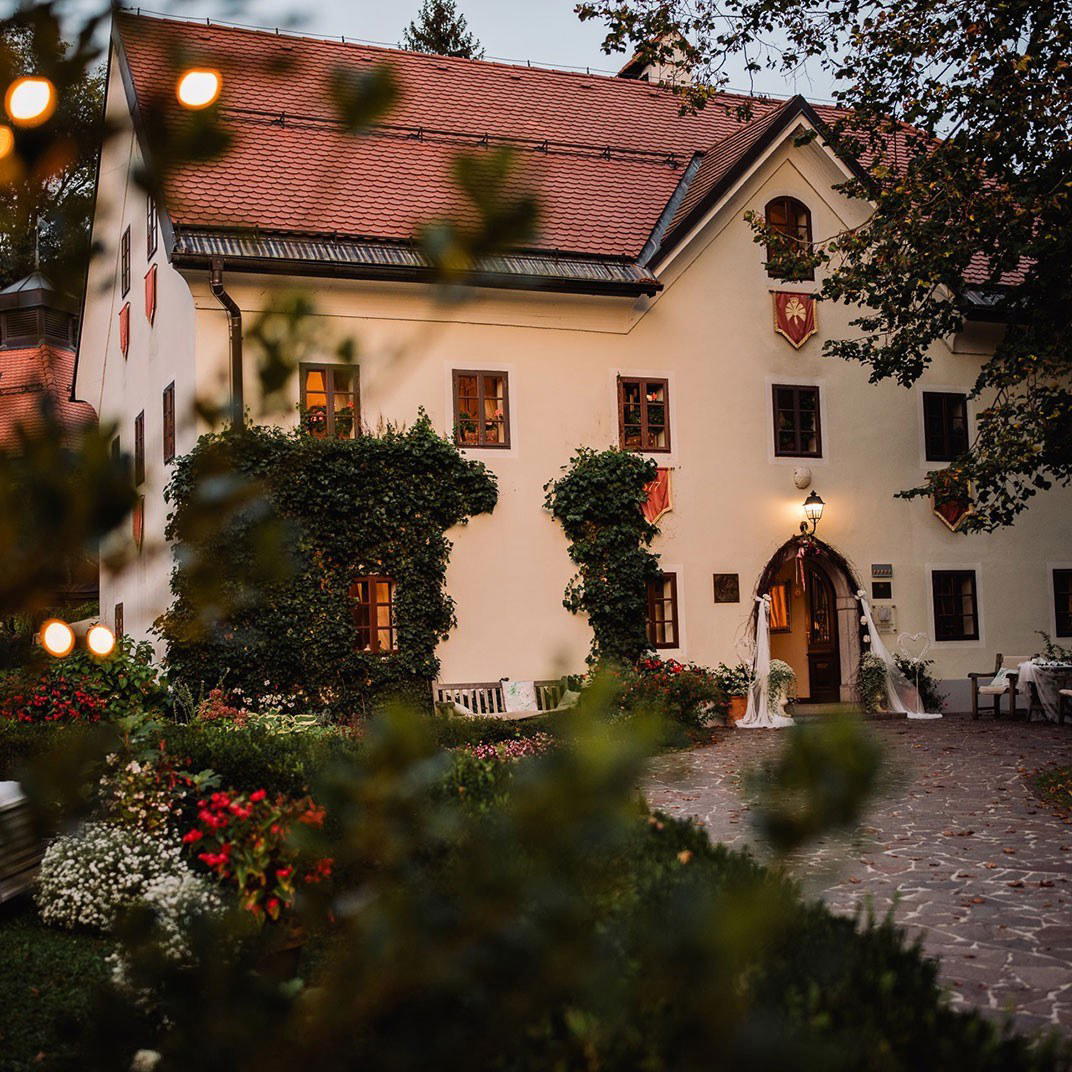
Welcoming rustic inn with authentic homemade Slovenian atmosphere and great hospitality.