
Set within the walled medieval village of Šmartno above the vineyards of Goriška Brda, Vinoteka Brda is where the region's wine culture concentrates into a single, serious cellar. The bottle selection maps the Brda appellation from its most accessible expressions to its sought-after small-producer releases, making it one direct way to read the territory without driving between estates.
Pearl is the En Primeur Club membership app — saves, bookings, and concierge access live there. Same editors, same standards.
- Address
- Šmartno 26, 5211 Kojsko, Slovenia
- Phone
- +386 31 342 369
- Website
- vinotekabrda.si
- Directions
- Get directions
 Saves & bookings on Pearl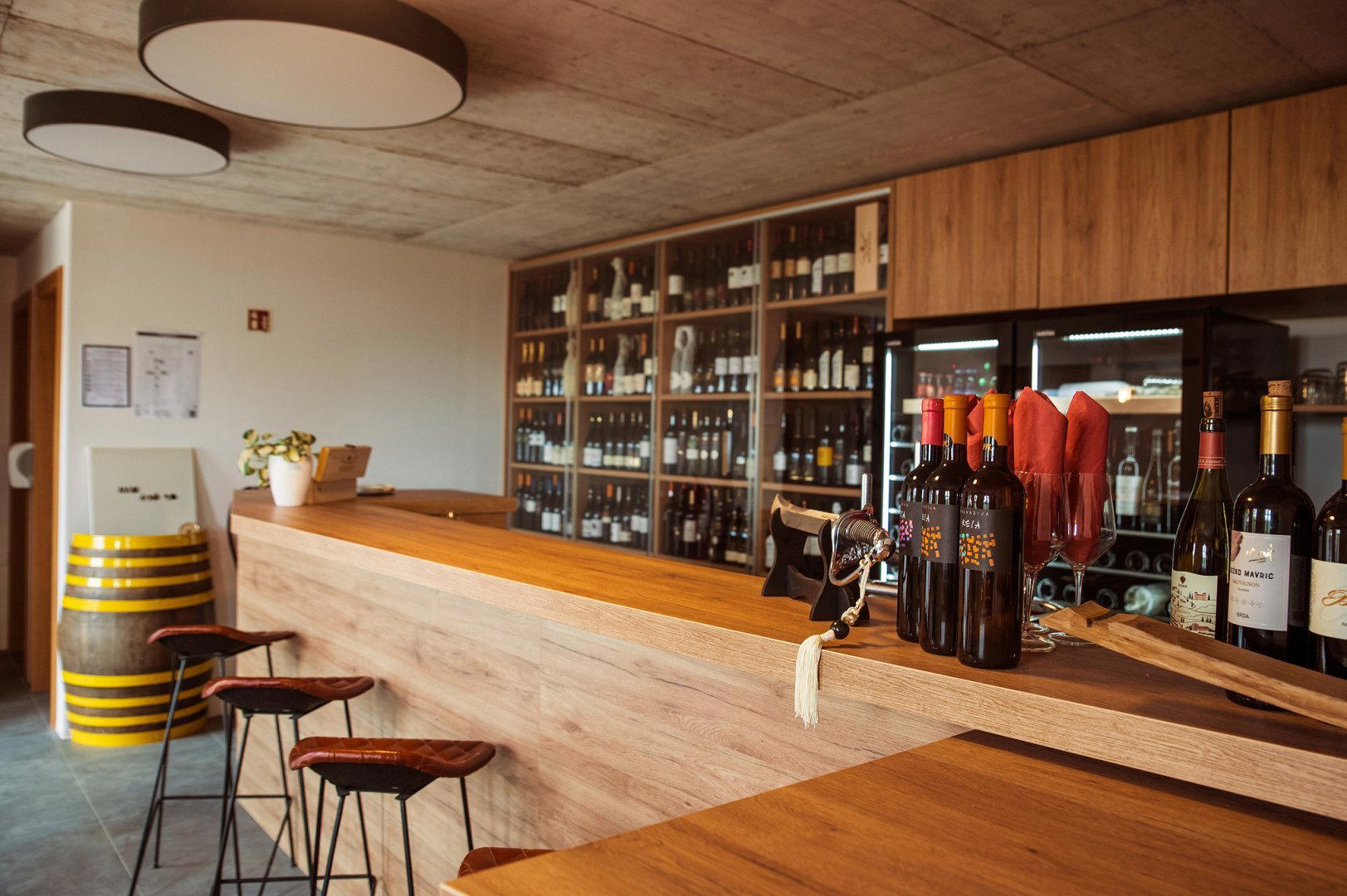
Wine at Its Source: The Cellar Logic of Goriška Brda
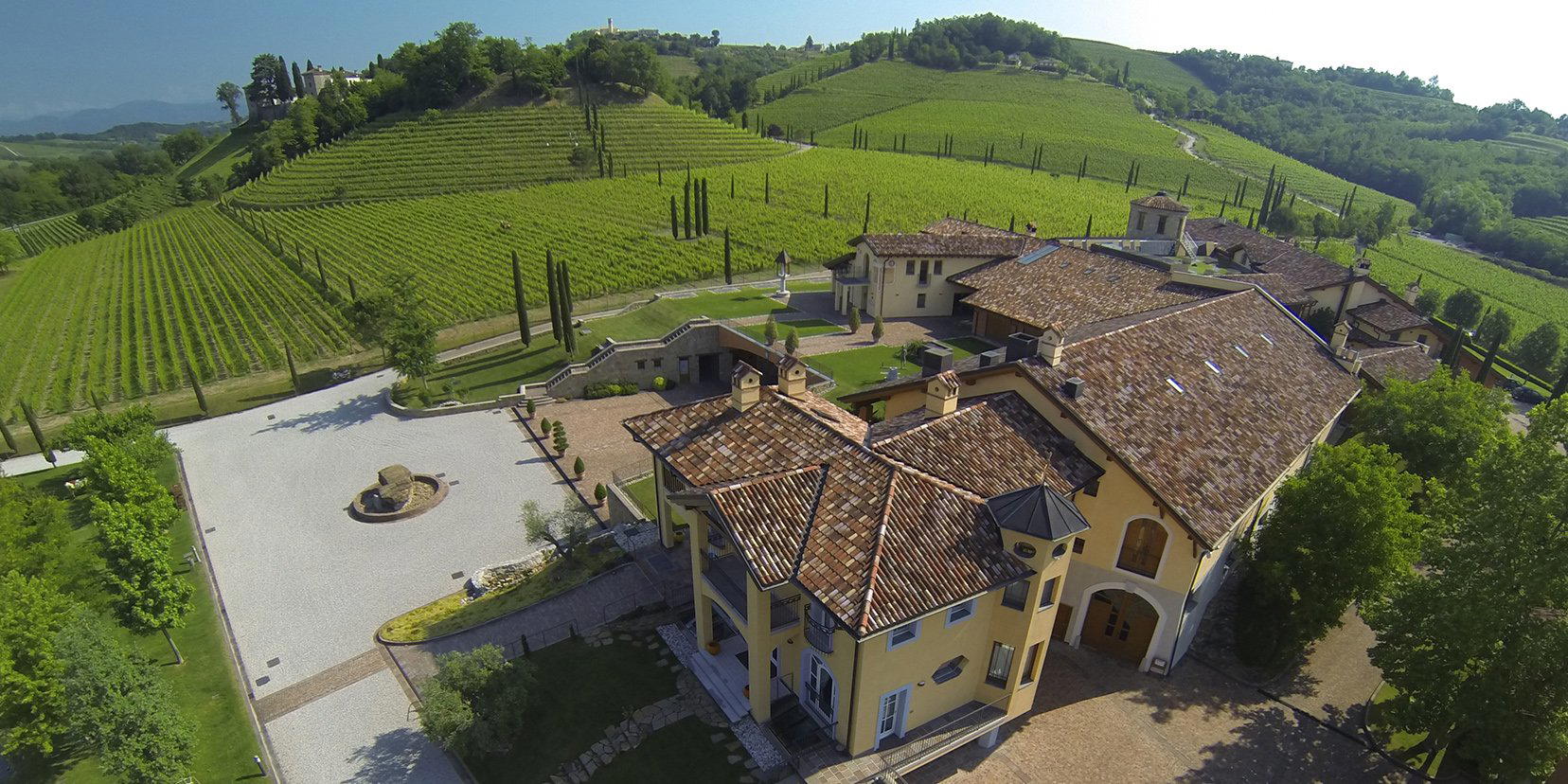
There is a particular discipline to tasting wine in the place it was grown rather than in a city bar three hundred kilometres away. The glass carries different information. In Goriška Brda, Slovenia's westernmost wine region and one that shares both geology and grape varieties with Friuli Collio across the Italian border, that principle has shaped a generation of serious wine spaces. Vinoteka Brda sits inside Šmartno, a compact walled village on the highest ridge of the Brda hills, positioned literally above the vineyards and orchards it pours from. The altitude and the stone walls frame the visit before a single bottle is opened.
Goriška Brda operates on flysch, alternating layers of sandstone and marl that drain well and encourage roots to push deep. The region's signature whites, built around Rebula (Ribolla Gialla across the border), tend toward structure and longevity rather than easy aromatic fruit. The reds, predominantly Merlot and Cabernet Sauvignon with older plantings of indigenous varieties, carry an earthiness that distinguishes them from warmer-climate equivalents. A well-curated Brda vinoteka should reflect that specificity, not smooth it out for tourist palates.
The Bottle Collection as a Map of the Appellation
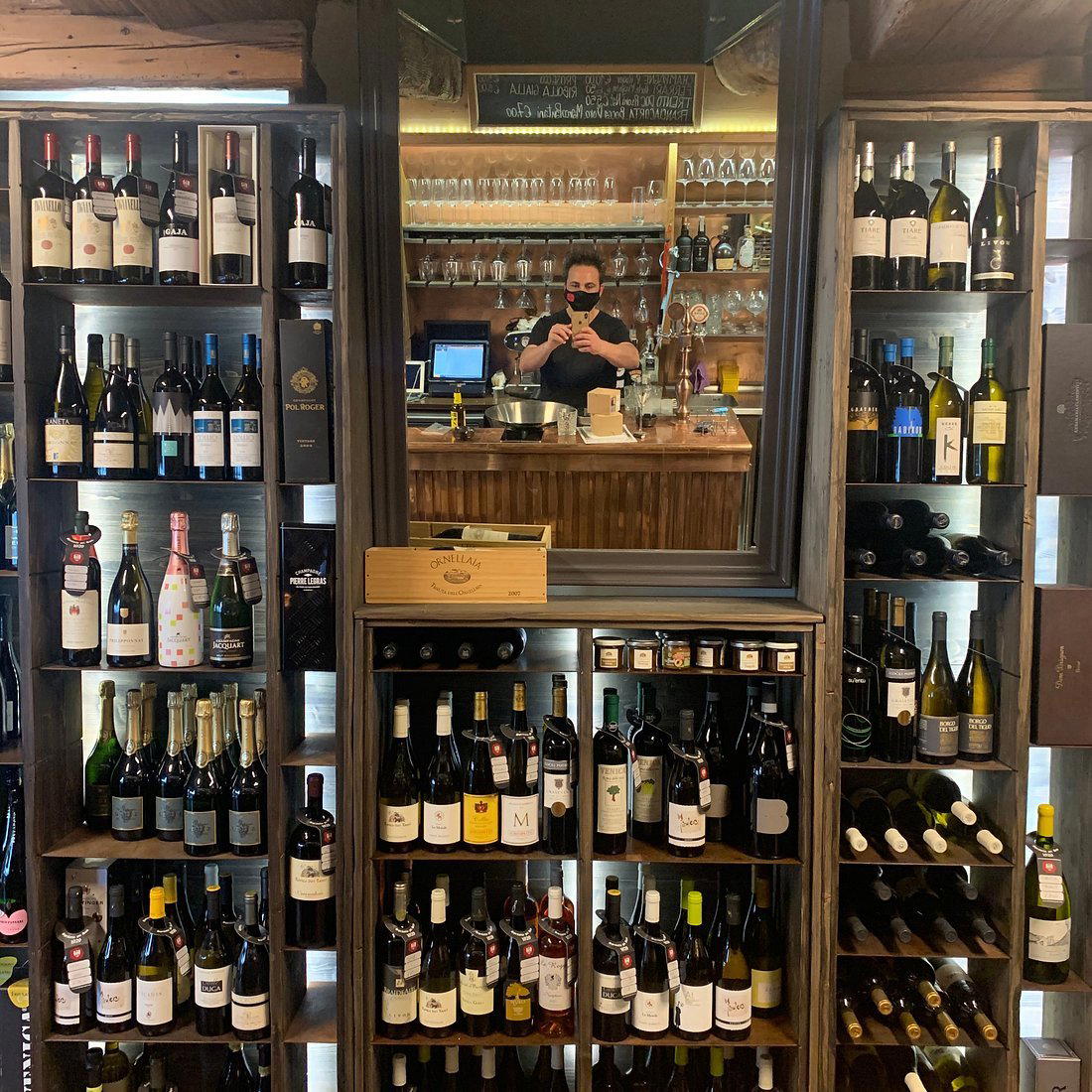
The angle here is curation rather than volume. A spirits collection or wine cellar earns its authority not by accumulating bottles but by making an argument about a place or a tradition through what it selects. The back bar or cellar at a serious regional vinoteka functions the same way a well-edited wine list does in a destination restaurant: you can read the curator's thesis in what is present and, equally, in what is absent.
At Vinoteka Brda, the collection is built around the Brda appellation itself. That means a concentration of producers who farm the flysch slopes between Dobrovo and the Italian border, including both the large cooperative operations that shaped the region's export identity in the 1990s and the smaller, newer estates that have repositioned Brda as a serious fine-wine source over the past two decades. For visitors calibrating the range of the appellation, the cellar functions as a compressed tasting curriculum. Bottles that would require a day of appointment-only estate visits can be assessed side by side.
Rare and allocated releases from Brda producers appear with greater regularity in a specialist vinoteka than in most Ljubljana restaurant lists, which tend to stock the region's more commercial tier. If you are trying to locate a specific producer's library release or compare vintages of the same Rebula from different parcels, a focused Brda wine space offers access that is difficult to replicate elsewhere. For context on how Slovenian wine bars handle curation and depth of selection in urban settings, Konvin in Kojsko provides a useful comparison point within the same appellation.
Šmartno as Context: What the Village Adds
Wine venues in working agricultural regions carry ambient authority that urban wine bars cannot reproduce. Šmartno's medieval walls have enclosed vinegrowers and their tools for centuries. The village sits at the highest point of the Brda ridge, and on a clear day the view sweeps from the Soča valley to the Adriatic. That is not atmospheric decoration, it is the same exposure and altitude that governs ripening decisions in the vineyards below.
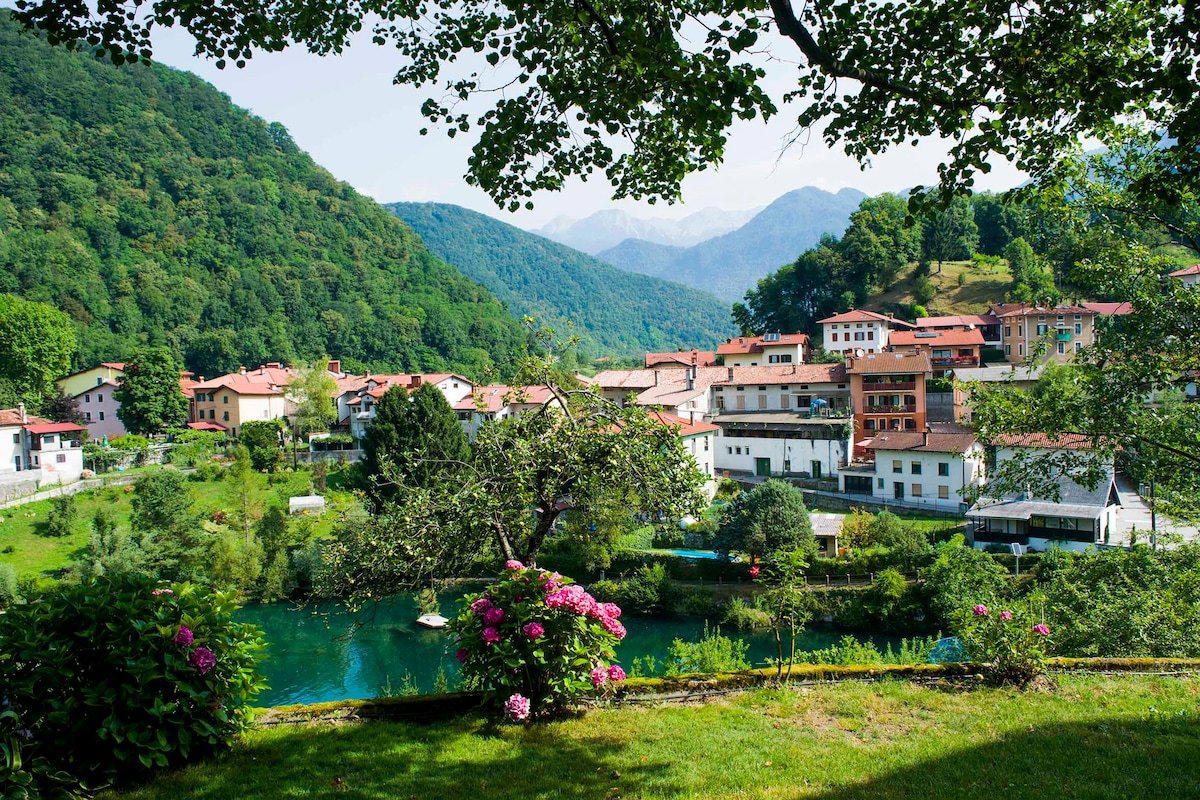
The physical setting means that a visit to Vinoteka Brda is inseparable from an experience of the agricultural character of the region. You arrive through terraced vine rows, enter a stone-walled village where the scale is deliberately human rather than monumental, and taste wines whose labels correspond to hills you can see from the terrace. This kind of spatial coherence is what specialist wine tourism in smaller appellations does better than the grand-estate model. It is a format that has worked consistently in comparable European wine villages, think Barolo's Cantina Comunale or the cooperative cellars in Alsatian villages, and Brda has the geography to support it.
How This Compares to Other Wine Bar Formats
The specialist regional vinoteka model differs structurally from the cocktail-forward or spirits-led bar programs that have defined premium drinking in major cities over the past decade. Venues like Kumiko in Chicago, Jewel of the South in New Orleans, and Julep in Houston have built their authority through technical program depth. Internationally, Bar Leather Apron in Honolulu, Superbueno in New York City, The Parlour in Frankfurt, and 1806 in Melbourne represent that same investment in category expertise.
A regional wine vinoteka pursues a different kind of depth. The expertise is geographic and agricultural rather than technical in the cocktail sense. The value proposition is provenance and proximity: you are drinking within the appellation, from a cellar that has commercial and personal relationships with the producers on its list. That is a different category of authority. For those traveling between wine regions in Slovenia, it is worth comparing this model to how wine-forward venues in other Slovenian cities operate, Polek in Maribor and Koželj in Portorož both demonstrate how Slovenian wine culture translates into different urban drinking contexts, while the Brda model is rooted entirely in its agricultural geography. Ljubljana's nightlife-focused venues, like Klub K4, occupy a completely separate register.
Planning Your Visit
Šmartno is reachable by car from Nova Gorica in approximately twenty minutes, following the road through the vine terraces toward Dobrovo and then up to the ridge. The village is pedestrianised within the walls, so parking is outside the gates. Visiting during the harvest window in September and October places you in the region at the point when it is most active and when producers are most visible in local establishments. Spring, when the vines are just breaking dormancy and the hills are at their greenest, draws fewer visitors and allows for more focused engagement with individual bottles. Checking availability through local tourism resources
Price and Recognition
Comparable venues nearby, for context on price, style, and recognition.
Recognition history
Dated appearances from independent guides and award organizations, with the underlying list record or original source where available.
Star Wine List
Star Wine List
Continue exploring
More in Kojsko
Bars in Kojsko
Browse all →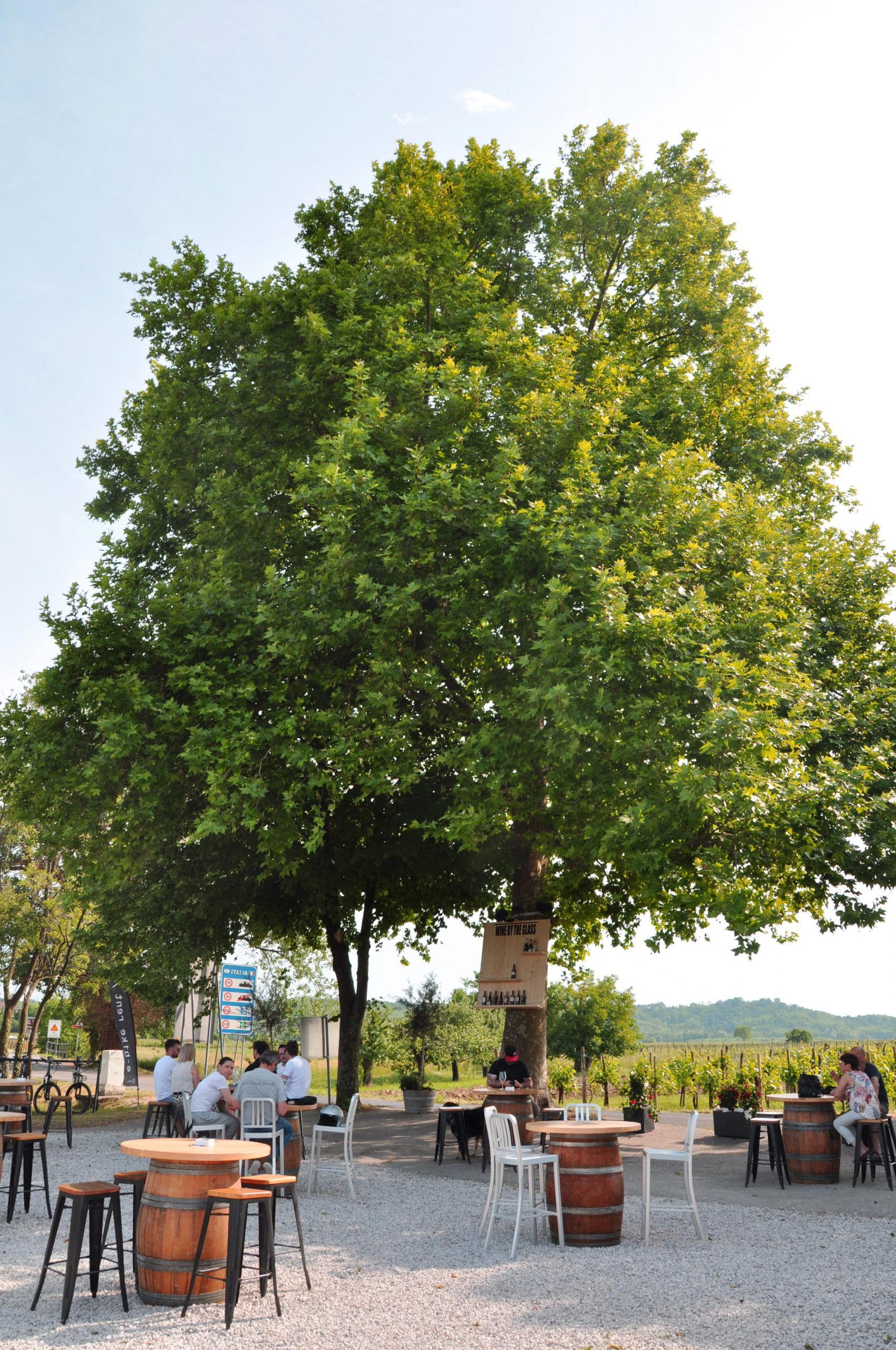

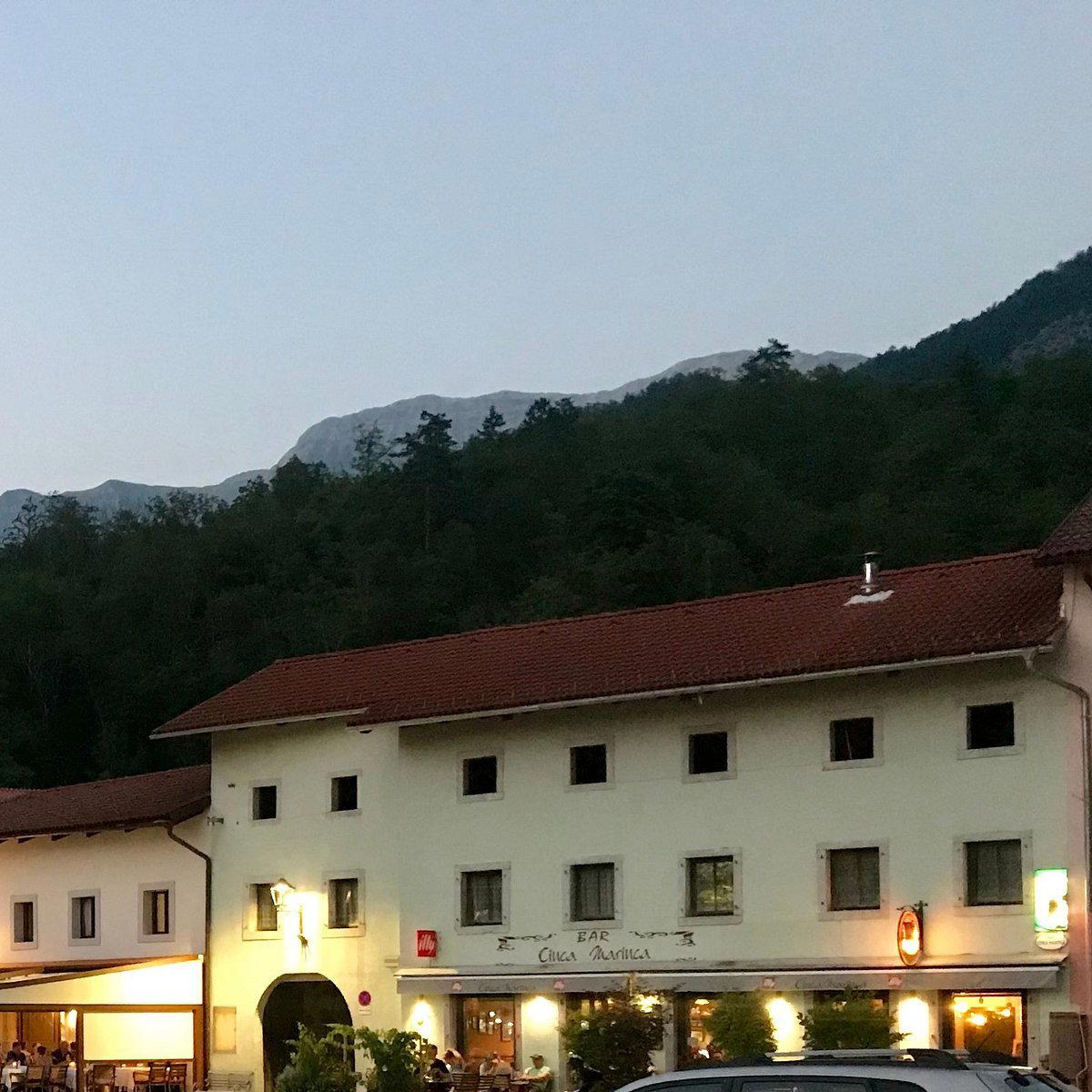
Restaurants in Kojsko
Browse all →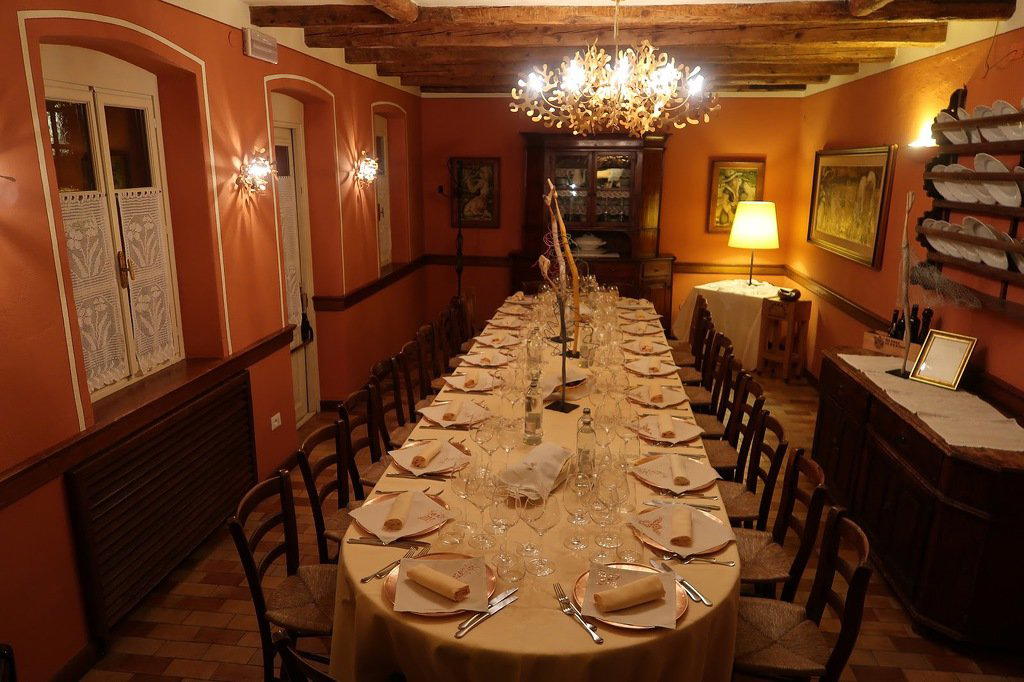
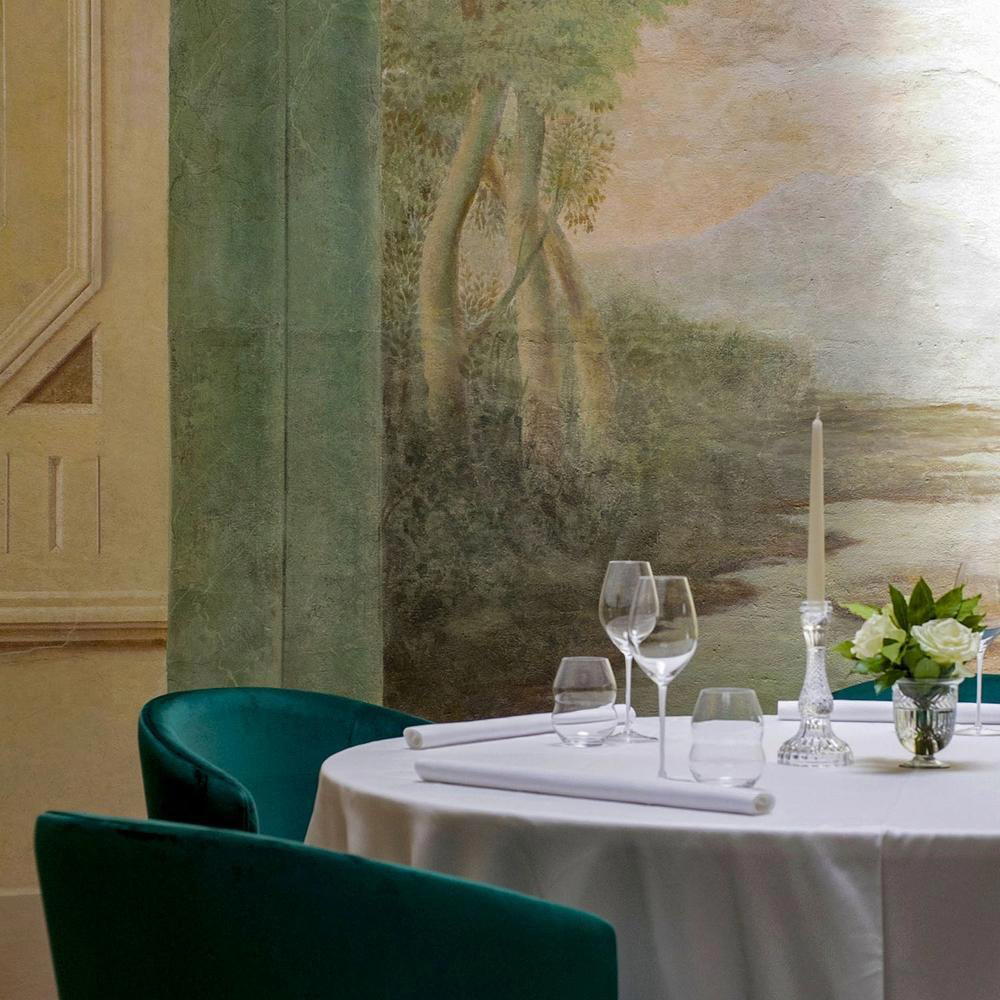
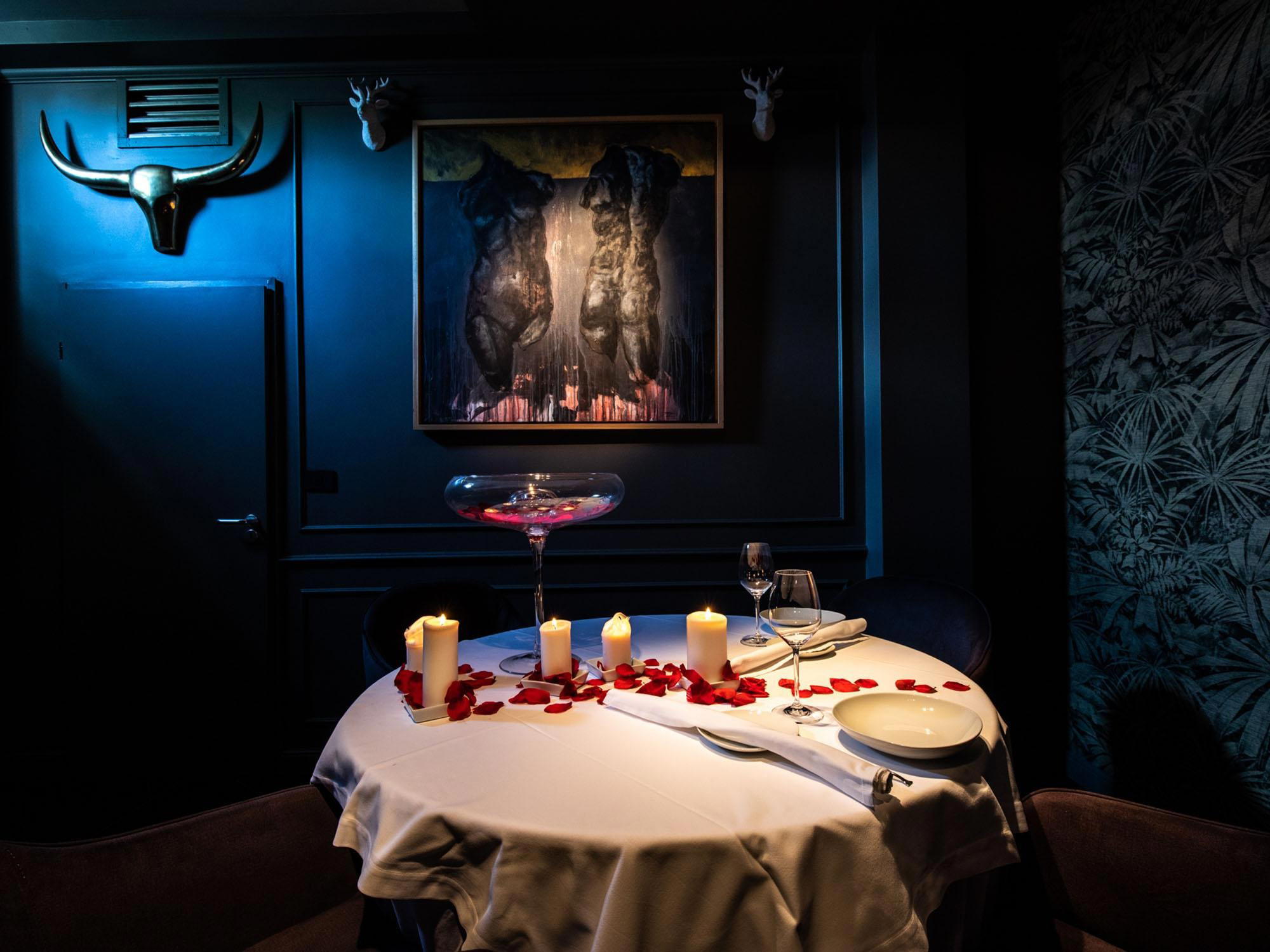
Hotels in Kojsko
Browse all →
At a Glance
- Romantic
- Scenic
- Cozy
- Rustic
- Intimate
- Date Night
- Celebration
- Group Outing
- Special Occasion
- Historic Building
- Terrace
- Panoramic View
- Garden
- Seated Bar
- Outdoor Terrace
- Lounge Seating
- Conventional Wine
- Natural Wine
- Vineyard
- Garden
Current opening hours
- Monday
- Closed
- Tuesday
- Closed
- Wednesday
- 11 AM–9 PM
- Thursday
- 11 AM–9 PM
- Friday
- 11 AM–9 PM
- Saturday
- 11 AM–9 PM
- Sunday
- 11 AM–9 PM
Hours can change for holidays and private events. Last verified .
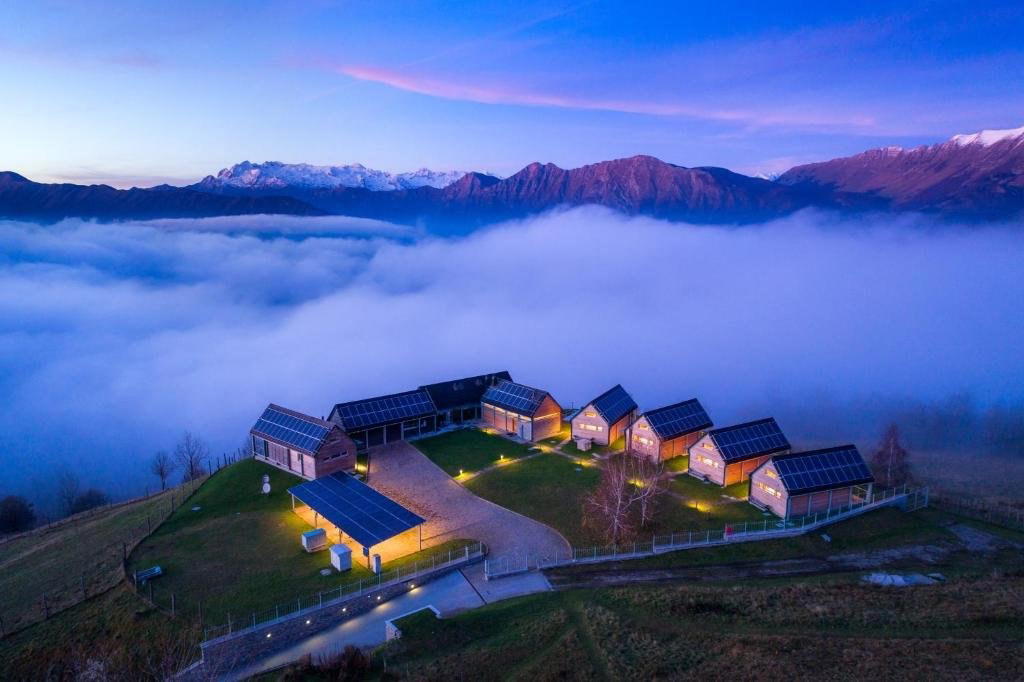
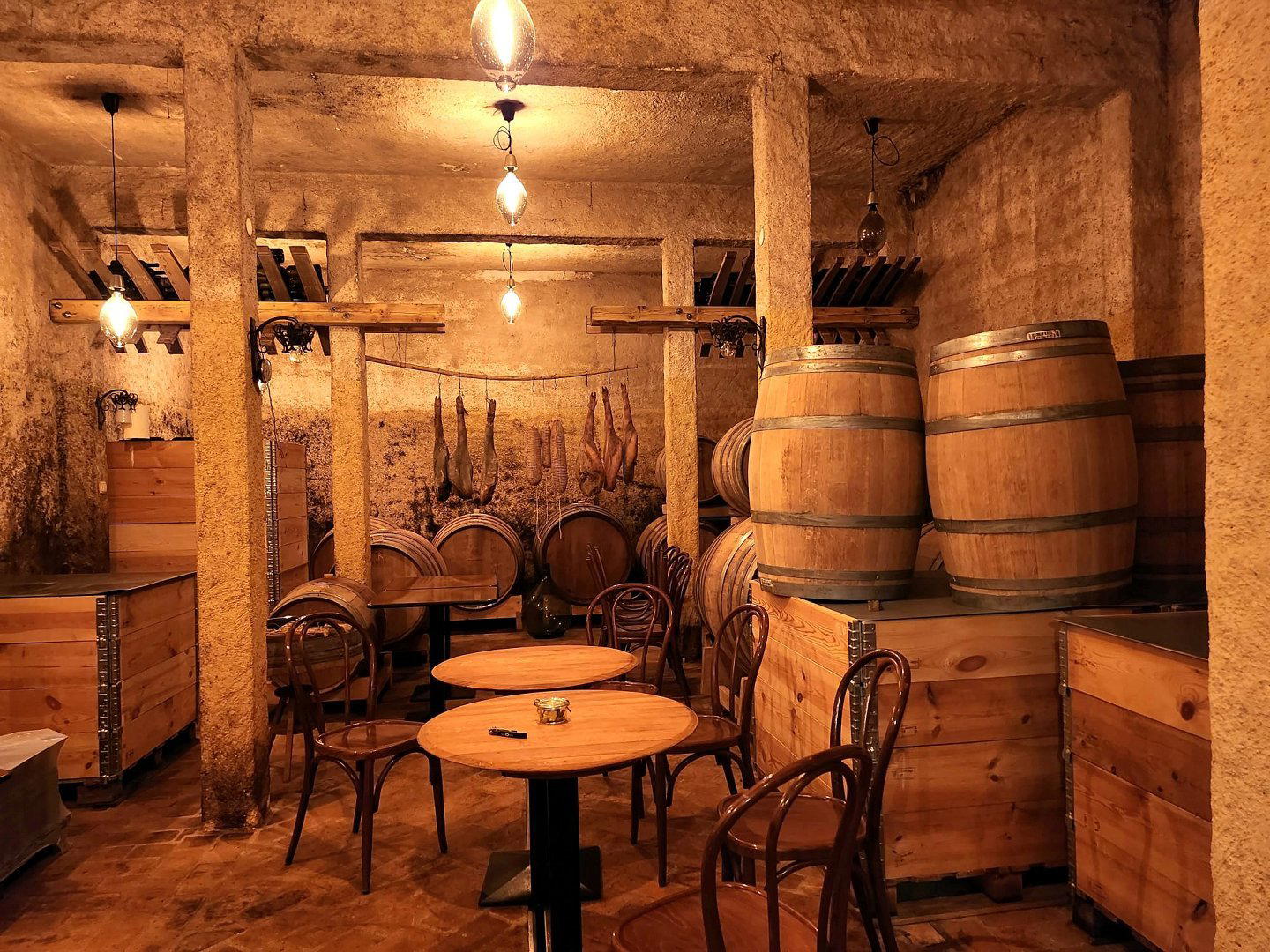
Intimate setting within thick protective stone walls of a medieval village, with warm lighting and rustic charm overlooking vineyards and orchards of Goriška Brda.