Restavracija Marina sits on Cesta solinarjev in Portorož, positioned at the edge of the Sečovlje saltpan coast where the Adriatic informs every plate. Within the concentrated dining circuit of the Piran peninsula, it occupies a mid-to-upper tier that draws visitors expecting serious seafood handling and a setting calibrated to the water it faces. Book ahead: the coastal corridor between Piran and Portorož fills quickly, particularly from May through September.
Pearl is the En Primeur Club membership app — saves, bookings, and concierge access live there. Same editors, same standards.
- Address
- Cesta solinarjev 6, 6320 Portorož, Slovenia
- Phone
- +38656761317
- Website
- restavracijamarina.si
- Directions
- Get directions
 Saves & bookings on Pearl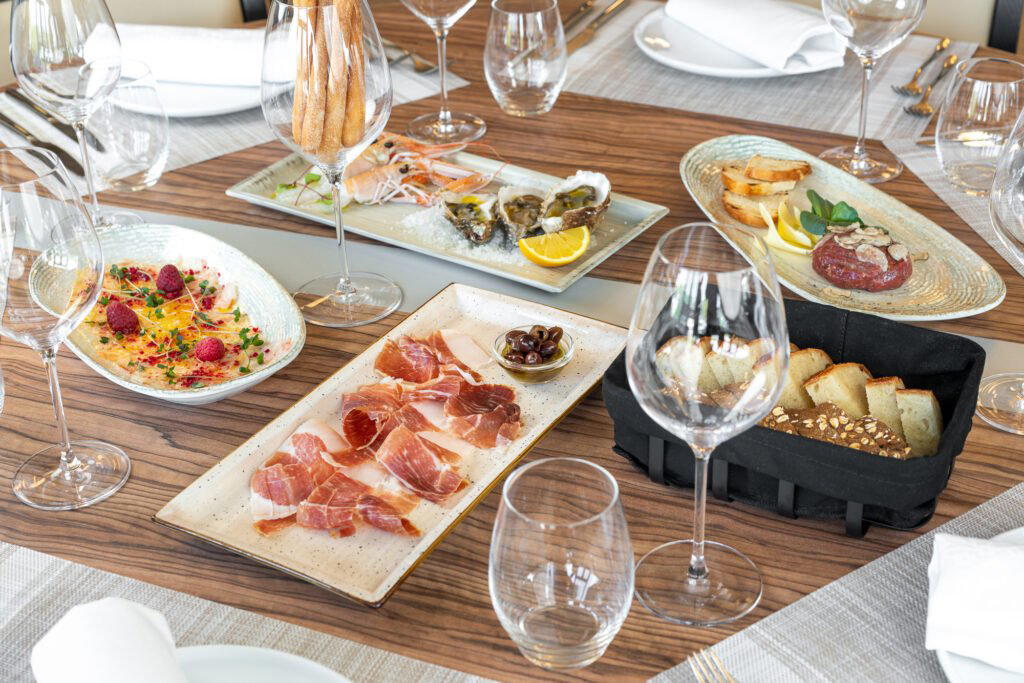
Eating on the Saltpan Shore: What to Know Before You Go
The stretch of Slovenian coast between Piran and Portorož is short in kilometres but dense in dining options. Restavracija Marina, at Cesta solinarjev 6 in Portorož, is a modern Istrian seafood restaurant on Slovenia's Adriatic coast. The salt flats to the south are one of the oldest working salt-harvesting sites in the northern Adriatic, and restaurants along this corridor inherit a geographic identity that shapes what ends up on the plate and what a diner expects before they arrive.
That context matters for planning. Dining in this part of Istria is not a walk-in culture, particularly between June and late September, when the stretch of coast from Portorož marina to Piran's old town compresses significant tourist volume into a small number of quality venues. The restaurants that maintain consistent standards in this environment tend to manage capacity deliberately, and Restavracija Marina, given its position along the saltpan road rather than in the centre of Piran's pedestrian zone, attracts a more purposeful visitor: someone who has looked it up, made a plan, and arrived with specific intent.
The Adriatic Kitchen in a Compressed Geography
Slovenia's coastline runs for approximately 47 kilometres, making it one of the shortest national seafront stretches in Europe, and the culinary tradition concentrated there reflects an Istrian inheritance shared with neighbouring Croatia and the Friuli-Venezia Giulia region of Italy. The cuisine is characterised by restrained technique applied to high-quality raw material: whole fish from the Adriatic, shellfish from the cleaner bays around the Piran peninsula, and the distinctive Piran salt harvested locally and recognised across European fine-dining circles as a premium mineral product.
Within that tradition, restaurants along the Portorož waterfront and saltpan road occupy a different register from the trattorias and fritolins packed into Piran's old town alleyways. Places like Fritolin – Ribja Kantina represent the faster, more casual end of the local seafood spectrum. Gostilna Ribič and Delfin sit in the mid-tier, where fish is handled properly but the format stays accessible. Restavracija Marina's address on Cesta solinarjev, adjacent to the marina infrastructure and the saltpan proximity, signals a slightly more considered dining format, where the setting is a deliberate part of the proposition rather than incidental to it.
For comparison points outside the immediate area, Slovenia's most discussed tables, Hiša Franko in Kobarid, Gostilna Pri Lojzetu in Vipava, or Restavracija Strelec in Ljubljana, operate in a different register entirely, with tasting menus and high booking difficulty as standard. The coastal restaurants of Portorož and Piran do not compete with that tier. They compete on freshness, positioning, and the specific pleasure of eating fish within sight of the water it came from.
Planning the Visit: Timing, Access, and What to Expect
Portorož functions as the commercial and hotel hub of the Slovenian Riviera, while Piran retains its Venetian-era old town character a few kilometres along the coast. The restaurant's address at Cesta solinarjev 6 places it in the transitional zone between the two, accessible by road from both directions without requiring a pass through Piran's restricted vehicle zone. Visitors staying in Portorož hotels can reach it on foot or by short taxi; those based in Piran's old town will need to plan a slightly longer transfer, but the saltpan road itself is a worthwhile approach regardless of destination.
Seasonal timing is a significant variable here. The Piran-Portorož corridor operates on a hard tourist calendar: the shoulder months of April, May, and October offer better table availability, more reasonable pacing at restaurants, and often the same quality of seafood as the peak summer months. July and August concentrate the highest visitor numbers and the least flexibility in bookings. Restaurants along this stretch that have established a reputation tend to fill their better tables quickly during those months, and late-notice reservations increasingly land in less preferred positions or are refused entirely.
Among the comparable addresses in the immediate area, Gostilna Ivo and Gostilna Park represent the more traditional gostilna format inside Piran's structure, while the restaurant's marina-adjacent position suggests a slightly different clientele and pace. For a wider read of where this restaurant sits in the local dining order, the full Piran restaurants guide maps the complete competitive set across price tiers and formats.
Where Restavracija Marina Sits in the Wider Slovenian Picture
Slovenia has developed a recognisable dining identity over the past decade, with formal recognition coming to restaurants across the country's varied terrain: the Soča valley, the Vipava wine region, the alpine approaches of Milka in Kranjska Gora and Hiša Linhart in Radovljica, and the thermal belt around Pavus in Lasko. The coast has been somewhat slower to enter that national conversation at the level of formal recognition, partly because the Istrian seafood tradition is shared across three countries and partly because the tourist volume that sustains coastal restaurants does not require the kind of critical attention that pushes inland places toward refinement.
A restaurant operating on Cesta solinarjev, within reach of Piran salt, Adriatic catch, and the Karst wine region a short drive inland, has access to a raw material base that dining rooms like Dam in Nova Gorica or Hiša Denk in Zgornja Kungota are geographically removed from. What varies is how that material is handled. At the international reference end of the seafood spectrum, restaurants like Le Bernardin in New York City or Atomix show what is achievable when precision technique meets notable sourcing. The Istrian coastal kitchen operates in a different register, but the sourcing side of that equation is genuinely strong.
The restaurant belongs to a different but equally specific tradition: the northern Adriatic table, where the sea sets the terms.
Comparable Venues
Comparable venues nearby, for context on price, style, and recognition.
| Venue | Cuisine | Price | Notes |
|---|---|---|---|
| Restavracija MarinaThis venue — the venue you are viewing | Modern Istrian Seafood | $$$ | Not listed |
| Restavracija Pavel | Mediterranean Seafood | $$$ | Piran seafront |
| Neptun | Fresh Adriatic Seafood | $$ | Piran |
| Ribja kantina Santalucia | Fresh Istrian Seafood | $$ | Portoroz |
| Delfin | Traditional Slovenian Seafood | $$ | Piran Old Town |
| Pizzeria Santa Lucia | Italian Pizzeria & Pasta | $$ | Lucija |
Continue exploring
More in Piran
Restaurants in Piran
Browse all →
Bars in Piran
Browse all →
Hotels in Piran
Browse all →
At a Glance
- Romantic
- Scenic
- Elegant
- Classic
- Date Night
- Business Dinner
- Group Dining
- Celebration
- Special Occasion
- Private Event
- Waterfront
- Terrace
- Panoramic View
- Private Dining
- Extensive Wine List
- Sommelier Led
- Local Sourcing
- Sustainable Seafood
- Waterfront
Current opening hours
- Monday
- 8 AM–10 PM
- Tuesday
- 8 AM–10 PM
- Wednesday
- 8 AM–10 PM
- Thursday
- 8 AM–10 PM
- Friday
- 8 AM–10 PM
- Saturday
- 8 AM–10 PM
- Sunday
- 8 AM–10 PM
Hours can change for holidays and private events. Last verified .
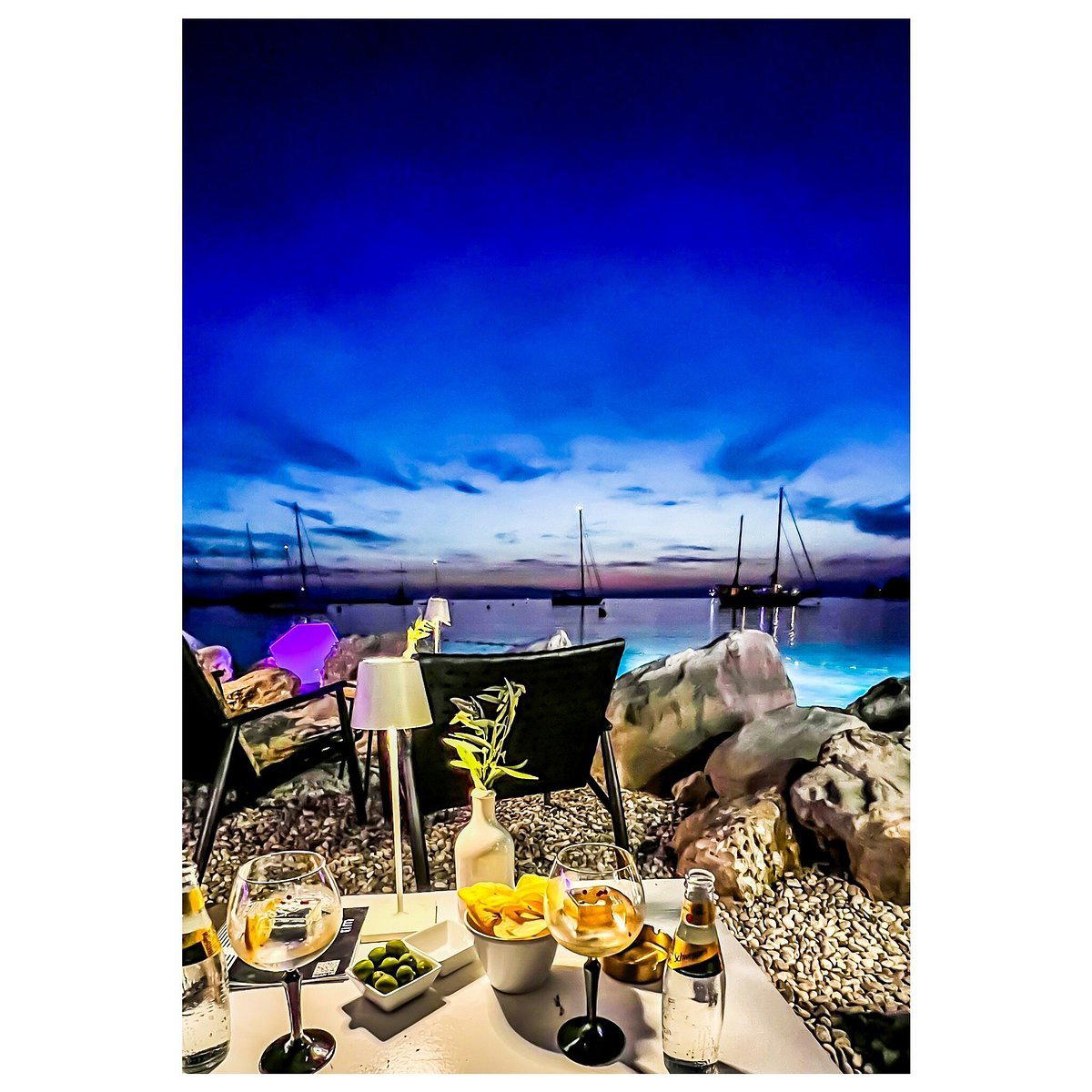
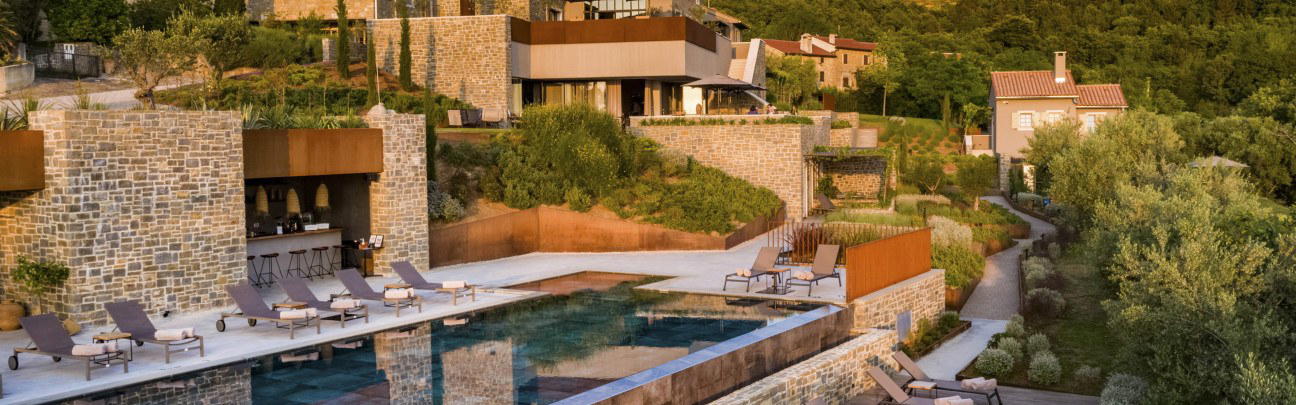
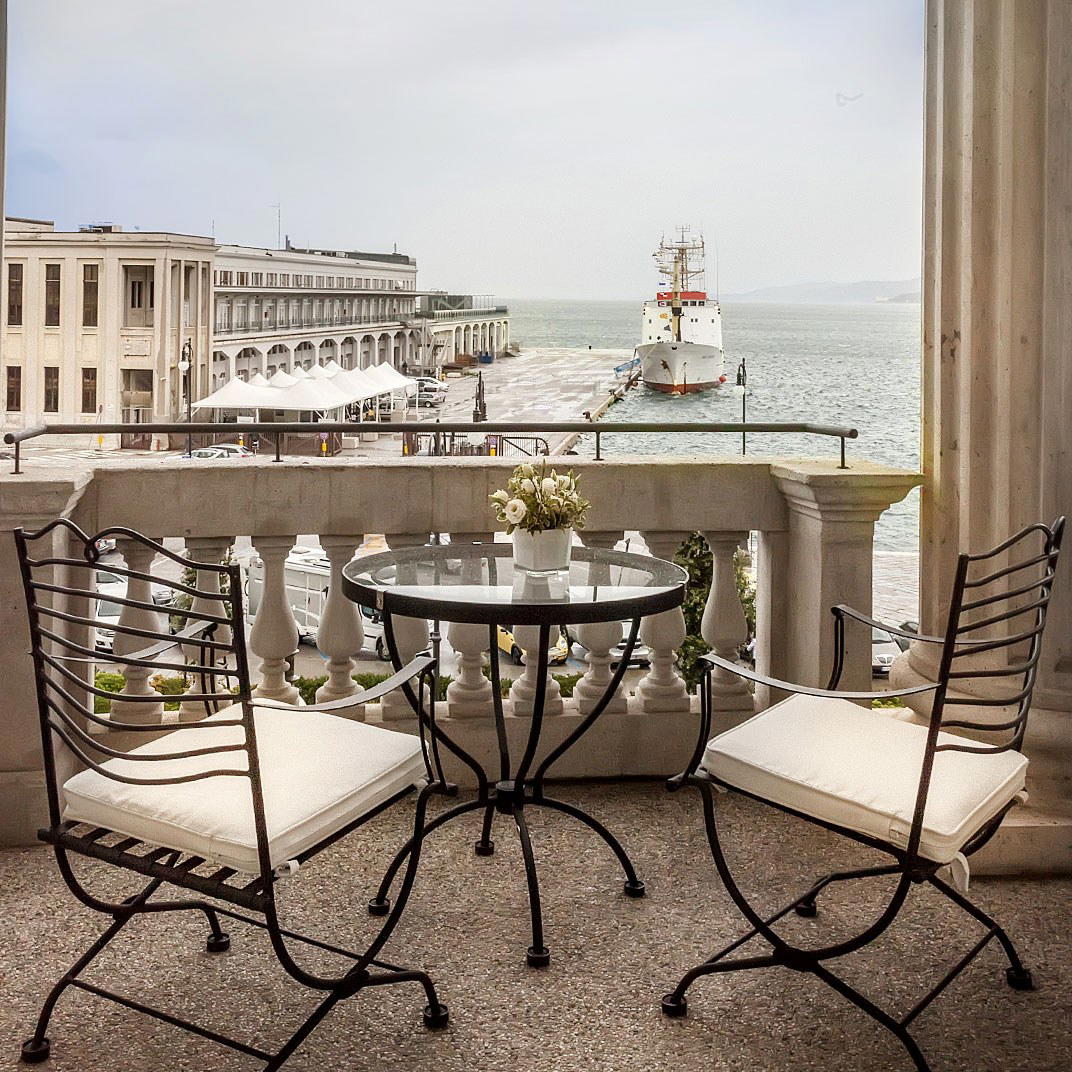
Warm and welcoming environment with pleasant ambient lighting, featuring a picturesque terrace overlooking boats in the marina with sea views creating an ideal Mediterranean dining setting.