On a cobbled lane in Rovinj's old town, Ul. Sv. Križa 24 occupies a quietly compelling position in the Istrian bar scene. The address draws those who come for considered drinks rather than waterfront spectacle, sitting within a neighbourhood where stone architecture and slower evenings set the terms. For anyone tracing Croatia's maturing cocktail culture beyond the Dalmatian coast, this is a logical stop.
Pearl is the En Primeur Club membership app — saves, bookings, and concierge access live there. Same editors, same standards.
- Address
- Ul. Sv. Križa 24, 52210, Rovinj, Croatia
- Directions
- Get directions
 Saves & bookings on Pearl
Rovinj's Old Town and the Case for Drinking Away from the Water
Rovinj operates on a familiar coastal Croatian logic: the closer to the waterfront, the louder the crowd, the wider the margin, and the less interesting the drink. The town's old hill quarter, a tangle of steep lanes climbing toward the Church of St. Euphemia, runs on different terms. Foot traffic thins, the light softens off amber stone, and the bars that persist here do so because they have a reason to exist beyond a harbour view. Ul. Sv. Križa 24 sits on that axis, at a street address that reads like a coordinate rather than a name, which suits the place's understated position in the local drinking scene.
Istria has developed a drinks culture that tracks its food culture closely: regional identity, small-scale production, and a preference for restraint over spectacle. The wines are Malvazija and Teran; the grappa is from local distillers; the olive oil arrives on the table as a product with provenance rather than a condiment. Bars that fit that environment tend toward the specific and the considered. Ul. Sv. Križa 24, positioned on a cobblestone lane in the oldest residential part of town, belongs to that category of venue where the address itself signals a deliberate choice to operate at a remove from the waterfront economy.
The Cocktail Approach: Technique in a Town That Doesn't Always Demand It
Croatia's cocktail scene has matured considerably along an uneven geographic line. Zagreb leads, with venues like Otto & Frank in Zagreb representing the kind of sustained technical programming that earns the city comparison with mid-tier European capitals. Split has caught up in pockets, with spots like Torito Bar & Food in Split showing what a coastal venue looks like when it builds around drinks seriously. The Dalmatian islands have their own nodes of quality, including Hvar in Stari Grad and Hvar in Lesina. Istria, by contrast, has historically positioned its hospitality around food and wine rather than cocktails, which means a bar operating here with a genuine drinks focus occupies a less crowded field.
At Ul. Sv. Križa 24, the cocktail program draws on local ingredients as context rather than novelty. Istrian spirits, herbs from the Mirna valley, and occasional wine-based formats fit a broader European tendency toward terroir-inflected bartending that has moved well past the gimmick phase. The interest is in what those ingredients do to a drink's structure, not in signalling locality for its own sake. This approach places the venue in the same broad conversation as wine-forward bars along the Croatian coast, including Edivo Wine Bar in Drace and D'VINO WINE BAR DUBROVNIK in Dubrovnik, though the Rovinj venue operates within Istria's distinct production identity rather than Dalmatia's.
For comparison points further afield, the sensibility has something in common with American bars that build programs around clarity and local specificity: Kumiko in Chicago and Jewel of the South in New Orleans both demonstrate what a technically disciplined program looks like when it prioritises coherence over novelty. The scale and context differ, but the underlying commitment to ingredient logic is legible across those comparisons.
The Physical Setting: Stone Lanes and Slower Evenings
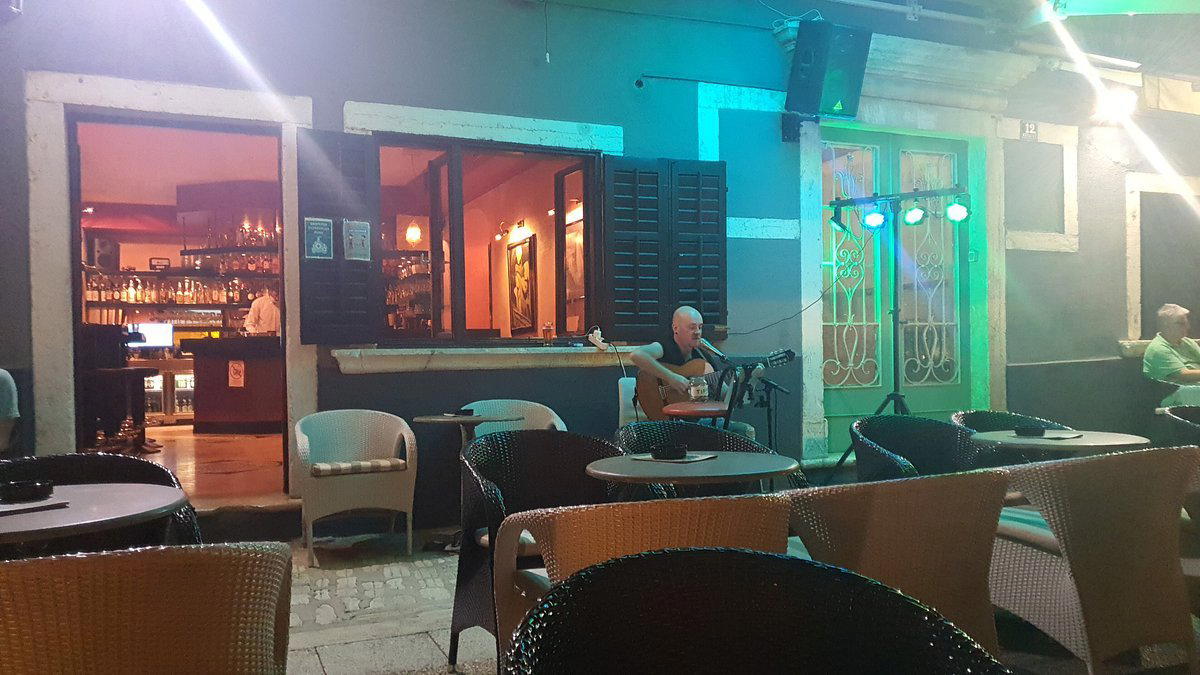
The old town of Rovinj is compact enough that most addresses within it are within a five-minute walk of each other, but the gradient matters. The lanes near the harbour are tourist-facing and priced accordingly. The upper lanes, including Ul. Sv. Križa, are residential in character, with local foot traffic more present in the mix. Evenings here follow a slower rhythm: aperitivo hour extends, conversations settle in, and the pressure to turn tables that operates in waterfront venues is largely absent.
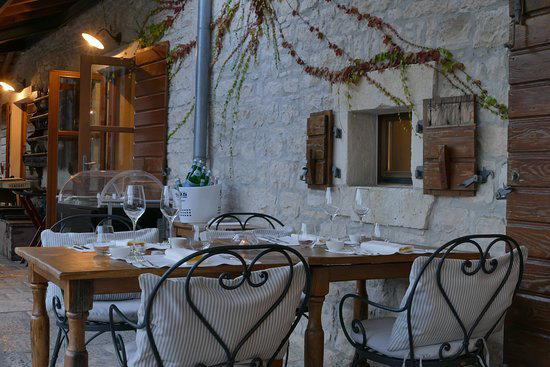
That physical environment shapes what a bar can do. Low-capacity spaces in old-town Rovinj tend toward the intimate rather than the theatrical, which aligns with a drinks program built around conversation and attention rather than volume. The stone interiors hold temperature well into summer, which in Istria means the bar is genuinely comfortable in July and August when outdoor seating elsewhere becomes a matter of enduring the heat rather than enjoying it.
For a broader sense of how Rovinj's dining and drinking scene sits within Istria's hospitality identity,
When to Go and How to Approach It
Rovinj's high season runs from late June through August, when the old town fills with Italian day-trippers and yacht arrivals. Bars in the upper lanes see some of that overflow but remain considerably more manageable than the harbour-front options. Shoulder season, particularly May and September, brings a different visitor profile: slower-paced, more wine-focused, and more likely to be interested in a considered cocktail rather than a cold beer with a view. Those months suit Ul. Sv. Križa 24's format better than peak summer, both in terms of atmosphere and the ability to hold a seat without pressure.
The bar is walkable from virtually every accommodation point in Rovinj's old town, and the lane it occupies is easy to locate on foot once you're in the upper quarter. As with most old-town Rovinj addresses, arriving by car is impractical; the town's historic core is pedestrianised, and the walk from the nearest parking area takes around ten minutes.
For those building a broader Croatian bar itinerary, the contrast between Istrian venues and Dalmatian counterparts is worth noting. The production culture differs: Istria's winemakers and distillers operate in a cooler microclimate, producing different base spirits and lighter wine profiles than the Dalmatian coast. Bars that draw on that local supply chain end up tasting different even when they're executing similar techniques. Bar Leather Apron in Honolulu, Julep in Houston, and Superbueno in New York City all demonstrate how a bar's ingredient geography shapes its identity at the glass level; the same principle applies when comparing Istrian and Dalmatian cocktail programs.
Practical Notes
Ul. Sv. Križa 24 is located at Ul. Sv. Križa 24, 52210, Rovinj, Croatia. The address is in the pedestrianised upper old town, reachable on foot from the central square in under ten minutes.
At-a-Glance Comparison
Comparable venues nearby, for context on price, style, and recognition.
| Venue | Cuisine | Price |
|---|---|---|
| Ul. Sv. Križa 24This venue — the venue you are viewing | cocktail_bar | $$ |
Continue exploring
More in Rovinj
Bars in Rovinj
Browse all →
Restaurants in Rovinj
Browse all →
Hotels in Rovinj
Browse all →

At a Glance
- Scenic
- Romantic
- Trendy
- Date Night
- Casual Hangout
- Waterfront
- Terrace
- Outdoor Terrace
- Craft Cocktails
- Zero Proof
- Waterfront
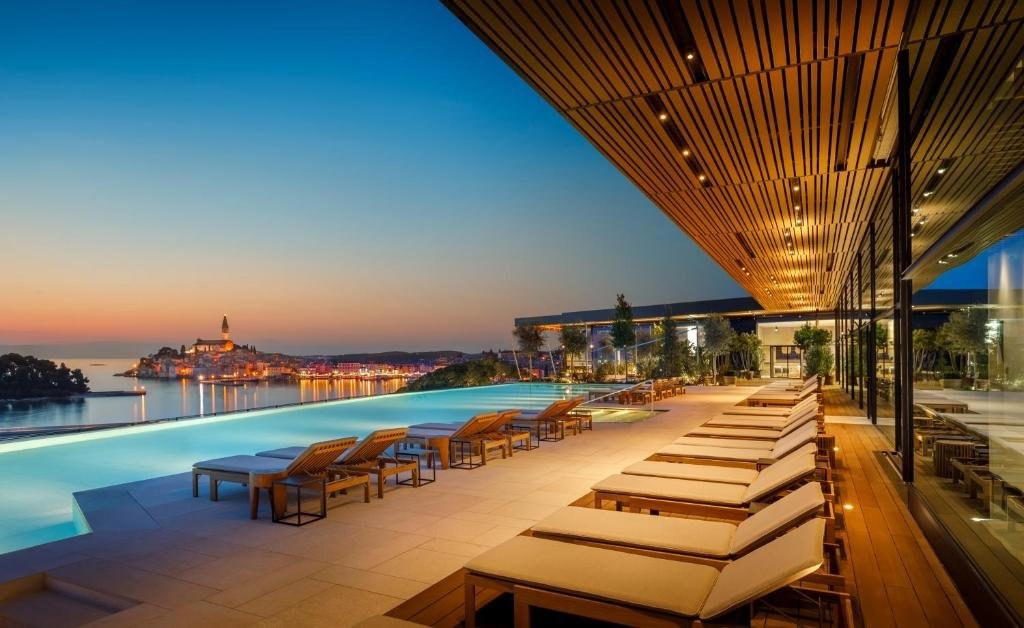
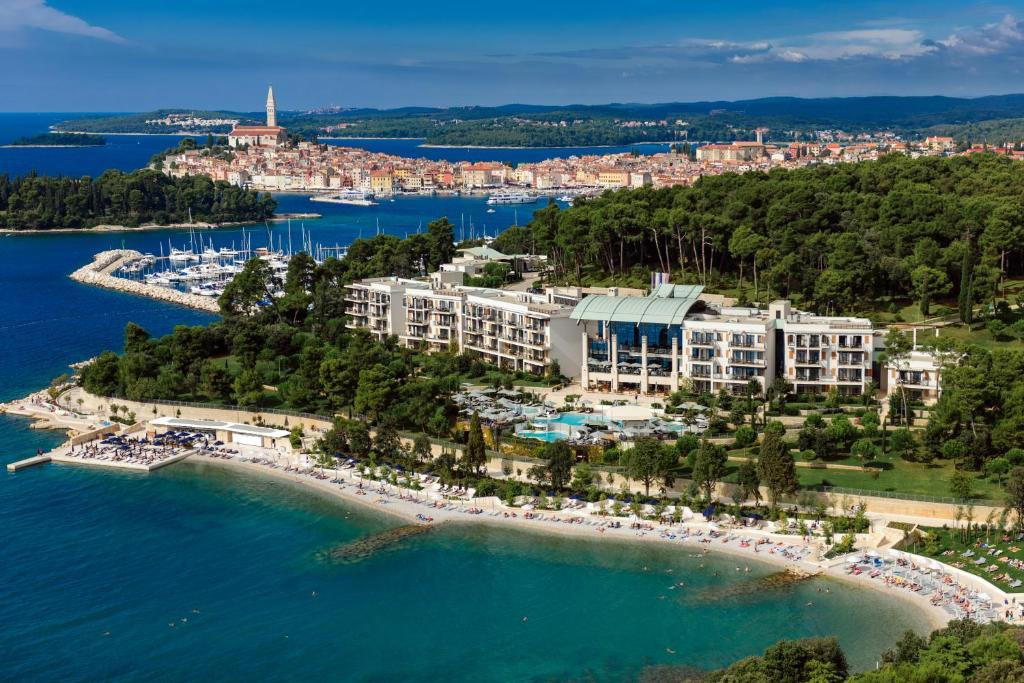
Ocean view retreat with dramatic vistas well-suited for sunset drinks.