Gostilnica Ruj

Gostilnica Ruj sits in the Karst village of Dol pri Vogljah, where chef Peter Patajac turns the region's limestone-plateau larder into direct, deeply considered cooking that has earned consecutive Michelin Bib Gourmand awards in 2024 and 2025. At a €€ price point, it occupies a different register from Slovenia's starred tasting-menu circuit, making the case that serious regional cooking doesn't require elaborate ceremony.
Pearl is the En Primeur Club membership app — saves, bookings, and concierge access live there. Same editors, same standards.
- Address
- Dol pri Vogljah 16, 6221 Dutovlje, Slovenia
- Phone
- +386 5 734 17 20
- Website
- malcajt.com
- Directions
- Get directions
 Saves & bookings on Pearl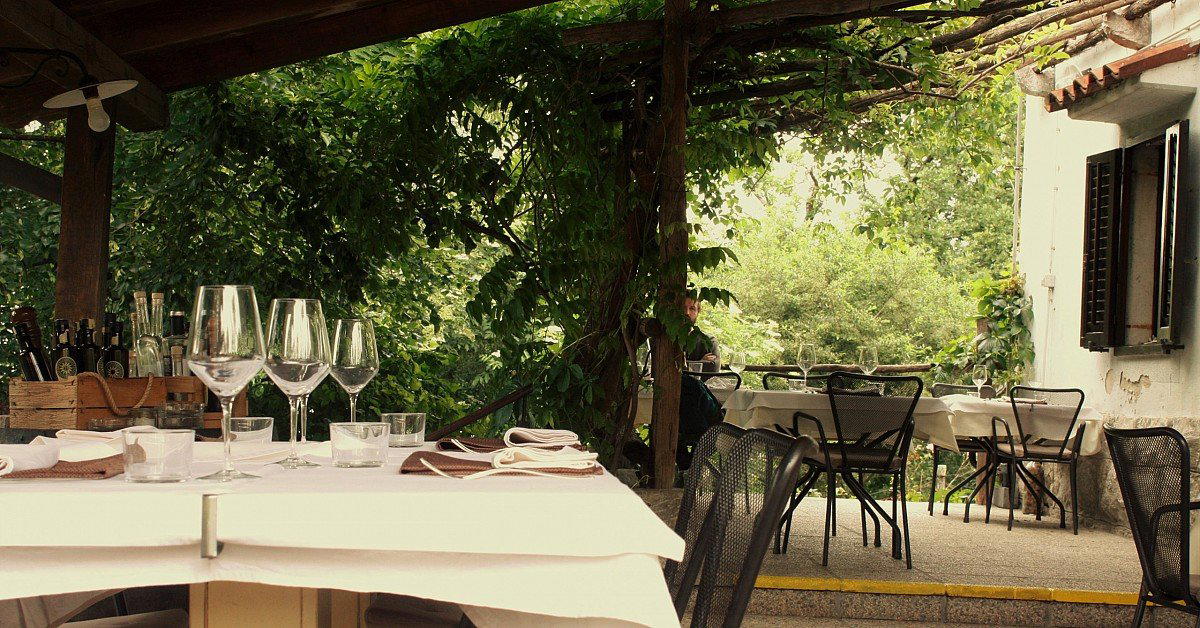
Where the Karst Plateau Sets the Table
The Karst region of southwestern Slovenia is one of Europe's more underrated food territories. Its limestone terrain shapes not just the wine (Teran, the indigenous red, is grown here) but also the cured meats, foraged herbs, and seasonal vegetables that define what serious cooking in this part of the country looks like. The villages between Dutovlje and the Italian border operate at a remove from Ljubljana's restaurant scene, and that distance is the point: in places like Dol pri Vogljah, the supply chain is short and the culinary identity is local rather than aspirational. Gostilnica Ruj, at address Dol pri Vogljah 16, 6221 Dutovlje, Slovenia, sits inside that tradition rather than above it.
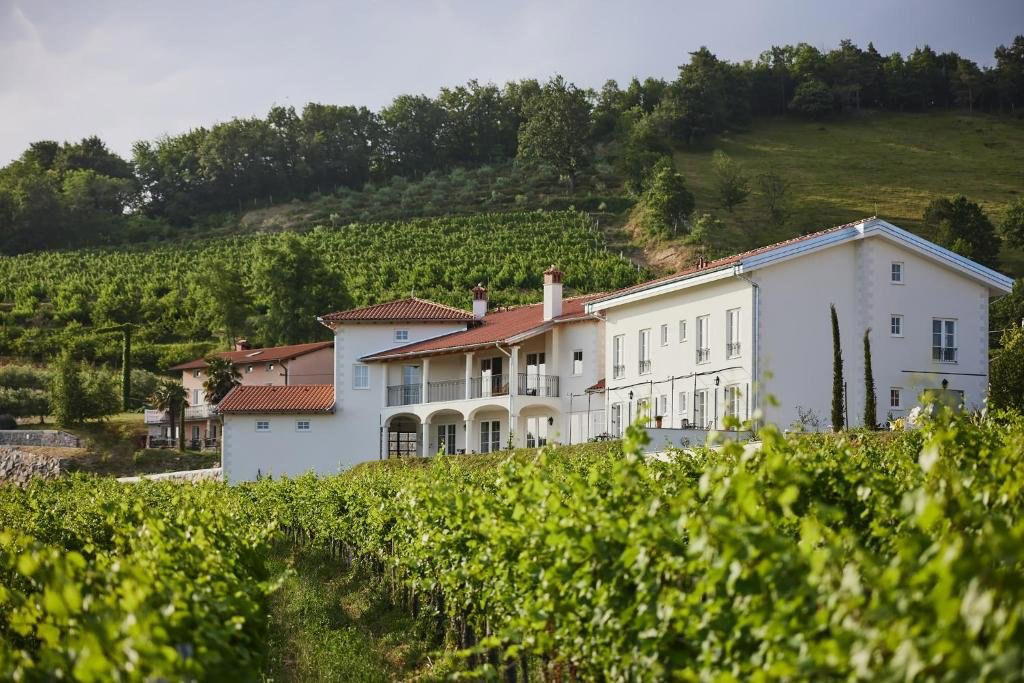
The physical approach matters here. Karst villages carry a particular texture, pale stone walls, fig trees forcing through rocky terraces, the persistent dry wind that gives the region its bora character. A gostilnica (the Slovenian term for a traditional inn-restaurant with roots in the local community rather than the hotel circuit) signals a specific contract with the diner: expect cooking shaped by proximity and season, not by imported technique or menu architecture borrowed from elsewhere. That contract is the first thing you read before you eat a single dish.
Peter Patajac and the Regional Register
Within Slovenia's current dining scene, the editorial conversation tends to cluster around a handful of ambitious operators. Ana Roš at Hiša Franko in Kobarid holds three Michelin stars and represents the country's creative ceiling. Further up the price scale, Milka in Kranjska Gora runs a two-star creative program, while Gostilna Pri Lojzetu in Vipava and Grič in Šentjošt nad Horjulom operate one-star farm-to-table or modern cuisine formats at €€€€ price points. These are serious restaurants doing serious work, but they operate in a different tier from Gostilnica Ruj on both price and format.
Chef Peter Patajac's position is more specific and, in some ways, more demanding. Working within a €€ price structure while earning consecutive Michelin Bib Gourmand recognition in 2024 and 2025 requires a particular discipline: sourcing well enough to satisfy Michelin's inspectors without charging at a level that insulates the kitchen from cost pressure. The Bib Gourmand designation, which the Guide awards to restaurants offering good cooking at moderate prices, is a different quality signal from a star. It doesn't mean the food is simpler; it means the value equation is part of the achievement.
Among Slovenia's Michelin-recognised restaurants, the Bib Gourmand cohort occupies a distinct position. Where starred restaurants like Dam in Nova Gorica, Hiša Denk in Zgornja Kungota, or Restavracija Strelec in Ljubljana compete on ambition and investment, Bib Gourmand kitchens compete on clarity, ingredient honesty, and the ability to make a limited price point work without visible compromise. Earning the designation consecutively, as Ruj has done across 2024 and 2025, indicates a consistency that Michelin inspectors weight heavily.
The Cooking: Regional Cuisine on the Karst
Karst regional cooking draws from a compact but distinctive pantry. The plateau's mineral-rich soil and dry climate produce specific flavours: the sharp, iron-forward character of Teran grapes, the concentrated sweetness of tomatoes grown in rocky ground, the earthy depth of porcini mushrooms in autumn. Prosciutto (here known as kraški pršut, a Protected Designation of Origin product) is cured in the bora wind and aged for months, developing a texture and salt level distinct from its Italian neighbours across the border. Any kitchen working seriously in this tradition will engage with these ingredients on their own terms rather than as props for imported concepts.
The gostilnica format reinforces this. Unlike a tasting-menu restaurant, where the kitchen controls the sequence and the diner follows, a traditional gostilnica tends toward a more democratic structure: choices, portions that reflect appetite rather than choreography, and a room that functions as a community dining space rather than a stage.
Placing Ruj in Slovenia's Wider Scene
Slovenia's Michelin coverage has expanded noticeably in recent years, with restaurants from Ljubljana to the Vipava Valley and from the Soča region to Styria all appearing in the Guide. The country now offers a range of serious dining at multiple price points. Hiša Linhart in Radovljica, Pavus in Lasko, A3 in Brestanica, and City Terasa in Maribor each occupy different regional and stylistic niches within that picture. Internationally, the pattern of a regional-cuisine Bib Gourmand in a village setting recurs in the Alpine arc: Fahr in Künten-Sulz and Gannerhof in Innervillgraten operate on comparable premises, where local supply and community function are central rather than incidental to the restaurant's identity.
What distinguishes Karst as a location within this broader picture is the intersection of cuisine and wine. The Karst wine region produces some of Slovenia's most characterful bottles, and a serious local restaurant in this zone should function as an access point to that production in a way that a Ljubljana restaurant cannot replicate. The connection between a glass of local Teran and a plate of kraški pršut is not merely thematic; it reflects centuries of agricultural co-evolution on the same limestone terrain.
Planning Your Visit
Dol pri Vogljah sits within the Karst administrative area near Dutovlje, roughly accessible from both Trieste and the Vipava Valley. For anyone spending time in the broader Karst and Istrian zone, it anchors well alongside winery visits and slower exploration of the plateau's villages. The restaurant is recommended for reservations and is open Thursday through Sunday from 12 to 10 PM. The €€ price point makes a visit easy to absorb within a wider itinerary, and the Bib Gourmand recognition provides a reliable quality floor.
Quick Comparison
Comparable venues nearby, for context on price, style, and recognition.
| Venue | Cuisine | Price | Awards | Notes |
|---|---|---|---|---|
| Gostilnica RujThis venue — the venue you are viewing | Regional Slovenian Karst Cuisine | $$ | Bib Gourmand | Not listed |
| Lesnika | Traditional Slovenian with Modern Twist | $$ | Bib Gourmand | Mozirje |
| Dvor Jezeršek | Traditional Slovenian | $$$ | Michelin Plate | Cerklje na Gorenjskem |
| Hiša Krasna | Modern Slovenian with Karst-Istrian influences | $$$ | Michelin Plate | Lokev |
| Jožef | Modern Slovenian Regional with Mediterranean Influences | $$ | Bib Gourmand | Idrija |
| Gostilna na Gradu | Modern Slovenian | $$$ | Bib Gourmand | Ljubljana Castle |
Recognition history
Dated appearances from independent guides and award organizations, with the underlying list record or original source where available.
Michelin Bib Gourmand
Michelin
Michelin Bib Gourmand
Michelin
Michelin Bib Gourmand
Michelin
Continue exploring
More in Dol pri Vogljah
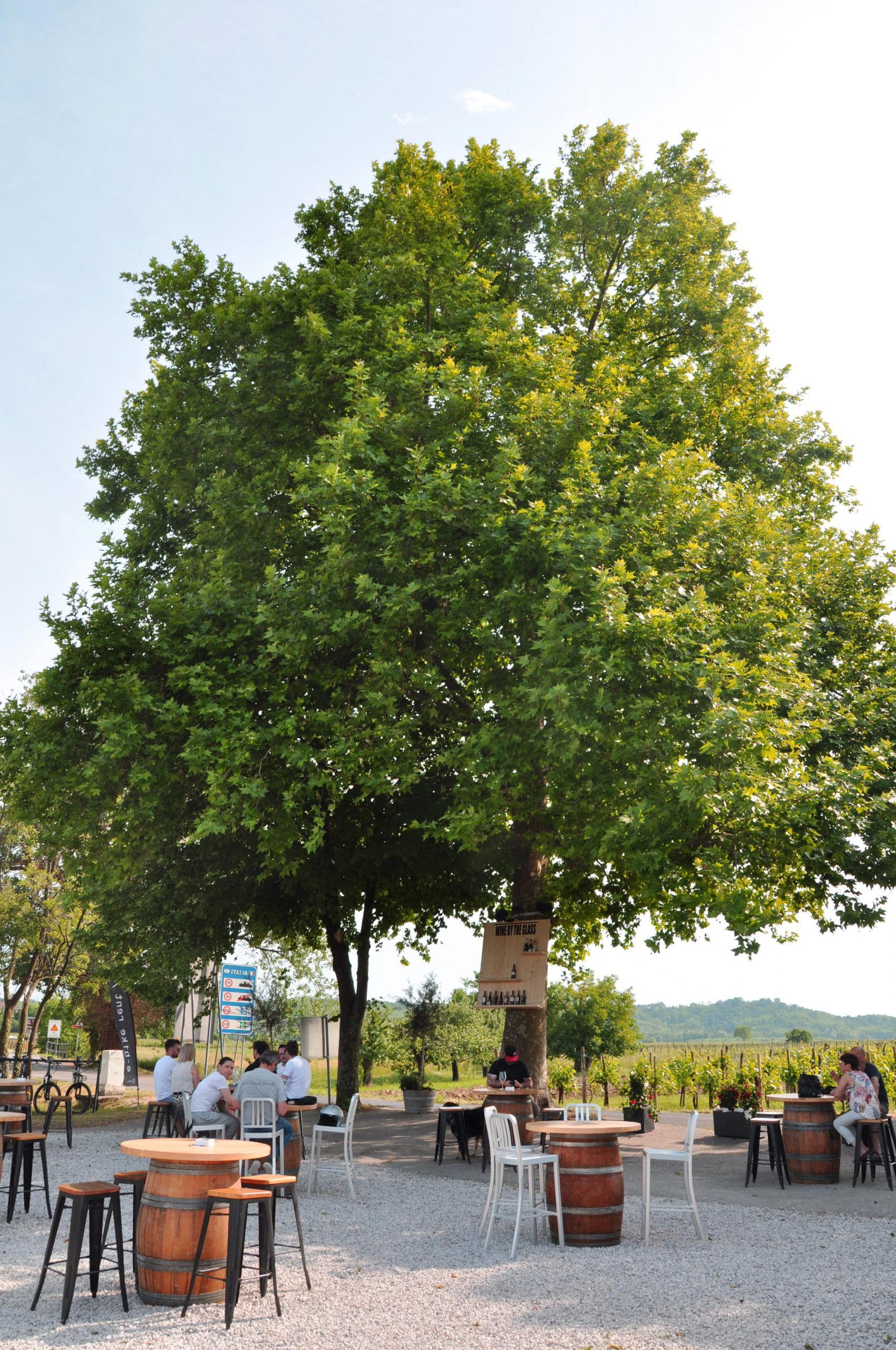
Restaurants in Dol pri Vogljah
Browse all →
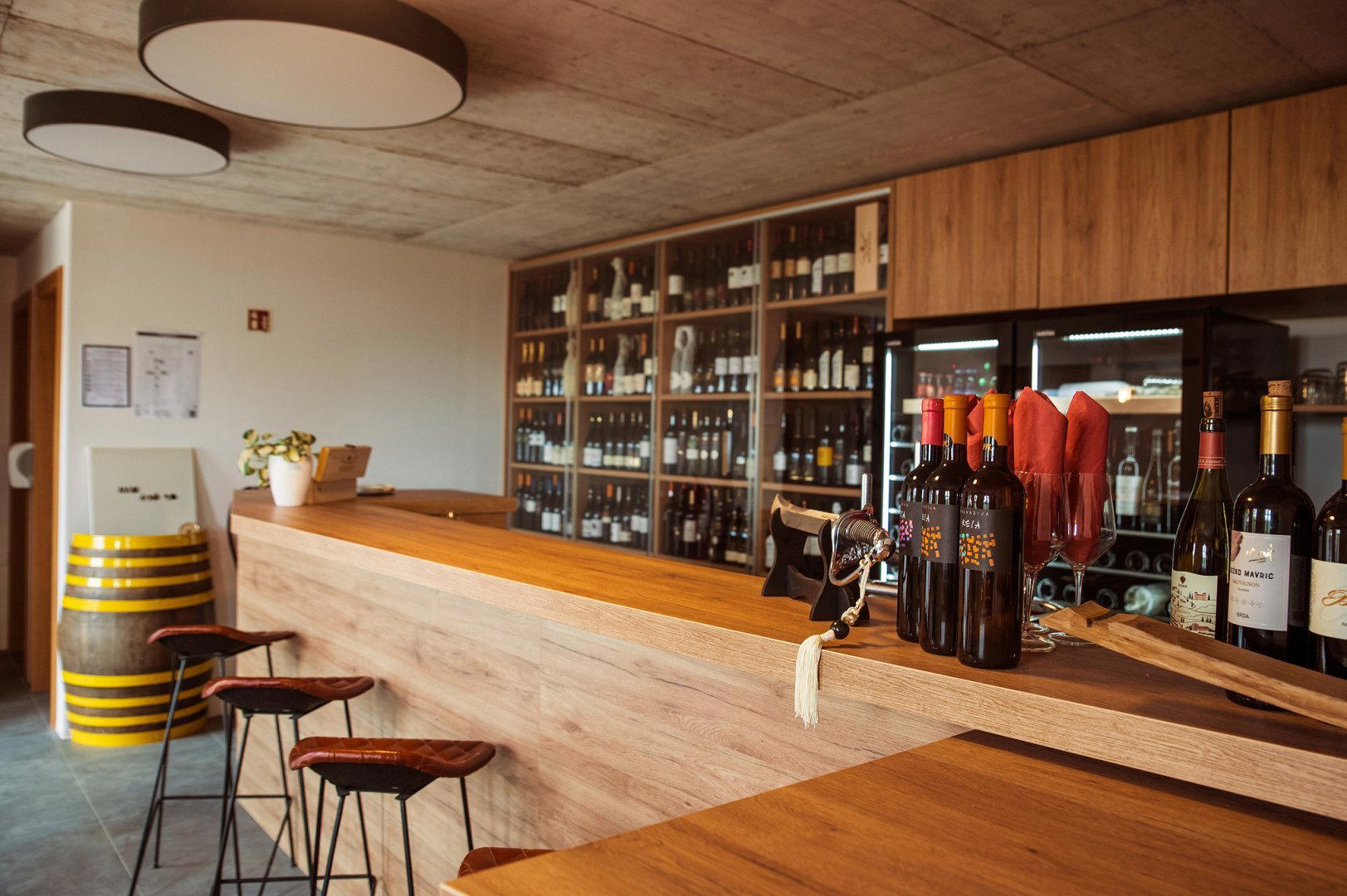
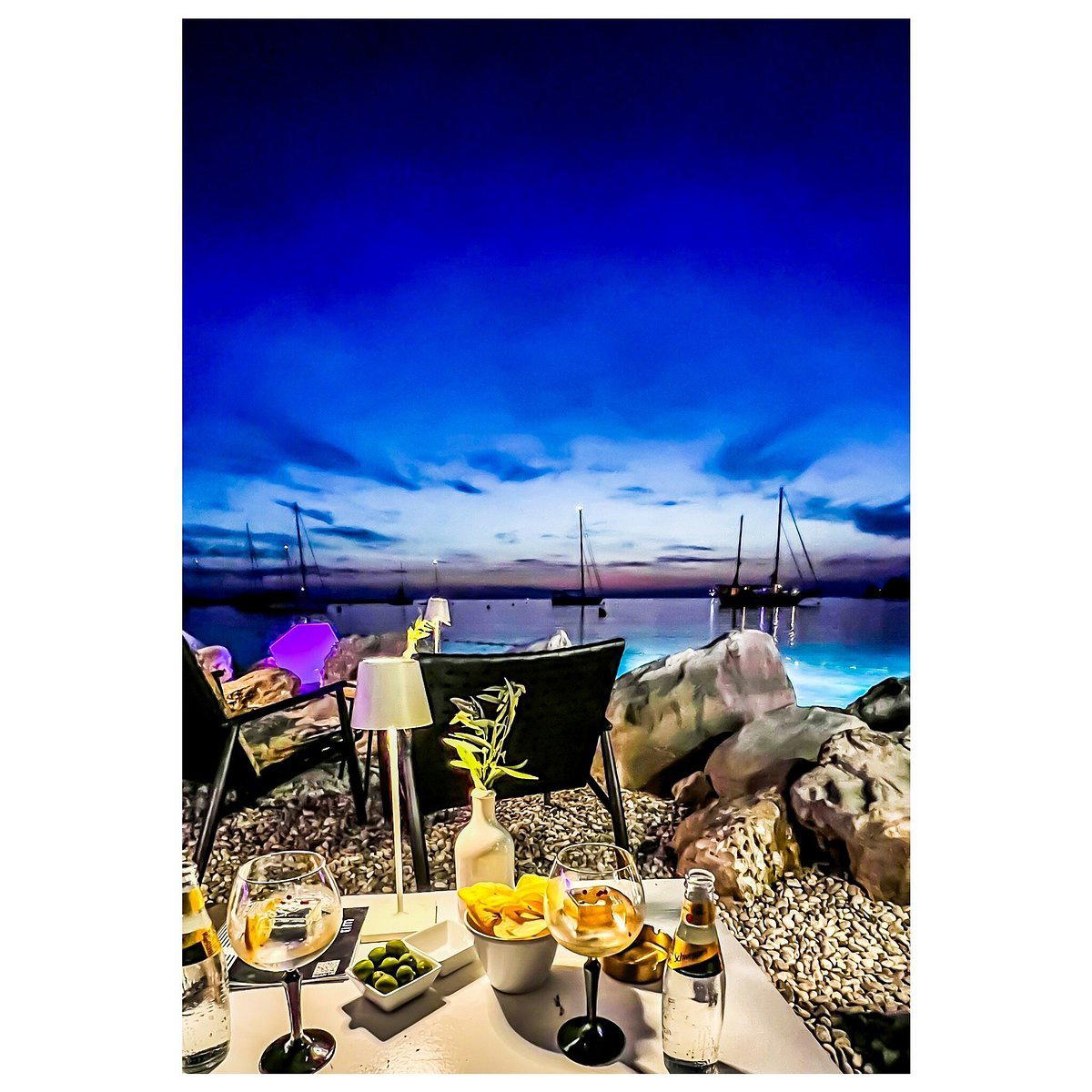
Bars in Dol pri Vogljah
Browse all →
Hotels in Dol pri Vogljah
Browse all →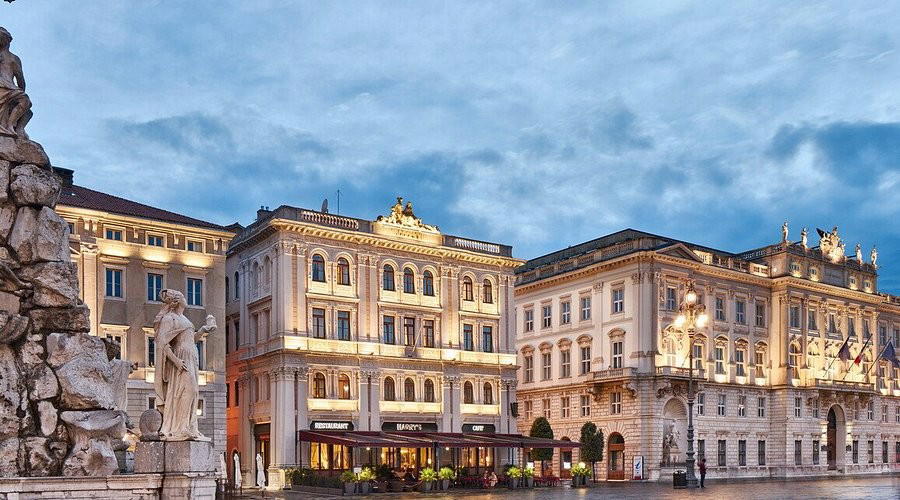

At a Glance
- Rustic
- Cozy
- Intimate
- Classic
- Date Night
- Special Occasion
- Terrace
- Extensive Wine List
- Local Sourcing
- Garden
Current opening hours
- Monday
- Closed
- Tuesday
- Closed
- Wednesday
- Closed
- Thursday
- 12–10 PM
- Friday
- 12–10 PM
- Saturday
- 12–10 PM
- Sunday
- 12–10 PM
Hours can change for holidays and private events. Last verified .
Compact dining room with original stone walls, wooden tables, practical warm lighting, and acoustics favoring conversation; patio extends the space in good weather.