Gostilna Ivo sits on Gregorčičeva ulica in Piran's historic old town, where the Slovenian coastal tradition of gostilna dining meets Adriatic seafood culture. As one of Piran's established neighbourhood restaurants, it occupies a dining category that prizes locality and familiarity over spectacle, the kind of address that serves the town as much as it serves visitors passing through.
Pearl is the En Primeur Club membership app — saves, bookings, and concierge access live there. Same editors, same standards.
- Address
- Gregorčičeva ulica 31/33, 6330 Piran, Slovenia
- Phone
- +38656732233
- Website
- gostilna-ivo.com
- Directions
- Get directions
 Saves & bookings on Pearl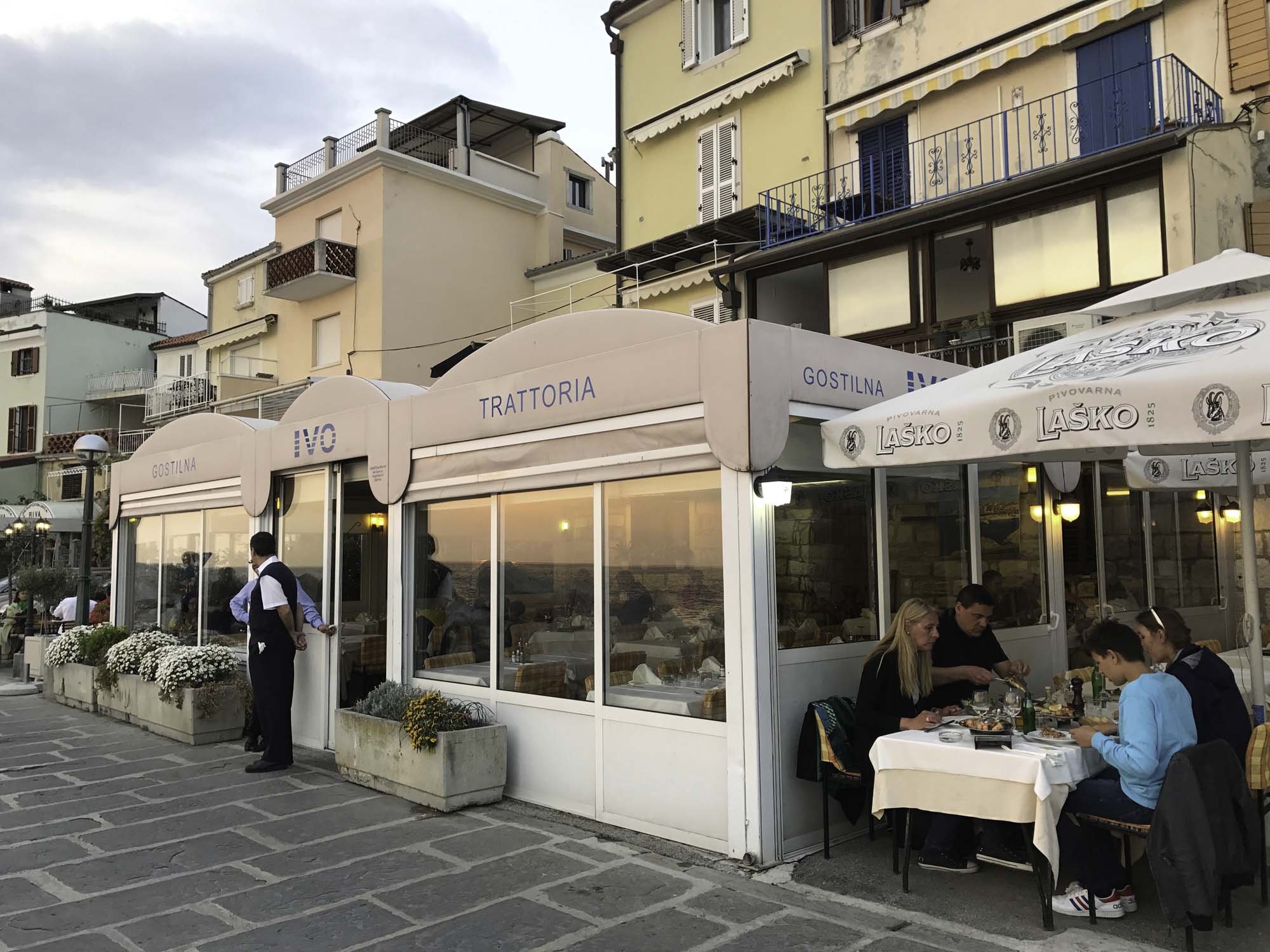
Where the Adriatic Shelf Meets the Gostilna Tradition
Piran is not a large town. Its peninsula juts into the Gulf of Trieste with the compressed geometry of a medieval Venetian outpost, streets barely wide enough for two people to pass without acknowledgement. On Gregorčičeva ulica, one of the old town's quieter residential arteries, Gostilna Ivo occupies the kind of address that Slovenian coastal towns have always reserved for their most enduring neighbourhood restaurants: no waterfront premium, no terrace theatrics angled toward passing tourists, just the particular gravity of a place that has found its footing in a community over time.
The word gostilna carries significant cultural weight in Slovenia. It translates loosely as inn or tavern, but that undersells its social function. Across Slovenian history, the gostilna has served as a community anchor, a place where farmers, fishermen, and tradespeople ate without ceremony, where the menu tracked what was available rather than what was fashionable. In coastal Primorska, the tradition absorbed Adriatic and Venetian influences in ways that set it apart from the alpine gostilne further north. Here, the sea determines the kitchen more than the forest does.
Piran's Dining Character and Where Gostilna Ivo Sits Within It
Piran's restaurant scene operates across a range of registers. The waterfront and Tartinijev trg area attract the more tourist-facing addresses, where the terrace views command a price premium and menus hedge toward accessibility. Pull back from the water and the town's eating culture becomes more local in orientation. Gostilna Ivo, at Gregorčičeva ulica 31/33, sits firmly in that second register, the kind of restaurant where the neighbourhood's own appetite, rather than the day-tripper's itinerary, sets the pace.
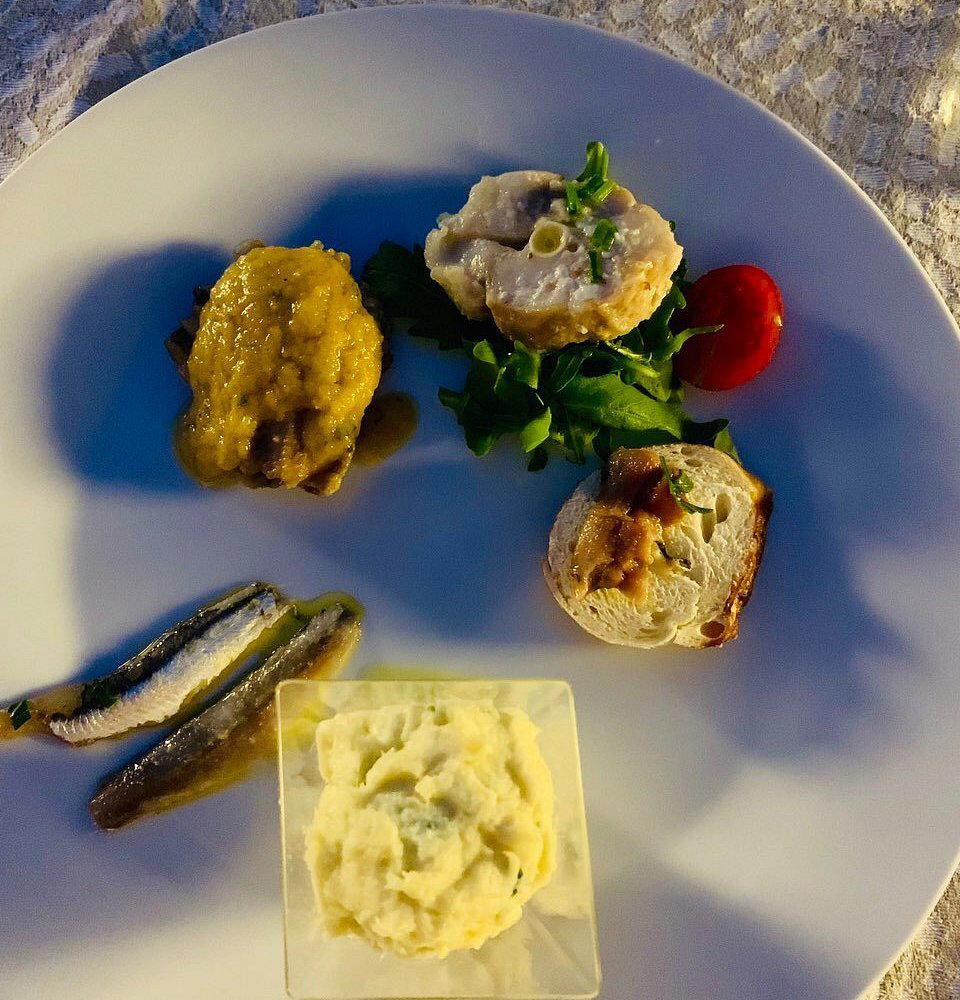
This positioning is not a concession. In the Slovenian coastal context, the neighbourhood gostilna format has historically produced particularly consistent and culturally grounded eating experiences the region offers. The emphasis falls on fish sourced through the Adriatic supply chain that has fed the Istrian coast for centuries: sea bream, sea bass, red mullet, cuttlefish, and the shellfish beds that the Gulf of Trieste has long sustained. Preparation in this tradition stays close to the ingredients, grilled over wood or charcoal, dressed with olive oil from the Slovenian Karst or the nearby Istrian groves, finished simply so the quality of the catch is the editorial point of each plate.
For comparison across Piran's eating options: Delfin and Fritolin – Ribja Kantina represent different points on Piran's seafood spectrum, while Gostilna Park and Gostilna Ribič operate in formats closer to Ivo's gostilna orientation. Gostišče Neptun rounds out the traditional end of the market.
The Istrian Culinary Inheritance
What distinguishes Piran's food tradition from the broader Slovenian kitchen is the density of influence compressed into a small geographic area. The Venetian Republic controlled this coast for centuries, and that legacy persists in the preference for fresh pasta forms, in the use of local olive oil as a primary fat rather than butter, and in the long tradition of preserving fish through salt and acid rather than smoking. Piran itself was a salt-producing town, its saltpans at Sečovlje, a short distance to the south, remain active and are among the few places in Europe still harvesting salt using medieval methods. That local salt has shaped regional cooking in ways that no imported equivalent replicates.
The Slovenian gostilna in this coastal context also shows the influence of the Karst plateau immediately inland, where wine production and cured meat traditions developed in parallel with the fishing economy below. A meal at any serious coastal gostilna in this region typically draws on both: Adriatic fish as the main register, Karst wine and pršut as framing elements. This is not fusion in any manufactured sense, it is simply the accumulated logic of geography.
Slovenia's Broader Dining Ambition as Context
Slovenia has built significant international recognition in fine dining over the past decade, with Hiša Franko in Kobarid drawing global attention through its foraging-led tasting menu format, and addresses like Milka in Kranjska Gora, Dam in Nova Gorica, Gostilna Pri Lojzetu in Vipava, Grič in Šentjošt nad Horjulom, Hiša Denk in Zgornja Kungota, Hiša Linhart in Radovljica, Pavus in Lasko, Restavracija Strelec in Ljubljana, and Gostilna Mlinar in Idrija anchoring a national scene that has earned sustained critical attention. That recognition has made Slovenia a serious destination for travellers who prioritise eating. But the tasting-menu tier represents one end of a spectrum. The gostilna tradition, of which the restaurant is a working example, represents the other end, and the more historically rooted one.
In broader terms, the kind of direct, technique-light seafood cooking the Istrian coast practices sits in the same philosophical category as what makes addresses like Le Bernardin in New York City compelling at the opposite end of the formality scale: the insistence that the quality and freshness of the fish is the irreducible point. Atomix in New York City demonstrates how culinary heritage can be reframed through a contemporary lens, the coastal Slovenian tradition is at an earlier stage of that international articulation, which is part of what makes eating here now feel timely.
Planning Your Visit
The restaurant is located at Gregorčičeva ulica 31/33 in Piran's old town, a short walk from Tartinijev trg. The address is in a residential section of town, away from the main tourist circuits, which means the approach on foot through Piran's narrow medieval lanes is part of the experience. Piran's old town is largely pedestrianised, so arriving by car requires parking outside the old town gates and walking in. The town is accessible by bus from Portorož and Koper; those arriving by train from Ljubljana or Trieste typically connect through Koper.
Budget and Context
Comparable venues nearby, for context on price, style, and recognition.
| Venue | Cuisine | Price | Notes |
|---|---|---|---|
| Gostilna IvoThis venue — the venue you are viewing | Punta, Traditional Slovenian Seafood | $$ | Not listed |
| Pizzeria Santa Lucia | Lucija, Italian Pizzeria & Pasta | $$ | Not listed |
| Gostilna Park | Not listed | $$ | Piran Old Town, Mediterranean Seafood & Slovenian Grill |
| Gostilna Ribič | Piran, Fresh Adriatic Seafood | $$ | Not listed |
| Neptun | Piran, Fresh Adriatic Seafood | $$ | Not listed |
| Gostišče Neptun | Piran Old Town, Fresh Adriatic Seafood | $$ | Not listed |
Continue exploring
More in Piran
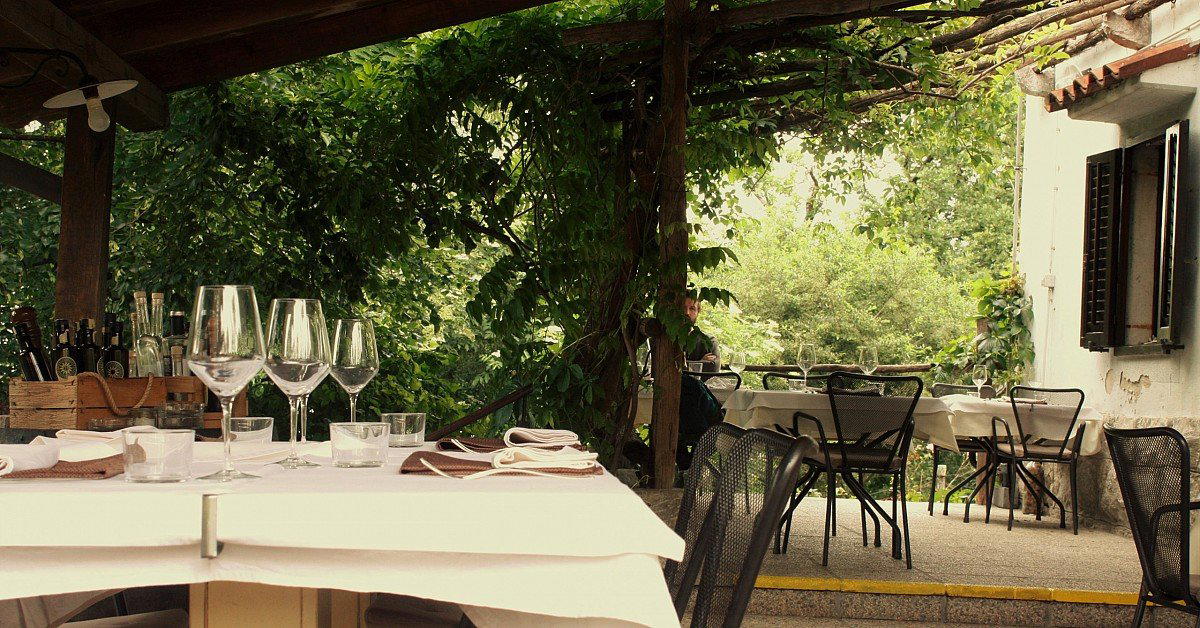
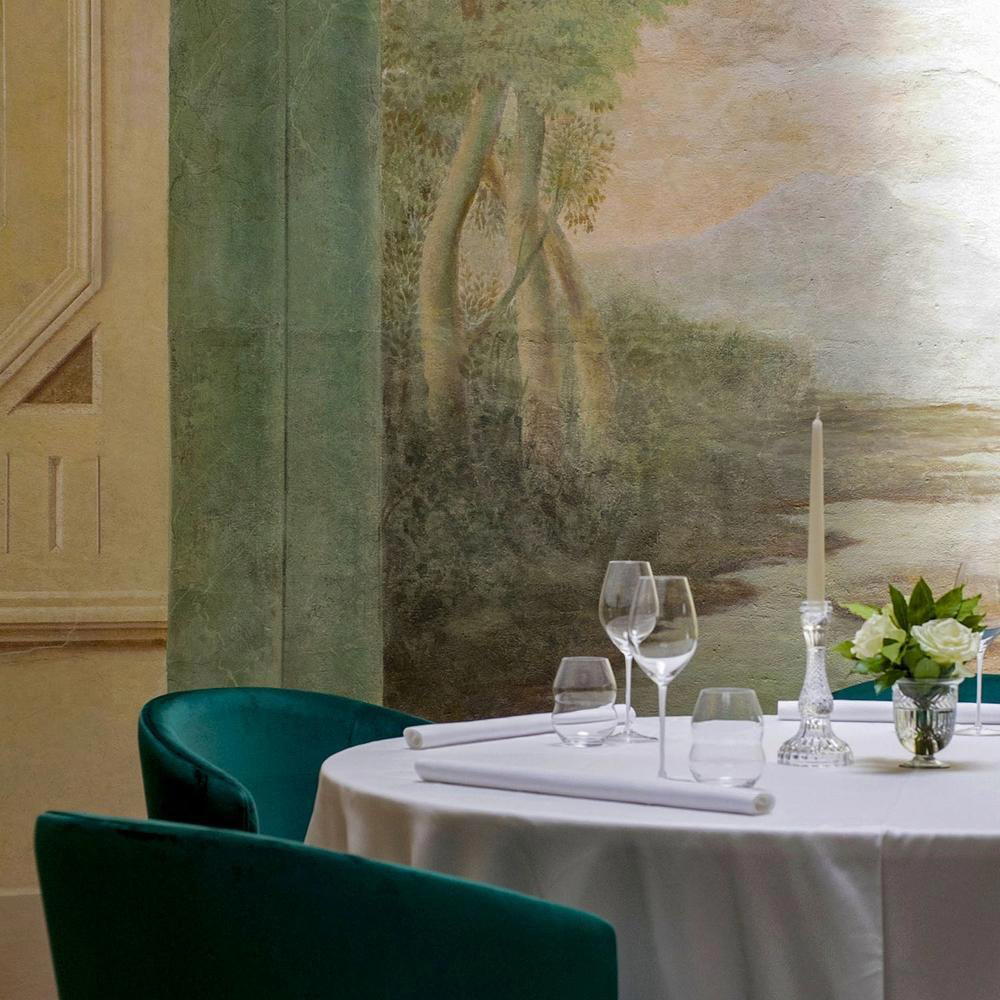
Restaurants in Piran
Browse all →
Bars in Piran
Browse all →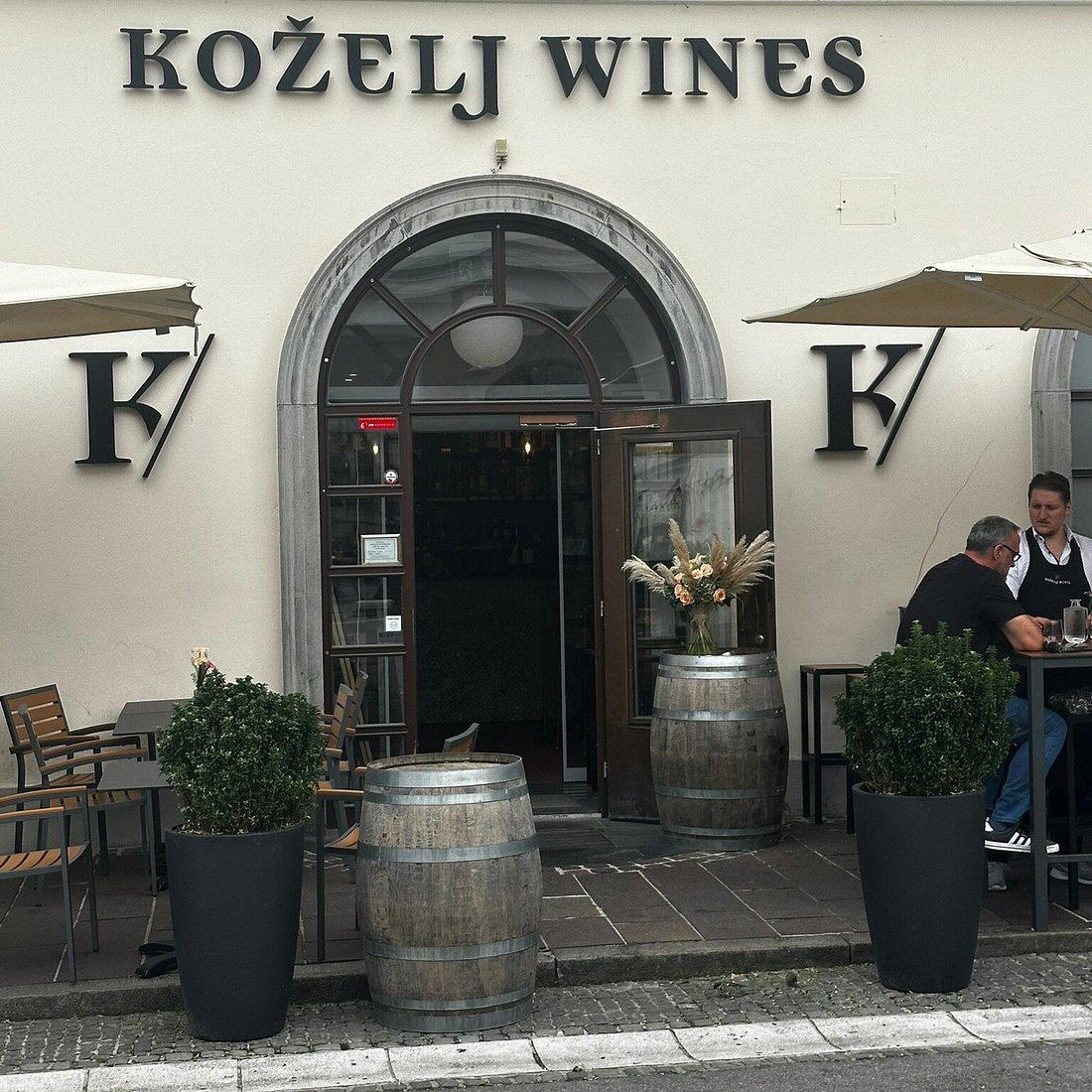
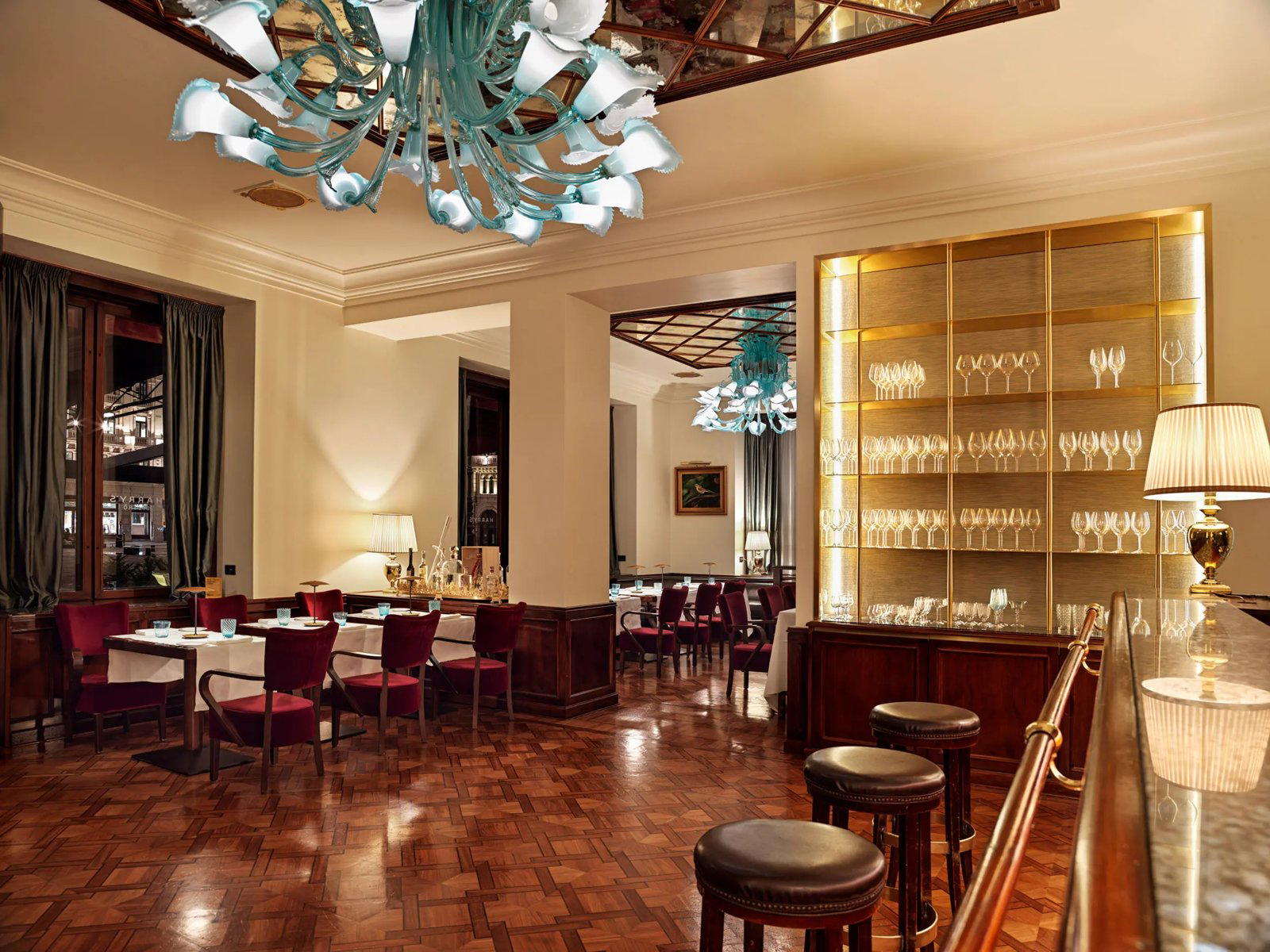
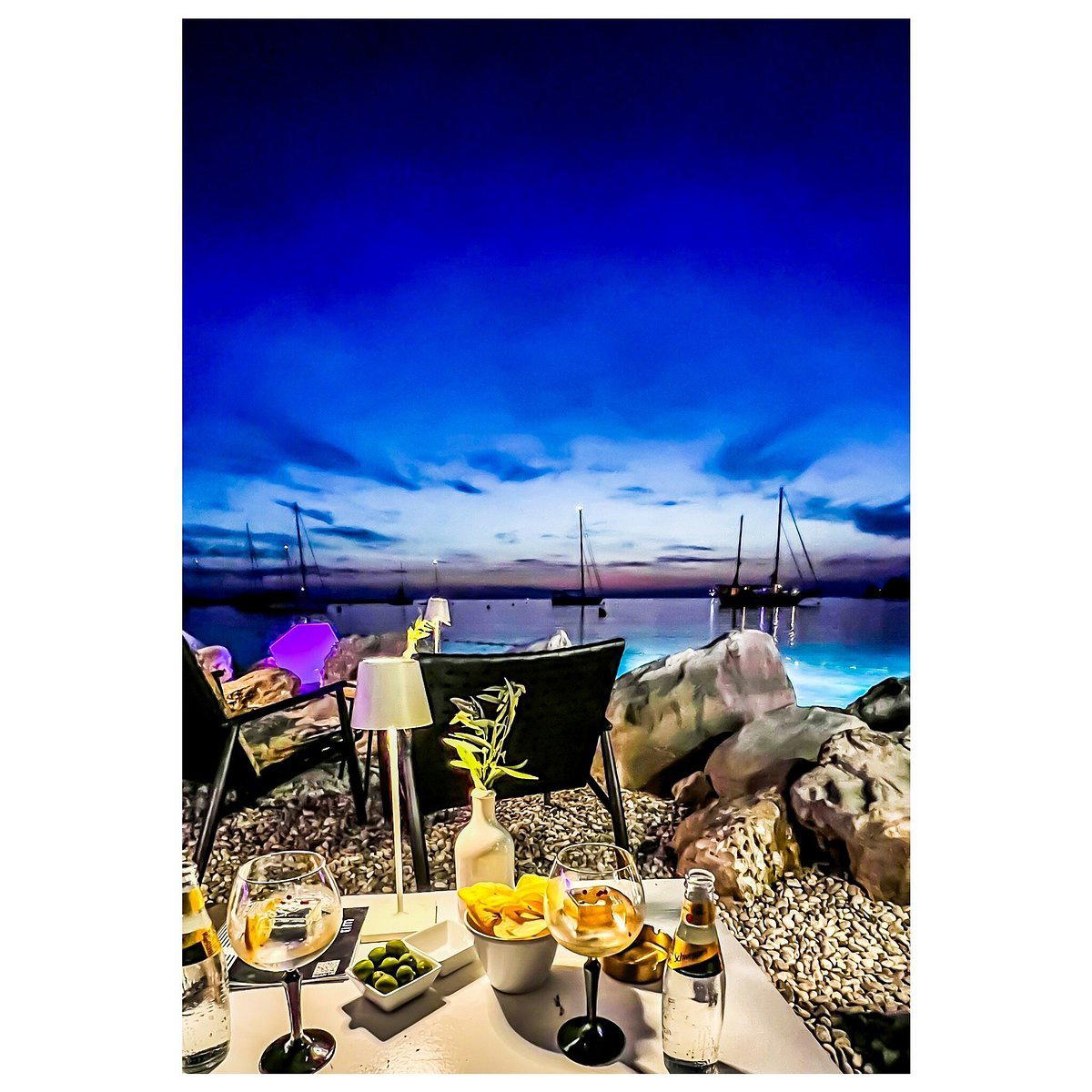
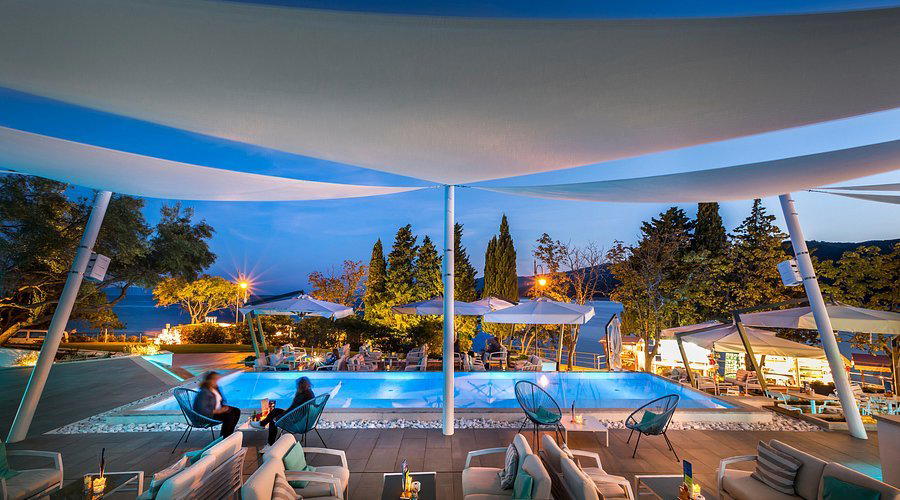
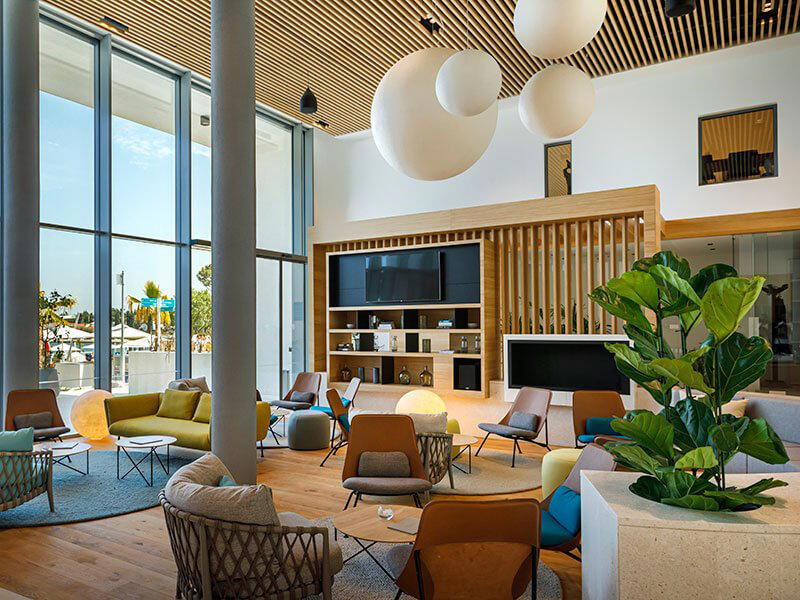
Hotels in Piran
Browse all →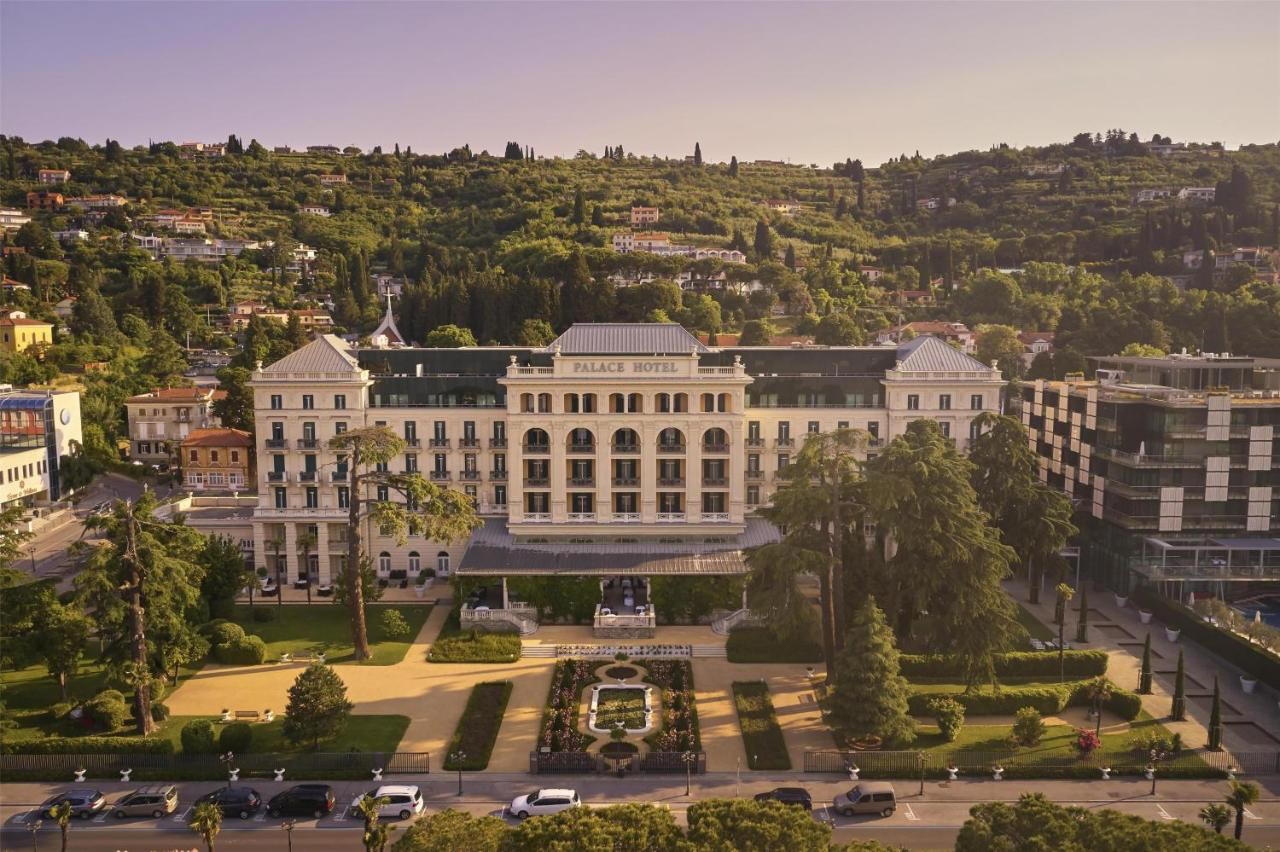
At a Glance
- Rustic
- Scenic
- Cozy
- Casual Hangout
- Family
- Special Occasion
- Waterfront
- Terrace
- Historic Building
- Local Sourcing
- Waterfront
Current opening hours
- Monday
- 11 AM–11 PM
- Tuesday
- 11 AM–11 PM
- Wednesday
- 11 AM–11 PM
- Thursday
- 11 AM–11 PM
- Friday
- 11 AM–11 PM
- Saturday
- 11 AM–11 PM
- Sunday
- 11 AM–11 PM
Hours can change for holidays and private events. Last verified .
Inviting waterfront atmosphere with local charm, pleasant sea breeze, and traditional Slovenian-Adriatic dining vibe.