On a narrow lane in Piran's medieval core, Gostišče Neptun draws on the northern Adriatic's fishing heritage, a place where the sourcing logic runs from the boats moored minutes away to the plate in front of you. The kitchen operates in a tradition shared by Istria's coastal guesthouses, where the sea dictates the menu rather than the other way around. For visitors working through Piran's dining options, it represents the mid-range local end of the spectrum.
Pearl is the En Primeur Club membership app — saves, bookings, and concierge access live there. Same editors, same standards.
- Address
- Župančičeva ulica 7, 6330 Piran, Slovenia
- Phone
- +38641715890
- Website
- moja-dejavnost.si
- Directions
- Get directions
 Saves & bookings on Pearl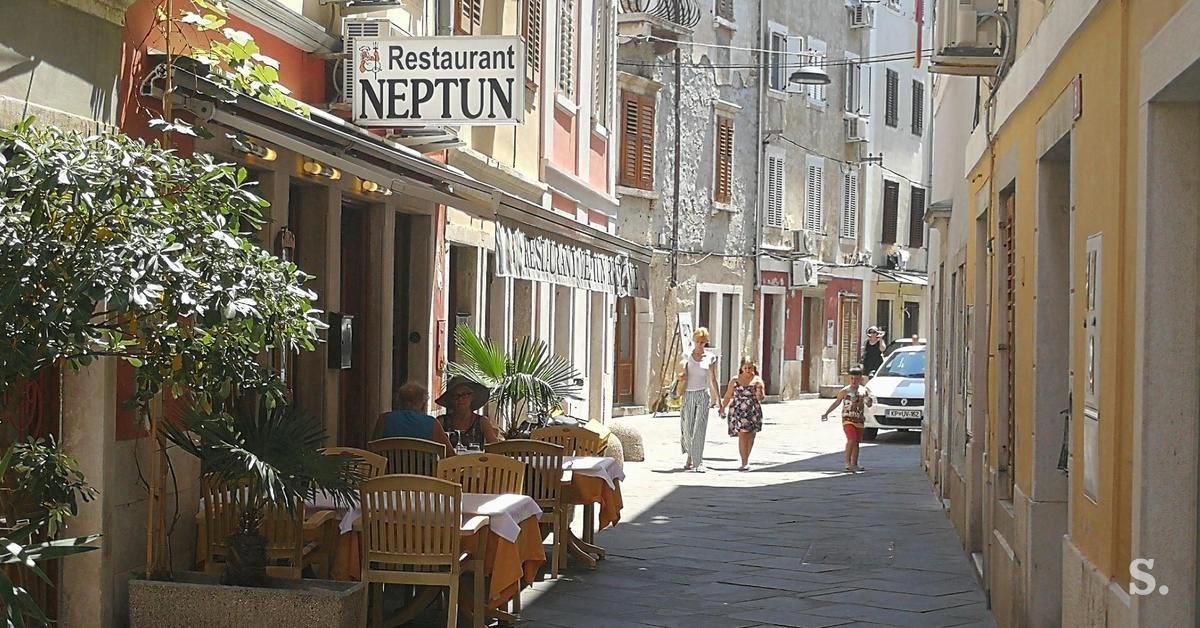
Where the Adriatic Sets the Menu
Piran's old town is compact enough that almost every restaurant on Župančičeva ulica sits within the same gravitational pull: the sea a few streets away, the fishermen's morning offload, and a culinary tradition that has been pointing the same direction for generations. Gostišče Neptun, at number 7, occupies this position in the literal and figurative sense. The stone-walled lanes of Piran's medieval quarter narrow as you approach, the smell of brine and grilled fish arriving before the signage does. It is the kind of address that signals continuity with the place rather than a departure from it.
Coastal Slovenia, specifically the roughly 47 kilometres of Adriatic coastline the country claims, has long operated on an ingredient logic that differs substantially from the country's alpine interior. In Piran, that logic is Istrian: olive oil pressed from the groves above the town, vegetables from the Dragonja valley, and fish pulled from the same northern Adriatic waters that have supplied the peninsula's kitchens for centuries. Restaurants in this tradition don't construct menus around concepts; they construct them around what is available. For visitors arriving from destination-driven dining at places like Hiša Franko in Kobarid or Hiša Denk in Zgornja Kungota, the shift in register is deliberate and worth understanding on its own terms.
The Sourcing Logic of the Northern Adriatic
The northern Adriatic is a shallower, colder, and more productive stretch of water than the central basin, and the fish it yields, sea bass, bream, mullet, sardines, and squid, have a salinity and texture that distinguishes them from their Mediterranean counterparts further south. This is not marketing language; it reflects the specific geography of the gulf. Fishing traditions in Piran have been documented since the Venetian administration of the town, and the methods that persist today, including small-boat line fishing and net fishing close to shore, produce fish that arrive at restaurants within hours of landing.
For a gostišče operating in this environment, the sourcing advantage is proximity. The Piran fish market, a short walk from the old town, functions as the direct pipeline between the sea and the kitchen. Restaurants like Neptun sit in a category that Fritolin – Ribja Kantina and Gostilna Ribič also occupy: traditional seafood-forward kitchens where the day's catch, rather than a fixed menu, is the organizing principle. The Slovenian term gostišče itself positions the place in the middle tier of the country's restaurant taxonomy, more structured than a konoba or a simple inn, less formal than a fine-dining restavracija, which calibrates expectations usefully.
Piran's olive oil is another factor worth noting separately. The Istrian peninsula produces oil recognized under EU protected designation of origin status, and the groves above Piran and Portorož contribute to a regional tradition that complements the seafood kitchen directly. Olive oil here is not a pantry staple; it is a finishing ingredient with its own seasonal and varietal character, and kitchens that source locally work with a product measurably different from imported alternatives.
Piran's Dining Tiers and Where Neptun Sits
Piran is a small town, and its restaurant scene reflects that scale. The dining options cluster around the waterfront and the medieval interior, with a spread that runs from tourist-facing pizza and pasta spots to kitchens with a genuine investment in local product. Within the serious end of that spectrum, the competition is limited but considered. Delfin and Gostilna Park serve a similar demographic; Gostilna Ivo skews toward a local clientele with a slightly less tourist-oriented format. Neptun's address on Župančičeva ulica places it in the old-town interior rather than directly on the Tartini Square waterfront, which typically means a quieter room and a crowd that has made a specific decision to be there rather than defaulting to proximity.
For reference points further afield in Slovenia's premium dining tier, Gostilna Pri Lojzetu in Vipava and Restavracija Strelec in Ljubljana represent what Slovenian kitchens can achieve at the formal end. Neptun operates nowhere near that register, and comparing the two categories misses the point. A coastal gostišče is evaluated on freshness, simplicity, and fidelity to local product, the same criteria applied to the leading traditional trattorias of coastal Italy, or the tabernas of northern Spain. By those standards, proximity to source is the primary credential, and Piran's geography provides it.
Planning a Visit
In Context: Similar Options
Comparable venues nearby, for context on price, style, and recognition.
| Venue | Cuisine | Price | Notes |
|---|---|---|---|
| Gostišče Neptun | Fresh Adriatic Seafood | $$ | Piran Old Town |
| Fritolin – Ribja Kantina | Slovenian Seafood Canteen | $$ | Piran |
| Delfin | Traditional Slovenian Seafood | $$ | Piran Old Town |
| Gostilna Park | Mediterranean Seafood & Slovenian Grill | $$ | Piran Old Town |
| Restavracija Pavel | Mediterranean Seafood | $$$ | Piran seafront |
| Gostilna Ribič | Fresh Adriatic Seafood | $$ | Piran |
Continue exploring
More in Piran
Restaurants in Piran
Browse all →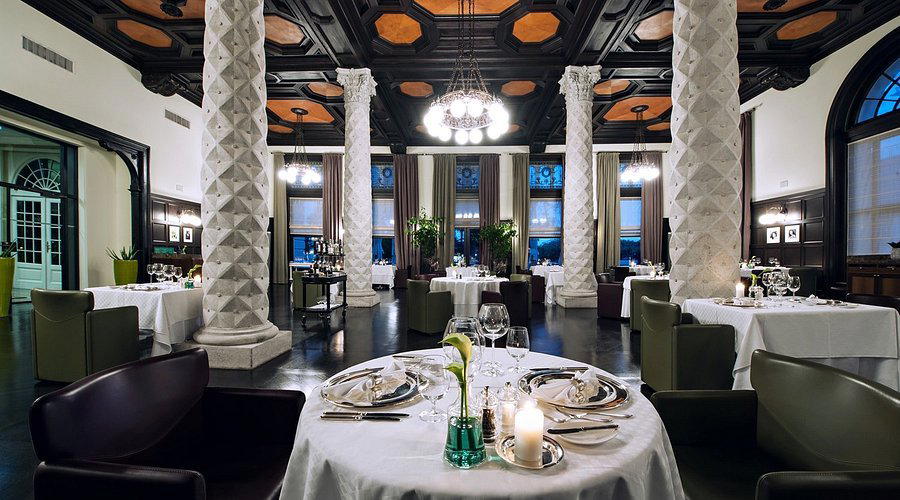
Bars in Piran
Browse all →
Hotels in Piran
Browse all →
At a Glance
- Scenic
- Cozy
- Rustic
- Casual Hangout
- Date Night
- Group Dining
- Waterfront
- Terrace
- Local Sourcing
- Sustainable Seafood
- Waterfront
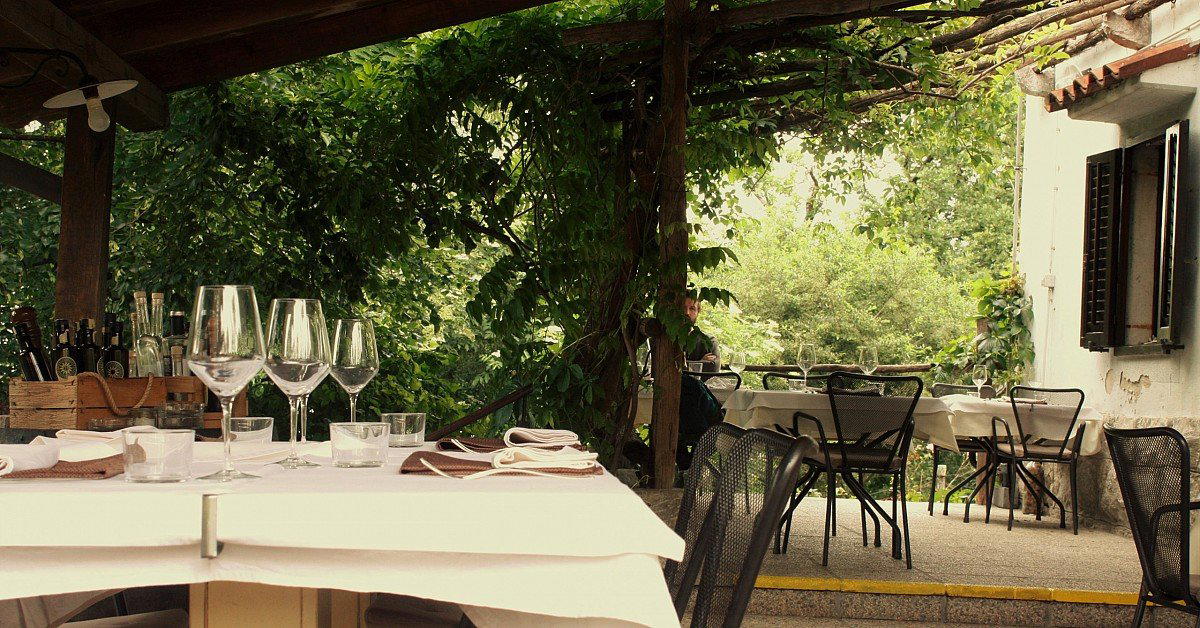
Relaxed and peaceful seaside atmosphere in a narrow alley location, offering a pleasant escape from the busier Tartini Square with fresh air and authentic local character.