Our verdict
Pri Mari sits on Dantejeva ulica in the old town of Piran, a Venetian-Gothic port where Adriatic seafood and Slovenian coastal cooking meet the salt-edged air of the Istrian peninsula. The address places it within walking distance of Tartini Square and the sea walls, deep inside one of the most architecturally intact medieval towns on the northern Adriatic. For visitors working through Piran's dining scene, it is one of several addresses worth considering alongside the harbour-front competition.

Pearl is the En Primeur Club membership app, where members save venues, book tables and use the concierge.

The menu
What to order
- Linguine with langoustine
- Grilled branzino
- Black truffle pasta
- Stuffed calamari
Salt Air and Stone Lanes: Approaching Pri Mari in Piran's Old Town
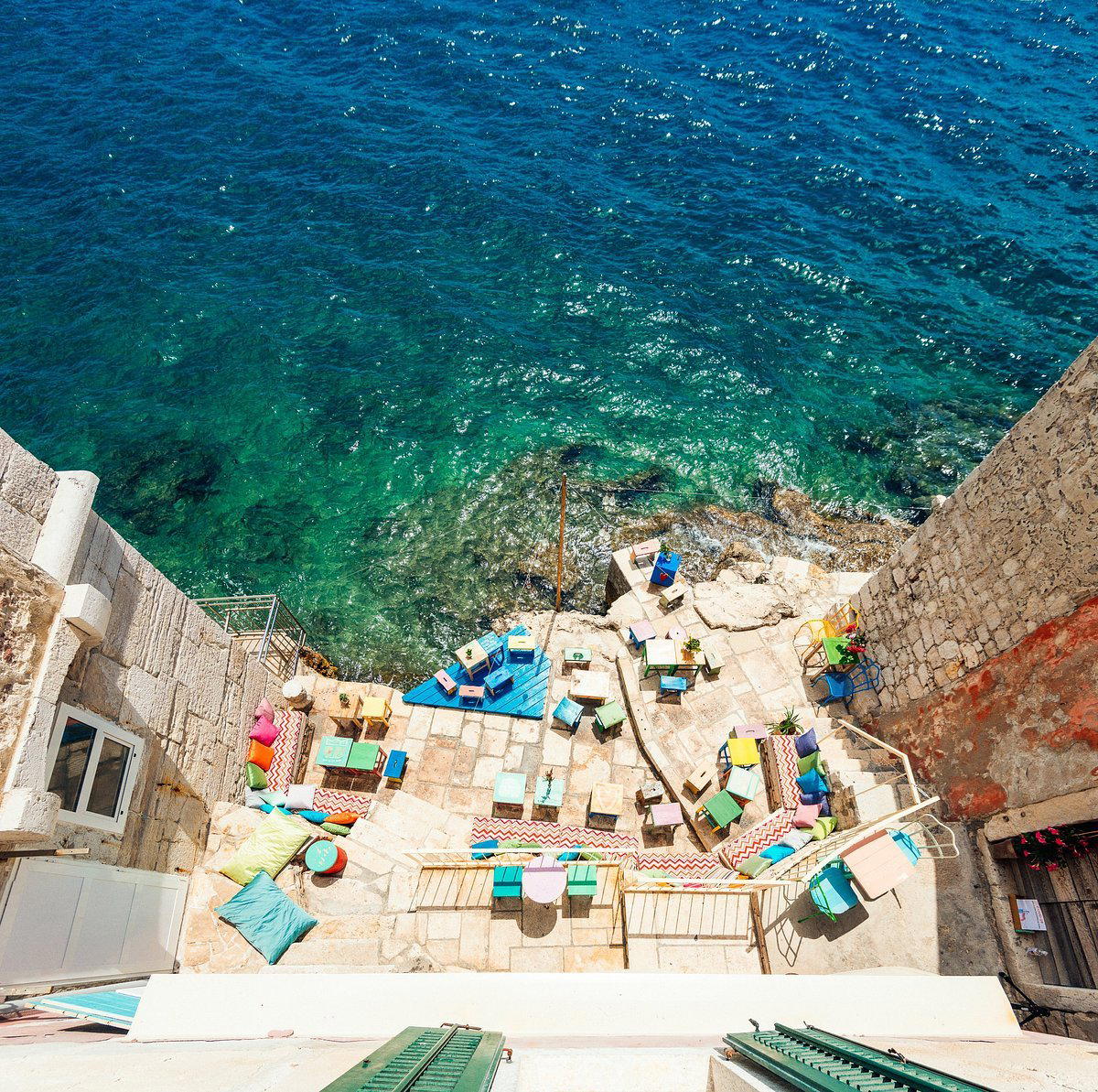
Dantejeva ulica runs through the compressed medieval grid of Piran's historic core, where the buildings press close enough that two people with outstretched arms could almost touch both walls. The light here arrives at angles, filtered through centuries-old shuttered facades, and the smell of the sea is never absent. Arriving on foot from Tartini Square, the town's main orientation point, takes under five minutes, but the transition from the open piazza into these narrower lanes is a sensory shift worth noting. The stone underfoot is worn smooth, the acoustics change, and the Adriatic, though briefly out of sight, remains close enough that you can track it by sound and salinity. This is the physical context for Pri Mari, an address on that street, and it matters because in Piran the setting is never incidental to the experience of eating.
The Adriatic Coastal Kitchen: What Istrian Cooking Looks Like Here
Piran sits at the intersection of three culinary traditions: Slovenian, Italian, and Istrian. That convergence shapes what serious cooking in this town tends to look like, regardless of the individual kitchen. Fish landed in the Gulf of Trieste, bream, bass, John Dory, the occasional tuna, moves quickly from the local boats to local tables. Piran's salt, harvested in the Sečovlje saltpans a few kilometres south, is one of the few Slovenian food products with documented international recognition; the fleur de sel produced there has been commercially exported and cited in European culinary press for its low-intervention extraction method. Any kitchen in this town worth its position on the map is working with ingredients defined by proximity, and the leading tend to let that geography lead rather than obscuring it with complexity.
The wider pattern across Piran's dining scene shows a split between harbour-front restaurants operating for tourist volume and smaller old-town addresses where the clientele is more mixed and the cooking tends to be less formulaic. Fritolin – Ribja Kantina operates as a stripped-back fish-bar format that prioritises catch over occasion. Gostilna Ribič and Delfin hold steady positions in the mid-range, with seafood menus calibrated for visitors who want the regional idiom without deep research. Gostilna Ivo and Gostilna Park add further options for visitors who want a gostilna register, the Slovenian equivalent of a local inn kitchen, with an emphasis on familiarity over refinement. Pri Mari operates in that same city-level ecosystem, drawing on the same coastal larder and the same compressed geography.
Reading the Scene: How Piran Compares to Slovenia's Broader Restaurant Map
Slovenia has produced a small but focused group of restaurants with international recognition. Hiša Franko in Kobarid carries two Michelin stars and regular placement on the World's 50 Best extended lists. Hiša Denk in Zgornja Kungota, Hiša Linhart in Radovljica, and Restavracija Strelec in Ljubljana each hold Michelin recognition. Gostilna Pri Lojzetu in Vipava, Grič in Šentjošt nad Horjulom, Milka in Kranjska Gora, Dam in Nova Gorica, Pavus in Lasko, and Gostilna Mlinar in Idrija represent the wider layer of critically noted Slovenian cooking. Piran's restaurants, including Pri Mari, operate below that recognition tier, no Michelin awards apply here, but they serve a different function. This is a coastal resort town of roughly 4,000 permanent residents that swells dramatically in summer, and its restaurants answer to the rhythms of tourism and local life simultaneously. The comparison point is not Le Bernardin in New York City or Atomix in New York City; it is the quality of cooking that a well-run Istrian coastal kitchen can deliver when the fish is fresh and the kitchen is not chasing an audience it was never built for.
Seasonal Timing and Practical Considerations
Piran's tourist season peaks from June through August, when the old town fills and restaurant tables become harder to secure without planning. The shoulder months of May and September offer a different version of the town: quieter lanes, lower demand on kitchen brigades, and local fish still in good supply. October brings the first cooling of the Adriatic and a shift toward heartier preparations in most kitchens on the peninsula. Winter in Piran is quiet in a way that reveals the town's actual character, the tourist overlay lifts, and what remains is a small, functioning port community with its own daily rhythms.
For practical planning, Piran is accessible by bus from Ljubljana (approximately two and a half hours) and from Trieste across the Italian border. Parking outside the old town is the standard approach for drivers, as the historic centre is pedestrianised. Pri Mari's address on Dantejeva ulica 17 places it in the walkable core, reachable on foot from any of the main accommodation clusters in the old town. For a broader view of where Pri Mari sits among Piran's options, our full Piran restaurants guide maps the town's dining scene across formats and price levels.
Frequently asked questions
Where do I go for Pri Mari?
Pri Mari is located at Dantejeva ulica 17, 6300 Piran, Slovenia, Piran.
How does Pri Mari fit into the broader Istrian restaurant scene across Slovenia and Croatia?
Piran sits on the Slovenian side of a culinary zone that extends south through Croatian Istria, where truffles, olive oil, and Adriatic seafood define the regional table. Pri Mari at Dantejeva ulica 17 operates within this tradition, drawing on the same Istrian-Italian-Slovenian overlap that shapes restaurants across the peninsula. That cross-border culinary coherence makes Piran a logical stop for anyone tracing Istrian cooking from Rovinj or Motovun northward into Slovenia.
What do people recommend at Pri Mari?
Pri Mari sits within Piran's Istrian culinary tradition, where seafood from the northern Adriatic and locally sourced ingredients dominate serious kitchens. The menu reflects the convergence of Slovenian, Italian, and Istrian cooking that defines this corner of the coast. Specific dish recommendations are best confirmed directly with the restaurant before visiting.
What's the best way to book Pri Mari?
Pri Mari is located at Dantejeva ulica 17 in Piran's old town, a district where tables fill quickly from June through August. Visiting in person during shoulder hours is a reliable approach given no booking platform or phone number is publicly listed. Arriving outside peak summer season considerably improves your chances of a walk-in seat.
What's the standout thing about Pri Mari?
The address itself signals something about the experience: Dantejeva ulica runs through one of the most compressed medieval grids in the northern Adriatic, and Pri Mari occupies that setting in Piran's historic core. The kitchen draws on three overlapping culinary traditions, Slovenian, Italian, and Istrian, which is a combination you find in very few places at this latitude. That layered regional identity is what separates Piran dining from Slovenia's inland restaurant scene.
Do they accommodate allergies at Pri Mari?
Given the Istrian coastal kitchen context, seafood and wheat are likely to appear across the menu, making direct contact with the restaurant before arrival the practical course of action. The old town location means you can also stop by in person to discuss dietary requirements ahead of your reservation.
Is Pri Mari worth the price?
Pricing at Pri Mari is not publicly listed, so a direct cost-value assessment requires checking with the restaurant. Within Piran's old town dining scene, context matters: Slovenia's more decorated restaurants, such as the two-Michelin-star Hiša Franko in Kobarid, set a national benchmark, while Piran operates as a coastal counterpoint with Istrian specificity rather than tasting-menu formality. What you pay here reflects a regional kitchen rooted in Adriatic tradition rather than international fine-dining positioning.
Comparable Options
Comparable venues nearby, for context on price, style, and recognition.
| Venue | Cuisine | Price | Notes |
|---|---|---|---|
| Pri MariThis venue (the venue you are viewing) | Seafood | $20–30 | Not listed |
| Fritolin – Ribja Kantina | Slovenian Seafood Canteen | $20–30 | Piran |
| Delfin | Traditional Slovenian Seafood | $20–30 | Piran Old Town |
| Tri Vdove | Mediterranean Seafood | $50–100 | Punta |
| Restavracija Pavel | Mediterranean Seafood | $30–50 | Piran seafront |
| Gostilna Ribič | Fresh Adriatic Seafood | $20–30 | Piran |
Continue exploring
More in Piran
Restaurants in Piran
All restaurants in Piran →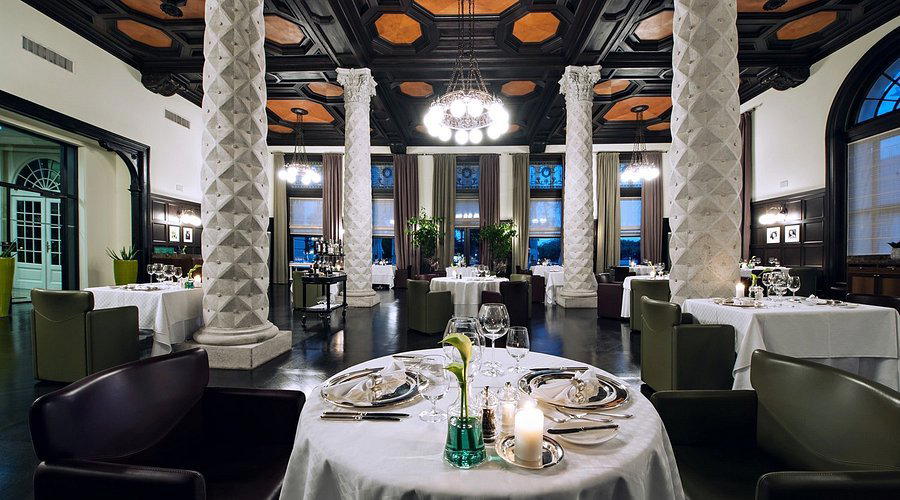
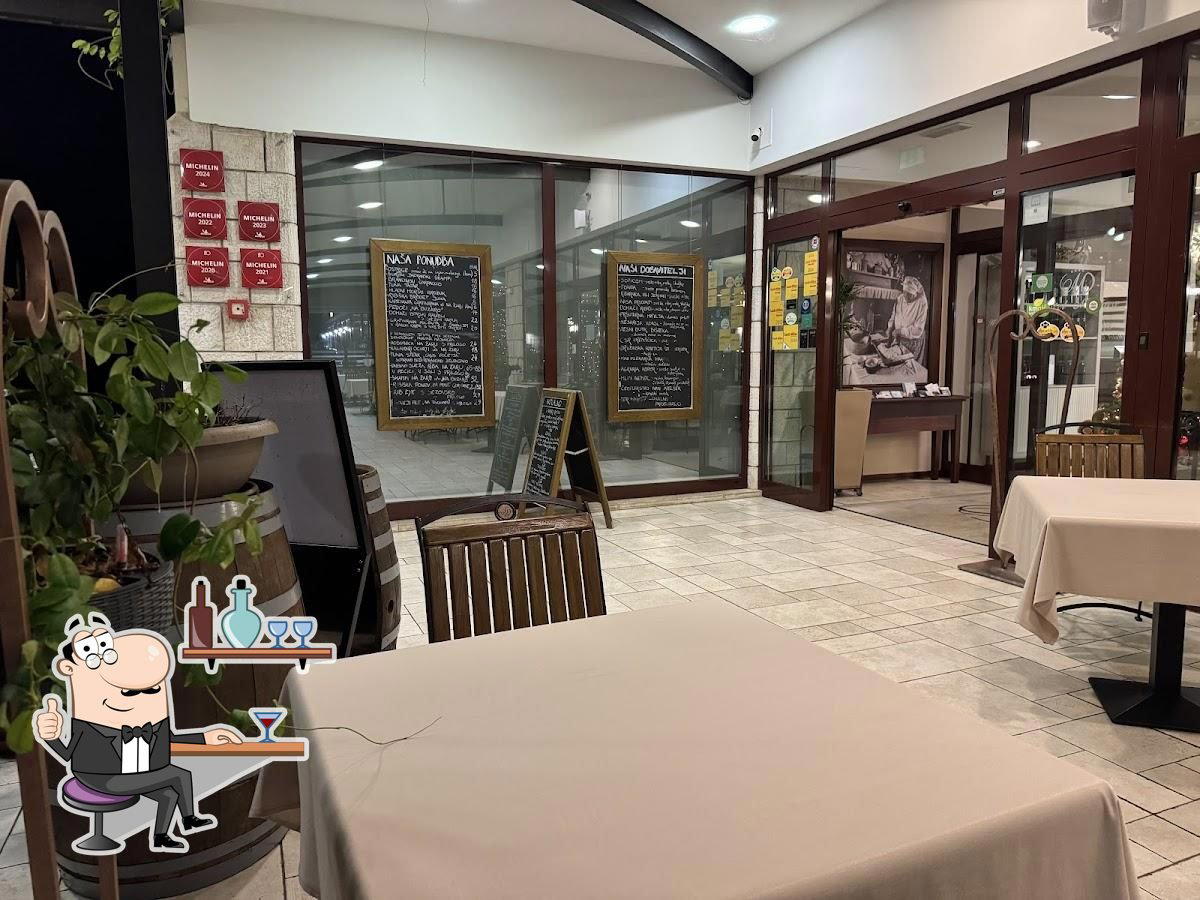
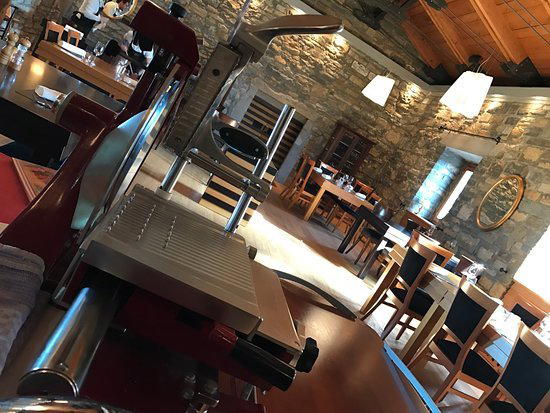
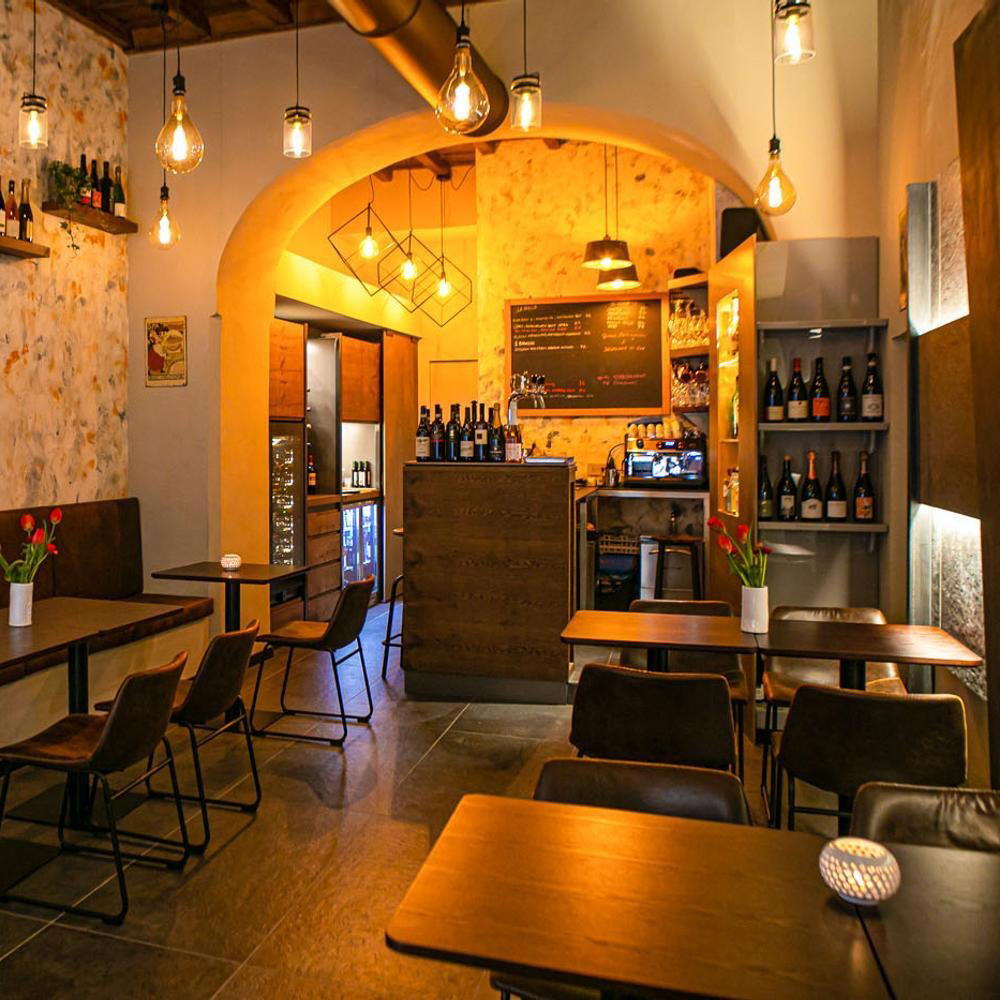
Bars in Piran
Browse all →
Details
- Cozy
- Intimate
- Rustic
- Date Night
- Casual Hangout
- Terrace
- Extensive Wine List
- Local Sourcing
- Street Scene
- A La Carte
- Vegetarian Friendly
- Gluten Free Options
Current opening hours
- Monday
- Closed
- Tuesday
- Closed
- Wednesday
- 5–10 PM
- Thursday
- 5–10 PM
- Friday
- 12–3 PM, 6–10 PM
- Saturday
- 12–3 PM, 6–10 PM
- Sunday
- 12–5 PM
Hours can change for holidays and private events. Hours as of .
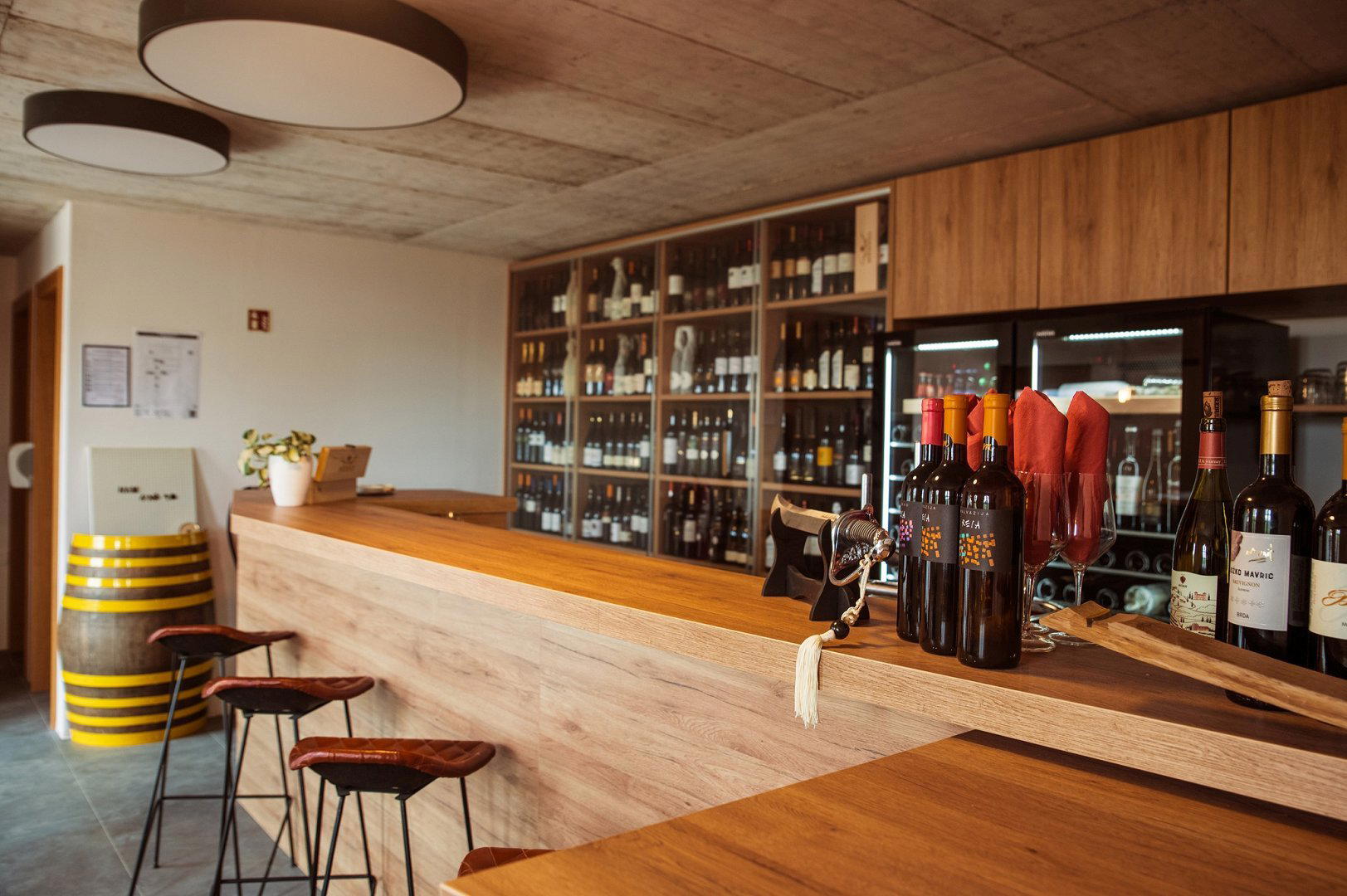
Quaint and cozy homely atmosphere with simple old-world charm, family-run vibe, and no-frills interior that feels authentic and welcoming.