On the Stadtplatz in the small Lower Austrian town of Gmünd, Restaurant Stern occupies a position typical of Austria's provincial fine dining tradition: grounded in regional produce, unhurried in pace, and quietly serious about what ends up on the plate. For travellers moving through the Waldviertel or the broader Lower Austrian countryside, it represents the kind of address worth building an itinerary around rather than fitting in as an afterthought.
Pearl is the En Primeur Club membership app — saves, bookings, and concierge access live there. Same editors, same standards.
- Address
- Stadtpl. 15, 3950 Gmünd, Austria
- Phone
- +43285254545
- Website
- sternhotel.at
- Directions
- Get directions
 Saves & bookings on Pearl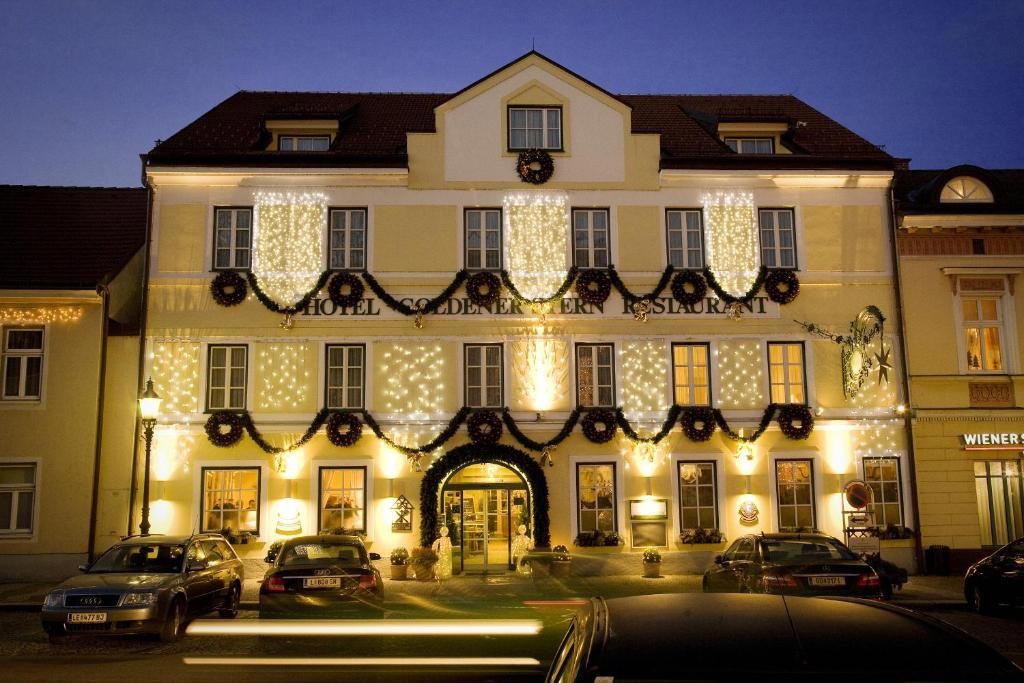
Dining on the Stadtplatz: What Gmünd's Setting Signals
Austria's smaller market towns have a particular relationship with serious food. The same Stadtplatz that hosts a weekly farmers' market on one morning can, by evening, front a restaurant working with the same producers in a more considered register. Gmünd, a compact town in the Waldviertel region of Lower Austria near the Czech border, fits that pattern. Restaurant Stern sits at Stadtplatz 15, directly on the historic central square, in a physical position that reflects something about how the kitchen likely thinks: rooted in the local, visible to the community, and closely tied to its surroundings.
The Waldviertel is one of Austria's more quietly compelling food regions. Its forests, poppy fields, carp ponds, and cool-climate vegetable gardens have supplied Austrian kitchens for generations, and the area sits at a productive remove from the tourist infrastructure that shapes menus in Salzburg or the Tyrolean Alps. That distance from the mainstream has, in the region's better kitchens, translated into a more direct relationship with seasonal and hyper-local sourcing. Restaurant Stern reflects that local larder in its setting and context.
The Waldviertel Larder and Why Provenance Shapes the Plate
Austrian regional cooking, at its most honest, is an expression of what the land immediately around it produces well. The Waldviertel has a distinct culinary identity built on freshwater fish from its managed ponds, game from its extensive forests, root vegetables from its cool upland soils, and the Waldviertler Graumohn, a blue-grey poppy with protected regional designation that appears in everything from breads to desserts. When kitchens in this part of Lower Austria take sourcing seriously, the menu tends to read differently from what you'd find in Vienna or a major ski resort town: heavier on freshwater protein, more attentive to root vegetables and preserved preparations, and with a seasonal tempo that follows the actual harvest rather than a fixed calendar.
This matters for the traveller deciding where to eat in the Waldviertel because it sets a standard of specificity. A kitchen working with this regional palette has access to ingredients that don't circulate widely through national supply chains, which means the cooking can carry genuine local distinction. Compare this with the large tourist-facing restaurants in more trafficked parts of Austria, where menus often converge around broadly sourced proteins and generic Austrian classics. The gap between those two approaches can be considerable.
Austria's most documented regional sourcing kitchens sit at different points on the formality spectrum. Döllerer in Golling an der Salzach has built a nationally recognized program around Alpine ingredient sourcing, while Landhaus Bacher in Mautern an der Donau, also in Lower Austria, has maintained Danube-region sourcing as a thread through decades of operation. Kräuterreich by Vitus Winkler in Sankt Veit im Pongau takes the herb-and-forage angle into dedicated tasting format. Restaurant Stern operates in the same geographic logic: the Waldviertel's produce is specific enough that a kitchen drawing from it is working with materials that carry inherent identity.
Reading Gmünd as a Dining Destination
Gmünd is not a restaurant city in the way that Vienna or Salzburg present themselves. It is a small market town with a preserved medieval centre, and the dining options here function within a local economy rather than a tourism economy. That distinction shapes expectations usefully. You are not choosing between twelve comparable restaurants; you are choosing whether this address fits into a broader itinerary that might include the nearby Waldviertel countryside, the Gmünd wildlife park, or a drive through the border region into southern Bohemia.
For travellers whose Austrian itineraries concentrate on the major dining cities, the comparison set is instructive. Steirereck im Stadtpark in Vienna and Ikarus in Salzburg represent the upper tier of the Austrian fine dining circuit, with international profiles and corresponding booking competition. The provincial tier, of which the restaurant is part, operates on different terms: more direct connection to a specific geographic identity, and a dining experience shaped by community context rather than destination tourism. Neither tier is superior in absolute terms; they serve different travel rhythms.
Other Austrian restaurants in smaller or mid-sized towns that demonstrate how provincial settings can support serious cooking include Obauer in Werfen, Ois in Neufelden, and Atelier Fischer in Sankt Gilgen. Each sits in a town that would not independently generate a visit for most international travellers, yet each has built a case for the detour. The pattern across them is consistent: regional specificity, smaller scale, and a pace that the major city restaurants cannot replicate.
Practical Considerations for a Visit
Gmünd sits in the northwest corner of Lower Austria, roughly two hours from Vienna by road and closer to the Czech town of České Velenice across the border. The town is not served by major rail connections at high frequency, which makes a car the practical choice for most visitors. Stadtplatz 15 is the central square address, making it direct to locate on arrival. Seasonal closures or limited opening days can occur, so plan accordingly.
The broader Waldviertel circuit pairs well with a visit here. Schwarzer Adler in Hall in Tirol, Taubenkobel in Schützen am Gebirge, and Artis in Graz each demonstrate how Austrian restaurants outside the capital can establish distinct identities. For travellers building a multi-stop Austrian itinerary that includes mountain settings, Gourmetrestaurant Tannenhof in Sankt Anton am Arlberg, Griggeler Stuba in Lech, and Stüva in Ischgl provide points of comparison in the Alpine register. And for those whose travels extend beyond Austria entirely, Le Bernardin in New York City and Atomix in New York City illustrate how the same regional-provenance logic plays out in a different culinary context. Restaurant 141 by Joachim Jaud in Mieming rounds out the Austrian picture at the Tyrolean end of the country.
Comparable Venues
Comparable venues nearby, for context on price, style, and recognition.
| Venue | Cuisine | Price | Notes |
|---|---|---|---|
| Restaurant SternThis venue — the venue you are viewing | Traditional Austrian | $$ | Not listed |
| Porzellan | Modern Austrian Lounge | $$ | Inner City |
| Auszeit | Modern Austrian with Italian Influences | $$ | Altmünster |
| Weinerei im Baderhaus | Modern Austrian with regional specialties | $$ | Bruck an der Mur |
| Das O's | Austrian-Mediterranean Weinbistro | $$ | Mondsee |
| DELIKATERIE | Modern Austrian Bistro | $$ | Bad Gleichenberg |

At a Glance
- Classic
- Cozy
- Elegant
- Family
- Special Occasion
- Hotel Restaurant
- Extensive Wine List
- Local Sourcing
- Organic
- Street Scene
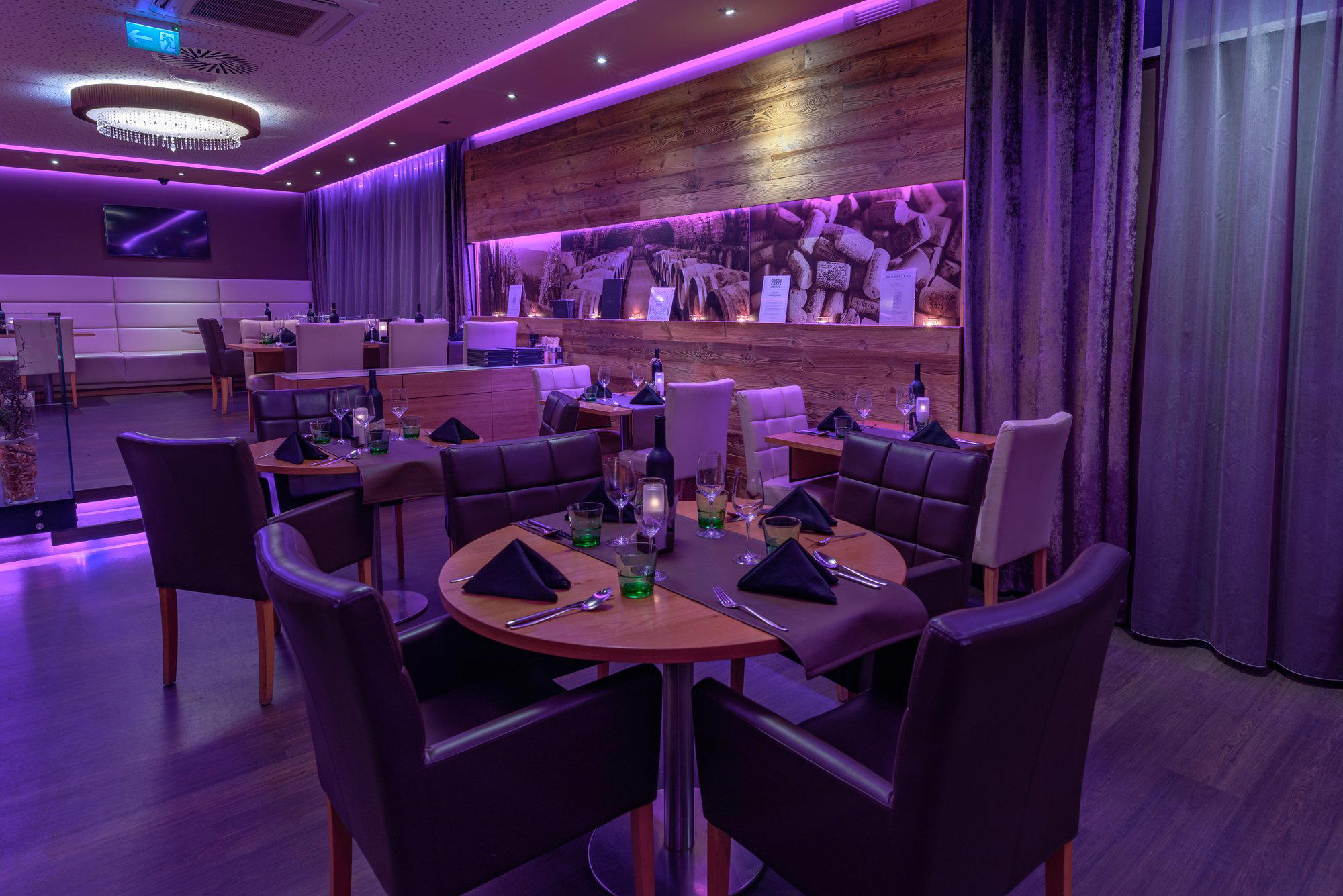
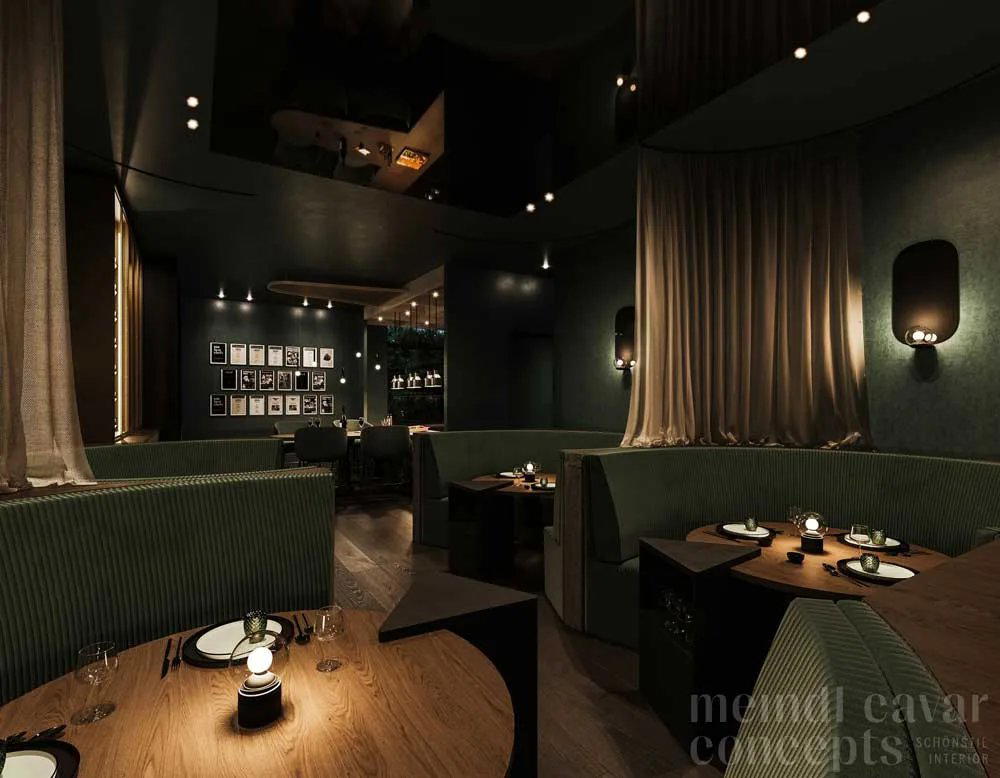
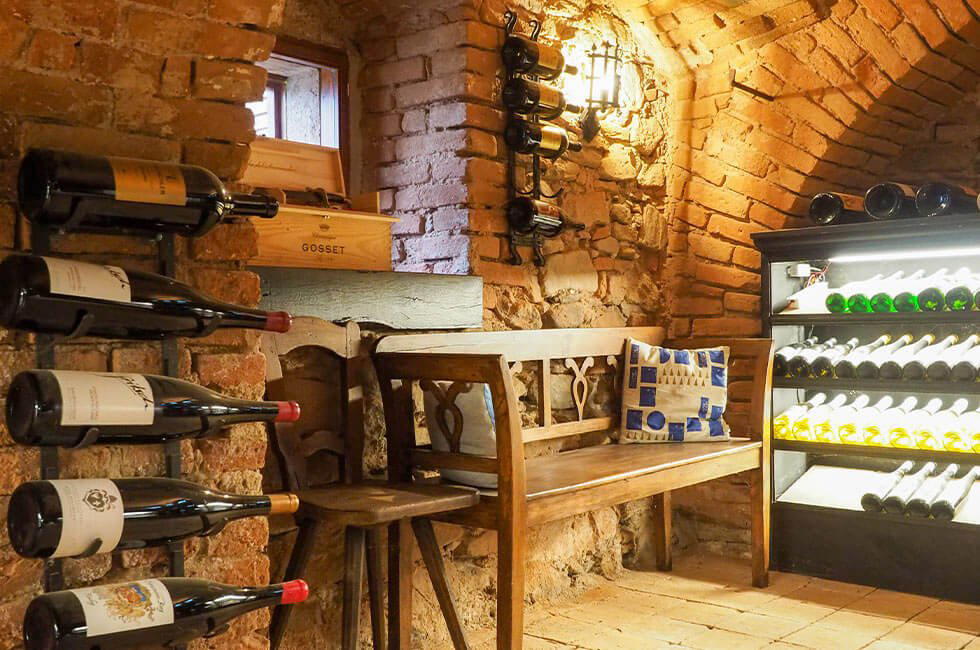
Sweet atmospheric feel with cozy dining rooms in the heart of Gmünd.