Auszeit
Where the Salzkammergut Slows Down The Traunsee sits in a basin carved by glaciers, its water a shade of blue-grey that shifts with the light and the season. Altmünster, on the lake's western shore, is the kind of Upper Austrian town that...
Pearl is the En Primeur Club membership app — saves, bookings, and concierge access live there. Same editors, same standards.
- Address
- Ebenzweierstraße 4, 4813 Altmünster am Traunsee, Austria
- Phone
- +43761289962
- Website
- cafe-auszeit.at
- Directions
- Get directions
 Saves & bookings on Pearl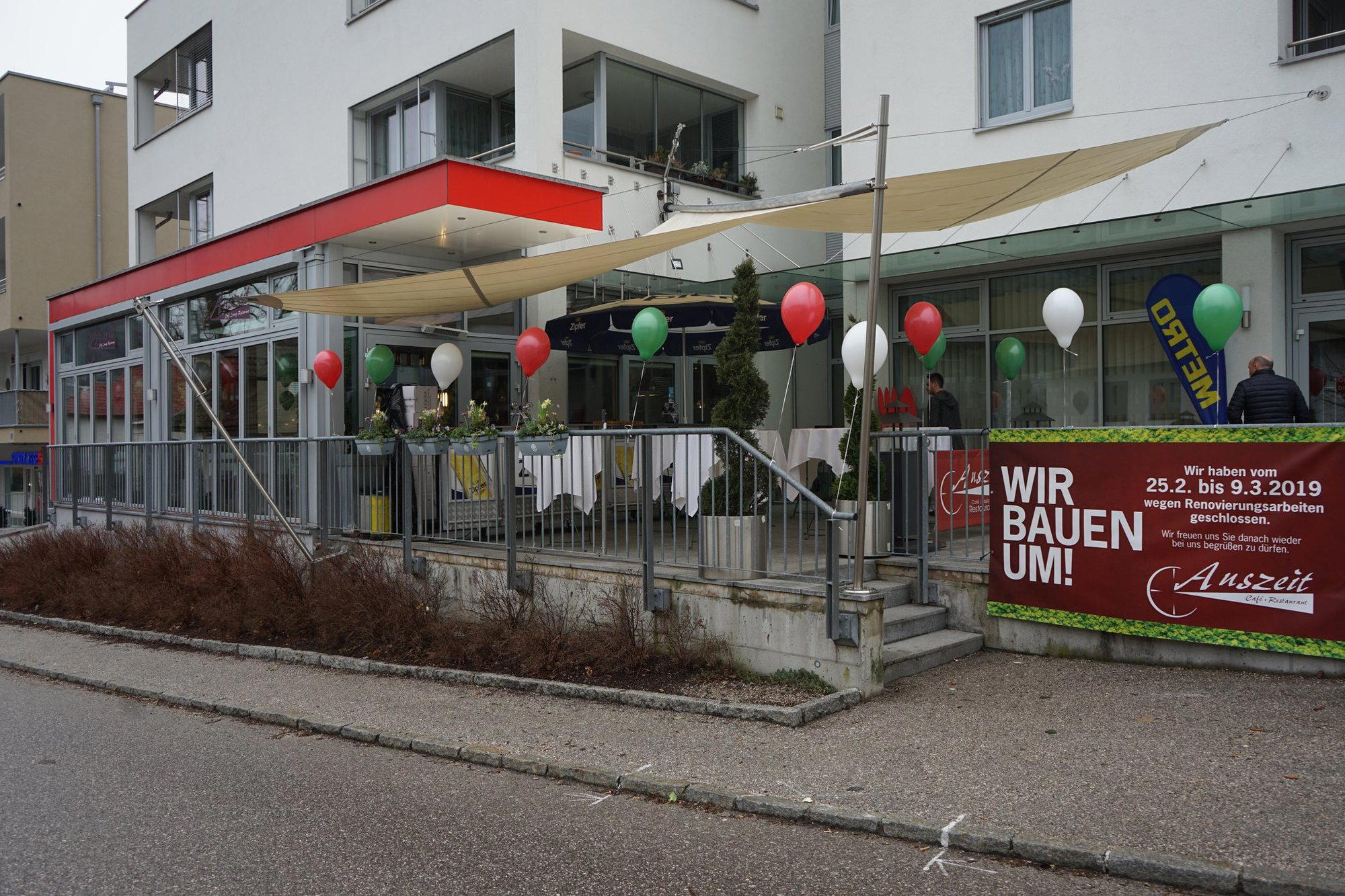
Where the Salzkammergut Slows Down
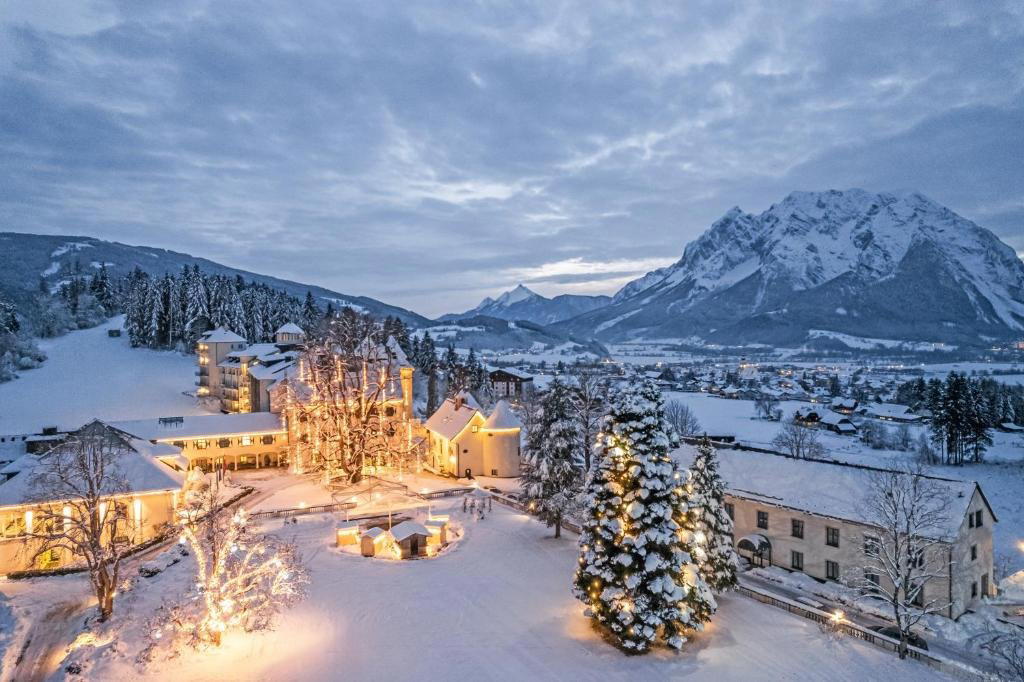
The Traunsee sits in a basin carved by glaciers, its water a shade of blue-grey that shifts with the light and the season. Altmünster, on the lake's western shore, is the kind of Upper Austrian town that operates at a pace visitors from Vienna or Munich find initially disorienting: unhurried, grounded in the agricultural and fishing rhythms of the Salzkammergut, and genuinely indifferent to trend cycles. It is in this setting that Auszeit, at Ebenzweierstraße 4, takes its name from the German for "time out", a framing that signals something about its register before you have even walked through the door.
Austria's dining culture outside its major cities has always had a particular character: sourcing proximity matters more than in urban contexts, menus shift with what the surrounding region produces, and the line between hospitality and domesticity is deliberately blurred. The Salzkammergut amplifies this tendency. The lakes supply freshwater fish, Reinanke (lake whitefish), Saibling (char), and pike, that form the backbone of regional cooking in ways that parallel how coastal cuisines are defined by their catch. Inland, the Alpine foothills produce dairy, game, and foraged ingredients that Austrian kitchens at every level have incorporated for centuries. Places like Fischerei Trawöger - Dorfner in Altmünster itself and Speisekammer am See represent the local expression of this sourcing tradition, and Auszeit sits within the same regional frame.
What Ingredient Sourcing Means in the Salzkammergut
The Salzkammergut's identity as a food region is inseparable from its geography. The lakes are not decorative backdrops; they are working ecosystems whose fish have supplied local tables since the Habsburg era, when the region's salt trade made it one of the wealthiest corridors in central Europe. Freshwater fish from these lakes carry a flavour profile that reflects the cold, mineral-rich water, cleaner and leaner than their farmed equivalents, with a texture that responds poorly to heavy manipulation and rewards restraint in the kitchen.
This is the broader culinary logic within which Auszeit operates. Austrian cooking at its most considered has always drawn a distinction between ingredients that arrive from distance (dressed up with technique and ceremony) and ingredients that arrive from the next valley (treated with a lighter hand, allowed to speak clearly). The latter approach defines regional establishments in the Salzkammergut, and it is a different discipline from the creative Austrian cooking practised at places like Steirereck im Stadtpark in Vienna or the innovative framework at Döllerer in Golling an der Salzach, both of which operate within a national conversation about Austrian cuisine at a different scale and ambition level.
Establishments grounded in sourcing proximity, the model suggested by Auszeit's location and name, tend to connect their menus directly to seasonal availability. In the Salzkammergut, that means spring brings foraged greens and the first Saibling of the year; summer produces wild herbs and game birds; autumn shifts toward mushrooms, venison, and preserved preparations that extend the harvest; winter contracts the menu toward root vegetables, cured fish, and dairy-forward dishes.
The Upper Austrian Regional Context
Upper Austria occupies an interesting position in the national dining hierarchy. It lacks the concentrated critical attention that Vienna commands, and it sits outside the Alpine prestige circuit that gives venues like Schwarzer Adler in Hall in Tirol, Gourmetrestaurant Tannenhof in Sankt Anton am Arlberg, and Stüva in Ischgl their international visibility. What it does have is a strong tradition of family-run establishments with genuine ties to local producers, the kind of operations that function as the connective tissue of a regional food culture without necessarily seeking recognition beyond their immediate community.
That tradition has national parallels. Obauer in Werfen and Landhaus Bacher in Mautern an der Donau both demonstrate how regional Austrian kitchens can develop serious reputations without relocating to Vienna. Ois in Neufelden and Kräuterreich by Vitus Winkler in Sankt Veit im Pongau represent herb-forward and produce-led approaches that have found dedicated audiences without metropolitan infrastructure. Auszeit in Altmünster operates in this same tier of regional specificity, places whose authority comes from rootedness rather than from award cycles or media attention.
For travellers moving through the Salzkammergut, whether arriving from Salzburg (roughly 50 kilometres to the west) or from the Linz direction (approximately 45 kilometres to the north), Altmünster functions as a quieter alternative to Gmunden, its more visited neighbour on the same lake. The town draws visitors who prioritise the lake itself over the town's amenities, which tends to self-select for an audience that values the regional and the unhurried.
Planning a Visit
Establishments of this scale and character in rural Upper Austria frequently operate on reduced midweek schedules and may close entirely outside the summer season, when Traunsee visitor numbers justify fuller operation. Arriving without a reservation at a venue of this type is a gamble in either direction: some regional Austrian restaurants welcome walk-ins warmly; others are fully committed to pre-booked guests. Confirming in advance is the more reliable approach. For a broader picture of what Altmünster offers across price points and formats, the full Altmünster restaurants guide covers the town's dining options in more detail.
Comparable venues in the Austrian canon that have built loyal followings through ingredient discipline and regional focus include Taubenkobel in Schützen am Gebirge and Griggeler Stuba in Lech. Internationally, the model of a produce-led, sourcing-first kitchen operating at a remove from the main critical centres has parallels at Lazy Bear in San Francisco, where format discipline and ingredient origin carry the conceptual weight, or at the more technique-intensive end represented by Le Bernardin in New York City, though the latter operates at a scale and formality that Altmünster venues explicitly move away from. Ikarus in Salzburg and Restaurant 141 by Joachim Jaud in Mieming offer additional reference points within the Austrian context for guests calibrating expectations before a visit to the Salzkammergut region.
In Context: Similar Options
Comparable venues nearby, for context on price, style, and recognition.
| Venue | Cuisine | Price | Notes |
|---|---|---|---|
| AuszeitThis venue — the venue you are viewing | Modern Austrian with Italian Influences | $$ | Not listed |
| Speisekammer am See | Modern Salzkammergut Bistro | $$ | Altmünster am Traunsee |
| Fischerei Trawöger - Dorfner | Traditional Charcoal-Grilled Fish | $$ | Altmünster am Traunsee |
| Walter Restaurant | Austrian Grill & Burgers | $$ | Gröbming |
| Das O's | Austrian-Mediterranean Weinbistro | $$ | Mondsee |
| Benediktus | Austrian with Mediterranean and Italian Influences | $$$ | Mondsee am Mondsee |
Continue exploring
More in Altmünster
Restaurants in Altmünster
Browse all →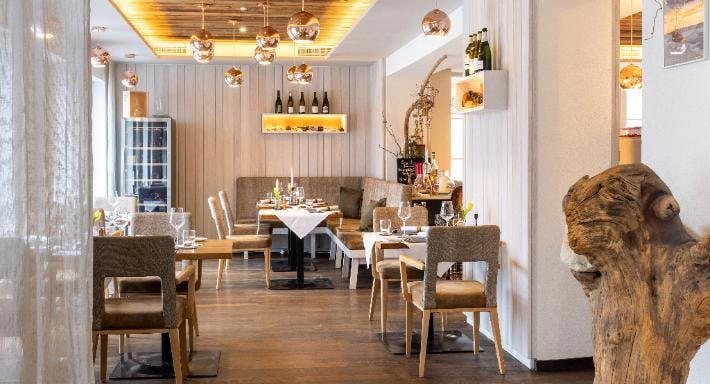

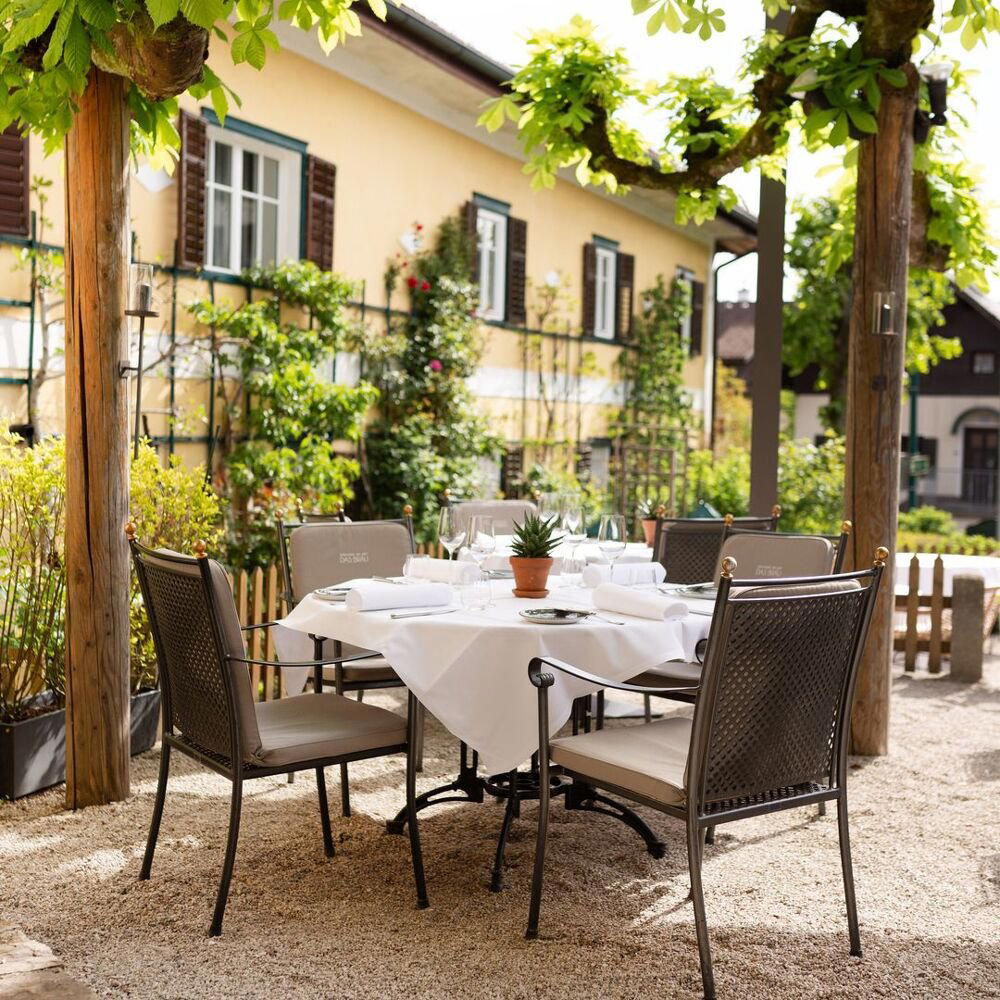
Bars in Altmünster
Browse all →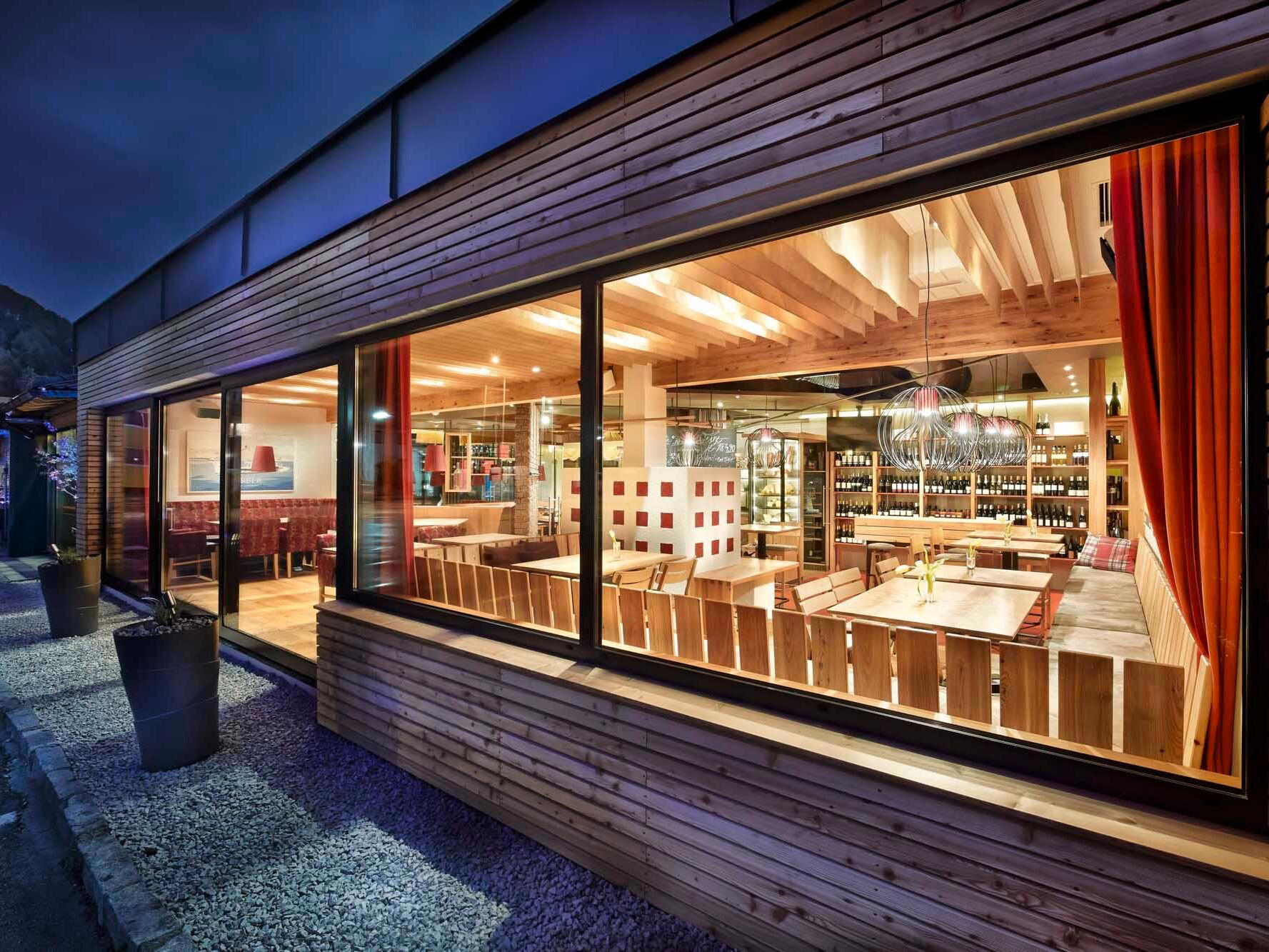

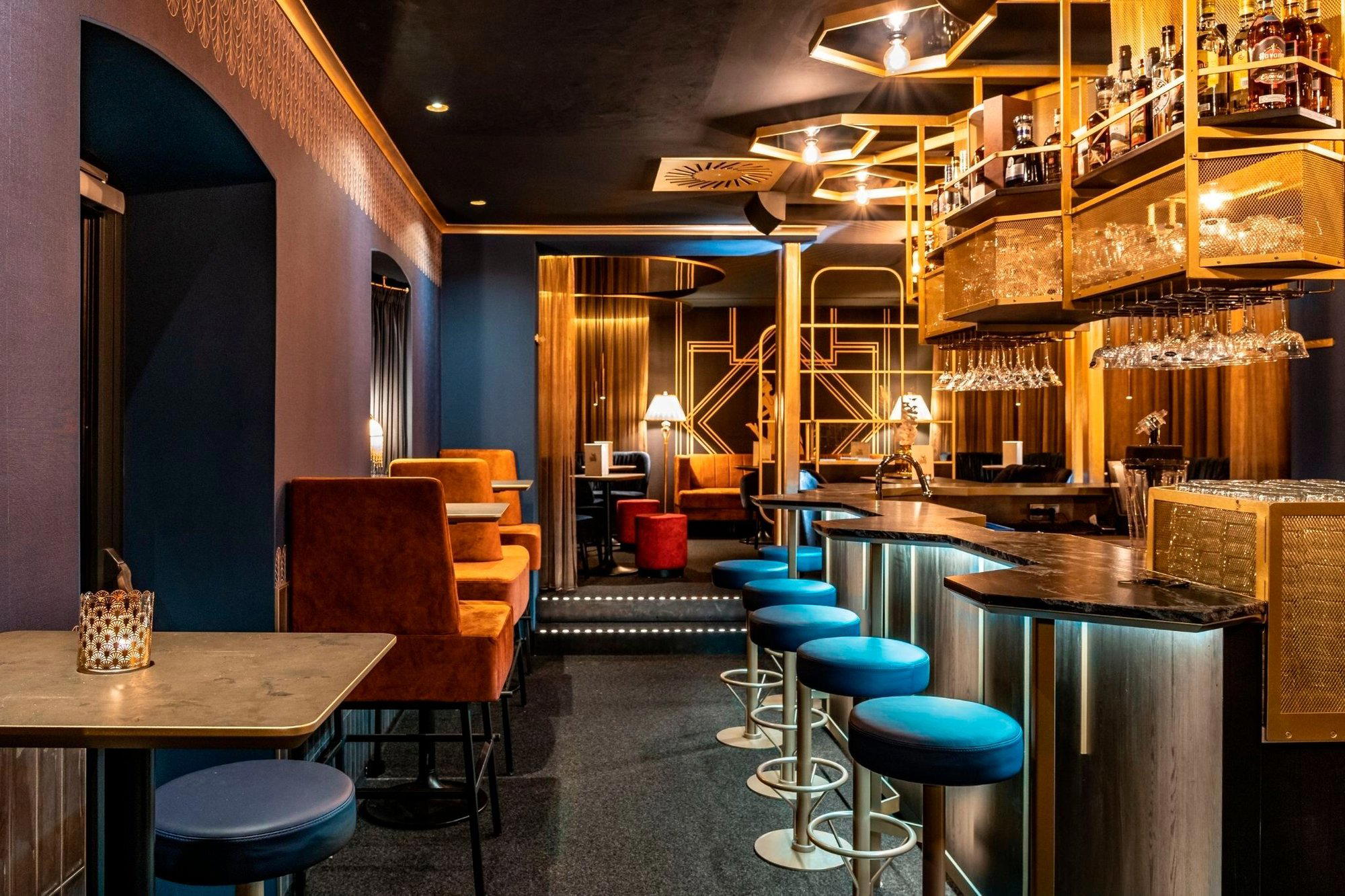
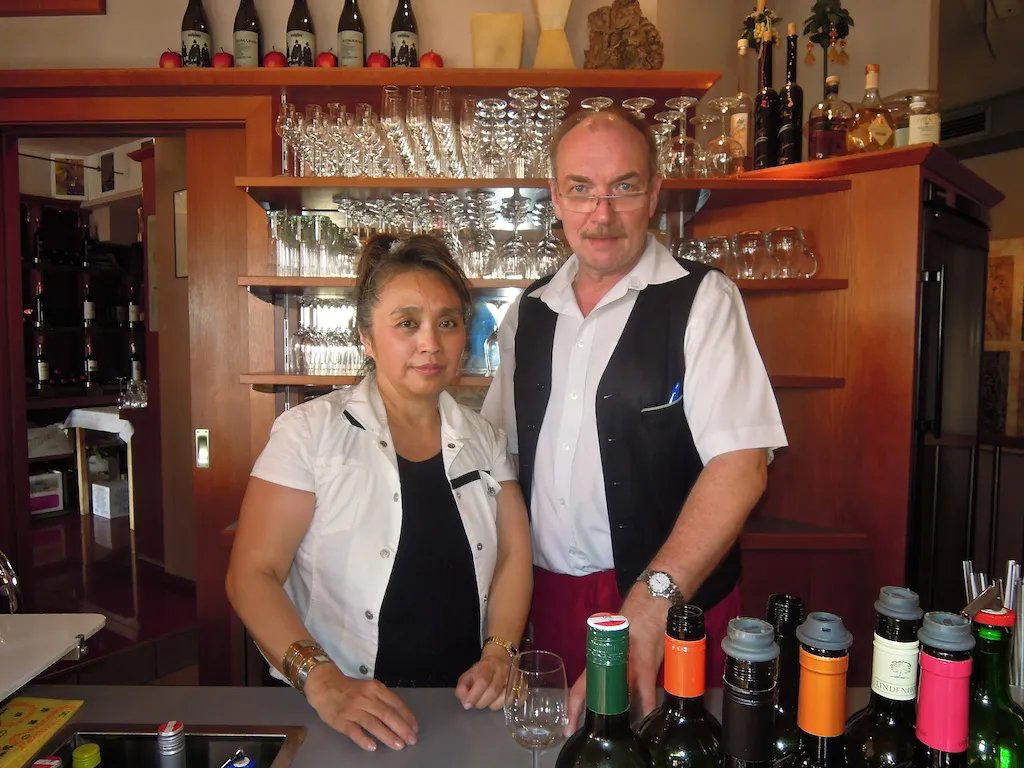
Hotels in Altmünster
Browse all →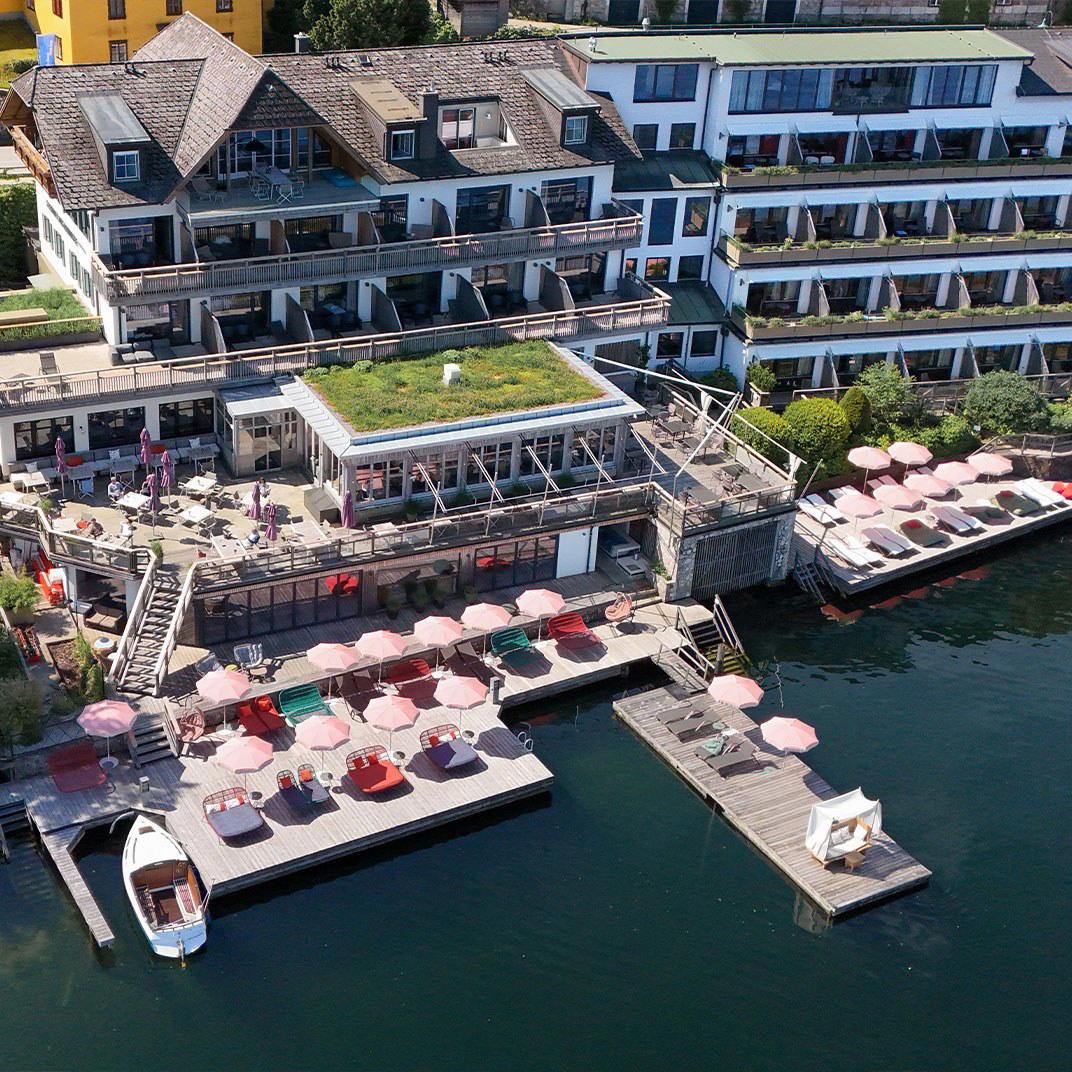
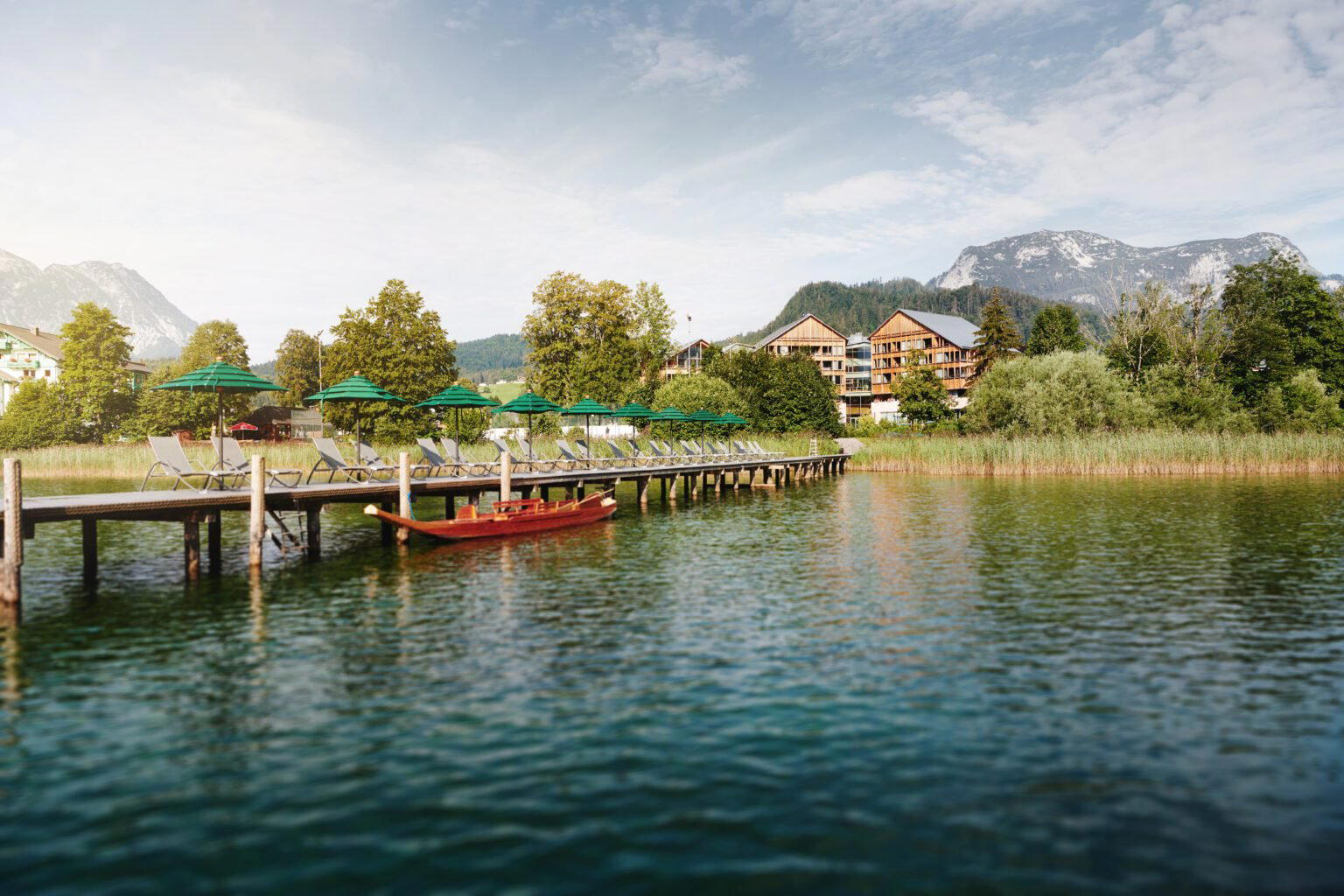
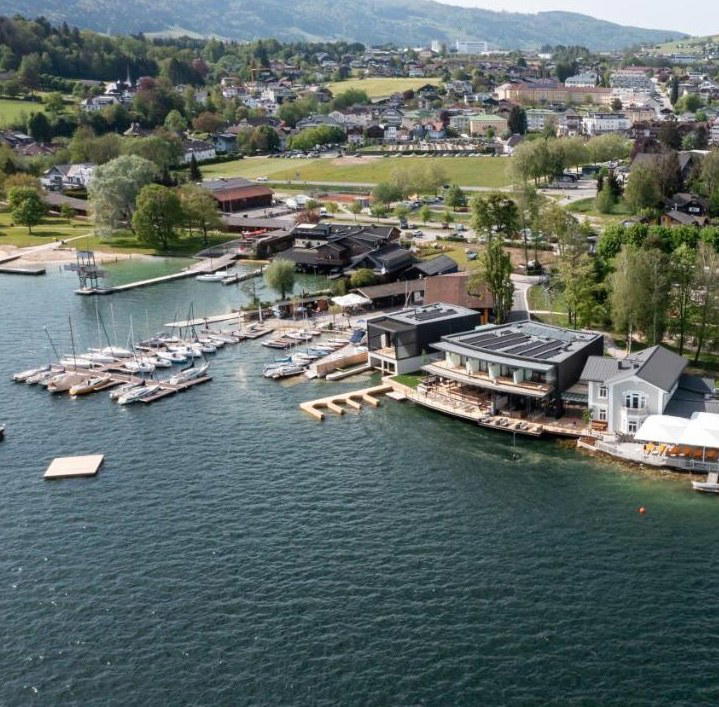
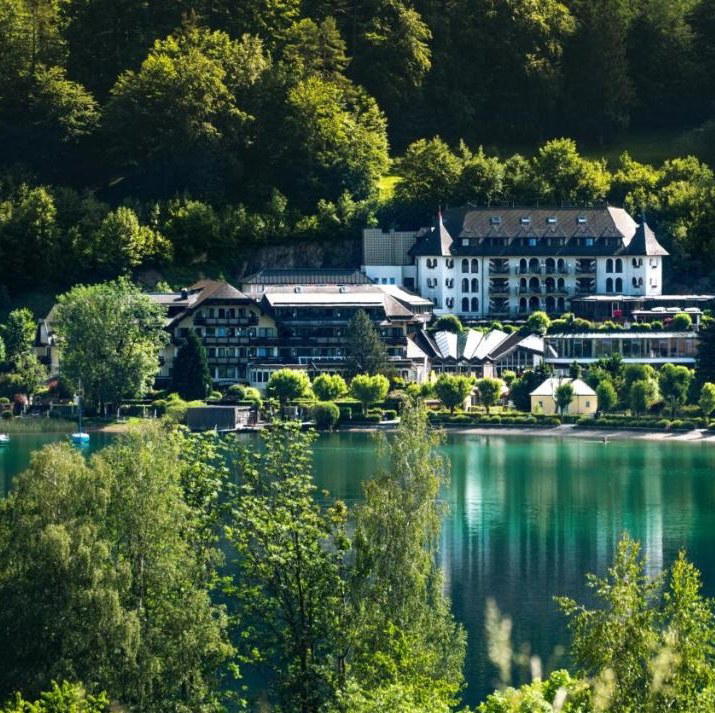
Wineries in Altmünster
Browse all →
At a Glance
- Cozy
- Casual Hangout
- Open Kitchen
- Local Sourcing
Current opening hours
- Monday
- Closed
- Tuesday
- 8:30 AM–11 PM
- Wednesday
- 8:30 AM–11 PM
- Thursday
- 8:30 AM–11 PM
- Friday
- 8:30 AM–11 PM
- Saturday
- 9 AM–11 PM
- Sunday
- 9 AM–10 PM
Hours can change for holidays and private events. Last verified .
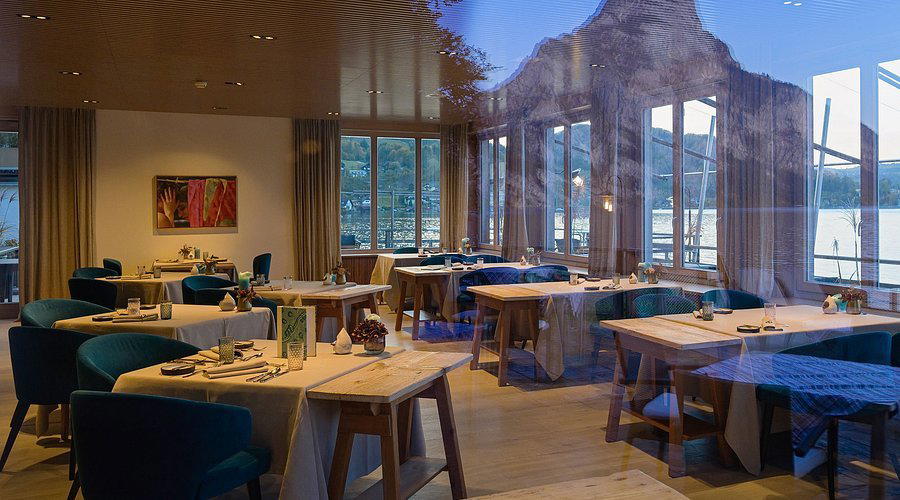
Gemütliche and einladende atmosphere with modern bar area well-suited for relaxed lingering over coffee, cake, or wine.