Wirtshausbrennerei Krenn sits in the Yspertal valley of Lower Austria, where the region's distilling tradition and inn culture converge in a single address.. For visitors tracing Austria's artisan spirits and hospitality corridor, this is a notable stopping point.

Pearl is the En Primeur Club membership app — saves, bookings, and concierge access live there. Same editors, same standards.
- Address
- Stangles 41, 3683 Yspertal
- Phone
- +43 7415 7258
- Website
- wirtshausbrennerei.at
- Directions
- Get directions
Where the Yspertal Valley Sets the Terms
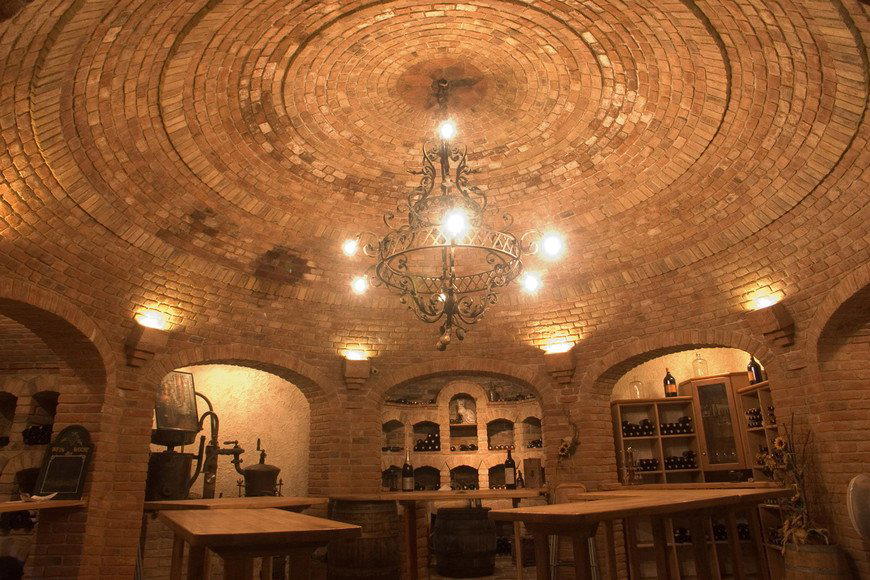
Lower Austria's rural hospitality has never fitted neatly into a single category. The Wirtshaus tradition, part inn, part community hall, part kitchen, runs alongside a separate but overlapping distilling culture that has flourished in the forested valleys between the Danube and the Bohemian Massif. Yspertal sits in that corridor, a narrow green valley where small-scale producers have long worked with the fruit, grain, and water that the terrain offers without complication. Wirtshausbrennerei Krenn, at Stangles 41 in this valley, operates at the intersection of both traditions: a working inn with a distillery component that grounds its identity firmly in place rather than category.
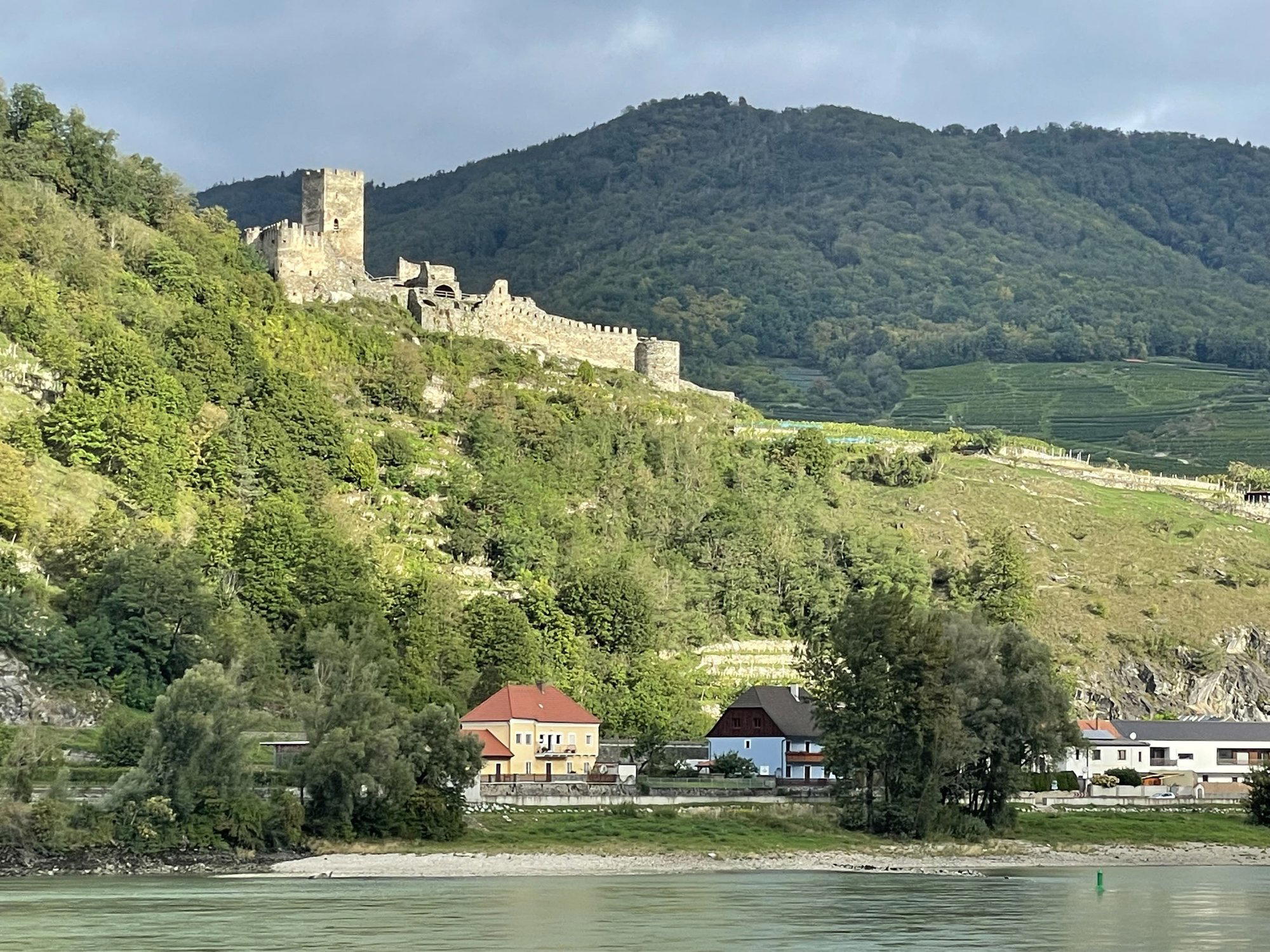
The approach to any address in this part of Lower Austria involves a gradual shift in register. Main roads give way to village roads, then to farm tracks lined with orchards and woodpiles. The scale of the built environment drops, the noise of transit disappears, and what remains is an agricultural landscape whose character feeds directly into what producers here make and serve. That physical context is not incidental at Krenn. It is, in the most direct sense, the raw material.
Within Austria's broader recognition framework for artisan producers and speciality hospitality, a Prestige-level award at two stars is not a participation ribbon. It reflects a sustained standard across multiple criteria, typically including the quality and character of the core product, the integrity of the hospitality offer, and the degree to which the address connects meaningfully to its regional context.
For a Wirtshausbrennerei, that last criterion matters more than it might for a standalone restaurant or urban bar. The logic of an inn-distillery hybrid is inseparable from its terroir. The fruit or grain that feeds the still, the water drawn from local sources, the food that accompanies the spirits at the table: each element either expresses the valley or it does not. Krenn's 2025 recognition suggests the expression holds.
Operations like Weingut Scheiblhofer Distillery in Andau and 1310 Spirit of the Country Distillery in Sierning represent the range of approaches within the country's premium spirits category, from estate-integrated production to more focused craft operations. The Abfindungsbrennerei Franz in Leithaprodersdorf operates within the older Abfindungs licensing tradition, a specifically Austrian framework for small-batch farm distilling that has shaped the country's spirits culture for generations. Krenn's Wirtshausbrennerei designation connects it to that same heritage, though in a format that integrates the inn function rather than separating distillery from hospitality.
Terroir and the Distilling Tradition of Lower Austria
The concept of terroir is most commonly applied to wine, but in the context of Austrian fruit spirits, it carries equivalent weight. The Yspertal and the surrounding Mostviertel region are known for their pear orchards, whose fruit produces the most regionally specific of Austria's distilled spirits: Mostbirne, the hard-working pear brandy that defines the character of this part of Lower Austria in a way that grape-based spirits never quite could. The geology here, crystalline bedrock overlaid with thin forest soils, produces fruit with an acidity and mineral edge that transfers into distillate with unusual clarity. A well-made Mostbirne from this region reads differently from one produced in the gentler soils to the south or the warmer Pannonian-influenced east.
That regional specificity is what separates a Wirtshausbrennerei operating at Prestige level from a generic rural inn with a still on the premises. The distillate functions as a document of place: the vintage year, the orchard conditions, the water source, the distiller's decisions about cut points and resting time. When those decisions are made at a high level consistently enough to attract independent recognition, the address becomes a reference point for understanding what the valley actually produces.
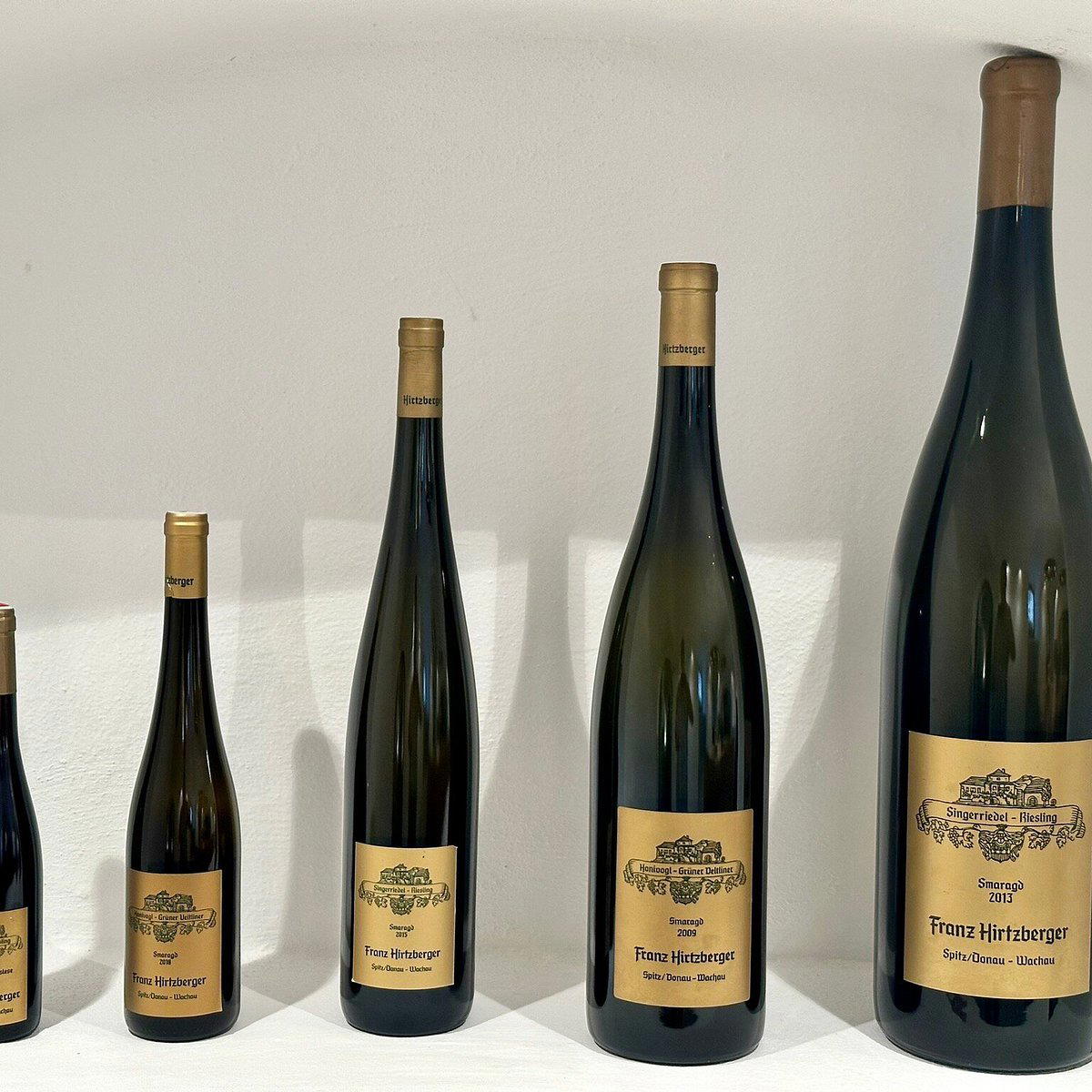
This logic applies equally to the wine producers working in neighbouring parts of Lower Austria. Weingut Bründlmayer in Langenlois and Weingut Emmerich Knoll in Dürnstein both operate from specific Wachau and Kamptal terroirs where the relationship between soil, climate, and variety is the central argument of the wine. The ambition is structurally similar at Krenn, though the medium is distillate rather than fermented grape. Elsewhere in Austria, Weingut Wohlmuth in Kitzeck and Weingut Pittnauer in Gols demonstrate how smaller, place-specific producers build recognition on terroir coherence rather than volume or marketing. Weingut Kracher in Illmitz and Weingut Heinrich Hartl in Oberwaltersdorf represent further points in that broader Austrian producer map.
The Wirtshaus Function: Food, Community, and Place
The Wirtshaus in Austria is not simply a pub or a restaurant. It is a social and agricultural institution with a specific role in rural communities: a place where the food on the table reflects what the surrounding farms produce, where the drinks poured are often made locally, and where the distinction between host and community member is more porous than in urban hospitality. In regions like Yspertal, this function remains operational rather than nostalgic. The Wirtshaus is where local knowledge is exchanged, where seasonal rhythms are marked, and where food and drink retain a direct connection to the land that produced them.
An inn that also operates a distillery intensifies that connection. The kitchen draws on local produce; the still processes local fruit; the table brings both together in a format that requires the guest to engage with the region's character across multiple registers at once. At the level of recognition Krenn has achieved, that integration is not accidental. It reflects deliberate choices about sourcing, production, and hospitality that compound into a coherent address.
Planning a Visit to Yspertal
Yspertal sits in the Mostviertel, roughly between Amstetten to the west and the Danube river to the north, in a part of Lower Austria that sees far less visitor traffic than the Wachau or Kamptal corridors. That relative quietness is part of what the valley offers: the experience of a producing region working on its own terms rather than shaped by tourism infrastructure. The address at Stangles 41 is a working property, and visitors approaching Wirtshausbrennerei Krenn at Prestige recognition level should treat it accordingly, with advance contact preferable to an unannounced arrival. Specific hours, booking arrangements, and current seasonal offerings are best confirmed directly with the venue, as no contact details are listed in the current public record. Travellers combining this visit with wider Lower Austrian producer exploration can cross-reference the full Yspertal restaurants guide and widen the itinerary to include the 1404 Manufacturing Distillery in Sankt Peter-Freienstein, the A. Batch Distillery in Bergheim, and the 1516 Brewing Company Distillery in Vienna for a broader picture of where Austrian spirits production currently sits. For those coming from further afield, Aberlour in Aberlour and Accendo Cellars in St.
Quick Comparison
Comparable venues nearby, for context on price, style, and recognition.
| Venue | Cuisine | Price | Awards | Notes |
|---|---|---|---|---|
| Wirtshausbrennerei KrennThis venue — the venue you are viewing | Lower Austria | Not listed | Not listed | Not listed |
| Destillerie Figerl | Winery | Not listed | Not listed | Stanz bei Landeck |
| Distillery Schroll | Winery | Not listed | Not listed | Ziersdorf |
| Weingut Jäger | Grüner Veltliner, Riesling | $20–30 | Falstaff Winery - 3 Stars | Weißenkirchen in der Wachau |
| Weingut Petra Unger | Grüner Veltliner, Zweigelt | Not listed | Falstaff Winery - 3 Stars | Furth-Palt |
| Winzer Krems (Sandgrube 13) | Grüner Veltliner, Blauer Zweigelt | Not listed | Falstaff Winery - 2 Stars | Krems an der Donau |

Details
- Rustic
- Cozy
- Scenic
- Wine Education
- Historic Building
- Estate Grounds
- Organic
- Mountain
- Garden
- Brandy Tasting
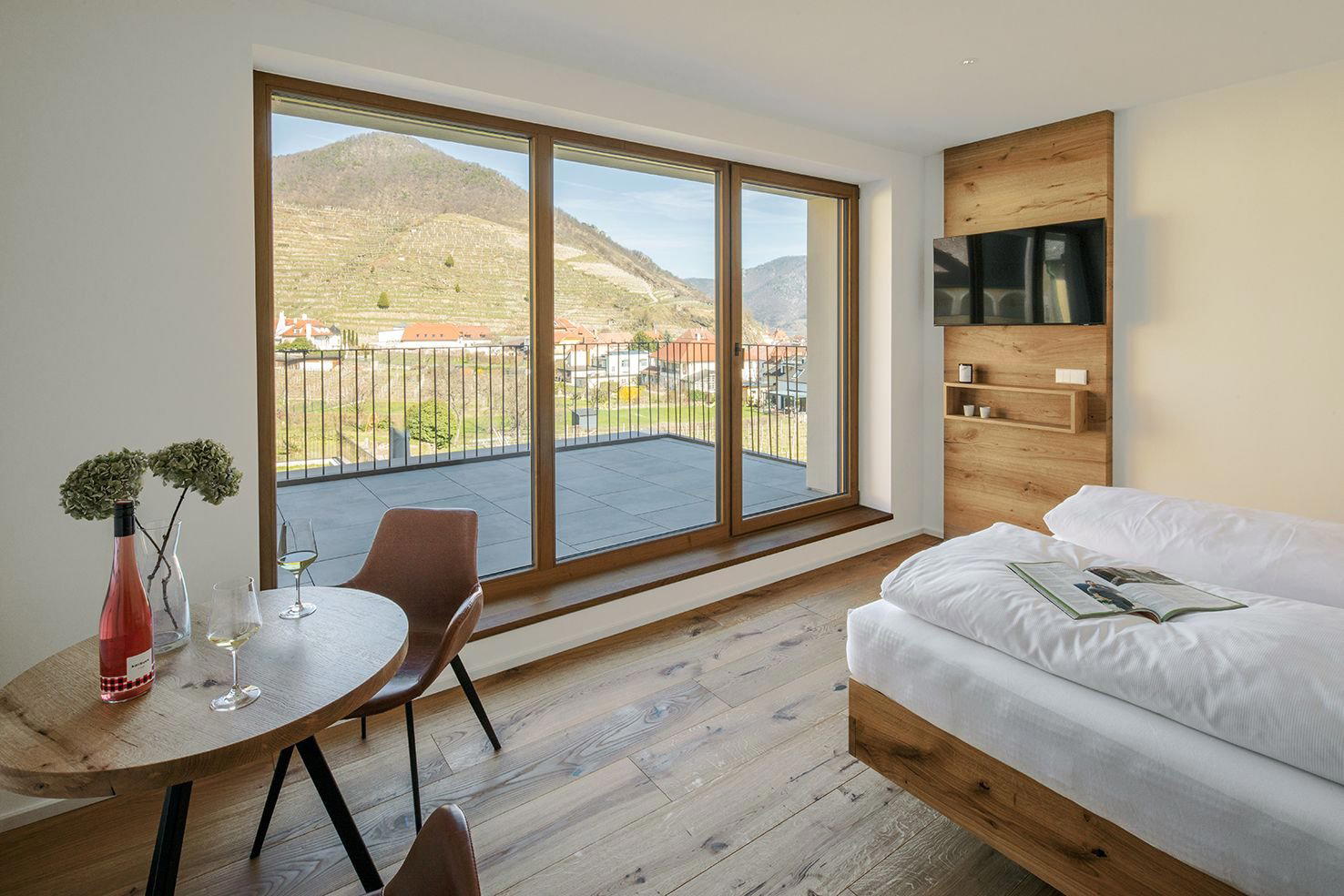
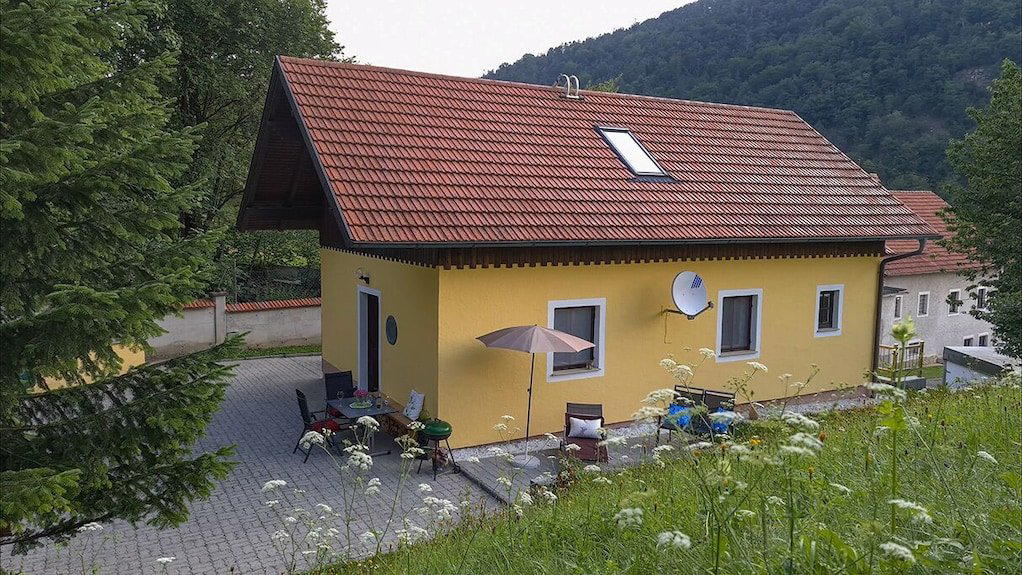
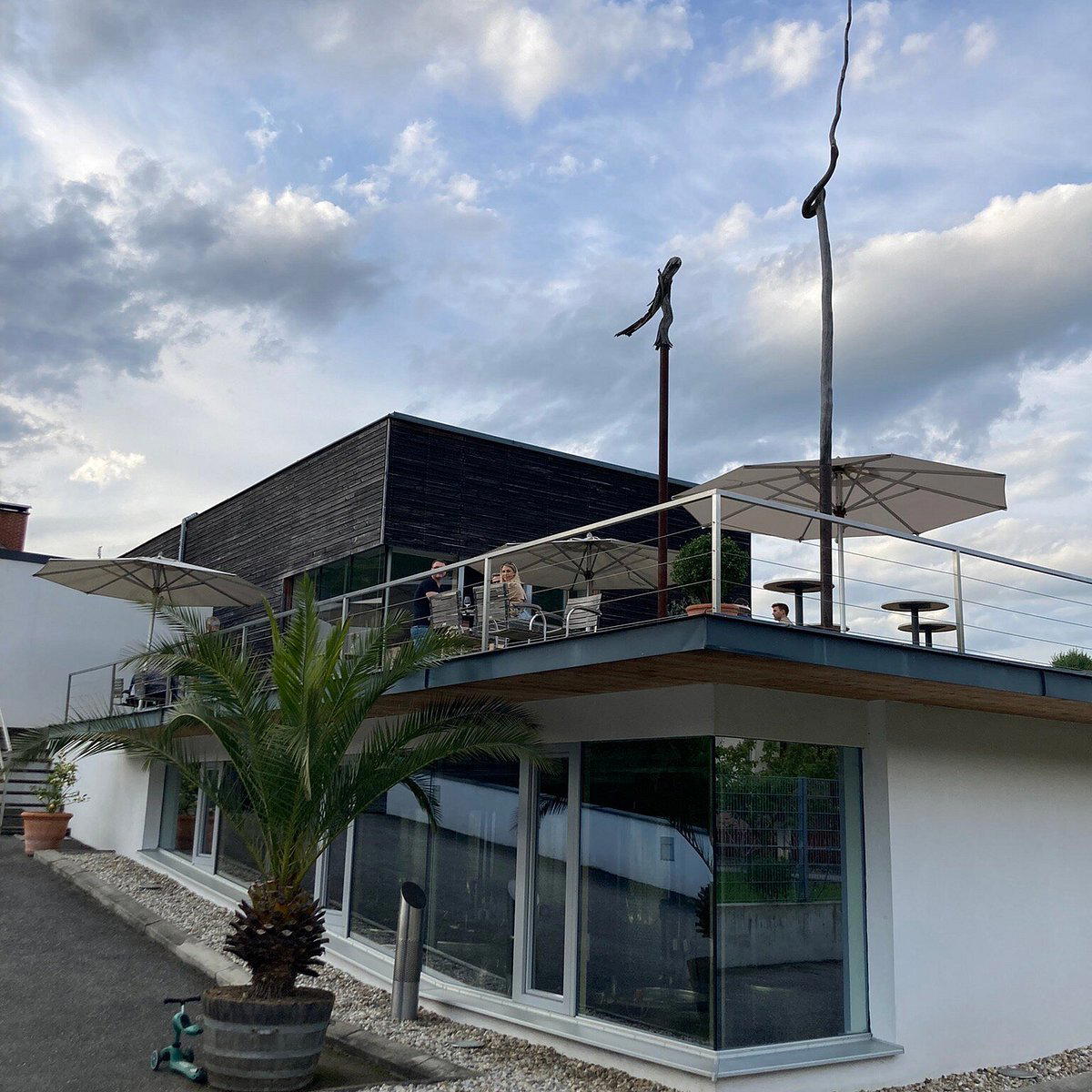
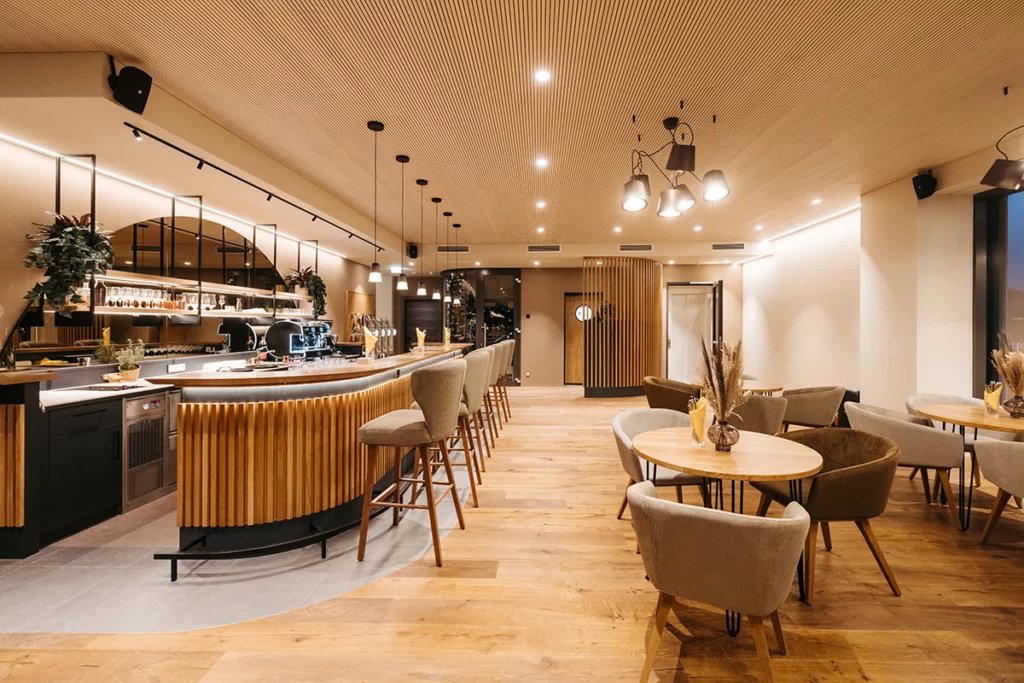
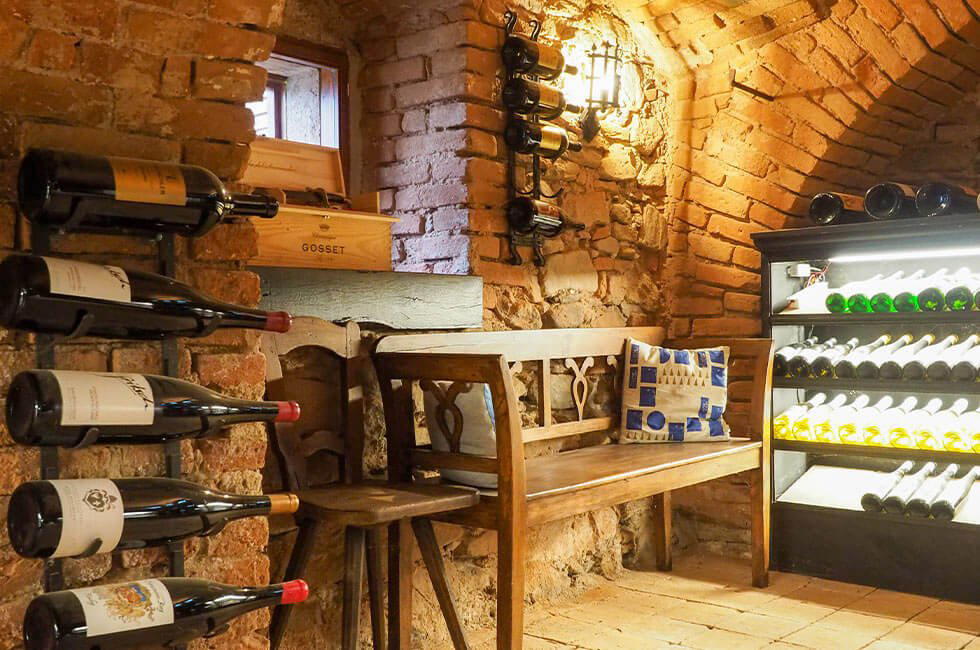
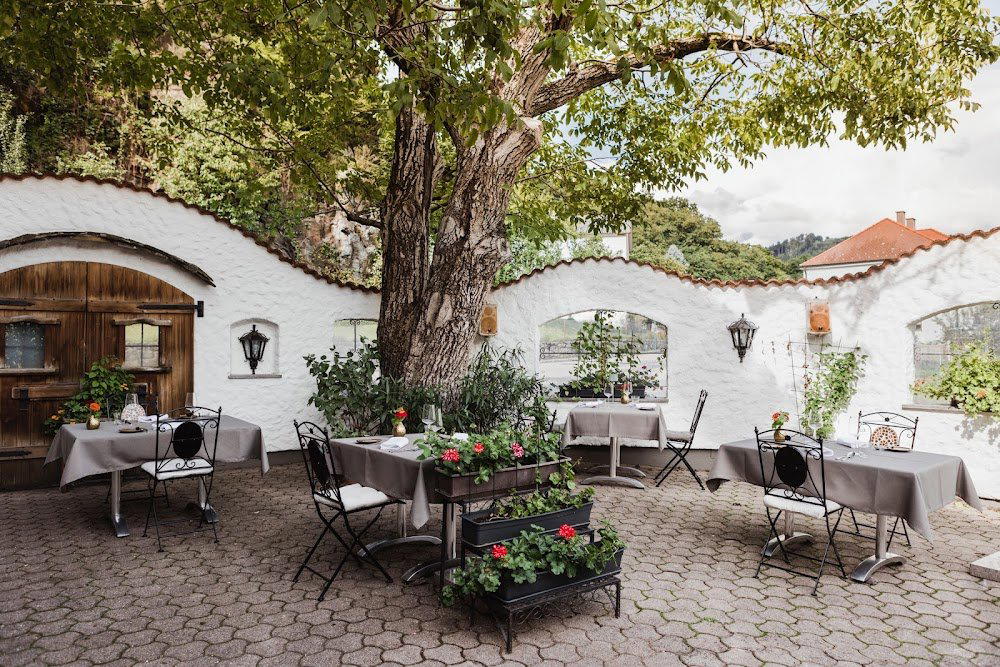
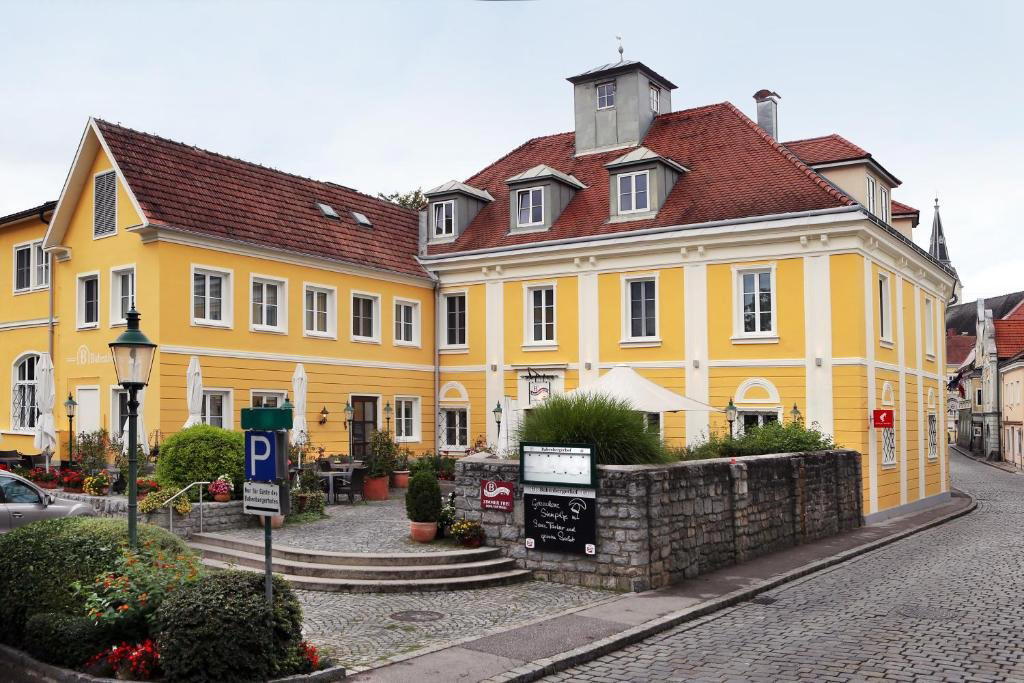
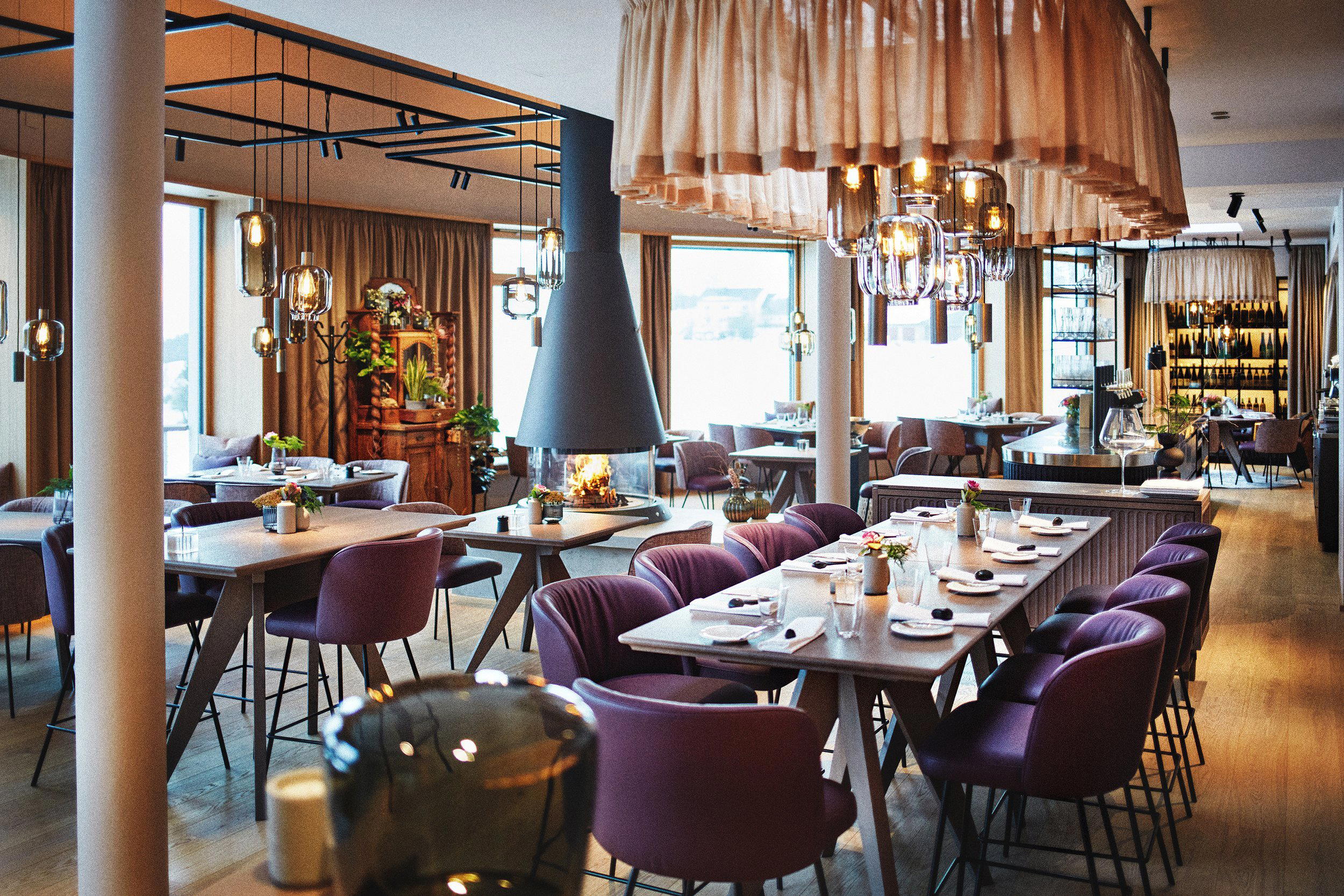
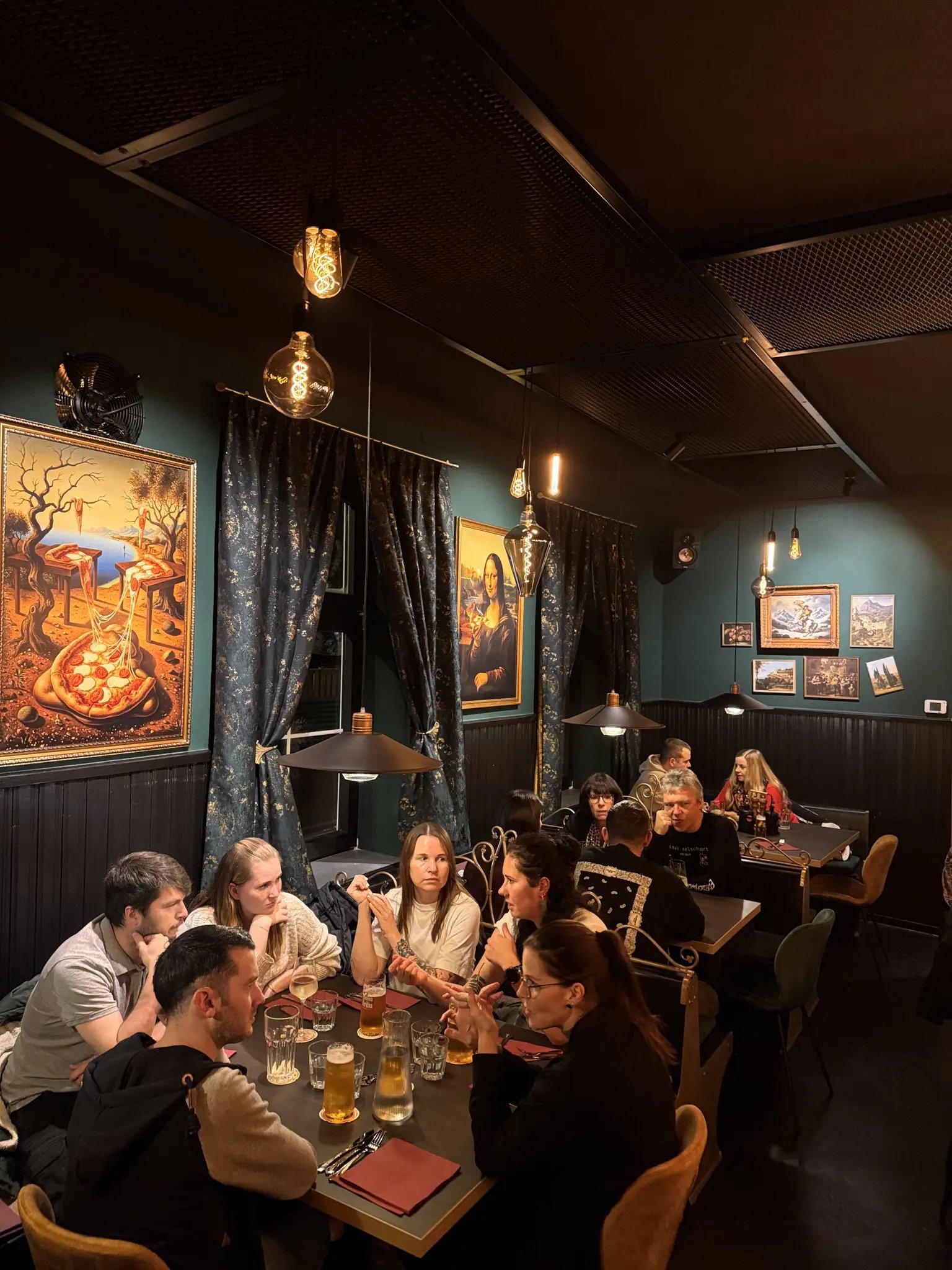
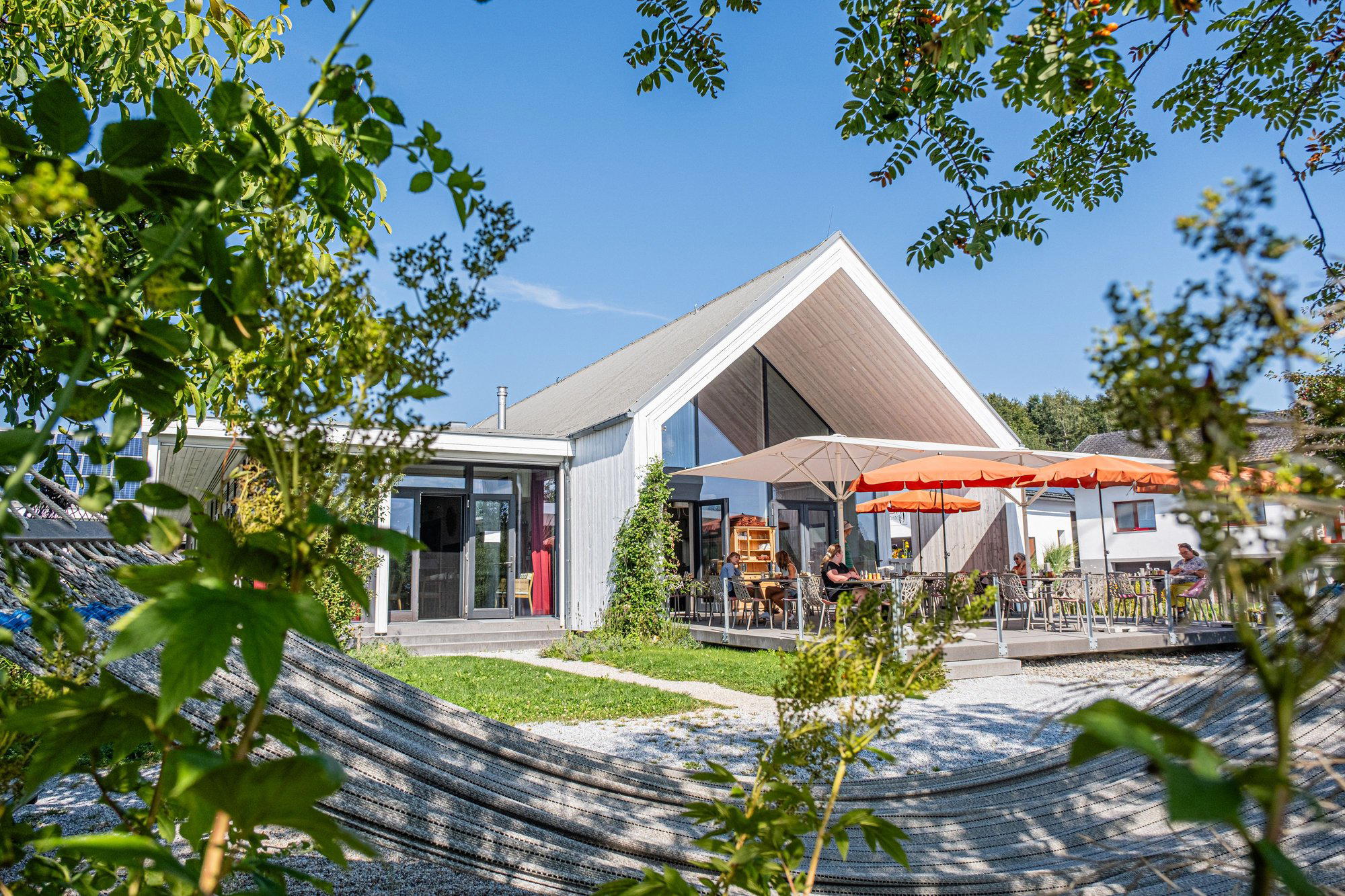
Warm and inviting atmosphere in wood-paneled rooms like the Zirbenstüberl or tiled stove guest room, with a serene garden view of Peilstein mountain.