Zum Topf operates out of Kaltenbach, a hamlet outside Vitis in the Waldviertel, Austria's granite-plateau region bordering the Czech Republic. The area's cool climate and nutrient-sparse soils produce ingredients with a character distinct from the Alpine mainstream, and restaurants here tend to reflect that specificity. Zum Topf sits within that tradition, drawing on a region that remains largely off the radar of international food media.
Pearl is the En Primeur Club membership app — saves, bookings, and concierge access live there. Same editors, same standards.
- Address
- Kaltenbach 26, 3902 Vitis, Austria
- Phone
- +434328418329
- Website
- url
- Directions
- Get directions
 Saves & bookings on Pearl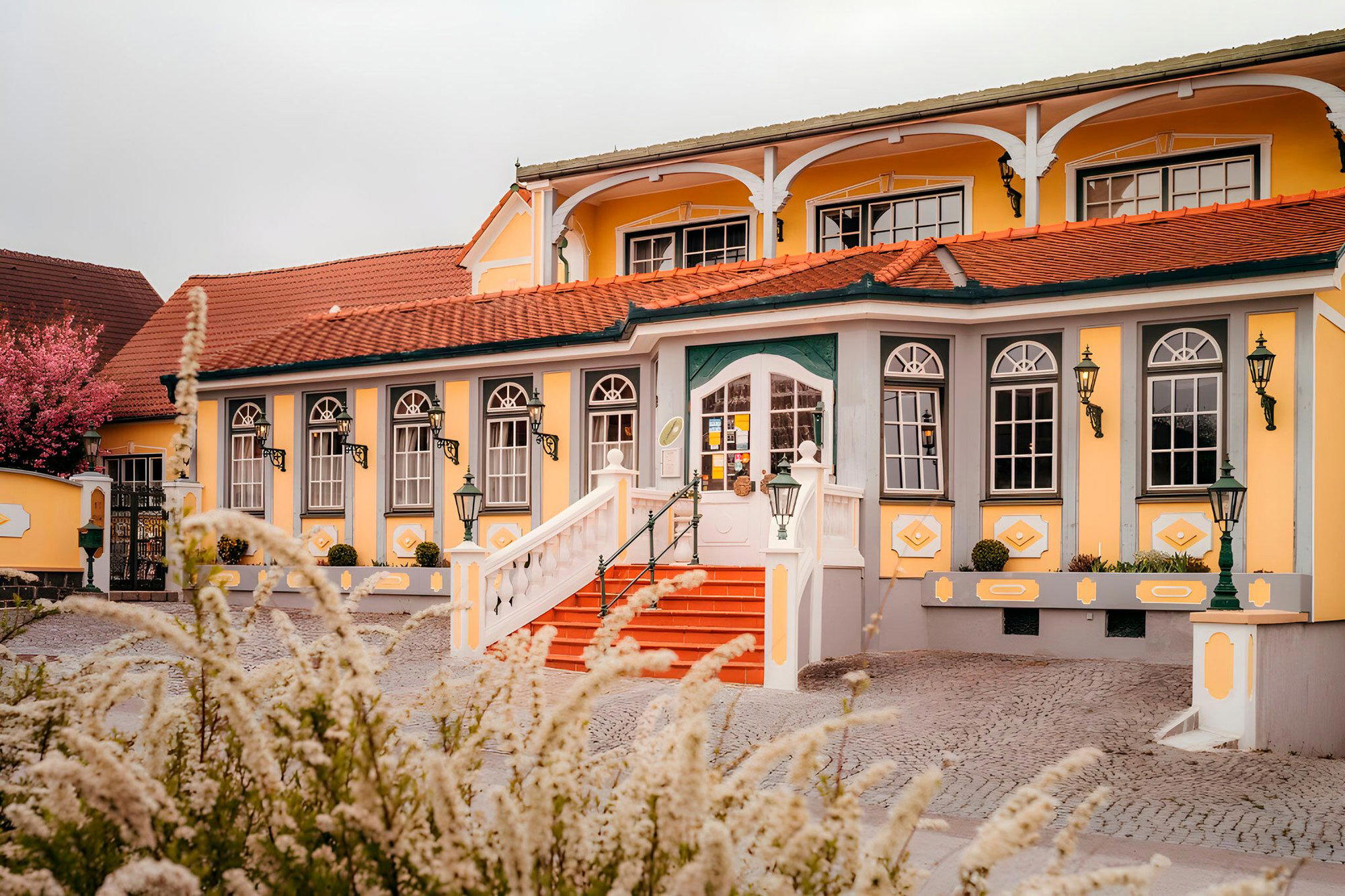
Waldviertel on the Plate
Zum Topf is a restaurant in Vitis, Austria, serving Modern Austrian with French Influences. Spots like Steirereck im Stadtpark in Vienna and Ikarus in Salzburg absorb most of the critical attention, and for good reason: both operate at a level of technical ambition and resource that is difficult to replicate outside urban or resort contexts. What gets less coverage is the quieter, more regionally specific cooking happening in places like the Waldviertel, a granite plateau in Lower Austria that shares a long border with the Czech Republic and a climate too cool and austere to attract the mainstream tourism circuits that feed the Alpine restaurant economy.
Vitis sits inside that zone. The town is not a destination in the conventional sense, and Kaltenbach, the hamlet at address Kaltenbach 26 where Zum Topf is located, is smaller still. That geography matters when you think about what ends up on the plate. The Waldviertel is known within Austria for a handful of specific ingredients: its poppy seeds, its carp from cold freshwater ponds, its root vegetables shaped by thin, acidic soils, and a potato culture that carries genuine regional identity. Restaurants in this part of Austria that cook with conviction tend to treat those ingredients not as rustic curiosity but as the actual subject of the cooking.
Where the Ingredients Come From
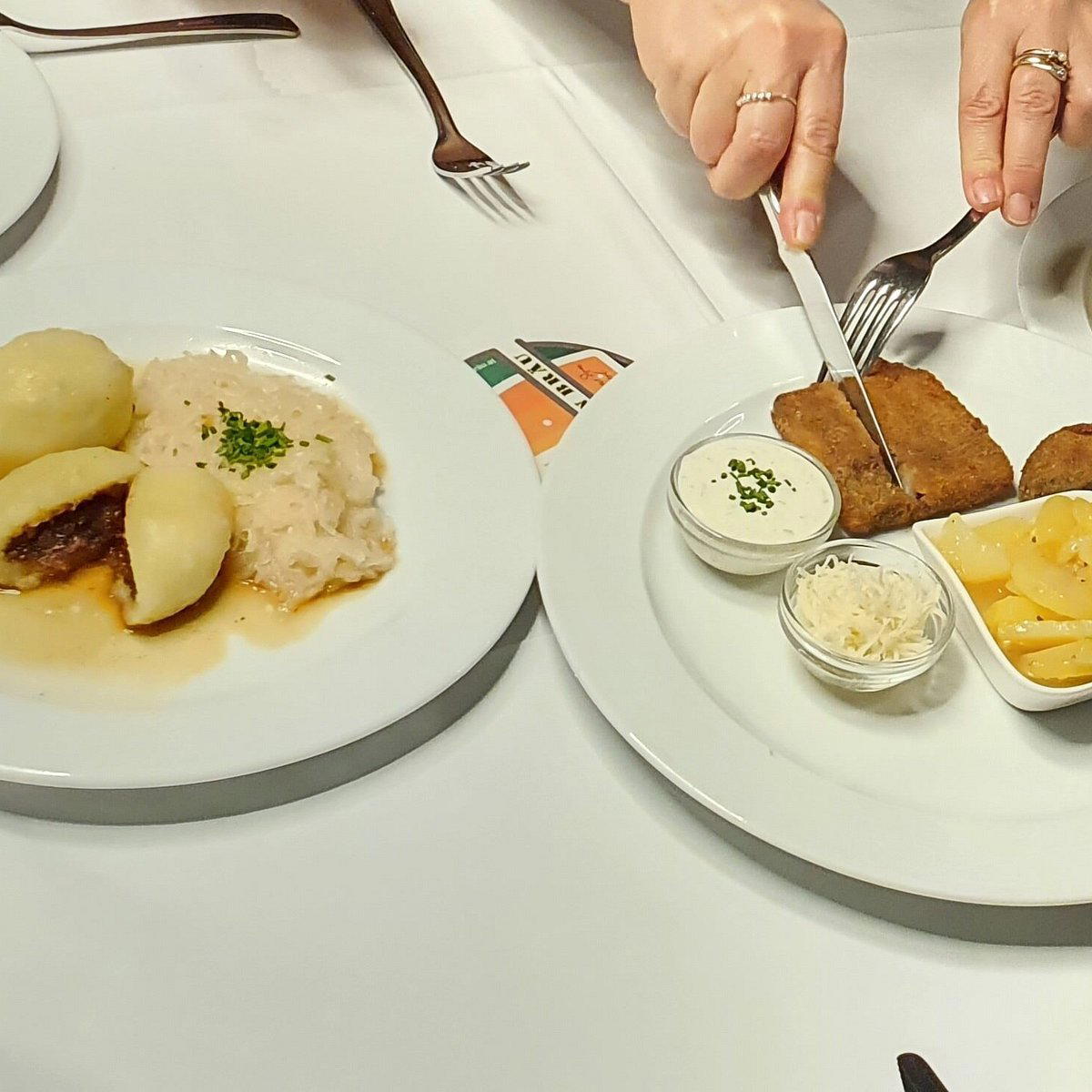
The sourcing logic that shapes Waldviertel cooking is worth understanding before you arrive anywhere in the region. This is not a range of abundance in the Mediterranean sense. Growing seasons are shorter here than in Burgenland or Styria, and the soils do not flatter every crop. What the region does produce, it produces with a density of flavour that comes precisely from those constraints. Carp from the region's managed pond systems, for instance, carries a different texture and fat profile than farmed fish from warmer water. Waldviertel poppies, harvested in summer and pressed into oil or ground into paste, appear in both savoury and sweet preparations across local kitchens. These are not imported or interchangeable ingredients; they are products with a specific provenance that the better local restaurants treat as non-negotiable.
This approach to sourcing places Waldviertel cooking in a different conversation from the high-technique tasting-menu format you find at places like Döllerer in Golling an der Salzach or Obauer in Werfen, both of which build menus around regional specificity but with Michelin-level production values and international audiences in mind. Zum Topf operates at a more local register, in a part of Austria where the clientele is predominantly regional and the cooking reflects that grounding.
The Setting at Kaltenbach
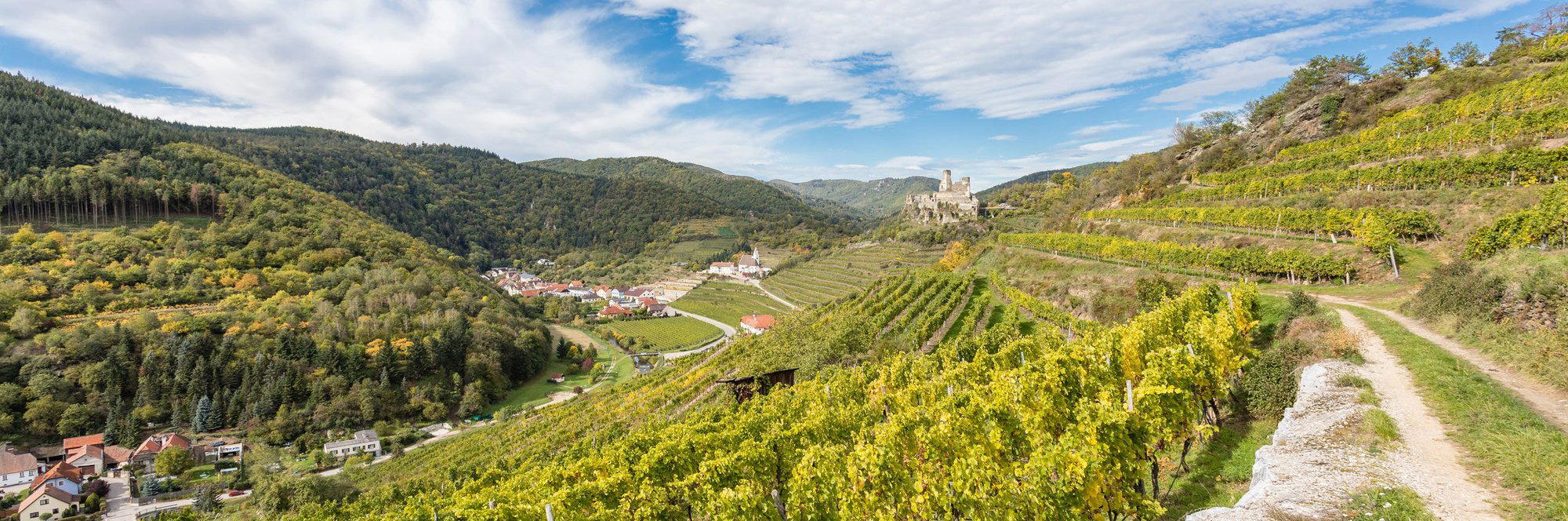
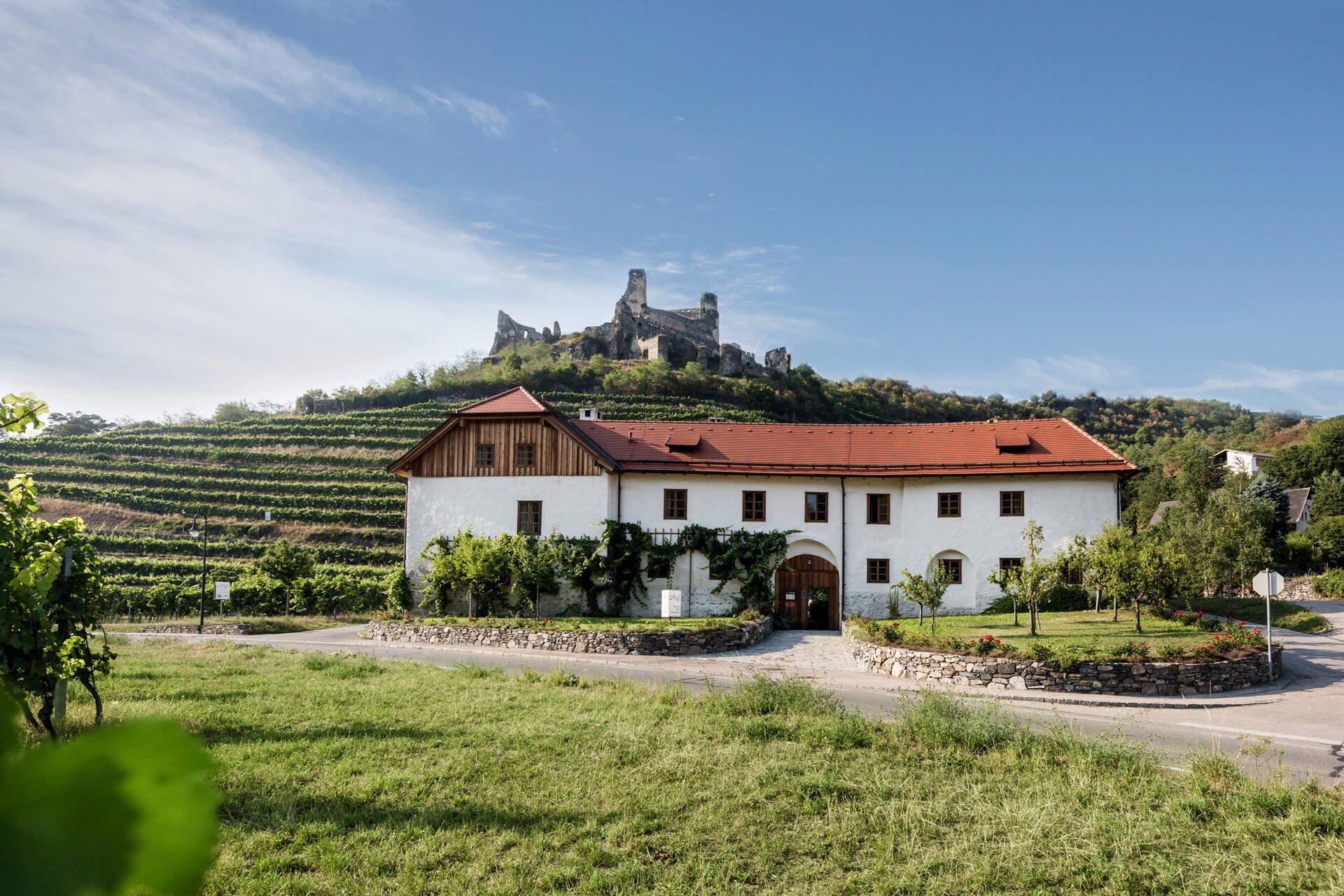
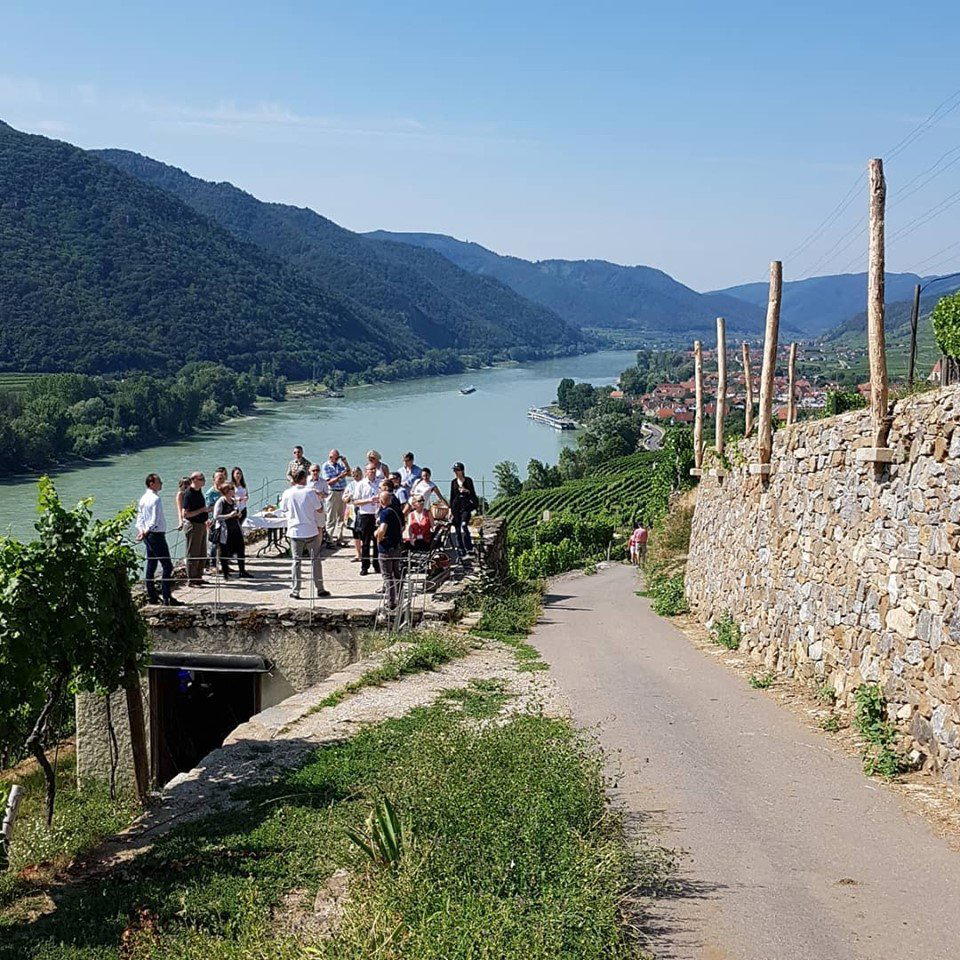
Arriving at Kaltenbach means leaving the main road networks behind. The Waldviertel's characteristic granite outcrops, mixed forests, and pond-dotted meadows define the approach. This is not dramatic scenery in the Alpine sense, there are no peaks or glaciers, but it has a specific, quiet density that takes some adjustment for visitors calibrated to more photogenic Austrian destinations. The region's culinary peers in terms of atmosphere, if not cuisine type, might include places like Taubenkobel in Schützen am Gebirge, another Austrian restaurant that rewards visitors willing to leave the city behind and engage with a place on its own terms.
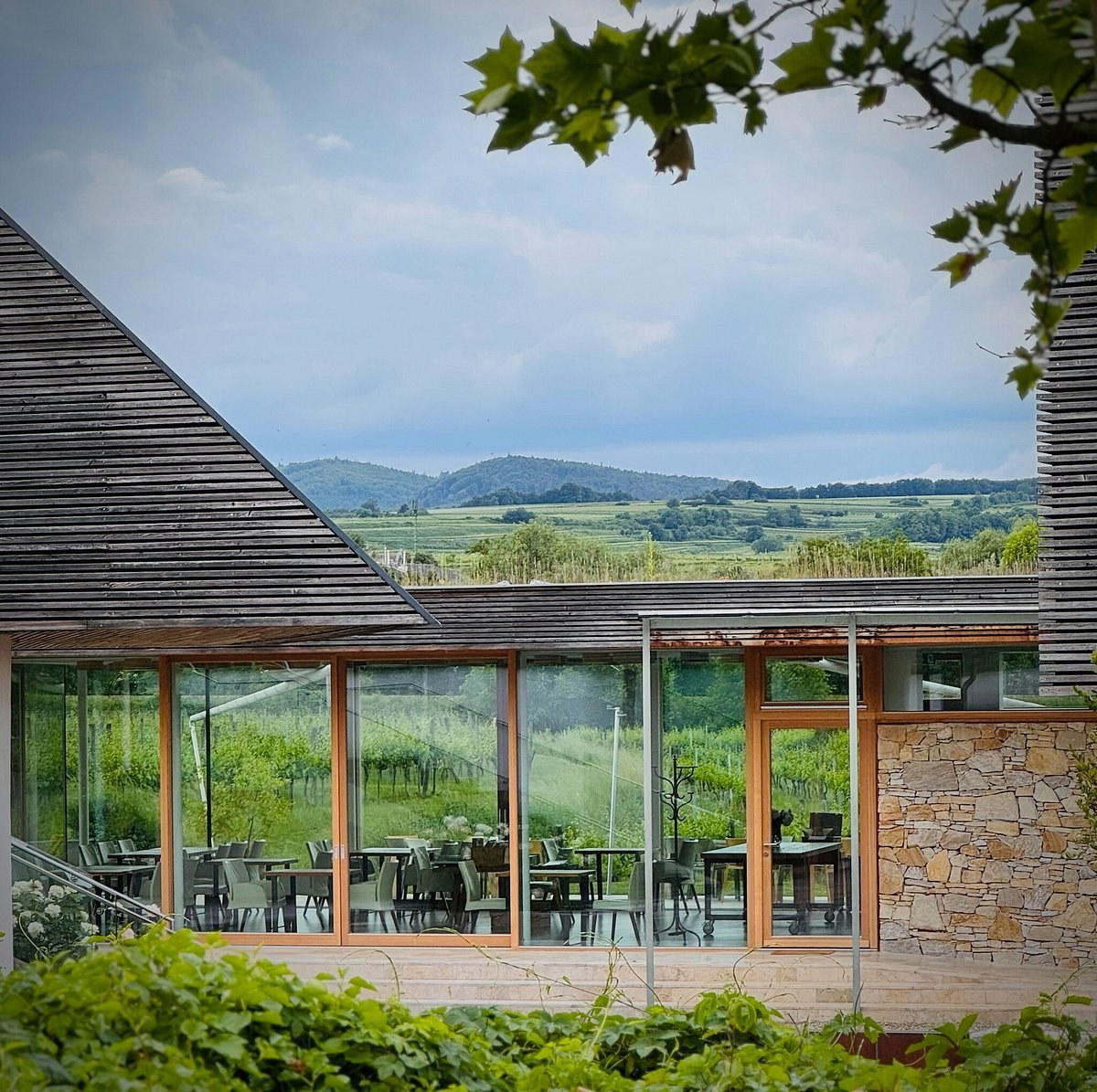
The address at Kaltenbach 26 puts Zum Topf outside the village centre proper, which is consistent with the region's pattern of farm-adjacent hospitality. Much of the leading eating in the Waldviertel happens in buildings that were originally agricultural rather than purpose-built for restaurants, and that physical context, the proximity to the land, the functional rather than decorative architecture, tends to inform how the cooking is framed and served.
Placing Zum Topf in the Austrian Regional Scene
Austria's regional restaurant scene has expanded considerably in range and ambition over the past decade. Herb-focused cooking at places like Kräuterreich by Vitus Winkler in Sankt Veit im Pongau, precision contemporary work at Gourmetrestaurant Tannenhof in Sankt Anton am Arlberg, and the Alpine-coastal ambition of Griggeler Stuba in Lech all sit in a recognisably premium bracket with international visibility. Further down the register, there is a broader category of regional restaurants that serve serious, locally grounded food without the infrastructure or profile of the award-tracked tier. The restaurant belongs to this second category, alongside places like Ois in Neufelden and Atelier Fischer in Sankt Gilgen, which similarly operate outside the main critical circuits while cooking with genuine regional intent.
For international visitors accustomed to the high-production end of Austrian dining, the tasting menus, the dedicated wine programs, the front-of-house formality, this register requires a recalibration of expectations. The comparison is not between the restaurant and Landhaus Bacher in Mautern an der Donau or Schwarzer Adler in Hall in Tirol, both of which operate with different scale and documented track records. The relevant question at the restaurant is whether the cooking engages honestly with what the Waldviertel produces, and whether the experience of being in that specific corner of Austria is amplified rather than abstracted by what arrives at the table.
That is ultimately what distinguishes the more interesting regional Austrian restaurants from their generic counterparts: not production value or awards density, but a legible connection between what the kitchen uses and where it operates. The Waldviertel, with its particular ingredient vocabulary, gives any serious kitchen working there a set of materials with enough identity to carry a meal.
Planning Your Visit
Vitis is accessible by train from Vienna via the Franz-Josefs-Bahn line, with the journey taking roughly two hours to the Vitis station. By car from Vienna, the drive northeast through the Waldviertel takes around ninety minutes, depending on route. Kaltenbach lies a short drive outside Vitis itself, so a car is the more practical option once you are in the region. The Waldviertel generally sees its busiest visitor period in late summer and autumn, when the harvest calendar aligns with the region's most distinctive produce.
The principles at work in the Waldviertel are not categorically different; they operate at a different scale and in a different register, but with the same underlying logic: the food should tell you where it comes from. And in the Waldviertel, that story is specific enough to be worth making the trip for.
In Context: Similar Options
Comparable venues nearby, for context on price, style, and recognition.
| Venue | Cuisine | Price | Notes |
|---|---|---|---|
| Zum TopfThis venue — the venue you are viewing | Modern Austrian with French Influences | $$$ | Not listed |
| Dorfwirt Litschau | Modern Waldviertel Regional Cuisine | $$$ | Litschau |
| W4 – Wein | Traditional Austrian Regional | $$$ | Röschitz |
| Althof Retz | Regional Austrian Fine Dining | $$$ | Retz |
| Restaurant Richard Löwenherz | Traditional Austrian with Regional Specialties | $$$ | Dürnstein |
| Schlosshotel Rosenau | Austrian Castle Fine Dining | $$$ | Schloss Rosenau |
Continue exploring
More in Vitis
Restaurants in Vitis
Browse all →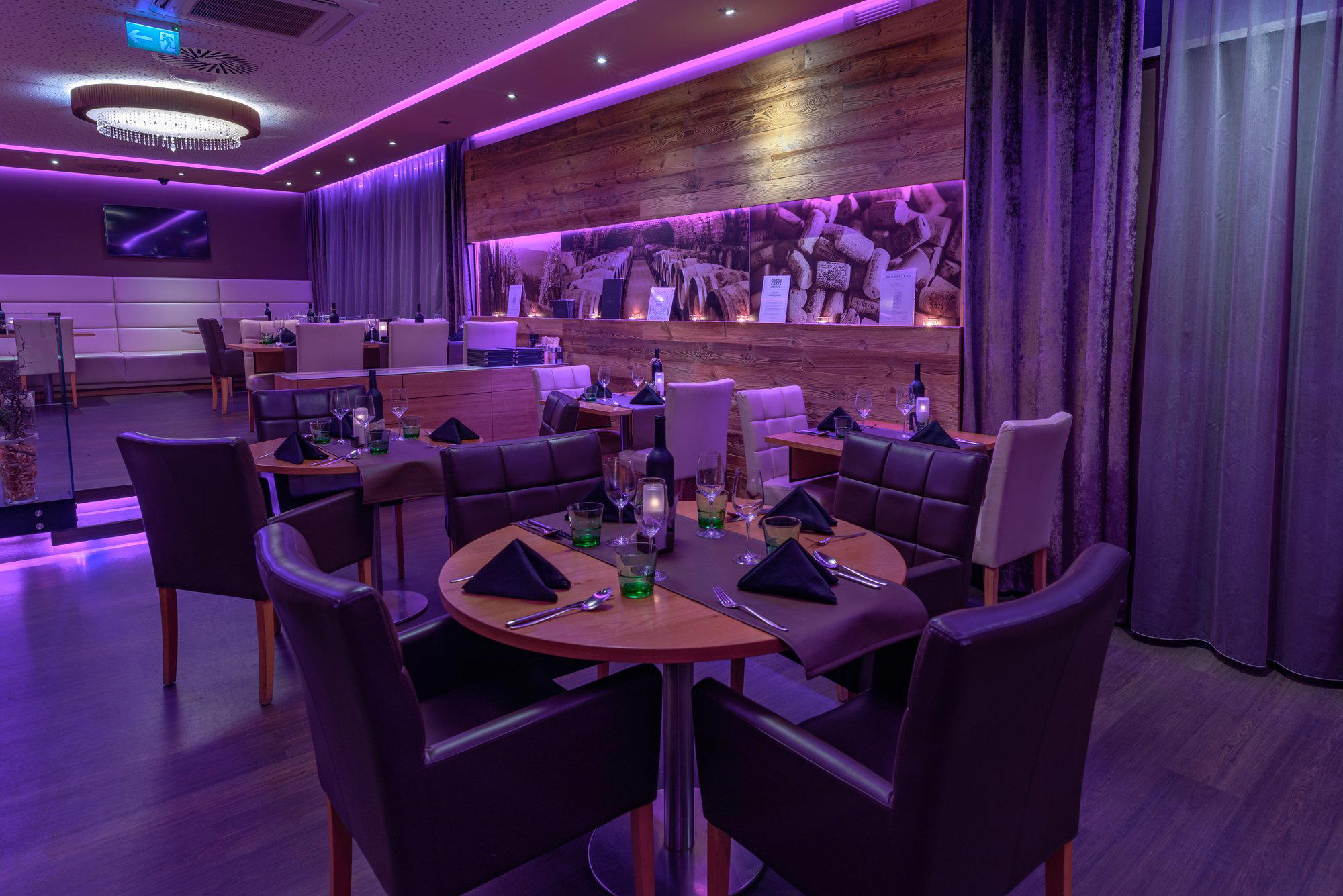
Bars in Vitis
Browse all →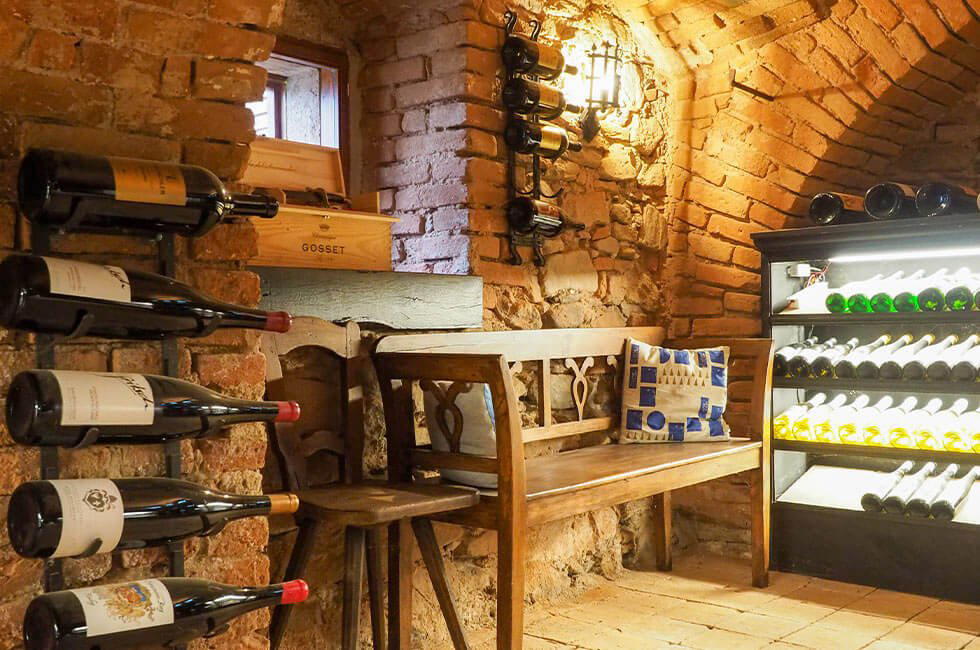
Hotels in Vitis
Browse all →
At a Glance
- Cozy
- Rustic
- Elegant
- Special Occasion
- Date Night
- Standalone
- Extensive Wine List
- Organic
- Local Sourcing
Current opening hours
- Monday
- Closed
- Tuesday
- Closed
- Wednesday
- Closed
- Thursday
- 11 AM–3 PM, 6–10 PM
- Friday
- 11 AM–3 PM, 6–10 PM
- Saturday
- 11 AM–3 PM, 6–10 PM
- Sunday
- 11 AM–3 PM, 6–8 PM
Hours can change for holidays and private events. Last verified .
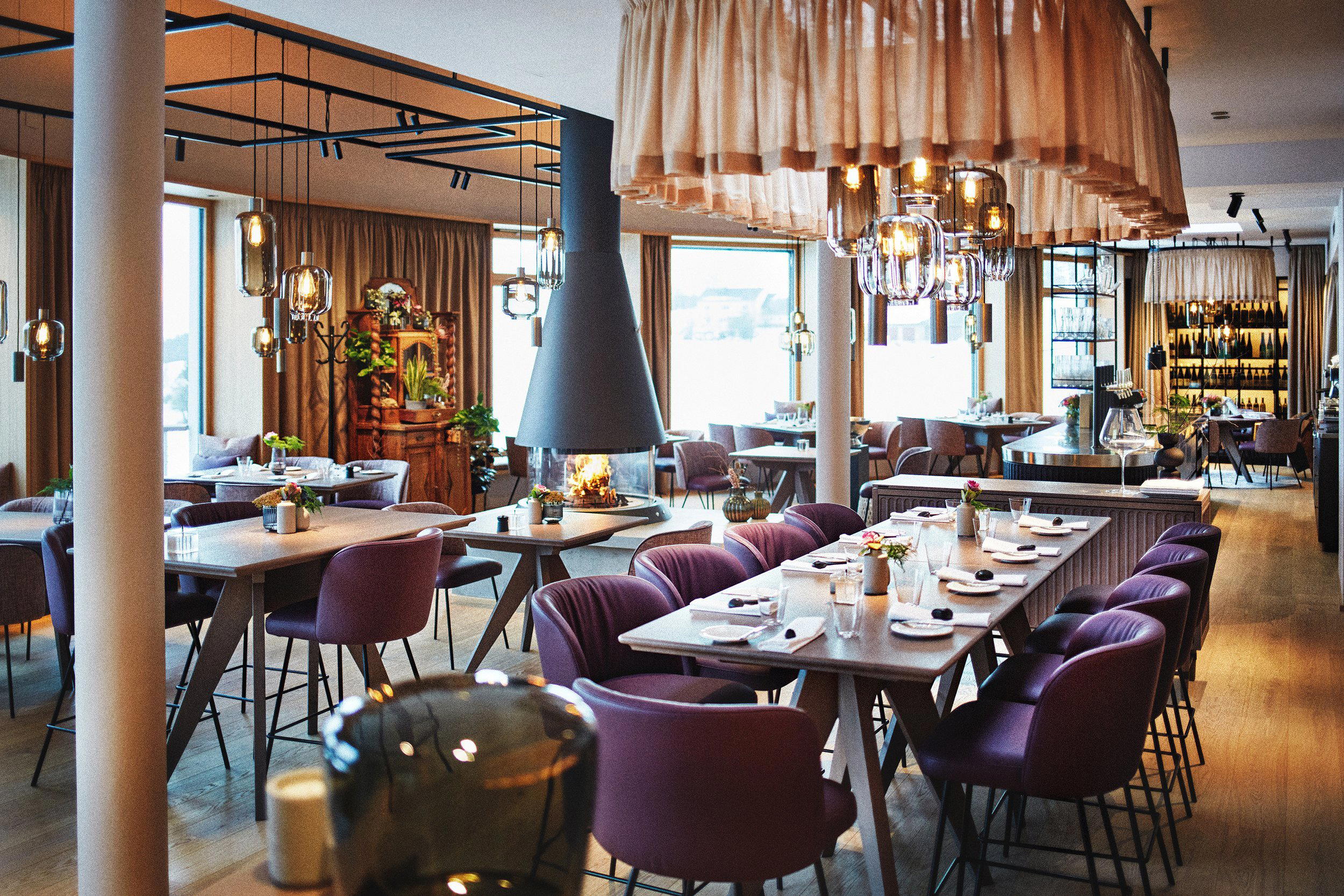
Gemütliches Ambiente with lovingly set tables and pleasant, traditional country inn atmosphere.