Weingut Jäger

Weingut Jäger sits at Kremser Str. 1 in Weißenkirchen in der Wachau, one of the Wachau's most closely watched wine addresses. For anyone tracing Wachau terroir at close range, it represents a serious point of reference.
Pearl is the En Primeur Club membership app — saves, bookings, and concierge access live there. Same editors, same standards.
- Address
- Kremser Str. 1, 3610 Weißenkirchen in der Wachau
- Phone
- +43 2715 2535
- Website
- weingut-jaeger.at
- Directions
- Get directions
 Saves & bookings on Pearl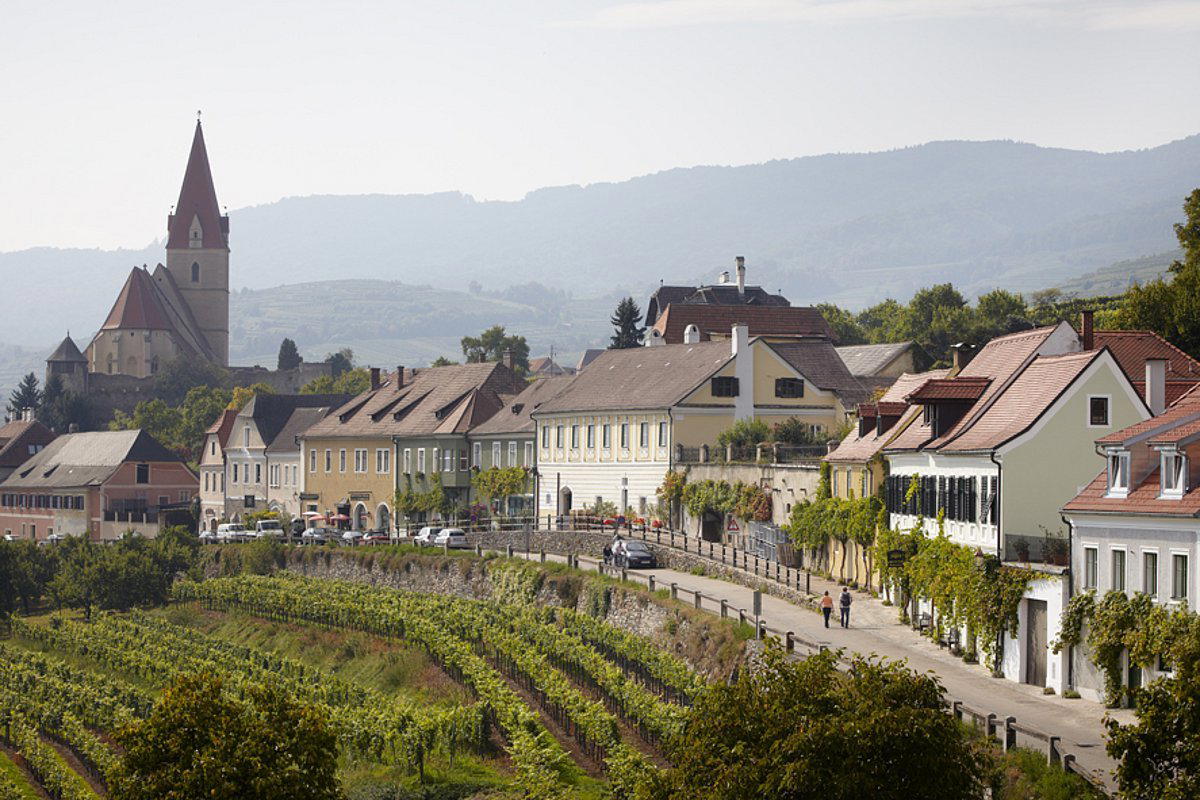
Where the Wachau Terroir Reads Most Clearly
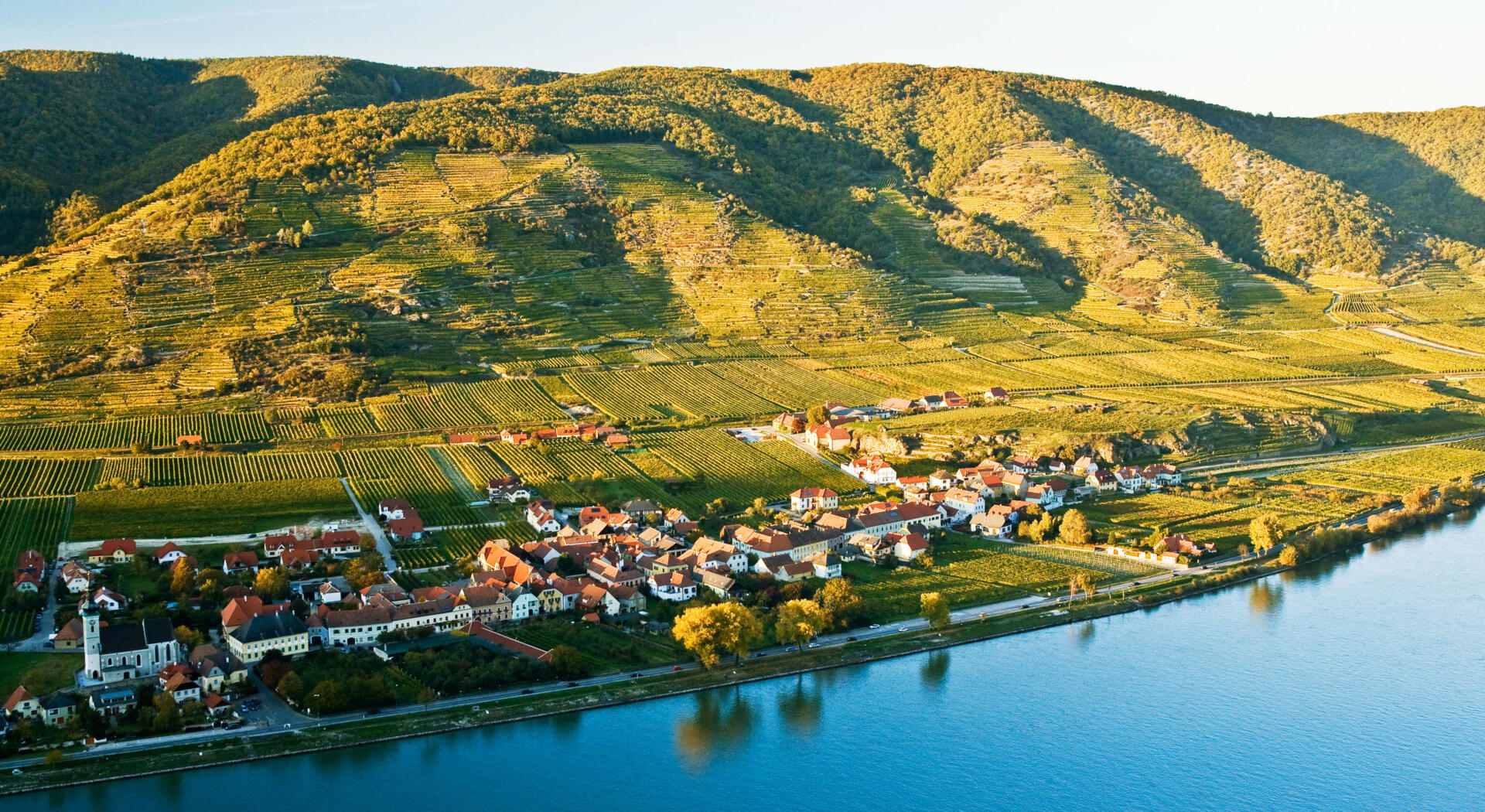
Weißenkirchen in der Wachau sits at one of the river's sharpest bends, where the Danube slows just enough for the south-facing terraces above town to collect heat through the afternoon and release it through cool nights. That thermal swing, steeper here than in the flatter stretches downstream, is what gives Wachau whites their structural tension: ripe fruit held in place by acid that has not been cooked out by uniformly warm evenings. Producers working these slopes are not expressing a house style so much as transcribing a site. Weingut Jäger, located at Kremser Str. 1 in Weißenkirchen in der Wachau, sits inside that conversation directly.
The Wachau has operated its own internal quality classification since 1983, when the Vinea Wachau Nobilis Districtus codified three tiers: Steinfeder (light, up to 11.5% alcohol), Federspiel (medium-weight, up to 12.5%), and Smaragd (the highest category, named for the emerald-green lizard found sunning on the stone walls). That last tier is where the valley's most age-worthy wines sit, and it is the tier that most serious visitors come to understand in depth. The classification system is voluntary but near-universal among the region's quality producers, and it gives consumers a rare, regionally specific quality signal that operates independently of external bodies.
Pearl-tier recognition in this context signals consistent quality across vintages rather than a single breakthrough bottling, which matters considerably in a region where vintage variation is pronounced. The Wachau sits far enough north that cool, wet springs or early autumn frosts can compress a harvest dramatically.
For context on the competitive set: the Wachau holds a relatively small number of estates that regularly earn prestige-tier recognition. Weingut Emmerich Knoll in Dürnstein and Weingut Prager, also based in Weißenkirchen, represent the generation of estates that defined the valley's international reputation from the 1990s onward. That Weingut Jäger holds its 2025 recognition alongside those names says something about where the estate sits within the valley's internal hierarchy. Outside the Wachau, Austrian wine's range extends to Langenlois in the Kamptal, where Weingut Bründlmayer works comparable loess and crystalline soils with a different but equally rigorous approach.
What the Land Is Actually Doing Here
Weißenkirchen's geology runs primarily to gneiss and granite on the upper terraces, with some loess pockets at lower elevations. Gneiss soils drain freely and warm quickly in the morning sun, creating the kind of rapid diurnal temperature shift that concentrates phenolics without sacrificing freshness. Riesling planted into these substrates tends toward a mineral, almost saline character rather than the stone-fruit softness that warmer, richer soils encourage. Grüner Veltliner, the other central variety of the Wachau, performs differently here than it does on the loess-heavy soils of the Kremstal or Kamptal: it is leaner, more peppery, and requires more patience in the glass.
The terraced structure of the vineyards is not primarily aesthetic; it is functional. Without stone-walled terraces, the steep slopes would shed topsoil in the first heavy rain. The walls also absorb heat during the day and radiate it back through the night, acting as a secondary thermal regulator alongside the river below. Maintaining those walls by hand is one of the defining economic challenges of Wachau viticulture, and it is one reason why mechanisation is nearly impossible and yields remain constrained. Estates working these sites are not choosing low yields as a marketing decision; they are accepting them as a geological fact.
Reading the Valley Through Weingut Jäger
One useful way to approach a Wachau producer of this standing is not as a destination in isolation but as a point of entry into a layered geography. Weißenkirchen itself is one of the more concentrated addresses for quality wine producers in the valley. The village is compact, walkable from the riverside Danube boat stop, and within close cycling distance of Dürnstein and Spitz. For visitors structuring a Wachau itinerary around producer visits, Weißenkirchen functions as a practical base as much as a destination in its own right.
Beyond the Wachau, the broader Austrian wine geography connects through several different axes. Producers working with different soil types and varieties give useful comparative reference points: Weingut Wohlmuth in Kitzeck works the Styrian Sauvignon Blanc tradition at the country's southern edge, while Weingut Kracher in Illmitz has defined Burgenland's sweet wine identity for decades. Those looking at natural and low-intervention approaches elsewhere in Austria might reference Weingut Pittnauer in Gols, whose work in the Neusiedlersee region sits at the opposite stylistic pole from the Wachau's classical restraint. Further afield within Austria, Weingut Heinrich Hartl in Oberwaltersdorf provides a Thermenregion reference point for those tracking the country's full varietal range.
Austrian spirits production also intersects with the wine world more than casual visitors expect. 1310 Spirit of the Country Distillery in Sierning, A. Batch Distillery in Bergheim, and 1516 Brewing Company Distillery in Vienna represent a parallel artisan production culture. For broader international comparative reference, Accendo Cellars in St. Helena and Aberlour in Aberlour sit in entirely different traditions but are referenced by the same prestige-tier collector network. 1404 Manufacturing Distillery in Sankt Peter-Freienstein and Weingut Scheiblhofer Distillery in Andau round out a picture of Austrian production that extends well beyond the valley.
Planning a Visit
Weißenkirchen is accessible by NÖVOG regional train from Krems, or by the seasonal Brandner Schiffahrt Danube boat service, which stops at the village dock. Driving from Vienna takes roughly 90 minutes via the A22 and B3. The Wachau's peak visiting season runs from late April through October, with harvest weeks in September and October drawing concentrated producer activity; spring visits, before tourist volumes build, give quieter access to the village and its wine addresses. For visits to the winery specifically, the estate is located at Kremser Str. 1. As no online booking system or phone contact appears in the current public record, direct approach to the estate in person or through enquiry via local tourism channels is the practical route. Arriving with prior contact is advisable.
Fast Comparison
Comparable venues nearby, for context on price, style, and recognition.
| Venue | Cuisine | Price | Notes |
|---|---|---|---|
| Weingut JägerThis venue — the venue you are viewing | Grüner Veltliner, Riesling | $$ | Not listed |
| Weingut Prager | Riesling, Grüner Veltliner | $$$ | Weißenkirchen |
| Weingut Josef Schmelz | Grüner Veltliner, Riesling | $$ | Joching |
| Weingut Lenz Moser | Grüner Veltliner, Blauer Zweigelt | $$ | Rohrendorf bei Krems |
| Destillerie Figerl | Winery | Not listed | Stanz bei Landeck |
| Brennerei Kirchbichler | Winery | Not listed | Wildschönau |
Recognition history
Dated appearances from independent guides and award organizations, with the underlying list record or original source where available.
Falstaff Winery - 3 Stars
Falstaff
Continue exploring
More in Weißenkirchen
Wineries in Weißenkirchen
Browse all →
Bars in Weißenkirchen
Browse all →

Restaurants in Weißenkirchen
Browse all →
At a Glance
- Rustic
- Scenic
- Cozy
- Classic
- Wine Education
- Solo Exploration
- Terrace
- Sustainable
- Vineyard
- Mountain
- Wachau DAC
- Grüner Veltliner
- Riesling
- Still White
- Cave Tasting
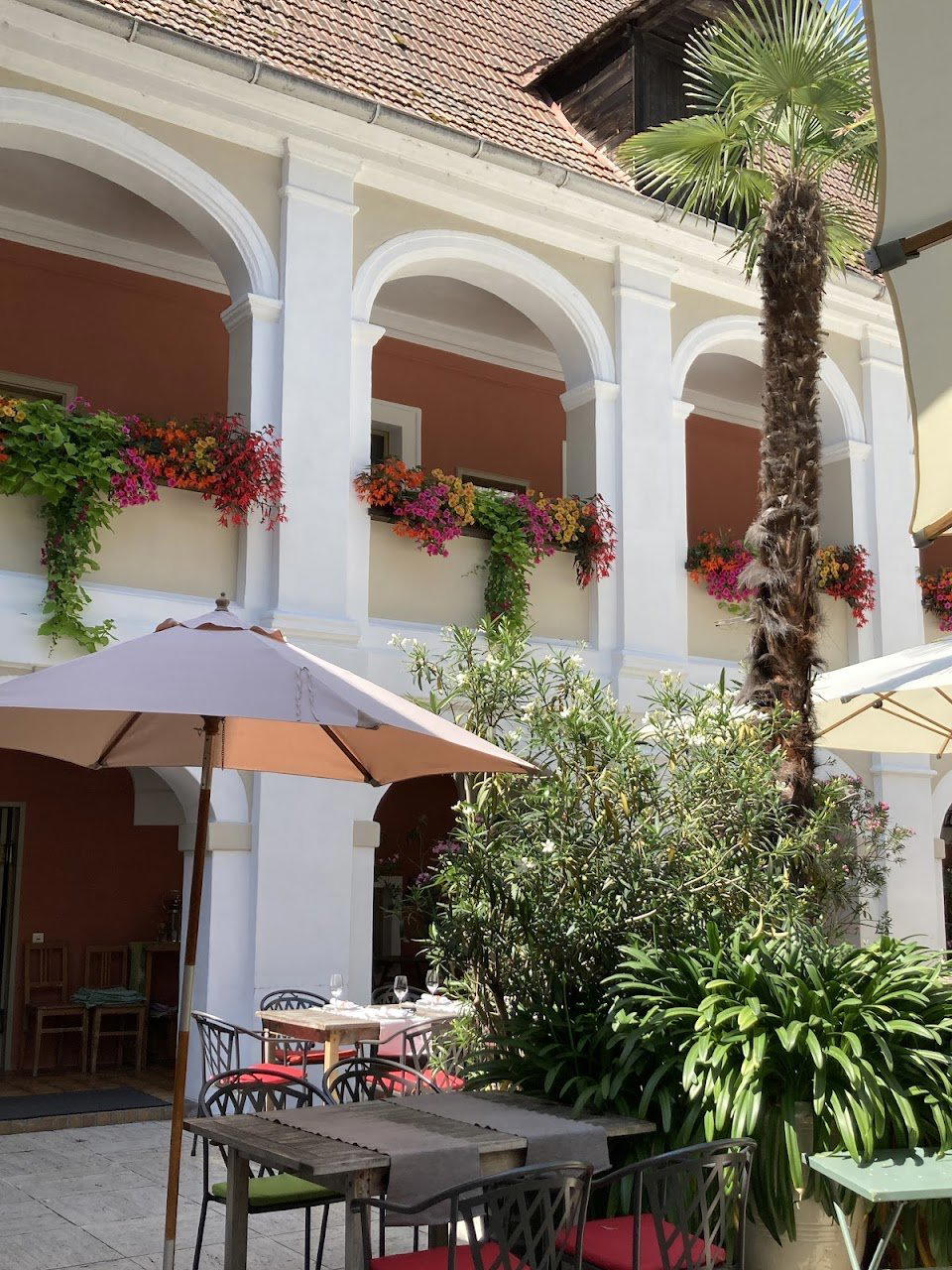
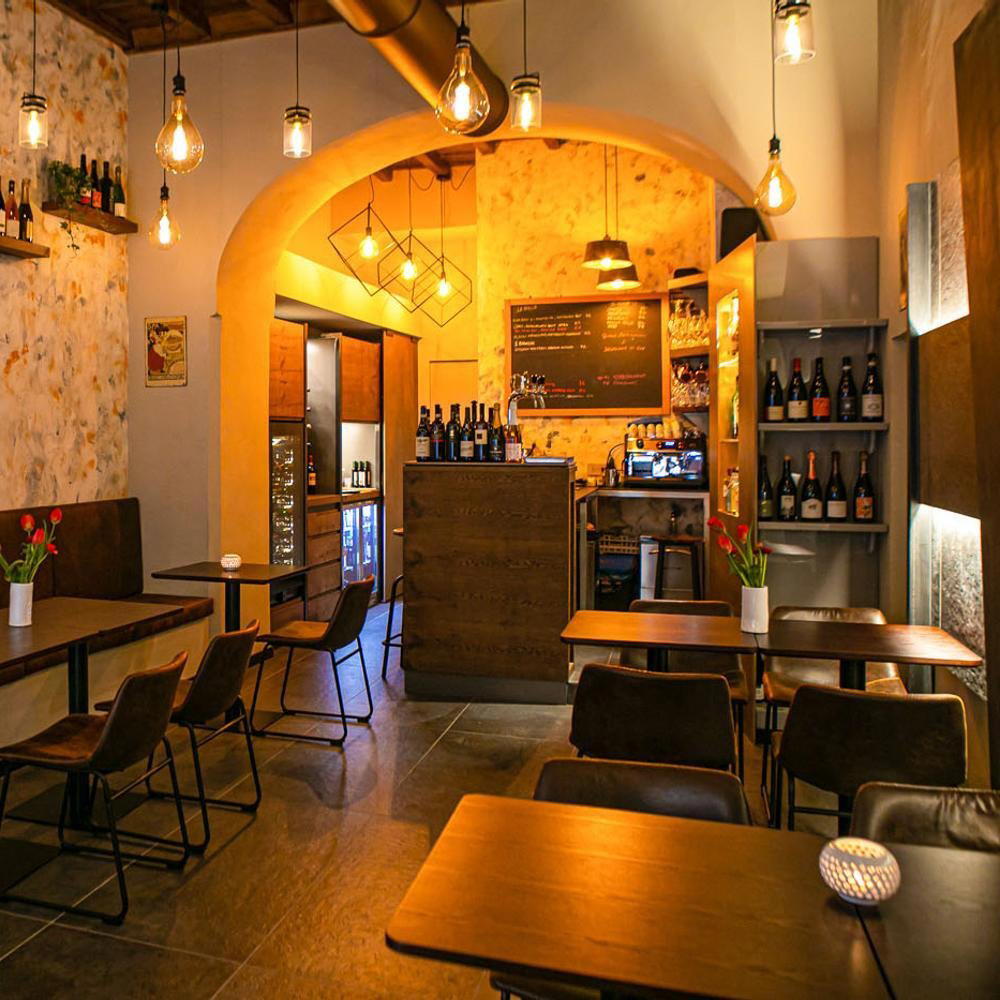
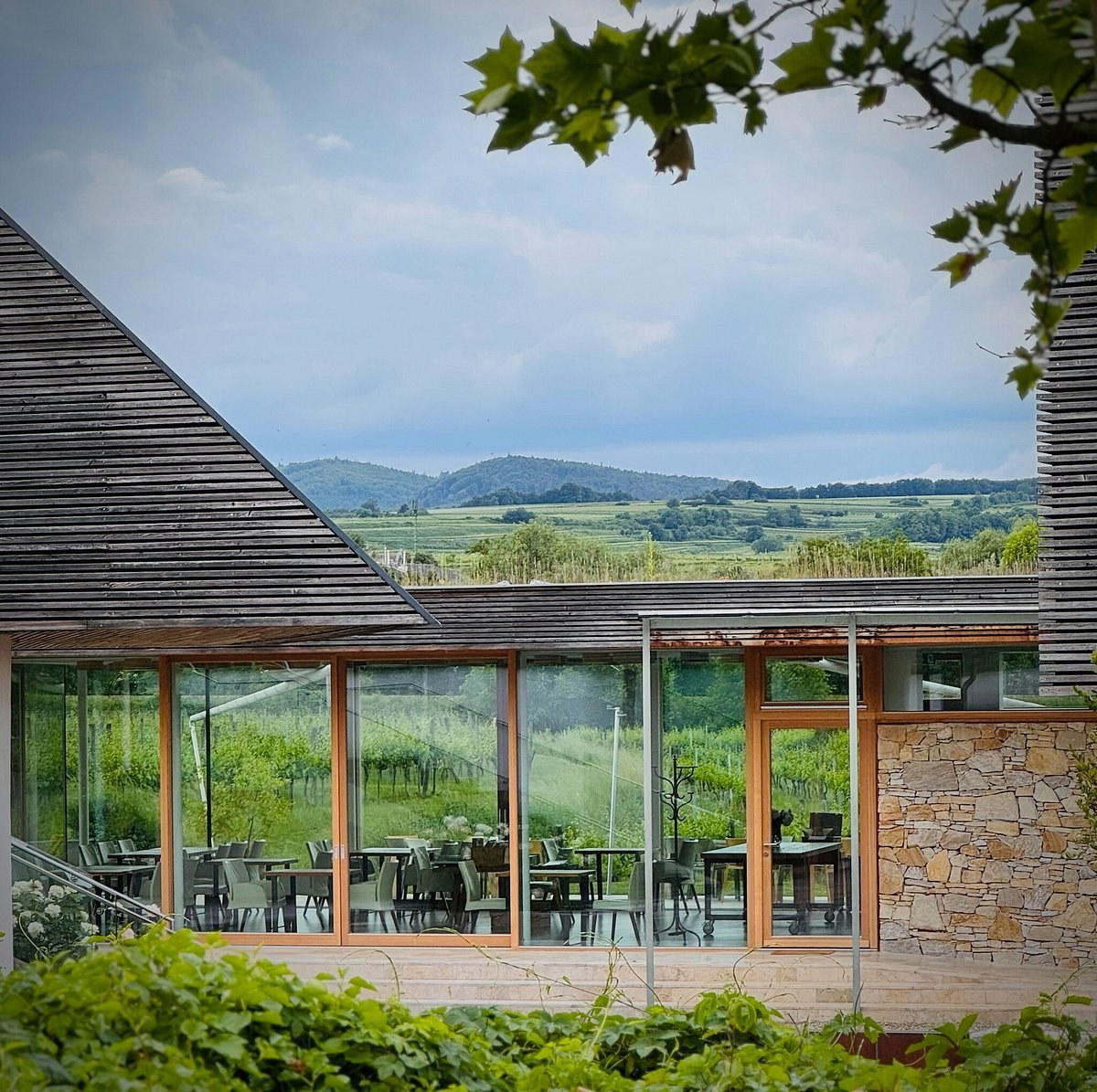
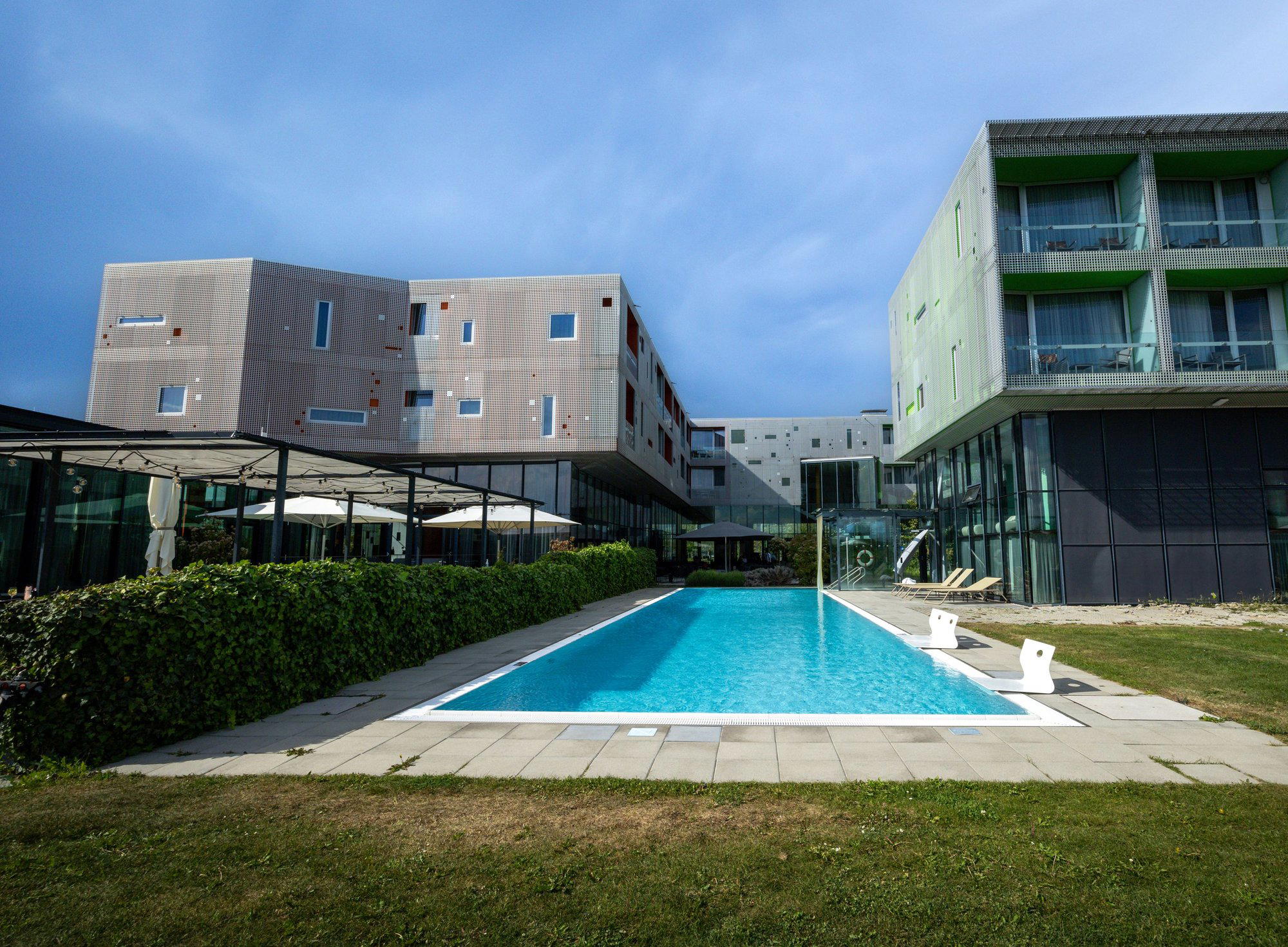
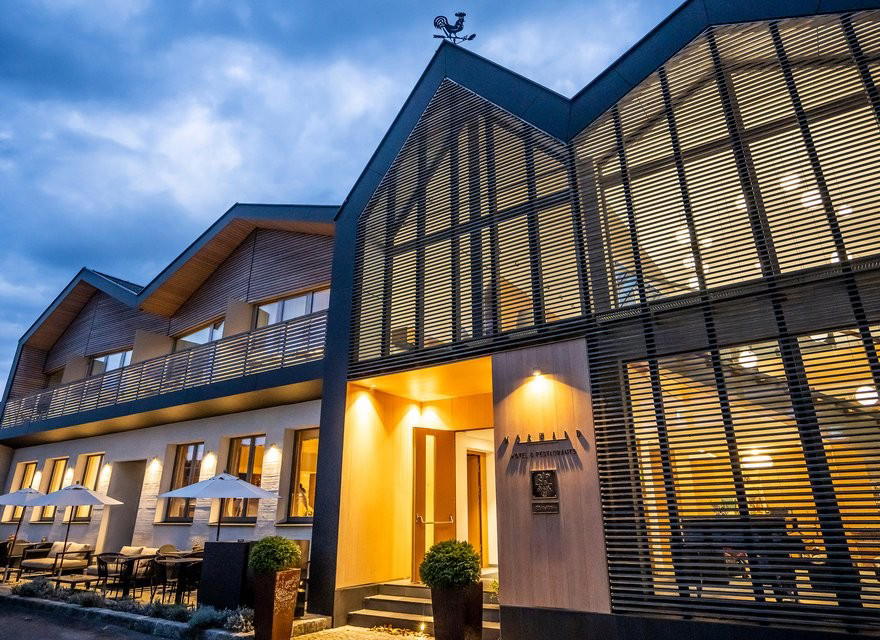
Traditional, welcoming atmosphere with Heuriger hospitality and scenic vineyard surroundings.