Porzellan occupies a quiet address on Servitengasse in Vienna's 9th district, a neighbourhood where the city's progressive dining conversation has been building steadily away from the Innere Stadt. The restaurant fits a pattern visible across Vienna's creative tier: compact format, deliberate pacing, and a meal structure that rewards attention to sequence rather than individual dishes in isolation.
Pearl is the En Primeur Club membership app — saves, bookings, and concierge access live there. Same editors, same standards.
- Address
- Servitengasse 2, 1090 Wien, Austria
- Phone
- +434313156363
- Website
- porzellan-lounge.at
- Directions
- Get directions
 Saves & bookings on Pearl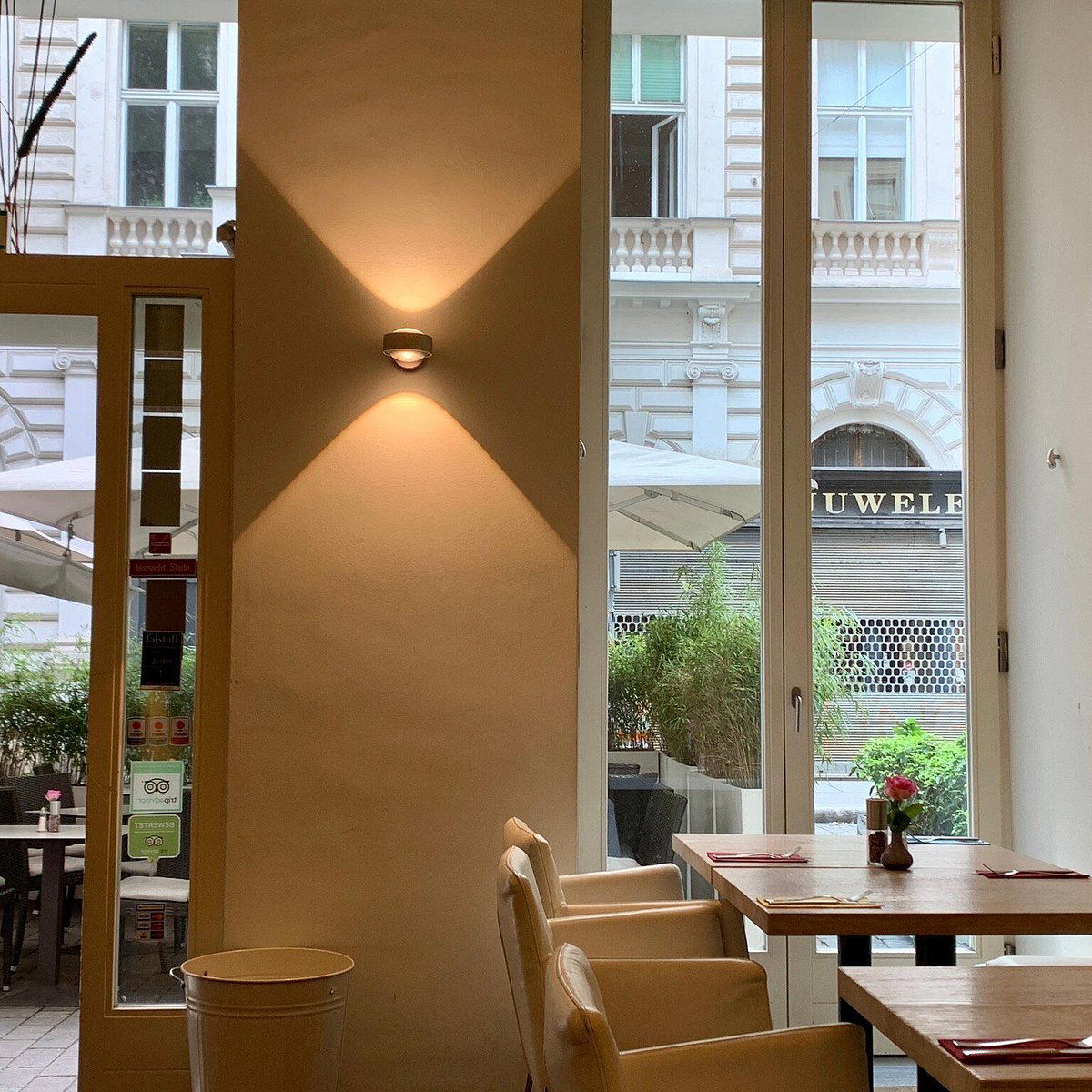
The Ninth District and the Quiet Shift in Vienna's Fine Dining Geography
Vienna's serious restaurant conversation used to begin and end inside the Ringstrasse. That centre of gravity has been shifting. The 9th district, Alsergrund, has accumulated enough considered restaurants, wine bars, and neighbourhood institutions to function as a genuine alternative to the 1st, one where the dining register tends toward restraint rather than ceremony. Servitengasse 2 sits in the 9th district, and that address already signals something about what Porzellan is doing: it is not positioning against the grand hotel dining rooms or the tourist-facing Innere Stadt, but against the growing tier of urban European restaurants where format and sequence carry more weight than room size or name recognition.
That positioning places Porzellan alongside a recognisable cohort. Vienna's €€€€ creative tier, represented by addresses like Steirereck im Stadtpark, Amador, Konstantin Filippou, and Mraz & Sohn, has consolidated around multi-course tasting formats, seasonal sourcing from Austrian producers, and kitchens that treat the progression of a meal as a compositional problem rather than a sequence of independent plates. Porzellan reads as part of that movement, though it operates at a neighbourhood scale rather than a destination-restaurant scale.
Reading the Room on Servitengasse
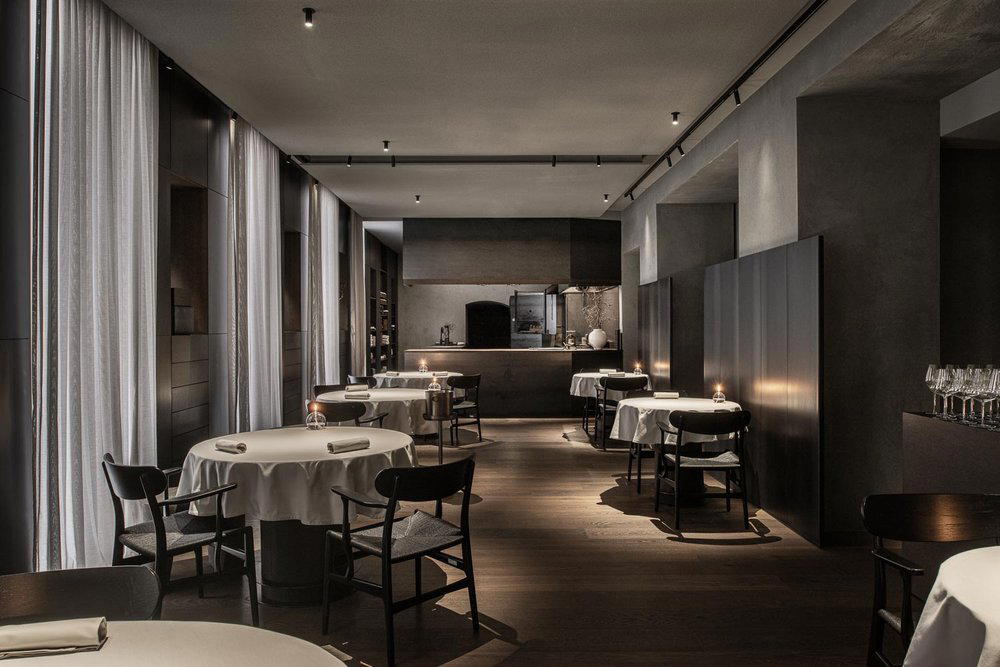
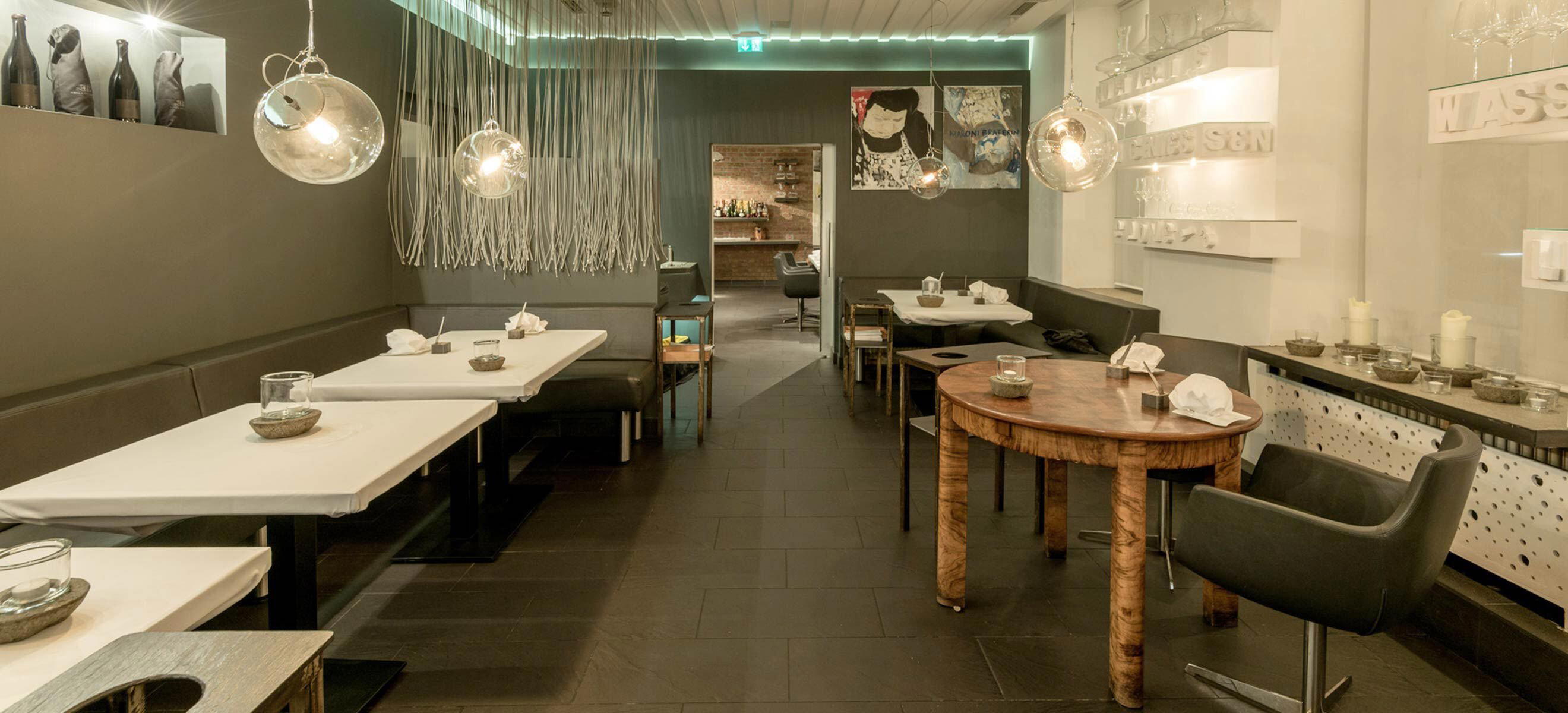
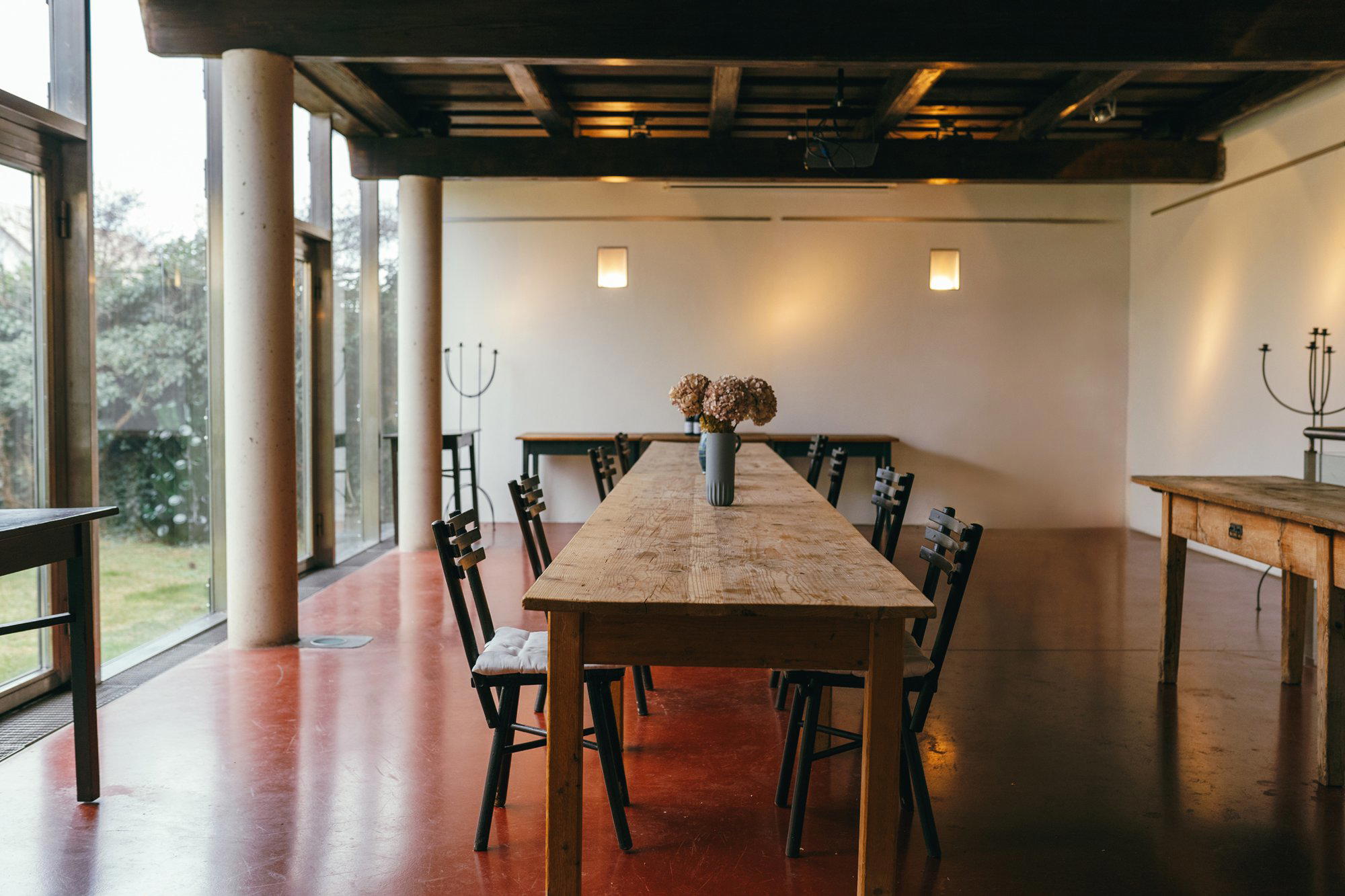
The name Porzellan, porcelain in German, carries specific weight in a city where tableware has historically been treated as an extension of culinary intent. Vienna's café and restaurant culture produced some of Europe's most deliberate service traditions, and the choice of that name suggests an interest in the material conditions of eating: the temperature of a plate, the weight of a bowl, the way a vessel frames what arrives in it. Whether or not the room itself delivers on that register, the framing sets an expectation that the physical experience of the meal matters as much as what is on it.
Alsergrund is a district of medical faculties, residential streets, and a handful of restaurants that have drawn notice without aggressively seeking it. The approach to Porzellan along Servitengasse is quiet, the kind of street where you check the address twice. That experience of slight displacement, of arriving somewhere that is not signposted for visitors, is increasingly common among the better-regarded small restaurants in European cities, from Doubek in Vienna's own quieter corners to similarly low-profile addresses in other capitals. The restaurants that survive in these locations tend to do so on the strength of the meal itself rather than foot traffic.
The Arc of a Meal: Sequence as the Argument
In Vienna's creative dining tier, the tasting menu is less a sales format than a structural commitment. The kitchen at this level is saying something specific: that individual dishes are not the unit of meaning, that a plate of food only fully registers in relation to what came before it and what follows. The leading multi-course meals in Austria work this way, whether at Döllerer in Golling an der Salzach or Obauer in Werfen, where the sequencing of texture, temperature, and intensity is itself the editorial point.
A meal structured with genuine intent typically moves through recognisable phases: something sharp and clean to calibrate the palate, a middle section where richness and complexity accumulate, and a resolution that either continues to build or deliberately steps back. The risk in any multi-course format is front-loading impact and losing momentum by the midpoint, or conversely, holding too much back so that the opening courses feel underserved. The restaurants in Vienna's creative comparable set that have sustained attention over time, including Mraz & Sohn and Konstantin Filippou, tend to handle this arc with discipline, treating the mid-meal as the demanding section rather than the opening flourishes. That discipline in sequencing is what separates a technically proficient tasting menu from one that reads as a genuine argument about food.
At a neighbourhood-scale address like Porzellan, the format pressure is different from a larger destination restaurant. Fewer covers, a more intimate room, and a clientele drawn significantly from the immediate district rather than international visitors create conditions where the kitchen can take more considered risks with pacing. The meal does not need to announce itself immediately; it can earn its position across the full arc. This is a structural advantage that smaller Vienna restaurants have over their more celebrated counterparts, whose larger rooms and higher-profile bookings demand a certain consistency of spectacle.
Vienna's Creative Tier in European Context
Austrian fine dining occupies a specific position in the European creative hierarchy. It is not as externally legible as French or Danish cooking, but it has a coherent set of ingredients and producers to draw from: Wachau valley produce, Styrian pumpkin and game, alpine dairy, and a wine culture, particularly around Grüner Veltliner and Riesling, that pairs with precision-driven food more naturally than the heavier red wines that dominate other European fine dining traditions. The leading Austrian restaurants use these materials with enough confidence that the provenance feels inherent rather than performative.
Internationally, the comparison set for this style of cooking sits somewhere between the Nordic restraint that spread outward from Copenhagen and the more ingredient-forward approach of places like Le Bernardin in New York, where the material itself is the argument and technique exists to serve rather than to demonstrate. In the American context, the tasting-menu format at Atomix in New York City offers a parallel example of how a small, deliberate counter can operate at the highest level of intent without requiring the institutional infrastructure of a legacy restaurant. Porzellan on Servitengasse belongs to a similar conversation, one that is increasingly global even as it plays out in a specific residential street in Vienna's 9th district.
For readers building a broader Austrian itinerary, the country's fine dining scene extends well beyond the capital. Ikarus in Salzburg, Griggeler Stuba in Lech, Gourmetrestaurant Tannenhof in Sankt Anton am Arlberg, Kräuterreich by Vitus Winkler in Sankt Veit im Pongau, Landhaus Bacher in Mautern an der Donau, Schwarzer Adler in Hall in Tirol, Restaurant 141 by Joachim Jaud in Mieming, and Ois in Neufelden each represent distinct regional expressions of Austrian fine dining, and together they map a country that takes this format with considerably more seriousness than its international profile might suggest.
Planning Your Visit
Address: Servitengasse 2, 1090 Wien, Austria. Reservations are recommended. Timing: The restaurant is open Monday through Friday from 9 AM to 12 AM, and closed Saturday and Sunday. Dress: Smart-casual.
Comparable Spots
Comparable venues nearby, for context on price, style, and recognition.
| Venue | Cuisine | Price | Notes |
|---|---|---|---|
| PorzellanThis venue — the venue you are viewing | Modern Austrian Lounge | $$ | Not listed |
| DAST Restaurant | Modern Austrian Tapas | $$ | Wahring |
| Kussmaul | Modern Austrian | $$$ | Innere Stadt |
| The Guesthouse Vienna | Modern Viennese Brasserie | $$ | Innere Stadt |
| Sperling im Augarten | Modern Austrian with Vegetarian Focus | $$ | Brigittenau |
| Émile | Modern Austrian Brasserie | $$$ | Inner City |
Continue exploring
More in Vienna
Restaurants in Vienna
Browse all →
Bars in Vienna
Browse all →
Hotels in Vienna
Browse all →
At a Glance
- Modern
- Elegant
- Cozy
- Date Night
- Casual Hangout
- Terrace
Current opening hours
- Monday
- 9 AM–12 AM
- Tuesday
- 9 AM–12 AM
- Wednesday
- 9 AM–12 AM
- Thursday
- 9 AM–12 AM
- Friday
- 9 AM–12 AM
- Saturday
- Closed
- Sunday
- Closed
Hours can change for holidays and private events. Last verified .
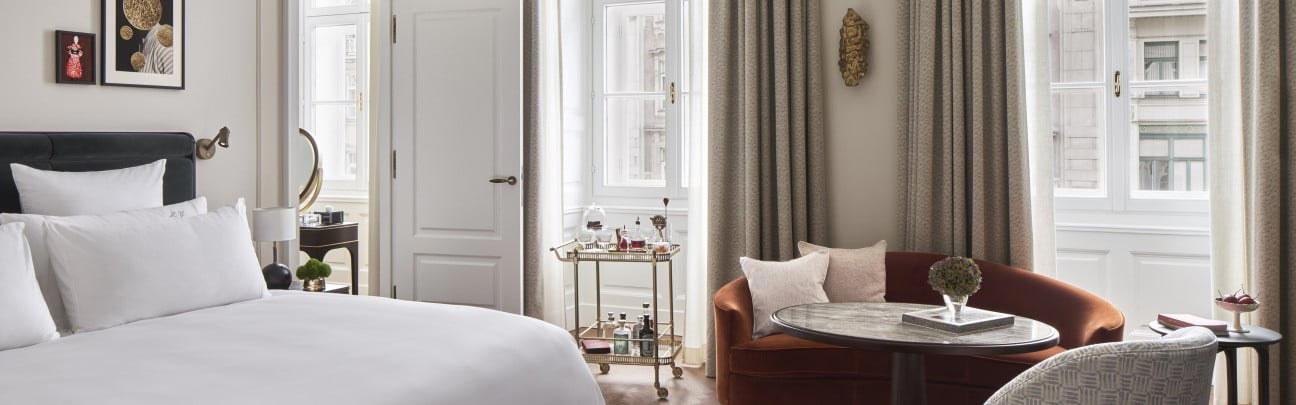
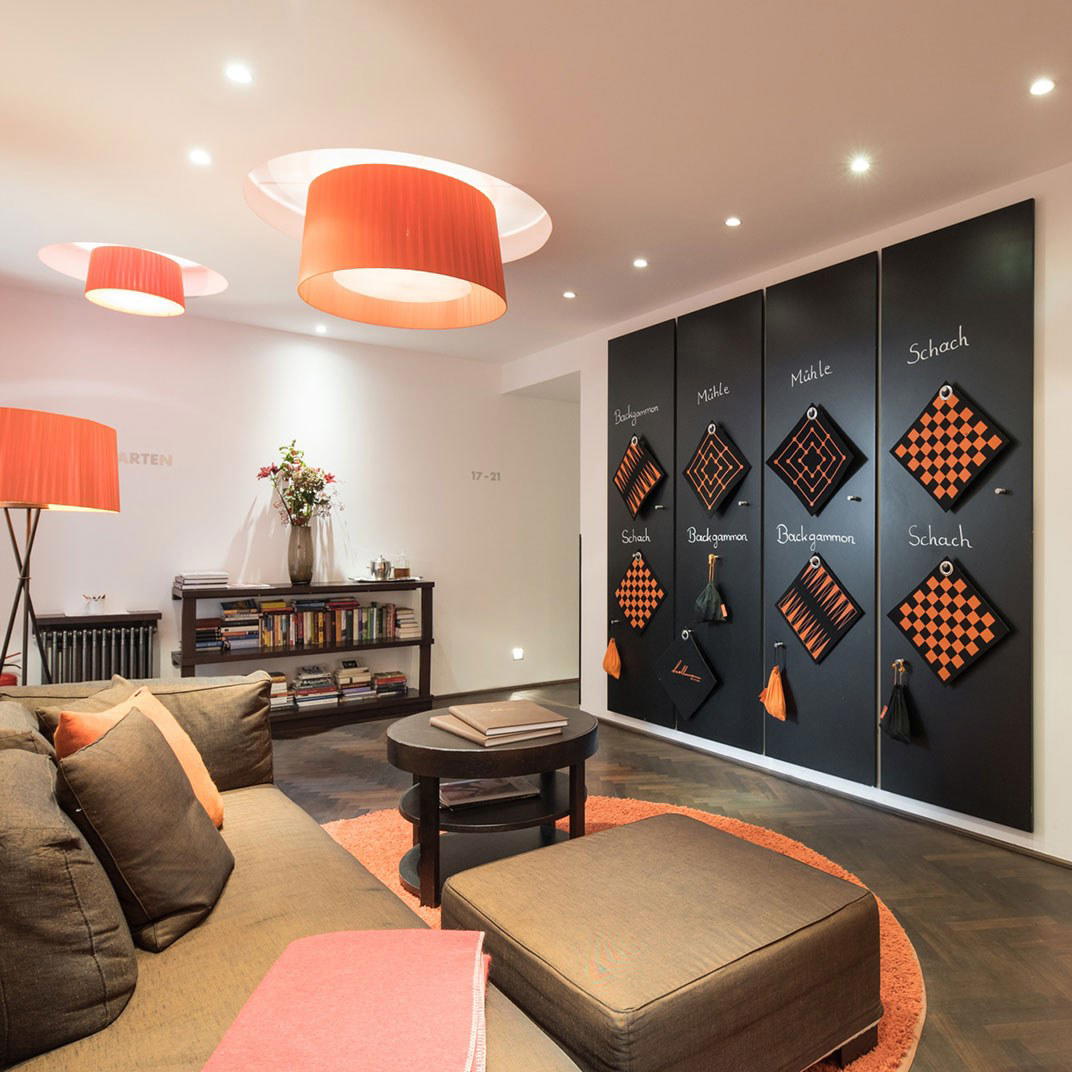
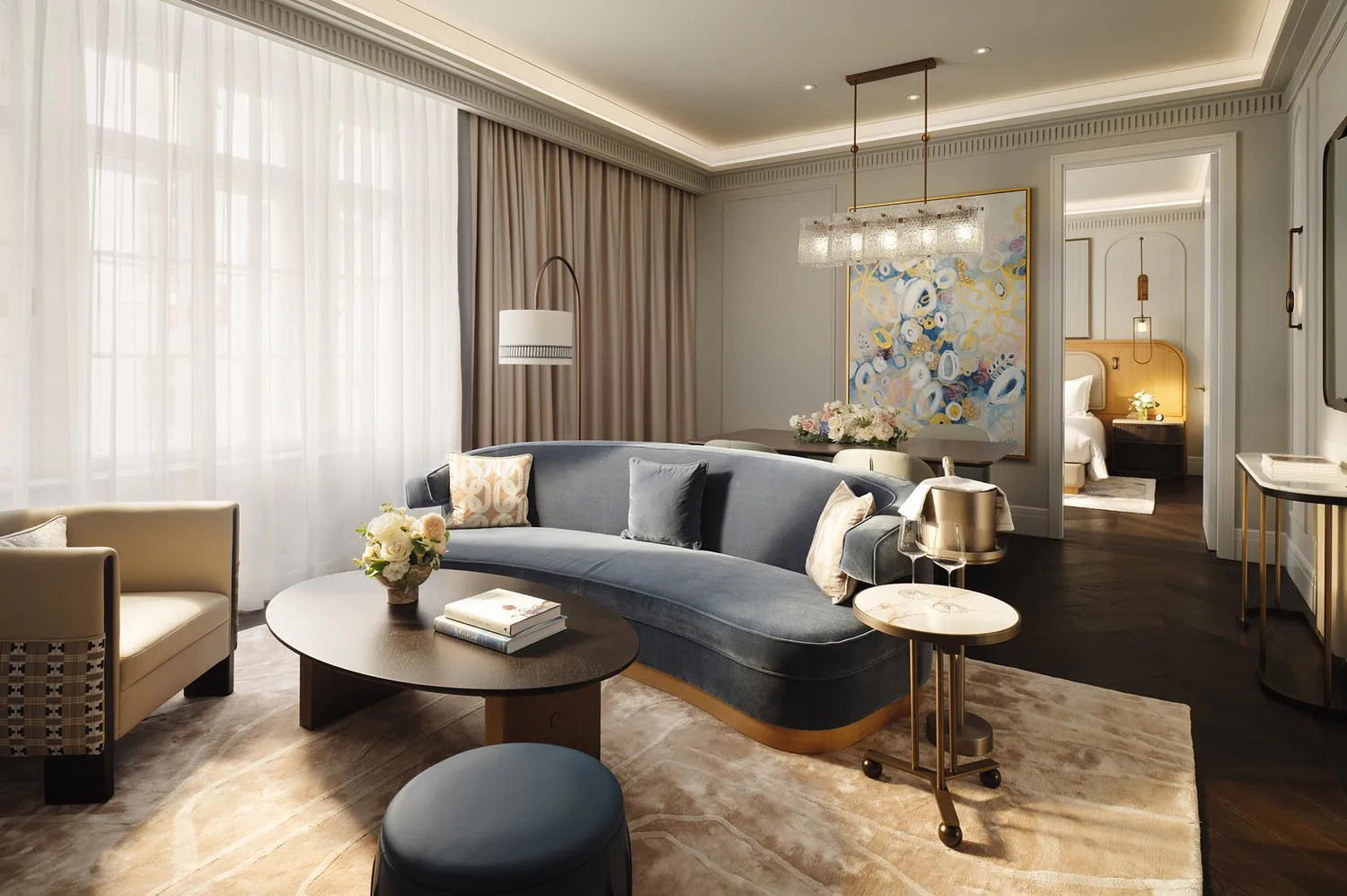
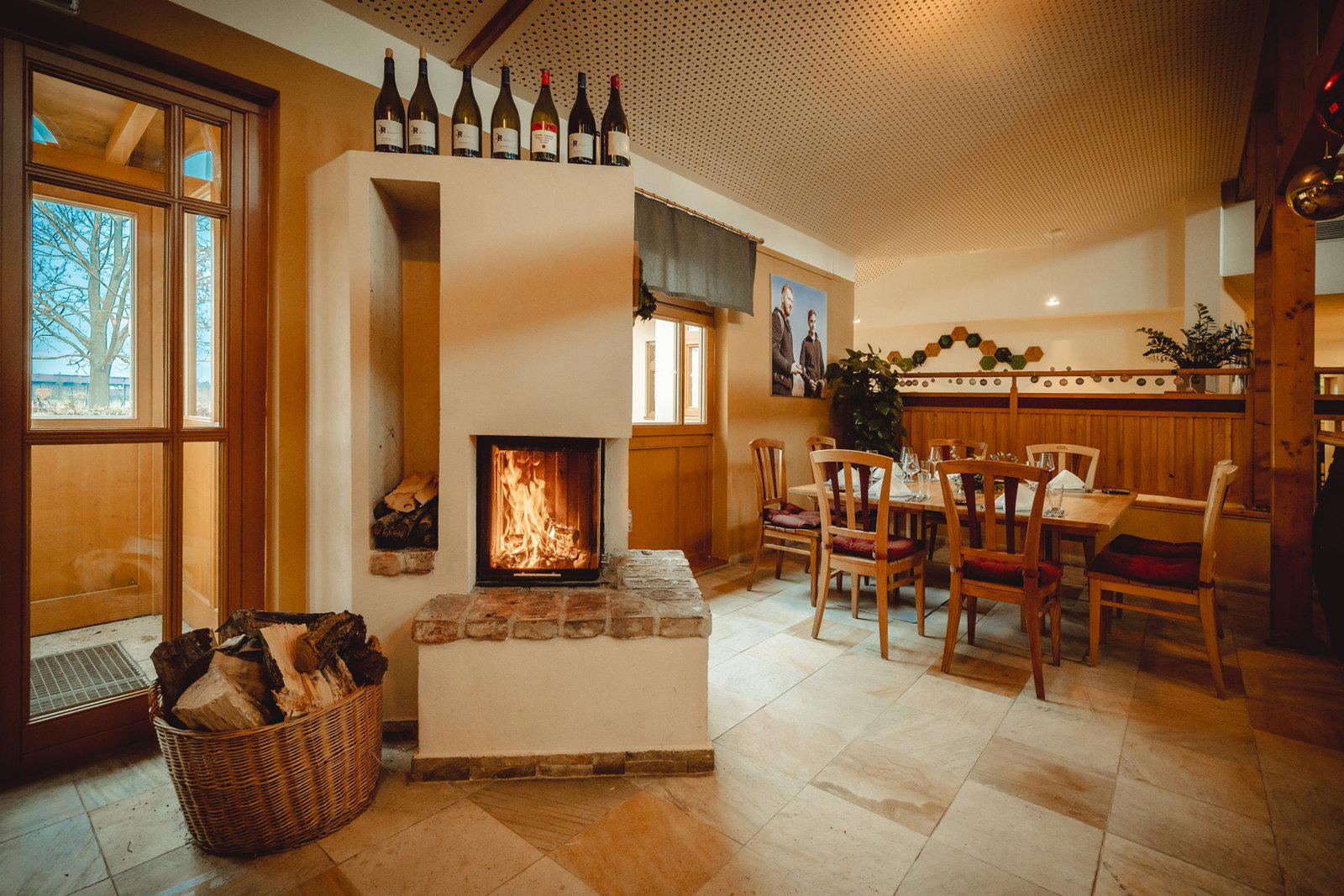
Bright, upscale, and modern atmosphere with excellent indoor and outdoor seating options.