
Weingut Franz Hirtzberger sits at Kremserstraße 8 in Spitz, at the heart of the Wachau's most storied Grüner Veltliner and Riesling corridor. Awarded Pearl 2 Star Prestige in 2025, the estate belongs to the small tier of Austrian producers whose allocations travel further than their profile. Visitors to the Wachau region should treat a visit as a serious scheduling priority.
Pearl is the En Primeur Club membership app — saves, bookings, and concierge access live there. Same editors, same standards.
- Address
- Kremserstraße 8, 3620 Spitz
- Phone
- +43 2713 2209
- Website
- hirtzberger.com
 Saves & bookings on Pearl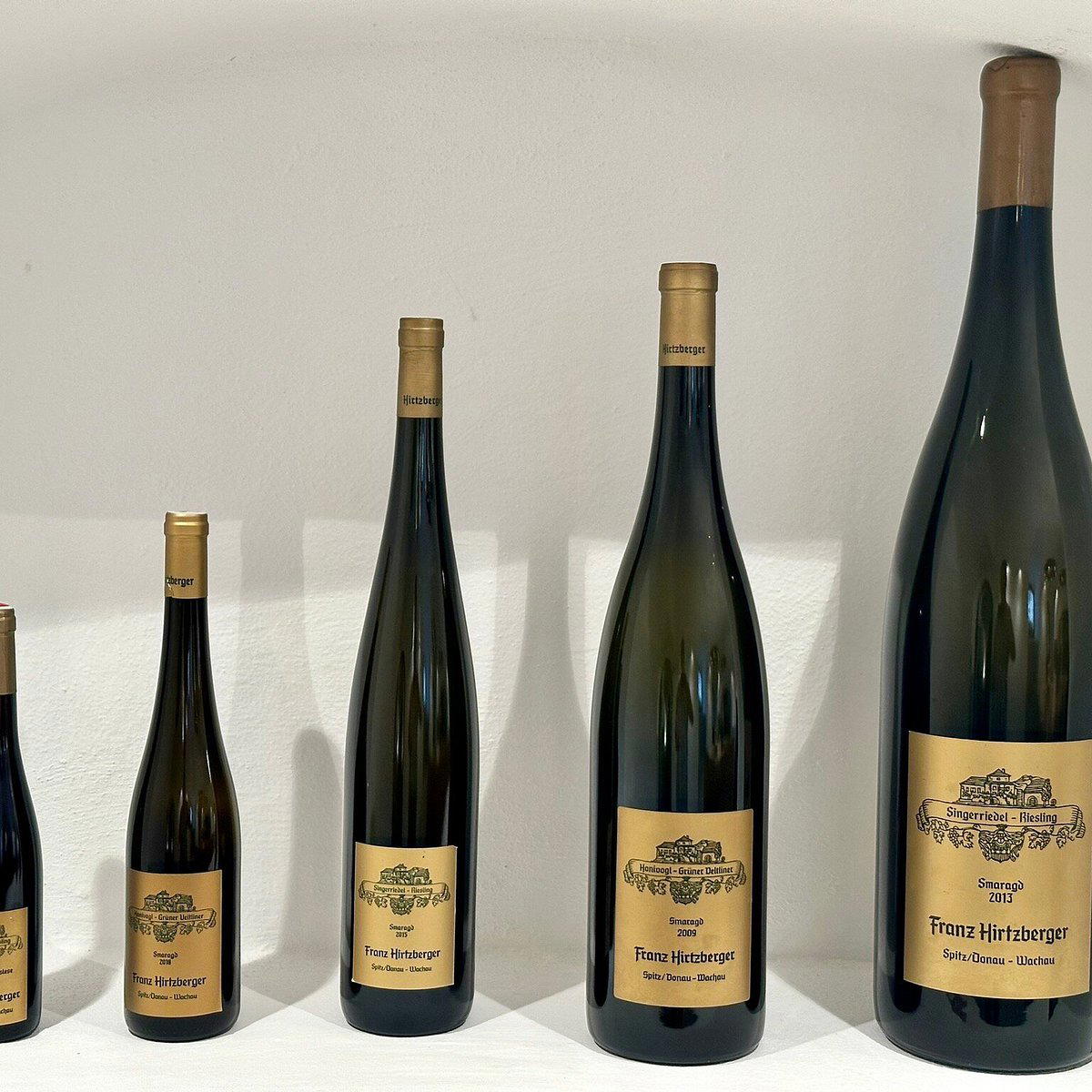
Where the Wachau Concentrates Its Leading Argument
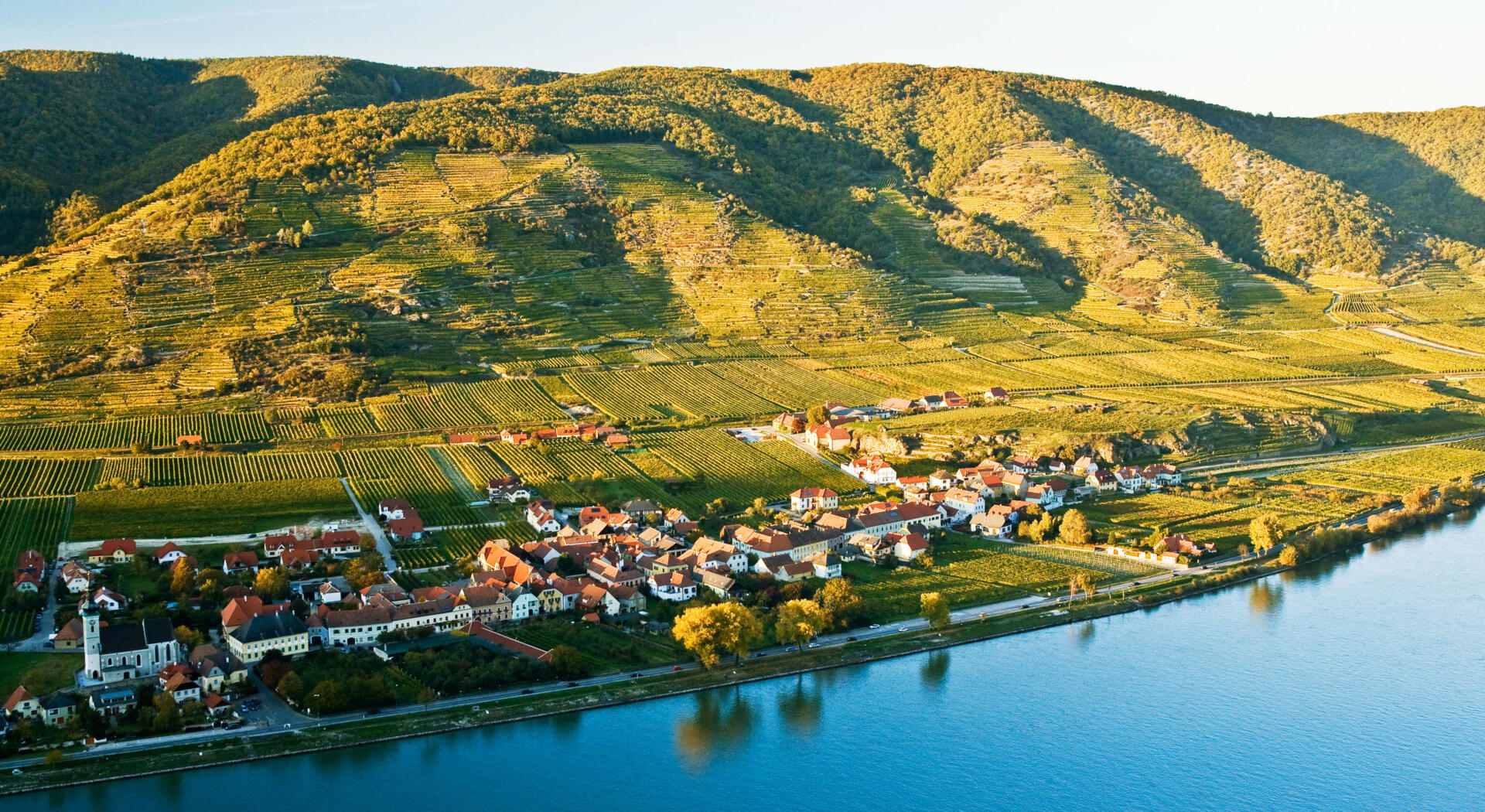
The road through Spitz runs close enough to the Danube that the river light shifts the colour of the terraced vineyards above it by the hour. This is the Wachau's interior, where the valley narrows, the schist and gneiss soils deepen in character, and the gap between a well-made wine and a great one becomes a matter of metres of altitude and aspect. Weingut Franz Hirtzberger, at Kremserstraße 8, sits inside that geography, not as a postcard address but as a working argument that place, handled with discipline, produces wines that read differently from those grown in warmer, flatter parts of Austria.
The Wachau operates under its own classification system, the Vinea Wachau, which distinguishes wines by body and alcohol rather than by appellation hierarchy alone. Steinfeder, Federspiel, and Smaragd represent ascending weight and ripeness, and the Smaragd tier, named after the local emerald-green lizard that basks in the same sun as the late-harvest grapes, is where the region's ambitions concentrate. It is in this context that Franz Hirtzberger holds its position: among a small cohort of Wachau estates whose Smaragd wines are the primary reference point for what the region can do at full expression. The 2025 Pearl 2 Star Prestige award confirms what the international trade has tracked for years: this is an estate that benchmarks against its category, not against the Wachau average.
Riesling and Grüner Veltliner as Structural Arguments
Austrian wine criticism often frames the country's identity around the tension between Grüner Veltliner's peppery, mineral directness and Riesling's more architectural precision. In the Wachau, both varieties find extreme expressions: the valley's continental climate, moderated by cool Waldviertel winds funnelling from the north, allows grapes to ripen slowly without losing acidity, which is the structural prerequisite for age-worthy wine at any alcohol level.
Hirtzberger's vineyards draw from named sites that carry real weight in the regional conversation. The Singerriedel is among the most discussed single vineyards in the Wachau, a steep south-facing slope above Spitz that produces Riesling of notable concentration and longevity. Wines from sites like these do not require embellishment in the winery, the argument for low-intervention handling makes itself when the raw material arrives with this level of site specificity. What distinguishes the estate's approach, consistent with the broader Wachau tradition among its leading producers, is a winemaking framework that preserves rather than transforms: long elevage, careful pressing, and a resistance to shortcuts that might trade longevity for immediate accessibility.
For visitors arriving from broader Austrian wine experiences, the contrast with producers in other regions, Weingut Bründlmayer in Langenlois operating across Kamptal's different soil profiles, or Weingut Kracher in Illmitz working the Burgenland's botrytis conditions, sharpens the sense of what the Wachau schist terroir specifically demands and delivers. The Wachau is not trying to compete with those regions; it is making a different claim entirely, one built on tension and mineral length rather than fruit weight or sweetness.
The Estate in Its comparable set
Within Spitz and the surrounding Wachau, Hirtzberger occupies the upper tier alongside a small group of producers whose wines reach international allocation lists and whose vintages are discussed in the same breath as leading Burgundy houses and German Grosse Gewächs producers. Weingut Emmerich Knoll in Dürnstein and Weingut FJ Gritsch (Mauritiushof) represent the nearest geographic peers, each working within similar Vinea Wachau frameworks but from distinct site portfolios and stylistic orientations. Gritsch, also based in Spitz, offers a useful local comparison: both estates work with the same valley conditions, yet the differences in site selection and cellar approach produce wines that a serious taster would not confuse.
The 2025 Pearl 2 Star Prestige recognition places Hirtzberger in a cohort where the expectation is not merely competent Smaragd production but wines with the depth to develop across a decade or more. That framing matters for how a visitor should approach the estate: this is not a drop-in tasting scenario calibrated for casual tourism, but a producer whose wines reward the kind of attention that comes from understanding the vintage context, the site hierarchy, and the regional classification system.
Broader Austrian producers earning recognition at this level, Weingut Wohlmuth in Kitzeck in Styria, Weingut Pittnauer in Gols in Burgenland, and Weingut Heinrich Hartl in Oberwaltersdorf south of Vienna, operate in fundamentally different terroir conditions. The Pearl 2 Star Prestige award across such varied regions reflects the diversity of Austrian wine's ambitions, but the Wachau's claims remain the most geographically specific, built on a narrow valley with codified rules that most other Austrian appellations do not impose on themselves.
Planning a Visit to Spitz
Spitz sits roughly 90 kilometres west of Vienna along the Danube, accessible by the Westautobahn or by the scenic Wachau Valley train line that follows the river through Krems and Dürnstein before reaching the village. The estate address at Kremserstraße 8 places it within the village centre, accessible without navigating the steep vineyard roads that characterise some of the more remote Wachau producers.
The Wachau harvest window runs from September through October depending on the vintage. The Wachau World Heritage region attracts tourists for the scenery as much as the wine, which means that estate appointments during peak autumn weeks fill weeks in advance. Spring visits, particularly April and May, offer a quieter alternative with the added context of seeing the vine growth cycle in its early stages.
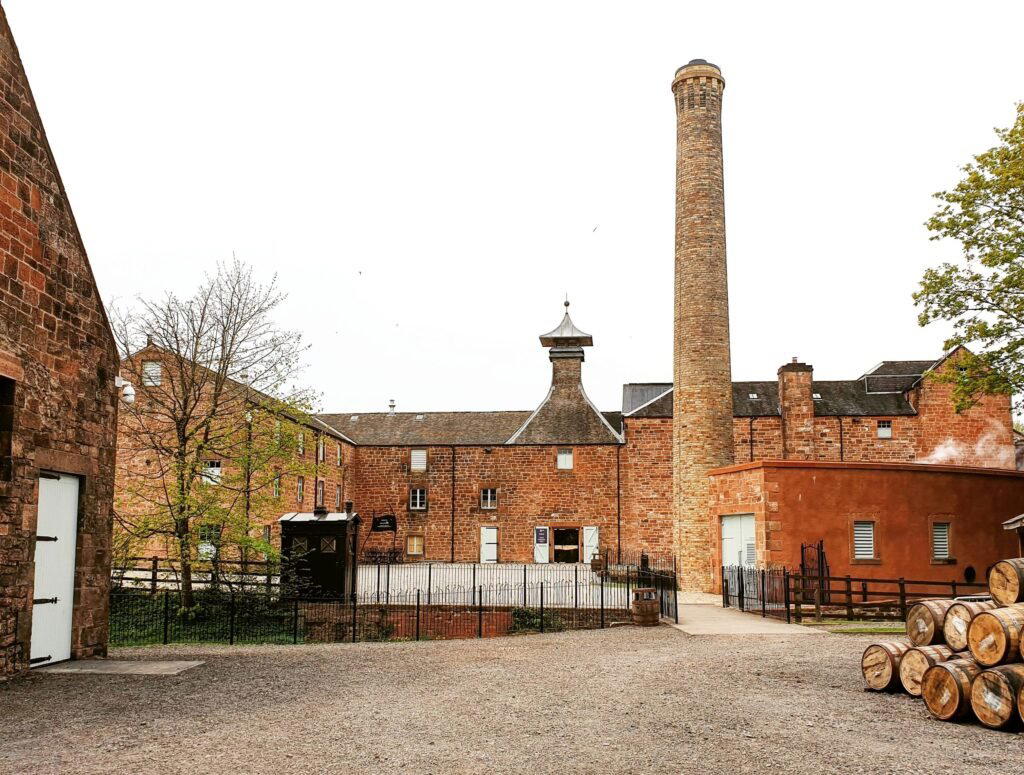
Visitors are advised to seek current contact information through the Vinea Wachau association or specialist Austrian wine importers, many of whom maintain direct relationships with the estate. For those exploring Austria's broader producer network, the contrast with distillery-led operations, Weingut Scheiblhofer Distillery in Andau, 1310 Spirit of the Country Distillery in Sierning, and A. Batch Distillery in Bergheim, underscores how far Austrian premium production extends beyond wine, though Hirtzberger's focus remains entirely within the Wachau's narrow, serious viticulture tradition.
Pricing, Compared
Comparable venues nearby, for context on price, style, and recognition.
| Venue | Cuisine | Price | Notes |
|---|---|---|---|
| Weingut Franz HirtzbergerThis venue — the venue you are viewing | Spitz, Riesling, Grüner Veltliner | $$$ | |
| Weingut FJ Gritsch (Mauritiushof) | Spitz, Grüner Veltliner, Riesling | $$ | |
| Weingut Rainer Christ | $$$ | Jedlersdorf, Floridsdorf, Grüner Veltliner, Riesling | |
| Weingut Jurtschitsch | Langenlois, Grüner Veltliner, Riesling | $$$ | |
| Strassbauer Distillery | Winery | , | |
| Weingut Ernst Triebaumer | Rust, Blaufränkisch, Chardonnay | $$$ |
Continue exploring
More in Spitz
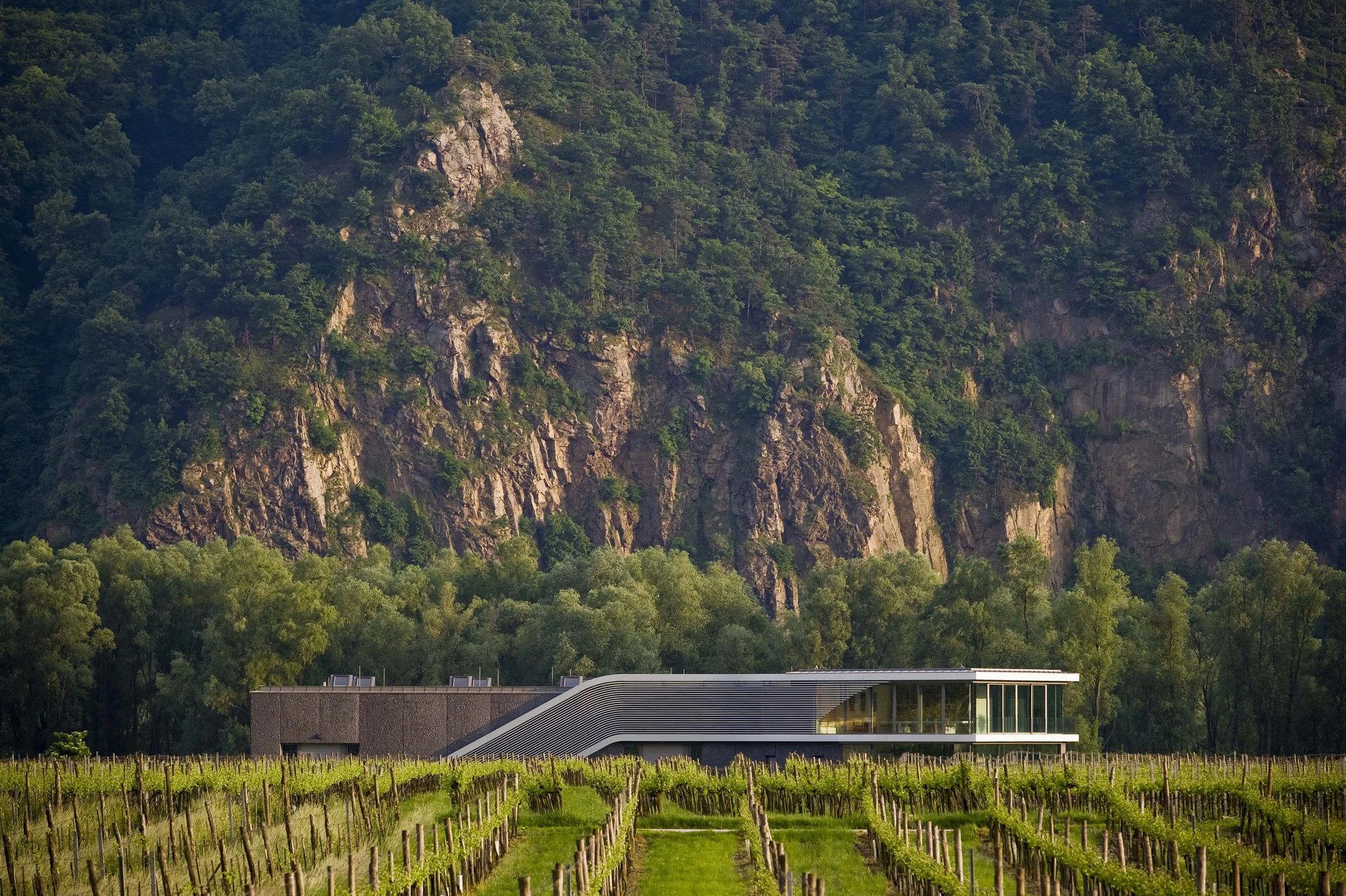
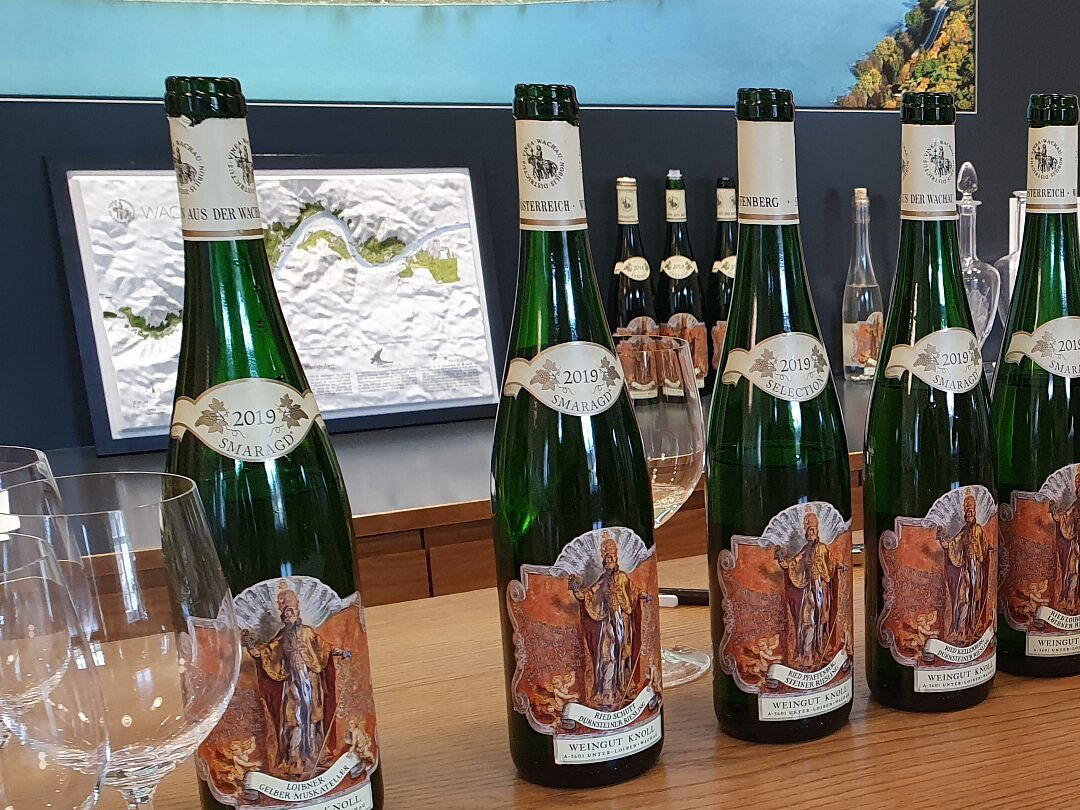
Wineries in Spitz
Browse all →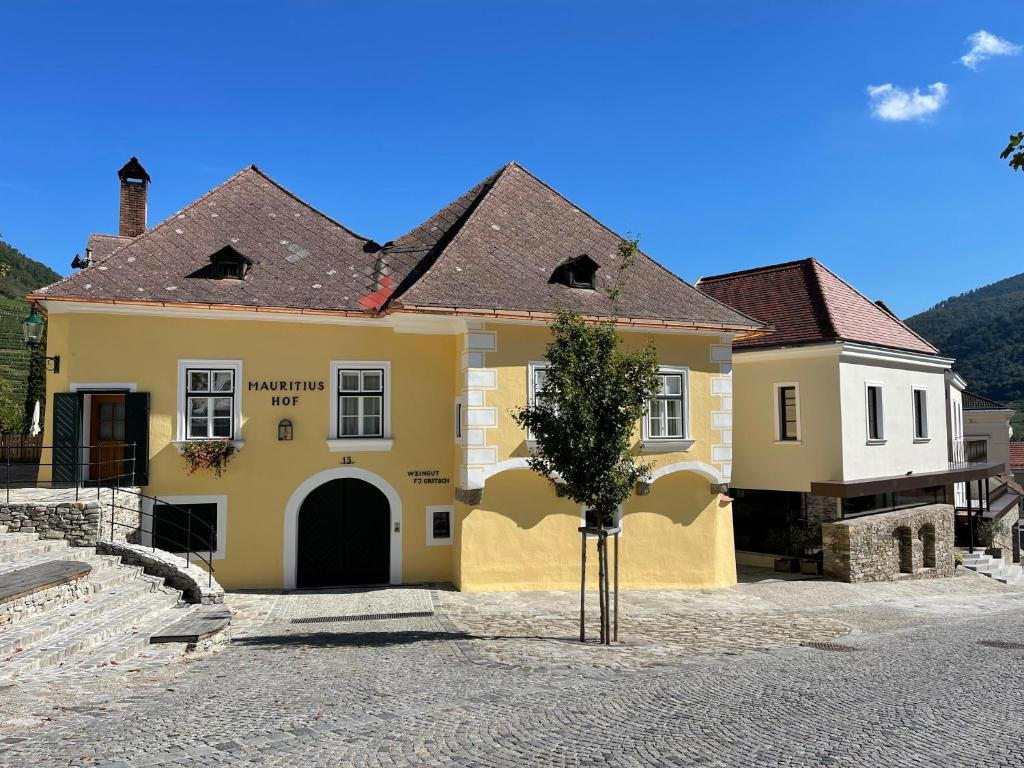
Bars in Spitz
Browse all →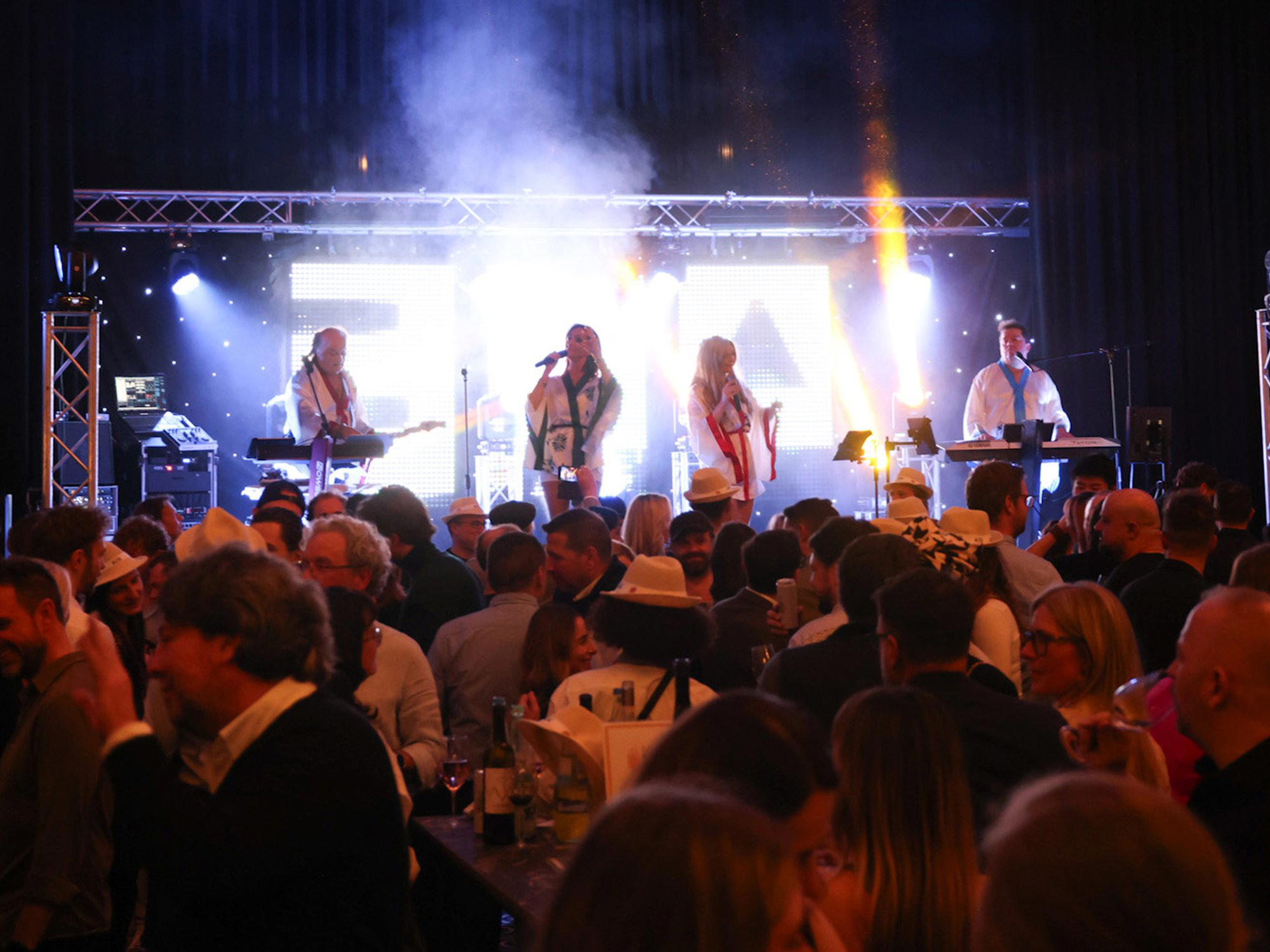
Restaurants in Spitz
Browse all →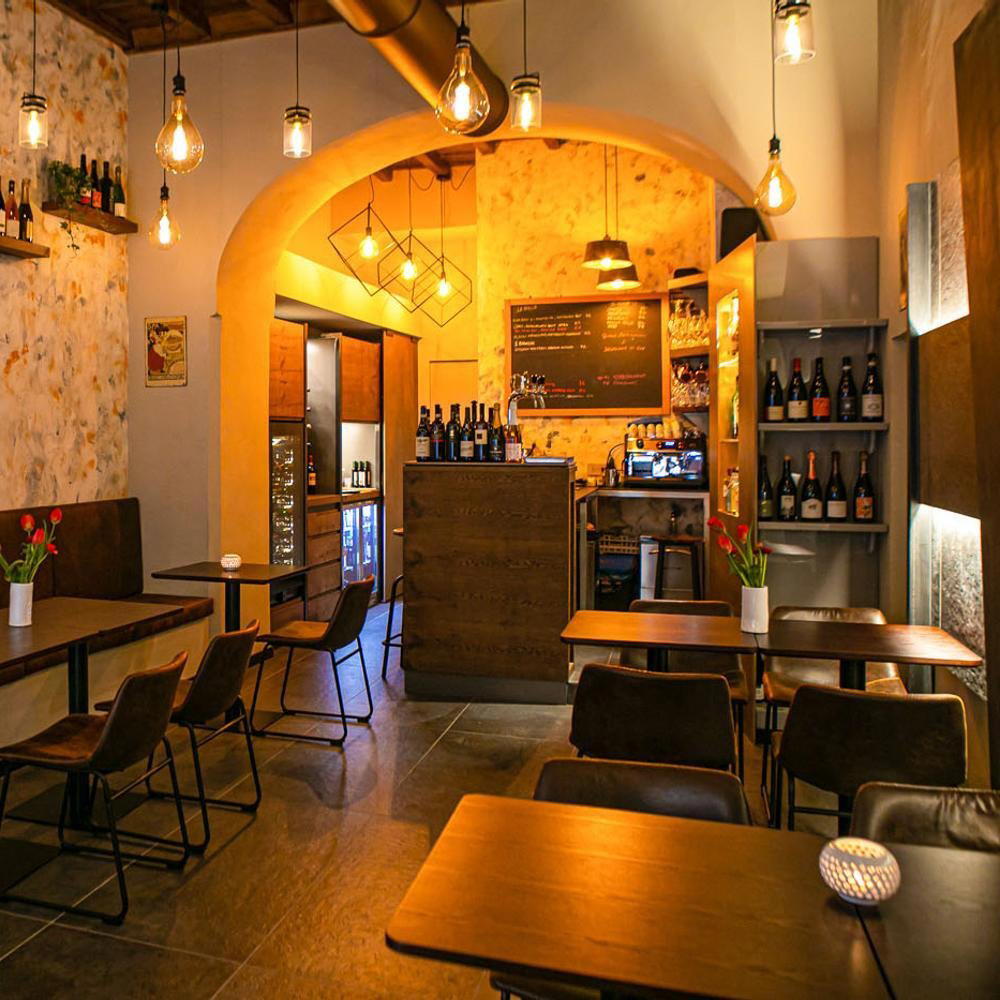
At a Glance
- Classic
- Scenic
- Elegant
- Iconic
- Wine Education
- Special Occasion
- Romantic Getaway
- Vineyard Tour
- Estate Grounds
- Historic Building
- Panoramic View
- Barrel Room
- Sustainable
- Vineyard
- Waterfront
- Mountain
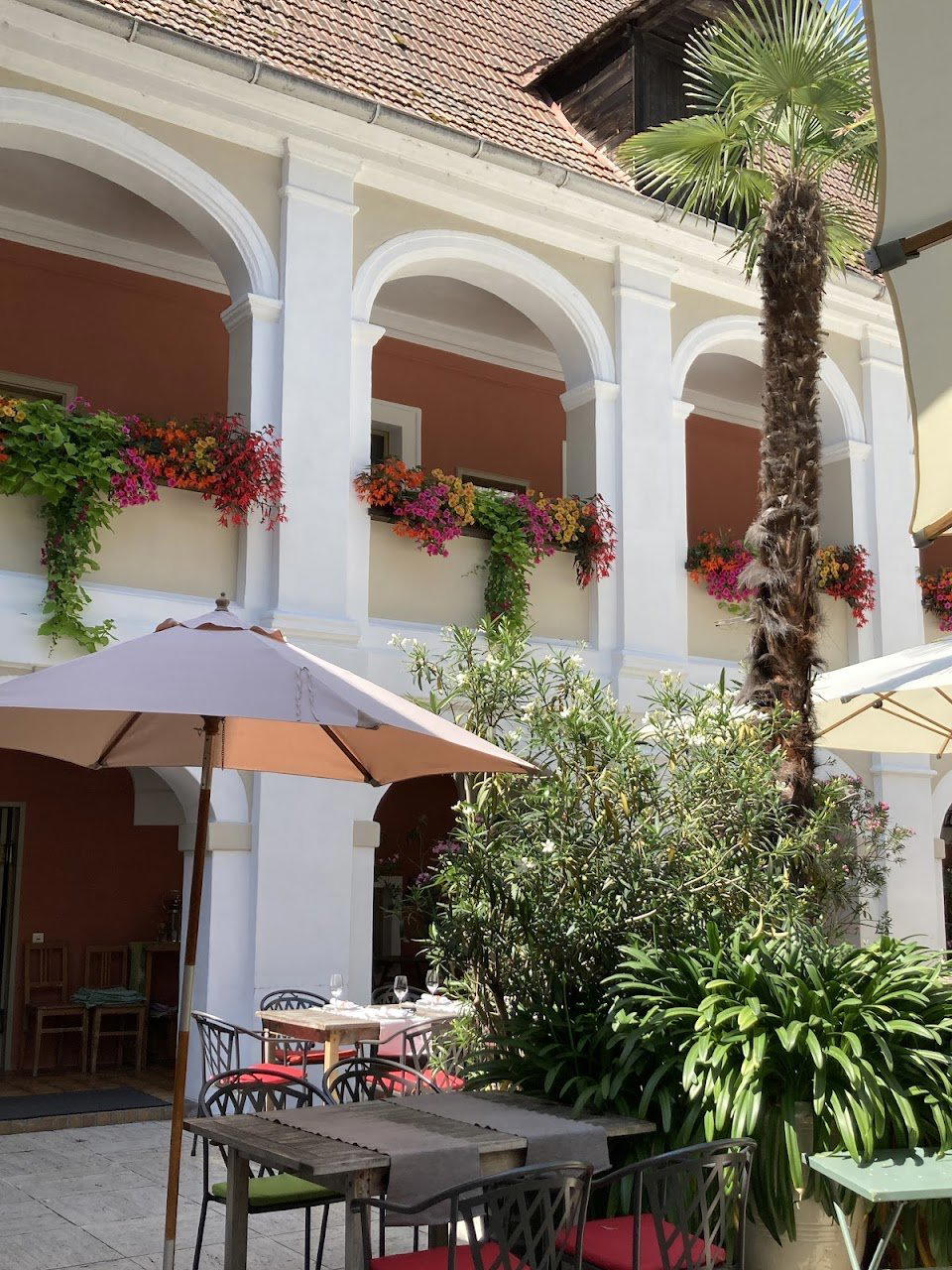
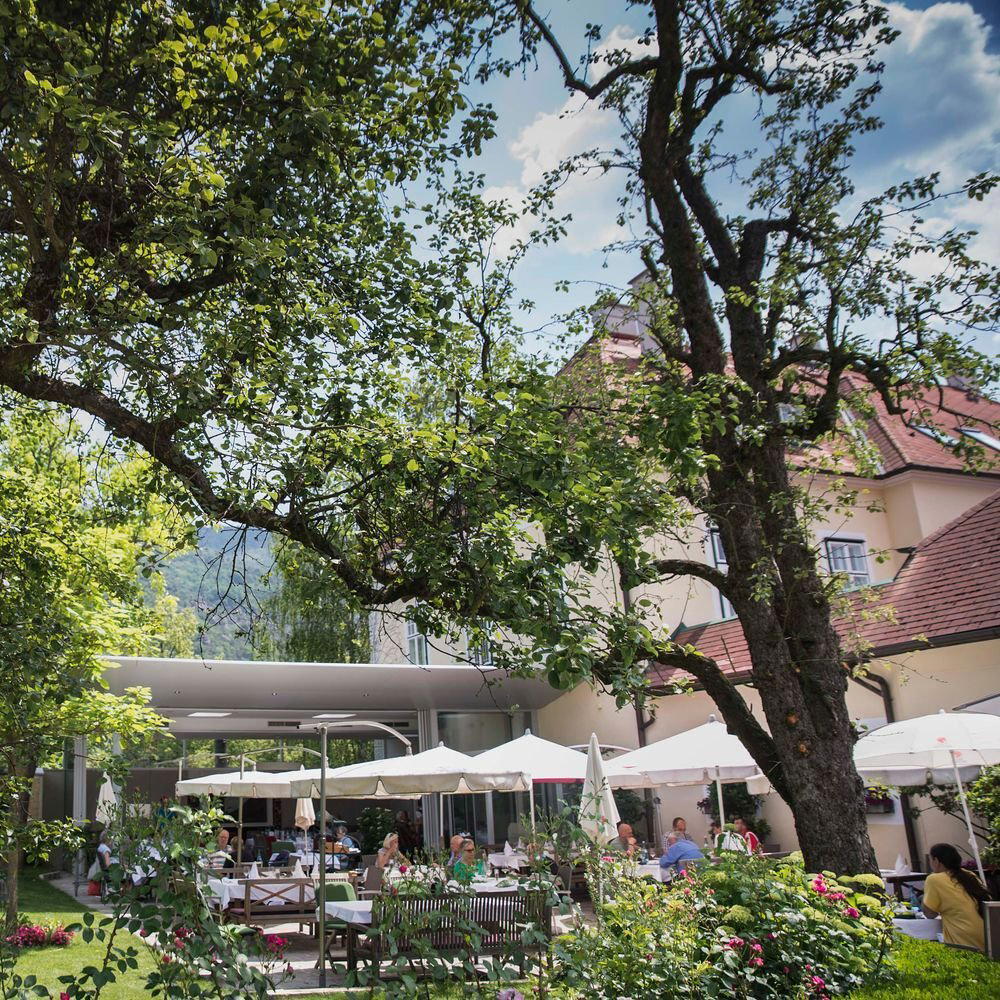
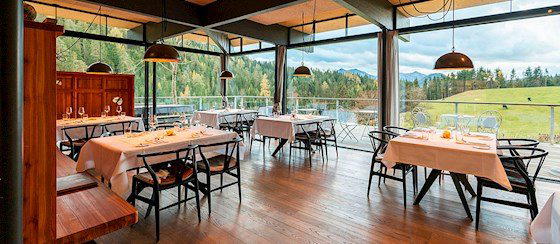
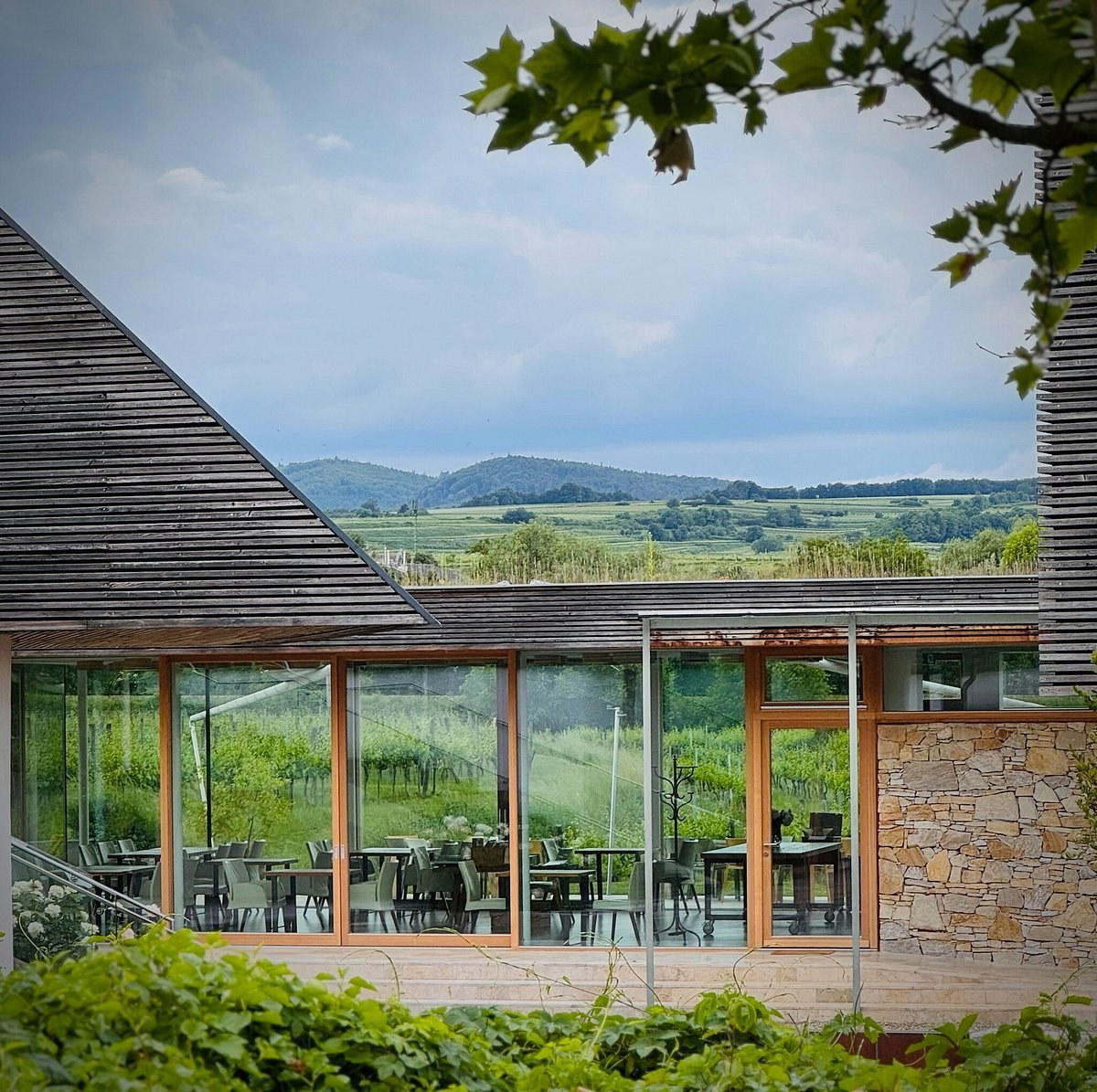
Historic stone terraces overlooking the Danube with traditional cellar operations, combining centuries-old vineyard practices with modern fermentation techniques in a setting that reflects the region's medieval heritage.