Zimmerl

Four tables, 23 courses, and a menu that pulls Waldviertel produce through a French-Japanese lens: Zimmerl is the kind of format you'd expect in Vienna's first district, not a small town near the Czech border. The intimate room, low lighting, and four-hour set menu make for an experience that rewards those willing to seek it out in Lower Austria's quieter northwest corner.
Pearl is the En Primeur Club membership app — saves, bookings, and concierge access live there. Same editors, same standards.
- Address
- Heidenreichsteiner Straße 28
- Phone
- +43 2842 24184
- Website
- restaurantzimmerl.at
- Directions
- Get directions
 Saves & bookings on Pearl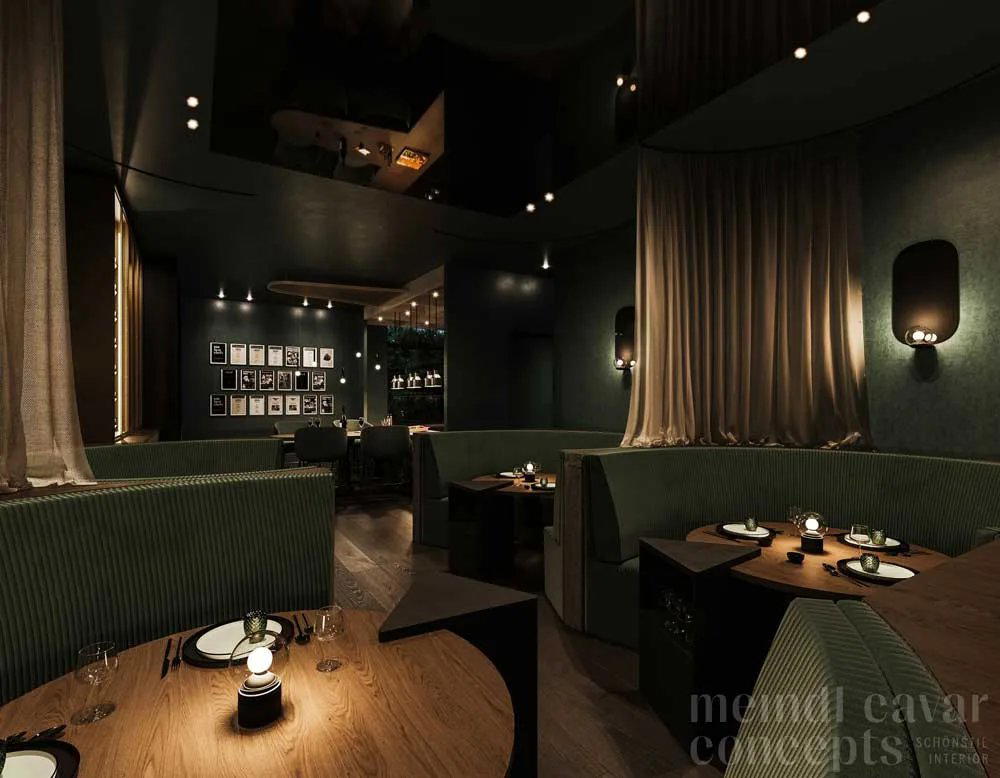
A Small Room with Large Ambitions
The Waldviertel is not a region that announces itself loudly. This stretch of Lower Austria, running toward the Czech border northwest of Vienna, is defined by forest, granite, and a pace that resists the metropolitan tempo. Which makes the existence of Zimmerl, at Heidenreichsteiner Straße 28 in Waidhofen an der Thaya, something worth understanding on its own terms. Four tables. Low lighting. A 23-course set menu. This is the kind of format that, in most countries, would be found only in a capital city or a major wine region with an established fine-dining infrastructure. Here, it sits inside a building that also houses an Irish pub and a casual restaurant, a combination that says a great deal about how serious cooking survives in provincial settings: by being part of something larger rather than standing alone.
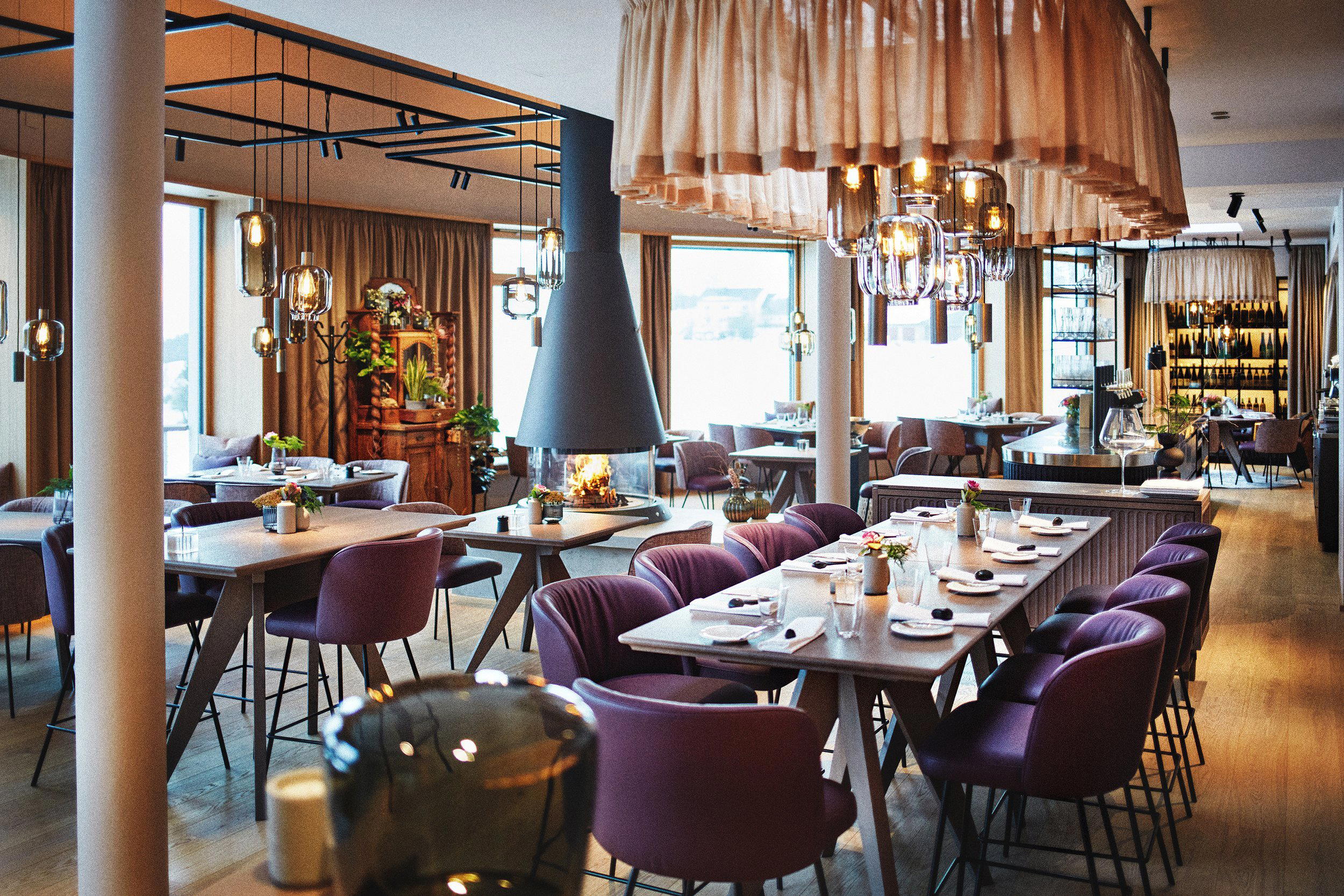
The room itself does the work that a larger space might leave to spectacle. With only four tables, the atmosphere is closer to a private dinner than a restaurant service. The name "Zimmerl" is the Austrian diminutive for room, and the fit is precise: this is a room you inhabit rather than pass through, a space where the pace of 23 small dishes is not a performance of abundance but a measured progression that fills the available hours without ever feeling rushed.
Where the Ingredients Come From, and Why That Shapes the Menu
Sourcing framework at Zimmerl connects two geographies that rarely appear on the same plate. The Waldviertel contributes the regional foundation: this part of Lower Austria has a distinct agricultural identity, with cool-climate produce, freshwater fish, game, and root vegetables that have long defined the cooking of the area. That local base is then crossed with ingredients that reflect a genuinely global sourcing reach. The menu documented by EP Club includes Tyrolean Alpine prawns from Austria's mountainous west, finished with togarashi, a Japanese chilli spice blend, and hand-dived scallops served on a caramelised white cabbage foam and refined with Tasmanian mountain pepper. The cabbage is the kind of vegetable the Waldviertel knows intimately. The pepper comes from the other side of the planet.
This is not fusion in the broad, diffuse sense. The culinary architecture is French: the sauces carry the structural weight, and the technique throughout reflects classical training rather than loose eclecticism. The Japanese influence operates as a flavour-contrast tool rather than a parallel tradition running alongside the French base. Togarashi against a creamy prawn tartare, Tasmanian pepper against a roasted scallop, these are precise applications of heat, salinity, and aromatic contrast layered over dishes that would be recognisable in their logic to any French-trained cook. The result is a menu peppered with what the venue's own documentation describes as sophisticated contrasts and original ideas, a phrase that, once you understand the sourcing reach, becomes a factual description rather than a marketing claim.
For context on how ingredient sourcing has shaped Austria's premium restaurant conversation, it is worth noting that venues like Landhaus Bacher in Mautern an der Donau have long anchored their menus in regional Danube-corridor produce, while Steirereck im Stadtpark in Vienna has built an internationally recognised identity around Austrian ingredient provenance refined through creative technique. Zimmerl operates at a different scale and in a radically different setting, but the underlying logic of connecting a specific regional geography to international technique is shared across this tier of Austrian cooking.
The Format as the Point
Twenty-three small dishes over approximately four hours is a particular kind of commitment on the part of both kitchen and guest. In the premium tasting-menu tier, which has seen significant growth across Europe over the past decade, the small-dish format serves multiple functions. It allows sourcing flexibility across a wide range of ingredients without requiring large quantities of any single item. It creates the conditions for the kind of complexity and contrast that define the menu here. And it demands a kitchen that can execute at a high level across many different preparations in a single service, a challenge considerably harder than producing a short, tight carte.
The experience suggests the evening passes without friction, which is the real test of a long tasting menu. A menu of this length that loses momentum becomes an endurance exercise. One that maintains a through-line of flavour logic and contrast sustains attention across the full arc. The combination of classical French structure, Waldviertel produce, and Japanese-inflected finishing creates enough variation to support the format's demands.
Austria's most celebrated long-menu experiences tend to be anchored in destination settings: Ikarus in Salzburg operates within a museum complex; Gourmetrestaurant Tannenhof in Sankt Anton am Arlberg and Griggeler Stuba in Lech draw from wealthy ski resort footfall; Obauer in Werfen has operated for decades within a village context but in a well-travelled tourist corridor. Zimmerl lacks that tourism infrastructure. Waidhofen an der Thaya does not draw international food pilgrims. The guest who makes the journey does so with specific intent, and the format rewards that intent directly.
Planning Your Visit
The practical reality of a four-table restaurant is that availability is limited and advance booking is strongly advisable. Waidhofen an der Thaya sits roughly 140 kilometres northwest of Vienna, making it a viable day trip from the capital or an overnight stay in the Waldviertel. The presence of an Irish pub and a separate casual restaurant in the same building gives the address a range of entry points for those who want to build a longer visit around the area. For those exploring the wider dining scene in Lower Austria and beyond, venues such as Ois in Neufelden and Kräuterreich by Vitus Winkler in Sankt Veit im Pongau offer further reference points for the kind of serious cooking that has taken root in Austria's provincial towns.
A Quick Peer Check
Comparable venues nearby, for context on price, style, and recognition.
| Venue | Cuisine | Price | Awards | Notes |
|---|---|---|---|---|
| ZimmerlThis venue — the venue you are viewing | Modern French-Japanese Fusion Fine Dining | $$$$ | Michelin Plate | Not listed |
| Do & Co Restaurant am Stephansplatz | Austrian-Asian Fusion | $$$$ | Michelin Plate | Innere Stadt |
| ONYX | Modern Asian Fusion with Sushi & Robata Grill | $$$$ | Michelin Plate | Innere Stadt |
| Das Kraus | Modern European with Japanese Accents | $$$ | Michelin Plate | Praterstern Wien Nord |
| Zazatam | Modern Asian-South American Fusion | $$$ | Michelin Plate | Riesenrad |
| Esszimmer by Alexander Kumptner | Modern Austrian-French Fusion Fine Dining | $$$$ | Not listed | Stephansdom |
Recognition history
Dated appearances from independent guides and award organizations, with the underlying list record or original source where available.
Michelin 1 Star
Michelin
Continue exploring
More in Waidhofen an der Thaya
Restaurants in Waidhofen an der Thaya
Browse all →
Bars in Waidhofen an der Thaya
Browse all →
Hotels in Waidhofen an der Thaya
Browse all →
At a Glance
- Intimate
- Elegant
- Modern
- Sophisticated
- Special Occasion
- Date Night
- Chefs Counter
- Open Kitchen
- Sommelier Led
- Local Sourcing
- Farm To Table
Current opening hours
- Monday
- Closed
- Tuesday
- Closed
- Wednesday
- Closed
- Thursday
- 6–11 PM
- Friday
- 6–11 PM
- Saturday
- 6–11 PM
- Sunday
- Closed
Hours can change for holidays and private events. Last verified .
Classy and chic design with pleasantly dimmed lighting and an intimate atmosphere.