A baroque castle hotel in the Waldviertel region of Lower Austria, Schlosshotel Rosenau sits within a landscape defined by granite plateaus, forested ridges, and agricultural tradition. Dining here connects directly to that regional identity, with local sourcing patterns that reflect the Waldviertel's distinct produce culture. For travellers moving through rural Austria, it represents a considered alternative to the country's more urban fine-dining circuit.
Pearl is the En Primeur Club membership app — saves, bookings, and concierge access live there. Same editors, same standards.
- Address
- Rosenau Schloß 1, 3924 Schloß Rosenau, Austria
- Phone
- +432822582210
- Website
- schlosshotelrosenau.at
- Directions
- Get directions
 Saves & bookings on Pearl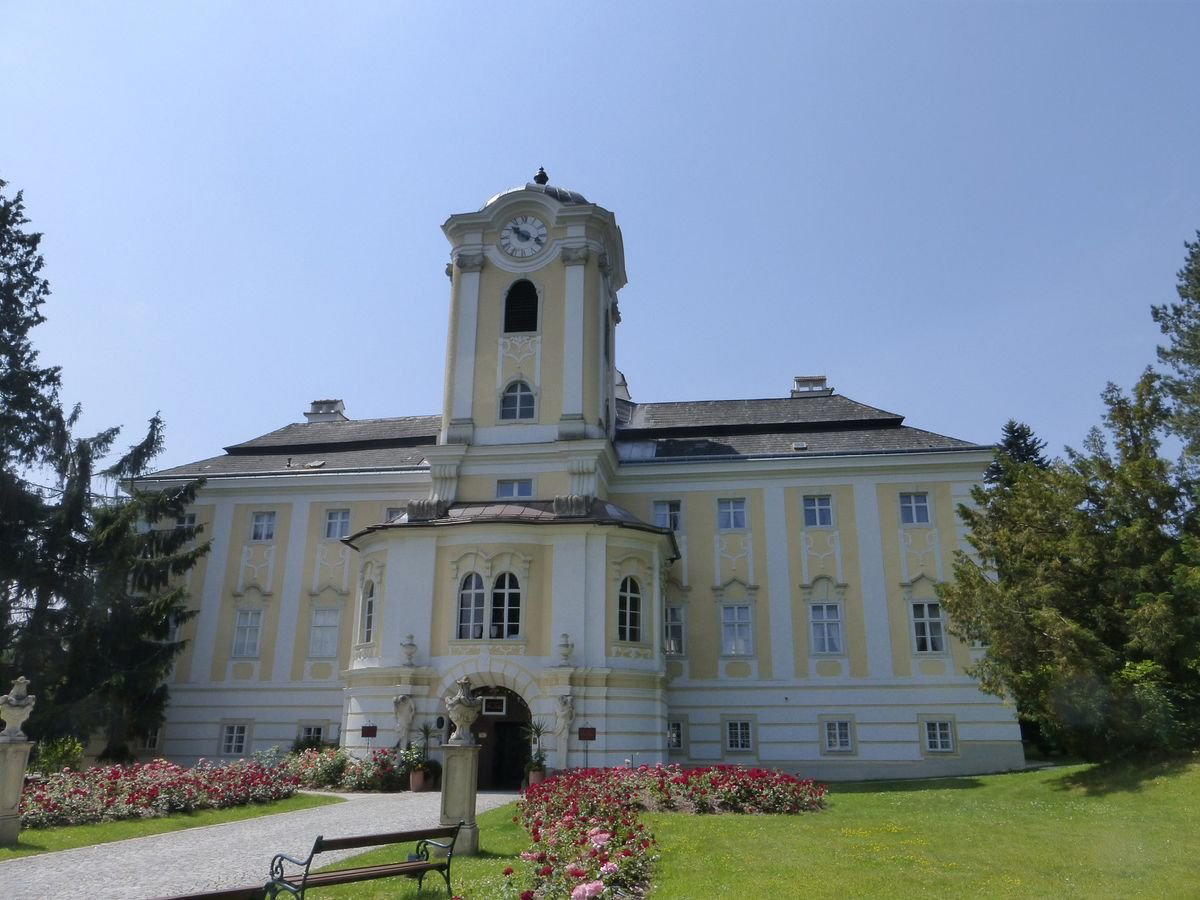
A Castle Hotel in the Waldviertel, Placed in Context
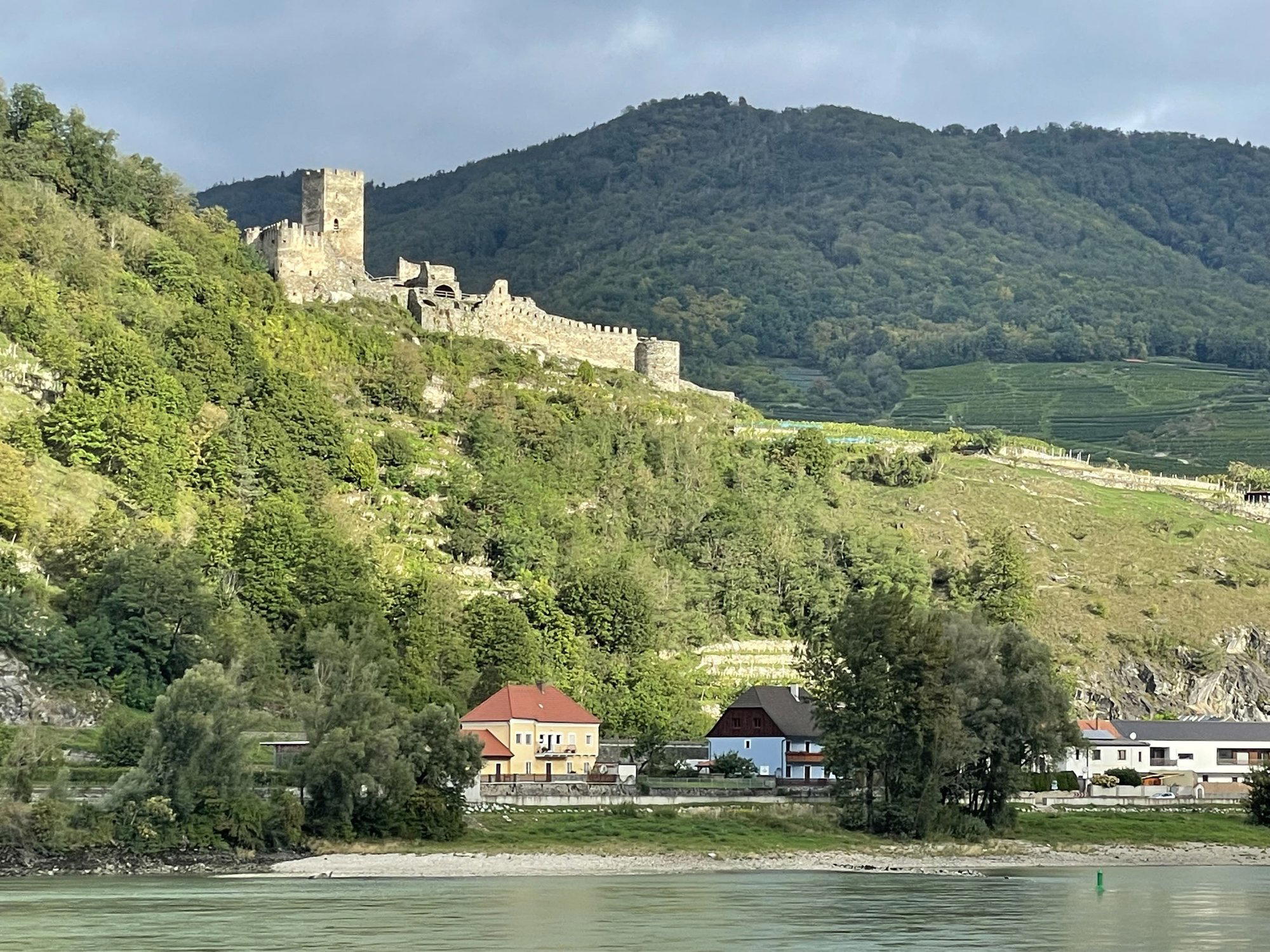
The Waldviertel, the forested plateau region of Lower Austria that stretches north toward the Czech border, has never attracted the same dining attention as Vienna's first district or the Salzburg festival circuit. That relative quietude is part of the point. The landscape is cool and granite-heavy, the agriculture slow and distinct: poppy seeds, carp from standing ponds, game from dense forest, root vegetables from thin upland soil. Schlosshotel Rosenau is a restaurant in Schloß Rosenau, Austria, at Rosenau Schloß 1. It sits within this tradition, occupying a baroque castle at Rosenau Schloß 1 in the village of Schloß Rosenau, a short drive from the market town of Zwettl. The physical approach matters here. Arriving at a formal baroque structure in a region more associated with quiet farmland than aristocratic ceremony creates an immediate tension that colours the whole experience.
Austria's castle hotel category spans a wide range: from heavily commercialised Rhine-style properties to working estates where the accommodation is secondary to the land. Rosenau belongs to a tradition where the building itself is the primary argument, the architectural weight of a seventeenth- and eighteenth-century baroque ensemble doing work that no amount of interior design spend could replicate.
The Waldviertel's Produce Culture and Why It Shapes Dining Here
Understanding what ends up on the plate at a property like Rosenau requires understanding what the Waldviertel actually produces. This is not a region of Mediterranean abundance. The growing season is short, the soil granitic and acidic, and the farming culture historically oriented toward hardier crops. Waldviertel poppy seeds carry a protected designation of origin under EU law, one of the few spice-category products in Austria to hold that status. Grey peas, a legume variety that largely disappeared from Central European tables during the twentieth century, have seen a revival here. Freshwater carp, farmed in the region's characteristic still ponds for centuries, remains a fixture of local menus, particularly around the winter period. Game from the surrounding forests, venison, wild boar, hare, follows seasonal rhythms tied directly to hunting calendars rather than chef preference.
This matters for a property at Rosenau's address because the regional sourcing conversation in Austrian hospitality has become increasingly specific. The generation of Austrian chefs now recognised at the highest levels, seen at operations like Steirereck im Stadtpark in Vienna, Döllerer in Golling an der Salzach, and Kräuterreich by Vitus Winkler in Sankt Veit im Pongau, have made the argument that Austrian terroir, approached with technical seriousness, produces results that compete with any European tradition. A castle hotel in the Waldviertel occupies a natural position in that argument, given direct proximity to ingredients that carry genuine regional specificity.
Where Rosenau Sits in the Rural Austrian Hotel Tier
Rural Austrian hospitality splits broadly between three formats: the family-run Gasthof with rooms, the design-led mountain retreat (concentrated heavily in Vorarlberg and Tyrol, with properties like Griggeler Stuba in Lech and Stüva in Ischgl anchoring the western alpine tier), and the historic estate hotel where the building's heritage provides the primary identity. Schlosshotel Rosenau falls firmly in the third category. Its comparable set is not the alpine spa hotel or the urban grand hotel; it competes on a different axis, where the age and authenticity of the structure, the breadth of the grounds, and the proximity to a specific regional food culture define the offer.
For travellers comparing options in the Zwettl area, Faulenzerhotel and Schwarz Alm represent the more accessible local alternatives, each operating at a different register. Rosenau's distinction within this local set is architectural and historical, a baroque castle carries a different weight of expectation than a regional hotel, and the experience is calibrated accordingly.
The Context of Eating in a Baroque Austrian Castle
Castle dining in Austria has a specific cultural register. The formal rooms, the period furniture, the pressure of historical setting, these create conditions where the food either justifies the setting or is overshadowed by it. The strongest examples of this format, found across the Austrian wine regions and in destinations like the Wachau valley, treat the dining room as an extension of the regional food argument rather than a theatrical backdrop. The comparison to how Obauer in Werfen or Ois in Neufelden handle the relationship between environment and plate is instructive: in each case, the setting amplifies the sourcing story rather than competing with it.
At Rosenau, the castle also houses the only Freemasons Museum in Austria, a detail that positions the property as a cultural destination independent of its hospitality function. This dual identity, as working hotel and serious cultural attraction, places it in a small subset of Austrian properties where a single visit covers multiple reasons for being there. Travellers arriving purely for the dining context may find the museum dimension either irrelevant or a genuine bonus, depending on their itinerary.
Planning a Visit
Schlosshotel Rosenau is located at Rosenau Schloß 1 in Schloß Rosenau, accessible by car from Zwettl in under ten minutes and reachable from Vienna via the A1 and regional roads in under two hours. The Waldviertel is not well-served by rail for this specific address, and a rental car or private transfer from Vienna is the practical approach for most international visitors. The region rewards stays of two nights or more,
In Context: Similar Options
Comparable venues nearby, for context on price, style, and recognition.
| Venue | Cuisine | Price | Notes |
|---|---|---|---|
| Schlosshotel RosenauThis venue — the venue you are viewing | Austrian Castle Fine Dining | $$$ | Not listed |
| Faulenzerhotel | Traditional Waldviertel Austrian Cuisine | $$$ | Friedersbach |
| Schwarz Alm | New Waldviertel Cuisine | $$ | Zwettl |
| Pöstlingberg Schlössl | Austrian Fine Dining | $$$ | Pöstlingberg |
| Claus Curn | Innovative Austrian | $$$ | Adamstal |
| Plachutta Nussdorf | Traditional Viennese Beef Cuisine | $$$ | Heiligenstadt |


At a Glance
- Romantic
- Elegant
- Classic
- Cozy
- Scenic
- Special Occasion
- Date Night
- Celebration
- Hotel Restaurant
- Historic Building
- Terrace
- Local Sourcing
- Garden
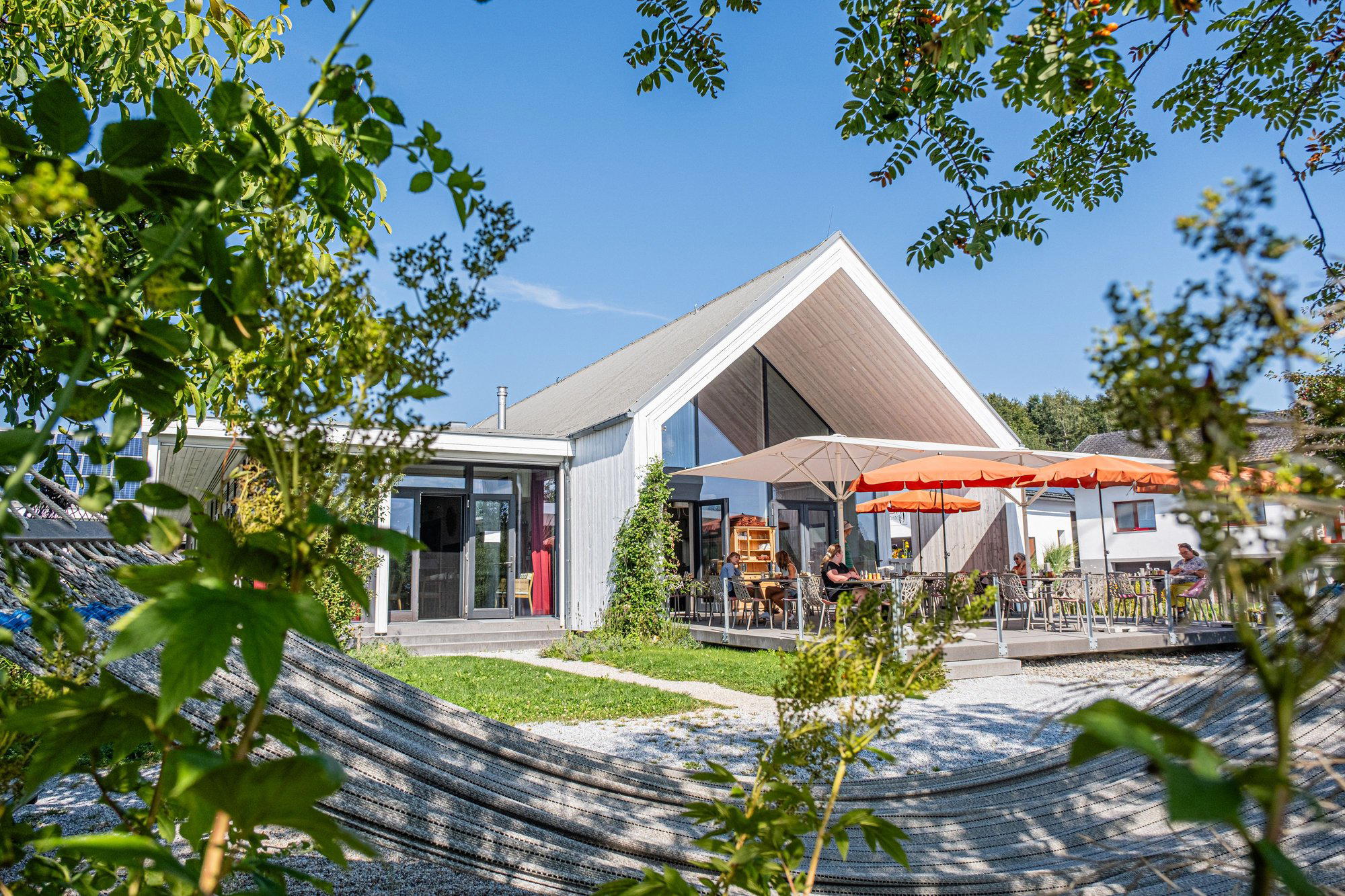
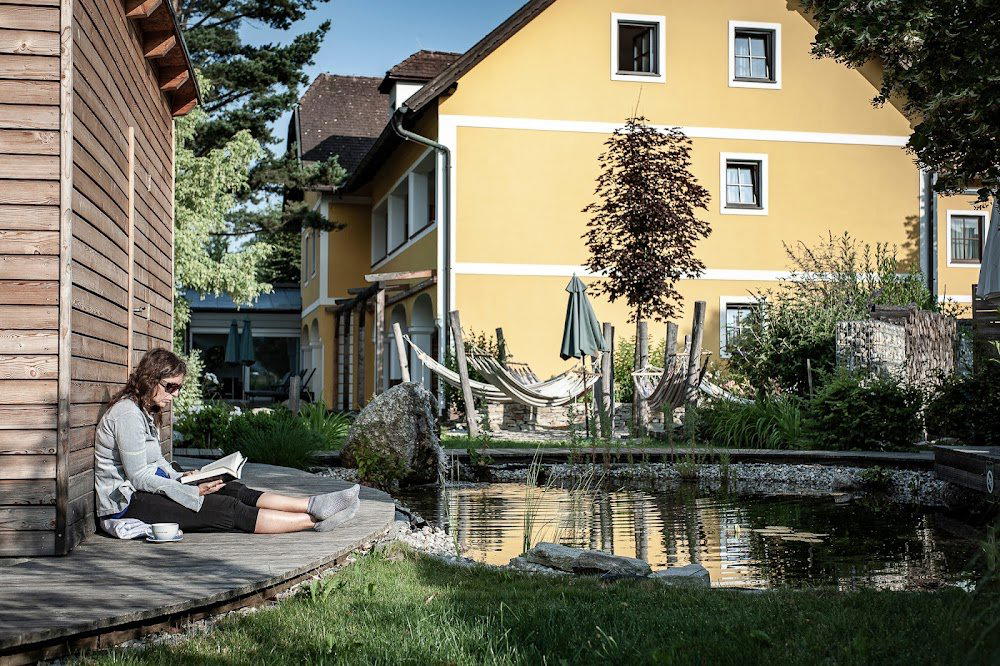
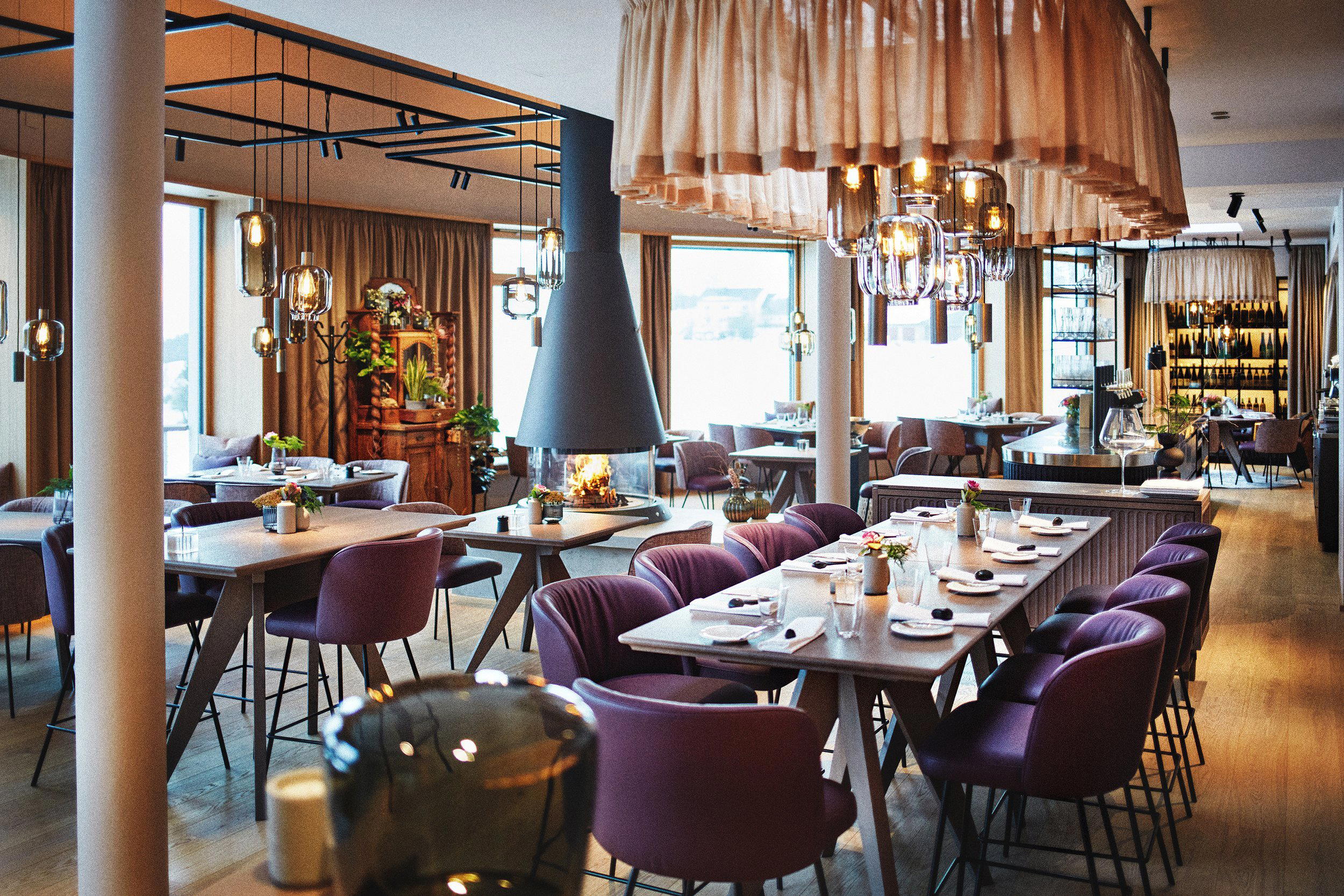
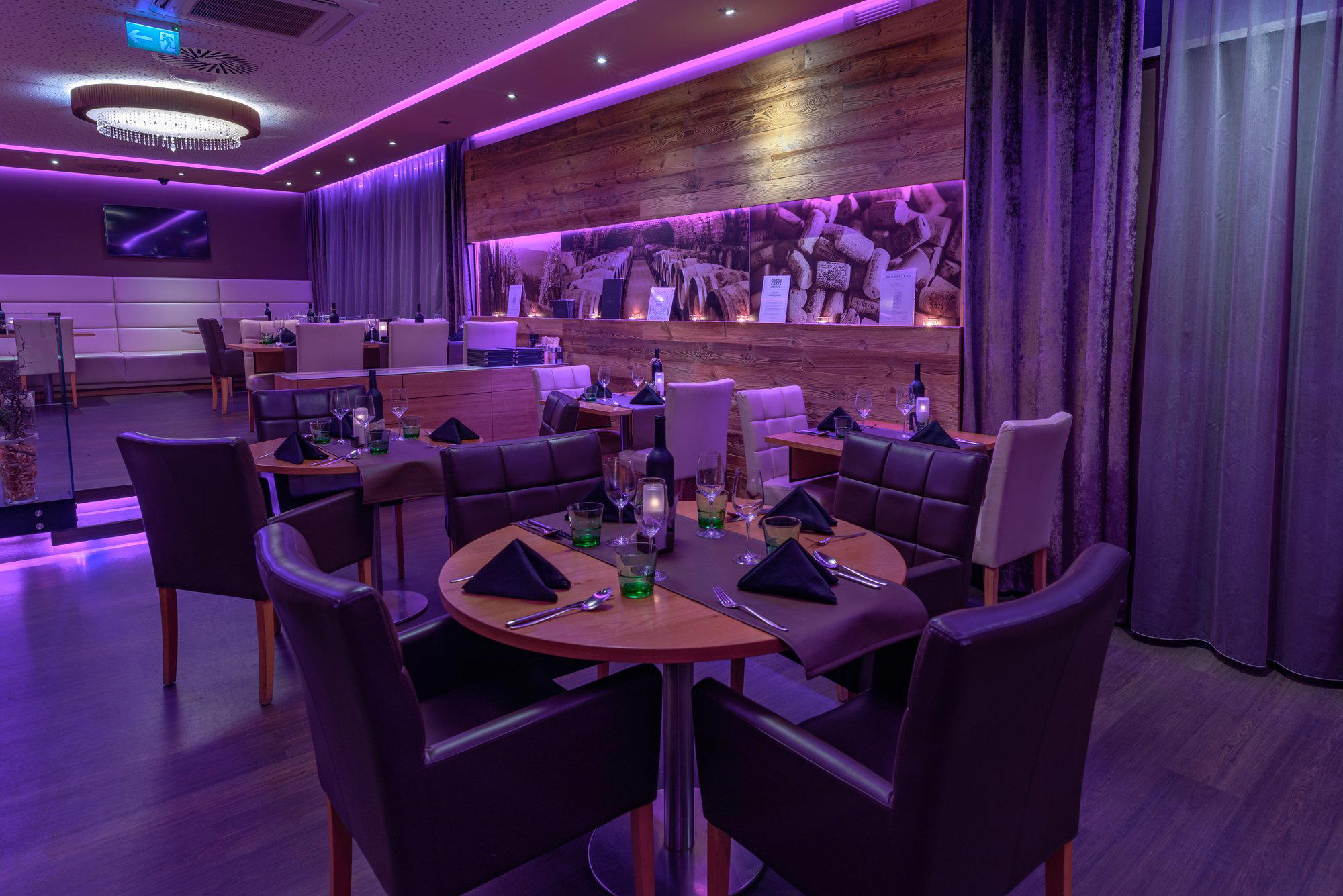
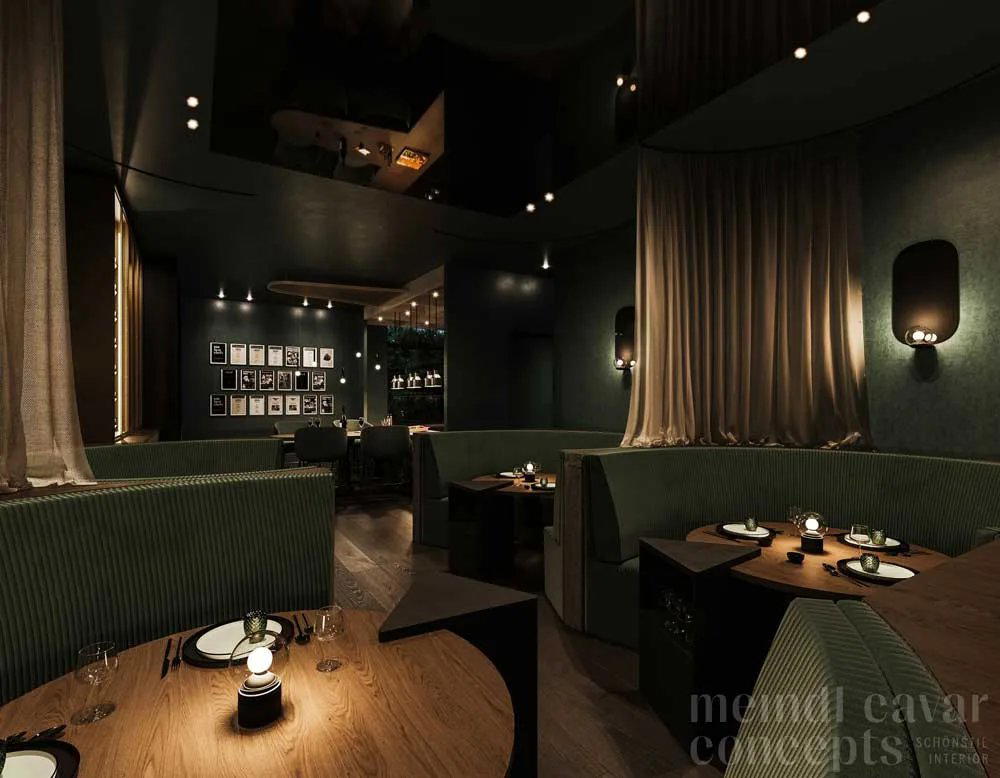
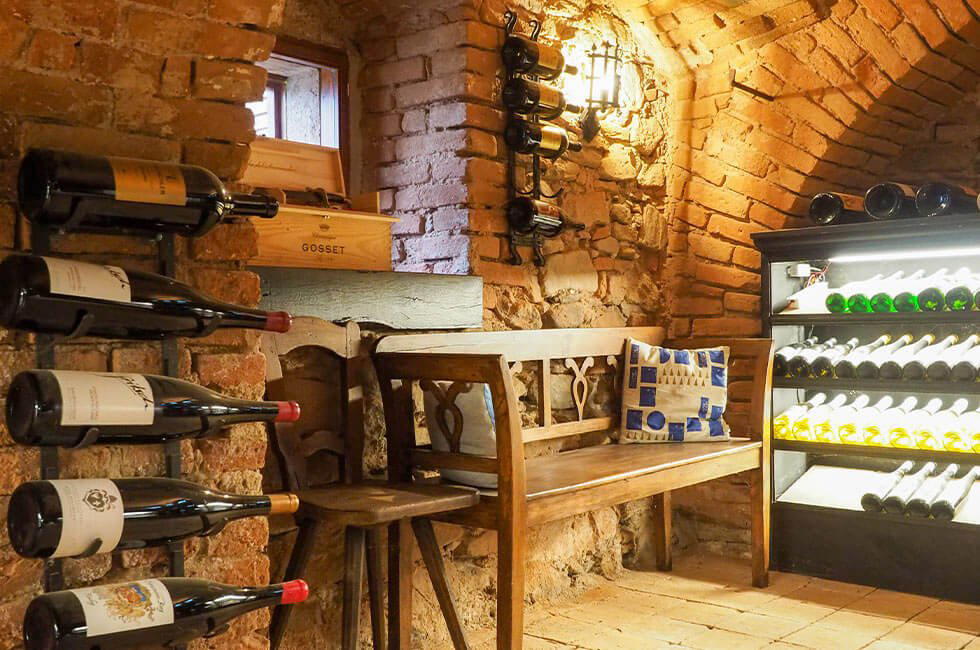
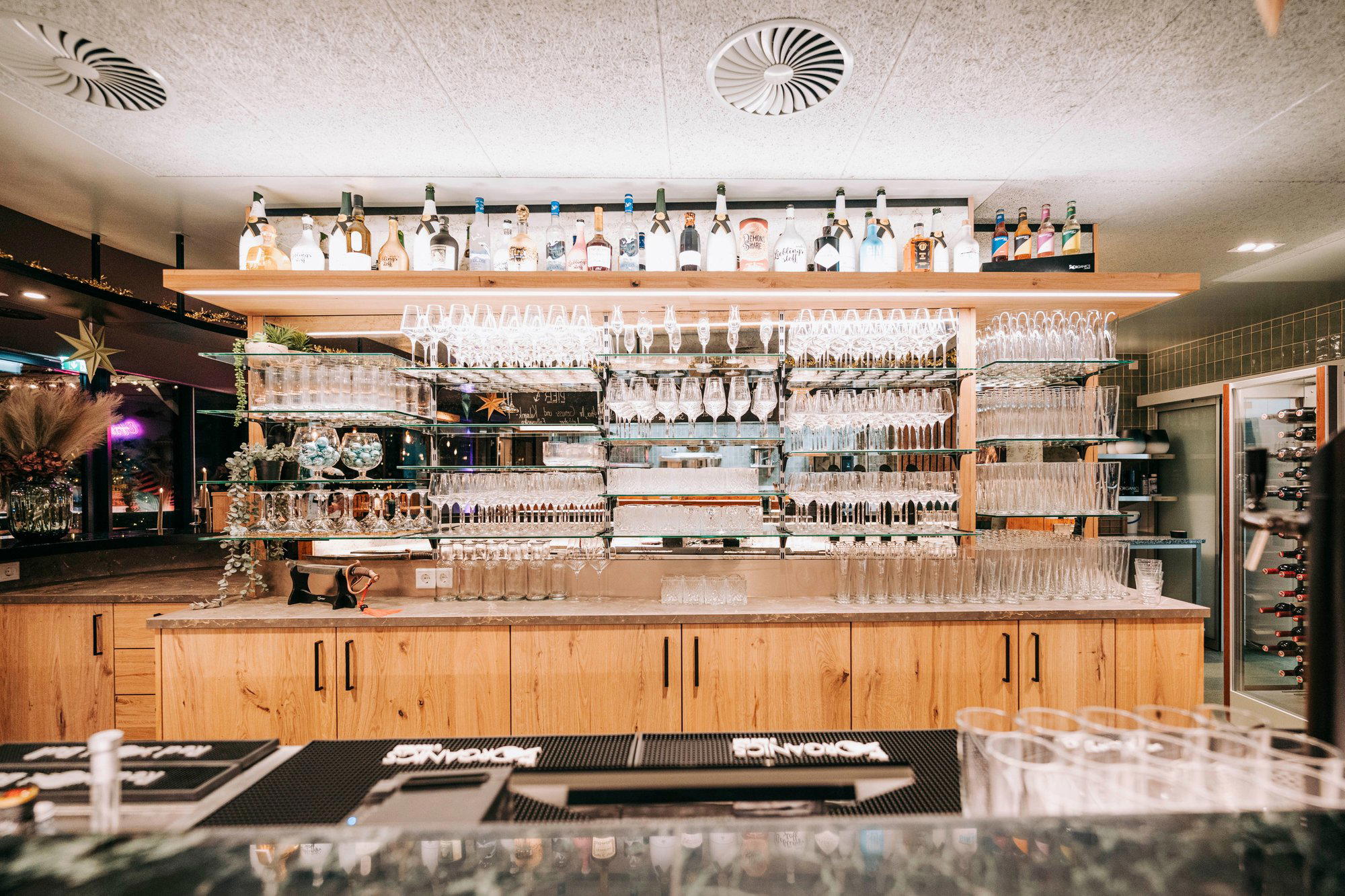
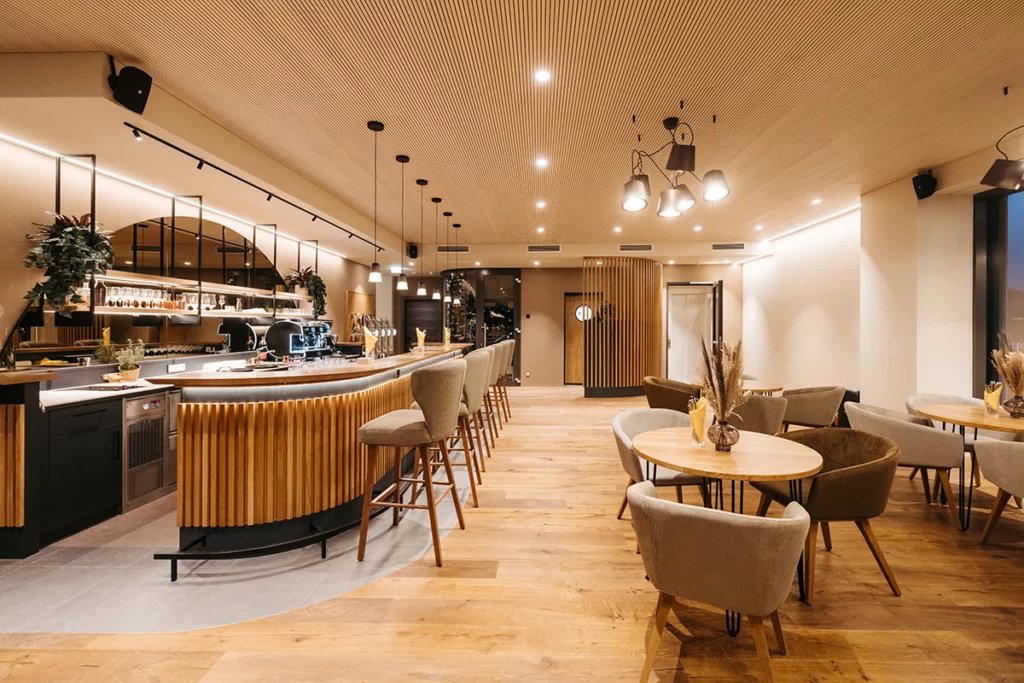
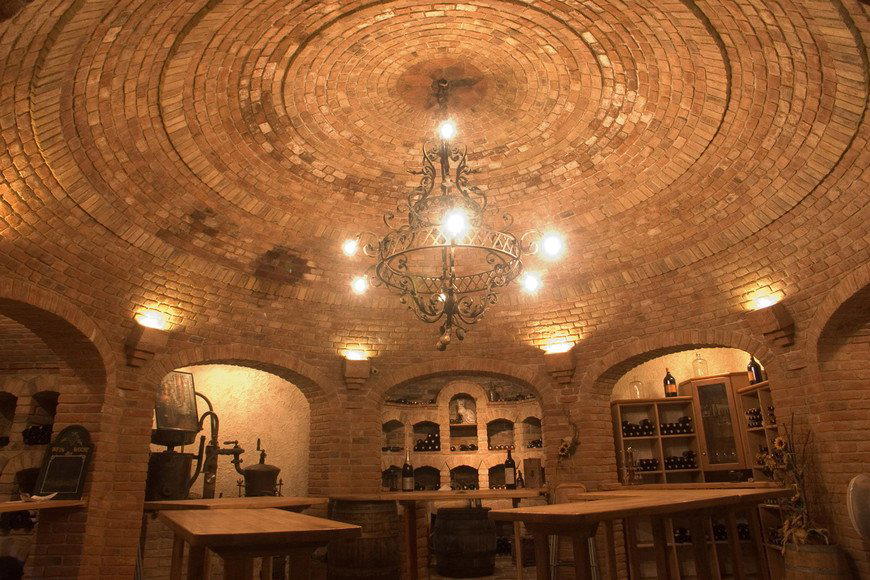
Gemütliche (cozy) atmosphere in historic castle setting with elegant historic charm and modern luxury.