

1 Michelin Key · The Longevity Hotels Longevity Hotel Member
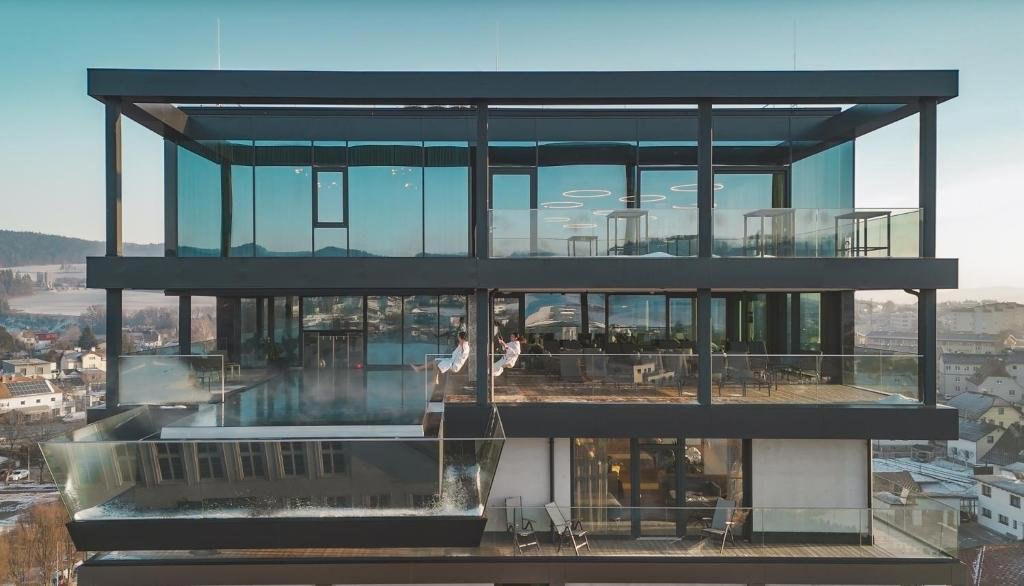
A glass-bottomed sky pool, a spa with a sporty edge, and a design vocabulary that borrows nothing from the Alpine lodge playbook: Impulshotel Freigold brings city-hotel modernity to the walled market town of Freistadt. Rooms across 100 keys run warm-toned with natural wood and metal-framed furniture. Rates from $236 per night position it as the area's clearest argument for contemporary boutique hospitality.

Pearl is the En Primeur Club membership app — saves, bookings, and concierge access live there. Same editors, same standards.
- Address
- Am Stieranger 4, 4240 Freistadt
- Phone
- +43 7942 22334
- Website
- hotel-freigold.at
- Directions
- Get directions
Glass, Height, and the View Downward
Freistadt is a medieval walled town in Upper Austria, the kind of place where ochre facades and cobbled lanes set the architectural tone for everything around them. Impulshotel Freigold largely ignores that brief. The building reads as a vertical city-hotel dropped into a provincial setting, and the decision to go up rather than wide is the single clearest design statement the property makes. Its most arresting feature follows that logic directly: a glass-bottomed sky pool positioned high enough that swimmers can look straight down through the water to the garden below. That kind of structural confidence in a leisure fitting is not common outside major metropolitan properties. Here, in a market town of around 8,000 people, it registers as a deliberate signal about the kind of hotel this intends to be.
The interior design language reinforces the same position. Natural wood grain runs through the rooms in warm tones, paired with contemporary metal-framed furniture rather than the carved timber and linen that characterise so many Austrian wellness properties. The palette is bright without being clinical. It reads as a considered middle ground between the Alpine vernacular that dominates regional hospitality and the harder-edged minimalism of a Vienna design hotel. For comparison, properties like Bergland Sölden Design- und Wellnesshotel in Solden work a similar design-conscious brief but anchor it more firmly in an Alpine context. Freigold's version is less rooted in place and more committed to a free-standing contemporary register.
The Wellness Offer and What Sets It Apart
Austrian spa hotels occupy a broad spectrum, from the deep-immersion thermal resorts of Bad Gastein to the mountain wellness properties of Tyrol, such as Aktiv & Wellnesshotel Bergfried in Tux or Alpen-Wellness Resort Hochfirst in Obergurgl. Most draw identity from altitude and landscape. Freigold's approach is different: the wellness program here carries a distinct sporty character rather than a purely restorative or meditative one. That framing positions the property closer to an active urban spa hotel than to a retreat-style countryside escape. For guests who want to maintain training routines or prefer a higher-energy wellness environment, that distinction matters.
The sky pool is the headline piece, but properties in this bracket typically support it with a wider suite of fitness and recovery facilities. The hotel's use of the word "impulses" in its own positioning suggests a program built around activation as much as relaxation, though the specific treatment menu and facility list are best confirmed directly with the property before booking. What is clear is that the overall wellness identity here diverges from the slow, forest-scented quietude that defines properties like Naturhotel Waldklause in Längenfeld or Alpenresort Schwarz in Obermieming.
The Dining Format
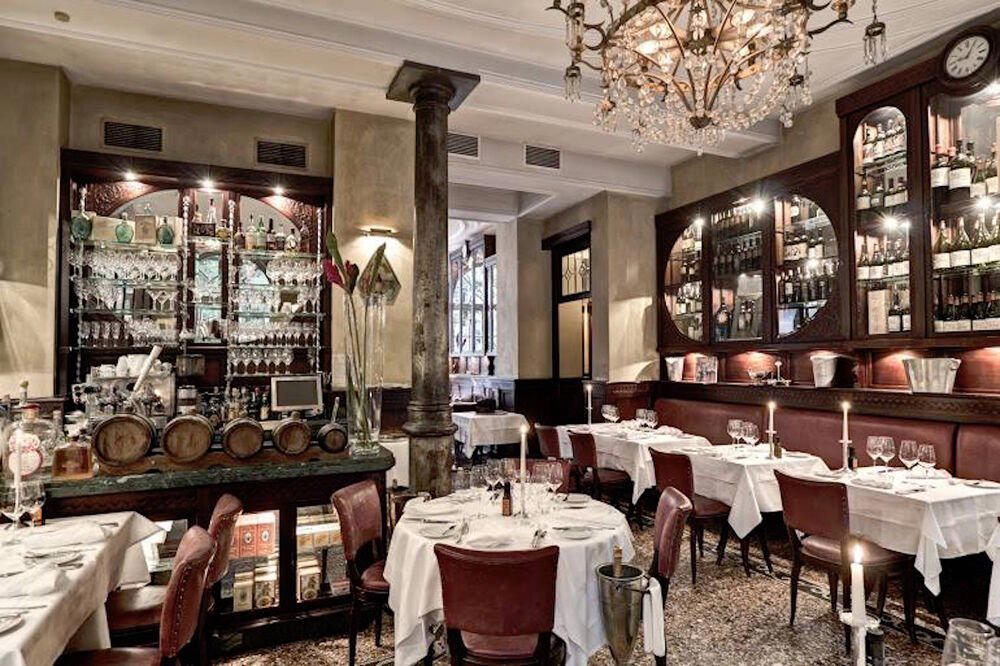
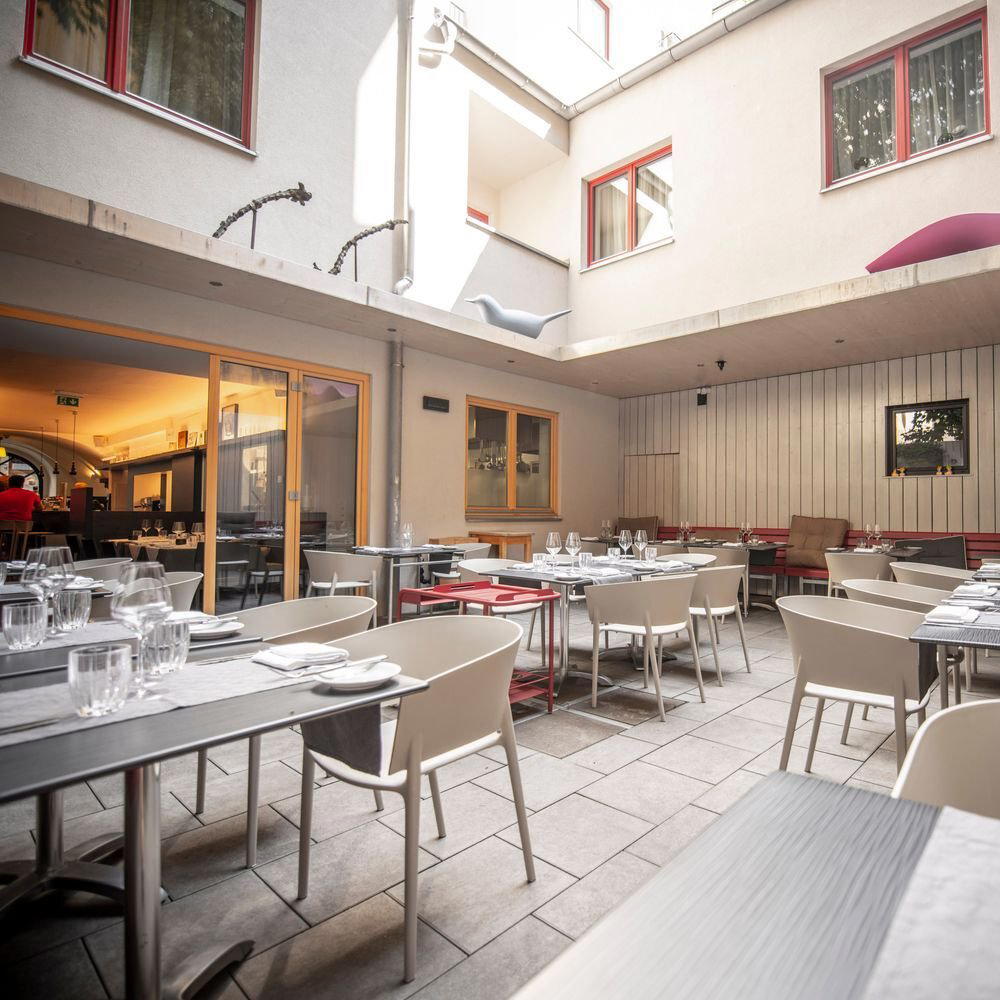
The kitchen operates under a "fine-sharing" format, a model that has moved steadily through European boutique hotel restaurants over the past decade as a response to the rigidity of classical tasting menus. Sharing formats allow more table interaction and give the kitchen flexibility to work with smaller-portioned, more inventive preparations without the commitment structure of a set progression. The description here is "creative fine-sharing cuisine," which places it in a specific register: not casual, not formally sequenced, but technically engaged. In the context of Upper Austria, where traditional regional cooking still anchors most restaurant menus, that positioning is a clear departure from the local norm. Guests traveling from Vienna or Salzburg will recognise the format immediately; for those arriving from smaller regional towns, it may be a more novel encounter.
Freistadt itself is not a city with a developed fine-dining infrastructure, which makes the hotel dining room one of the more ambitious food offers in the immediate area. See our full Freistadt restaurants guide for context on what the wider town offers.
Where Freigold Sits in the Austrian Luxury Market
Austria's hotel market at the premium end is heavily weighted toward historic properties: palace conversions, schloss hotels, and grand nineteenth-century facades. Hotel Sacher Wien in Vienna and Rosewood Schloss Fuschl in Hof bei Salzburg both draw much of their identity from that inherited architectural weight. Schloss Mönchstein in Salzburg and Hotel Schloss Seefels in Techelsberg belong to the same lineage. Freigold belongs to a different and smaller cohort: the design-forward urban wellness hotel that makes no appeal to historical prestige, instead competing on spatial concept, program modernity, and a visual identity that travels. At 100 rooms it is substantial enough to carry real facilities, but its design language and positioning read more like a 40-key boutique than a volume operation. Rates from $236 place it in an accessible tier relative to Austria's top-end properties, and meaningfully below comparable design-led spa hotels in Tyrol or Salzburg.
For guests considering Austria's Salzkammergut or Wörthersee corridor, properties like Falkensteiner Schlosshotel Velden in Velden am Wörthersee or Grand Tirolia Kitzbühel in Kitzbühel operate in an adjacent luxury bracket but with markedly different architectural identities. The comparison is useful not because they are direct competitors, but because it clarifies Freigold's decision to anchor itself in contemporary design rather than historical context. Further afield, LOISIUM Wine & Spa Resort Langenlois in Langenlois is perhaps the closest structural parallel in the Austrian market: a spa hotel in a non-obvious location that built its identity around architectural confidence rather than scenic or historic prestige.
Planning Your Stay
Freistadt is approximately 35 kilometres northeast of Linz, reachable by regional rail in under an hour. The hotel's position at Am Stieranger 4 places it at the edge of the old town, within walking distance of the historic centre. Rooms start at $236 per night across 100 keys, with the full range of room categories leading reviewed directly with the property given the absence of a published rate card. Given the hotel's positioning as a design-forward city spa in a town with limited premium accommodation alternatives, availability during Upper Austrian public holidays and summer weekends is likely to compress faster than a comparable urban property with broader competition. Booking with reasonable lead time is sensible. Guests arriving from Vienna or Salzburg will find the property a workable detour on longer Austrian itineraries, particularly if the driving appeal is the spa program rather than a specific regional cultural agenda.
Comparison Snapshot
Comparable venues nearby, for context on price, style, and recognition.
| Venue | Cuisine | Price | Awards | Notes |
|---|---|---|---|---|
| Impulshotel FREIGOLDThis venue — the venue you are viewing | Contemporary city spa hotel with innovative design | $100–200 | 1 Michelin Key · The Longevity Hotels Longevity Hotel Member | Not listed |
| The Guesthouse Vienna | Contemporary boutique design hotel with minimalist interiors and high-end furnishings; positioned as an intimate, upscale property emphasizing thoughtful details and personalized service. | $300–500 | 1 Michelin Key | Innere Stadt |
| Hideaway Hotel Montestyria Chalets & Suiten | Modern Alpine chalets blending luxury and homey comfort | Not listed | 1 Michelin Key | Mariazell |
| Hollmann Beletage Design & Boutique Hotel | Historic beletage apartment building transformed into intimate boutique hotel | $100–200 | 1 Michelin Key | Innere Stadt |
| Hotel Goldgasse | Historic boutique luxury in a 14th-century building with modern comforts. | Not listed | 1 Michelin Key · La Liste Top Hotels | Linke Altstadt |
| Das Kronthaler | Alpine lifestyle hideaway blending modern comforts with Tyrolean charm in a secluded nature park setting. | $100–200 | 1 Michelin Key · Michelin Guide New Hotels New Hotel | Achenkirch |
Recognition history
Dated appearances from independent guides and award organizations, with the underlying list record or original source where available.
Michelin 1 Key
Michelin
The Longevity Hotels Longevity Hotel Member
The Longevity Hotels
Full recognition history (3 entries)
Michelin 1 Key
Michelin
Continue exploring
More in Freistadt
Hotels in Freistadt
Browse all →
Bars in Freistadt
Browse all →
Restaurants in Freistadt
Browse all →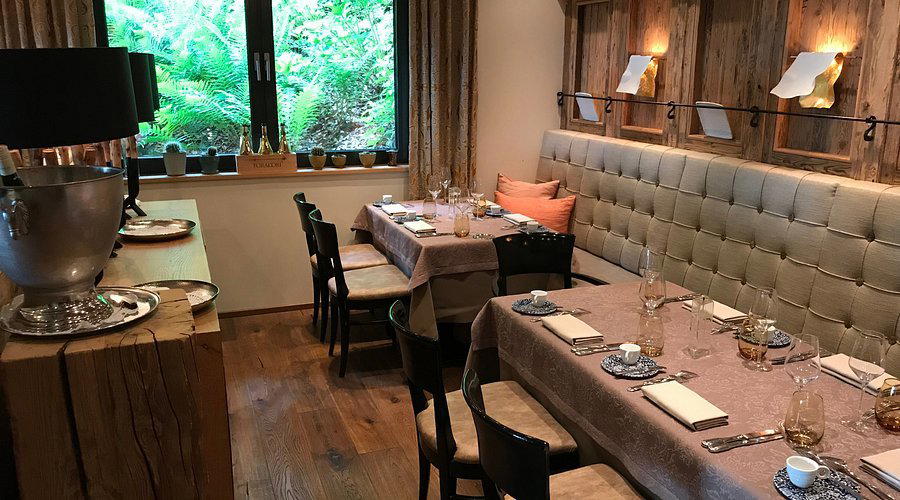

Details
- Modern
- Cozy
- Elegant
- Sophisticated
- Minimalist
- Romantic Getaway
- Wellness Retreat
- Weekend Escape
- Infinity Pool
- Panoramic View
- Terrace
- Wi Fi
- Pool
- Spa
- Fitness Center
- Sauna
- Restaurant
- Air Conditioning
- Elevator
- EV Charging
- Garden
- Street Scene
- Wheelchair Accessible
- Elevator
- Step Free Entrance
Bright, warm-toned rooms with natural wood and modern metal furnishings; relaxing spa atmosphere with panoramic views.