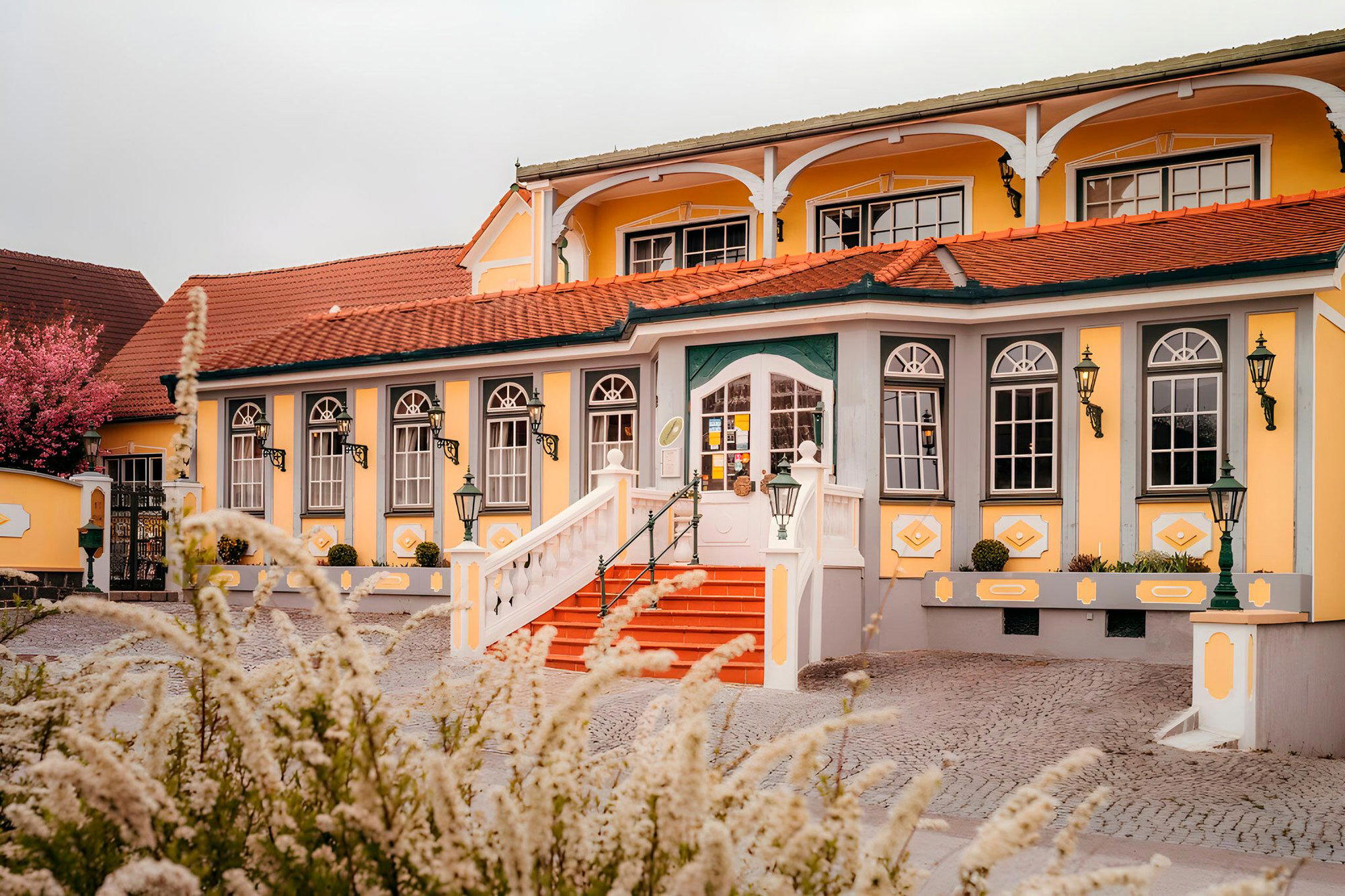
A traditional Gasthaus on Buchenstraße in the small border town of Litschau, Dorfwirt sits in the quieter register of Austria's village inn tradition, the kind of address that anchors a community rather than chases a reservation list. For travellers moving through the Waldviertel, it represents the regional cooking rooted in local farmland that urban Austrian restaurants spend considerable effort recreating.
Pearl is the En Primeur Club membership app — saves, bookings, and concierge access live there. Same editors, same standards.
- Address
- Buchenstraße 1, 3874 Litschau, Austria
- Phone
- +4328655393190
- Website
- dorfwirt-litschau.at
- Directions
- Get directions
 Saves & bookings on Pearl
Where the Waldviertel Table Begins
Litschau occupies Austria's northernmost corner, pressed against the Czech border in a region where the landscape shifts from vine-covered slopes to dense forest, peat bogs, and rye fields. The Waldviertel has a quieter culinary profile than the Wachau or Salzkammergut, and that relative obscurity has kept its village cooking honest. Addresses like Dorfwirt Litschau on Buchenstraße operate within a tradition that pre-dates the farm-to-table rhetoric now attached to ambitious Austrian kitchens in Vienna and Salzburg: the Gasthaus as civic institution, where local farmers, forestry workers, and passing travellers share a room and a menu drawn from whatever the surrounding land produces.
That model contrasts sharply with the upper tier of Austrian fine dining, where restaurants such as Steirereck im Stadtpark in Vienna or Landhaus Bacher in Mautern an der Donau invest heavily in sourcing networks, produce provenance storytelling, and international wine lists. The Waldviertel Gasthaus does not need to perform that sourcing narrative, because the supply chain is visible from the dining room window.
The Ingredient Logic of a Border-Region Kitchen
The Waldviertel's agricultural identity is specific. The region is Austria's primary producer of grey poppyseed (Graumohn), and its cultivation of buckwheat, rye, and root vegetables reflects a cooler, shorter growing season than the wine regions to the south. Carp from the area's managed ponds has been a table staple for centuries, and game from the surrounding forests, deer, wild boar, hare, moves through local kitchens seasonally without the logistical overhead that city restaurants absorb when sourcing the same ingredients from distance.
This is the ingredient logic that shapes a Gasthaus kitchen in this part of Austria. Where Obauer in Werfen or Döllerer in Golling an der Salzach reinterpret regional Austrian produce through a contemporary fine-dining frame, the village inn tradition in the Waldviertel tends to work with shorter supply lines and less technical intervention. The cooking is a function of proximity, not aspiration, which in its own way is a more direct expression of terroir than any tasting menu.
Austrian village inns in the Waldviertel typically anchor their menus around what is available locally in a given season: freshwater fish in autumn, game through winter, lighter preparations as the growing season opens. Poppyseed appears across sweet and savoury applications in a way that feels embedded rather than decorative. For a traveller arriving from the direction of Vienna, roughly 130 kilometres to the south, the shift in culinary register from the capital's polished dining scene to this kind of address is immediate and instructive.
Placing Dorfwirt in Litschau's Context
Litschau itself is a small town with a population in the low thousands, structured around a central square and a pair of lakes that draw summer visitors from across Lower Austria. The hospitality infrastructure here is modest by design: a handful of guesthouses, family-run restaurants, and the kind of Gasthaus that has served as the social and culinary centre of similar communities across the German-speaking world for centuries.
Dorfwirt Litschau sits within that structure as a neighbourhood-facing address. It is not positioned in the tier occupied by destination restaurants such as Taubenkobel in Schützen am Gebirge or Gourmetrestaurant Tannenhof in Sankt Anton am Arlberg, which draw guests specifically for the cooking. Its function is closer to that of addresses like Ois in Neufelden or Thaller - Gasthaus in Sankt Veit am Vogau, places where the cooking reflects local convention and the room serves the community first.
That positioning matters for the traveller calibrating expectations. Austria's premium dining circuit, represented at its upper end by kitchens from Ikarus in Salzburg to Kräuterreich by Vitus Winkler in Sankt Veit im Pongau, operates on a different currency of ambition, technique, and price. Dorfwirt is not competing in that register, and approaching it as if it were would be a category error. The value here is different: direct access to a regional cooking tradition in the place where that tradition makes most sense.
The Wider Austrian Rural Kitchen Comparison
Austria's most discussed rural dining addresses have tended to cluster in the Wachau, Styria, and the alpine west. The Waldviertel has received less international attention, which means its village inn culture has been less shaped by external expectations. Kitchens in the alpine west such as Griggeler Stuba in Lech or Stüva in Ischgl have been refined by decades of wealthy ski tourism. Waldviertel addresses have not. The comparison is not qualitative, it is structural, and it explains why cooking in this part of Austria reads as less mediated.
For context, the contrast with international fine-dining references such as Le Bernardin in New York City or Lazy Bear in San Francisco is instructive. Both occupy a tier where sourcing is curated, documented, and presented as part of the dining experience. The Waldviertel Gasthaus tradition achieves something adjacent through entirely different means: the sourcing is local by default, and the documentation is absent because no one in the room requires it. See Atelier Fischer in Sankt Gilgen and Restaurant 141 by Joachim Jaud in Mieming for examples of how the Austrian mid-tier navigates between these poles.
Planning a Visit
Litschau sits at the northern edge of Lower Austria, with road access from Gmünd or Horn. The town is not on a major rail line, and one practical approach from Vienna involves driving north through the Waldviertel, a route that takes approximately two hours and passes through the kind of agricultural terrain that contextualises the cooking at an address like this. Visiting in autumn or winter, when the game season and the harvested poppyseed crop coincide, aligns with the natural rhythm of the regional kitchen. Summer brings a different character to the lakes and the surrounding area.
In Context: Similar Options
Comparable venues nearby, for context on price, style, and recognition.
| Venue | Cuisine | Price | Notes |
|---|---|---|---|
| Dorfwirt LitschauThis venue — the venue you are viewing | Modern Waldviertel Regional Cuisine | $$$ | Not listed |
| Zum Topf | Modern Austrian with French Influences | $$$ | Kaltenbach bei Vitis |
| Bruckner's im Brucknerhaus Linz | Modern Austrian with International Influences | $$$ | Danube Park |
| Schlosshotel Rosenau | Austrian Castle Fine Dining | $$$ | Schloss Rosenau |
| Hotel Schachner | Regional Austrian with Seasonal Danube Valley Ingredients | $$$ | Maria Taferl |
| Plachutta Stammhaus Hietzing | Classic Viennese Cuisine | $$$ | Hietzing |
Continue exploring
More in Litschau
Restaurants in Litschau
Browse all →
Wineries in Litschau
Browse all →
At a Glance
- Cozy
- Rustic
- Elegant
- Intimate
- Date Night
- Special Occasion
- Group Dining
- Celebration
- Standalone
- Open Kitchen
- Local Sourcing
- Farm To Table
- Organic
Current opening hours
- Monday
- 11 AM–10 PM
- Tuesday
- Closed
- Wednesday
- Closed
- Thursday
- 5–10 PM
- Friday
- 5–10 PM
- Saturday
- 11 AM–10 PM
- Sunday
- 11 AM–8 PM
Hours can change for holidays and private events. Last verified .
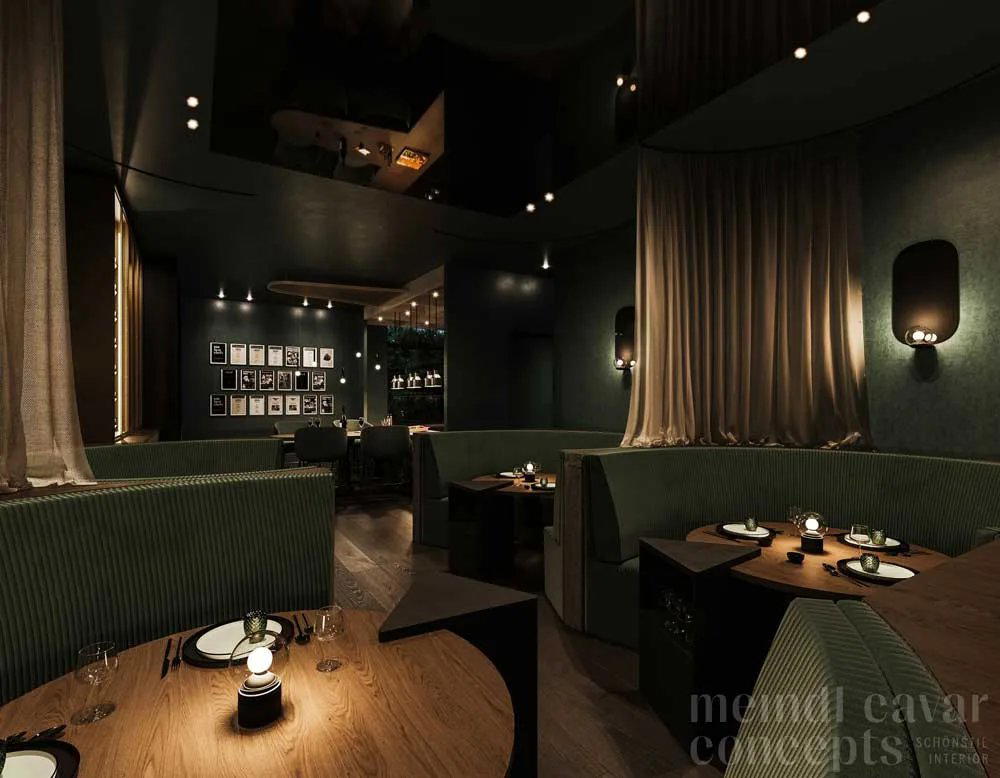
Cozy, welcoming tavern atmosphere with attentive service and refined plating that balances down-to-earth comfort with sophisticated culinary creativity.