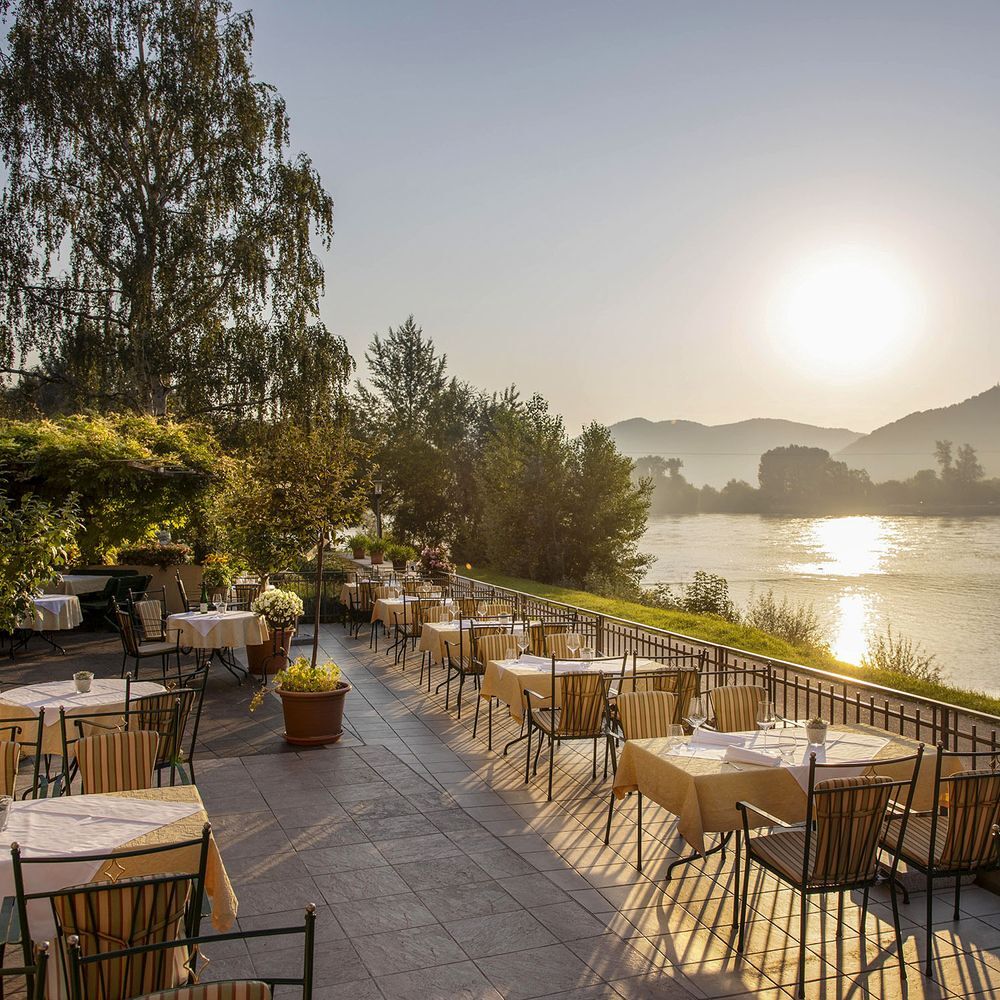
Schwarz Alm pairs New Waldviertel Cuisine with a leisurely, quiet setting, terrace access, and mountain-and-garden views at Almweg 1.
Pearl is the En Primeur Club membership app — saves, bookings, and concierge access live there. Same editors, same standards.
- Address
- Almweg 1, 3910 Zwettl, Austria
- Phone
- +432822531730
- Website
- schwarzalm.at
- Directions
- Get directions
 Saves & bookings on Pearl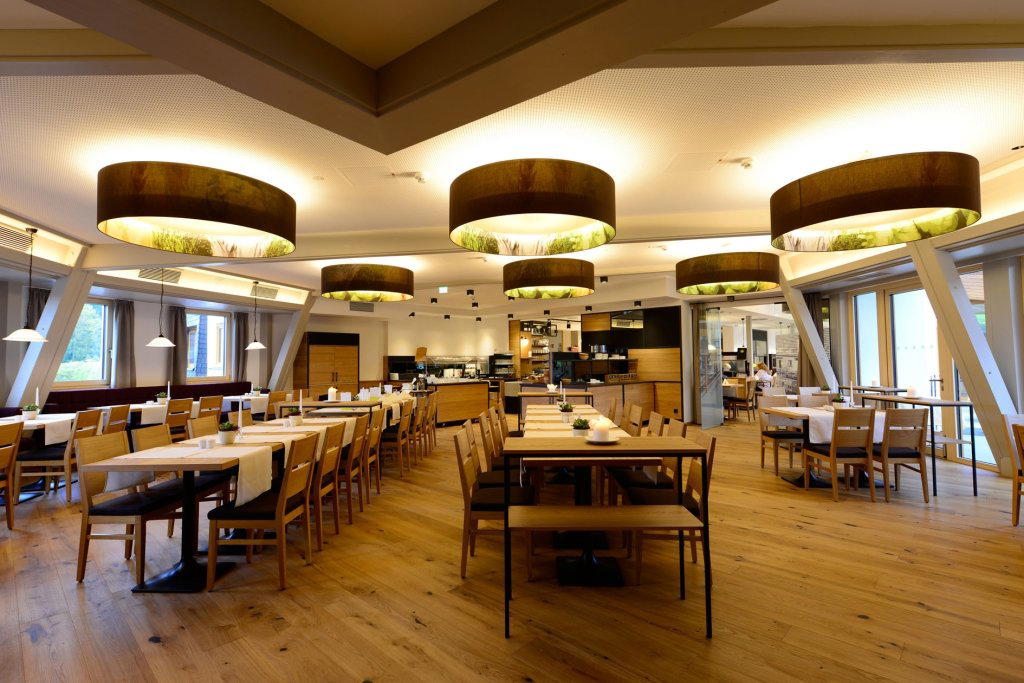
Where the Waldviertel Eats
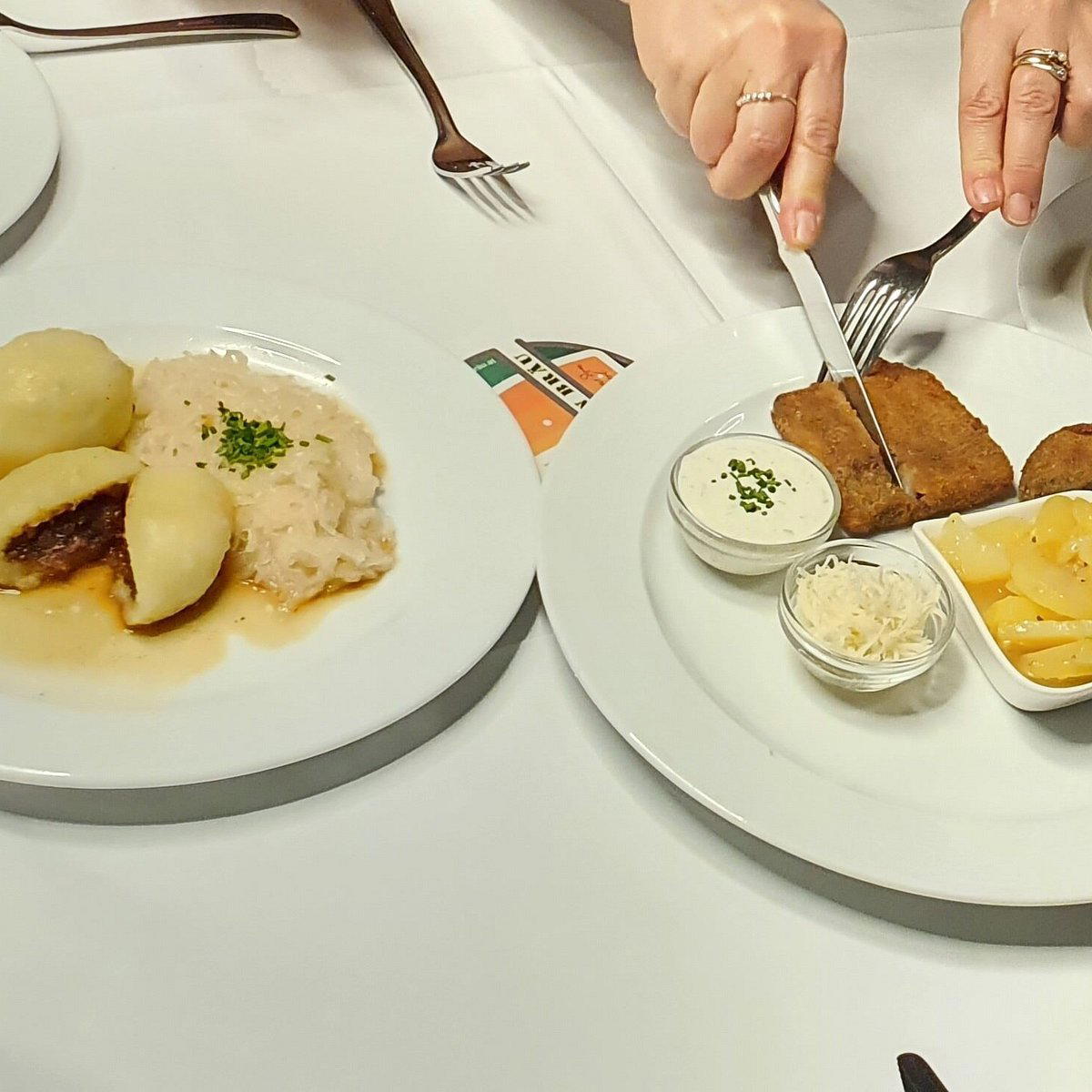
The Waldviertel is one of Lower Austria's least-travelled corners: a plateau of granite moorland, dark spruce forest, and carp ponds that sits roughly equidistant between Vienna and the Czech border. Zwettl, its informal capital, has a Cistercian monastery founded in 1138 and a market square that functions at a pace noticeably slower than the capital two hours south. Dining in this kind of town historically meant Gasthausküche, the rooted Austrian tradition of inn cooking anchored to local produce, hearty portions, and no particular ambition toward prestige. Schwarz Alm, addressed at Almweg 1, belongs to that tradition in setting and spirit, drawing on a landscape where game, freshwater fish, root vegetables, and forest fungi have defined the table for centuries.
This is a category of Austrian dining that receives far less attention than the Michelin-decorated rooms in Salzburg, the Alpine fine-dining circuit of Vorarlberg, or the creative kitchens of Vienna. Yet it is the more representative one. The gap between a celebrated room like Steirereck im Stadtpark in Vienna and a rural Waldviertel Gasthof is not merely one of ambition or technique, it reflects two genuinely different purposes. One serves a metropolitan audience seeking an event. The other serves a community, and its continuity depends on that relationship rather than on guide coverage or seasonal press attention.
The Tradition Behind the Alm
The word Alm in German-speaking countries carries a specific cultural charge: an alpine or upland pasture, typically associated with seasonal herding and the simple, direct cooking that provisioned it. In Lower Austria, the concept translates less to high mountain terrain and more to the forest margins and refined meadows of the Waldviertel interior. Establishments using the word signal an alignment with that ethos, informal hospitality, cooking grounded in what the surrounding land produces, and a setting that prioritises the natural environment over interior design as destination.
Across Austria's provincial dining scene, this approach has proven surprisingly durable. While contemporary Austrian cuisine has developed a distinct international profile, represented at the highest level by places like Döllerer in Golling an der Salzach or Ikarus in Salzburg, the regional Gasthof and Almwirtschaft have not simply faded. They have instead become more consciously valued by Austrian diners who treat them as repositories of a cooking tradition that more technically sophisticated restaurants sometimes quote but rarely preserve intact. The Waldviertel, with its poppy seed cultivation, its grey peas, its carp farming in the Teich landscape, and its game hunting tradition, has more to offer that tradition than most Austrian regions its size.
Placing Schwarz Alm in Zwettl's Table
Within Zwettl itself, dining options organise loosely into hotel restaurants operating on a broader hospitality brief and standalone Gasthäuser serving a local clientele. Faulenzerhotel and Schlosshotel Rosenau represent the hotel-anchored tier, with menus shaped partly by overnight guest expectations. Schwarz Alm, at its Almweg address, sits outside that framework, a positioning that typically means deeper focus on a specific register of cooking rather than the broader menu range that hotel dining rooms tend to carry.
Comparative context across Austria is useful here. The Alm-style format appears across the country's provincial dining map, from the Alpine western states to the forested east, but the Waldviertel version has its own flavour profile: earthier, darker, more oriented toward game and freshwater than toward Alpine dairy and charcuterie. For readers who have eaten at the higher end of Austria's rural dining spectrum, say, Landhaus Bacher in Mautern an der Donau or Obauer in Werfen, the restaurant register will read as deliberately unpretentious by comparison, which is the point rather than a shortcoming. The full picture of Austrian dining includes both.
Austria's broader provincial fine-dining circuit also includes rooms that have built serious reputations away from the major cities: Gourmetrestaurant Tannenhof in Sankt Anton am Arlberg, Griggeler Stuba in Lech, Kräuterreich by Vitus Winkler in Sankt Veit im Pongau, Stüva in Ischgl, Schwarzer Adler in Hall in Tirol, Ois in Neufelden, Taubenkobel in Schützen am Gebirge, and Restaurant 141 by Joachim Jaud in Mieming. These rooms demonstrate that ambition in Austrian dining is not the exclusive province of city addresses. The restaurant occupies a different position on that spectrum, but the spectrum is worth knowing if you are approaching the Waldviertel from outside the region.
For international reference, the contrast is sharper still. Restaurants like Le Bernardin in New York City or Atomix in New York City operate within a system of formal recognition, elaborate tasting formats, and a global audience. The Alm tradition operates on entirely different terms, where locality and regularity of patronage count for more than guide placement.
Planning Your Visit
Zwettl sits roughly 130 kilometres northwest of Vienna, accessible by train via Schwarzenau with a connection on the Waldviertel railway line, or by car along the A22 and B36 through the Kamp valley. The Almweg address places the restaurant at the edge of town rather than on the central market square, which is consistent with the out-of-town character of most Alm-format establishments. Prospective visitors should verify opening times directly before travelling. Arriving with a booking is advisable.
Budget and Context
Comparable venues nearby, for context on price, style, and recognition.
| Venue | Cuisine | Price | Notes |
|---|---|---|---|
| Schwarz AlmThis venue — the venue you are viewing | Zwettl, New Waldviertel Cuisine | $$ | Not listed |
| Faulenzerhotel | Not listed | $$$ | Friedersbach, Traditional Waldviertel Austrian Cuisine |
| Schlosshotel Rosenau | Not listed | $$$ | Schloss Rosenau, Austrian Castle Fine Dining |
| zum schwarzen schiff | Urfahr, Austrian Tavern Cuisine | $$ | Not listed |
| Wirtschaft am Markt | Not listed | $$ | Gaudenzdorf, Modern Viennese Market Cuisine |
| Figlmüller – Restaurant Bäckerstraße | Not listed | $$ | Innere Stadt, Traditional Viennese Cuisine |
Continue exploring
More in Zwettl
Restaurants in Zwettl
Browse all →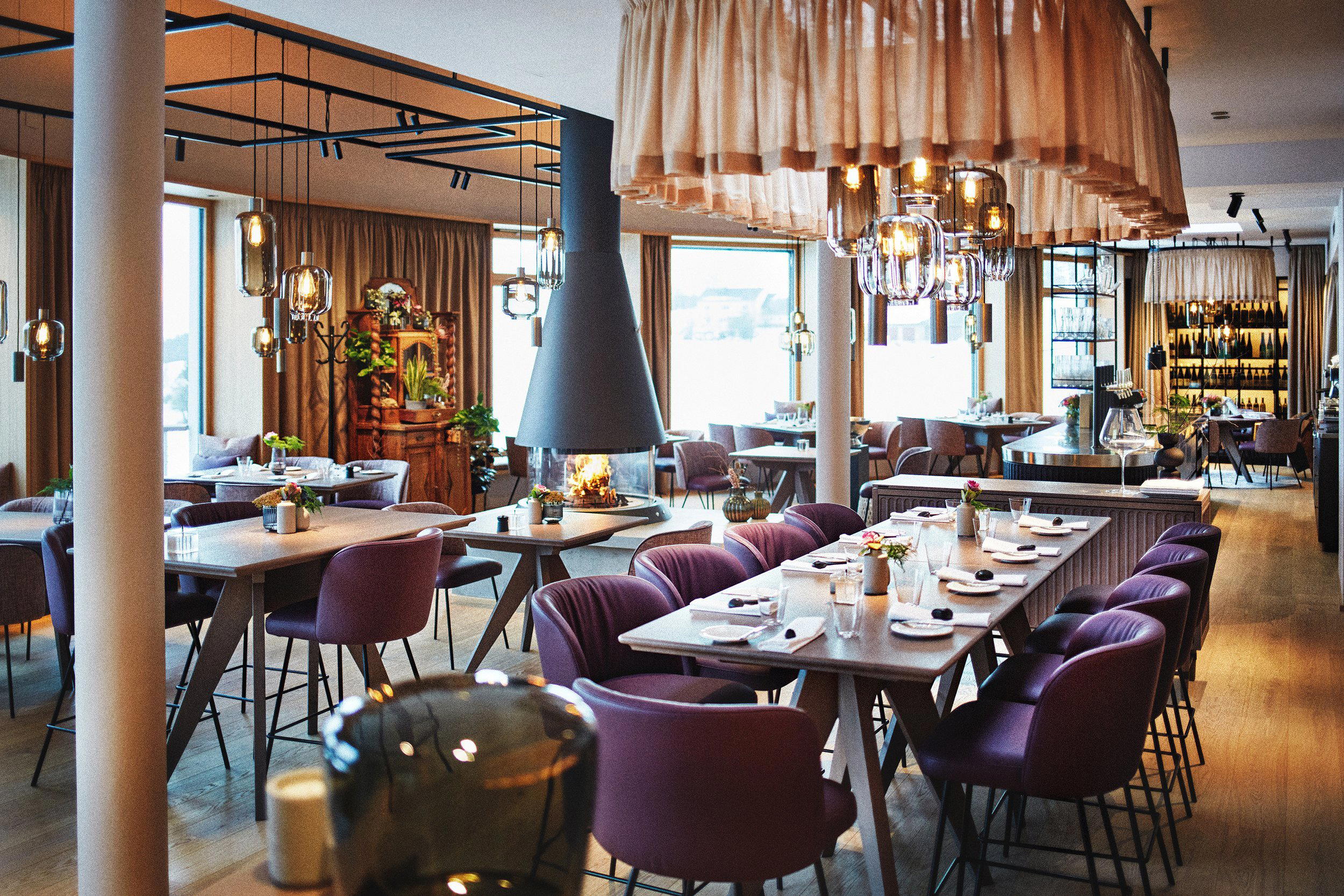
Bars in Zwettl
Browse all →

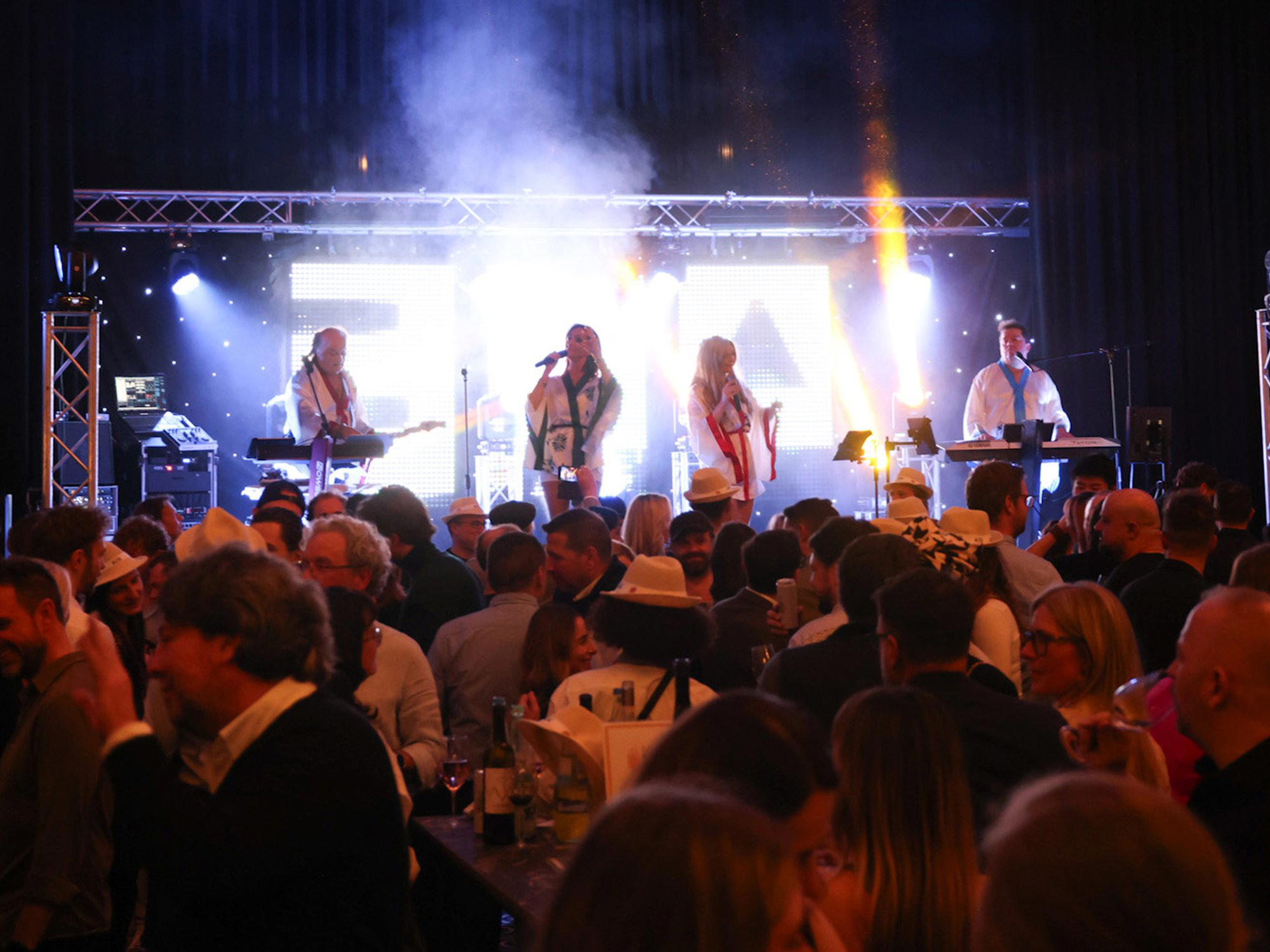
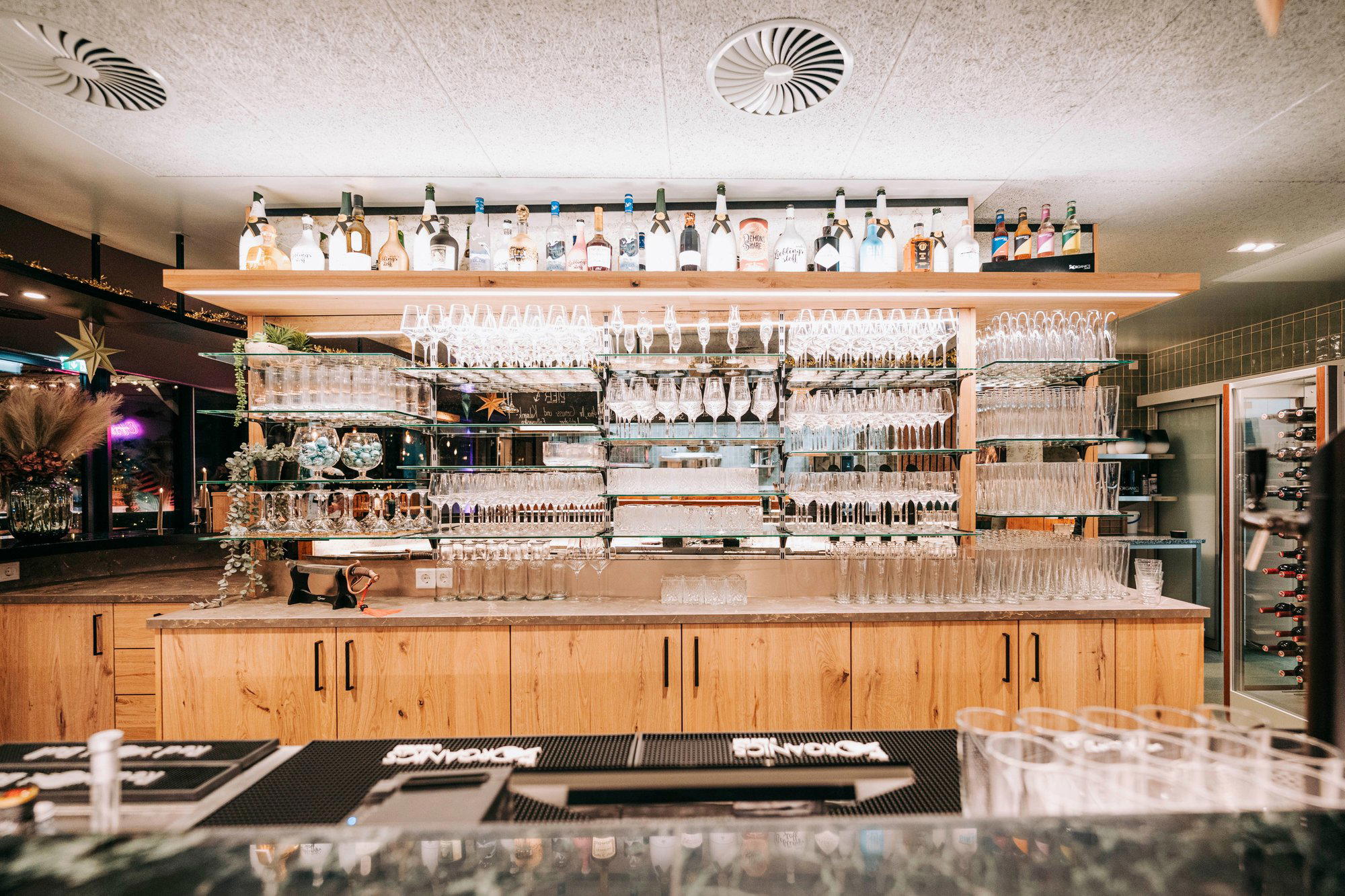
Hotels in Zwettl
Browse all →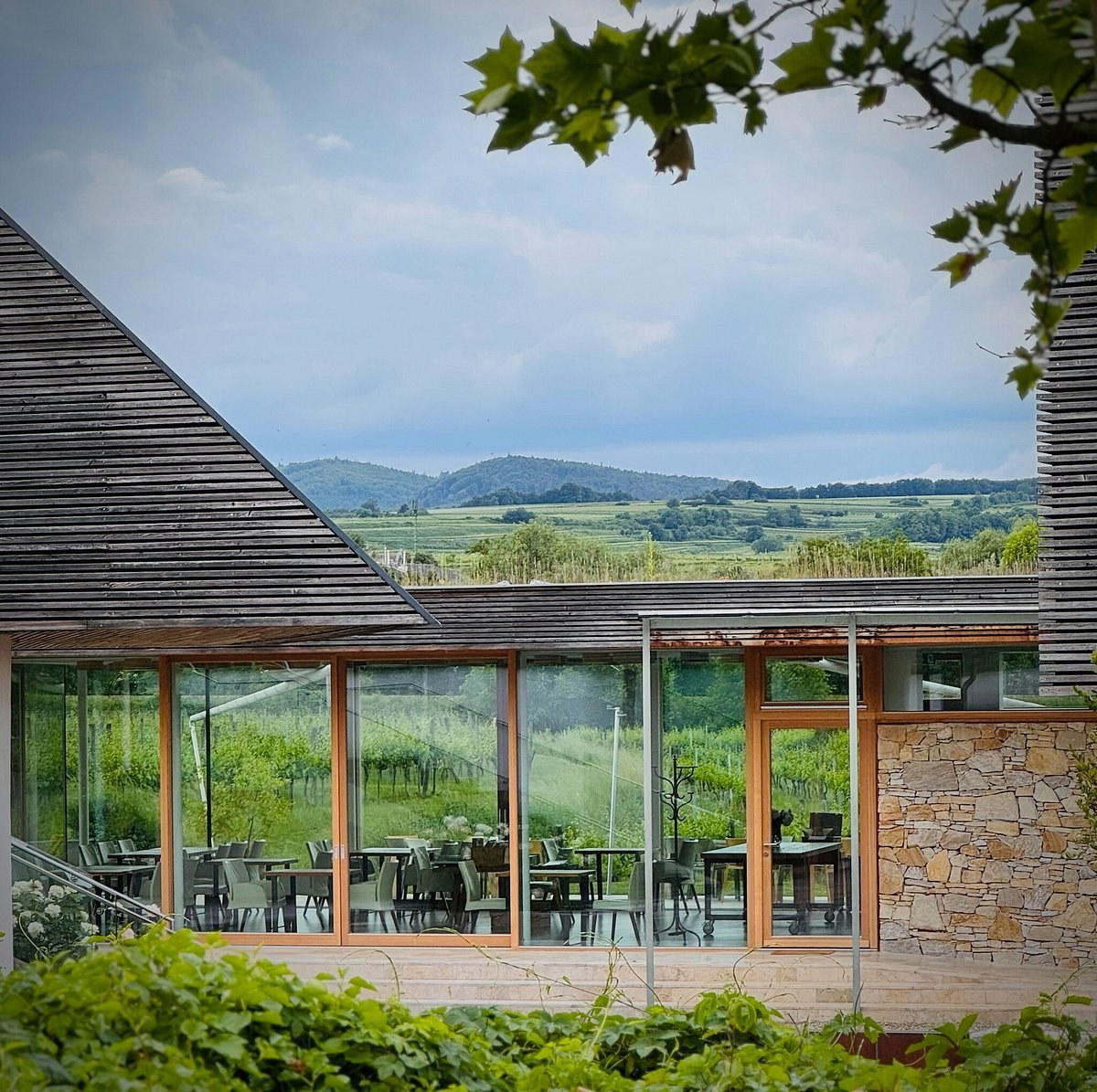
At a Glance
- Quiet
- Cozy
- Rustic
- Scenic
- Family
- Group Dining
- Casual Hangout
- Business Dinner
- Garden
- Hotel Restaurant
- Standalone
- Beer Program
- Local Sourcing
- Garden
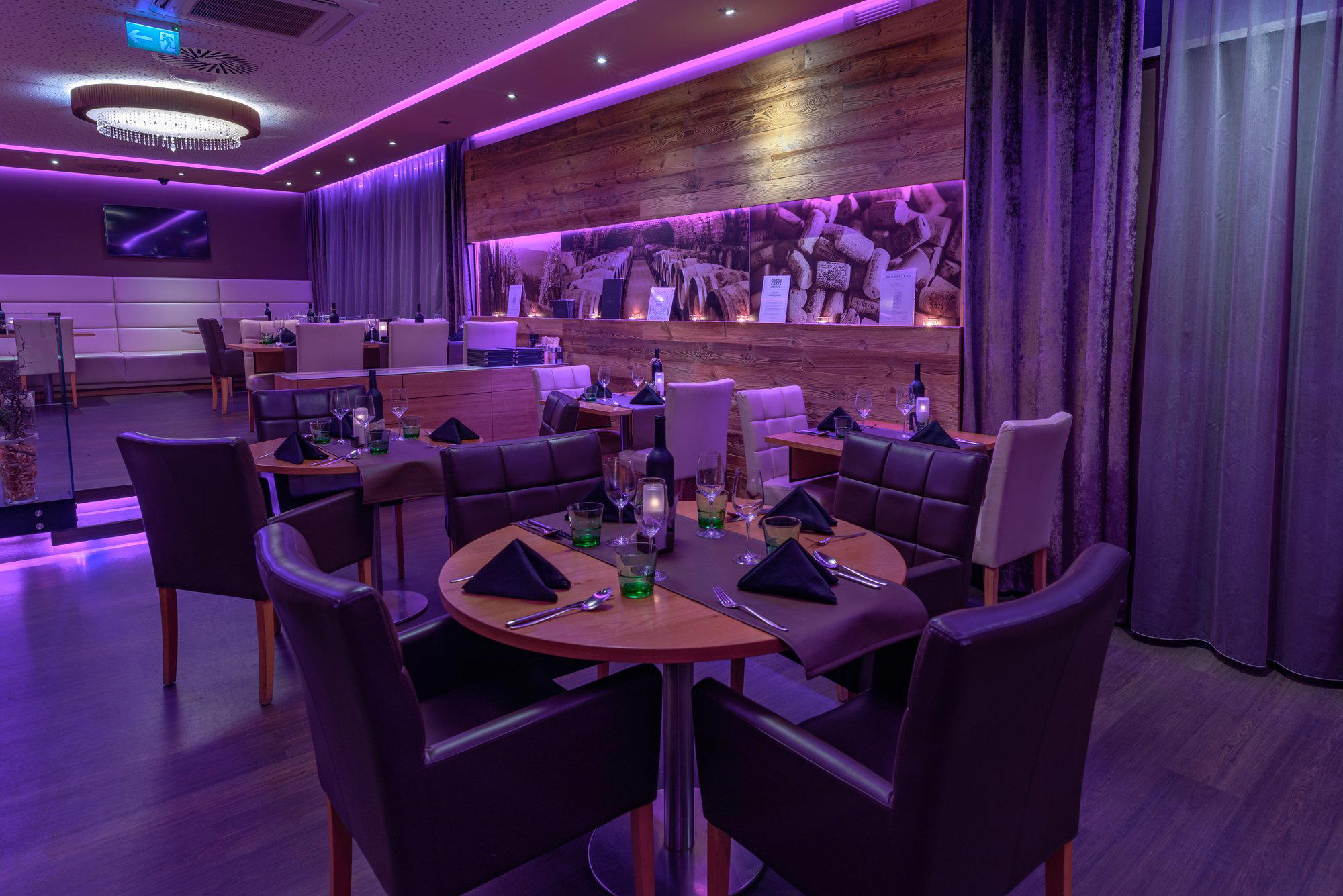
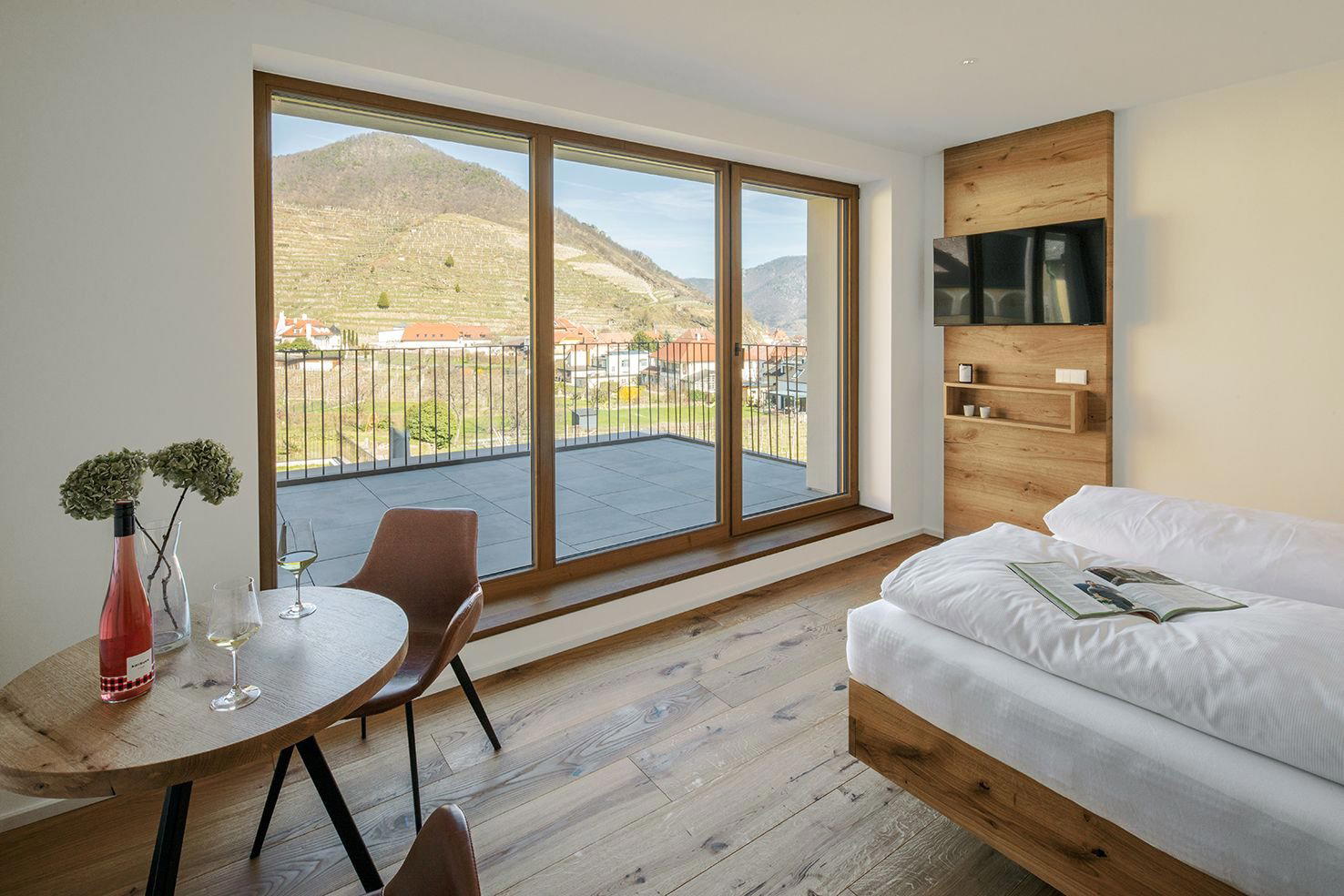
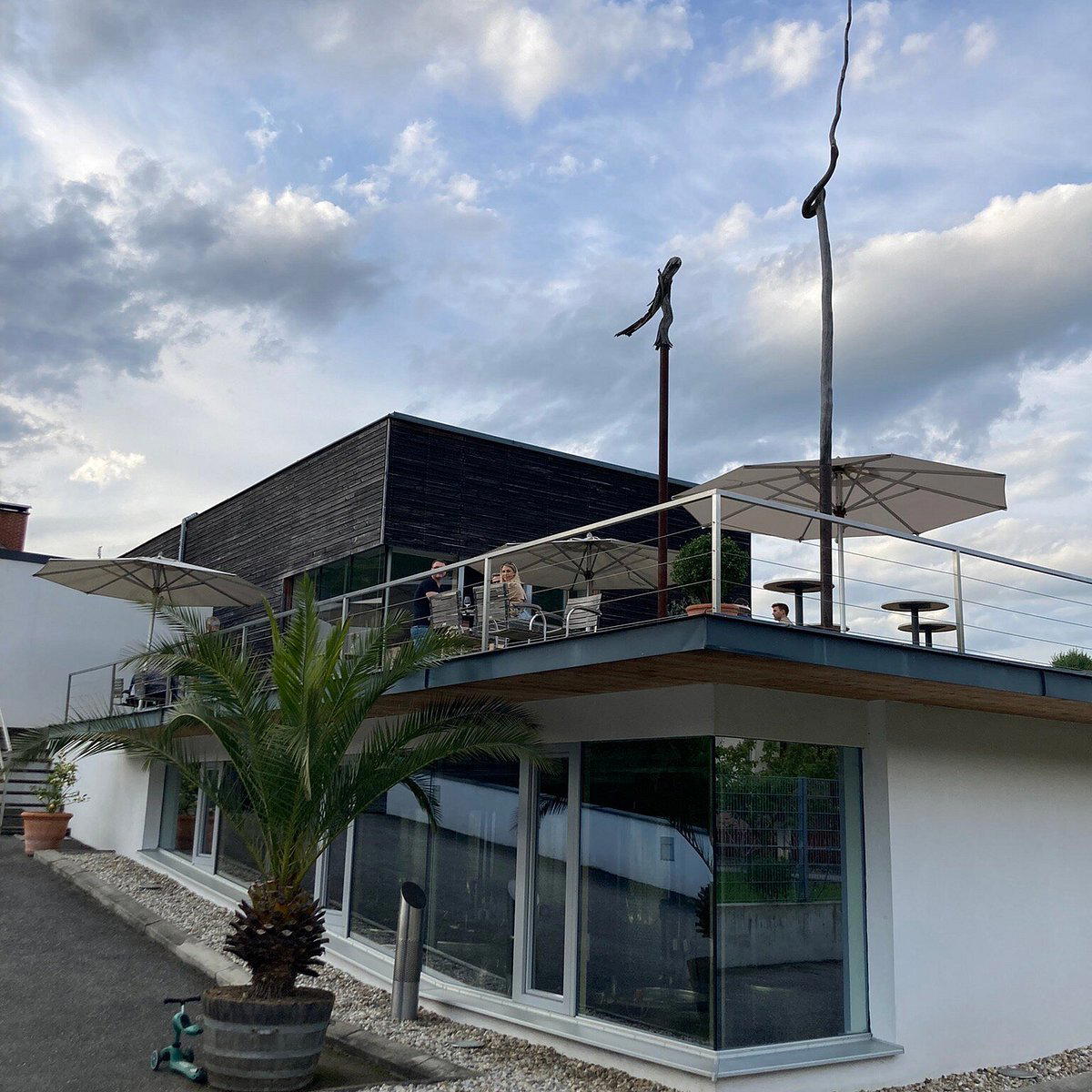
Quiet, relaxed, and cozy with a rustic country-inn feel and bright winter-garden atmosphere.