DELIKATERIE
DELIKATERIE serves Modern Austrian Bistro cooking in Top 4, Kaiser-Franz-Josef Straße 5, with terrace seating, a street scene view, and an extensive wine list for lunch or dinner.
Pearl is the En Primeur Club membership app — saves, bookings, and concierge access live there. Same editors, same standards.
- Address
- Top 4, Kaiser-Franz-Josef Straße 5, 8344 Bad Gleichenberg, Austria
- Phone
- +43315944606
- Website
- delikaterie.at
- Directions
- Get directions
 Saves & bookings on Pearl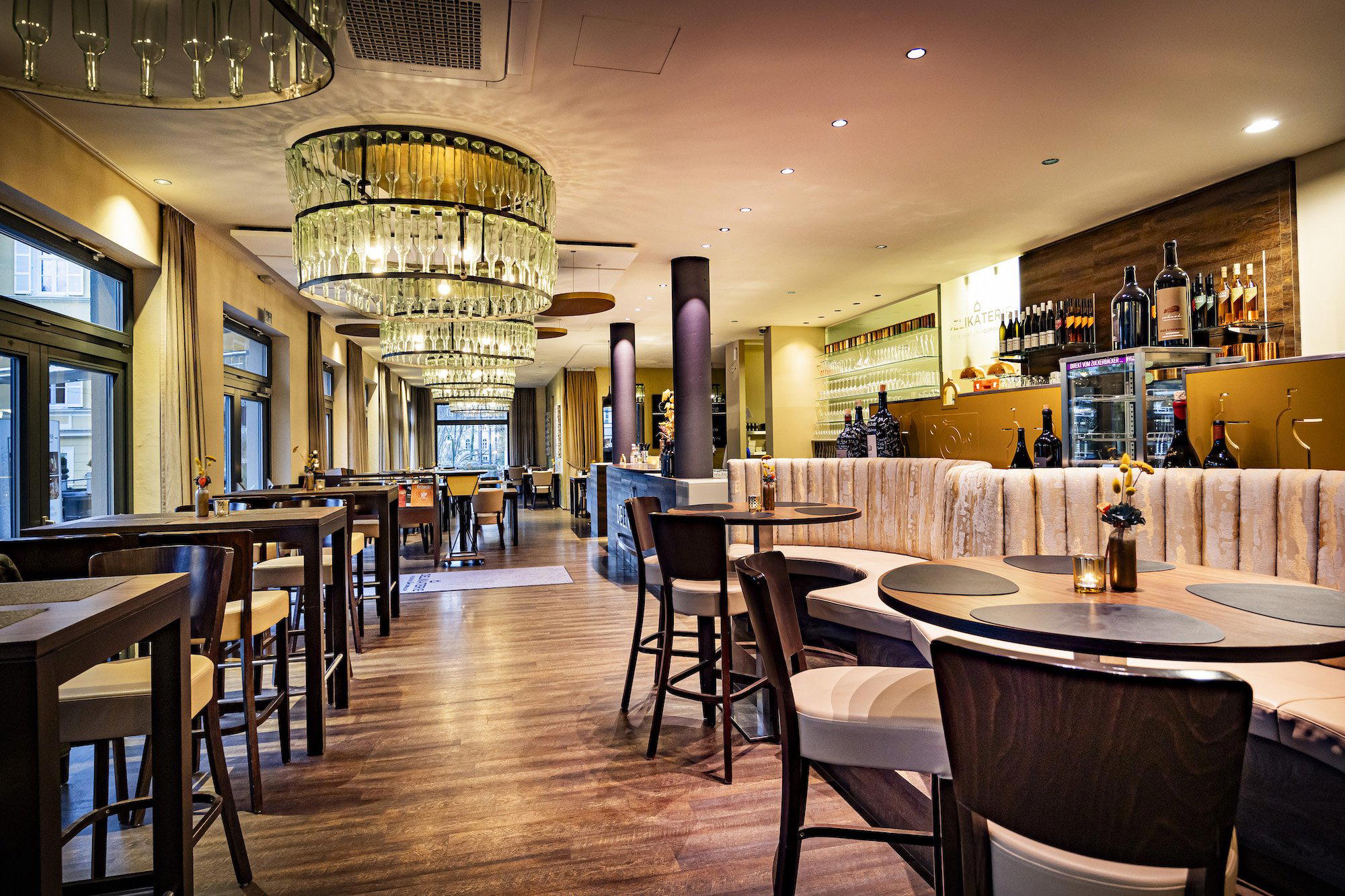
Where the Spa Town Meets the Pantry
Bad Gleichenberg sits in the rolling volcanic hills of southeastern Styria, a region whose thermal spring culture has historically attracted visitors seeking quietude rather than culinary headlines. The town's main thoroughfare, Kaiser-Franz-Josef Straße, carries that same unhurried register: broad, tree-lined, and largely free of the self-conscious gastronomy that clusters around more prominent Austrian resort towns. DELIKATERIE occupies a position on that street within the fabric of everyday commerce, a delicatessen format that, in Styrian towns of this scale, typically bridges the gap between the farmgate and the kitchen table.
In Austrian provincial towns, the delicatessen has historically served a different function than its urban counterparts. Where a Vienna deli competes against specialist retailers, a Styrian one often acts as a trusted curator of regional produce for locals who would otherwise rely on supermarket supply chains. That curation role matters in a region where provenance is the primary currency: Styria's pumpkin seed oil, Vulkanland wines, and charcuterie from local farms carry appellations that reward sourcing attention.
The Sourcing Logic of Styrian Produce
Southeastern Styria, and the Vulkanland designation in particular, has built a credible identity around short-supply-chain food production. The volcanic basalt soils that give the region its name also give local wines their mineral character and local vegetable crops an intensity that broadly distinguishes them from produce grown in flatter, more irrigated Austrian farmland. For a delicatessen format to function meaningfully in this context, the sourcing selection is the editorial statement: which farms, which oil pressers, which smokehouses, and which dairies make the cut tells you more than any menu description could.
DELIKATERIE is most usefully read through this lens. In a town whose dining options include the creative tasting counter at Geschwister Rauch - Restaurant at the leading end and the approachable classic register of Geschwister Rauch - Wirtshaus in the middle tier, a well-stocked delicatessen fills a different gap: it serves the visitor who wants to carry Styrian provenance home, and the local who wants access to premium regional goods without a restaurant booking. Steira Wirt completes the local dining picture for those planning a full stay in the area.
The broader Austrian conversation about ingredient sourcing has sharpened considerably over the past decade. Restaurants from Steirereck im Stadtpark in Vienna to Döllerer in Golling an der Salzach have built significant reputations on the back of direct producer relationships, and that emphasis has filtered down to the retail and delicatessen tier. Visitors arriving in Bad Gleichenberg with prior experience of how Austrian fine dining talks about provenance will read a good Styrian delicatessen through the same frame.
The Format in Regional Context
Across Austria's smaller spa and wellness towns, food retail formats have shifted. Organic and regional-produce shops have gradually displaced generic convenience options in towns where the visitor demographic skews toward health-conscious travellers. Bad Gleichenberg, whose thermal facilities draw guests from across the German-speaking region, fits that pattern. The appetite for quality packaged goods, prepared foods, and artisan pantry items is structurally embedded in the visitor profile.
This dynamic is visible in comparable Austrian provincial settings. Destinations that pair thermal or wellness infrastructure with high-quality food retail tend to retain visitors longer and generate stronger repeat-visit rates among the cohort that values that combination. A delicatessen operating in that context is not a secondary amenity; it is part of the reason a certain kind of traveller chooses the destination. The comparison set for DELIKATERIE is less the restaurant tier and more the specialist food retail operations attached to estate wineries or farm hotels in the Vulkanland and Südsteiermark corridors.
Comparable sourcing-led food operations appear across the wider Austrian landscape at properties like Taubenkobel in Schützen am Gebirge, where the boundary between kitchen and larder has been a deliberate design choice for years, and in the mountain context at Kräuterreich by Vitus Winkler in Sankt Veit im Pongau, where the herb garden functions as both sourcing infrastructure and identity statement. Even internationally, the leading sourcing-led food spaces, from Le Bernardin in New York City to Lazy Bear in San Francisco, demonstrate that provenance transparency is not a regional quirk but a durable value signal across price tiers and formats.
Planning a Visit
Bad Gleichenberg is accessible by train from Graz, with connections through Feldbach, making it a feasible day excursion or a logical stopping point on a broader Styrian itinerary. DELIKATERIE occupies a ground-floor position at Kaiser-Franz-Josef Straße 5, which places it within walking distance of the town's thermal facilities and the main visitor accommodation cluster. For guests staying in the spa zone, the proximity is convenient for morning shopping before spa appointments or for assembling a picnic-quality selection to take back to a hotel room. The address is direct to locate on foot from the centre. Those building a longer Austrian regional itinerary around food and wine sourcing will find natural extensions in the restaurant tier, from Obauer in Werfen to Schwarzer Adler in Hall in Tirol, and in the alpine dining tier at Griggeler Stuba in Lech, Stüva in Ischgl, or Gourmetrestaurant Tannenhof in Sankt Anton am Arlberg. Those interested in the farm-to-table sourcing argument in a restaurant context will find instructive comparisons at Restaurant 141 by Joachim Jaud in Mieming, Ois in Neufelden, and Landhaus Bacher in Mautern an der Donau.
Side-by-Side Snapshot
Comparable venues nearby, for context on price, style, and recognition.
| Venue | Cuisine | Price | Awards | Notes |
|---|---|---|---|---|
| DELIKATERIEThis venue — the venue you are viewing | Modern Austrian Bistro | $$ | Not listed | Not listed |
| Geschwister Rauch - Wirtshaus | Classic Austrian Wirtshaus with Seasonal Cuisine | $$ | Michelin Plate | Trautmannsdorf |
| Steira Wirt | Modern Styrian Austrian | $$$$ | Not listed | Trautmannsdorf |
| Geschwister Rauch - Restaurant | Innovative | $$$$ | Michelin 1 Star | Bad Gleichenberg |
| Restaurant Bachstelze | Austrian with Mediterranean Influences | $$ | Not listed | Kapfenberg |
| Sperling im Augarten | Modern Austrian with Vegetarian Focus | $$ | Not listed | Brigittenau |
Continue exploring
More in Bad Gleichenberg
Restaurants in Bad Gleichenberg
Browse all →
Bars in Bad Gleichenberg
Browse all →
Hotels in Bad Gleichenberg
Browse all →

At a Glance
- Modern
- Elegant
- Cozy
- Date Night
- Business Dinner
- Terrace
- Extensive Wine List
- Local Sourcing
- Street Scene
Current opening hours
- Monday
- 11 AM–10 PM
- Tuesday
- 11 AM–10 PM
- Wednesday
- Closed
- Thursday
- Closed
- Friday
- 11 AM–10 PM
- Saturday
- 10 AM–10 PM
- Sunday
- 10 AM–5 PM
Hours can change for holidays and private events. Last verified .
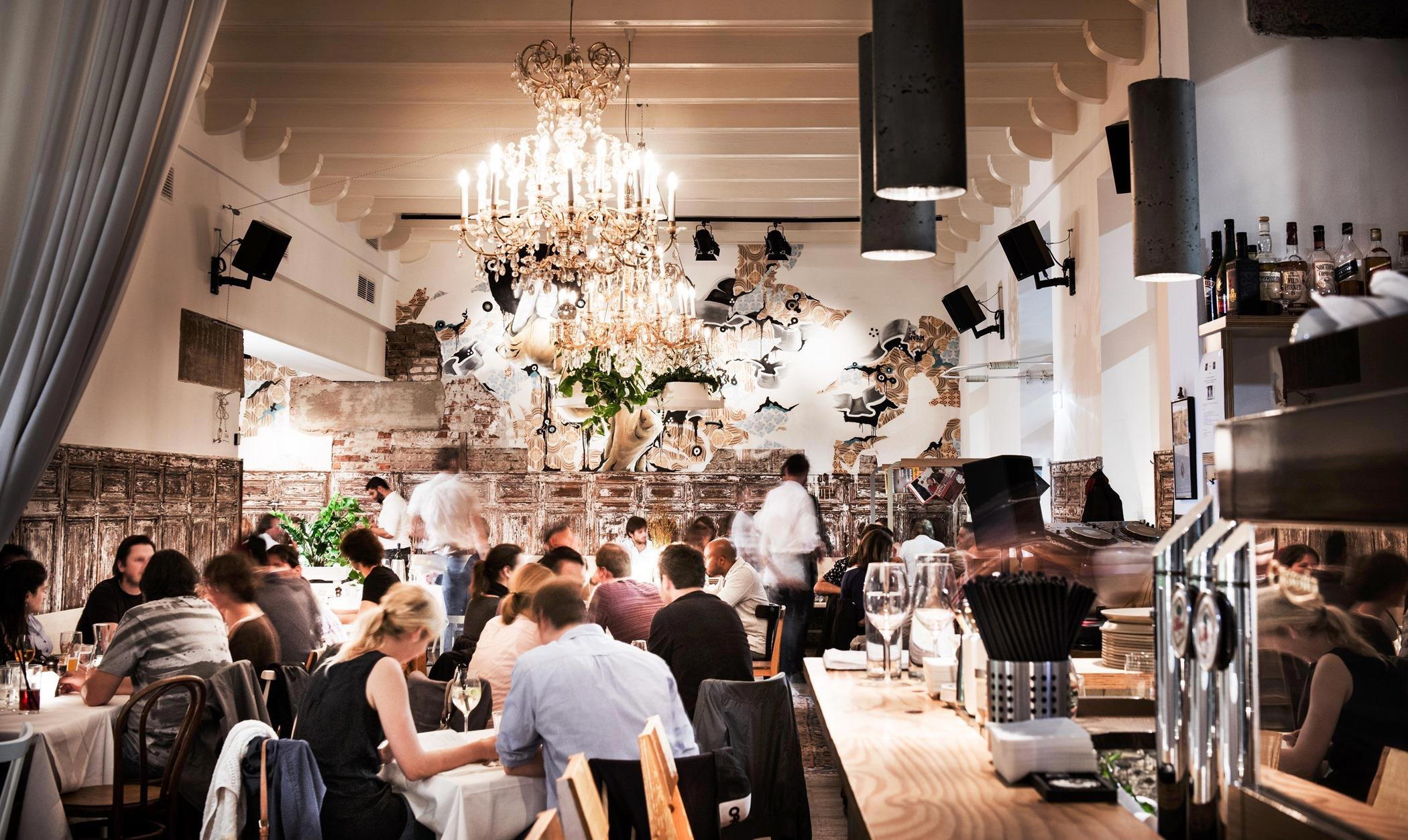
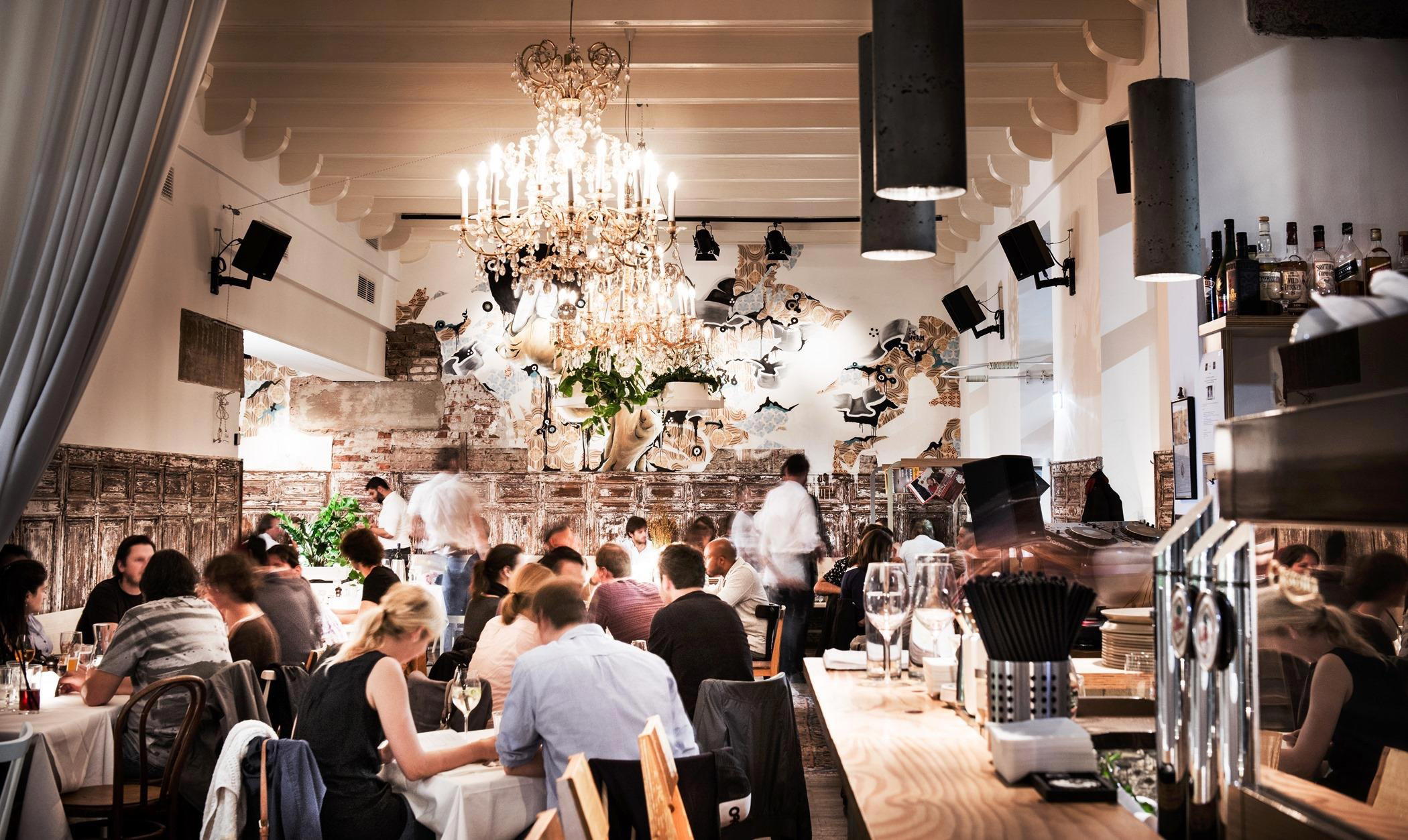
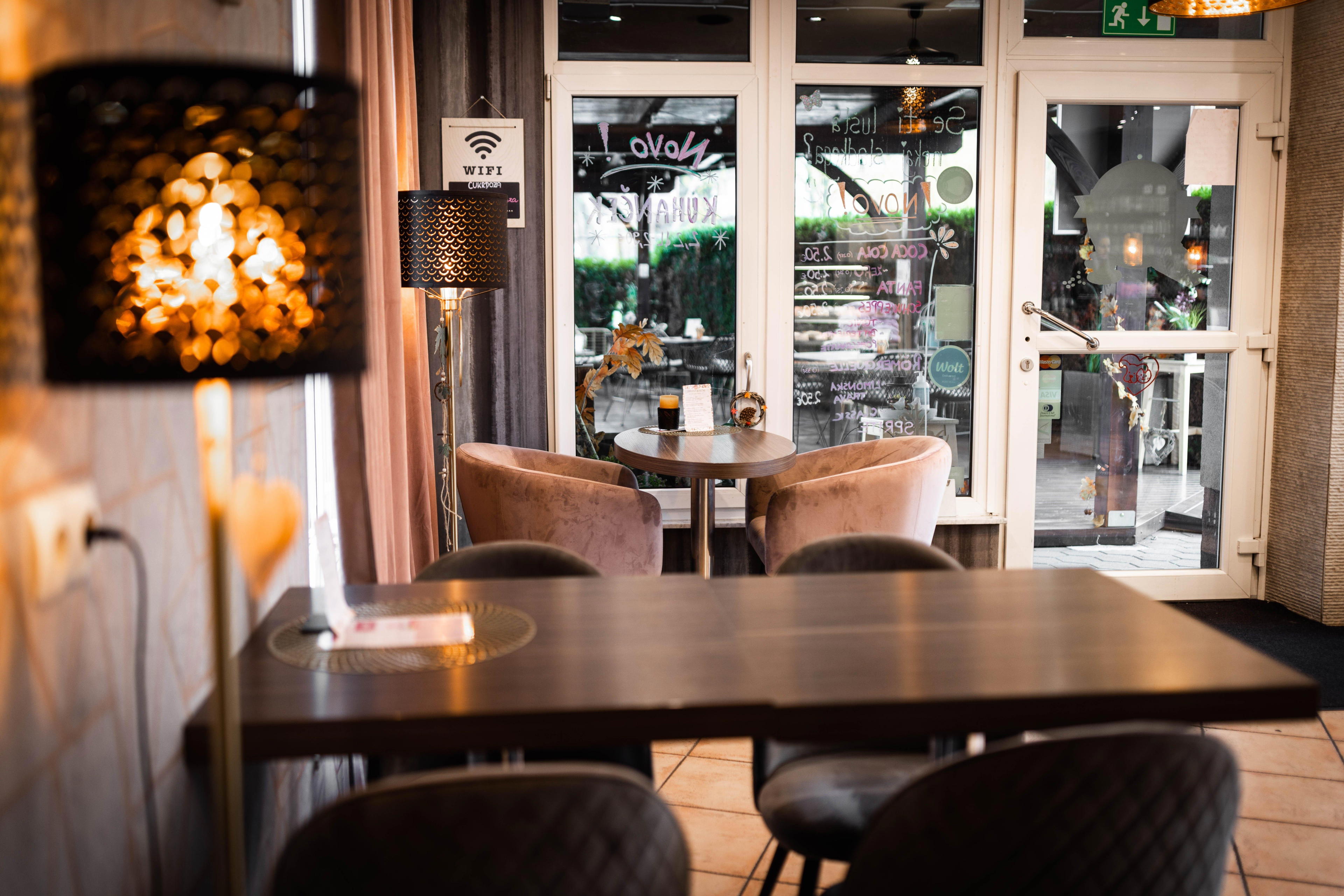
Stylish modern decor with pleasant terrace seating offering views of the square and water features, creating a comfortable and elegant atmosphere.