Weinerei im Baderhaus
Our verdict
Weinerei im Baderhaus occupies a historic address at Schiffländ 15 in Bruck an der Mur, placing it within a Styrian wine and dining tradition that rewards those who look beyond the region's more familiar urban stops. With its emphasis on regional produce and wine-forward hospitality, it represents a quieter, more rooted strand of Austrian food culture that larger destination restaurants rarely replicate.

Pearl is the En Primeur Club membership app, where members save venues, book tables and use the concierge.
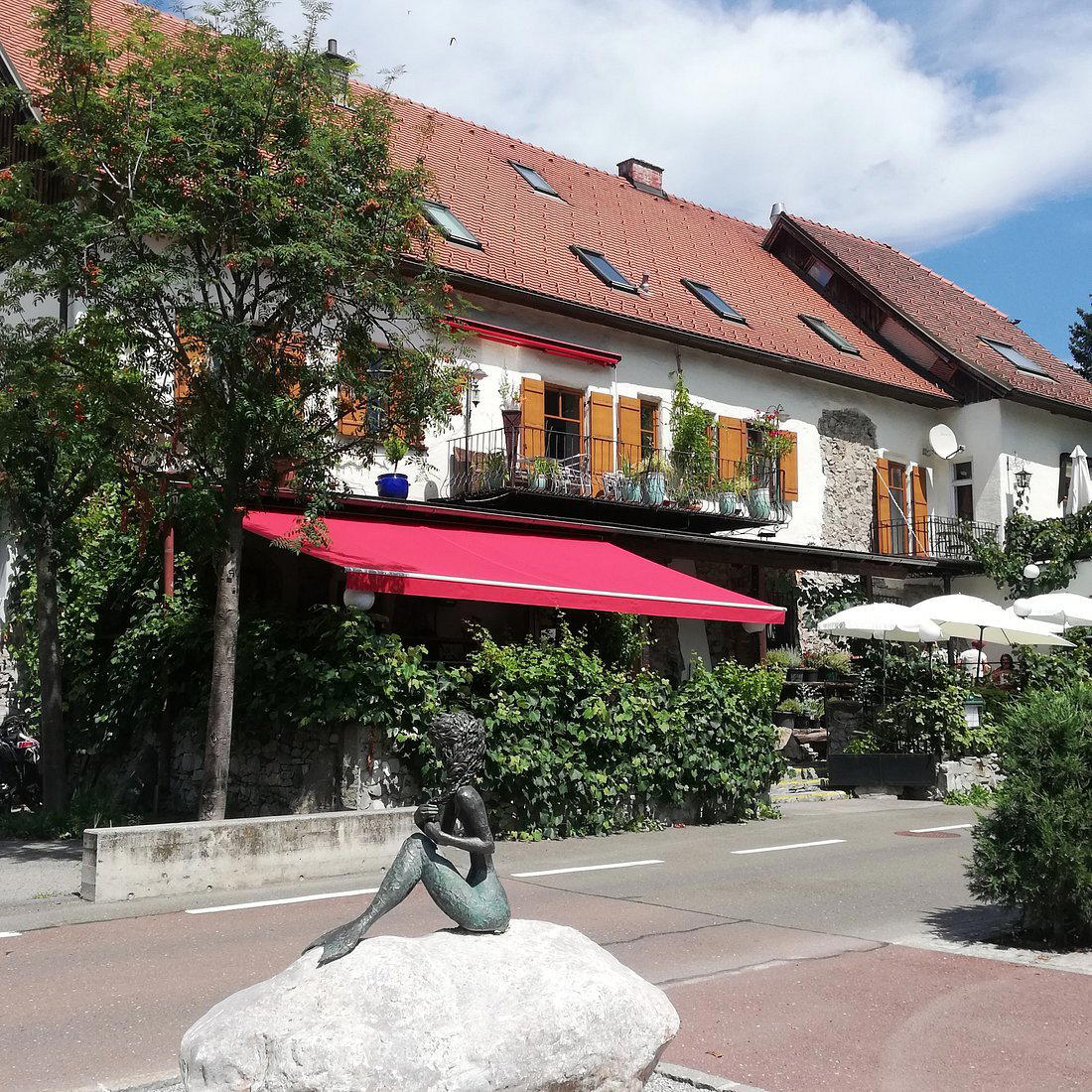
A Styrian Wine House on the Mur
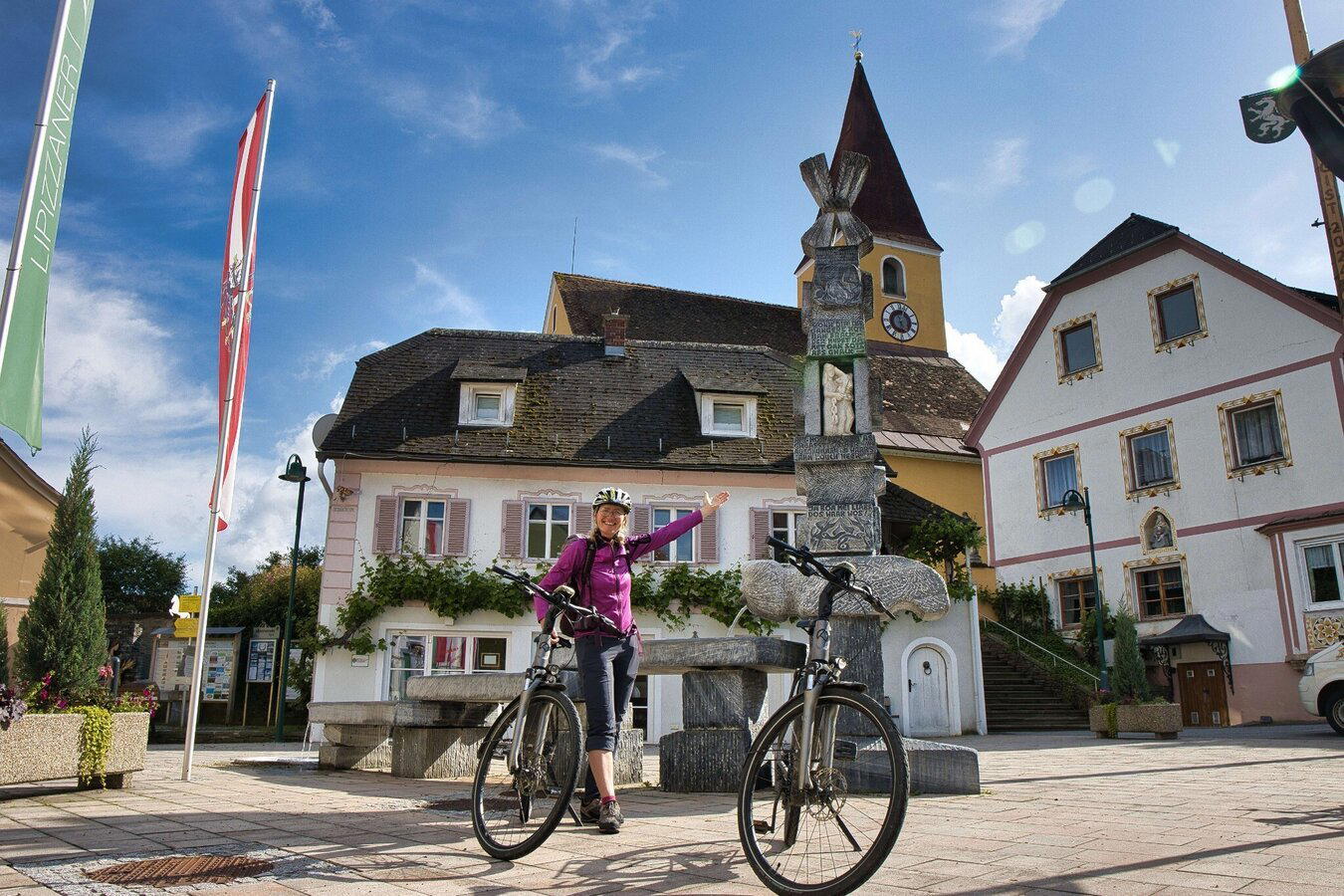
Bruck an der Mur sits at a confluence, literally, where the Mur and Mürz rivers meet, and figuratively, where Austria's alpine food traditions converge with the wine-producing culture of Styria. The town has never competed with Graz or Vienna for dining attention, which is precisely what makes its wine-led hospitality worth understanding on its own terms. At Schiffländ 15, the Weinerei im Baderhaus occupies a position in this quieter register: a wine house that draws its identity from the Styrian countryside rather than from the ambitions of a destination kitchen.
Styria's wine culture has developed a distinct character over the past two decades. The region's Sauvignon Blanc and Schilcher rosé have attracted serious international attention, and the model of the Weinerei, a format somewhere between a wine bar and a hospitality space, has become a natural vehicle for communicating that identity at the local level. The Weinerei im Baderhaus fits within this tradition, offering a format where the wine is not an accompaniment to the food but often the organizing principle of the experience itself.
What the Address Tells You
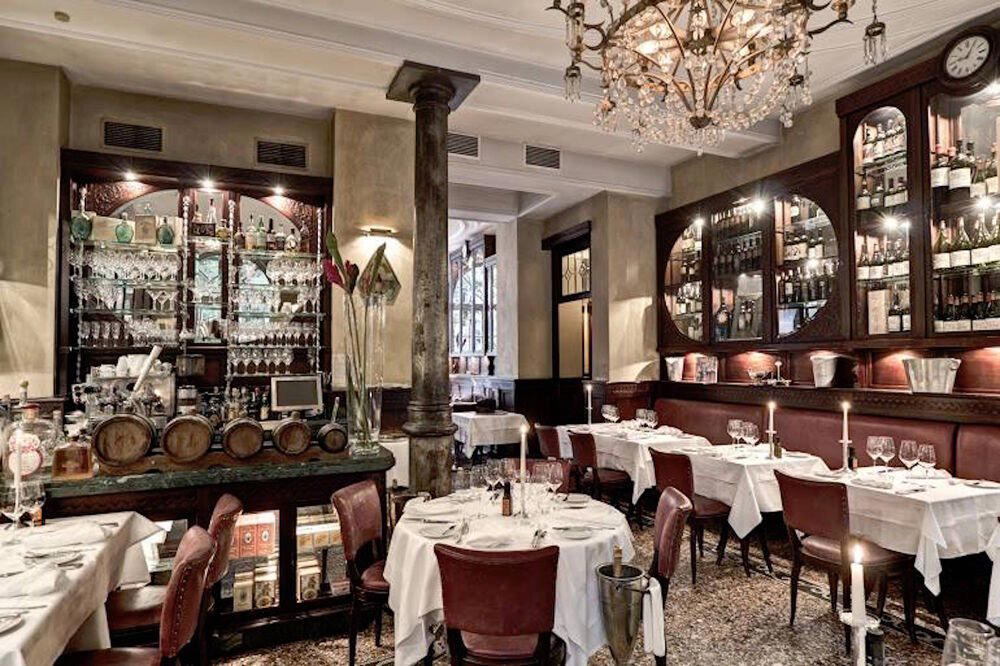
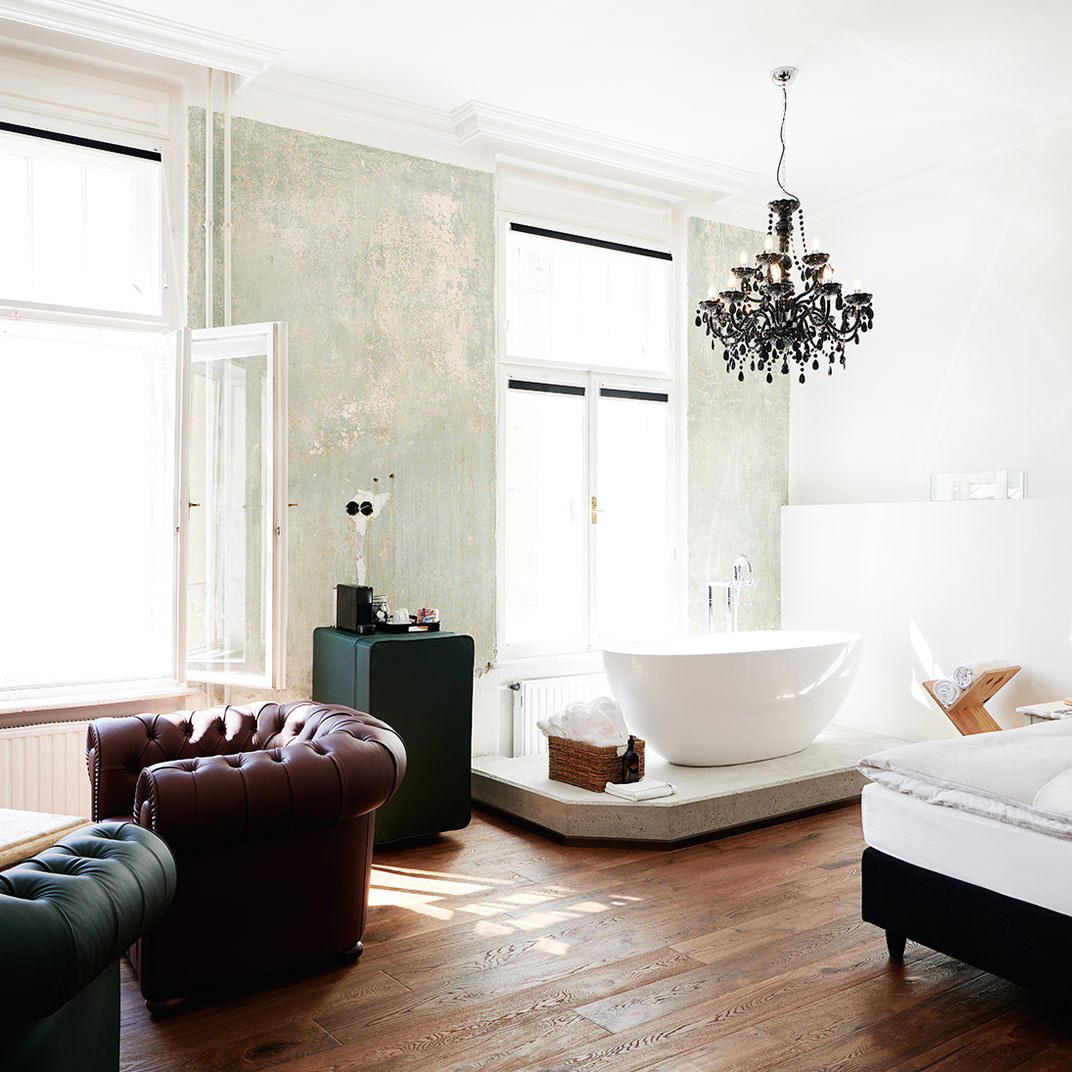
Schiffländ, meaning roughly "shipyard bank", is a riverside address that speaks to Bruck's older commercial identity as a trading town on the Mur. Buildings along this stretch tend to carry architectural weight from prior centuries, and arriving at the Baderhaus, visitors step into a structure whose fabric reflects that history. The physical environment here is not designed for spectacle. It is the kind of space where the atmosphere arrives slowly: worn stone, modest proportions, the particular quality of light that comes through windows built for a different era. This is the opposite register from the polished design-hotel wine bars that now populate Austria's ski towns and city centres.
That contrast is worth holding in mind when comparing Austrian hospitality formats. The more formally recognized tier, think Steirereck im Stadtpark in Vienna or Döllerer in Golling an der Salzach, operates with structured menus, professional service hierarchies, and the institutional weight of Michelin recognition. A Weinerei operates differently. The format is more informal, the relationship between host and guest more direct, and the wine selection more central to the experience than any single dish. Both modes have genuine value; they simply answer different questions about what an evening in Austria should feel like.
The Sourcing Logic Behind Styrian Wine Hospitality
What defines a well-run Weinerei is not just what is poured but where it comes from and whether the people serving it can explain that provenance with authority. Styria's wine regions, the Südsteiermark, the Weststeiermark, and the Vulkanland, each produce wines with markedly different character, and a wine house that understands these distinctions offers something a generic wine list cannot. The leading examples in the Weinerei format treat the selection as editorial work: choosing producers who farm with care, whose wines reflect specific soils and elevations, and whose output is limited enough to be meaningful.
This sourcing logic extends to food, where it matters. The Styrian pantry is specific: Kürbiskernöl (pumpkin seed oil) pressed in the region, Styrian beef from highland farms, cured meats from small producers in the valleys. These are not decorative regional touches but ingredients with genuine traceability. A venue that sources them correctly communicates something about the place that no amount of atmospheric design can substitute. When the wine and the food share a geographic logic, both arriving from the same hills, the same climate, the same seasonal rhythms, the experience becomes coherent in a way that assembled menus rarely achieve.
This is the strand of Austrian hospitality that venues like Taubenkobel in Schützen am Gebirge and Kräuterreich by Vitus Winkler in Sankt Veit im Pongau have developed at higher degrees of formal ambition. The Weinerei im Baderhaus operates at a different scale and without the same public profile, but its placement within the same regional sourcing tradition is what makes it legible to a reader who understands how Austrian food culture is organized outside the award-tracked tier.
How Bruck an der Mur Fits the Wider Austrian Picture
Austria's dining map rewards patience. The headline addresses, Ikarus in Salzburg, Griggeler Stuba in Lech, Stüva in Ischgl, attract international visitors who plan their trips around kitchen reputations. But Austrian food culture also runs through smaller towns and informal formats that rarely appear in international coverage. Bruck an der Mur is precisely this kind of place: significant within its regional context, overlooked by those moving quickly between airports and alpine resorts.
For those already exploring Styria, Artis in Graz represents the region's more polished urban dining register, while Johanns Living, also in Bruck an der Mur, offers a contemporary format that sits closer to the town's evolving hospitality identity. The Weinerei im Baderhaus occupies a different position from both: older in spirit, more deliberately anchored to wine-first hospitality, and less concerned with the conventions of modern restaurant formats. Venues operating at this level of informality elsewhere in Austria, Obauer in Werfen, Ois in Neufelden, Landhaus Bacher in Mautern an der Donau, demonstrate that the country's most interesting hospitality does not always follow a predictable form. Our full Bruck an der Mur restaurants guide maps this territory in more detail for those planning time in the region.
Planning a Visit
Bruck an der Mur is reachable by train from Graz in under an hour, making it a practical half-day extension for anyone spending time in Styria's capital. The Weinerei im Baderhaus is at Schiffländ 15, on the riverside near the town centre. Wine-focused houses of this type in Austrian market towns often keep irregular hours or operate on reservation-led schedules that differ from standard restaurant services. Visitors who arrive without confirming current opening hours risk disappointment, a point that applies equally to comparable informal venues across the country.
Compared to the investment required at Austria's formally recognized dining tier, where menus at addresses like Gourmetrestaurant Tannenhof in Sankt Anton am Arlberg or Schwarzer Adler in Hall in Tirol require significant advance planning and budget, the Weinerei format represents a more accessible entry point into serious Austrian wine culture. The experience is less structured, the stakes lower, and the reward proportional: a genuine encounter with a regional tradition that a tasting menu at a destination restaurant will rarely deliver with the same directness. For international visitors accustomed to measuring Austrian food culture by its Michelin tally, this kind of address requires a different set of expectations, and tends to repay those who bring them.
Frequently asked questions
Can I bring kids to Weinerei im Baderhaus?
Weinerei im Baderhaus is a wine-focused house at Schiffländ 15 in Bruck an der Mur, which means the atmosphere is oriented around wine service and regional hospitality rather than family dining programming. Whether children fit comfortably depends on the occasion and time of visit. Contacting the venue directly before arriving with young guests is the practical approach.
What kind of setting is Weinerei im Baderhaus?
The address, Schiffländ 15 on the riverside in Bruck an der Mur, places the venue along what was historically the town's trading waterfront, where the Mur and Mürz rivers meet. A Weinerei format in this context typically means a wine-house environment: convivial rather than formal, with the focus on what is poured and where it originates. Bruck an der Mur is a market town, not a tourist resort, so the crowd skews local.
Is Weinerei im Baderhaus a good stop when travelling through Styria by train?
Bruck an der Mur sits on a main rail corridor and is reachable from Graz in under an hour, making Schiffländ 15 a practical stop for anyone moving through the region rather than basing themselves there. A Weinerei visit in this town functions well as a half-day extension of a Graz itinerary, offering Styrian wine in a setting that carries the area's trading-town character rather than its capital-city polish.
What do regulars order at Weinerei im Baderhaus?
Regulars at any well-run Weinerei tend to follow the house recommendation rather than a fixed menu, deferring to whoever is pouring on a given evening.
Where is Weinerei im Baderhaus in Bruck an der Mur?
Weinerei im Baderhaus is located at Schiffländ 15, 8600 Bruck an der Mur, Austria, Bruck an der Mur.
Fast Comparison
Comparable venues nearby, for context on price, style, and recognition.
| Venue | Cuisine | Price | Awards | Notes |
|---|---|---|---|---|
| Weinerei im BaderhausThis venue (the venue you are viewing) | Modern Austrian with regional specialties | $20–30 | Not listed | Not listed |
| Johanns Living | Modern Austrian Fine Dining | $100–150 | Michelin Plate · Falstaff Restaurant - 95 Falstaff Points | city centre |
| DELIKATERIE | Modern Austrian Bistro | Not listed | Not listed | Bad Gleichenberg |
| trude & töchter | Modern Viennese | Not listed | Not listed | Staatsoper |
| Lentos Restaurant | Modern Austrian with river views | $20–30 | Not listed | Donaulände |
| Unger | Modern Austrian Regional | Not listed | Not listed | Pitten |
Continue exploring
More in Bruck an der Mur
Restaurants in Bruck an der Mur
All restaurants in Bruck an der Mur →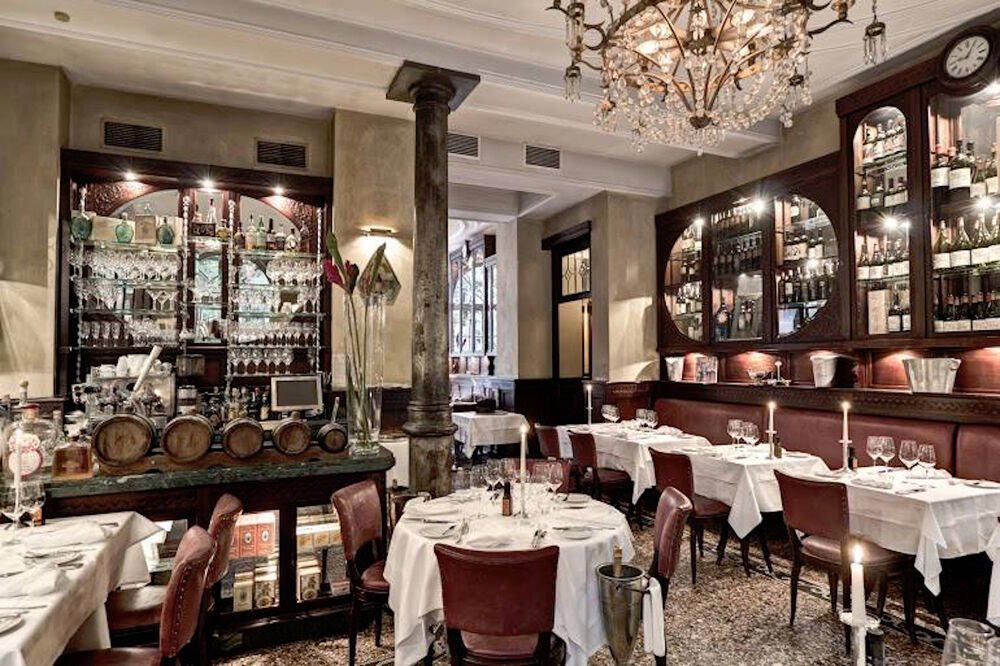
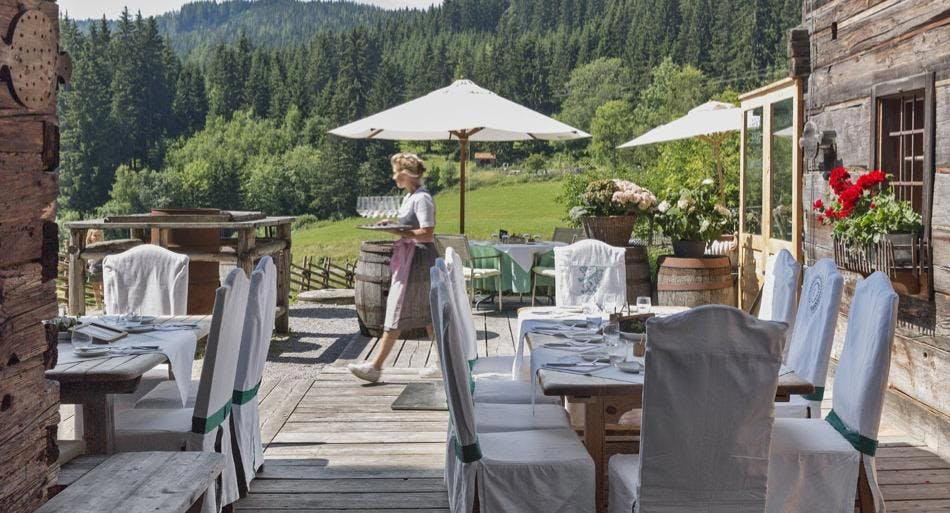
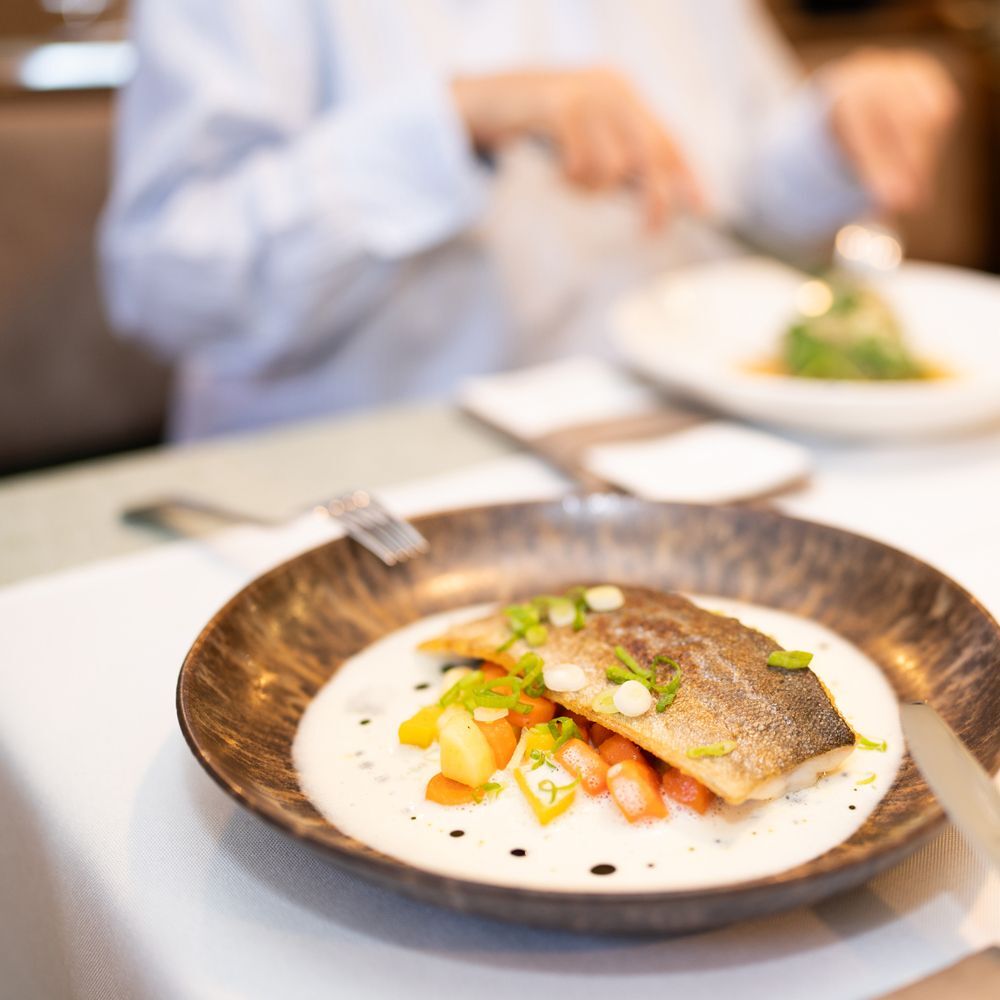

Bars in Bruck an der Mur
Browse all →
Hotels in Bruck an der Mur
Browse all →

Details
- Rustic
- Cozy
- Trendy
- Date Night
- Casual Hangout
- Terrace
- Historic Building
- Extensive Wine List
- Local Sourcing
- A La Carte
- Wine
- Gluten Free Options
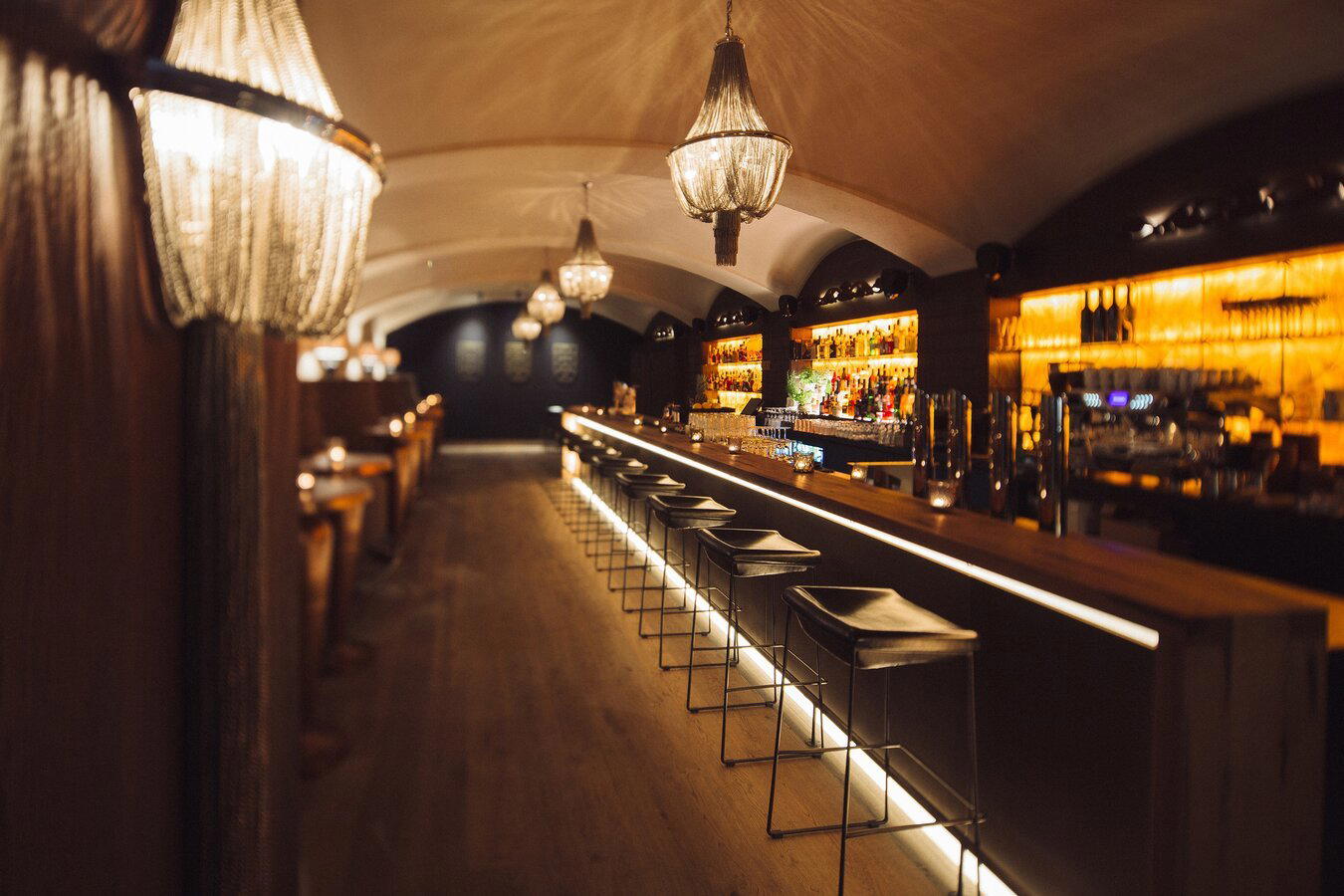
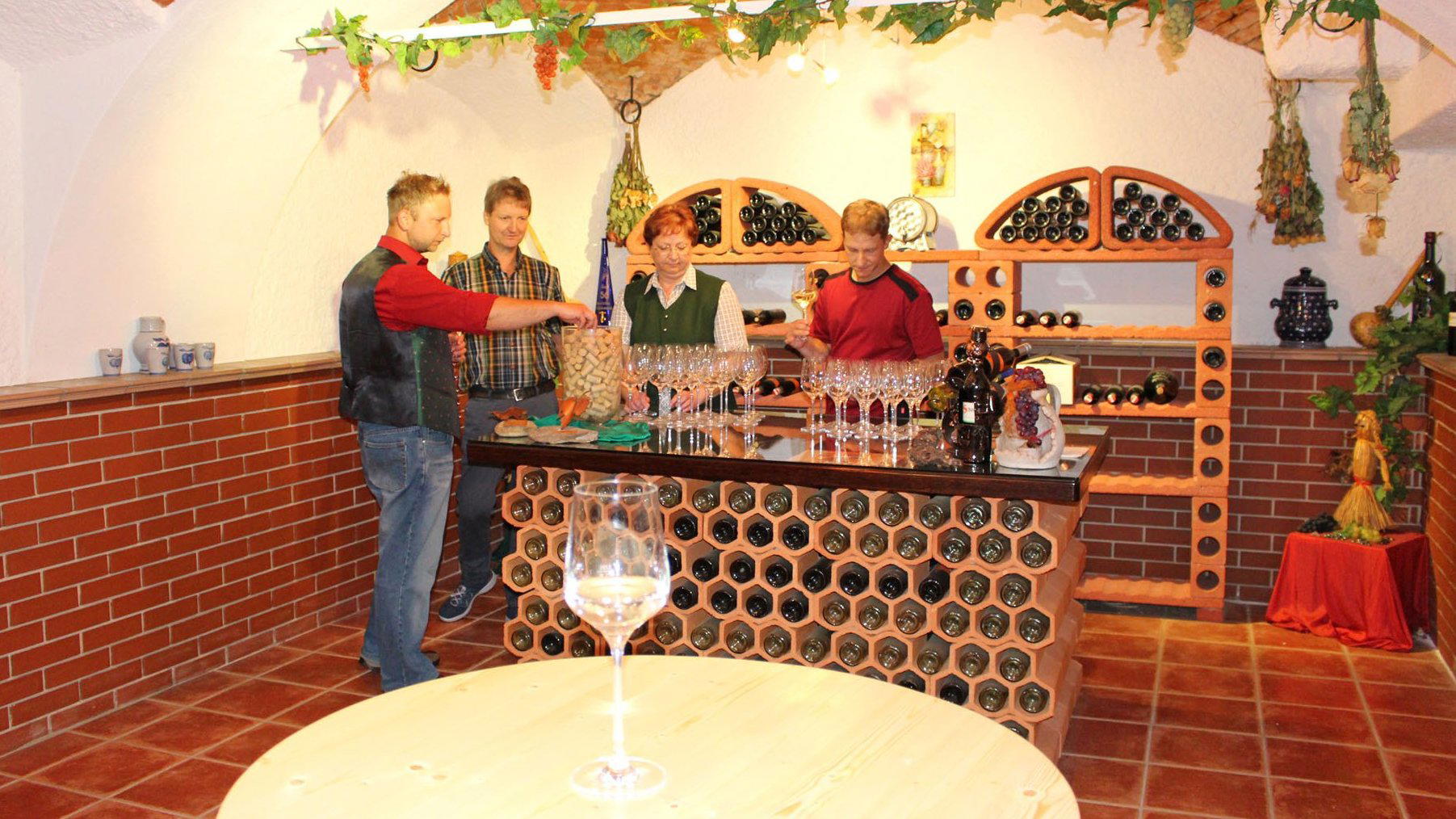
Relaxed blend of rustic charm and trendy modern atmosphere with walk-in wine cellar.