Restaurant Jueun




1 Michelin Star · Star Wine List · Black Pearl 1 Diamond
Our verdict
Behind Gyeonghuigung Palace in Seoul's Jongno District, Restaurant Jueun brings together Korea's most respected senior sommelier Juyong Kim and traditional cuisine chef Jueun Park for a meal grounded in jang-driven flavors, imjasutang-style soups, and heritage fermentation. The room pairs Buncheong ceramics and onggi pottery with a long media art wall, placing authentic Korean culinary tradition inside a quietly considered contemporary frame. Awarded a Michelin Plate in both 2024 and 2025 and ranked #272 in Opinionated About Dining's Asia list for 2025.

Pearl is the En Primeur Club membership app, where members save venues, book tables and use the concierge.
The menu
What to order
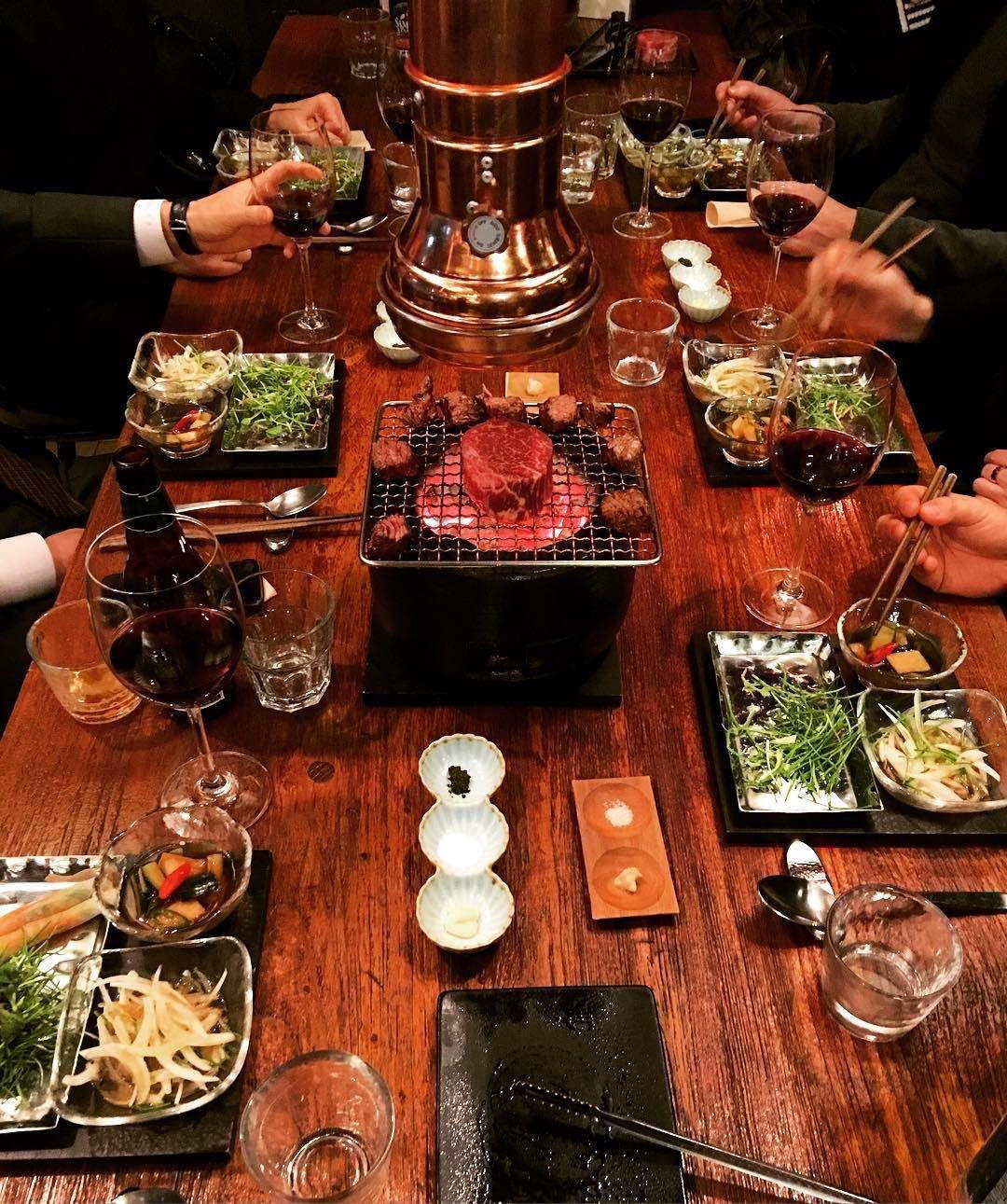
- Imjasutang
- Scallop porridge
- Raw beef with pear and egg yolk
- Tarakjuk
A Room Built for Moments That Matter
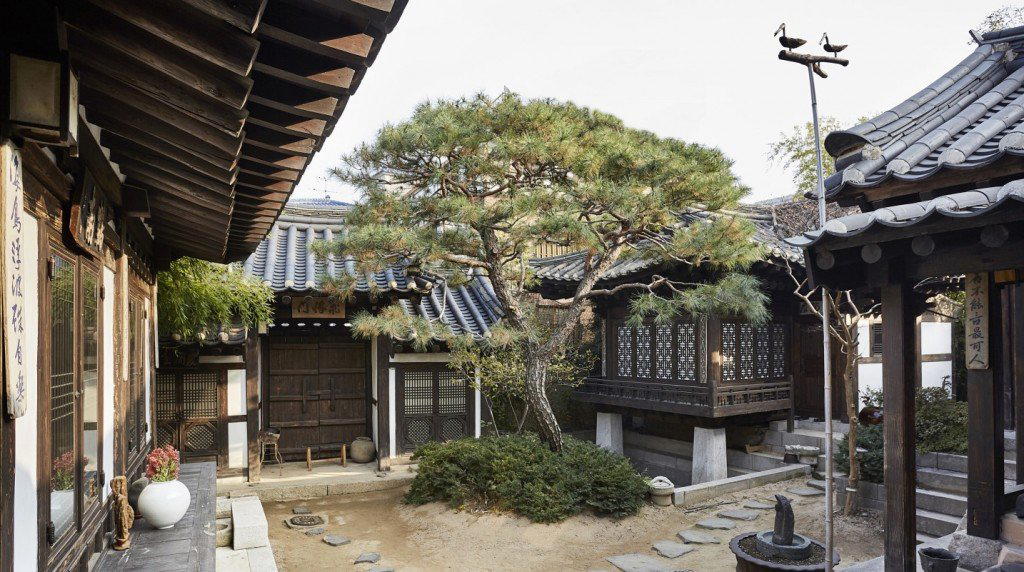
There is a particular kind of occasion that demands more than good food. Milestone meals, the ones that mark transitions or celebrate people you love, require an environment that holds the weight of the moment. Seoul's Jongno District has developed a tier of restaurants that understand this, places where architectural intention, culinary lineage, and service depth converge. Restaurant Jueun, positioned on the eighth floor of a building along Gyeonghuigung-gil, immediately behind the grounds of Gyeonghuigung Palace, occupies that tier with considerable seriousness.
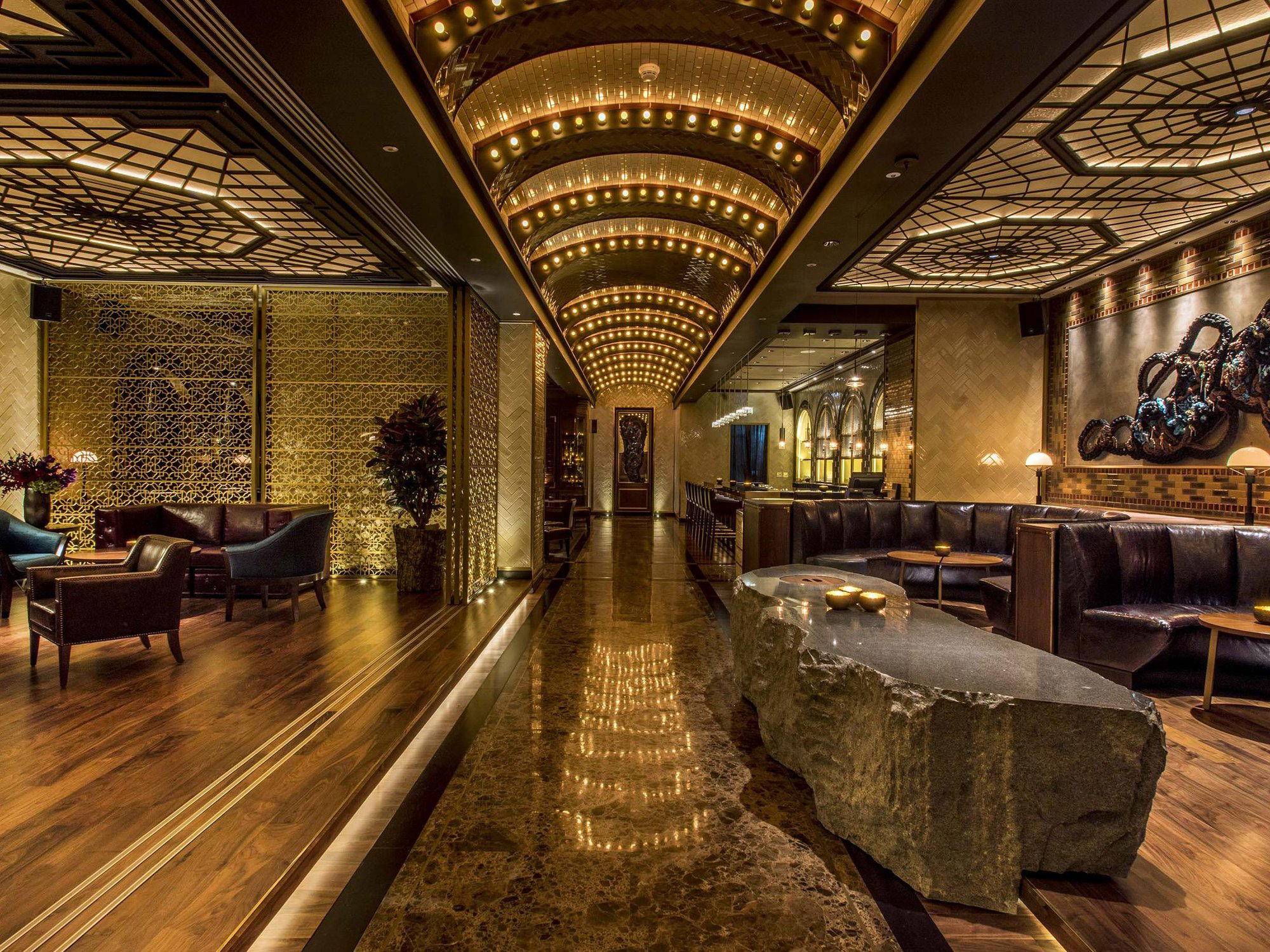
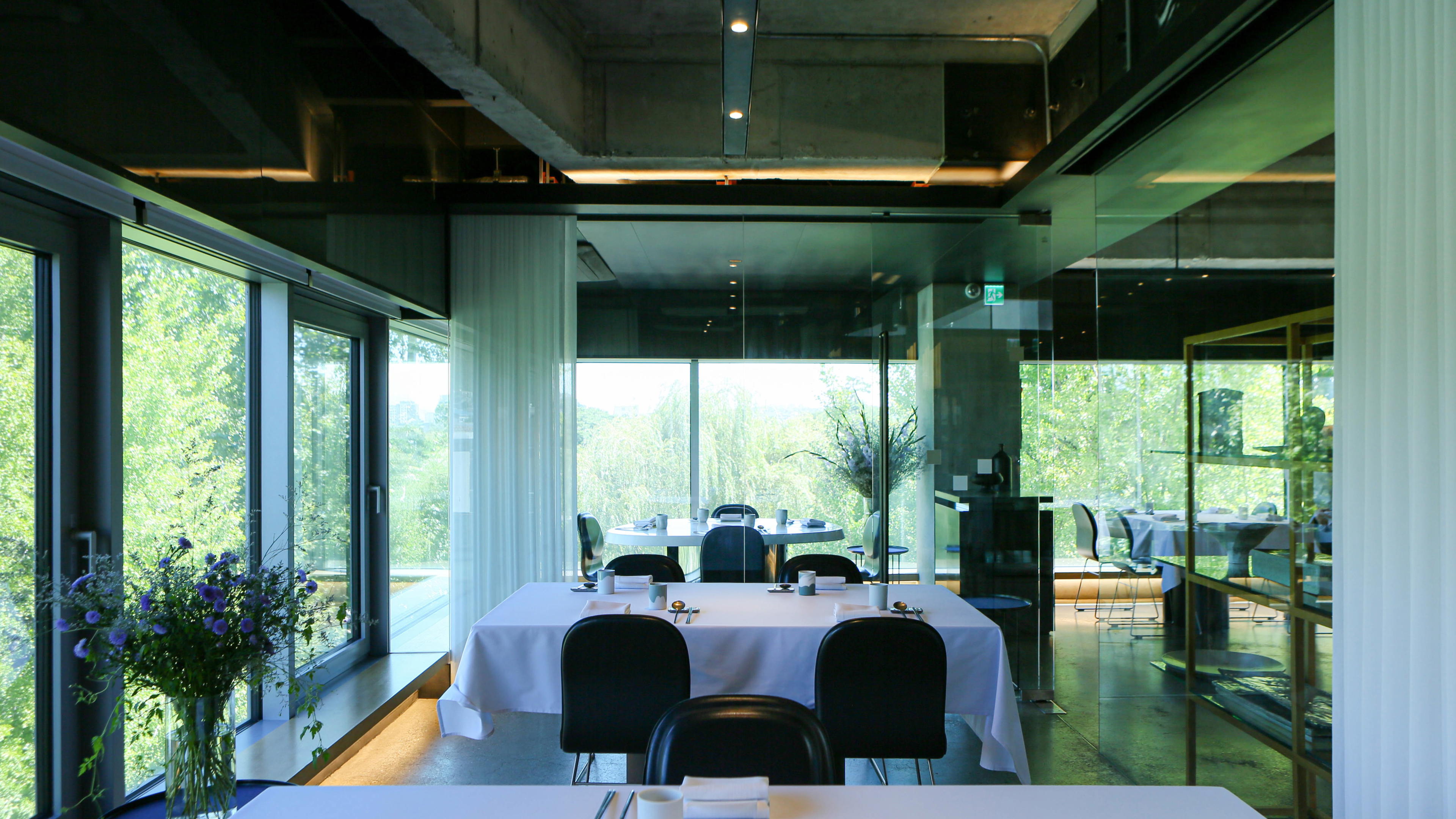
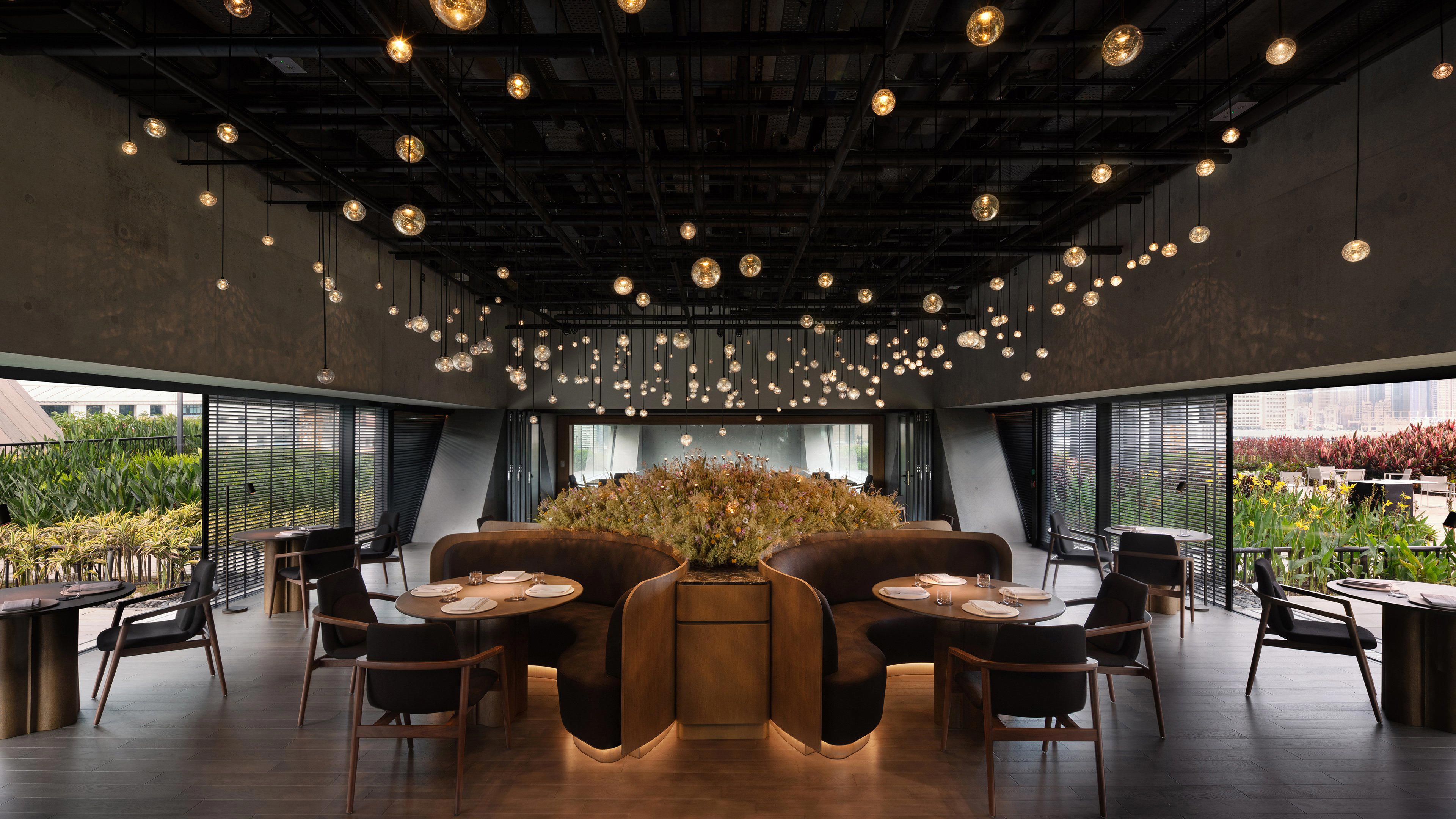
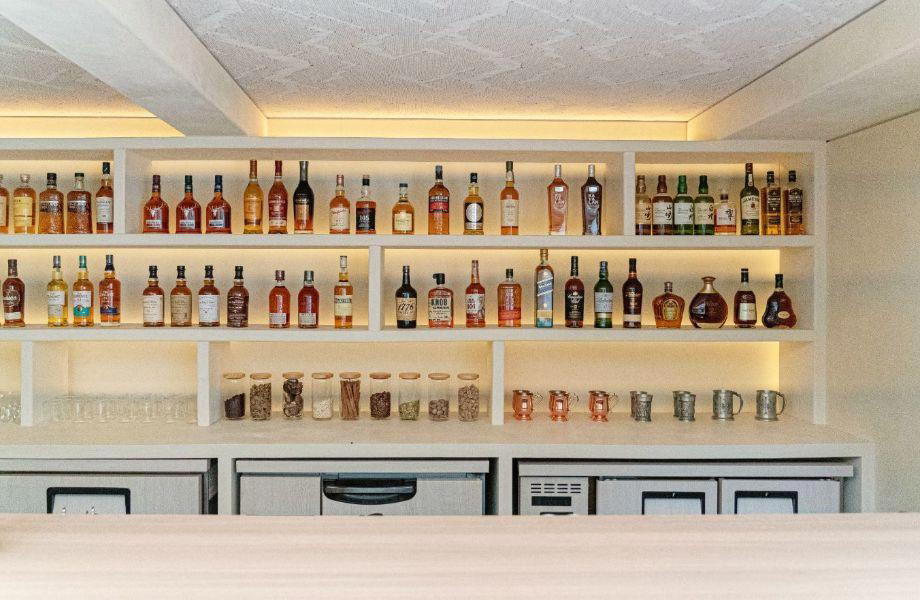
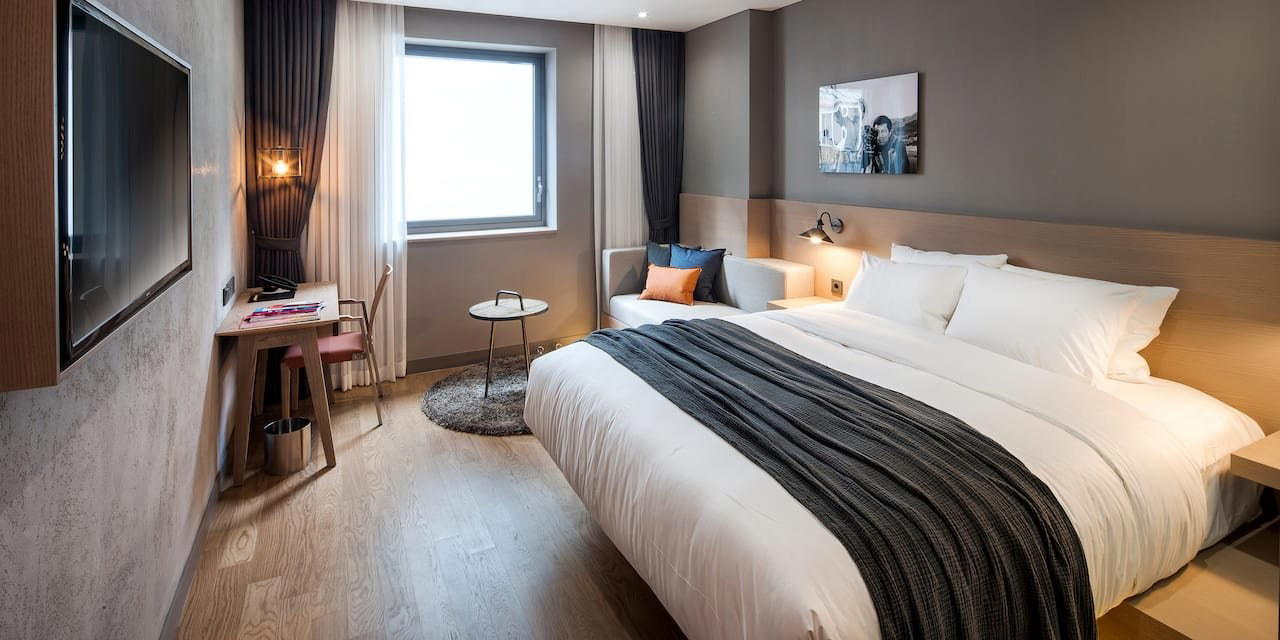
The physical setting does considerable work before a single dish arrives. A long media art wall runs through the dining hall, casting the kind of shifting light that changes the room's character across the course of an evening. Tableware drawn from Korea's ceramic traditions, Buncheong stoneware, white porcelain, celadon, and onggi pottery, sits alongside pieces in wood, each one handled as a considered object rather than a vessel of convenience. Nooks throughout the room hold crafted artifacts that reward slow attention. This is a space designed for people who are paying attention, which makes it well-suited to occasions where presence matters.
Where Jang-Driven Cooking Sits in Seoul's Fine Dining Conversation
Seoul's high-end Korean dining scene has split into recognizable streams over the past decade. One stream draws on French-Korean fusion, where techniques from European kitchens reshape traditional ingredients, seen at places like Mingles and comparable tasting-menu venues. A second stream pursues contemporary Korean expression through seasonal produce and modern plating. A third, smaller and more demanding, commits to the deep logic of traditional Korean cuisine: fermentation timelines, broth construction, the primacy of jang, the fermented soybean-based pastes and sauces that underpin the flavor architecture of Korean cooking for centuries.
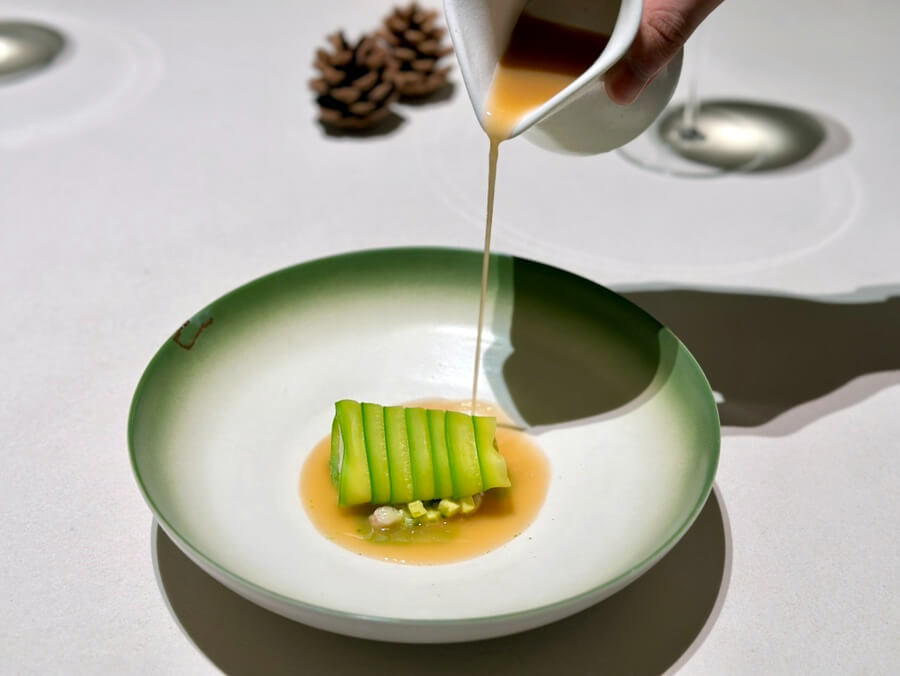
Restaurant Jueun belongs to this third stream. The menu builds around jang-driven flavors, with imjasutang-style soups (the pine nut-enriched broths associated with royal court tradition) and delicate porridge and braised preparations that reflect a studied engagement with historical Korean culinary practice. This is not heritage as nostalgia or as aesthetic gesture. It is heritage as the primary organizing logic of what arrives at the table. Among Seoul's top-tier Korean restaurants, Onjium and Kwonsooksoo operate in overlapping territory; Gaon pursues a comparable commitment to court-influenced Korean cooking. Restaurant Jueun's distinction lies partly in the wine and traditional alcohol program built by Juyong Kim, widely regarded as Korea's most respected senior sommelier, which places it at the intersection of fermentation tradition and serious beverage curation in a way few Korean fine dining rooms achieve.
The Collaboration at the Center
The pairing of chef Jueun Park and sommelier Juyong Kim is not incidental to what Restaurant Jueun offers. High-end Korean restaurants have historically under-resourced their beverage programs relative to their food, treating makgeolli and soju as accompaniments rather than as equal components of the dining experience. Juyong Kim's involvement signals a different structural commitment: that the traditional alcohol program and the wine list are designed to work in conversation with Park's cooking rather than alongside it. For occasion dining specifically, this matters. A meal built around a meaningful event benefits from a beverage narrative that progresses with the food, and Restaurant Jueun is constructed to deliver that.
Chef Park's training and orientation sit within the tradition of authentic Korean cuisine rather than the fusion or contemporary Korean categories. The menu's emphasis on porridge, braise, and jang-inflected preparations reflects cooking that requires patience and accumulated knowledge of fermentation and long-process technique, areas where shortcuts are apparent and where mastery takes time to read.
Recognition and Where It Places the Restaurant
A Michelin Plate in both 2024 and 2025 indicates consistent quality that Michelin's inspectors consider worth noting, without yet placing Restaurant Jueun in the starred tier occupied by venues like La Yeon or Bicena. The Opinionated About Dining ranking at #272 in Asia for 2025 provides a second data point from a source with a different methodology, OAD rankings draw from critic and industry votes rather than anonymous inspection, meaning they often surface restaurants with a specific, informed following before broader recognition arrives.
That combination, consistent Michelin acknowledgment plus a strong OAD position, suggests a restaurant that has built credibility with two different evaluating communities. For a visitor planning a significant meal in Seoul, that dual recognition offers more confidence than a single metric alone. The ₩₩₩₩ price tier places Restaurant Jueun in Seoul's premium Korean dining bracket, in the company of Kwon Sook Soo and similarly positioned traditional-format restaurants.
The Occasion Case
For travelers visiting Seoul with a milestone meal in mind, the calculus here is specific. The palace-adjacent location in Jongno, one of Seoul's oldest districts, carries historical weight that adds context to a meal rooted in court and traditional cooking traditions. The media art installation and the ceramic tableware program create a room that photographs well but more importantly holds its atmosphere through the course of a long dinner. The beverage program, anchored by Juyong Kim's expertise in both wine and traditional Korean alcohol, provides the kind of pairing depth that serious occasion dining requires.
Seoul's fine dining scene across the city offers strong alternatives at every price point, the full Seoul restaurants guide covers the breadth of that. For Korean cooking in other global cities, bōm in New York City and DOSA in London represent the international end of the tradition. Elsewhere in Korea, Mori in Busan and Baegyangsa Temple in Jangseong-gun point toward different regional expressions of the same deep culinary culture. For ramen and lighter Korean formats in New York, Jeju Noodle Bar is worth knowing. But for a formal occasion meal in Seoul that places traditional Korean cooking at the center without concession to fusion formats, Restaurant Jueun's particular combination of location, ceramics, fermentation-led cooking, and beverage depth is difficult to replicate from the current Seoul roster.
Know Before You Go
- Location: Gyeonghuigung-gil 36, 8th Floor, Jongno District, Seoul, situated directly behind Gyeonghuigung Palace
- Price tier: ₩₩₩₩ (premium Korean dining bracket)
- Recognition: Michelin Plate 2024 and 2025; OAD Leading Restaurants in Asia #272 (2025)
- Cuisine focus: Traditional Korean; jang-driven flavors, imjasutang-style soups, porridge, braise; strong wine and traditional alcohol program
- Beverage program: selected by Juyong Kim, Korea's most respected senior sommelier; includes both wine and traditional Korean alcohol
- Well suited for: Milestone meals, celebratory dinners, and occasion dining where culinary tradition and room atmosphere are both priorities
- Further Seoul reading: Seoul hotels guide, Seoul bars guide, Seoul experiences guide, Seoul wineries guide
Frequently asked questions
Is Restaurant Jueun expensive?
Pricing at Restaurant Jueun is listed as ₩₩₩₩.
Who is the chef at Restaurant Jueun?
The chef associated with Restaurant Jueun is Park Ju-eun.
What do people recommend at Restaurant Jueun?
The restaurant's most noted dishes are built around jang-driven flavors, fermented soybean paste preparations that anchor both soups in the imjasutang style and slow braises. Delicate porridge courses also draw attention as an expression of restrained Korean technique. Chef Jueun Park's collaboration with senior sommelier Juyong Kim means the traditional alcohol and wine pairing is treated as integral to the meal rather than supplementary, and guests consistently note that the drink selection shapes the overall arc of the experience.
What cuisine category does Restaurant Jueun fall under?
Where is Restaurant Jueun in Seoul?
Restaurant Jueun is located at South Korea, Seoul, Jongno District, Gyeonghuigung-gil, 36 8 층, Seoul.
What's Restaurant Jueun known for in terms of accolades?
Restaurant Jueun has received recognition including: A collaborative project between Korea’s most respected senior sommelier Juyong Kim and the traditional Korean cuisine chef Jueun Park, this space offers a deeply authentic expression of Korea’s essent...; Restaurant Jueun crafts a serene di….
Cuisine-First Comparison
Comparable options at a glance, pulled from our tracked venues.
| Venue | Cuisine | Price | Awards | Notes |
|---|---|---|---|---|
| Restaurant JueunThis venue (the venue you are viewing) | Modern Traditional Korean Fine Dining | $150–200 | 1 Michelin Star · Star Wine List | Not listed |
| 7th Door | Modern Korean Fermentation Fine Dining | $100–150 | 1 Michelin Star · World's 50 Best #49 | Korean, Contemporary |
| Solbam | Contemporary Neo-Classical Korean | $200–300 | 1 Michelin Star · World's 50 Best #55 | Contemporary |
| Onjium | Modern Korean Royal Court Cuisine | Not listed | 1 Michelin Star · World's 50 Best #14 | Korean |
| L'Amitié | Classic French Fine Dining | $100–150 | 1 Michelin Star · La Liste Top Restaurants | French |
| Zero Complex | Modern French Neo-Bistro | $100–150 | 1 Michelin Star · La Liste Top Restaurants | Korean-French, Innovative |
Recognition history
Dated appearances from independent guides and award organizations, with the underlying list record or original source where available.
Michelin 1 Star
Michelin
Star Wine List
Star Wine List
Black Pearl 1 Diamond
Black Pearl
Opinionated About Dining Top Restaurants in Asia Recommended
Opinionated About Dining
Full recognition history (7 entries)
Michelin Plate
Michelin
Opinionated About Dining Top Restaurants in Asia Ranked #272
Opinionated About Dining
Michelin Plate
Michelin