Ra'mien go Kolingasse sits in Vienna's 9th district, where a compact ramen-focused menu reflects the city's broader appetite for disciplined, single-subject restaurants. Located at Kolingasse 4, it occupies a neighbourhood that balances residential calm with a steady stream of students and professionals. The menu structure tells most of the story here: a narrow range of bowls, executed with consistency, in a city that rewards that kind of focus.
Pearl is the En Primeur Club membership app — saves, bookings, and concierge access live there. Same editors, same standards.
- Address
- Kolingasse 4, 1090 Wien, Austria
- Phone
- +434318908790
- Website
- ramiengo.at
- Directions
- Get directions
 Saves & bookings on Pearl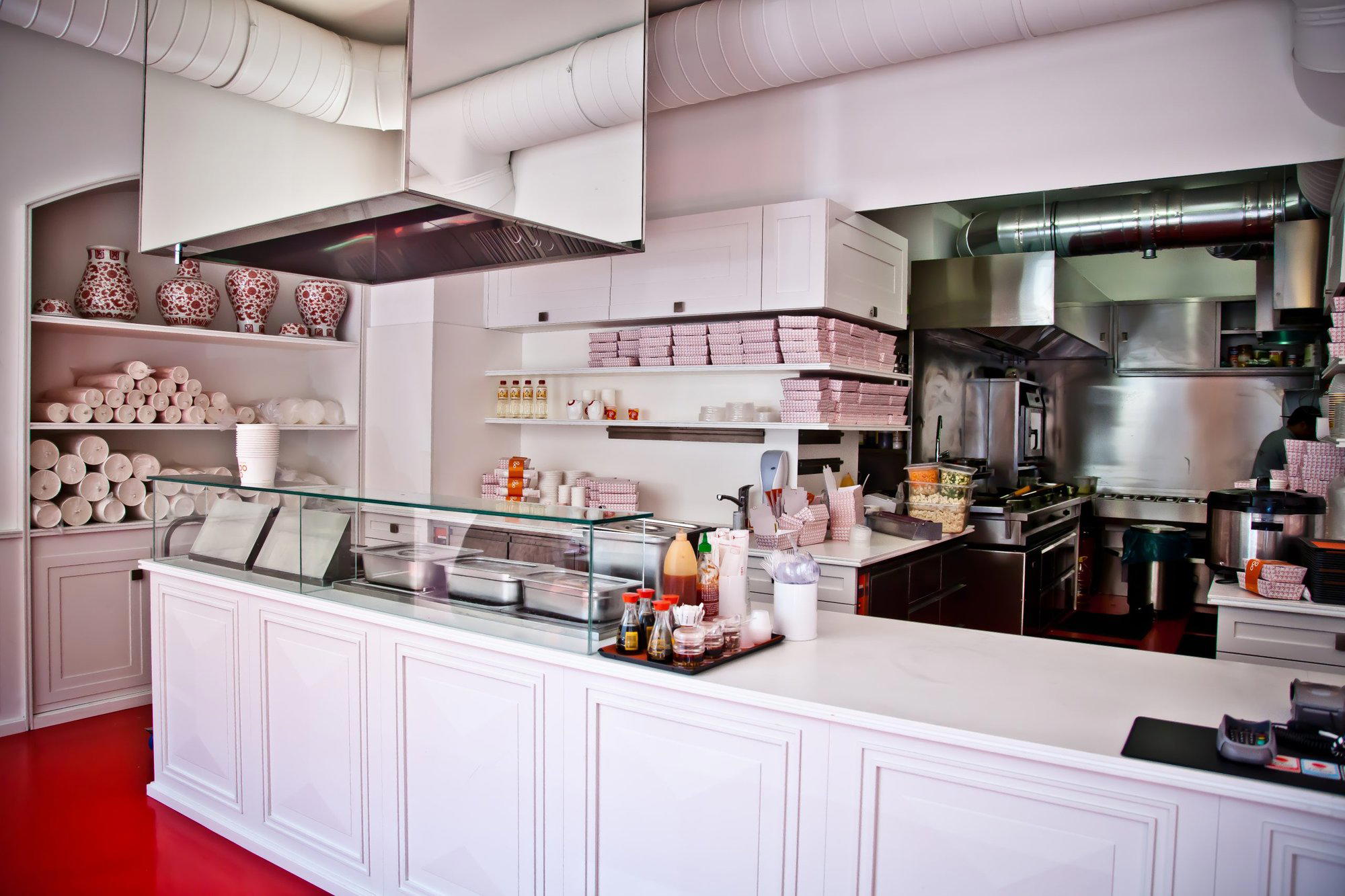
Vienna's Ramen Moment and the 9th District Setting
Ra'mien go Kolingasse is an Asian Noodle Bar in Vienna's 9th district, at Kolingasse 4, 1090 Wien, Austria. Vienna's restaurant culture has spent the better part of a decade sorting itself into two camps: the multi-course, ingredient-driven fine dining that institutions like Steirereck im Stadtpark and Konstantin Filippou represent, and the more recent wave of focused, single-discipline restaurants that have colonised the city's inner districts. Ramen sits squarely in that second current. It arrived in Vienna later than in other European capitals, but the format has taken hold with enough momentum that dedicated ramen shops are now a recognisable thread in the city's dining fabric, particularly in the 9th district, Alsergrund, where ra'mien go Kolingasse occupies a spot on Kolingasse 4.
Alsergrund has a character that suits this kind of operation. It is university-dense, hospital-adjacent, and populated by a mix of long-term residents and a rotating academic population, which tends to produce restaurants that earn loyalty through consistency rather than spectacle. Ramen, as a format, rewards exactly that dynamic: the discipline is in the stock, the timing of the noodle, and the calibration of toppings, not in tableside theatre or seasonal tasting menus.
What the Menu Architecture Says
The editorial logic of a ramen menu is different from most European restaurant formats, and that difference is worth understanding before arriving. A well-constructed ramen menu is narrow by design. The number of bowls on offer is not a sign of limited ambition; it is a structural commitment. Each broth style, whether tonkotsu, shoyu, shio, or miso, represents a distinct production line, and the decision to run three or four seriously rather than eight or ten superficially is the same discipline that drives counter omakase restaurants in Tokyo. The menu at a dedicated ramen shop is essentially a transparency document: it tells you what the kitchen has chosen to specialise in, and what it has chosen to leave out.
This framing matters for Vienna specifically, because the city's dining culture has historically centred on breadth, the Viennese Küche tradition of offering a long card with schnitzel alongside Tafelspitz alongside Saibling. A restaurant that deliberately constrains its menu is making a different argument about quality, one that has become more legible to Viennese diners as single-subject restaurants have proliferated across the inner districts. The comparison set for ra'mien go Kolingasse is not Amador or Mraz and Sohn; it is the handful of other ramen and Japanese noodle specialists that have opened in Vienna over the past several years, a peer group that is still small enough that execution consistently separates the operations that build a following from those that do not.
The Kolingasse Address and How to Approach It
Kolingasse 4 sits in the northern stretch of Alsergrund, a short walk from the Schottentor U-Bahn stop on the U2 line, which makes the location direct to reach from the 1st district or from points further out on the ring. The street is residential and unshowy, which is consistent with the neighbourhood's general character. Venues in this part of the 9th tend not to carry the foot traffic of the Naschmarkt corridor or the Neubau gallery belt, so first-time visitors should expect to seek the address rather than stumble across it.
Austria's wider restaurant culture, including decorated regional destinations like Döllerer in Golling an der Salzach, Ikarus in Salzburg, and Obauer in Werfen, reflects a national seriousness about sourcing and technique that has gradually filtered into the city's more casual registers as well.
Ramen as a Format: What Separates Serious Operations
Across European cities that have developed credible ramen scenes, the distinguishing factors are consistent. Stock preparation time, noodle sourcing or production, tare calibration, and the quality of toppings (chashu construction, egg cure timing, nori provenance) function as the real markers of a kitchen's commitment. These are not details that show up in a menu description; they show up in the bowl. The ramen operations that build durable reputations in cities without deep Japanese food infrastructure, the way Atomix in New York City has built durable credibility in Korean fine dining, tend to be those that have resolved the supply-chain questions that European kitchens face: where the noodles come from, whether the kitchen makes its own tare, and how the broth is held and served across a service.
Vienna does not yet have the ramen density of London, Paris, or Amsterdam, which means the bar for what counts as a serious operation is set more by craft discipline than by competitive pressure. That is both an opportunity and a risk for any ramen specialist in the city. The audience is present and growing, but the comparison class is small enough that a drop in consistency is noticeable in a way it might not be in a city with forty serious ramen shops.
Austria's Broader Culinary Ambition as Context
It is worth holding the wider Austrian fine-dining context in view when thinking about any specialised restaurant in Vienna. The country has produced a clutch of internationally recognised kitchens, from Griggeler Stuba in Lech and Gourmetrestaurant Tannenhof in Sankt Anton am Arlberg in the Alpine west, to Landhaus Bacher in Mautern an der Donau along the Danube. The restaurants earning sustained recognition in Austria, whether Kräuterreich by Vitus Winkler in Sankt Veit im Pongau, Restaurant 141 by Joachim Jaud in Mieming, Schwarzer Adler in Hall in Tirol, or Ois in Neufelden, share a focus on technical precision within a defined register. That ethos has a clear echo in what a serious ramen specialist does: constrain the brief, master the process, repeat without degradation.
The Doubek model in Vienna and the precision-led approach visible at Le Bernardin in New York City both point to the same underlying principle: that a narrow menu executed with rigour communicates more about a kitchen's actual ability than a broad one that spreads the effort thin. Ra'mien go Kolingasse, positioned in a residential quarter of the 9th district with a Japanese noodle focus, is making that same argument in a more accessible register.
Planning Your Visit
The restaurant is located at Kolingasse 4, 1090 Wien. The 9th district is accessible from the U2 line at Schottentor, placing the restaurant within a reasonable walk of the city's central transit network. The restaurant is walk-in friendly and typically works on a casual, no-fuss basis. Hours run Monday to Friday from 11 AM to 7:30 PM; Saturday and Sunday are closed. The approximate price is about $15 per person.
At-a-Glance Comparison
Comparable venues nearby, for context on price, style, and recognition.
| Venue | Cuisine | Price | Notes |
|---|---|---|---|
| ra'mien go KolingasseThis venue — the venue you are viewing | Asian Noodle Bar | $$ | Not listed |
| Makka | Asian Fusion | $$ | Stephansdom |
| Kaoo | Asian Fusion | $$ | Neubau |
| Ballroom - damn.good.dumplings | Fusion Dumplings | $$ | Inner City |
| Ragusa | Croatian Dalmatian Seafood | $$ | Inner City |
| Indien Village | Authentic Indian Fine Dining | $$ | Inner City |
Continue exploring
More in Vienna
Restaurants in Vienna
Browse all →
Bars in Vienna
Browse all →
Hotels in Vienna
Browse all →
At a Glance
- Trendy
- Casual Hangout
- Standalone
Current opening hours
- Monday
- 11 AM–7:30 PM
- Tuesday
- 11 AM–7:30 PM
- Wednesday
- 11 AM–7:30 PM
- Thursday
- 11 AM–7:30 PM
- Friday
- 11 AM–7:30 PM
- Saturday
- Closed
- Sunday
- Closed
Hours can change for holidays and private events. Last verified .
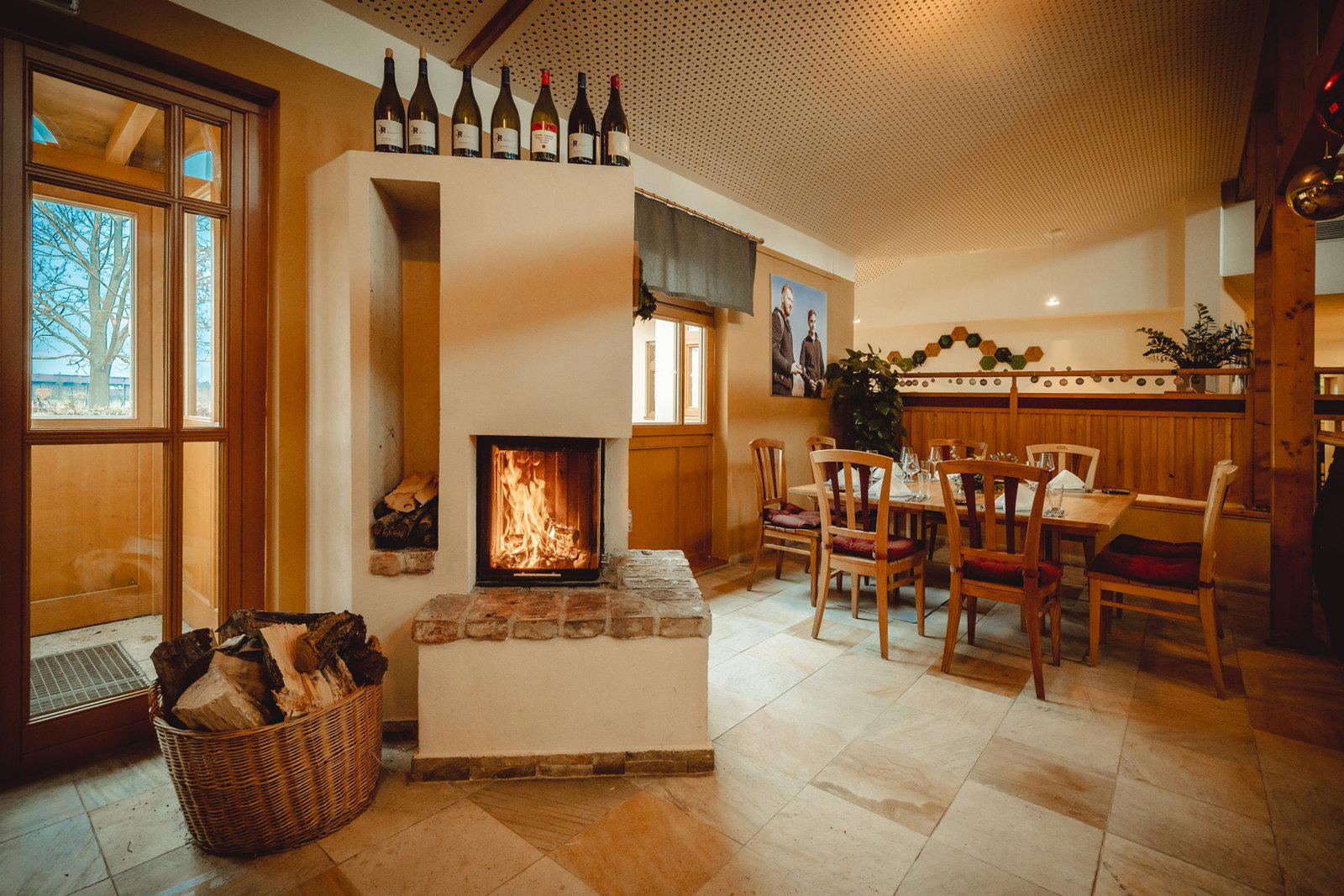
Casual and functional Imbiss atmosphere suitable for quick meals, though some note a cool, shopping-center-like feel.