Our verdict
Makka occupies a quiet address in Vienna's first district, on Drahtgasse just inside the old city core. The venue sits within a dining scene that has grown more technically ambitious over the past decade, placing it in a city where creative cuisine and Austrian tradition increasingly share the same table. Details on cuisine format and current direction are best confirmed directly with the venue.

Pearl is the En Primeur Club membership app, where members save venues, book tables and use the concierge.

A First District Address in a City That Has Quietly Raised Its Own Standards
Drahtgasse 3 is not an address that announces itself. Tucked inside Vienna's first district, the street belongs to a part of the Innere Stadt where the architecture does most of the talking and the restaurants, if they are serious, tend to let the work speak for them. That restraint is, in its own way, a statement about how Vienna's dining culture has evolved. A city once leading understood through its grand Kaffeehäuser and bürgerliche Küche traditions has, over roughly the past fifteen years, built a creative fine-dining tier that now draws international attention on its own terms, without needing to borrow the frameworks of Paris or Copenhagen.
Makka sits within that first-district geography, which puts it in proximity to some of the most closely watched tables in the country. Steirereck im Stadtpark and Amador represent the upper tier of Vienna's creative dining conversation, while Konstantin Filippou and Mraz & Sohn have demonstrated that modern European rigour and Austrian product specificity are not in conflict. The city's restaurant scene has sorted itself into a clearer competitive hierarchy than it had a decade ago, and any address operating in the first district is, consciously or not, being read against that backdrop.
How Vienna's Inner City Dining Has Shifted
The evolution of eating in Vienna's historic core is worth understanding as context for any new or reinvented address in the area. For much of the twentieth century, the Innere Stadt's restaurant trade was dominated by venues serving the tourist circuit and the city's professional class through formats that had changed little since the postwar decades: Wiener Schnitzel, Tafelspitz, Beuschel, delivered in rooms that felt more museum than kitchen. That model has not disappeared, but it has been joined by something more internationally literate.
The shift gathered pace after roughly 2010, as a generation of Austrian cooks returned from stages in France, Spain, and Scandinavia and began applying those techniques to native ingredients: Waldviertel lamb, Styrian pumpkin, freshwater fish from the Danube catchment, alpine dairy. The city's Michelin presence grew accordingly, and by the early 2020s Vienna could make a credible argument for being one of central Europe's most interesting cities for serious eating. That maturation is the scene into which Makka has entered, and it is the standard against which an address on Drahtgasse will be measured by any visitor who has already worked through the city's more documented options.
For a wider picture of where Vienna's restaurants currently stand, our full Vienna restaurants guide maps the relevant tiers and neighbourhoods in detail.
The Question of Reinvention
Vienna's most interesting restaurant stories of recent years have often been stories of pivot and reinvention rather than simple opening narratives. Venues that launched with one format, one price point, or one culinary identity have found that the city's increasingly informed dining public rewards those willing to update their proposition. Doubek is one example of an address that has navigated this kind of repositioning. The editorial angle that matters here is the pattern itself: in a city where the leading creative restaurants set a high technical bar, middle-tier and emerging addresses face genuine pressure to define what they offer and to whom.
What Makka's current direction looks like in detail, including its menu format, price positioning, and any changes since opening, is leading understood through direct contact with the venue. Readers planning a visit should verify those details before arriving.
Austria's Broader Fine-Dining Geography
Vienna's restaurant scene does not exist in isolation from the rest of Austria, and any visitor who takes Viennese dining seriously will at some point turn to the country's remarkable regional offer. Döllerer in Golling an der Salzach has built a strong reputation around alpine ingredients interpreted with technical precision. Ikarus in Salzburg operates on a rotating guest-chef format that gives it a different kind of authority in the Austrian conversation. In the mountain west, Griggeler Stuba in Lech and Gourmetrestaurant Tannenhof in Sankt Anton am Arlberg serve a different audience but draw from the same pool of alpine product thinking.
Further afield, Obauer in Werfen and Landhaus Bacher in Mautern an der Donau represent the kind of long-established, family-driven destination restaurants that still anchor serious culinary travel to Austria outside the capital. Kräuterreich by Vitus Winkler in Sankt Veit im Pongau brings herb-focused specificity to the alpine south. Schwarzer Adler in Hall in Tirol, Restaurant 141 by Joachim Jaud in Mieming, and Ois in Neufelden round out a national picture in which serious cooking has distributed itself well beyond the capital. For internationally mobile diners who move between Vienna and destinations like New York, it is worth noting that the tasting-menu format Viennese kitchens now favour has clear parallels in how restaurants like Le Bernardin and Atomix have constructed their own authority in that city's market.
Planning a Visit
Drahtgasse 3 in the first district is accessible on foot from the U3 Herrengasse stop and sits within a short walk of the Graben and Am Hof areas. Vienna's first district restaurants tend to fill on weekend evenings and during the opera and concert season, which runs from September through June with particular concentration around major programme dates. Visitors planning around cultural events should expect heavier demand across the entire first-district dining tier during those windows.
Quick reference: Makka, Drahtgasse 3, 1010 Wien, Austria. Confirm hours, booking, and current format directly with the venue.
Frequently asked questions
What is the signature dish at Makka?
Can I walk in to Makka?
What is the defining dish or idea at Makka?
Can Makka accommodate dietary restrictions?
Is a meal at Makka worth the investment?
How does Makka fit into Vienna's first district dining scene compared to more established addresses?
Cuisine-First Comparison
Comparable venues nearby, for context on price, style, and recognition.
| Venue | Cuisine | Price | Notes |
|---|---|---|---|
| MakkaThis venue (the venue you are viewing) | Asian Fusion | $20–30 | Not listed |
| Sha Guo | Asian Fusion | $20–30 | Wieden |
| Finn | Asian Fusion Street Food | $10–20 | Riesenrad |
| ra'mien go Kolingasse | Asian Noodle Bar | $10–20 | Inner City |
| ra'mien go | Asian Fusion Noodle Bar | $10–20 | Stephansdom |
| Market | Modern Asian Fusion | $20–30 | Wieden |
Continue exploring
More in Vienna
Restaurants in Vienna
All restaurants in Vienna →
Bars in Vienna
All bars in Vienna →
Details
- Modern
- Cozy
- Minimalist
- Date Night
- Casual Hangout
- Open Kitchen
- A La Carte
- Vegetarian Friendly
- Vegan Options
Current opening hours
- Monday
- 11 AM–10 PM
- Tuesday
- 11 AM–10 PM
- Wednesday
- 11 AM–10 PM
- Thursday
- 11 AM–10 PM
- Friday
- 11 AM–10 PM
- Saturday
- 11 AM–10 PM
- Sunday
- Closed
Hours can change for holidays and private events. Hours as of .
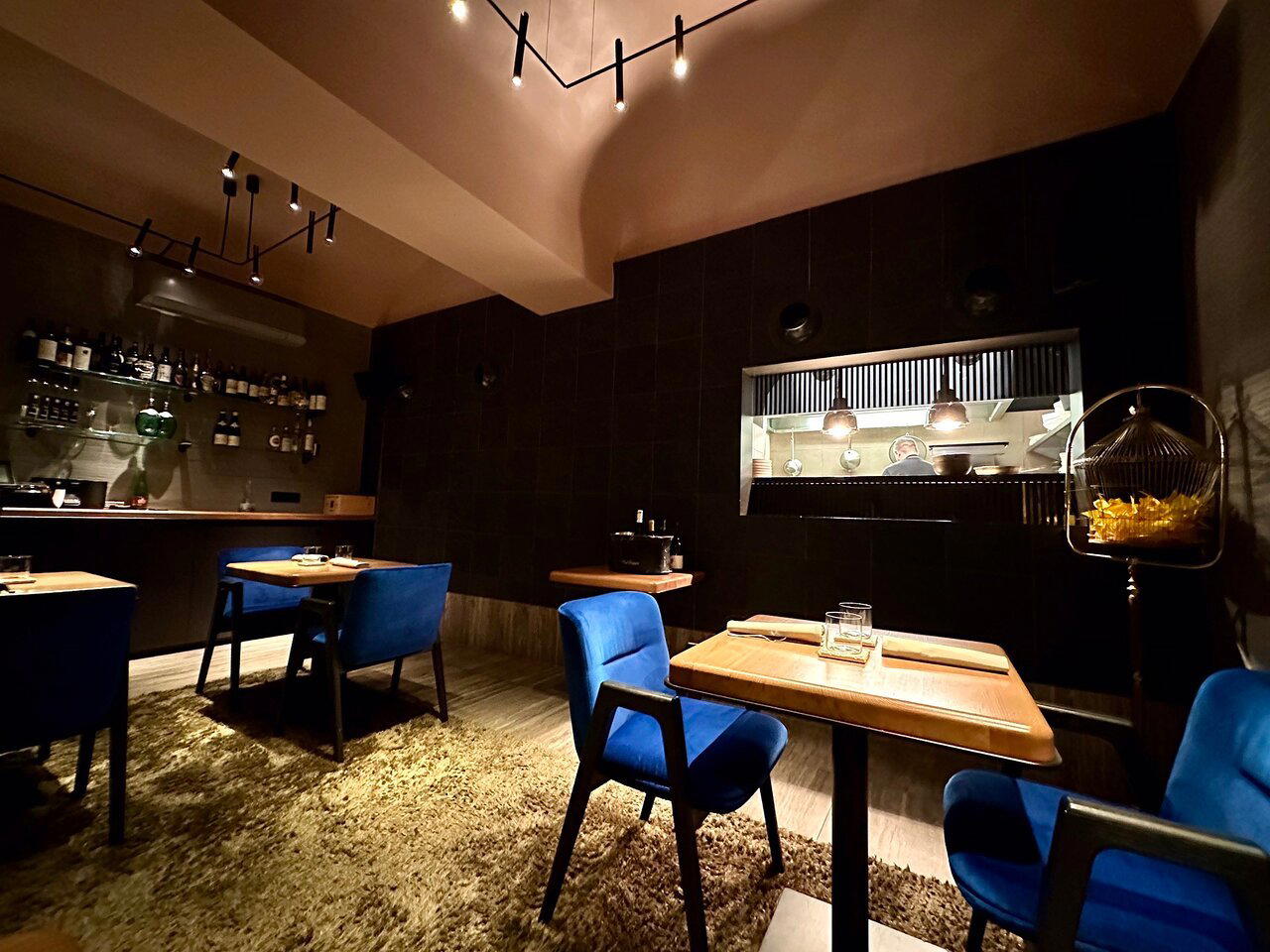
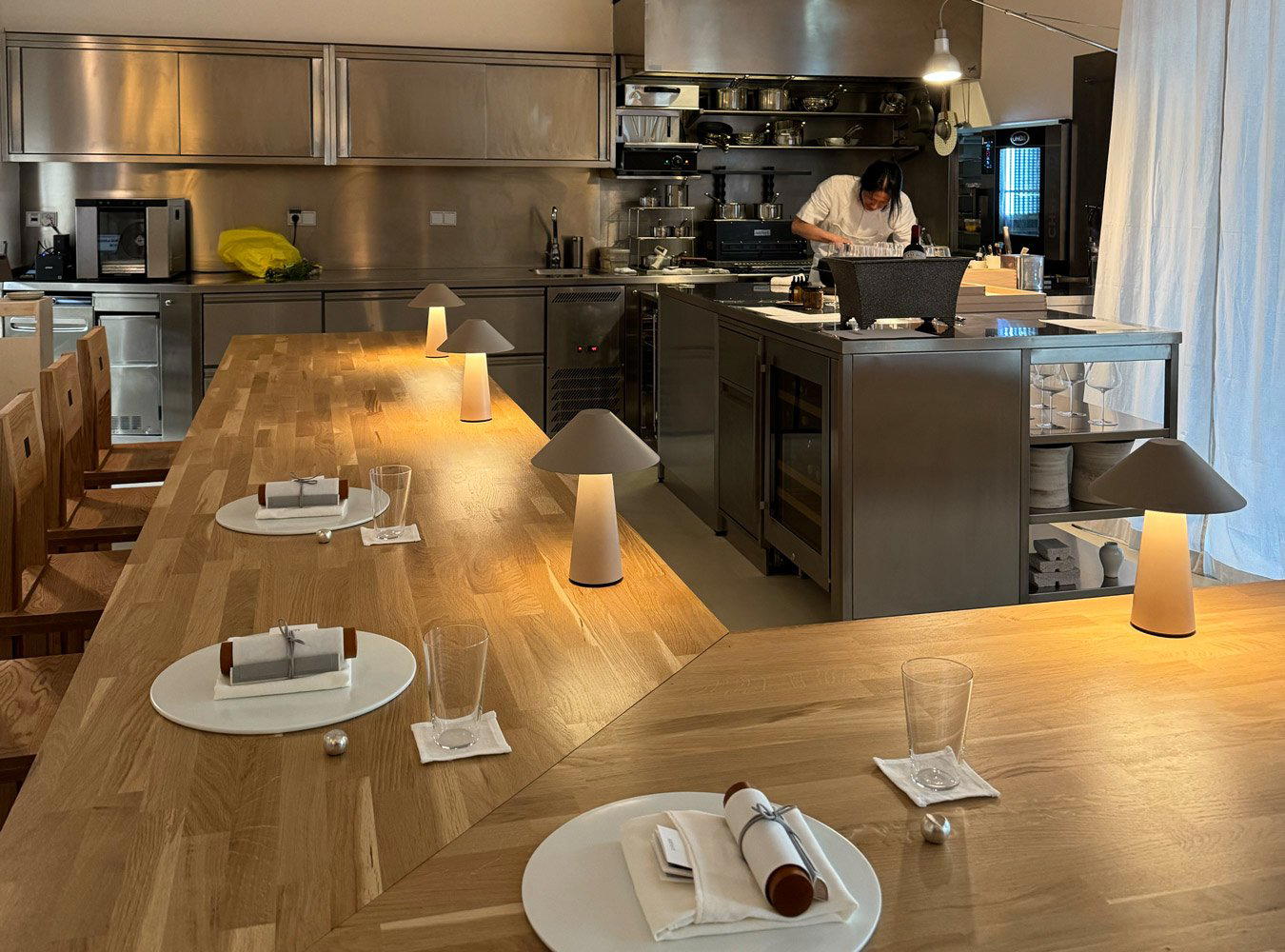
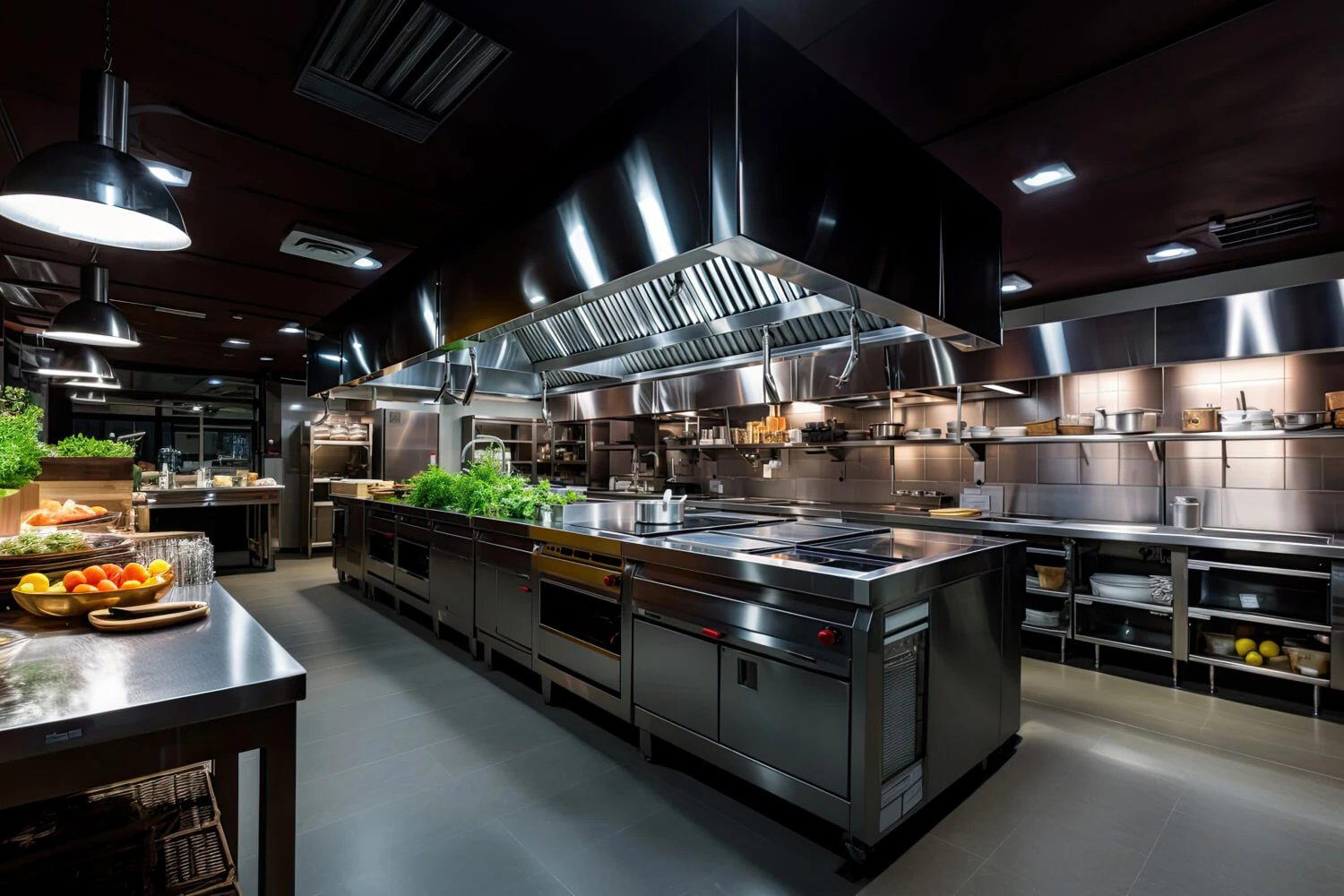
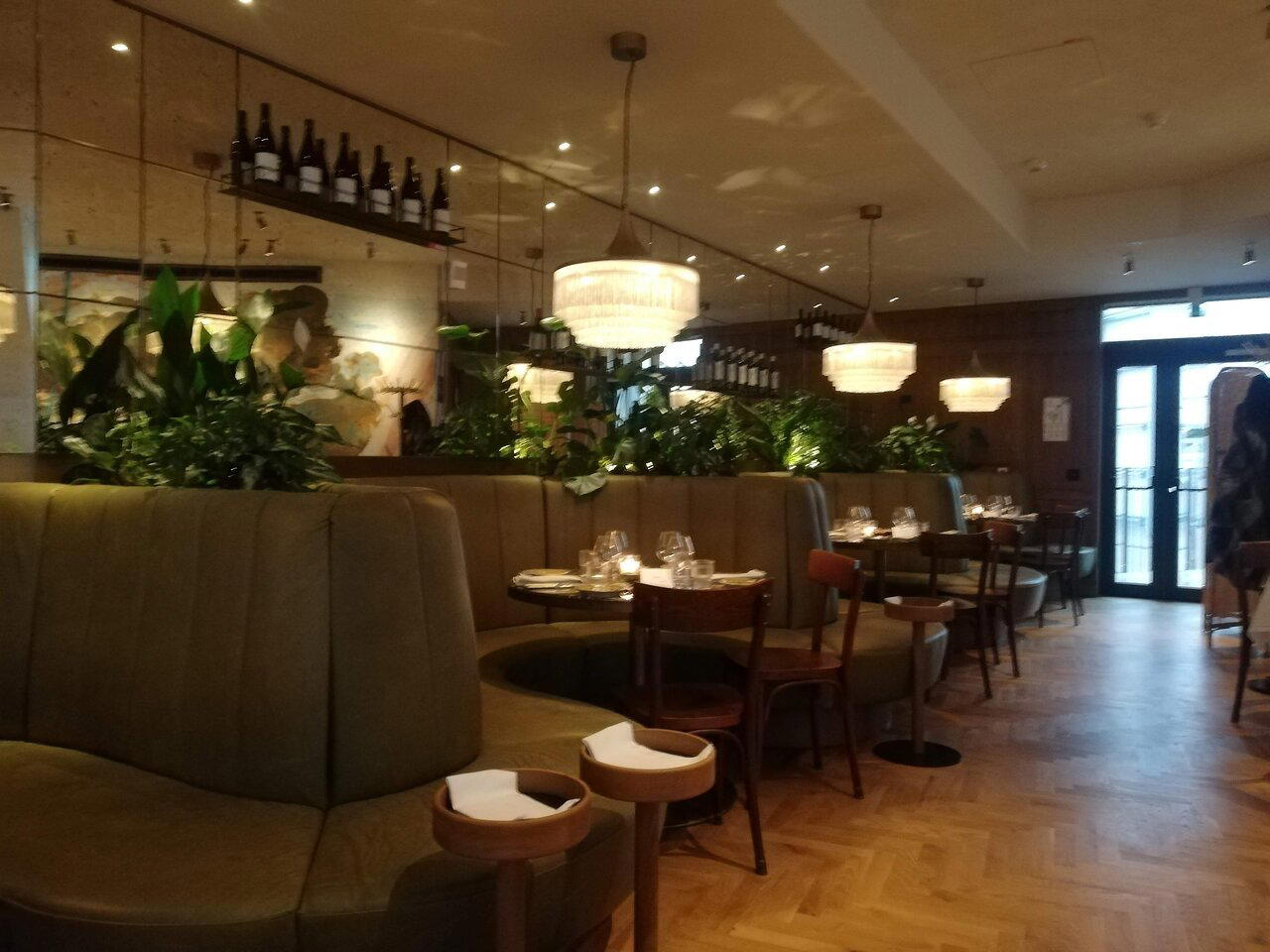
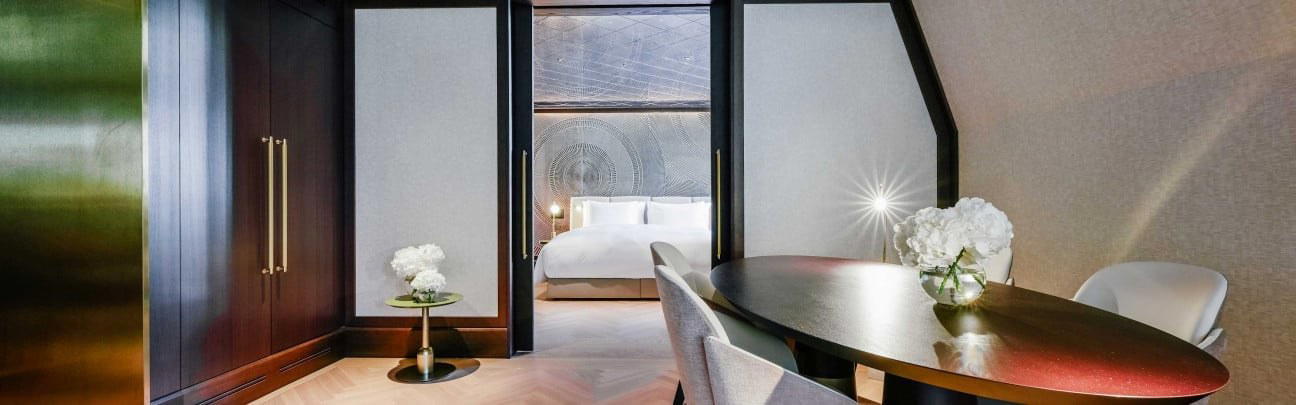
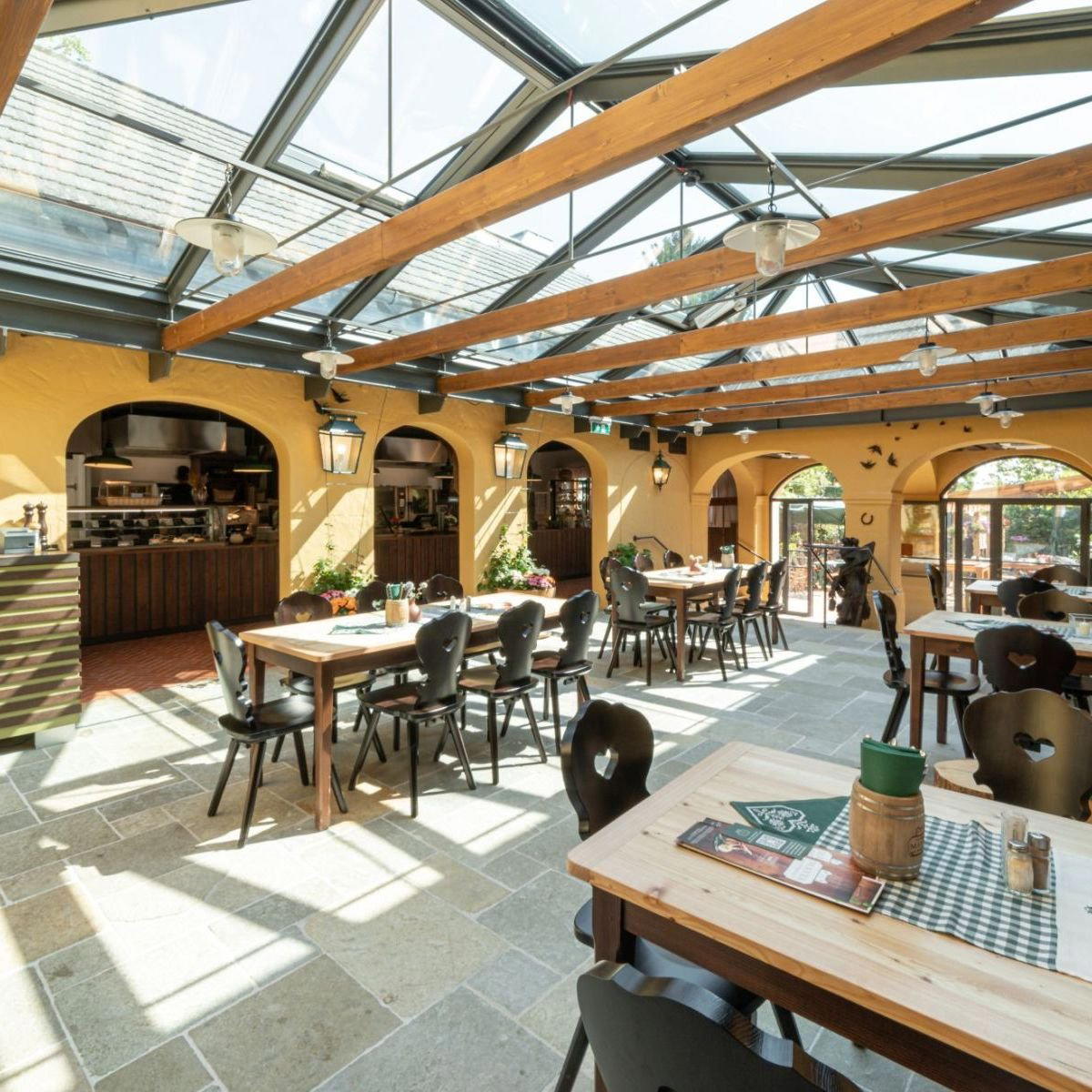
Nicely designed with a cozy, warm atmosphere featuring an open kitchen and minimalist authentic decor inspired by Asian metropolises.