Our verdict
On Berggasse in Vienna's 9th district, Ragusa occupies a stretch of the city where independent restaurants have historically carved out territory between the grand Ring institutions and the casual Naschmarkt crowd. The address places it in a neighbourhood defined by intellectual history and residential permanence, qualities that tend to shape how a kitchen approaches its sourcing and its room.

Pearl is the En Primeur Club membership app, where members save venues, book tables and use the concierge.

Berggasse and the Ninth: Where Vienna Eats Without Performing
There is a particular register of Viennese dining that exists away from the tourist-mapped Ring restaurants and the self-consciously modern kitchens clustering around the Naschmarkt. The 9th district, Alsergrund, has long operated in that register. Its streets, including Berggasse, carry the weight of a neighbourhood that has been continuously inhabited by the city's professional and academic class for well over a century. Restaurants here tend to answer to locals before they answer to visitors, and that orientation shapes everything from portion logic to the sourcing relationships a kitchen builds over time. Ragusa, at Berggasse 15, sits inside that geography.
In a city where the high end of the restaurant market is anchored by addresses like Steirereck im Stadtpark and Amador, and where kitchens such as Konstantin Filippou and Mraz & Sohn have built international reputations on Modern Austrian and creative European frameworks, the neighbourhood restaurant occupies a different but necessary position. It is where sourcing philosophy often shows more clearly, uncomplicated by the pressure to produce spectacle.
Sourcing as the Central Argument
Vienna's position in central Europe gives its kitchens access to one of the most varied agricultural catchments on the continent. The Wachau valley to the west produces stone fruit and apricots with a PDO designation. Styria supplies pumpkin seed oil, beef, and game. The Salzkammergut and the alpine regions above Salzburg deliver dairy and freshwater fish. For Austrian kitchens not operating at the Michelin level, the sourcing question is less about provocation and more about discipline: which producers do you commit to, and how does that commitment show on the plate.
This pattern appears consistently across Austria's serious regional tables. Döllerer in Golling an der Salzach has built its identity around alpine produce and the Salzach river corridor. Kräuterreich by Vitus Winkler in Sankt Veit im Pongau goes further, centering its menu around an on-site herb programme that treats the garden as the kitchen's primary supplier. Landhaus Bacher in Mautern an der Donau has operated for decades as a landmark of Wachau-rooted cooking. Against this broader Austrian context, the question for any Vienna neighbourhood restaurant is whether its sourcing has enough specificity to hold editorial interest, or whether it defaults to the generic "regional and seasonal" framing that has become atmospheric noise in modern European dining.
Similar sourcing questions arise at the high end of kitchens globally. Le Bernardin in New York City has built four decades of reputation on the sourcing and handling of fish above all other considerations. Atomix in New York City works a different angle, using Korean fermentation and seasonal Korean produce to anchor a tasting menu that reads as both culturally specific and technically demanding. The lesson from both is that sourcing credibility requires either a named supply chain or a technique that makes the origin visible in the result.
The Alsergrund Address in Context
Berggasse 15 is a specific address in a specific neighbourhood. Alsergrund, Vienna's 9th, is residential in character: the Vienna General Hospital sits at its western edge, the Votivkirche at its southern boundary, and the district's streets have a density of independent cafes, wine bars, and neighbourhood restaurants that reflects a population that eats out regularly and locally. The dining culture here is less about occasion and more about habit, which tends to reward consistency over theatricality.
It also distances it from the alpine resort dining model represented by addresses like Griggeler Stuba in Lech, Gourmetrestaurant Tannenhof in Sankt Anton am Arlberg, or Schwarzer Adler in Hall in Tirol, where destination travel is built into the premise. Vienna's neighbourhood restaurants operate without that structural advantage and must earn repeat visits on the strength of what arrives at the table.
The broader Austrian restaurant map includes a handful of kitchens that have found ways to build significant reputations outside the major cities. Obauer in Werfen has operated as a multigenerational family kitchen with a level of recognition that most urban restaurants in Austria have not matched. Ikarus in Salzburg runs a rotating guest-chef model that makes sourcing secondary to curatorial ambition. Ois in Neufelden and Restaurant 141 by Joachim Jaud in Mieming represent the kind of serious cooking that has emerged in smaller Austrian towns over the past decade. In that context, a Vienna neighbourhood address carries both the advantage of a dense, educated dining public and the disadvantage of proximity to better-resourced competition.
What to Know Before You Go
Vienna's 9th district is served by the U6 line at Alser Strasse and the U2 at Schottentor, with Berggasse sitting within comfortable walking distance of both. The neighbourhood is compact and walkable, and the restaurant density along its main streets means that an evening in Alsergrund rarely depends on a single booking succeeding. For anyone building a multi-day Vienna itinerary around serious eating, the full context of the city's restaurant scene is mapped in our full Vienna restaurants guide.
For neighbourhood restaurants at this address type in Vienna, evening service typically fills from Thursday through Saturday, and same-week availability mid-week is generally more accessible.
Quick reference: Ragusa, Berggasse 15, 1090 Wien. Verify current hours and booking directly with the venue before visiting.
Frequently asked questions
What's the address for Ragusa?
Ragusa is located at Berggasse 15, 1090 Wien, Austria, Vienna.
Is Ragusa in Vienna connected to Dalmatian or Austro-Hungarian cuisine?
The name Ragusa references the historical Adriatic city now known as Dubrovnik, which was part of the broader Habsburg sphere of influence. That connection places Ragusa in a lineage of Viennese restaurants that draw on Austro-Hungarian culinary memory rather than strictly Alpine Austrian tradition. Whether that reference is literal or symbolic in the kitchen's current approach is best confirmed with the venue directly at Berggasse 15, Vienna.
What should I eat at Ragusa?
What the Alsergrund address does suggest is a kitchen oriented toward central European produce, with the name Ragusa pointing toward possible Dalmatian or Austro-Hungarian culinary reference points. Go in with curiosity about the regional sourcing rather than a fixed order in mind.
How far ahead should I plan for Ragusa?
Residential-district addresses like Berggasse 15 in the 9th tend to fill quickly among locals precisely because they are not positioned for tourist traffic. Contacting the venue directly well in advance of your visit is the reliable approach.
How It Stacks Up
Comparable venues nearby, for context on price, style, and recognition.
| Venue | Cuisine | Price | Notes |
|---|---|---|---|
| RagusaThis venue (the venue you are viewing) | Croatian Dalmatian Seafood | $30–50 | Not listed |
| Atlantis | Fresh Seafood Mediterranean | $20–30 | Wahring |
| Fish & Chips Bistro by DieSeeteufel | Fish & Chips Bistro | $10–20 | Inner City |
| Biofisch Fischbistro | Bio Organic Fish Bistro | $20–30 | Altmannsdorf |
| Süsswasser | Austrian Freshwater Fish & Seafood | $20–30 | Hofburg |
| Blue Marlin | Premium Fresh Seafood | $50–100 | Hietzing |
Continue exploring
More in Vienna
Restaurants in Vienna
All restaurants in Vienna →
Bars in Vienna
All bars in Vienna →
Hotels in Vienna
All hotels in Vienna →
Details
- Cozy
- Intimate
- Date Night
- Special Occasion
- Standalone
- Extensive Wine List
- A La Carte
- Croatian Wine
- Vegetarian Friendly
Current opening hours
- Monday
- 5–10:30 PM
- Tuesday
- 5–10:30 PM
- Wednesday
- 5–10:30 PM
- Thursday
- 5–10:30 PM
- Friday
- 5–10:30 PM
- Saturday
- 5–10:30 PM
- Sunday
- Closed
Hours can change for holidays and private events. Hours as of .
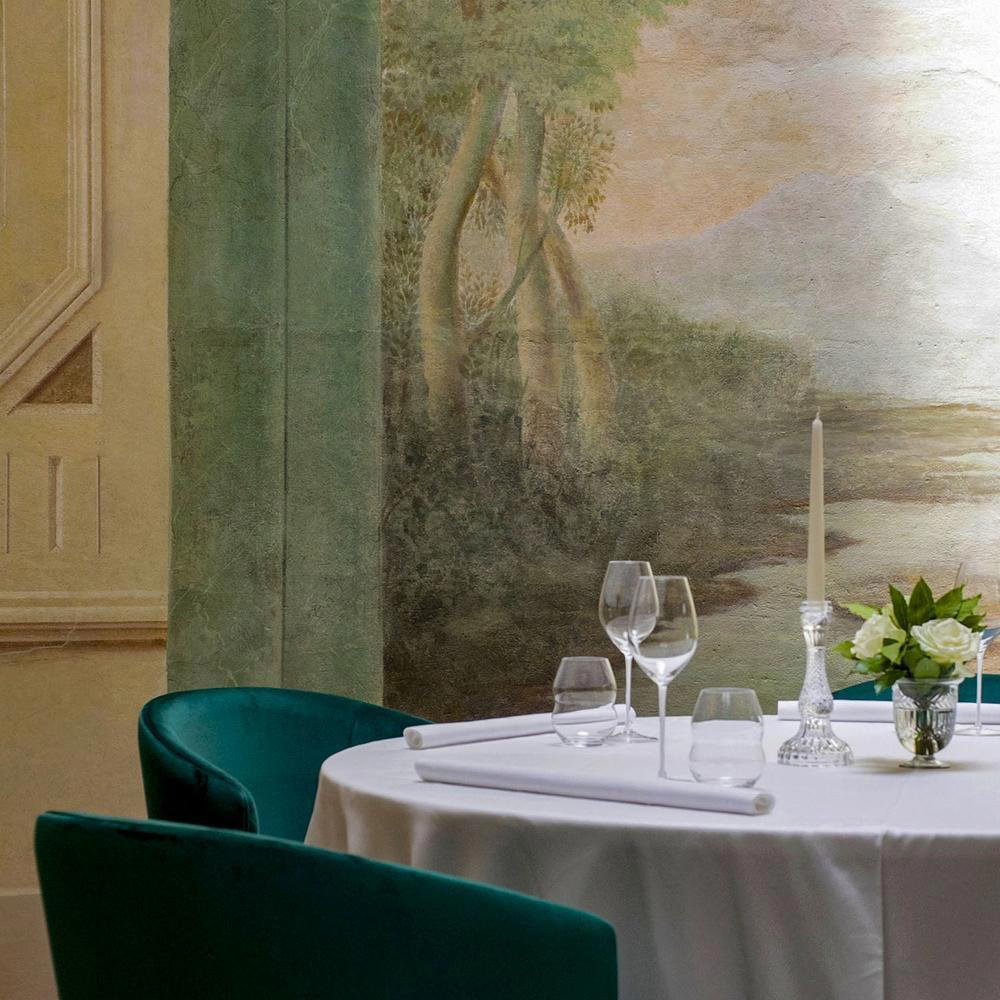
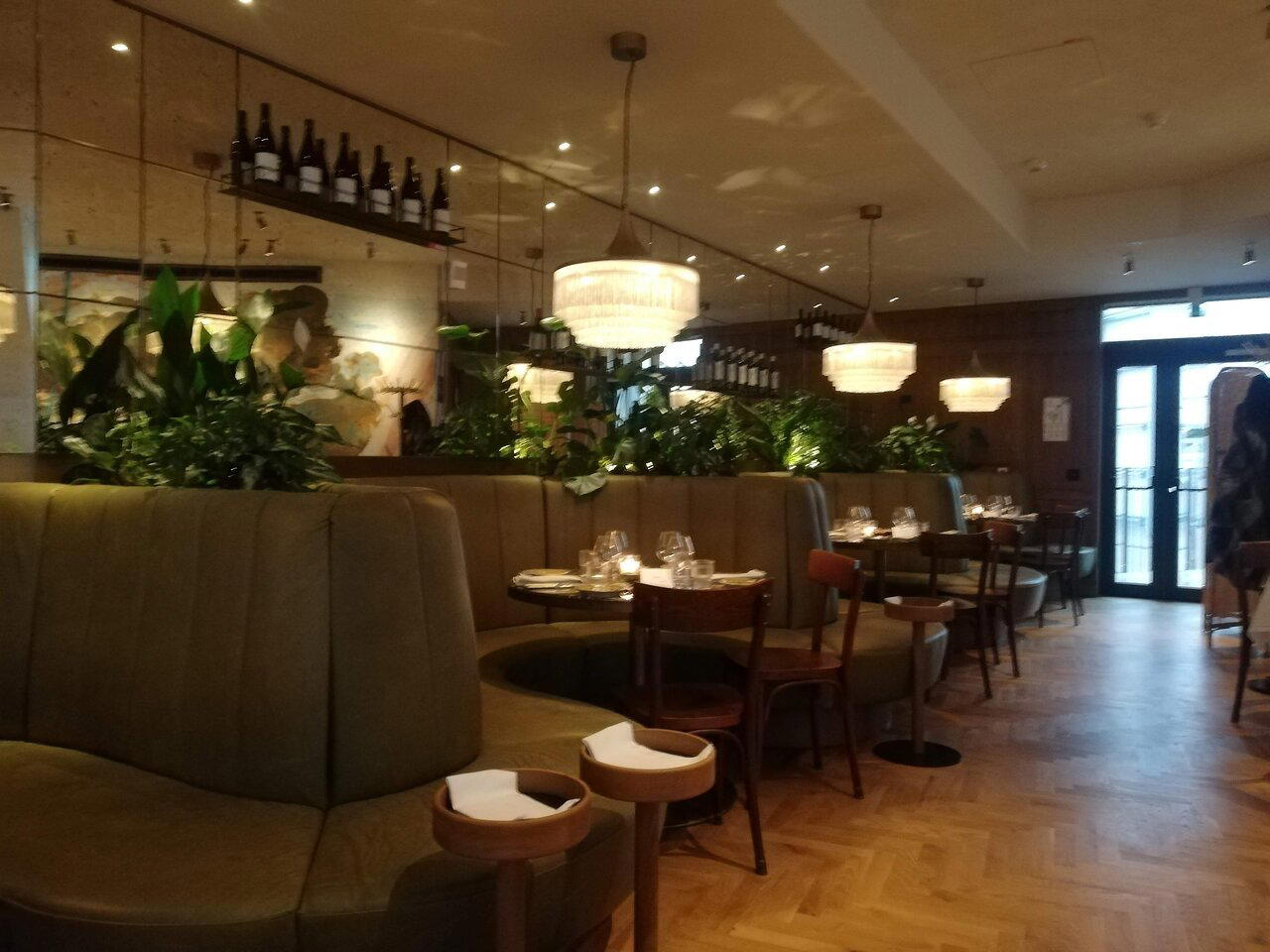
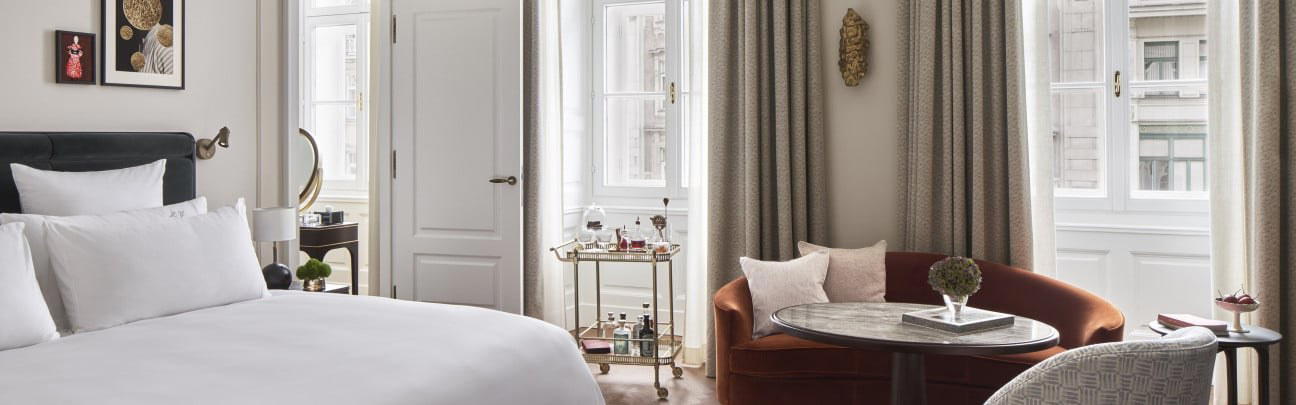
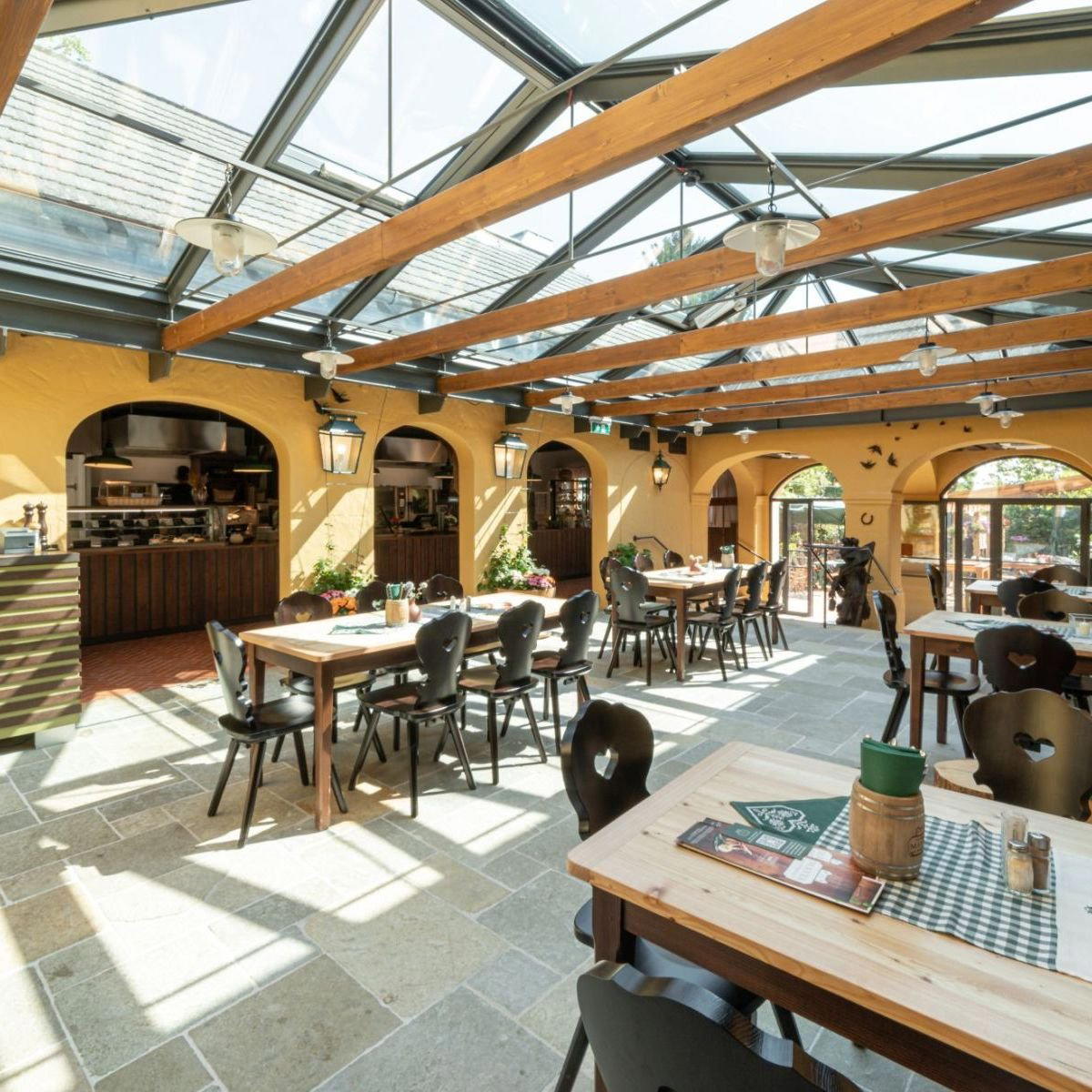
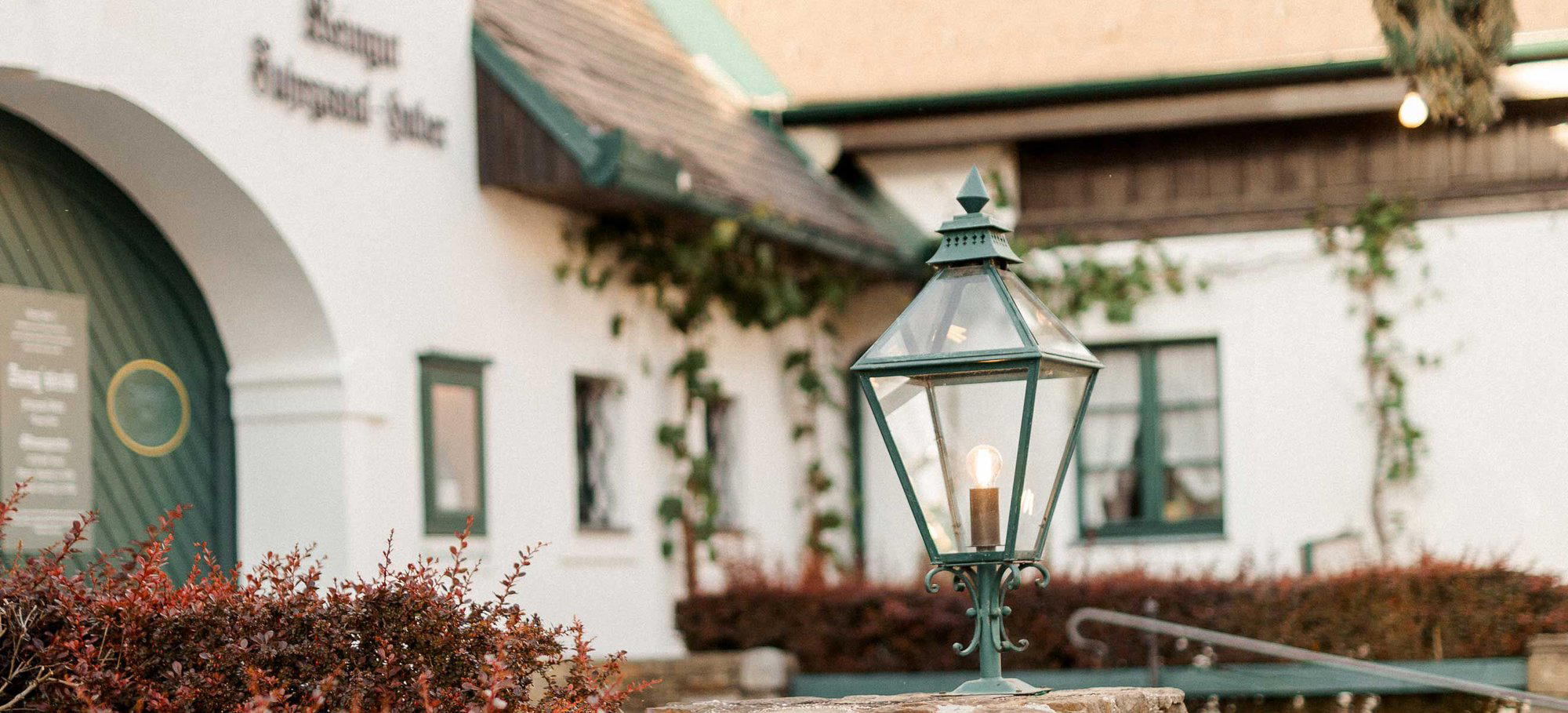
Cozy and calm atmosphere with attentive service, ideal for romantic dinners or special occasions.