On Maria-Theresien-Straße in Vienna's 9th district, Ballroom - damn.good.dumplings occupies a corner of the city where casual format meets deliberate craft. The name signals intent clearly: this is a dumpling-focused operation that takes its subject seriously, positioned in a neighbourhood that runs on everyday eating rather than occasion dining. For Vienna, where the fine-dining tier clusters around Michelin-starred rooms like Steirereck and Konstantin Filippou, a venue built around a single folded dough format represents a different kind of ambition entirely.
Pearl is the En Primeur Club membership app — saves, bookings, and concierge access live there. Same editors, same standards.
- Address
- Maria-Theresien-Straße 5, 1090 Wien, Austria
- Phone
- +4366499420414
- Website
- damngooddumplings.at
- Directions
- Get directions
 Saves & bookings on Pearl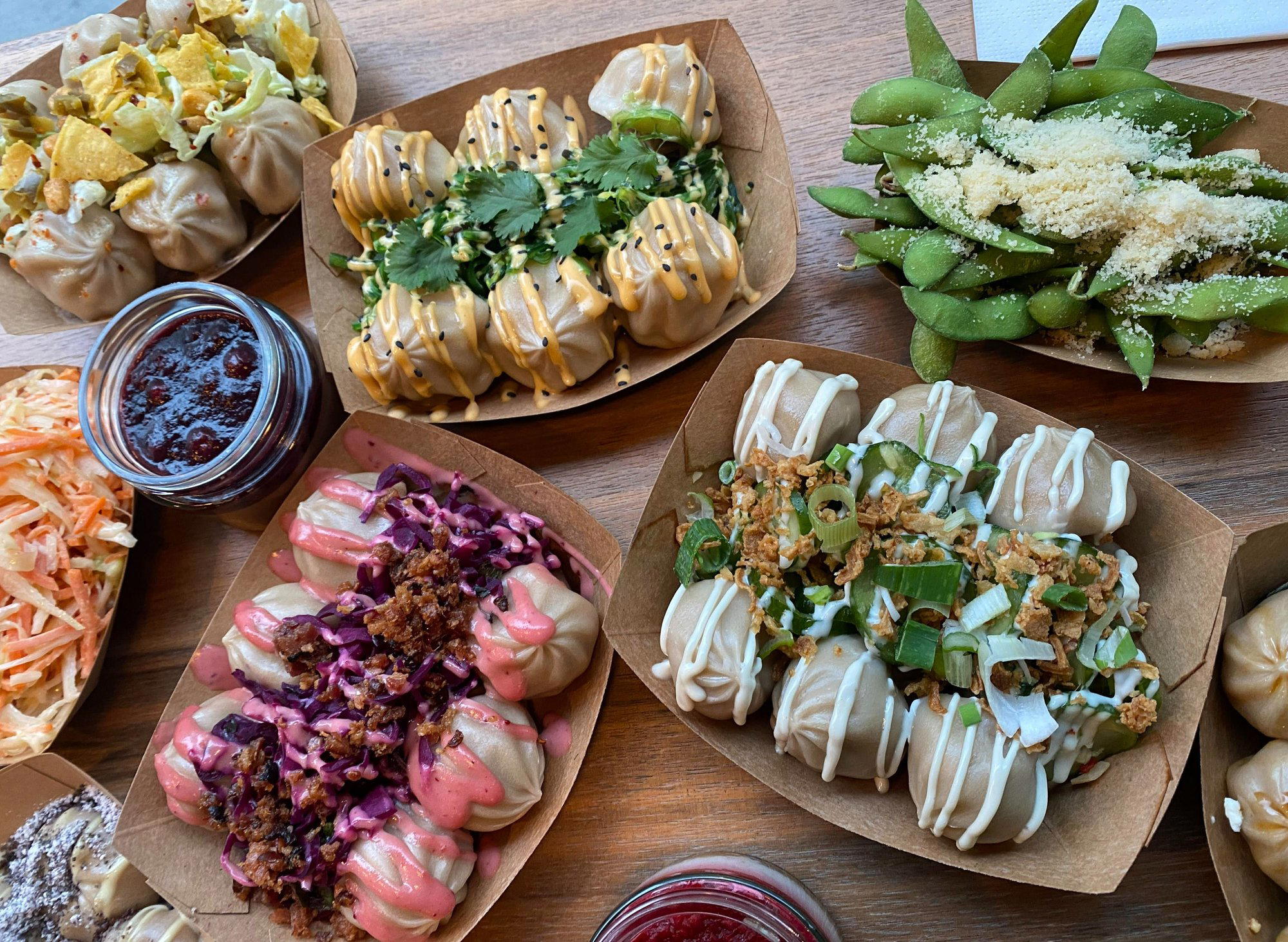
The Room and What It Signals
Vienna's 9th district, the Alsergrund, sits just north of the Ringstrasse hotels and the grand institutional buildings that define the city's self-image. The streets here run quieter than the 1st, and the eating reflects that: independent operators, neighbourhood regulars, formats built around repetition and craft rather than occasion. Maria-Theresien-Straße 5 is the address, and the name above the door, Ballroom, with its subtitle damn.good.dumplings, sets expectations with the kind of directness that Austrian dining culture does not always default to.
The word "ballroom" carries obvious irony at this scale, but it also does something useful: it frames the space as somewhere with character, not simply a counter. Vienna's casual dining scene has expanded considerably over the past decade, filling in the gap between the city's €€€€ tasting-menu institutions and the Würstelstand. Dumpling-focused formats, drawing on East and Central Asian traditions, sit in a growing middle register of that scene, precise in preparation, accessible in price, and suited to a city that has historically been more comfortable with Knödel than with xiao long bao.
A Format Built Around One Thing
Particularly defensible restaurants in any city are those that choose a lane and hold it. Vienna's fine-dining tier, Steirereck im Stadtpark, Amador, Konstantin Filippou, Mraz and Sohn, earns its authority through multi-course complexity and long tasting sequences. Ballroom operates in an entirely different register: the authority here comes from repetition, from doing one thing often enough that the seams disappear.
Dumpling formats reward exactly that kind of discipline. The ratio of wrapper to filling, the crimp, the cooking method, the temperature at which something arrives at the table, these are variables that reveal themselves across hundreds of repetitions rather than in a single service. Vienna has a tradition of this kind of specialisation in pastry and in bread; applying the same logic to folded dough is less of a departure than it might appear.
Across Austria's broader dining scene, the venues that have earned sustained attention, Döllerer in Golling an der Salzach, Obauer in Werfen, Taubenkobel in Schützen am Gebirge, share a tendency toward defined identity over range. The format at Ballroom fits that same logic, scaled down and pushed into casual territory.
The Sensory Register of the Space
Dumpling restaurants have a particular atmosphere that distinguishes them from most other casual formats. Steam is a constant presence, not metaphorically, but literally. The air carries warmth and a faint trace of wheat and rendered fat. Sound tends toward the functional: the soft percussion of bamboo steamers, the rhythm of a busy pass, conversations that happen at close quarters because the room requires it. These are not environments built for distance or ceremony.
In Vienna, where the coffee house tradition has trained a generation of diners to expect a certain unhurried formality even in casual settings, a room built around speed and warmth and proximity reads as a deliberate counterpoint. The name Ballroom plays with that contrast directly. There is no grand chandelier, no white tablecloth, no sommelier circling. What the format offers instead is focus: a menu with clear edges, a kitchen with a defined task, and a room calibrated to the eating rather than to the occasion.
That kind of sensory clarity is its own kind of offer. At the price point and register that Ballroom occupies, the relevant comparison is not with Doubek or with the tasting-menu rooms. It is with the other casual formats competing for the same weekday lunch and neighbourhood dinner slot, and within that set, a clearly defined specialisation carries real weight.
Vienna's Casual Dining Moment
The city's restaurant conversation has, for years, centred on its Michelin-starred tier. Vienna holds a meaningful cluster of multi-starred rooms, and the local food press has historically given them most of its attention. But the more interesting shift in recent years has been at the informal end: new operators taking specific formats seriously, building menus around a single tradition or technique, and finding audiences among diners who have grown up eating more broadly than the Viennese canon historically accommodated.
Dumpling formats fit that shift well. They travel across borders, they reward expertise without requiring ceremony, and they hold up across price points in a way that other specialised cuisines do not always manage. In cities like Vienna, where the central European culinary inheritance is deep but the appetite for international formats has grown, a venue that treats dumplings as a serious subject, rather than as an afterthought on a pan-Asian menu, addresses something real in the market.
Vienna's broader Austrian dining ecosystem extends well beyond the city itself: Gourmetrestaurant Tannenhof in Sankt Anton am Arlberg, Stüva in Ischgl, Kräuterreich by Vitus Winkler in Sankt Veit im Pongau, Schwarzer Adler in Hall in Tirol, Restaurant 141 by Joachim Jaud in Mieming, Landhaus Bacher in Mautern an der Donau, and Ois in Neufelden all represent the depth of the country's table. But within Vienna specifically, the casual tier is where particularly visible evolution is happening, and Ballroom sits inside that moment.
For a different register of comparison, the single-focus format has global precedent at higher price points, restaurants like Le Bernardin in New York City or Lazy Bear in San Francisco demonstrate what happens when a kitchen commits fully to a defined identity. Ballroom operates at a different scale and price entirely, but the underlying logic, depth of commitment to a single subject, runs through all three.
Know Before You Go
- Address: Maria-Theresien-Straße 5, 1090 Wien, Austria
- District: 9th Bezirk (Alsergrund)
- Format: Casual, dumpling-focused dining
- Booking: Walk-ins are welcome
- Price range: About $12 per person
- Leading for: Neighbourhood meals, lunch, informal dinners in the 9th district
Cuisine and Recognition
Comparable venues nearby, for context on price, style, and recognition.
| Venue | Cuisine | Price | Notes |
|---|---|---|---|
| Ballroom - damn.good.dumplingsThis venue — the venue you are viewing | Fusion Dumplings | $$ | Not listed |
| Maria und Josef | Persian-Mediterranean Fusion | $$ | Hofburg |
| Shiso Burger | Asian Fusion Gourmet Burgers | $$ | Hofburg |
| the nice guys | Asian Fusion Gastro Pub | $$ | Prater |
| Fat Monk | International Deli Bowls | $$ | Kaisermuehlen |
| Kenks | Modern Fusion Burgers & Brunch | $$ | Breitensee |
Continue exploring
More in Vienna
Restaurants in Vienna
Browse all →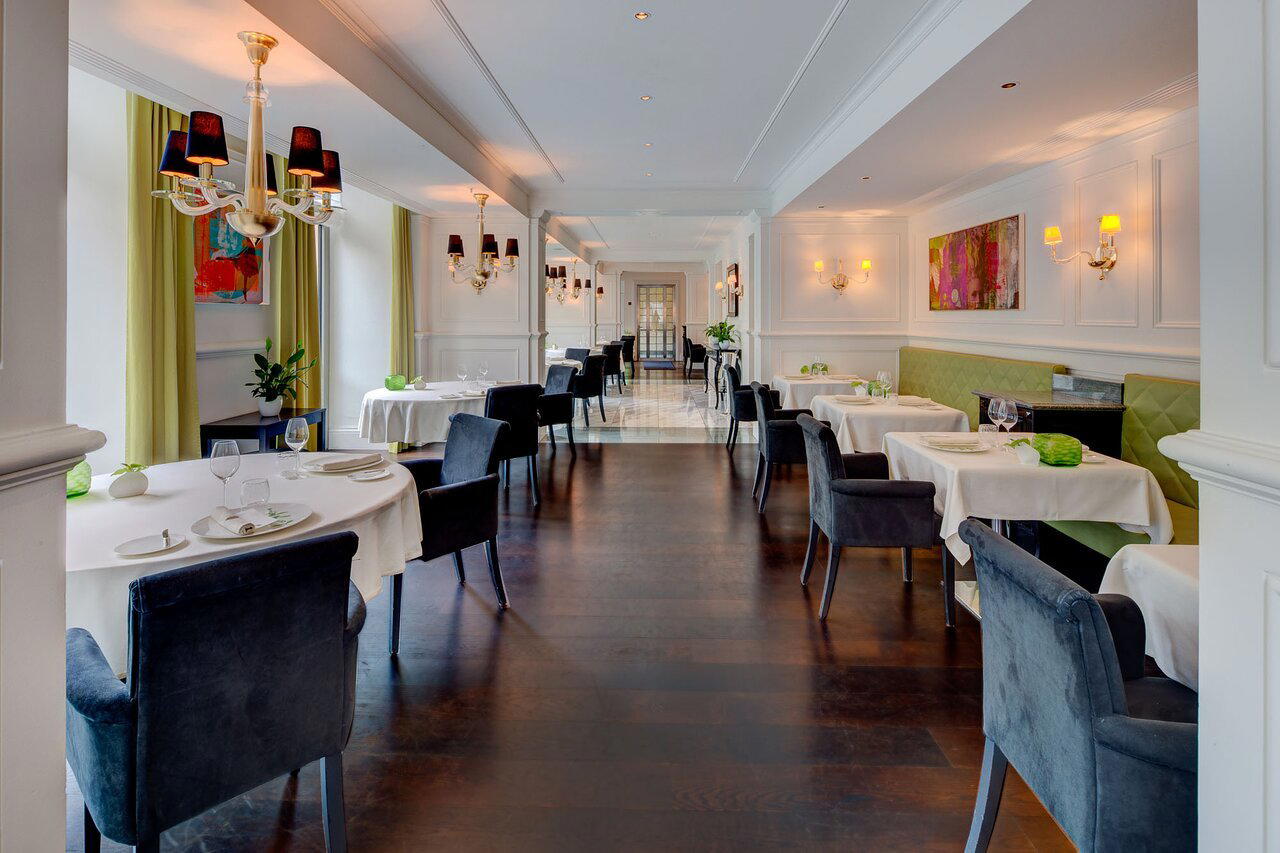
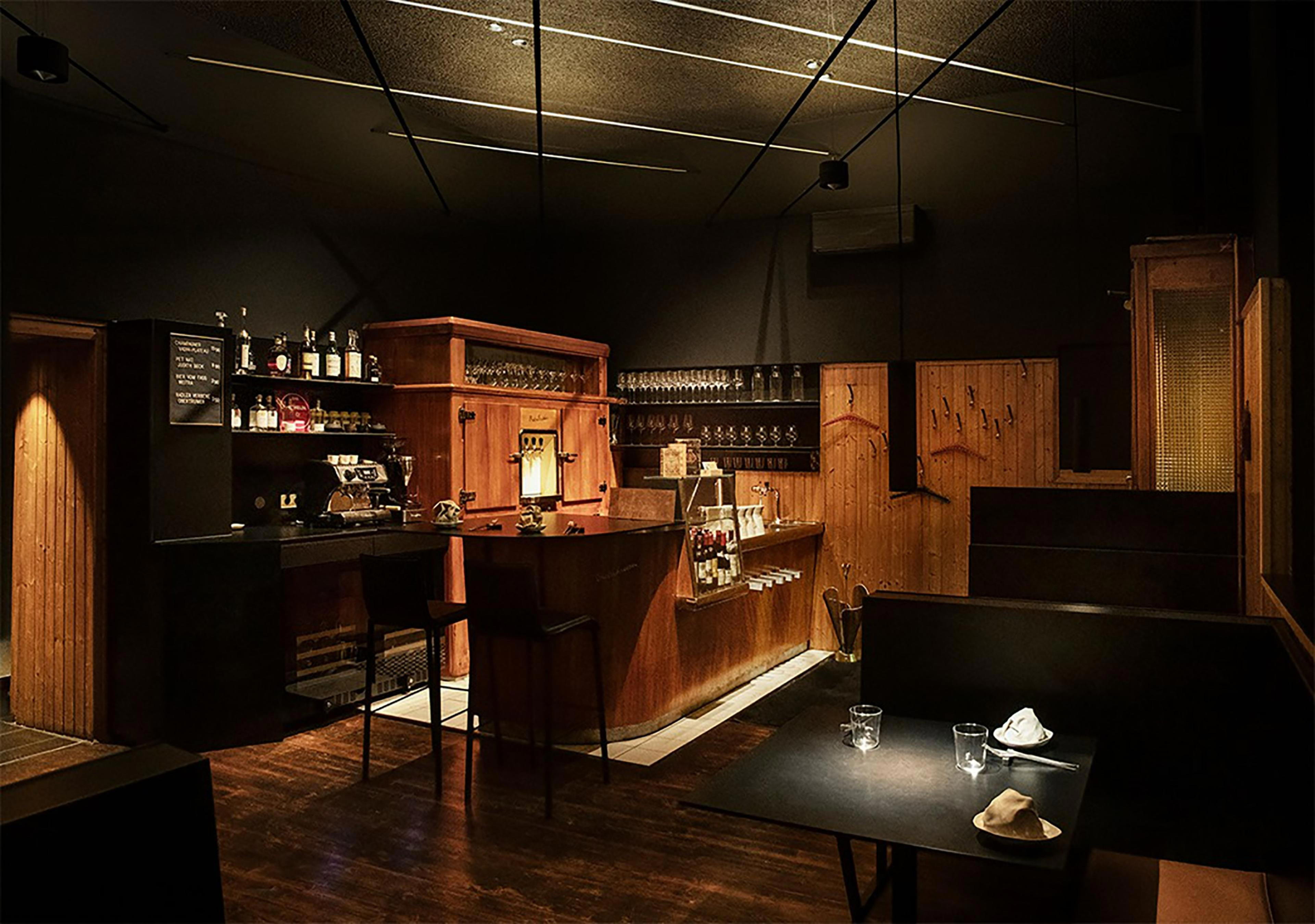
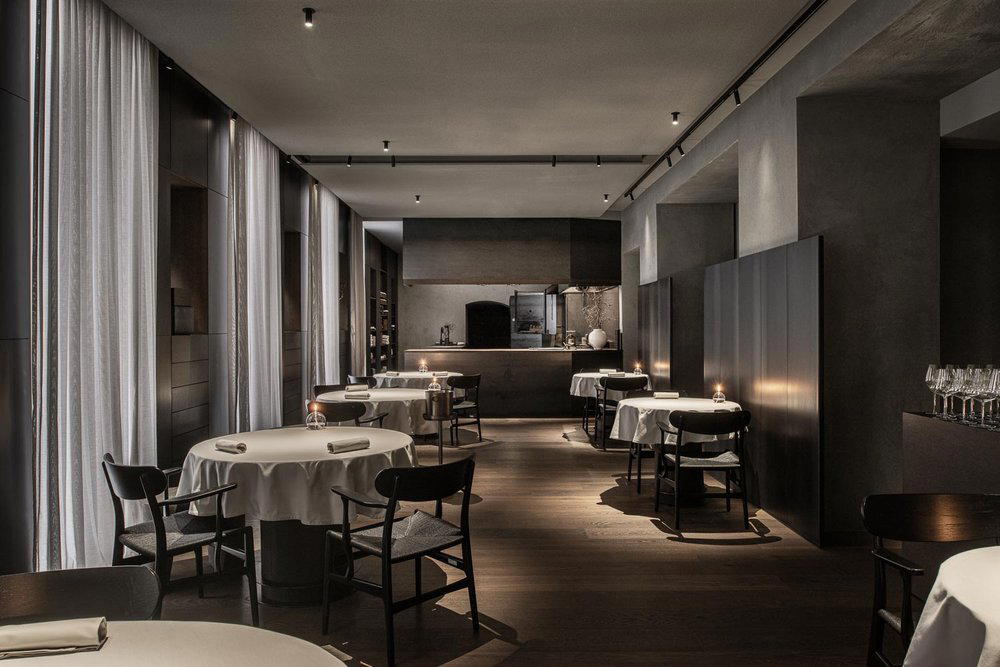
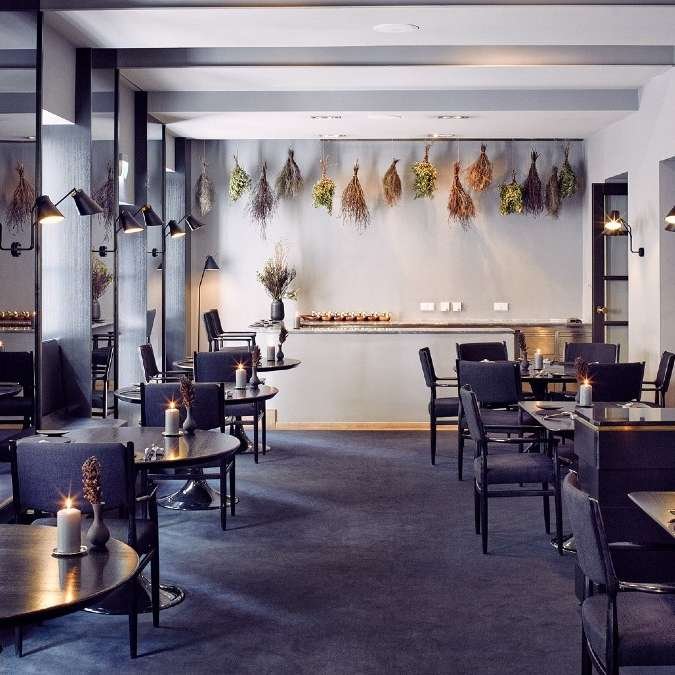
Bars in Vienna
Browse all →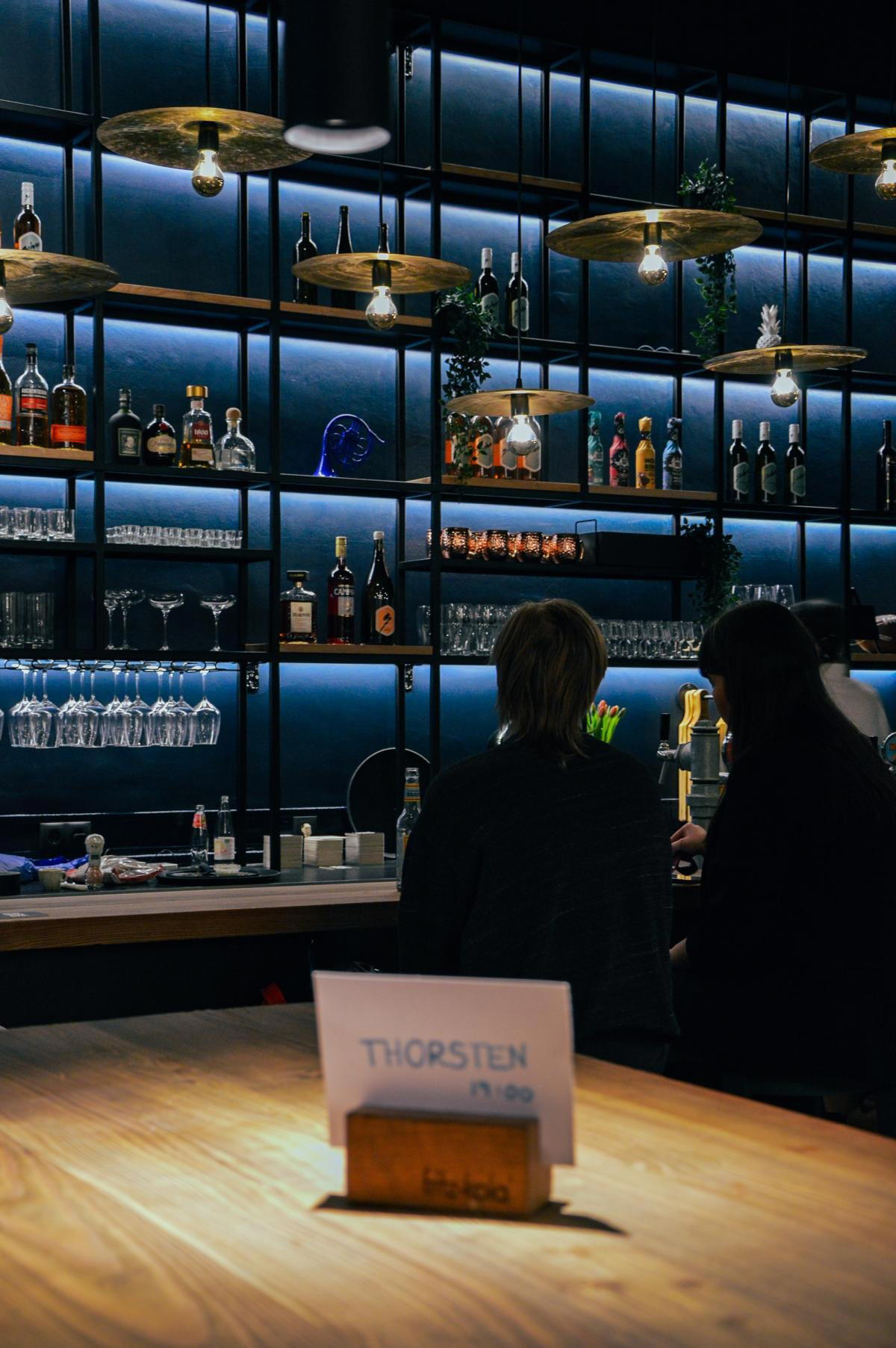
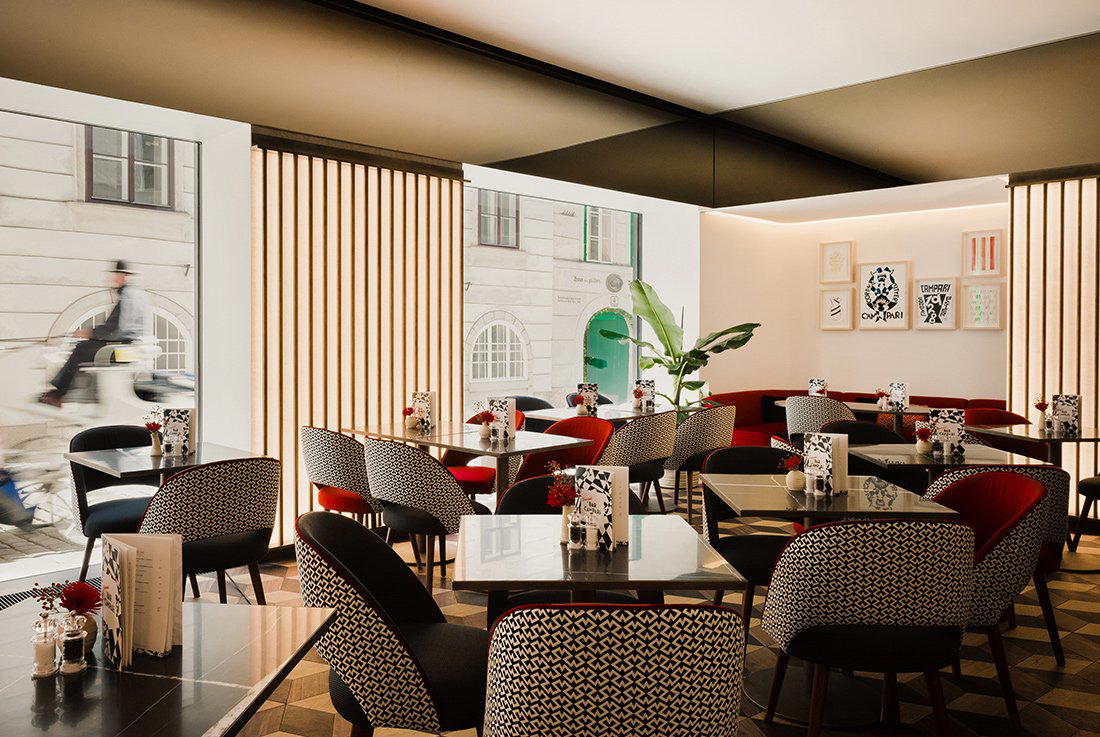
Hotels in Vienna
Browse all →
At a Glance
- Modern
- Casual
- Trendy
- Casual Hangout
- Solo
- Group Dining
- Standalone
- Open Kitchen
Current opening hours
- Monday
- 11 AM–9 PM
- Tuesday
- 11 AM–9 PM
- Wednesday
- 11 AM–9 PM
- Thursday
- 11 AM–9 PM
- Friday
- 11 AM–9 PM
- Saturday
- 12–9 PM
- Sunday
- 1:30–9 PM
Hours can change for holidays and private events. Last verified .
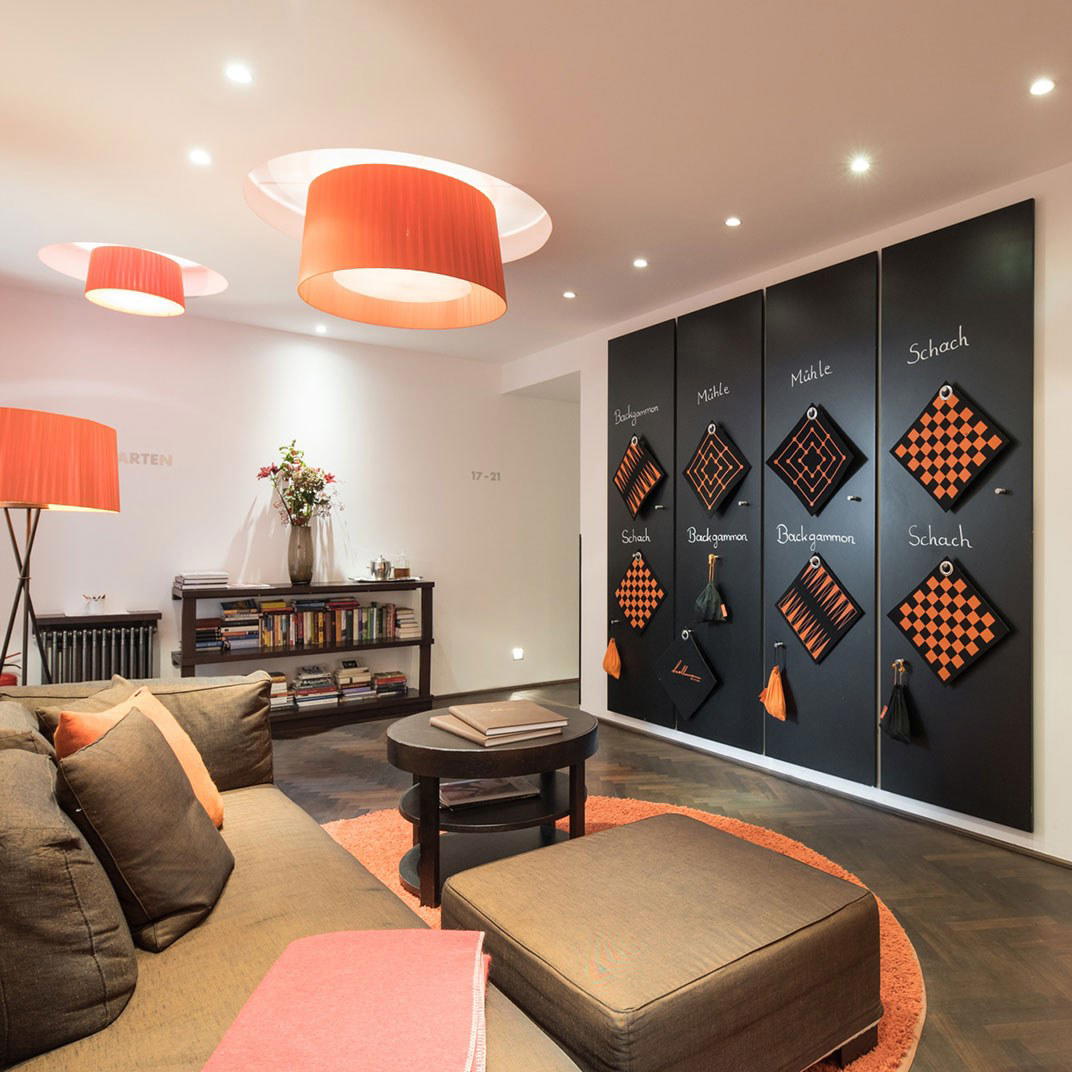
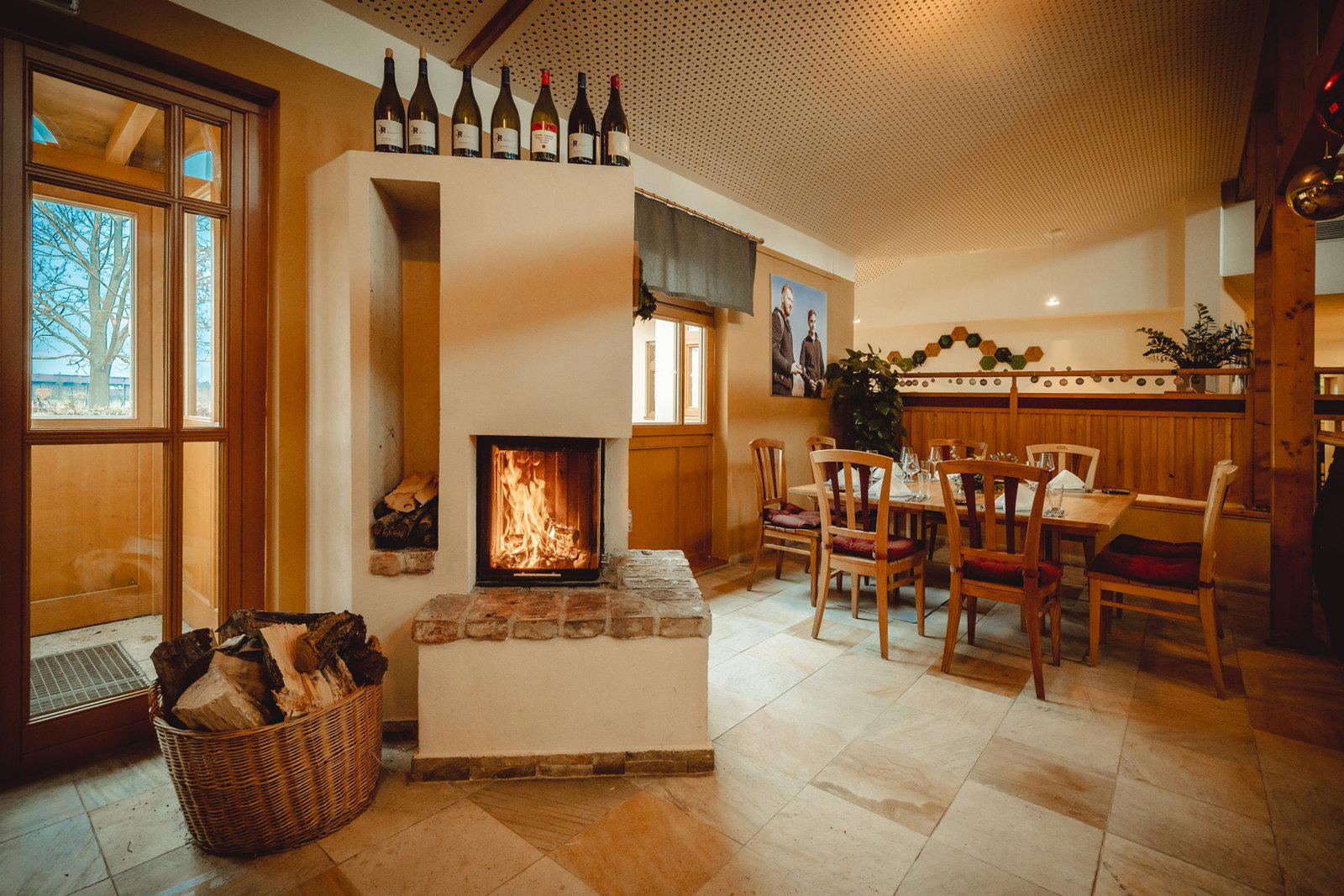
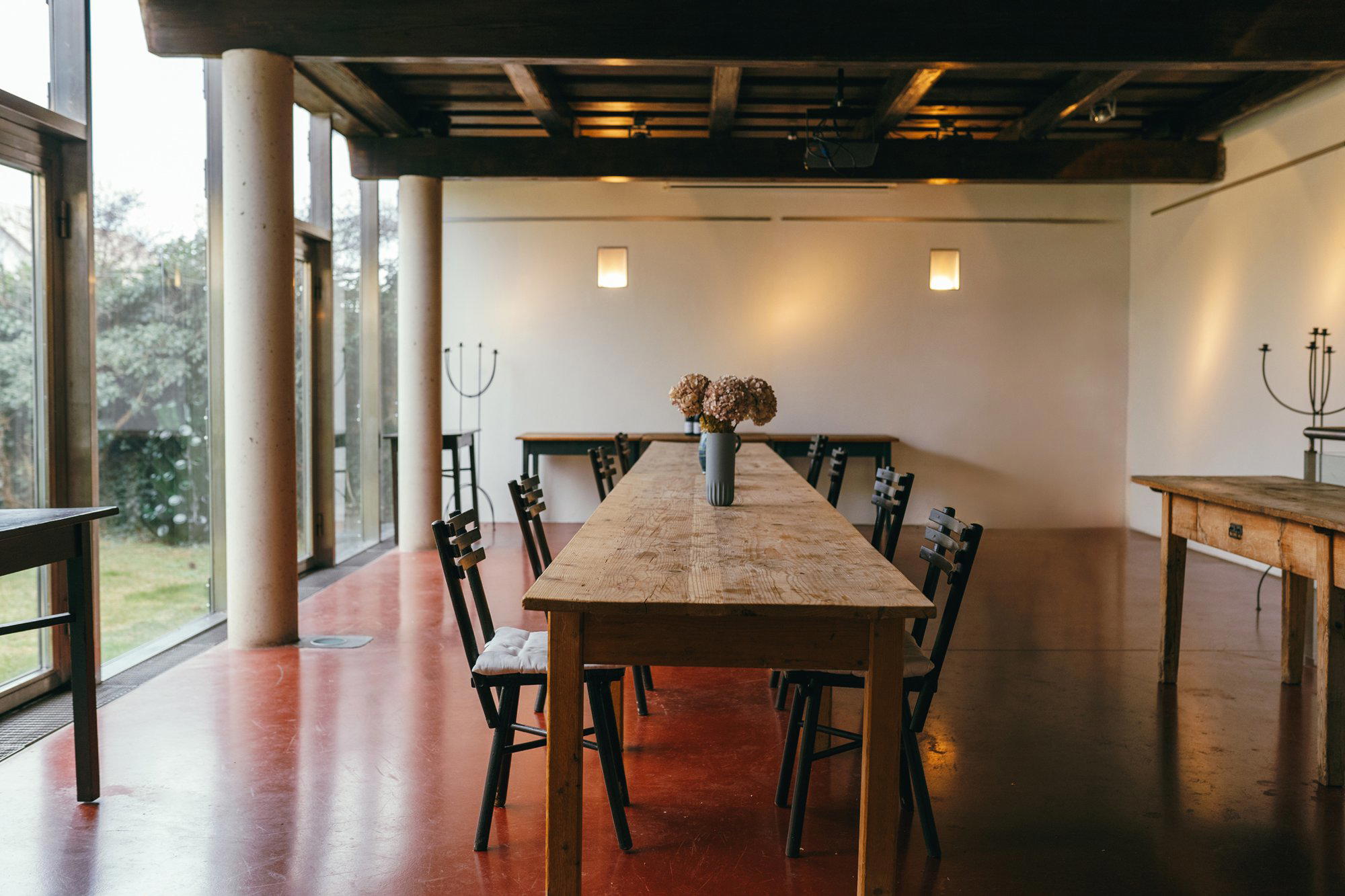
Stylish, clean, modern interior with a casual fast-food aesthetic; small intimate space with outdoor seating available in good weather.