Indien Village occupies a quiet address in Vienna's first district, positioning itself within the city's growing appetite for subcontinental cuisine at a moment when Indian restaurants in European capitals are being reassessed with fresh seriousness. Set in the Rockhgasse, it offers an alternative register to Vienna's dominant fine-dining mode, where Austrian and modern European kitchens dominate the upper tiers.
Pearl is the En Primeur Club membership app — saves, bookings, and concierge access live there. Same editors, same standards.
- Address
- Rockhgasse 3, 1010 Wien, Austria
- Phone
- +434315337516
- Website
- indien-village.at
- Directions
- Get directions
 Saves & bookings on Pearl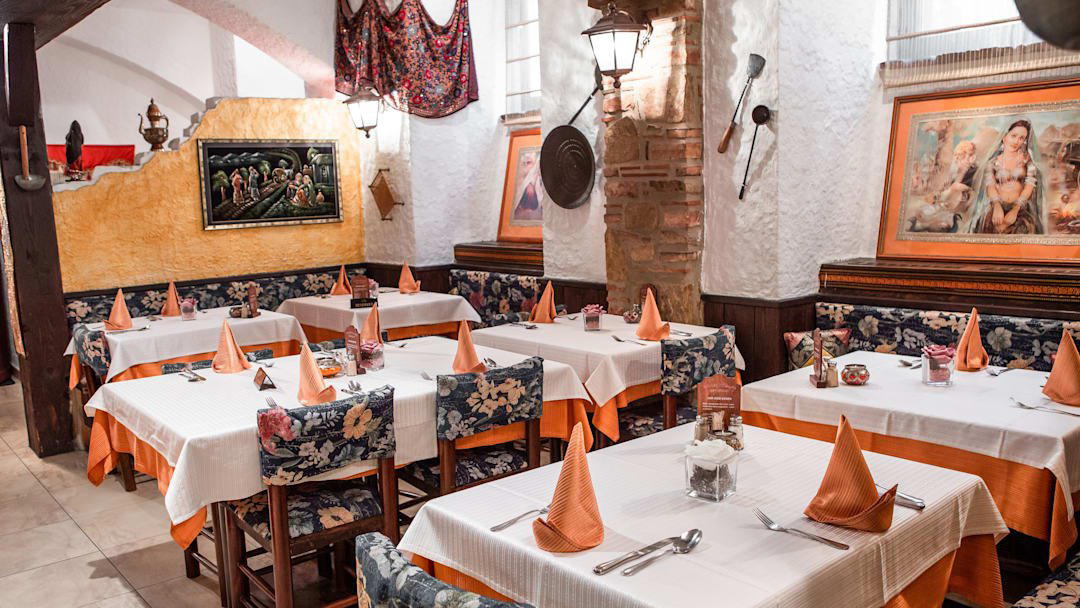
A Different Register in the First District
Vienna's first district is defined by its density of formal dining. Within a short radius of the Rockhgasse, you'll find the city's most decorated kitchens: the creative tasting menus of Steirereck im Stadtpark, the precise European modernism of Konstantin Filippou, and the boundary-testing work coming out of Amador. In that context, a kitchen devoted to Indian cuisine occupies an unusual position: it is neither competing for the same awards nor appealing to the same expectations, which gives it a different kind of freedom and a different kind of pressure.
Indien Village sits at Rockhgasse 3, inside the first Bezirk, which places it in one of the most expensive and symbolically loaded postal codes in the Austrian capital. The address alone tells you something about positioning: this is not a suburban subcontinental restaurant operating on volume. The surrounding streets belong to a city that takes its dining seriously, and a kitchen in this neighbourhood is, by proximity alone, held to a certain standard of intention.
Indian Cuisine in Vienna: The Broader Context
Across Northern and Central Europe, the critical reassessment of Indian restaurant cooking has been underway for several years. Cities like London and Copenhagen have produced a wave of kitchens that treat subcontinental technique with the same rigour previously reserved for French or Japanese traditions. Vienna has been slower to participate in that shift. The city's fine-dining identity remains anchored in Austrian produce-driven cooking — exemplified by places like Mraz & Sohn — and its international restaurant scene, while cosmopolitan, has not yet produced the kind of subcontinental benchmark that comparable European capitals can point to.
That gap represents both an opportunity and a challenge for any kitchen working in this tradition in Vienna. The opportunity: a relatively uncontested niche in a city with a sophisticated dining public. The challenge: building trust and repeat custom in a market where Indian cuisine has not historically been associated with the upper end of the dining spectrum. Venues that manage that shift tend to do so through a combination of service discipline, sourcing transparency, and kitchen consistency, the same variables that matter at the top end of any category.
For broader context on how Vienna's restaurant scene is structured, our full Vienna restaurants guide maps the city's dining character across neighbourhoods and cuisine types.
The Team Dynamic: Why Service Architecture Matters Here
In any restaurant operating outside its city's dominant culinary tradition, the front-of-house carries an unusually large share of the explanatory work. This is particularly true for Indian cuisine in Vienna, where a portion of the dining public may lack familiarity with regional distinctions, the difference between a coastal Goan preparation and a North Indian slow-cooked dish, or the logic of spice layering across a multi-course sequence. In these settings, a knowledgeable floor team does not simply take orders; it narrates.
The relationship between kitchen and dining room in this kind of restaurant determines whether a guest leaves with understanding or just satiation. Where sommelier input exists, it adds another layer: wine pairings with Indian cuisine demand a different approach than the European pairings that dominate Vienna's fine-dining rooms. Aromatic whites, lighter reds with some residual structure, and certain orange wines tend to perform better than the Burgundian logic that governs most pairing conversations in this city. A floor team confident enough to lead that conversation shifts the entire experience.
This kind of collaborative service architecture is increasingly what separates restaurants that hold repeat custom from those that function as one-time curiosities. The cities where Indian cuisine has moved into serious critical consideration, London most prominently, but also New York, where Atomix has demonstrated how a Korean kitchen can reframe its entire national tradition through rigorous service discipline, show that the dining room is as much a knowledge delivery system as the kitchen. The same principle applies here.
Vienna's upper-tier restaurant scene operates almost entirely in the €€€€ bracket, with kitchens like Doubek and the city's Michelin-recognised addresses setting a high bar for what the market expects at premium price points.
The more useful comparison set may not be Vienna's leading Austrian kitchens but rather the subcontinental restaurants operating at a serious level in comparable European cities. At that level, the benchmarks are demanding: sustained sourcing standards, a kitchen that can execute spice work with precision across a full service, and a front-of-house team with the literacy to guide guests through an unfamiliar vocabulary.
For those interested in Austria's broader fine-dining geography, the country's most acclaimed kitchens extend well beyond Vienna. Döllerer in Golling an der Salzach, Obauer in Werfen, and Ikarus in Salzburg represent the kind of regional seriousness that defines Austrian dining at its most ambitious. In Tyrol, Griggeler Stuba in Lech, Gourmetrestaurant Tannenhof in Sankt Anton am Arlberg, and Schwarzer Adler in Hall in Tirol anchor a strong alpine dining circuit. Landhaus Bacher in Mautern an der Donau, Kräuterreich by Vitus Winkler in Sankt Veit im Pongau, Ois in Neufelden, and Restaurant 141 by Joachim Jaud in Mieming complete a picture of a country where serious cooking extends far from the capital. New York's Le Bernardin remains a useful global reference point for how a kitchen working in a specific culinary tradition can anchor itself as a category benchmark over decades.
Know Before You Go
- Address: Rockhgasse 3, 1010 Wien, Austria
- District: First Bezirk (Innere Stadt)
- Cuisine: Indian
- Awards: No confirmed awards data available
- Price range: Not confirmed; first-district address suggests mid-to-upper pricing
- Booking: Contact details not confirmed; check current listings for reservation options
- Hours: Not confirmed; verify before visiting
Continue exploring
More in Vienna
Restaurants in Vienna
Browse all →
Bars in Vienna
Browse all →
Hotels in Vienna
Browse all →
At a Glance
- Classic
- Cozy
- Elegant
- Business Dinner
- Date Night
- Group Dining
- Private Dining
Current opening hours
- Monday
- 11:30 AM–2:30 PM, 6–11 PM
- Tuesday
- 11:30 AM–2:30 PM, 6–11 PM
- Wednesday
- 11:30 AM–2:30 PM, 6–11 PM
- Thursday
- 11:30 AM–2:30 PM, 6–11 PM
- Friday
- 11:30 AM–2:30 PM, 6–11 PM
- Saturday
- 11:30 AM–2:30 PM, 6–11 PM
- Sunday
- Closed
Hours can change for holidays and private events. Last verified .
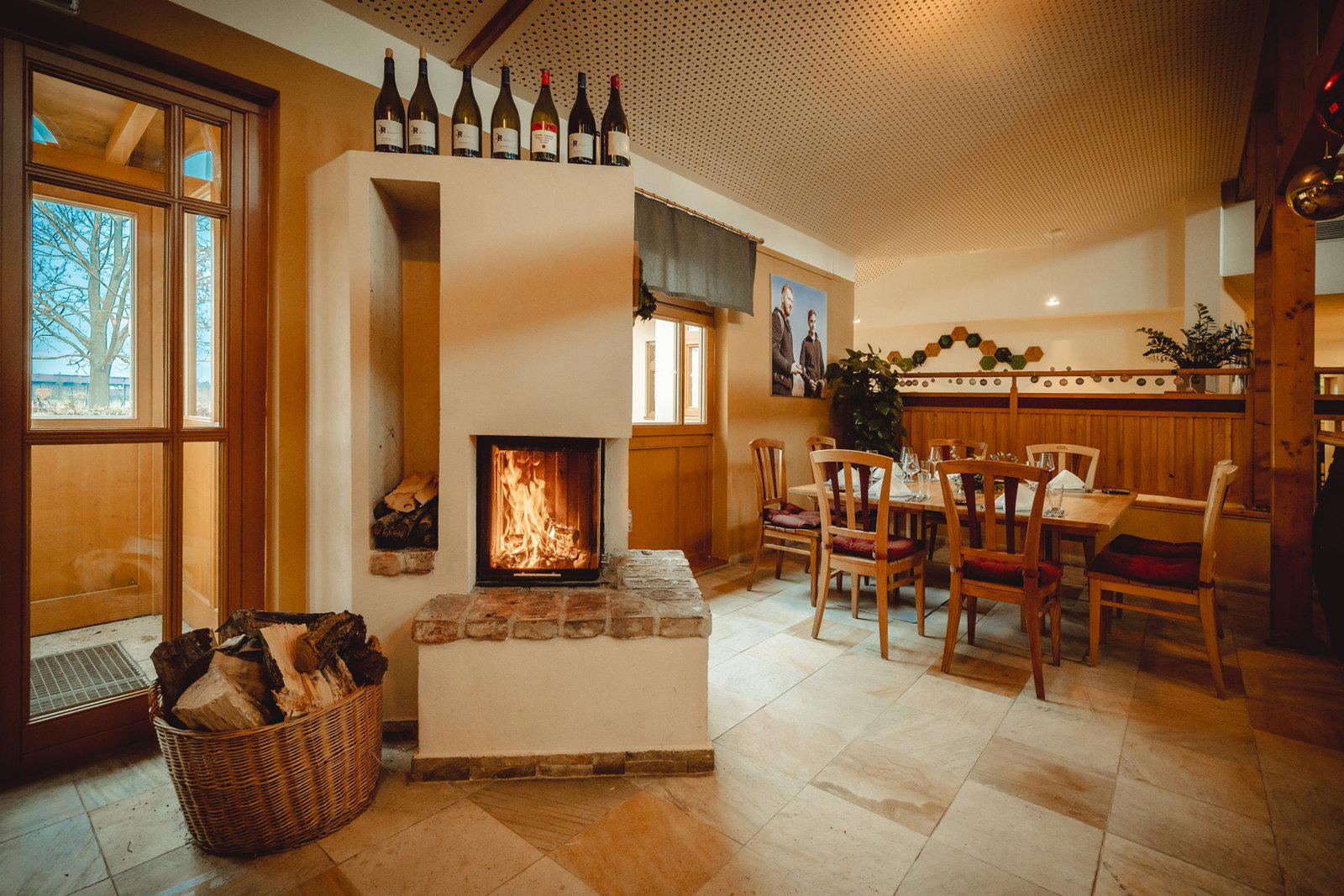
Traditional Indian decor with gold accents and Ganesha statue, creating a familiar, friendly atmosphere filled with spice fragrances and smoky aromas.