
A Michelin Bib Gourmand recipient for 2025, Qing Tao sits on Nanshan Road in Hangzhou's Shangcheng District and serves traditional Zhejiang cuisine at a ¥¥ price point that puts Michelin-recognised cooking within reach of most budgets. For visitors exploring the city's regional food scene, it represents one of the clearest cases for eating well without the spend of the higher-tier Zhejiang tables.
Pearl is the En Primeur Club membership app — saves, bookings, and concierge access live there. Same editors, same standards.
- Address
- 146-1 Nanshan Rd, 146, Shangcheng District, Hangzhou, Zhejiang, China, 310007
- Phone
- +86 571 8707 7008
- Directions
- Get directions
 Saves & bookings on Pearl
Nanshan Road and the Case for Affordable Zhejiang Cooking
Nanshan Road runs along the southern edge of West Lake, which makes it one of the more photographed stretches in Hangzhou. It is also a street with a serious restaurant density, where the visual drama of the lakeside tends to distract from the fact that some of the city's most credible Zhejiang cooking is happening at tables that cost a fraction of what the fine-dining addresses nearby charge. Qing Tao is a restaurant in Hangzhou's Shangcheng District serving Modern Zhejiang (Jiangnan) Cuisine. It holds a Michelin Bib Gourmand in 2025 and sits at a ¥¥ price point in a city where the recognisable Zhejiang fine-dining tier runs to ¥¥¥ and ¥¥¥¥.
The Bib Gourmand designation matters here because of what it specifically measures. Michelin defines it as good cooking at a price below a defined threshold. That framing is the right lens for Qing Tao: the restaurant is not trying to compete with Ru Yuan or Guiyu (Xihu) at the upper end of the Hangzhou Zhejiang table. It is doing something different, and Michelin has formally recognised it for doing that thing well.
What Zhejiang Cuisine Actually Looks Like at This Price
Zhejiang cuisine is one of the eight classical Chinese cooking traditions, and Hangzhou is its historic centre. The broad characteristics are a preference for freshness over spice, relatively light seasoning, the use of vinegar and sugar in balance, and ingredients drawn heavily from the West Lake area and the surrounding waterways: carp, shrimp, bamboo shoots, lotus root, and the longjing tea that grows in the hills immediately west of the city. The cooking tradition prizes texture and the natural flavour of the ingredient rather than the accumulation of aromatics that defines, say, Sichuan or Hunan cooking.
At the ¥¥¥ and ¥¥¥¥ tier, those ingredients arrive in more elaborate preparations, across more courses, with service and environment calibrated accordingly. At the ¥¥ level, the same tradition is expressed more directly: fewer flourishes, smaller teams, spaces that concentrate spend on the food rather than the room. What Bib Gourmand recognition signals is that the cooking at Qing Tao holds its integrity inside those constraints. That is not a minor point. The drop-off in Zhejiang cooking quality between the fine-dining and everyday tiers is real, and many mid-range Hangzhou restaurants coast on tourist traffic without the discipline to maintain the precision the cuisine requires.
For context within the Hangzhou Zhejiang scene, Hangzhou House, Jie Xiang Lou, and Longjing Manor represent a different tier and a different proposition entirely. They are the addresses where the ceremony and setting are part of the spend. The restaurant is the address where the spend goes almost entirely to what arrives at the table.
The Value Proposition in Practical Terms
Hangzhou is not an inexpensive city for food at the level where quality is guaranteed. West Lake proximity puts upward pressure on rents along Nanshan Road, which ordinarily filters the ¥¥ tier toward the kind of generic tourist-facing operations that crowd lakeside streets across China. The fact that a restaurant at this address and this price point has earned Michelin Bib Gourmand recognition in 2025 is a specific data point worth registering: the inspectors found enough consistency to return, assess, and recommend.
The ¥¥ price range in a Hangzhou context means a meal that lands well below the spend threshold at the city's formal Zhejiang houses. For visitors who want to track the full range of the regional cuisine, the restaurant fills a slot that none of the higher-tier addresses can: it shows what Zhejiang cooking looks like when the kitchen is focused on the essentials rather than the presentation.
Zhejiang cuisine in other cities almost always operates at higher price points because it is framed as regional-specialty dining for an audience that has travelled to seek it out. Zhejiang Heen in Hong Kong and Rong Rong Yuan in Taipei both serve the tradition to diaspora and enthusiast audiences, with price structures that reflect import logistics, prime rents, and the positioning premium of serving a regional cuisine outside its home territory. Eating Zhejiang food in Hangzhou at a ¥¥ price point, with Michelin verification of the kitchen's standards, is a structural advantage that does not replicate elsewhere.
How It Sits in the Broader Chinese Regional Dining Picture
Across China's major cities, the Michelin Bib Gourmand category has become a reliable navigation tool for the tier between street food and formal dining. In Shanghai, 102 House operates in a comparable bracket. In Beijing, Xin Rong Ji (Xinyuan South Road) represents the premium end of a different regional tradition at a higher price tier. In Chengdu, Xin Rong Ji shows how the same brand scales across formats. The point is that Michelin Bib Gourmand recognition in China now carries enough weight to be read as a genuine quality signal, particularly in a city like Hangzhou where the Guide has had enough cycles to distinguish sustained performance from a single good year.
For readers building a broader picture of recognised Chinese regional cooking, the Macau, Guangzhou, and Nanjing tier offers comparisons at the formal end: Chef Tam's Seasons in Macau, Imperial Treasure Fine Chinese Cuisine in Guangzhou, and Dai Yuet Heen in Nanjing all sit in a different spend category with a different set of expectations attached. The restaurant belongs to a separate argument entirely, one about what Michelin recognition looks like when it is applied to the accessible end of a regional tradition rather than the ceremonial one.
Planning Your Visit
Know Before You Go
- Address: 146-1 Nanshan Road, Shangcheng District, Hangzhou, Zhejiang 310007
- Price range: ¥¥ (accessible mid-range by Hangzhou standards)
- Recognition: Michelin Bib Gourmand 2025
- Cuisine: Zhejiang (traditional regional Chinese)
- Hours, phone, and booking method: Not confirmed
- Nearby context: Located on the southern edge of West Lake, within the Shangcheng District restaurant corridor
Cost and Credentials
Comparable venues nearby, for context on price, style, and recognition.
| Venue | Cuisine | Price | Awards |
|---|---|---|---|
| Qing TaoThis venue — the venue you are viewing | Zhejiang | $$ | Bib Gourmand |
| Hao Shi Tang 1987 (Wensan Road) | Hangzhoushi, Authentic Hangzhou Cuisine | $$ | Bib Gourmand |
| Definitely Fresh | Hangzhoushi, Zhejiang Seafood | $$ | Bib Gourmand |
| Nan Feng Fan Dian | Yuhangxian, Authentic Xiaoshan Cuisine | $$ | Bib Gourmand |
| Hu Ge Si Fang Cai | Hangzhoushi, Hangzhou Classics | $$ | Michelin Plate |
| Xiao Lao Hun Tun | Hangzhoushi, Handmade Wonton Specialist | $$ | Bib Gourmand |
Recognition history
Dated appearances from independent guides and award organizations, with the underlying list record or original source where available.
Michelin Bib Gourmand
Michelin
At a Glance
- Elegant
- Serene
- Sophisticated
- Intimate
- Special Occasion
- Date Night
- Private Dining
- Sake Program
- Mountain
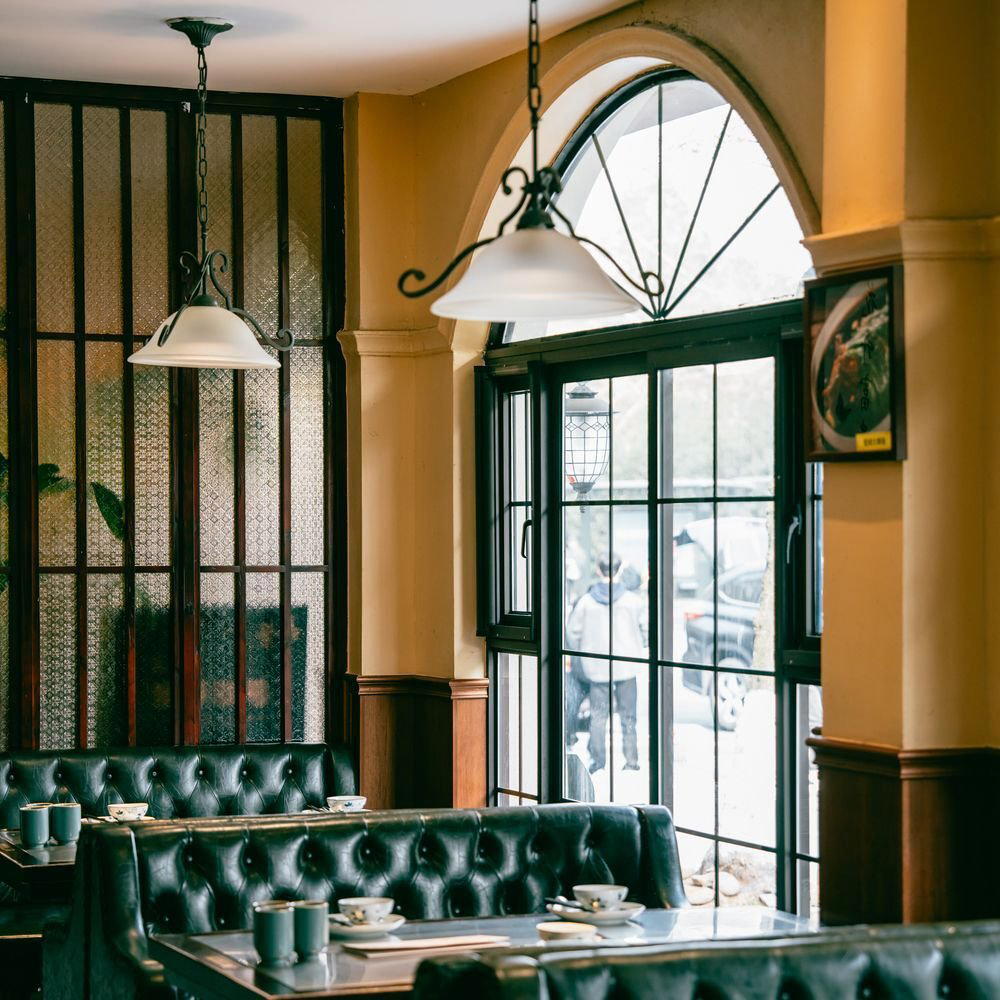
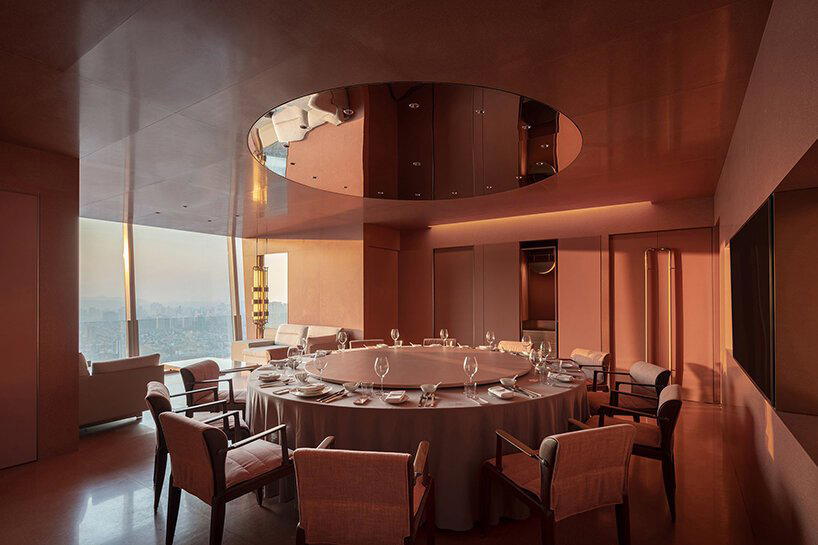
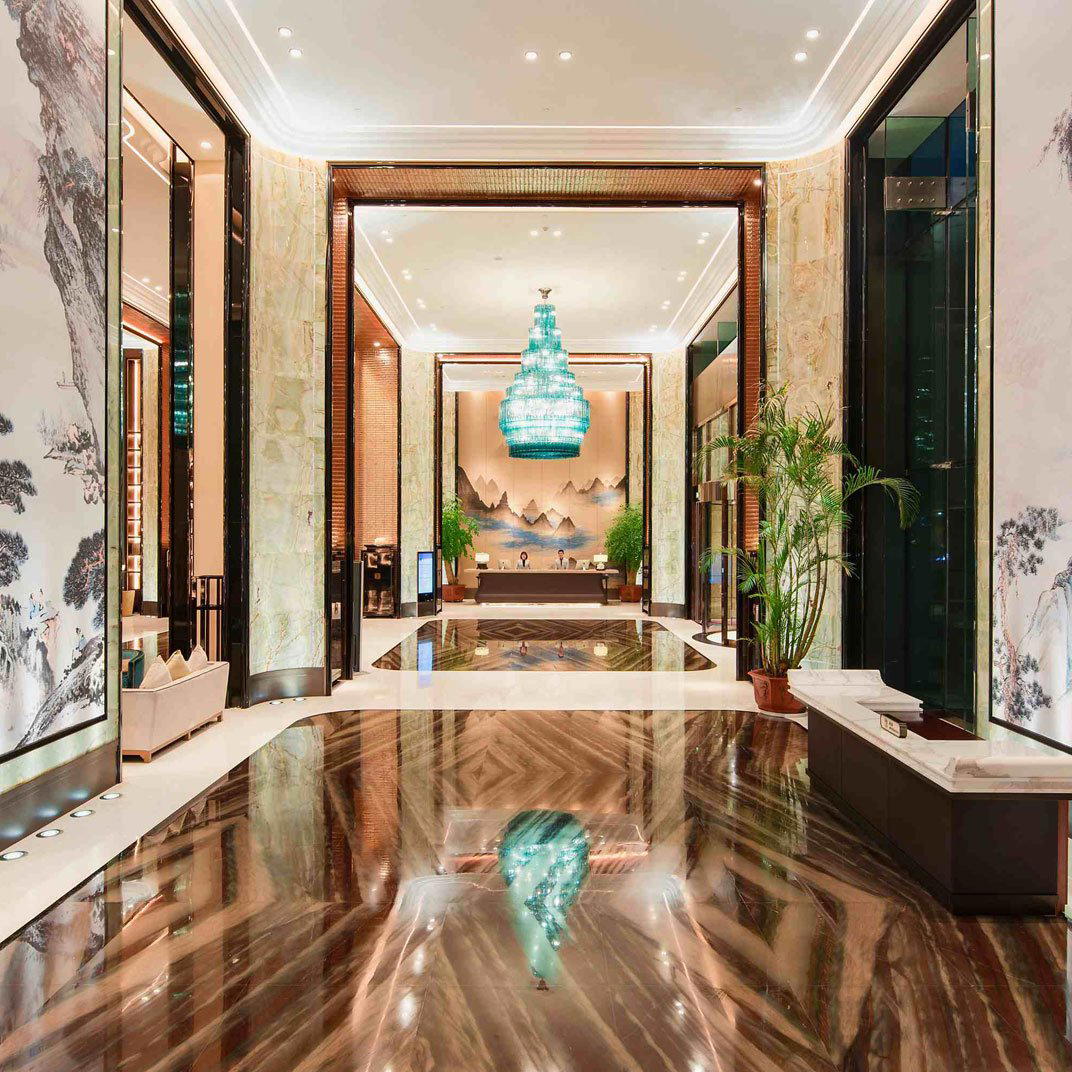
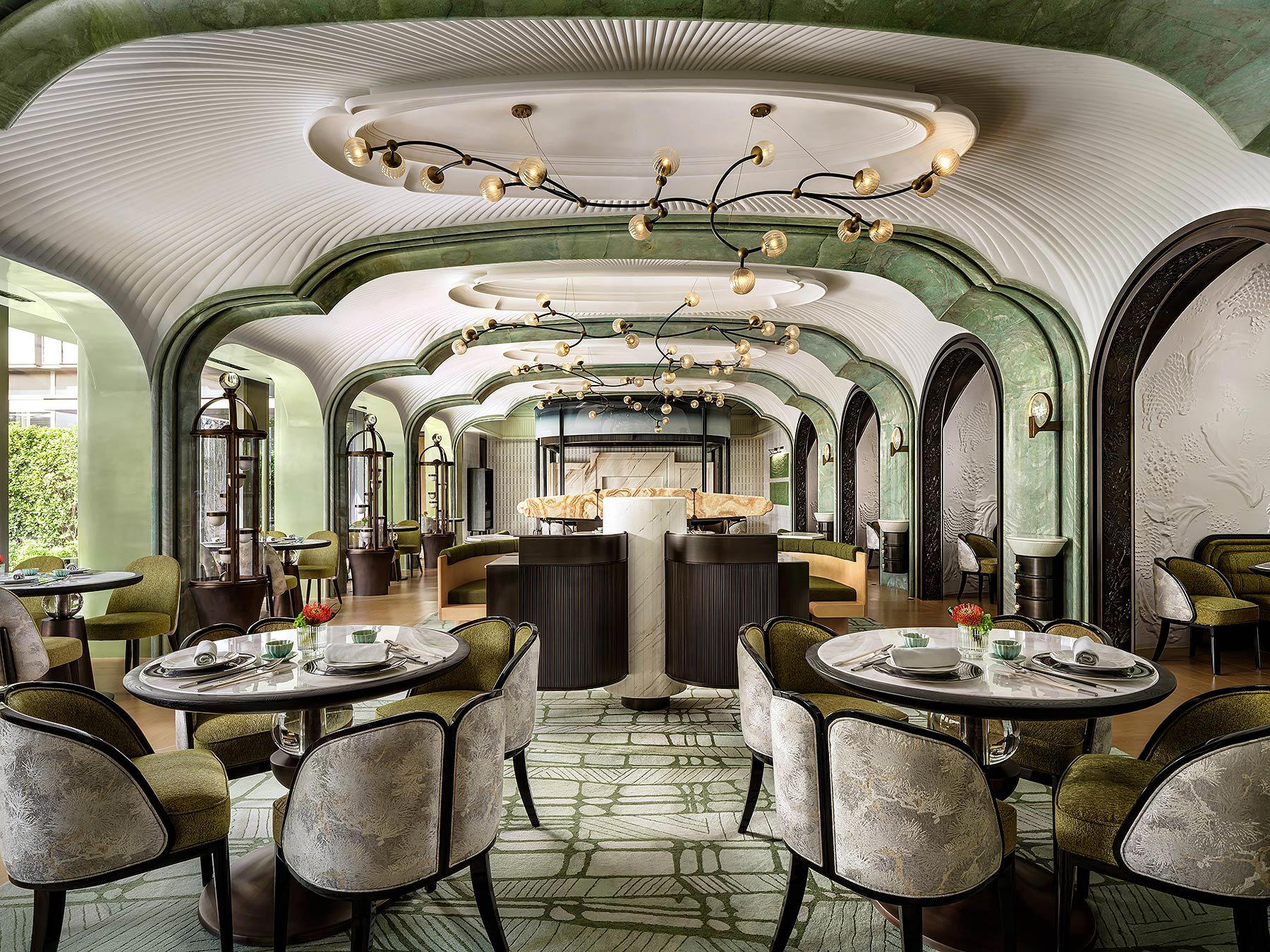
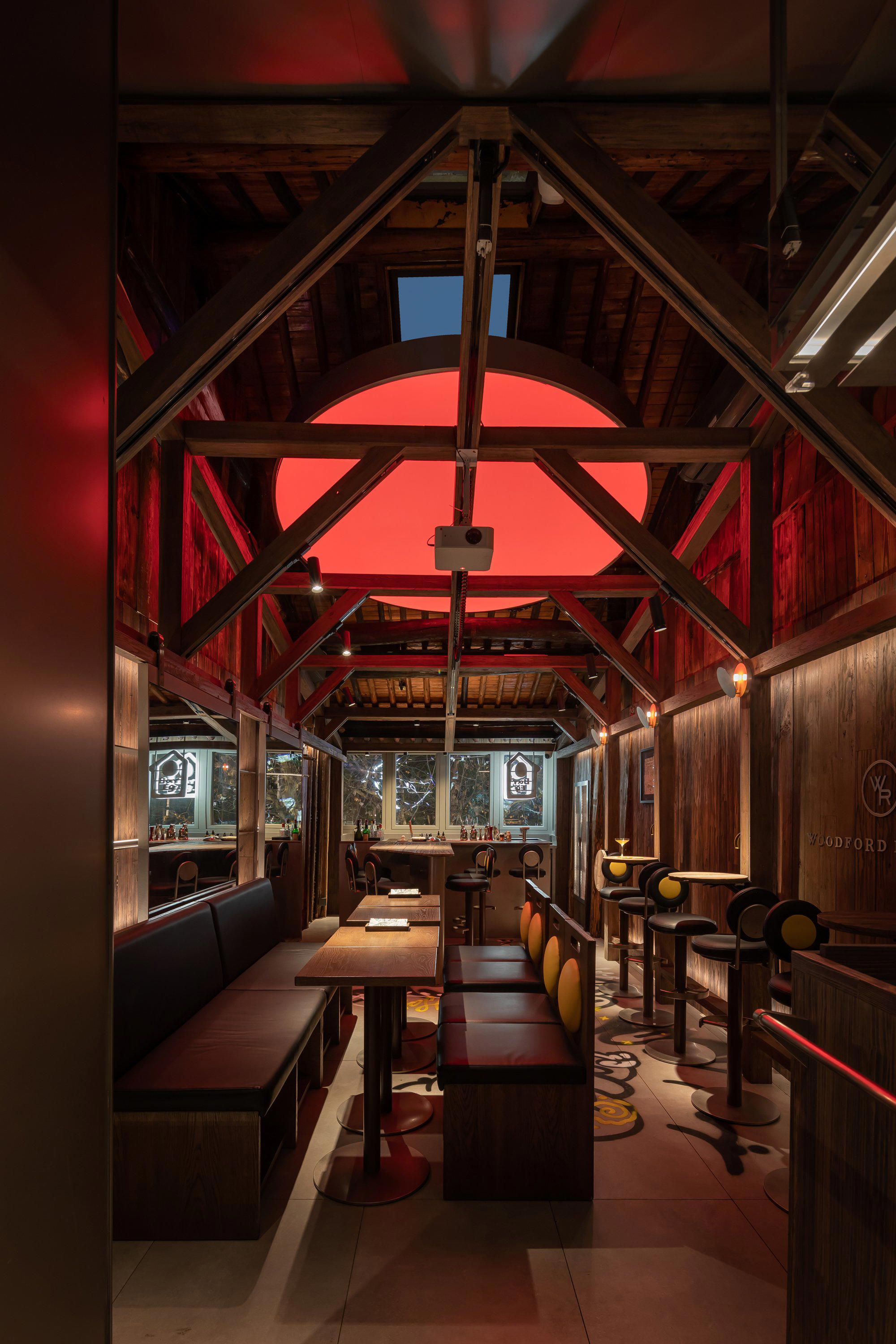
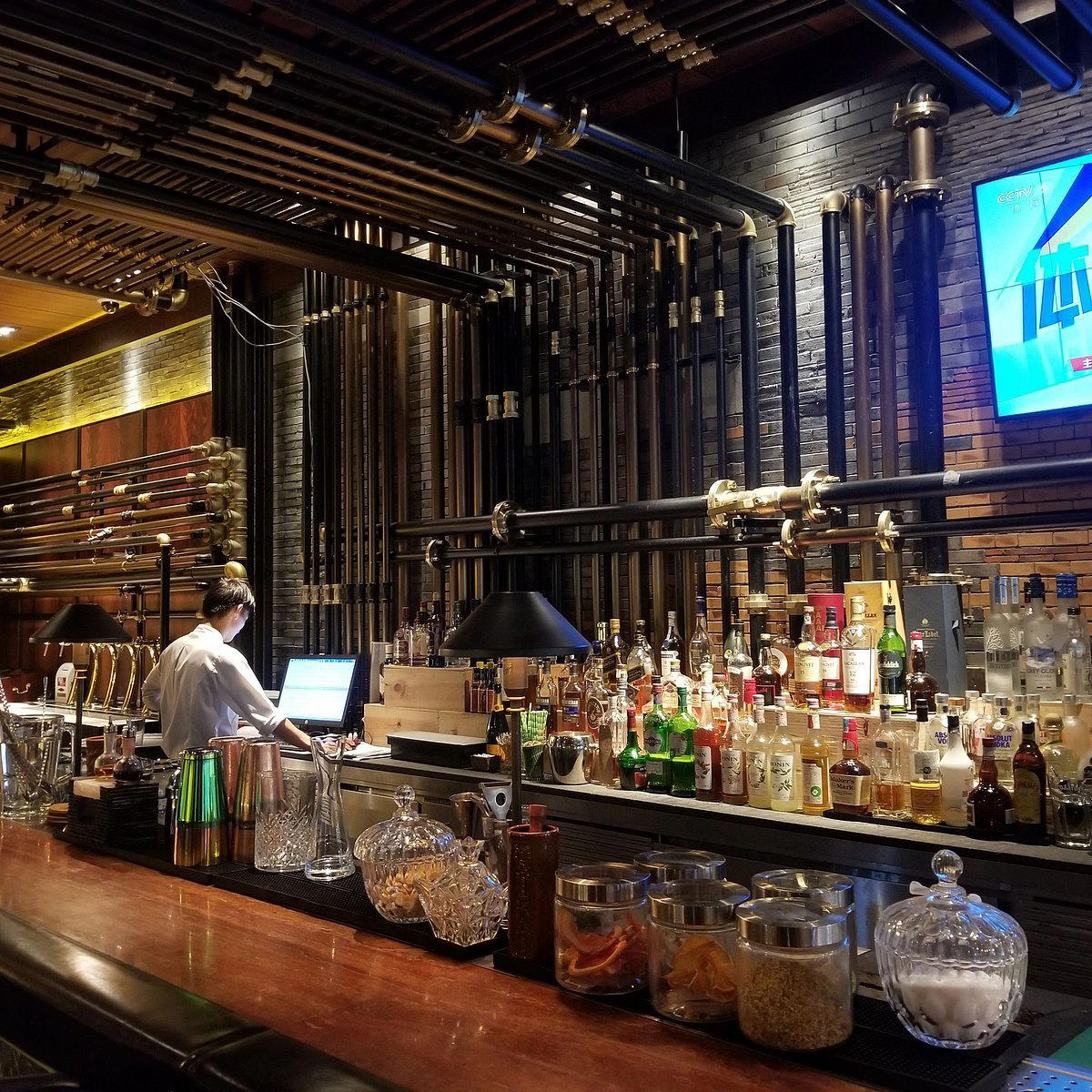
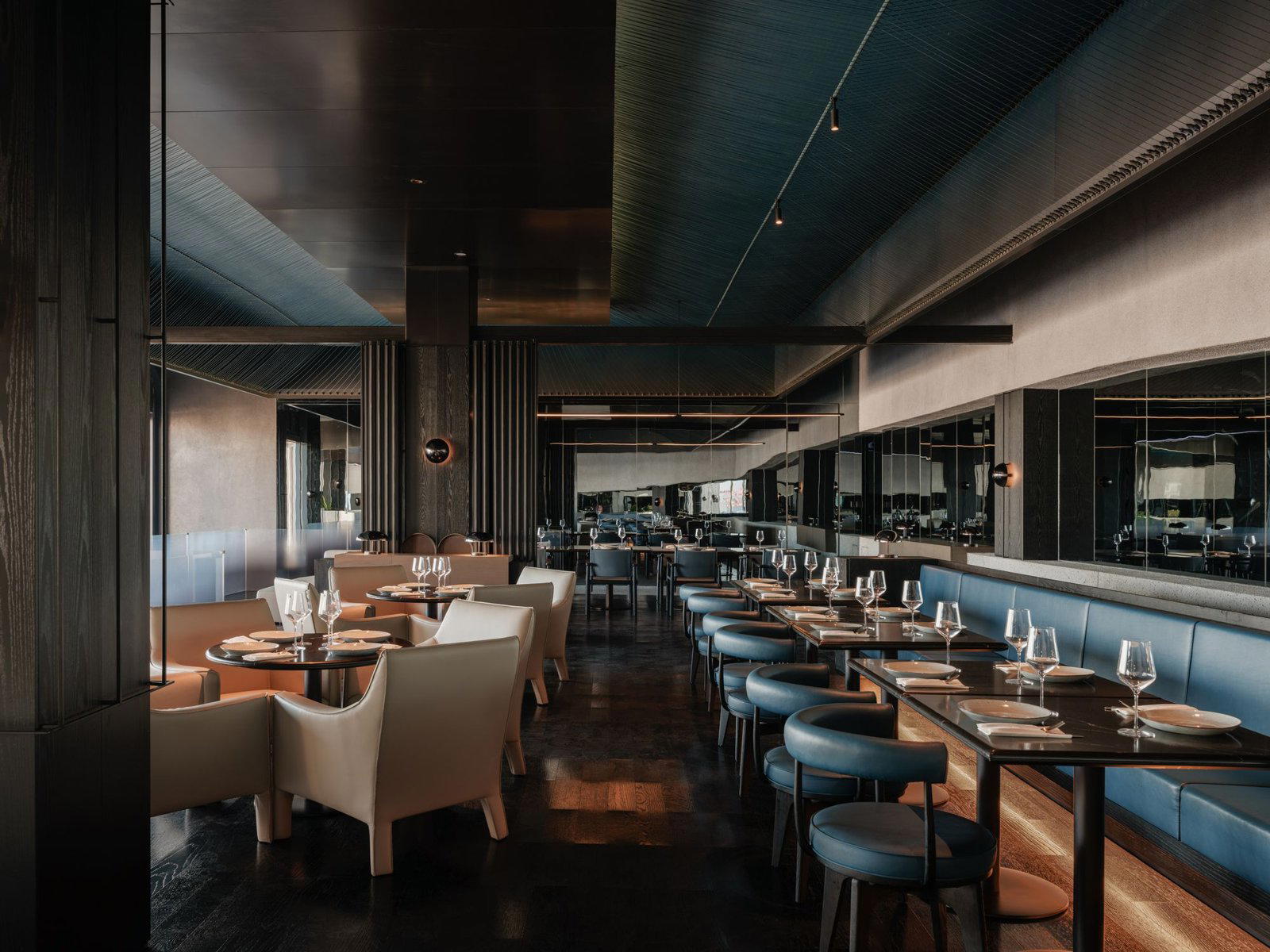
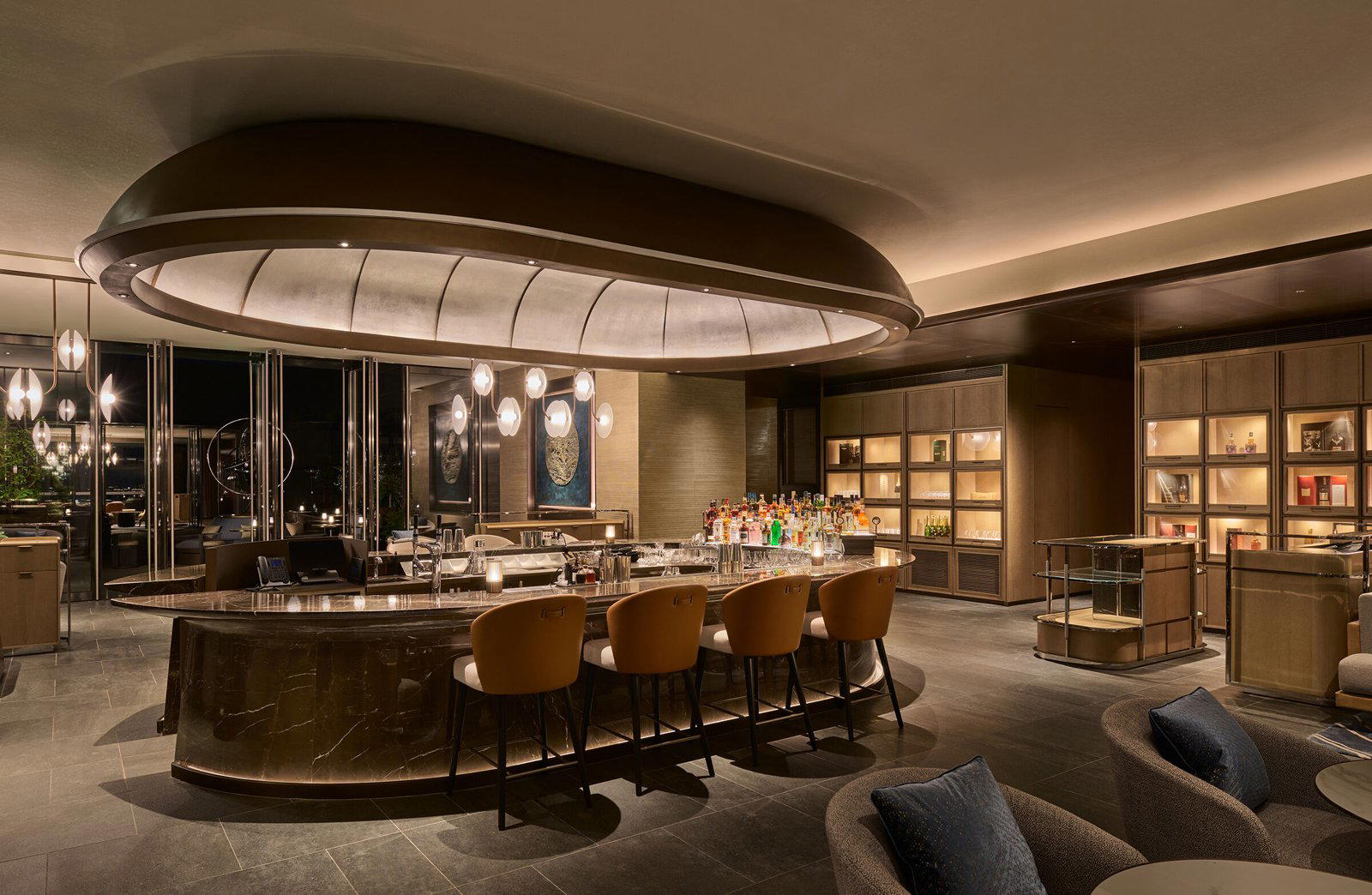
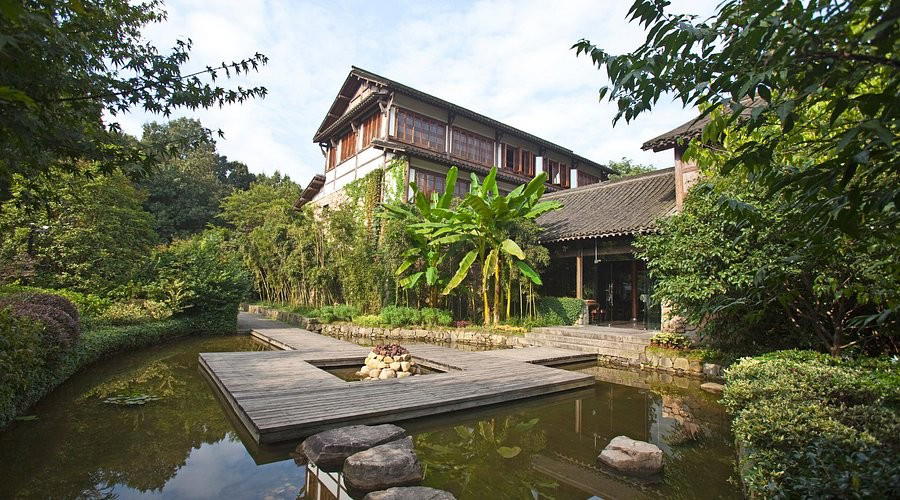
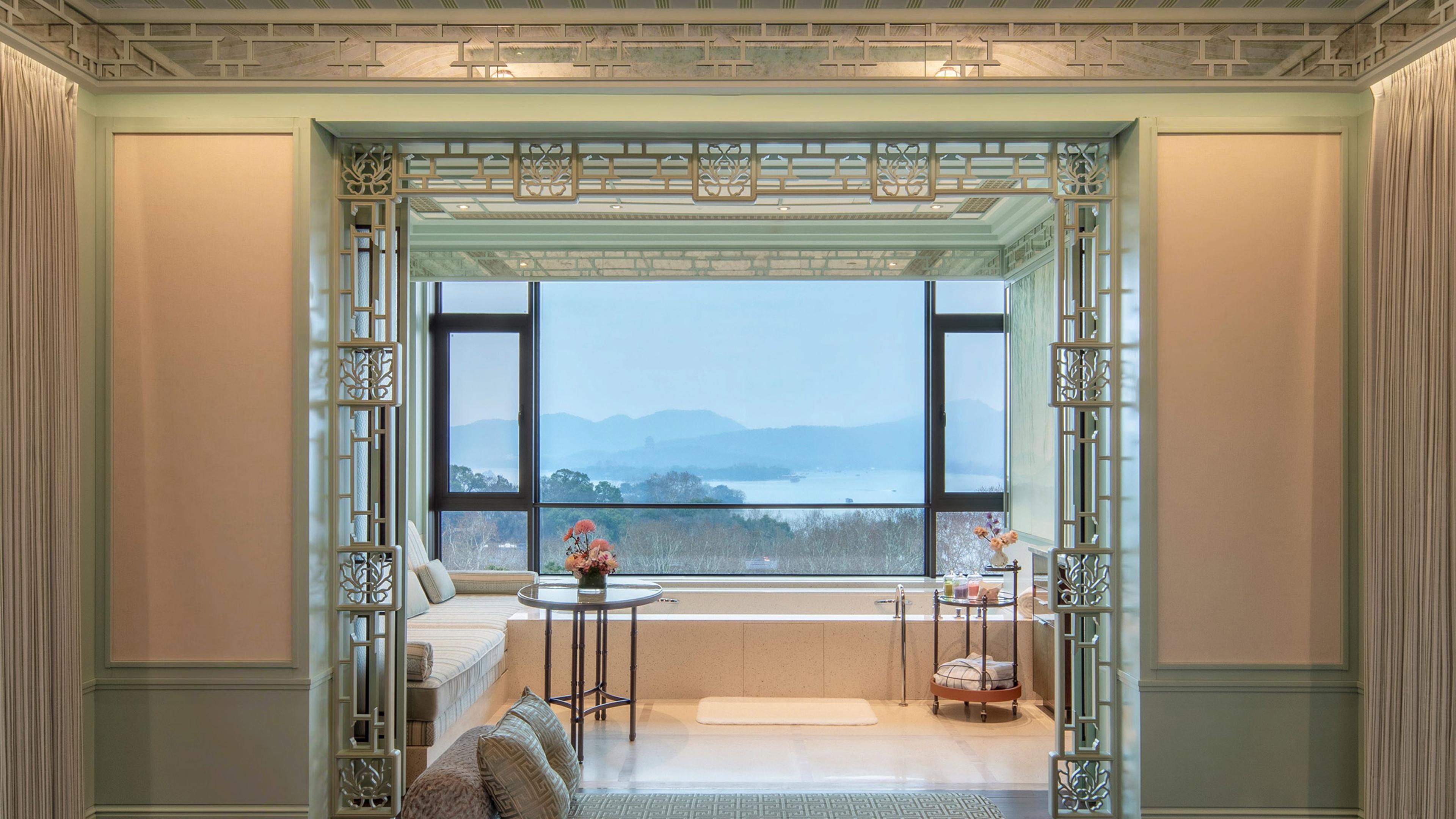
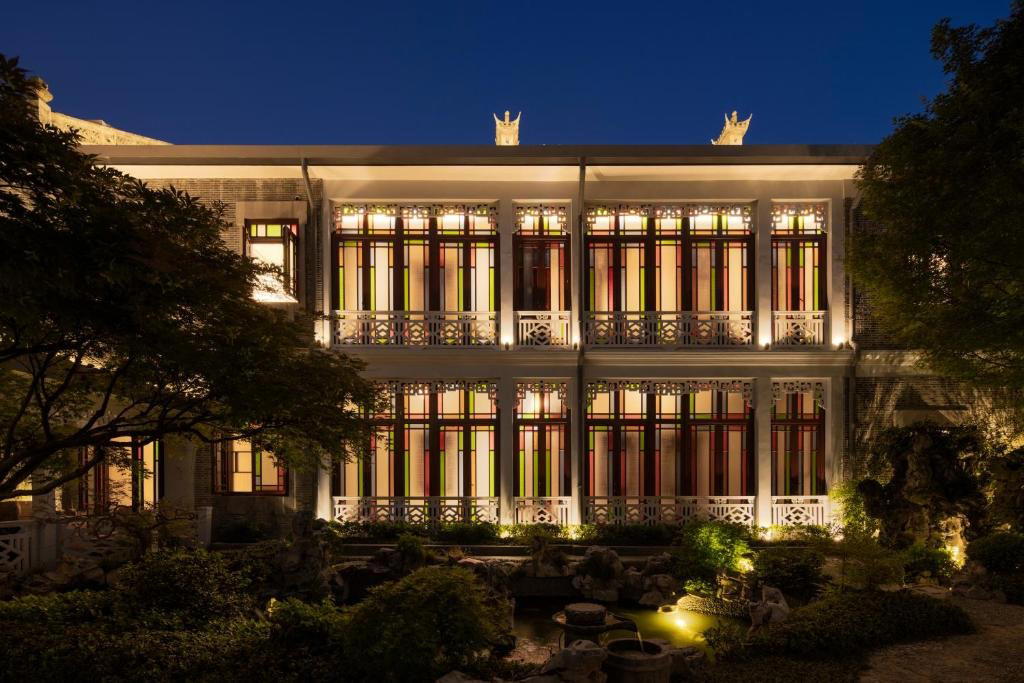
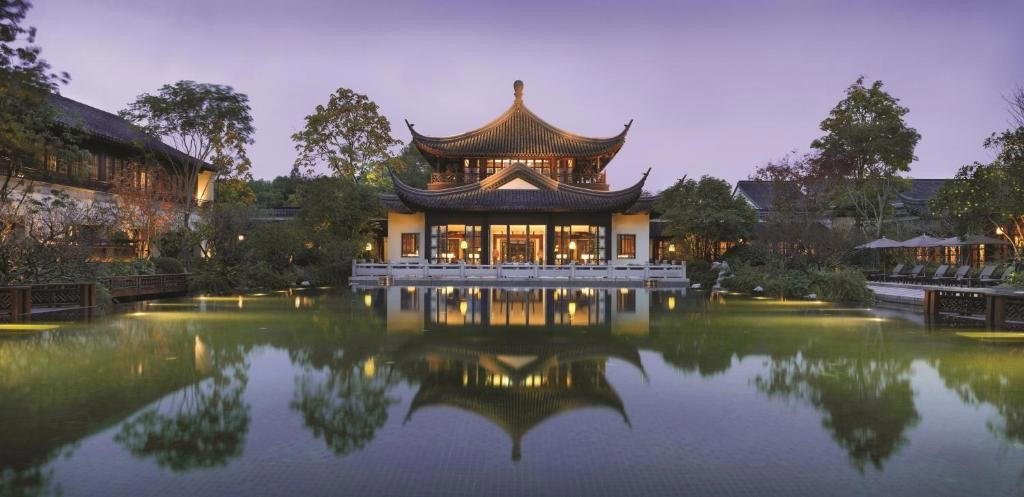
Balances contemporary luxury with understated warmth, featuring natural textures, soft lighting, and refined tableware.