
1 Michelin Star
Our verdict
Yu Zhi Lan brings Lan Guijun's Sichuan cooking to Hangzhou's Shangcheng District, earning a Michelin star in 2025. The restaurant sits at the upper end of the city's fine dining tier, positioning Sichuan cuisine not as a regional import but as a fully considered formal tradition. For a city defined by Zhejiang restraint, that distinction matters.

Pearl is the En Primeur Club membership app — saves, bookings, and concierge access live there. Same editors, same standards.
- Address
- China, Zhejiang, Hangzhou, Shangcheng District, Pinghai Rd, 124号利星名品 邮政编码: 310001
- Phone
- +86 571 8763 2855
- Directions
- Get directions
The menu
What to order
- Chrysanthemum Tofu in Supreme Broth
- Qiantang River Shrimp with Green Peppercorn Essence
- Tea-Smoked Eel with Aged Soy
- Silken Mapo Tofu with Wagyu Jus
- Pickled Pepper Chicken Feet
- Pan-fried Morels with Wagyu Beef
Sichuan in a Zhejiang City
Hangzhou's fine dining identity is built almost entirely around Zhejiang cuisine: the silk-soft fish and rice-wine braises of a tradition that has fed emperors and literati for centuries. The city's most-discussed tables — Ru Yuan, Guiyu (Xihu), Jie Xiang Lou — orbit around that same regional axis. Against that backdrop, Yu Zhi Lan occupies an unusual position: a Sichuan restaurant operating at formal fine-dining register in a city that rarely positions Sichuan cooking at that level. That positioning is what makes it worth examining, and it is what the Michelin committee recognised when it awarded a star in 2025.
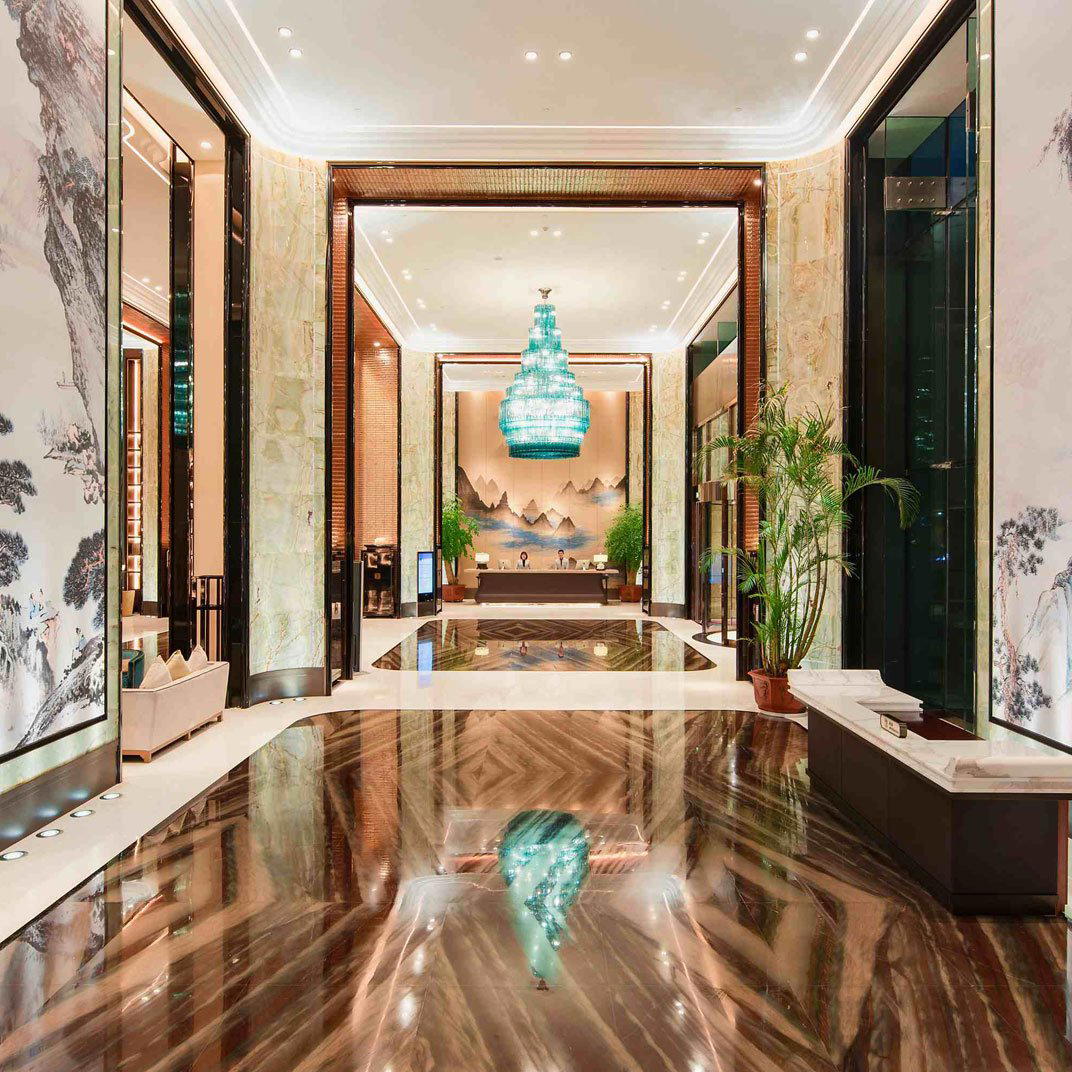
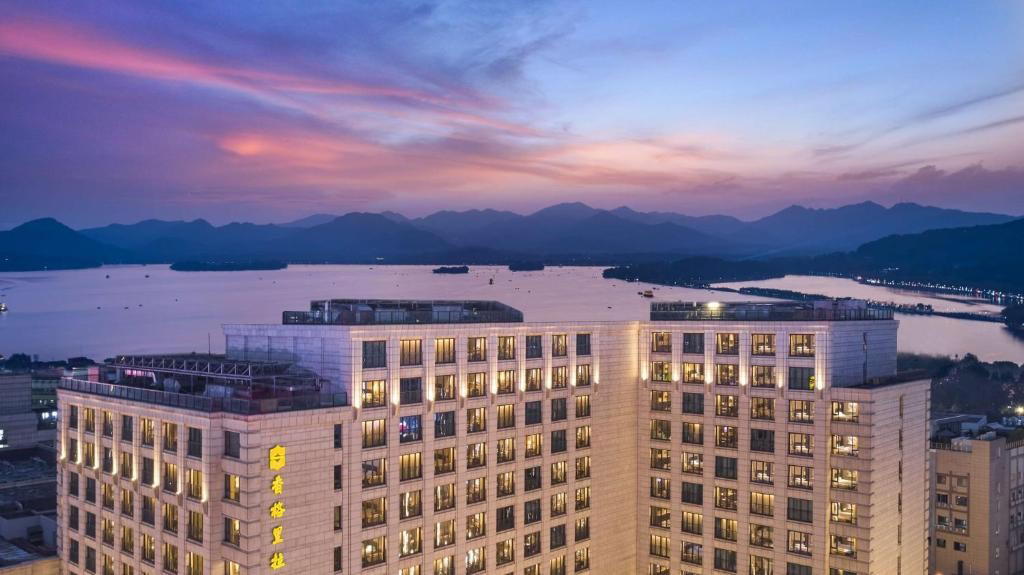
The address places Yu Zhi Lan inside the Shangcheng District, on Pinghai Road at the Listar Luxury building, a part of Hangzhou where commercial density and cultural ambition sit in close proximity to West Lake. Approaching the space, the context is urban and deliberate rather than scenic. This is not a restaurant that trades on a lakeside setting or a heritage courtyard. The architectural and atmospheric work is done entirely from within, which is itself a statement of confidence about what the food can carry.
How the Format Has Shifted
Yu Zhi Lan is not a new name. The original iteration in Chengdu, still operating, built its reputation over years as a high-end expression of Sichuan cooking under chef Lan Guijun. That Chengdu chapter established a set of ideas about how Sichuan cuisine could be presented formally: not as the crowd-feeding, fiercely spiced banquet style that defines the cuisine in popular imagination, but as a considered progression of courses in which heat and numbing spice are calibrated rather than maximised.
The Hangzhou opening represents an evolution of that premise. Transplanting a Sichuan fine dining concept to a city whose culinary culture prizes entirely different flavour values, lighter, sweeter, more austere, requires a degree of editorial confidence. The question is not simply whether Sichuan techniques can travel, but whether they can hold their identity while speaking intelligibly to an audience not conditioned to expect them at this register. That the Hangzhou outpost earned Michelin recognition in 2025, its first year of eligibility in the local guide, suggests the answer is yes.
Across China's fine dining tier, the evolution of regional cuisine into formal tasting-menu formats has accelerated over the past decade. Restaurants like Fang Xiang Jing in Chengdu have pursued a similar elevation of Sichuan cooking. In other regions, the pattern repeats: Xin Rong Ji in Chengdu and its Beijing sibling have done comparable work for Taizhou cuisine. Chef Tam's Seasons in Macau and Imperial Treasure in Guangzhou show how Cantonese traditions evolve at the top of the market. What unites these operations is a willingness to let a single regional tradition carry the weight of a full fine dining experience. Yu Zhi Lan's Hangzhou chapter belongs inside that broader evolution.
Cuisine, Approach, and What to Order
Sichuan cooking at this level diverges sharply from what most diners associate with the cuisine. The má là spectrum, the numbing-spice combination of Sichuan peppercorn and dried chilli, remains present, but its role in the formal tasting format is architectural rather than blunt. Heat and numbness function as seasoning and contrast, not as the primary event. Lan Guijun's cooking, across both locations, has consistently operated within that philosophy: the Sichuan vocabulary is intact, but the grammar is closer to what you would find in a multi-course contemporary Chinese kitchen than in a Chengdu hotpot hall.
Diners approaching the menu for the first time should understand that the kitchen works at a pace and precision that rewards attention rather than speed. This is not a restaurant for casual weeknight eating. The price point (¥¥¥ on a scale of four, placing it in the upper-middle tier of Hangzhou fine dining, comparable to Hangzhou House and Ambré Ciel, and below the ¥¥¥¥ tier occupied by Ru Yuan) signals a serious commitment. The tasting format means that individual dish selection is largely handled by the kitchen, which is the correct way to experience what the restaurant is doing. Requesting à la carte alternatives, if that option even exists, would work against the logic of the experience.
Given the Michelin star earned in 2025 and the parent restaurant's established reputation, the kitchen's treatment of Sichuan spice in a graduated, sequence-aware format is the primary reason to visit. Expect the meal to move through registers, light, aromatic, then progressively more assertive, before pulling back in the final stages. That arc is a feature of serious tasting-menu thinking regardless of cuisine, and it is the most useful frame for understanding what the chef is constructing.
Hangzhou's Fine Dining Tier in Context
Hangzhou's Michelin-recognised restaurant list has grown steadily since the guide entered the city, and the 2025 edition reflects a market that has matured beyond a single-cuisine story. The dominant narrative remains Zhejiang cuisine at various price points, from accessible traditional houses to the immaculate precision of Ru Yuan at the top of the market. But a secondary tier of non-Zhejiang restaurants has emerged, operated by chefs who see Hangzhou's affluent, culturally attentive dining public as a viable audience for serious cooking in other traditions.
Yu Zhi Lan sits in that secondary tier alongside restaurants like Ambré Ciel, which works in an innovative contemporary register. What these venues share is an implicit argument: that Hangzhou diners are not only eating local, that the city's hospitality infrastructure, hotels, commercial districts, corporate travel, sustains demand for a wider range of formal dining formats. The 2025 Michelin star for Yu Zhi Lan is as much a comment on Hangzhou's dining evolution as it is on the restaurant's individual achievement.
For broader reference on where this restaurant fits within the city's eating scene, see our full Hangzhou restaurants guide. For planning the wider trip, our guides to Hangzhou hotels, Hangzhou bars, Hangzhou wineries, and Hangzhou experiences cover the full picture. Hangzhou also warrants comparison with China's other serious fine dining cities: 102 House in Shanghai and Dai Yuet Heen in Nanjing represent the kind of formal Chinese dining that defines the regional tier.
Planning Your Visit
Yu Zhi Lan is located at 124 Pinghai Road, Shangcheng District, in the Listar Luxury building, Hangzhou 310001. The Shangcheng District is walkable from a number of central hotels and sits within easy reach of West Lake. Seasonal timing matters in Hangzhou more than in most Chinese cities: the autumn months bring cooler temperatures, lower humidity, and the osmanthus bloom that defines the city's most celebrated season. Visiting between September and November aligns the restaurant experience with Hangzhou at its most atmospheric. Spring (March to April) is the second preferred window. Summer humidity and winter cold are manageable but are not the optimal frames for appreciating either the city or a long tasting-format dinner.
Frequently asked questions
What should I order at Yu Zhi Lan?
What is the ideal way to book Yu Zhi Lan?
Similar Picks
A quick peer reference to anchor this venue in its category.
| Venue | Cuisine | Price | Awards | Notes |
|---|---|---|---|---|
| Yu Zhi LanThis venue — the venue you are viewing | Refined Sichuan Fine Dining | $150–200 | 1 Michelin Star | Not listed |
| Xin Rong Ji | Taizhou Cuisine | $50–100 | 1 Michelin Star · La Liste Top Restaurants | Taizhou |
| 28 Hubin Road | Modern Zhejiang Fine Dining | $50–100 | Michelin Plate · La Liste Top Restaurants | Zhejiang |
| Ru Yuan | Modern Hangzhou Fine Dining | $150–200 | 2 Michelin Stars · World's 50 Best #10 | Zhejiang |
| L'éclat 19 | French-Chinese Fusion Fine Dining | Not listed | 1 Michelin Star | French Contemporary |
| Song | Ningbo Chinese Fine Dining | Not listed | 1 Michelin Star | Ningbo |
Recognition history
Dated appearances from independent guides and award organizations, with the underlying list record or original source where available.
Michelin 1 Star
Michelin
Details
- Elegant
- Intimate
- Quiet
- Sophisticated
- Classic
- Special Occasion
- Celebration
- Date Night
- Private Dining
- Historic Building
- Chefs Counter
- Design Destination
- Sommelier Led
- Extensive Wine List
- Local Sourcing
- Tasting Menu
- Set Menu
- Prix Fixe
- Baijiu
- Huangjiu
- Burgundy
- German Riesling
- Allergy Accommodating
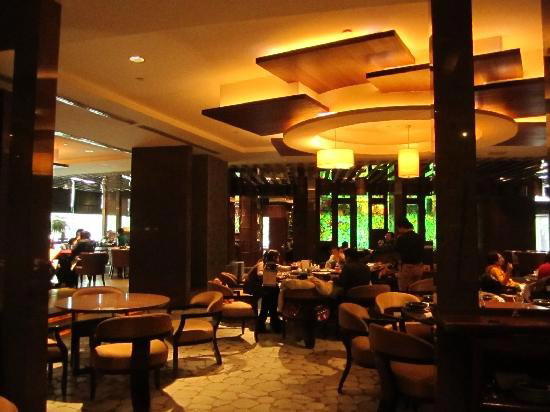
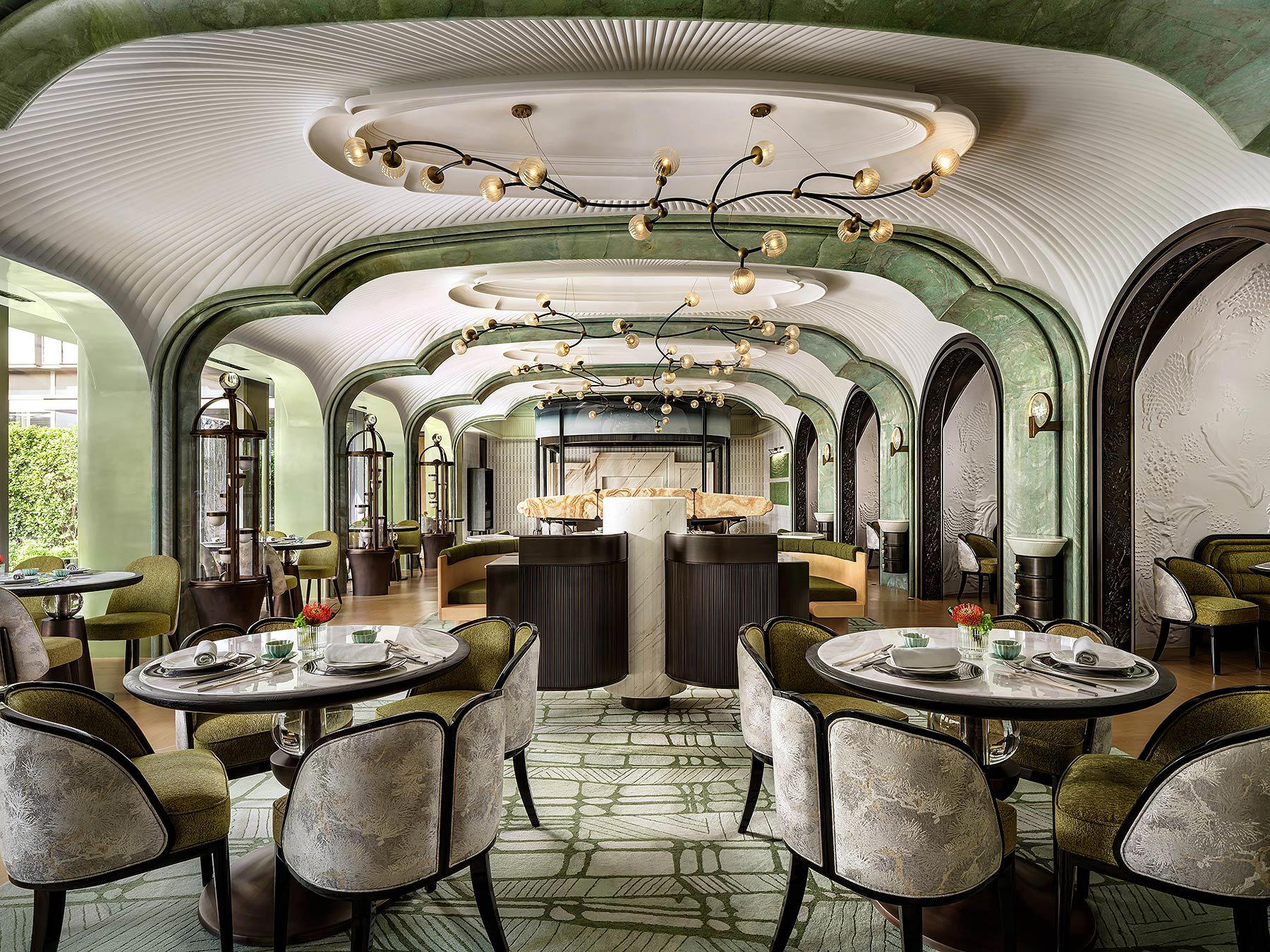
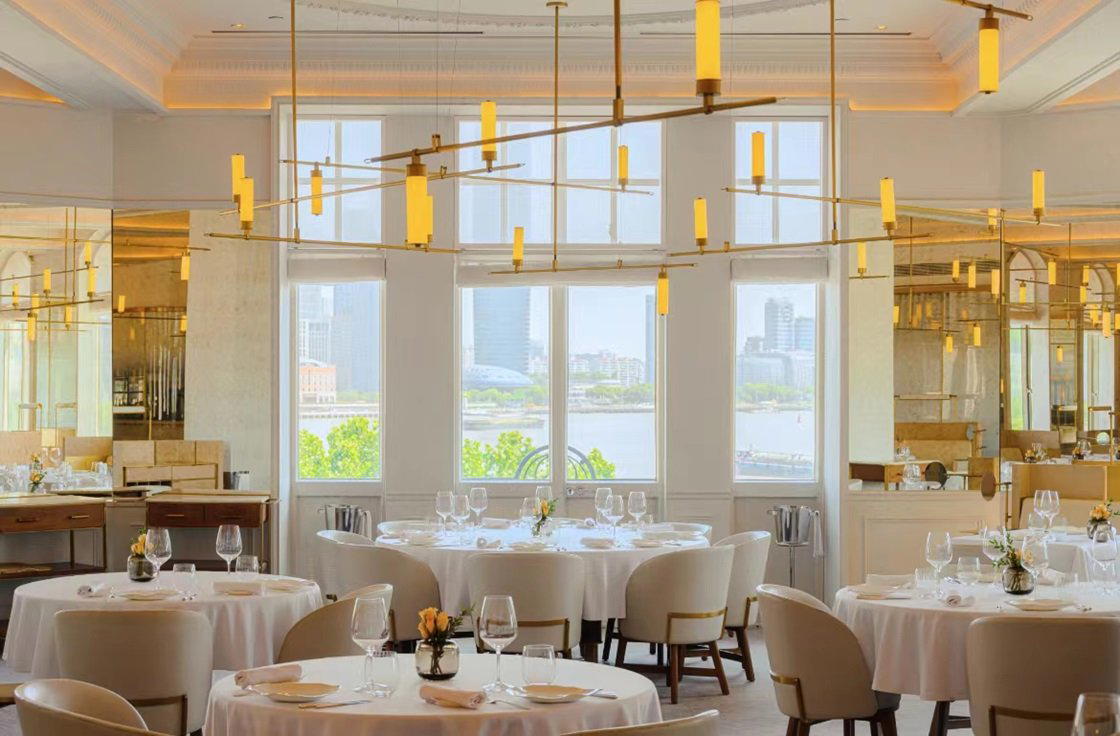
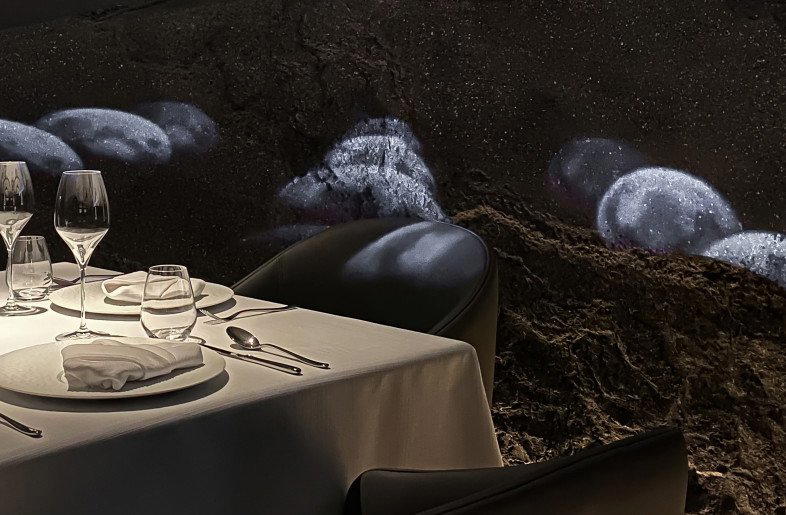
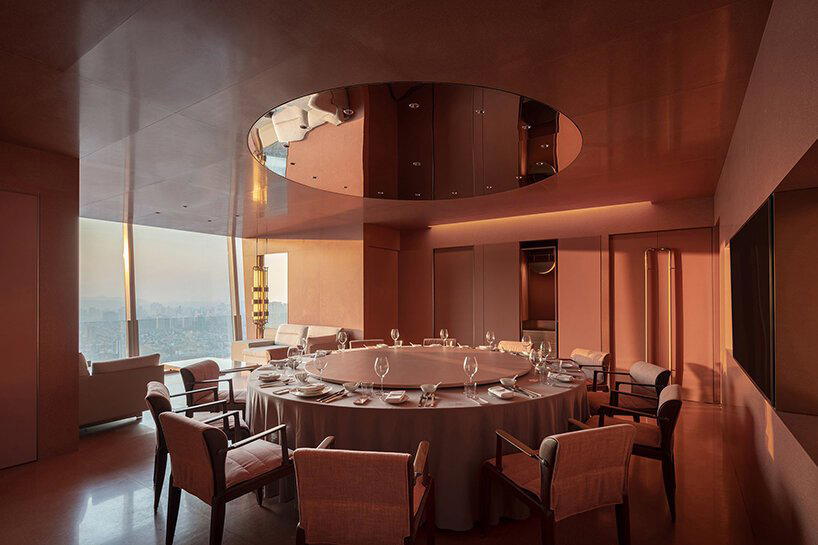
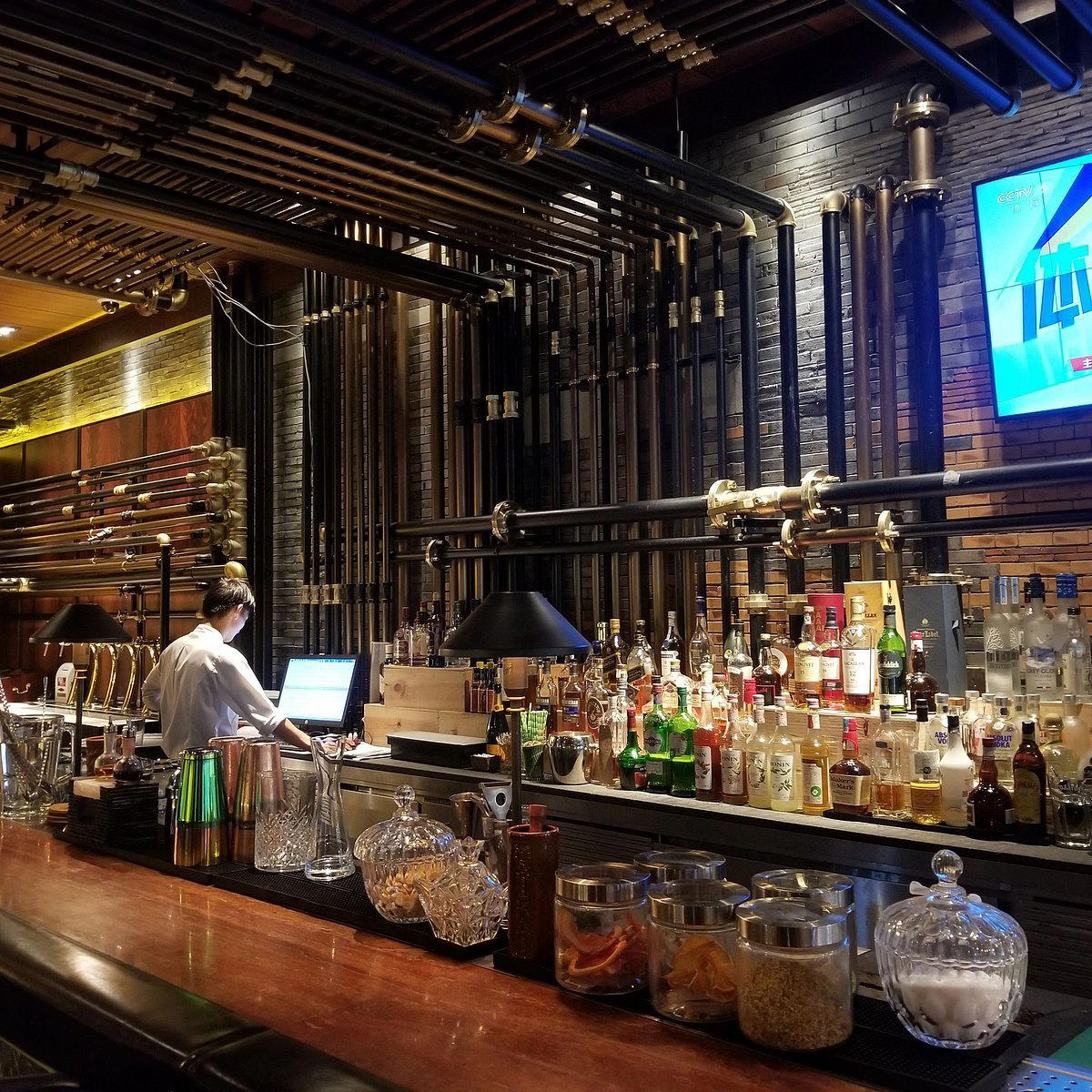
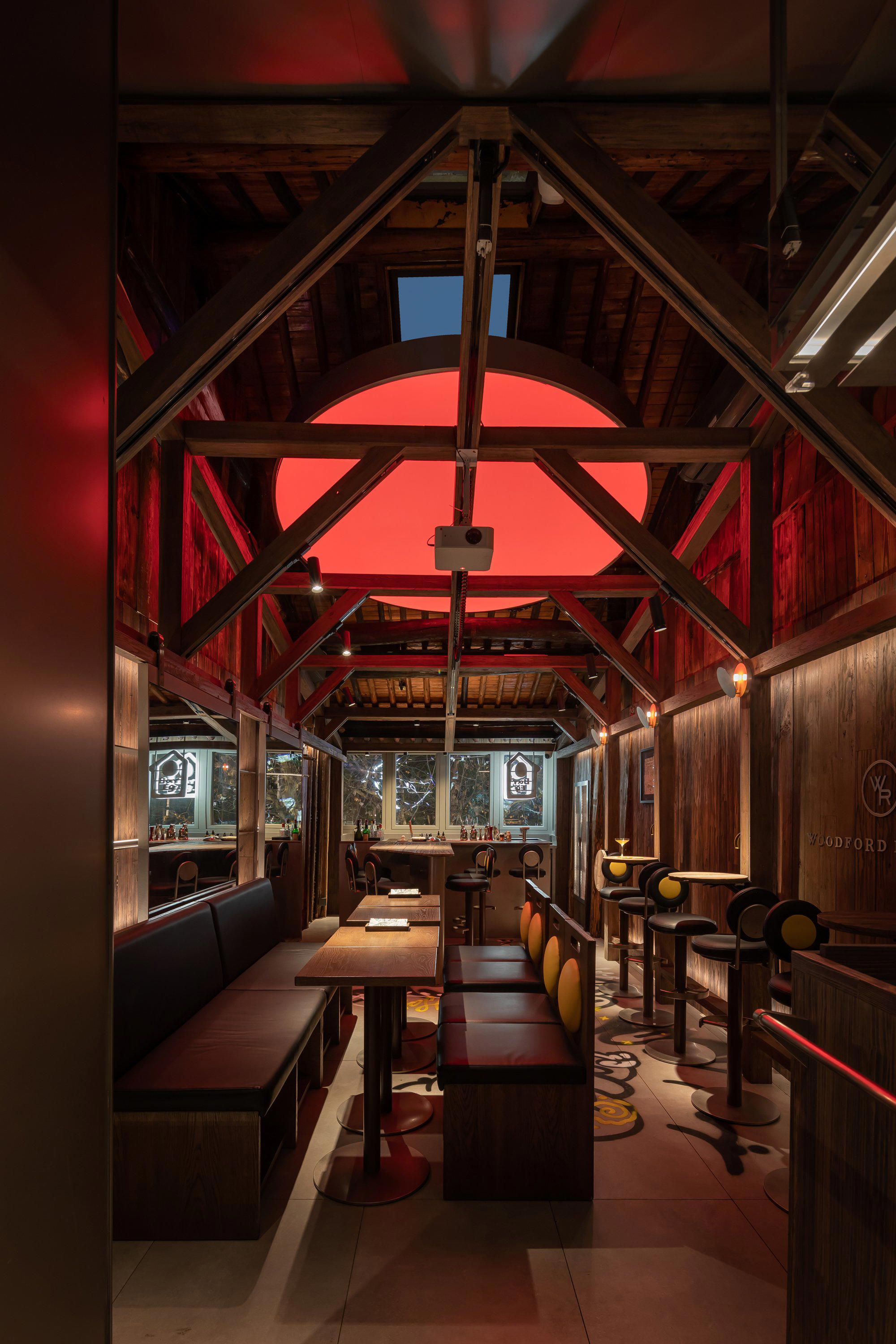
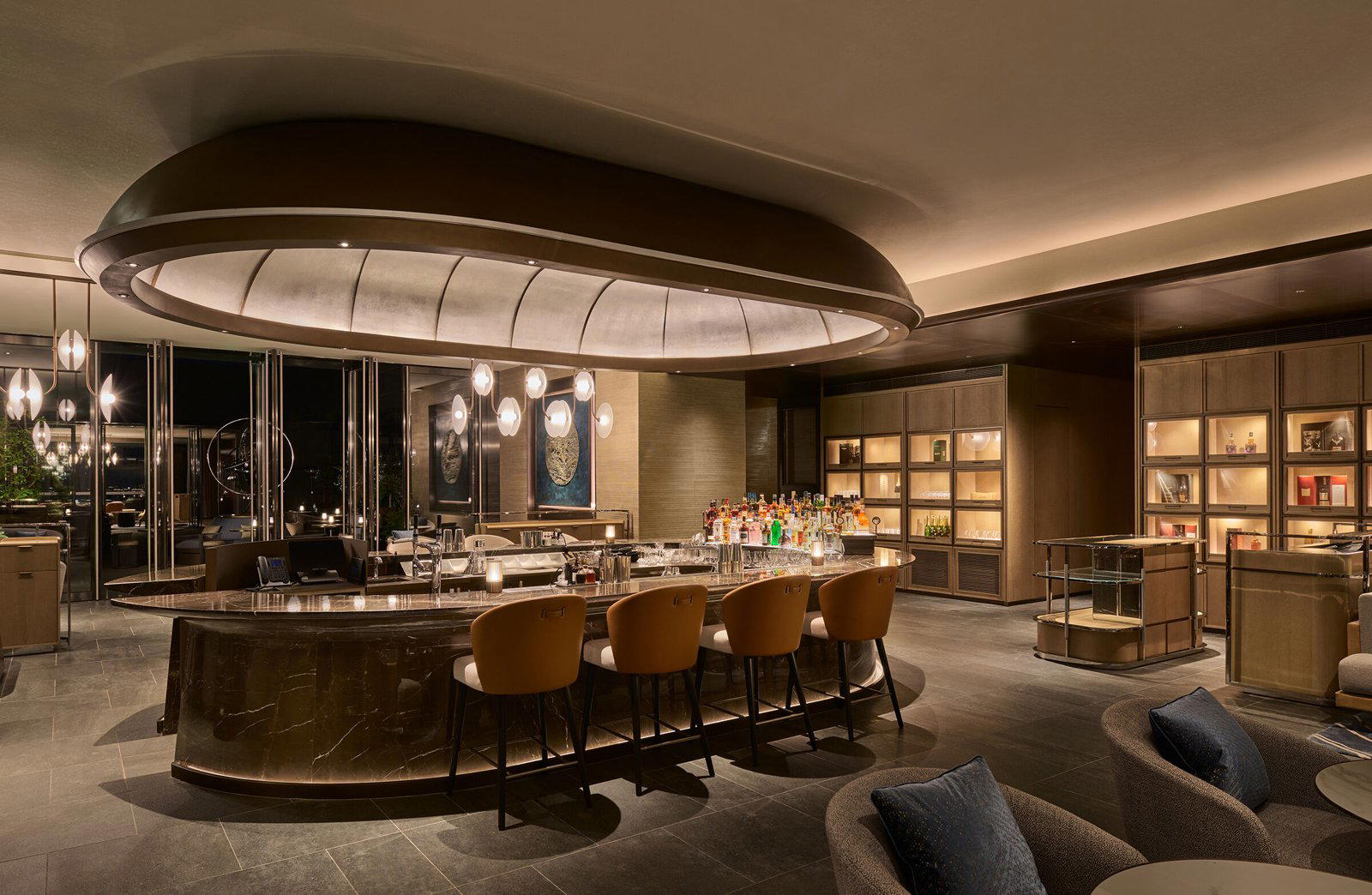
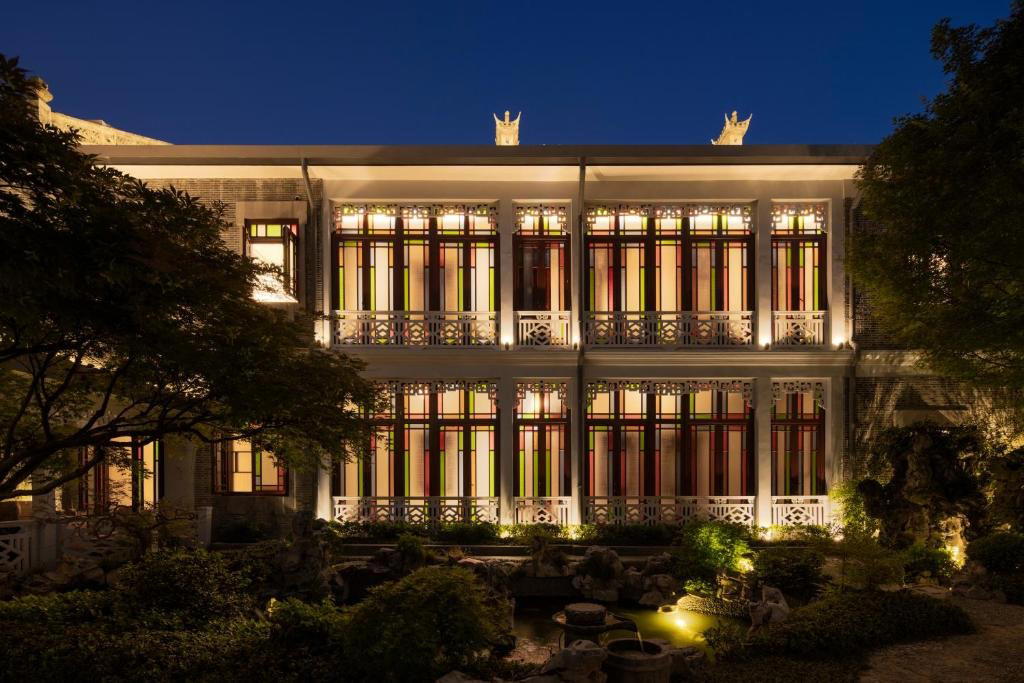
Lantern-lit corridors with period woodwork, soft lacquer finishes, and scholar's-studio calm; custom Jingdezhen tableware and exposed brick walls with moss create a contemplative, retro-charm atmosphere.