Michelin Bib Gourmand
Our verdict
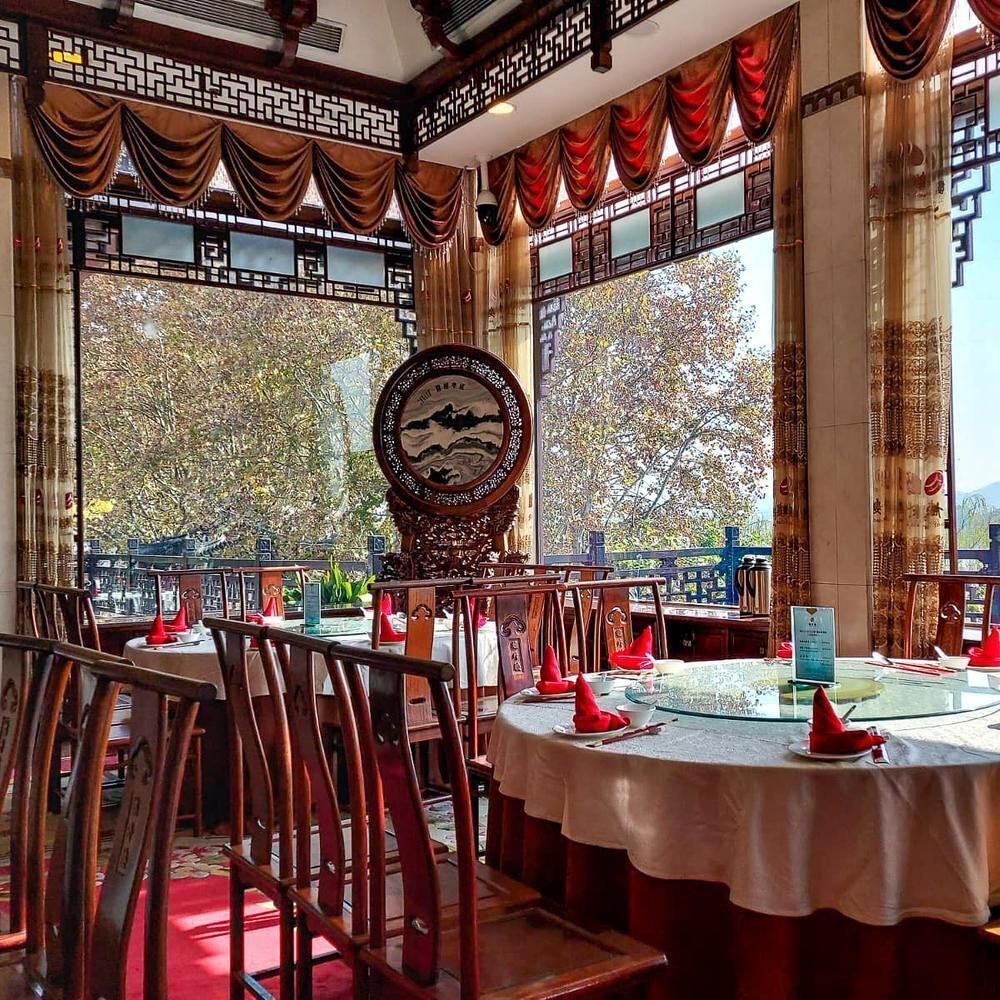
Hao Shi Tang 1987 on Wensan Road holds a 2025 Michelin Bib Gourmand, placing it among Hangzhou's most recognised addresses for Hangzhou cuisine at a mid-range price point. The Xihu district location, inside Starlight City Building B, makes it a practical stop whether you are spending a day around West Lake or staying in the broader Hangzhou tech corridor. For the city's home-style cooking tradition, it is a well-credentialled choice.

Pearl is the En Primeur Club membership app, where members save venues, book tables and use the concierge.

The menu
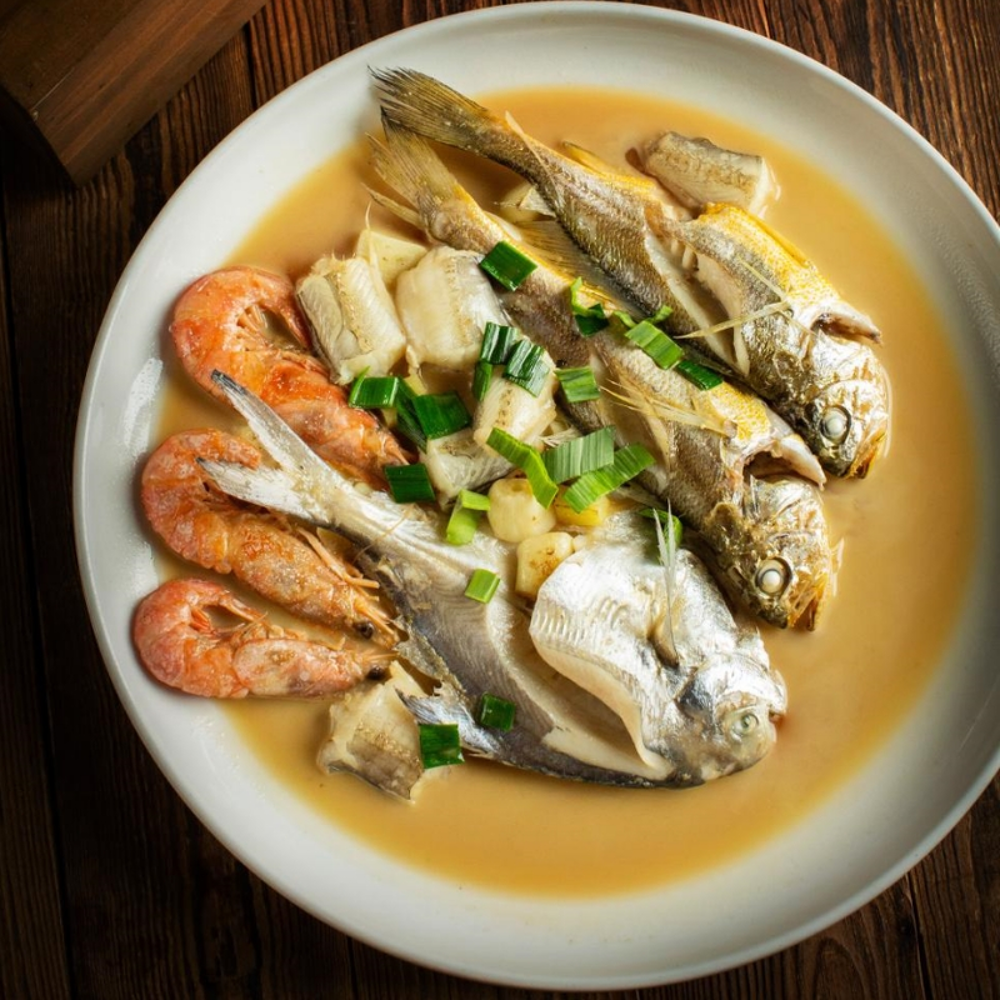
What to order
- Sweet and sour pork ribs
- Ginger-scallion river shrimp
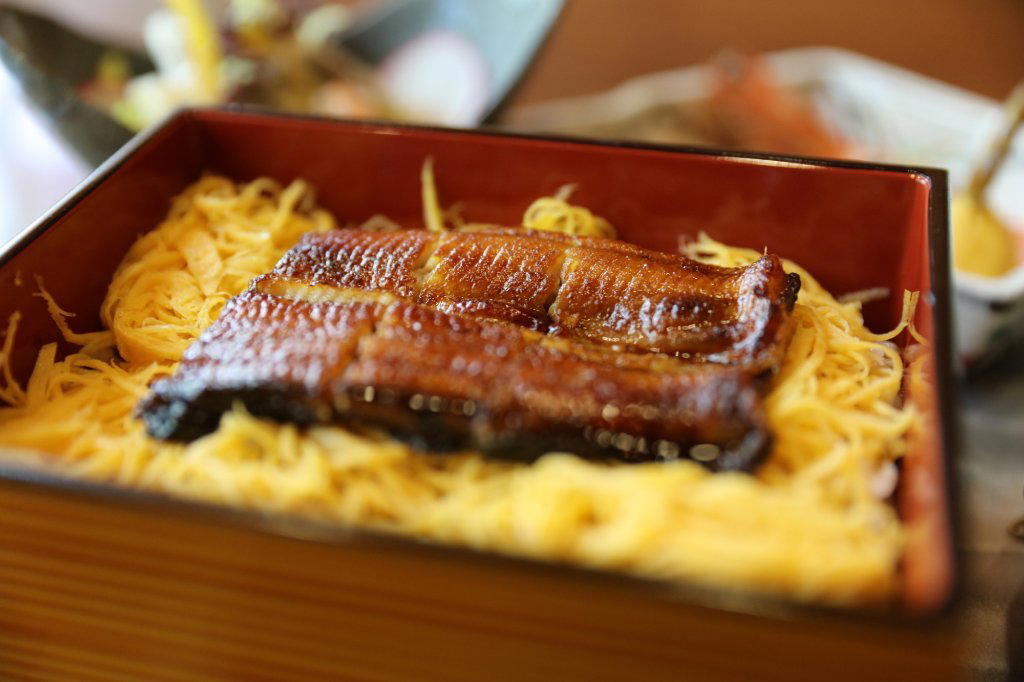
- Soy-braised moray eel
- Osmanthus glutinous rice wine
Hangzhou Cuisine and the Bib Gourmand Standard
Michelin's Bib Gourmand designation carries a specific meaning that matters when assessing a city's dining scene: it identifies restaurants offering what the inspectors judge to be quality cooking at moderate prices, distinct from the starred tier occupied by Hangzhou addresses such as the two-starred Ru Yuan or the one-starred Jin Sha. In a city where the upper bracket of Zhejiang cuisine can push comfortably into ¥¥¥ and ¥¥¥¥ territory, the Bib Gourmand signal at the ¥¥ level tells you something useful: this is where local culinary tradition becomes accessible without sacrificing the kitchen discipline that earns outside scrutiny in the first place.
Hao Shi Tang 1987 on Wensan Road earned that designation in 2025, entering a select group of Hangzhou restaurants that Michelin's inspectors considered worth flagging for value-to-quality. The 1987 in the name anchors the restaurant in a specific generational chapter of the city's food culture, a period before Hangzhou's rapid commercial development reshaped both its skyline and its restaurant economy. Whether that date references founding or culinary reference point, it functions as an implicit positioning statement: this is a kitchen with roots, not a concept built for the current moment.
What Hangzhou Cuisine Actually Means
Hangzhou cooking sits within the broader Zhejiang culinary tradition but draws on a distinct pantry and set of techniques. The cuisine leans toward fresh lake fish, seasonal vegetables, vinegar-brightened braises, and a restraint with chilli that separates it clearly from neighbouring Hunan or Sichuan traditions. Longjing tea, grown on the hillsides above West Lake, appears in a handful of dishes, most famously as a seasoning for freshwater shrimp, in a pairing that only makes culinary sense within a few kilometres of its source. Dongpo pork, a twice-cooked belly braised with Shaoxing wine and rock sugar, remains the category's most exported dish; within Hangzhou itself, arguments about the authoritative version have been running for decades.
The cuisine's broader context stretches across the region. For comparison, Xin Rong Ji (Xinyuan South Road) in Beijing and Xin Rong Ji in Chengdu represent the more polished, higher-price-point articulation of Zhejiang-adjacent cooking outside the home province. Closer to home, Hangzhou addresses like Hang's Delicacy (Xihu) and Fu Yuan Ju (Shangcheng) occupy the same general culinary register. What separates one from another in this tier is usually sourcing discipline, consistency of execution, and how faithfully a kitchen maintains technique under commercial pressure.
The Wensan Road Setting and What It Signals
The Xihu district address, inside Starlight City Building B on Wensan Road, places Hao Shi Tang 1987 in a part of the city that connects the West Lake tourism zone to the tech-sector corridors further east. Wensan Road itself runs through an area known more for commerce than for destination dining, which means the restaurant's Bib Gourmand pull comes from repeat local custom as much as tourist traffic. That is a meaningful distinction. Restaurants in purely tourist-facing positions can sustain mediocre kitchens on footfall alone; restaurants that hold recurring neighbourhood clientele alongside outside recognition are generally under greater competitive pressure to maintain standards.
Starlight City mall context is common across Chinese cities, where standalone restaurants increasingly compete with food-and-retail complexes for prime ground-floor positions. The practical implication for a visitor: parking and public transport access are typically direct in these developments, and meal timing is less constrained by neighbourhood foot-traffic patterns than in older, narrower street settings.
2025 Bib Gourmand places Hao Shi Tang 1987 inside Hangzhou's Michelin-tracked dining conversation, but at a different tier from the city's starred establishments. Ru Yuan's two stars and Jin Sha's one star represent Hangzhou cuisine at its highest documented critical recognition; 1913 sits within the same citywide conversation about where Zhejiang cooking is heading. The Bib Gourmand tier is not a consolation bracket. Michelin inspectors make the designation independently of the star track, and its criteria—consistent quality, good value and genuine cooking—filter out a substantial portion of the city's mid-market field.
Nationally, the comparison set for well-regarded regional Chinese cuisine at accessible price points includes addresses like 102 House in Shanghai and, in the more formal register, Imperial Treasure Fine Chinese Cuisine in Guangzhou. For Taiwanese readers tracking Hangzhou cuisine specifically, Tien Hsiang Lo in Taipei offers the closest stylistic reference point outside the mainland. Further afield, Chef Tam's Seasons in Macau and Dai Yuet Heen in Nanjing represent the premium Cantonese end of the same broader Chinese fine-dining context, useful for benchmarking what formality and price escalation look like at that level.
Other Hangzhou restaurants in the mid-tier field include Bao Zhong Bao Shi Fu and Datou Yingshi Xiaoguan, both of which compete for the same local-cuisine-at-honest-prices positioning.
Planning a Visit
Hao Shi Tang 1987 sits at the ¥¥ price point, which in Hangzhou's current market puts a meal well below the ¥¥¥ threshold that most starred venues occupy. That makes it a practical anchor for a longer Hangzhou itinerary: combine it with a West Lake afternoon and use it as the dining centrepiece of a day that does not require a reservation secured weeks in advance or a formal dress consideration. Given the Bib Gourmand recognition, some advance booking is advisable during peak periods, the Golden Week holidays in October and the spring Longjing tea season in April both draw significant inbound traffic to Hangzhou. The full address is Starlight City Building B, 500 Wensan Road, Xihu District. (Hangzhou experiences guide).
Frequently asked questions
Is Hao Shi Tang 1987 (Wensan Road) formal or casual?
The ¥¥ price point and Bib Gourmand designation together indicate a straightforwardly casual setting. Michelin awards the Bib Gourmand specifically to restaurants offering good cooking without the ceremony of a starred room, so expect a relaxed dining environment suited to everyday Hangzhou eating rather than occasion-dining formality.
What does dinner at Hao Shi Tang 1987 (Wensan Road) typically cost?
Pricing at Hao Shi Tang 1987 (Wensan Road) is listed as ¥¥.
What kind of recognition has Hao Shi Tang 1987 (Wensan Road) received?
Hao Shi Tang 1987 (Wensan Road) has received recognition including: Michelin Bib Gourmand (2025).
How Hao Shi Tang 1987 (Wensan Road) compares with similar nearby venues.
| Venue | Cuisine | Price | Awards |
|---|---|---|---|
| Hao Shi Tang 1987 (Wensan Road)This venue (the venue you are viewing) | Authentic Hangzhou Cuisine | $20–30 | Michelin Bib Gourmand |
| Xin Liu He | Traditional Hangzhou Cuisine | Not listed | Michelin Bib Gourmand |
| Tian Lun Inn (Xihu) | Hangzhou Crab Specialist | Not listed | Michelin Plate |
| King's Choice (Huyu Road) | Authentic Hangzhou Regional Cuisine | $10–20 | Michelin Bib Gourmand |
| 1913 | Modern Hangzhou Cuisine | $50–100 | Michelin Plate |
| Hang's Delicacy (Xihu) | Hangzhou Cuisine | Not listed | Michelin Plate |
Recognition history
Dated appearances from independent guides and award organizations, with the underlying list record or original source where available.
Michelin Bib Gourmand
Michelin