Pieve Aldina

The kitchen works from the Italian Tuscan tradition, grounding its cooking in the terroir of one of Italy's most legible wine and food regions. Access from Florence takes roughly 35 kilometres by train to Santa Maria Novella station, making it a credible day or overnight destination.
Pearl is the En Primeur Club membership app — saves, bookings, and concierge access live there. Same editors, same standards.
- Address
- Traversa del Chianti, 53017 Radda in Chianti SI, Italy
- Phone
- +39 0577 191 1511
- Directions
- Get directions
 Saves & bookings on Pearl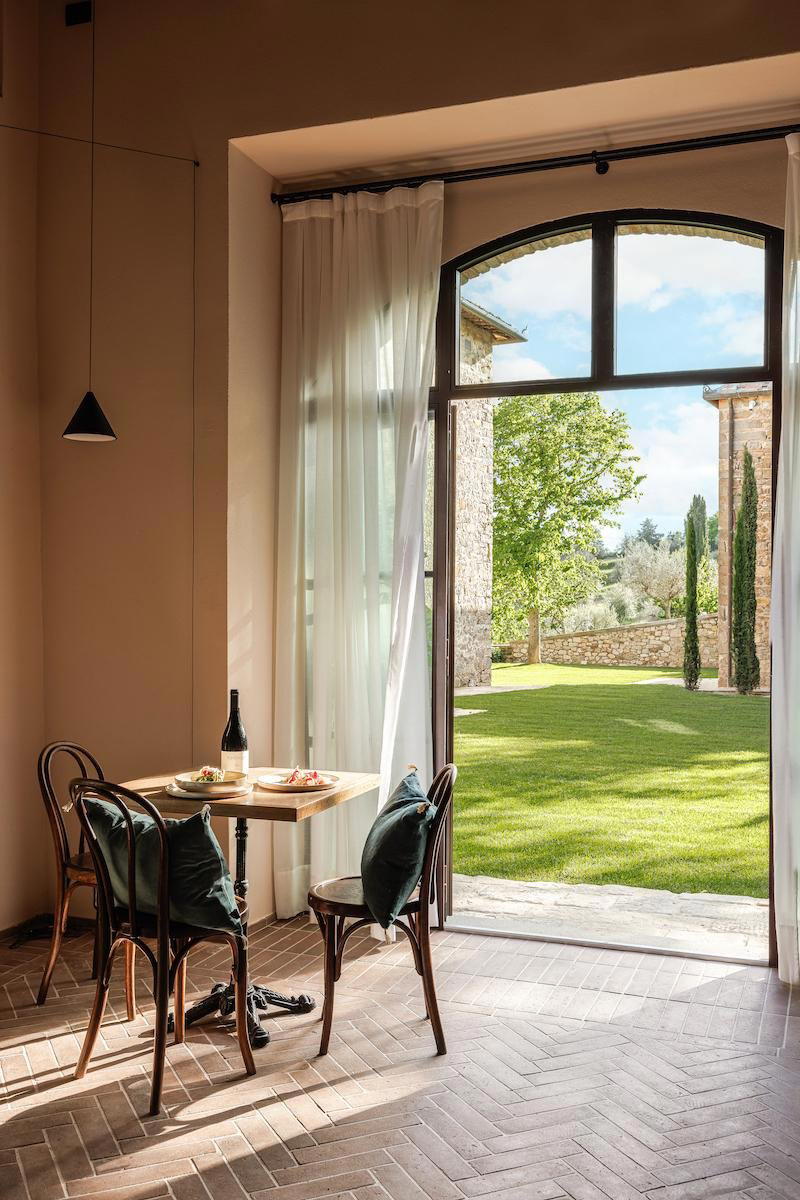
Stone, Vine, and the Chianti Hillside Tradition
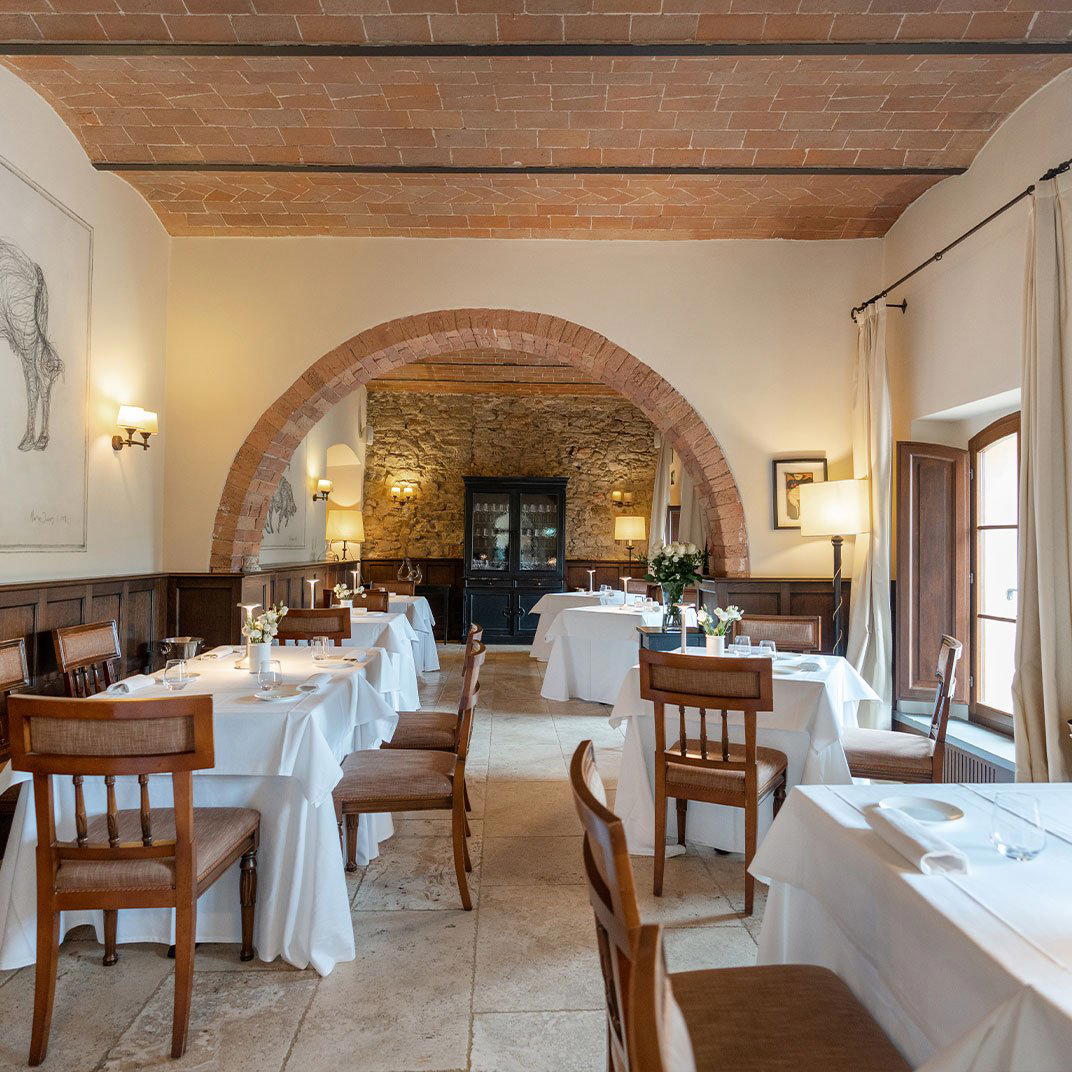
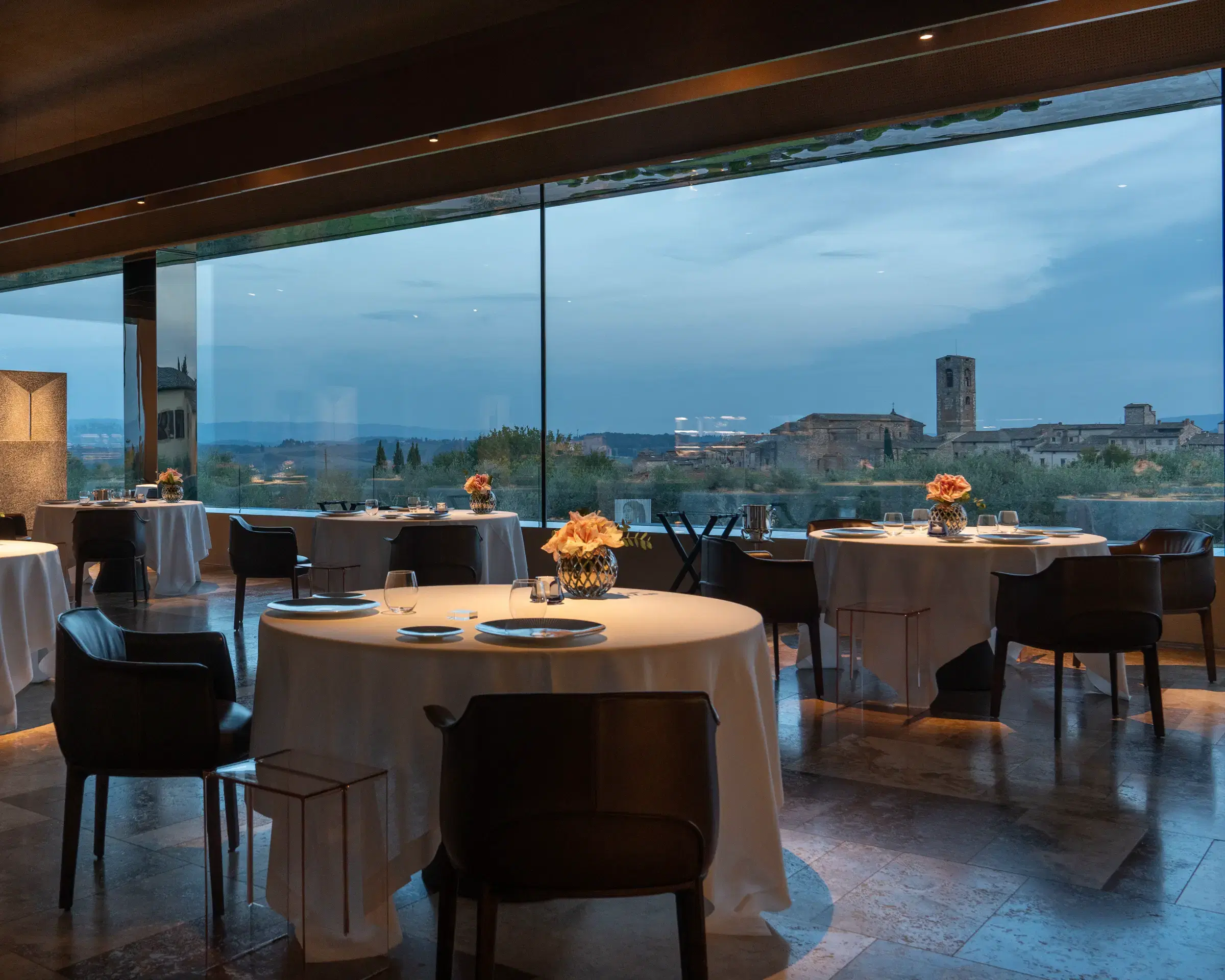
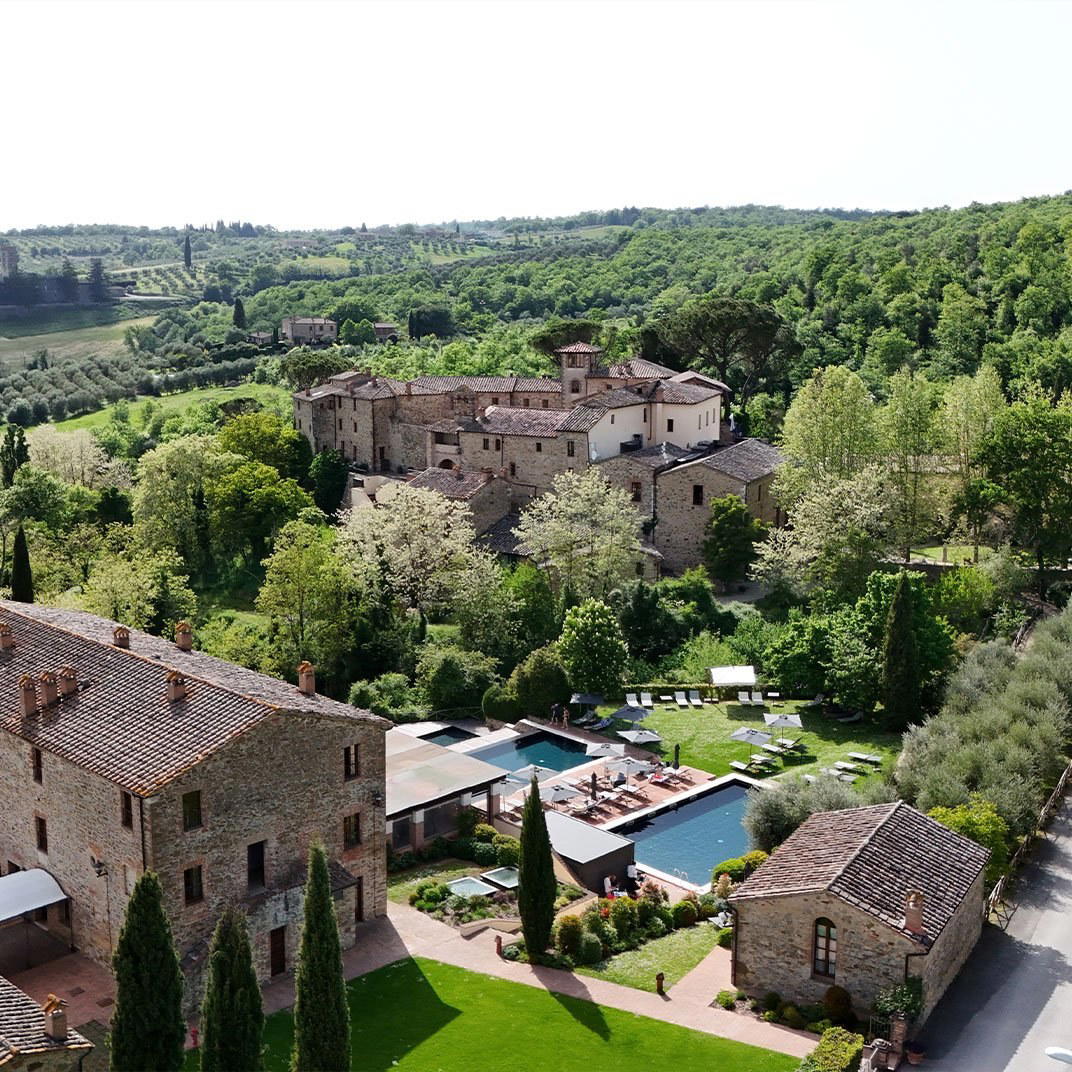
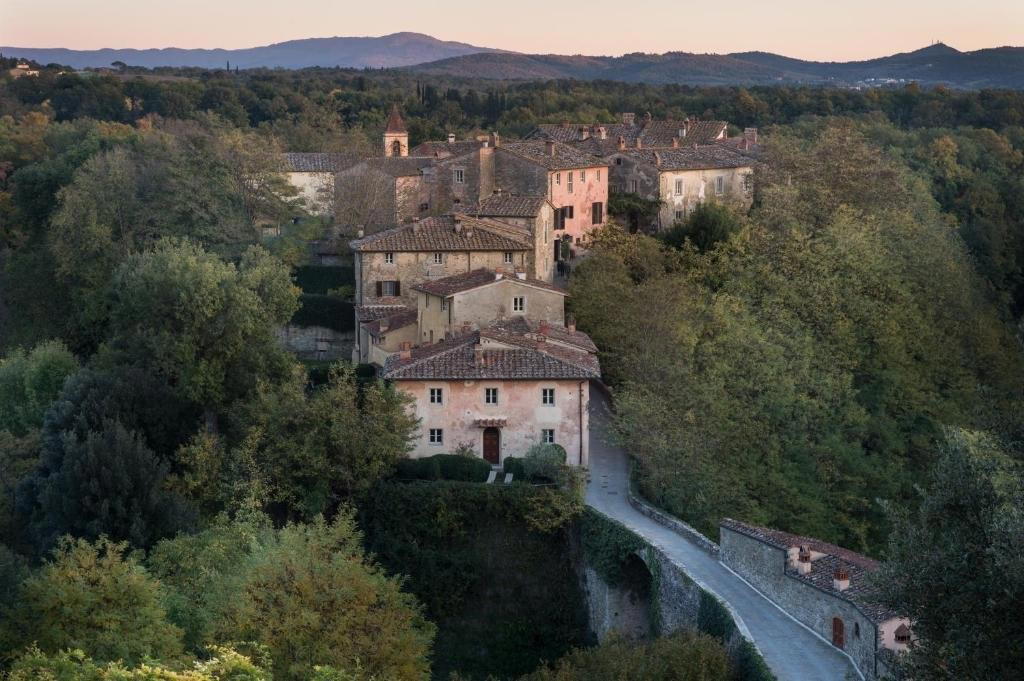
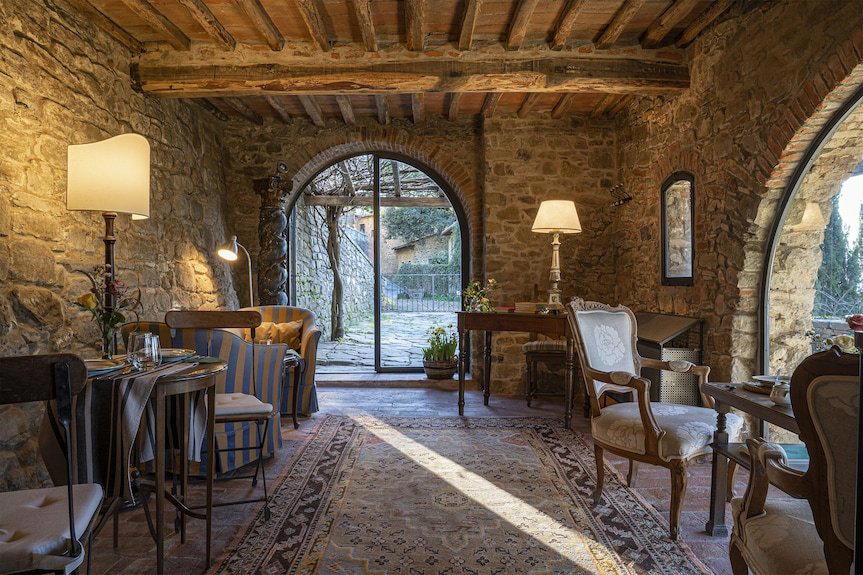
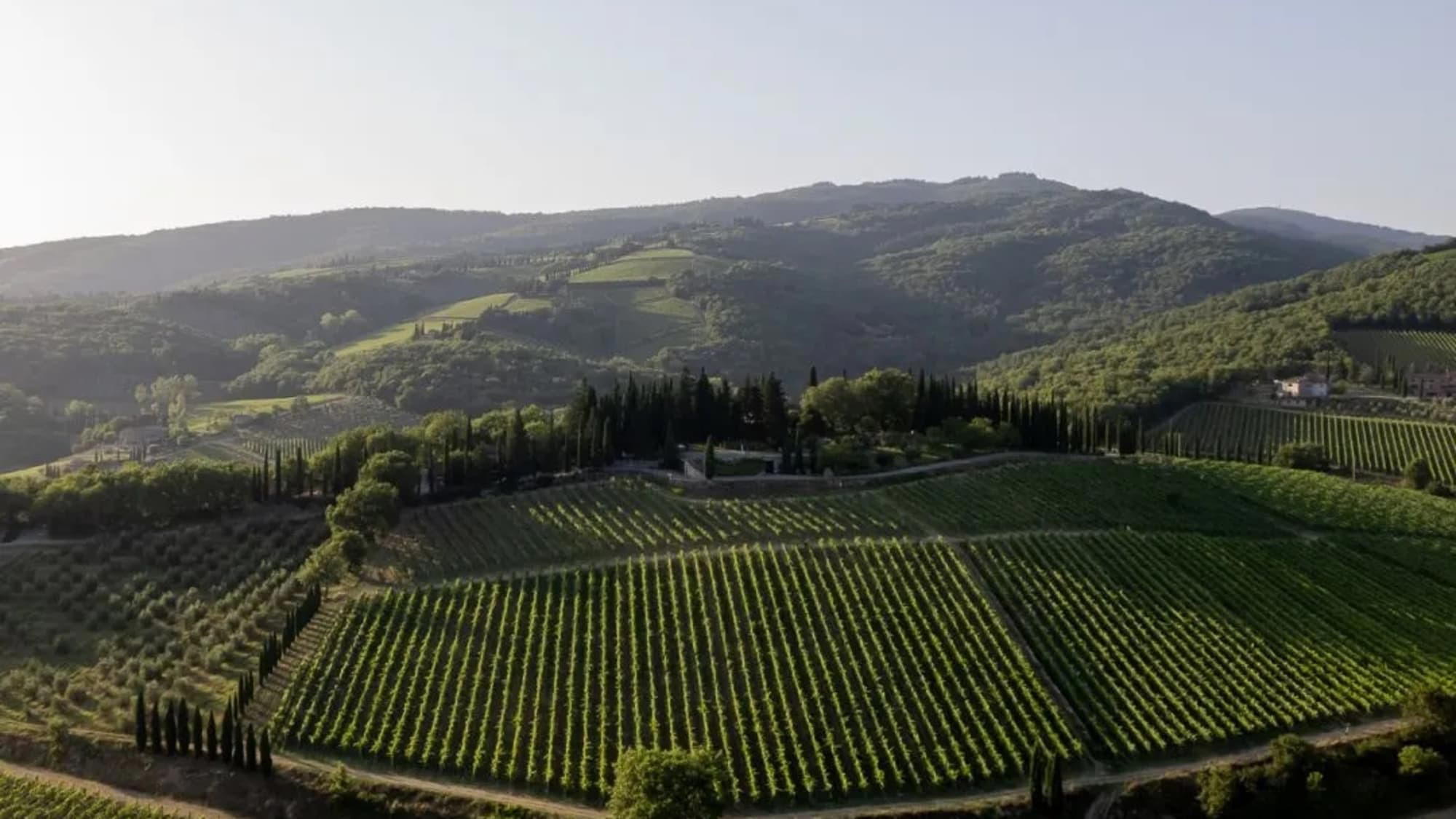
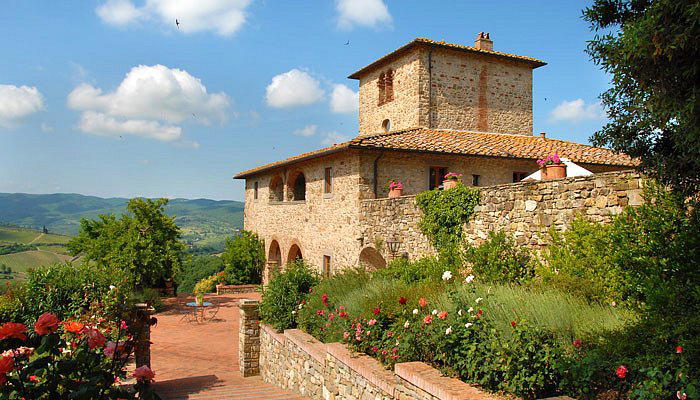
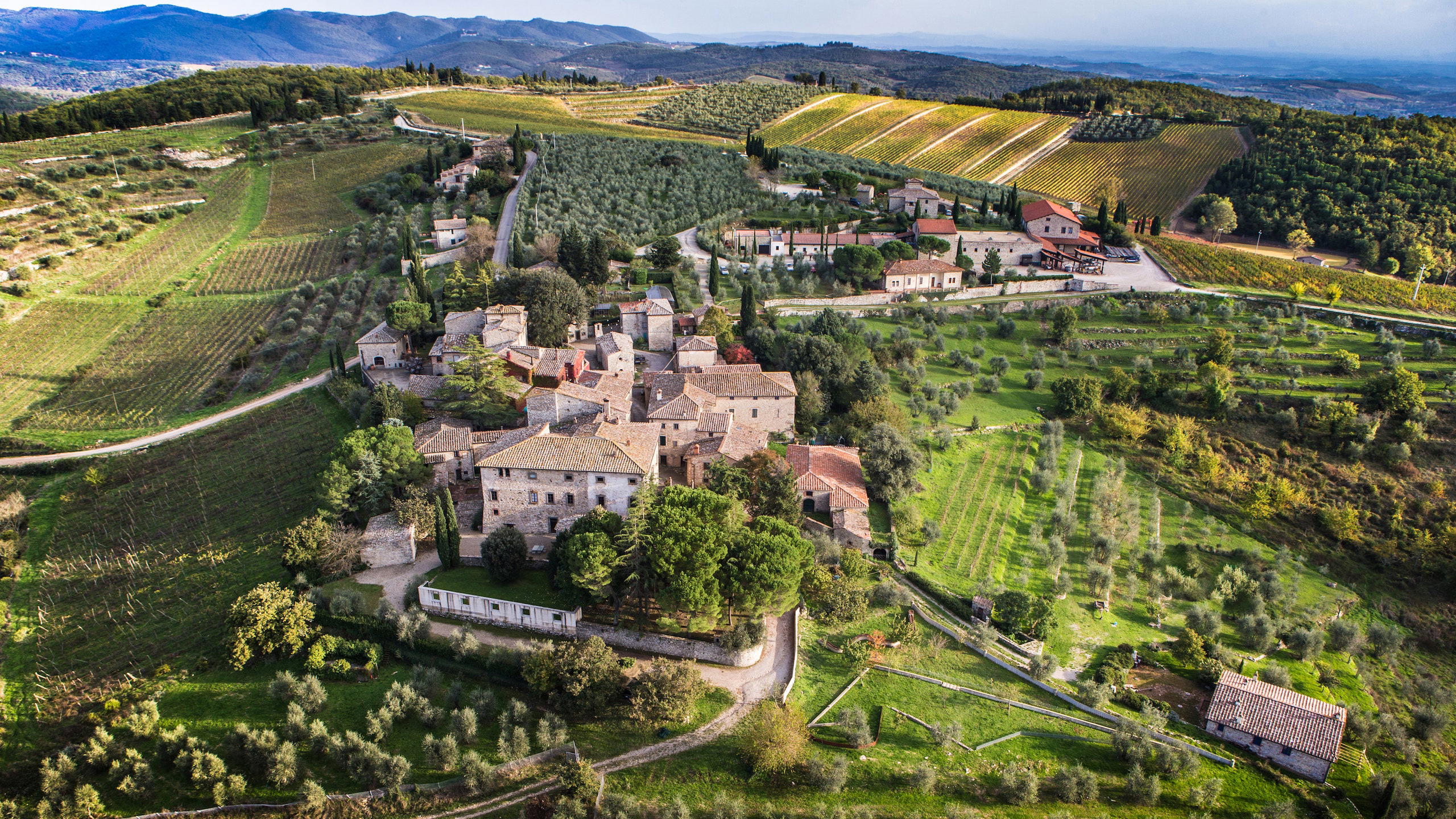
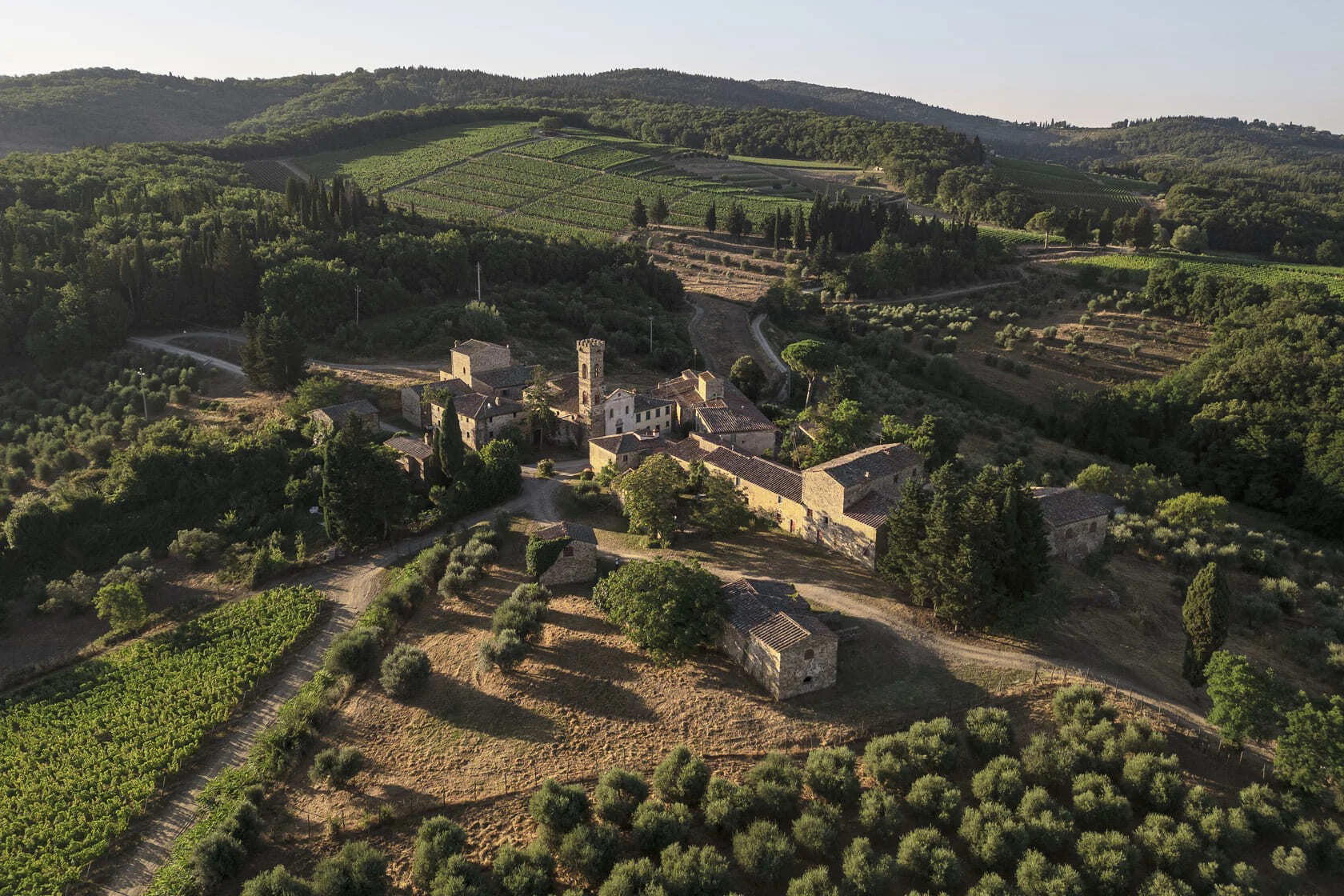
The Chianti Classico zone has a way of making certain truths about Italian cooking feel self-evident. Between Radda in Chianti and Siena, the terrain does most of the argument: limestone-threaded soil, oak and cypress breaking the ridgelines, and a density of agricultural heritage that has shaped how people eat here for centuries. Pieve Aldina sits on Traversa del Chianti in Radda in Chianti, occupying a property that carries Tuscan architectural heritage while incorporating modern design into its bones. Arriving here, the physicality of the place registers before anything else: the stone fabric of the building, the quality of light in the hills, the particular silence of a Chianti afternoon that makes a long table feel like one rational thing in the world.
That sense of setting is not incidental to the food. Tuscan cooking, more than most Italian regional traditions, insists on the legibility of its ingredients. Where Neapolitan cuisine builds drama through contrast and Roman cooking leans into simplicity as a kind of provocation, the Tuscan table is fundamentally about terroir made edible. Bread without salt, beans slow-cooked until they dissolve, bistecca from Chianina cattle raised on nearby pasture, Pecorino aged in local cellars. The cuisine is resistant to abstraction, and that resistance is part of what makes the hills around Radda a serious destination for anyone who wants to understand what the phrase “Italian food” actually means at its source.
Where Pieve Aldina Sits in the Regional Hierarchy
Italy’s premium dining tier has consolidated around a handful of destination restaurants with Michelin recognition and international reputations: Enoteca Pinchiorri in Florence operates at the apex of formal Tuscan dining, with a wine list that has defined the category for decades. At the other end of the Italian creative spectrum, Osteria Francescana in Modena and Enrico Bartolini in Milan work in a register that foregrounds technique and concept. Pieve Aldina operates in a different register entirely: the agriturismo and heritage property model that defines rural Tuscany’s hospitality character, where the architecture, the produce, and the land are the primary argument rather than tasting-menu ambition.
This is not a lesser category. For context, other Italian properties working in the creative fine-dining bracket, such as Le Calandre in Rubano, Reale in Castel di Sangro, and Piazza Duomo in Alba, draw recognition through innovation and chef-driven vision. The restaurant draws recognition through a different kind of fidelity: to place, to tradition, and to the particular hospitality logic of the Chianti hills. The comparison point within Tuscany is closer to Campo Del Drago at Rosewood Castiglion del Bosco or Alle Logge di Piazza in Siena: properties where the dining experience is inseparable from architectural setting and regional identity.
The Italian Tuscan Table: What the Cuisine Actually Means Here
Tuscan cuisine resists the north-south binary that structures most discussions of Italian regional food. It is neither the butter-and-rice register of Lombardy nor the tomato-and-olive-oil directness of Campania. What defines it is a relationship between land and plate that privileges the quality of a single ingredient over the complexity of a preparation. The Chianina breed produces beef with a textural density that makes long ageing redundant. Cannellini beans from the Garfagnana carry enough inherent flavour that aromatics are kept to a minimum. Vernaccia di San Gimignano and the Sangiovese-based reds of Chianti Classico are grown to pair with food in a way that reflects the same restraint philosophy.
In a property like Pieve Aldina, set in the hills and identified explicitly with the instruction to “taste the Italian terroir,” these traditions are the frame around which hospitality is organised. The cooking is an expression of geography rather than an argument against it. That distinction matters for the traveller deciding between a city-based fine-dining experience and a property in the countryside: the Chianti hills produce a different kind of eating occasion, one where the pace of the meal, the quality of the bread, and the source of the olive oil carry weight that a tasting-menu format in an urban setting cannot replicate.
For a broader view of what the Italian fine-dining conversation looks like beyond Tuscany, the work at Uliassi in Senigallia, Dal Pescatore in Runate, Quattro Passi in Marina del Cantone, Casa Perbellini 12 Apostoli in Verona, and Atelier Moessmer Norbert Niederkofler in Brunico illustrates just how varied the country’s premium dining scene has become. The restaurant positions itself against none of these: its frame of reference is the Chianti terroir, not the national tasting-menu circuit.
Getting There and Planning the Visit
The access logistics shape how you approach the restaurant as a destination. From Florence’s Santa Maria Novella station the distance is 35 kilometres; from Siena, 28 kilometres. Florence Peretola airport sits 60 kilometres away, with Pisa airport at 110 kilometres and Rome at 278 kilometres. The property’s CIN code is IT052023A1NJJGA8CW and CIR code 052023ALB0020, details that matter if you are booking accommodation directly in the Italian system. One natural approach for an international traveller is to fly into Florence, collect a hire car at the airport, and drive south into the Chianti Classico zone: the route along the Via Chiantigiana through Greve in Chianti and into the hills around Radda is among the more pleasurable drives in central Italy and forms part of the arrival experience.
For those planning a longer stay in the region, our full Località Santa Maria Novella restaurants guide, hotels guide, bars guide, wineries guide, and experiences guide provide the full context for building an itinerary in this part of Chianti.
Comparison Snapshot
Comparable venues nearby, for context on price, style, and recognition.
| Venue | Cuisine | Price | Notes |
|---|---|---|---|
| Pieve AldinaThis venue — the venue you are viewing | Modern Tuscan | $$$$ | Not listed |
| Chic Nonna di Vito Mollica | Modern Italian Fine Dining | $$$$ | San Niccolo |
| Campo Del Drago - Rosewood Castiglion del Bosco | Modern Tuscan Fine Dining | $$$$ | Castiglion del Bosco |
| Carlton Garden | Seasonal Italian in a Milanese garden setting | $$$$ | Quadrilatero della Moda |
| Tomkat | Modern Italian Wine Bar | $$$$ | historic centre |
| Villa Cordevigo | Modern Italian Fine Dining | $$$$ | Cavaion Veronese |
Recognition history
Dated appearances from independent guides and award organizations, with the underlying list record or original source where available.
Relais Chateaux Award
Relais Chateaux
Continue exploring
More in Località Santa Maria Novella
Restaurants in Località Santa Maria Novella
Browse all →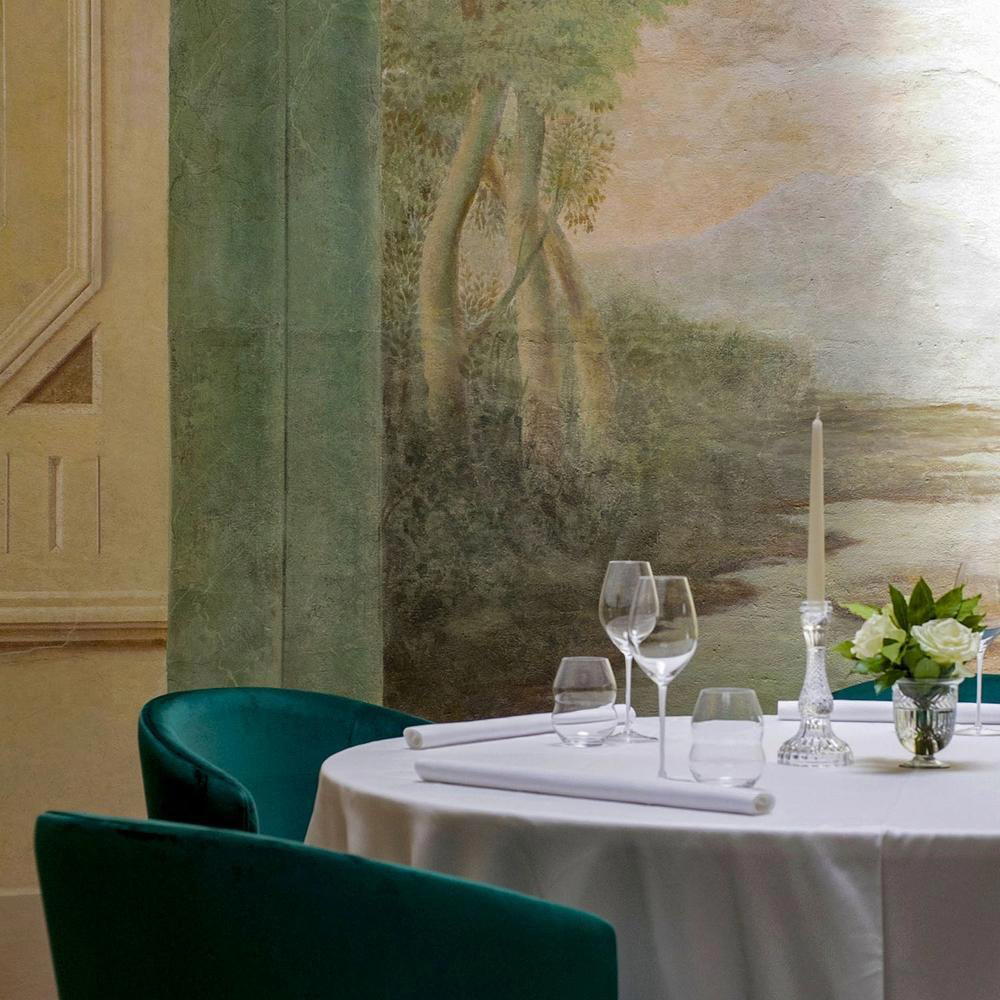
Bars in Località Santa Maria Novella
Browse all →
Hotels in Località Santa Maria Novella
Browse all →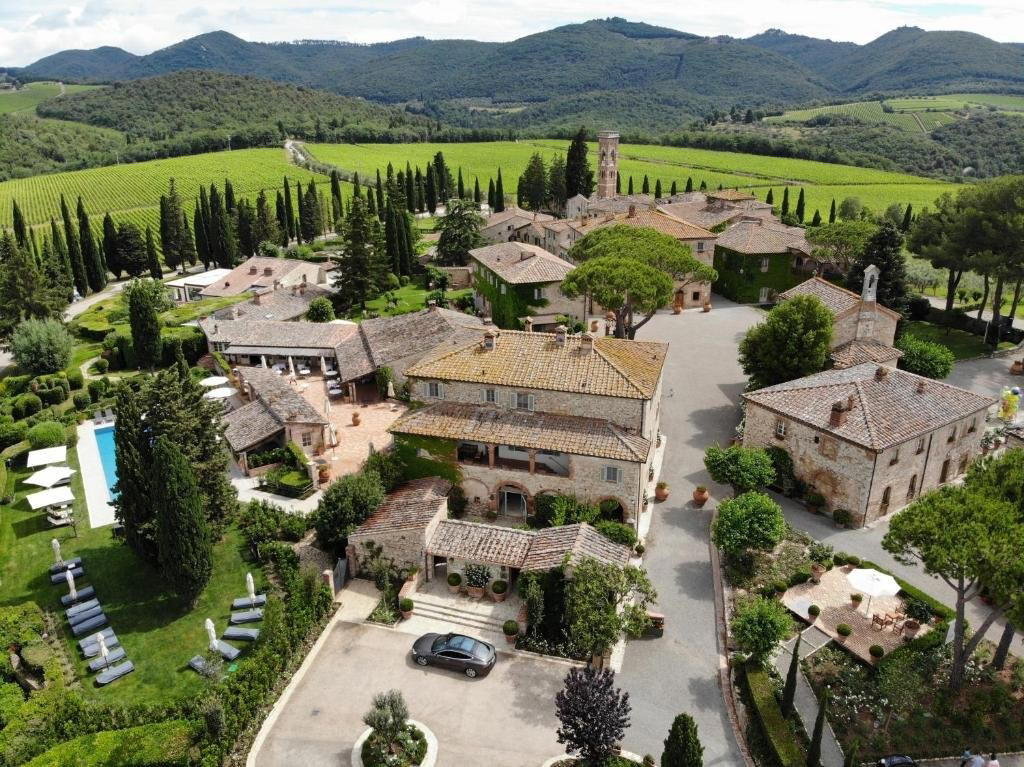
At a Glance
- Elegant
- Rustic
- Scenic
- Cozy
- Sophisticated
- Special Occasion
- Date Night
- Celebration
- Historic Building
- Garden
- Terrace
- Open Kitchen
- Extensive Wine List
- Local Sourcing
- Farm To Table
- Vineyard
- Garden
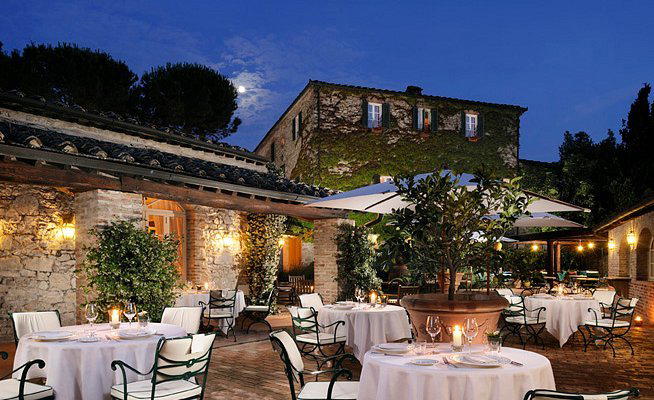
Candlelit dinners in courtyards with soft live music, serene atmosphere amid olive groves and vineyards, elegant blend of historic stone and modern earthy tones.