Podere Belvedere Tuscany
.png)



A self-taught chef working out of a 1700s tower house in Pontassieve's wine country, Podere Belvedere earns a Michelin Plate and repeated Opinionated About Dining recognition for Tuscan country cooking anchored in its own gardens and farms. The kitchen centres on grilled meats, high-quality vegetables, and the occasional creative departure, all within reach of Florence and bookable most evenings from 7:30 pm.
Pearl is the En Primeur Club membership app — saves, bookings, and concierge access live there. Same editors, same standards.
- Address
- Via S. Piero a Str., 23, 50065 Pontassieve FI, Italy
- Phone
- +39 333 869 3448
- Website
- poderebelvederetuscany.it
 Saves & bookings on Pearl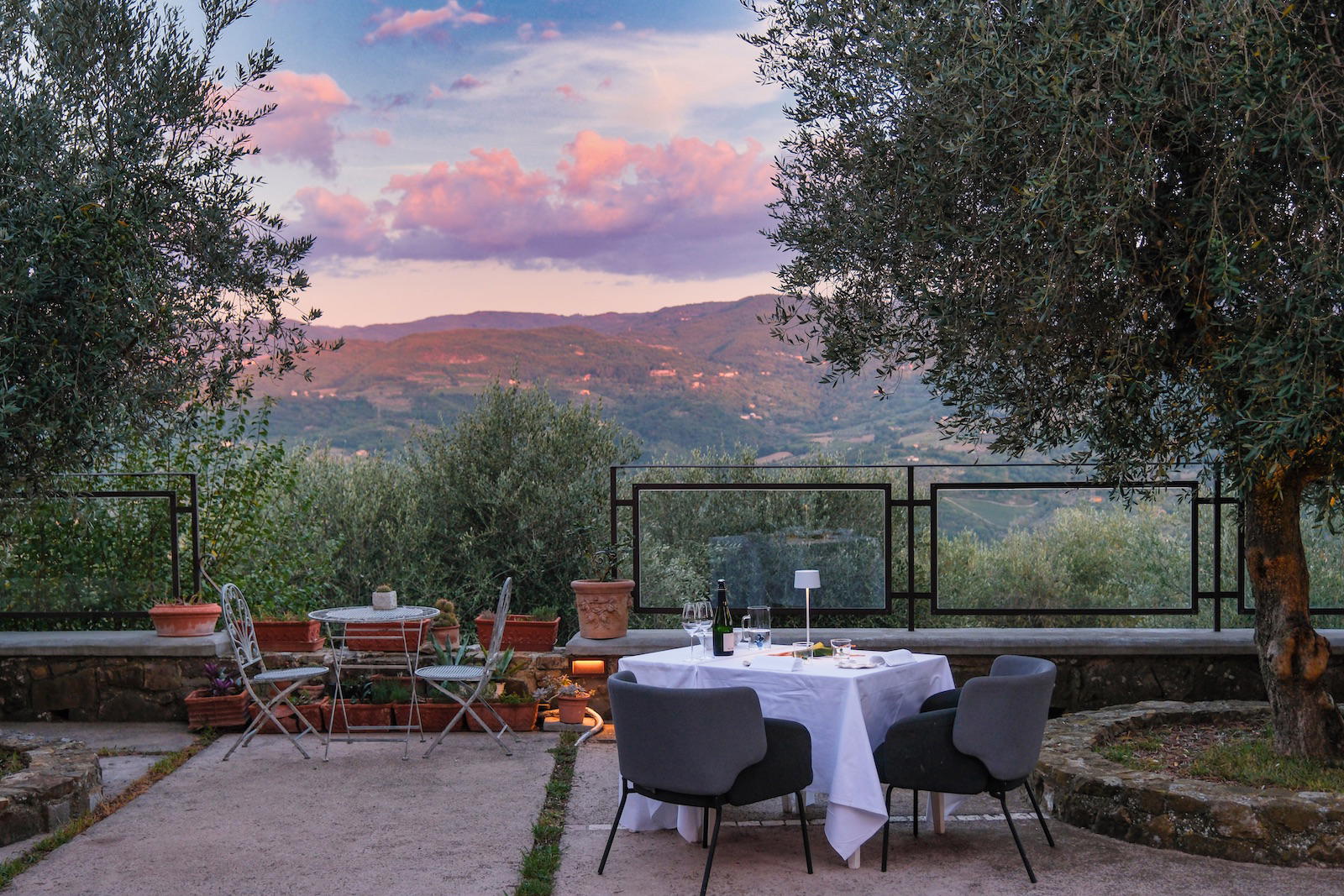
A Tower House in Chianti Country
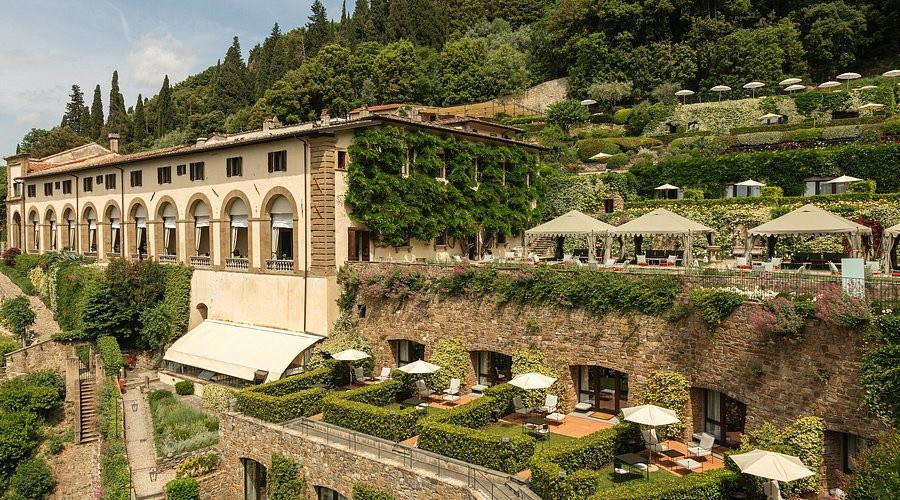
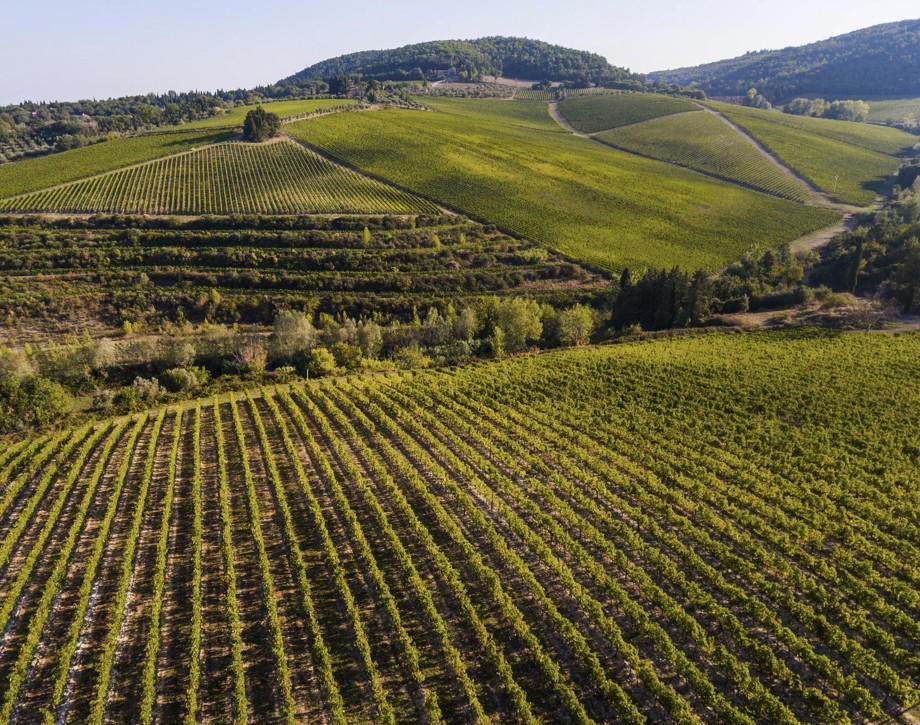
The Valdarno and Chianti Rufina zones east of Florence produce a particular kind of restaurant: properties rooted in agricultural land, where the food on the plate has a direct and traceable relationship with what grows outside. Podere Belvedere Tuscany, operating from a tower house dated to 1700 on Via S. Piero a Str. in Pontassieve, belongs firmly to this tradition. Olive groves and vineyards surround the building; vegetable gardens and working farms supply a meaningful portion of what reaches the table. That agricultural connection is not a marketing gesture here, it is the structural logic of how the kitchen operates.
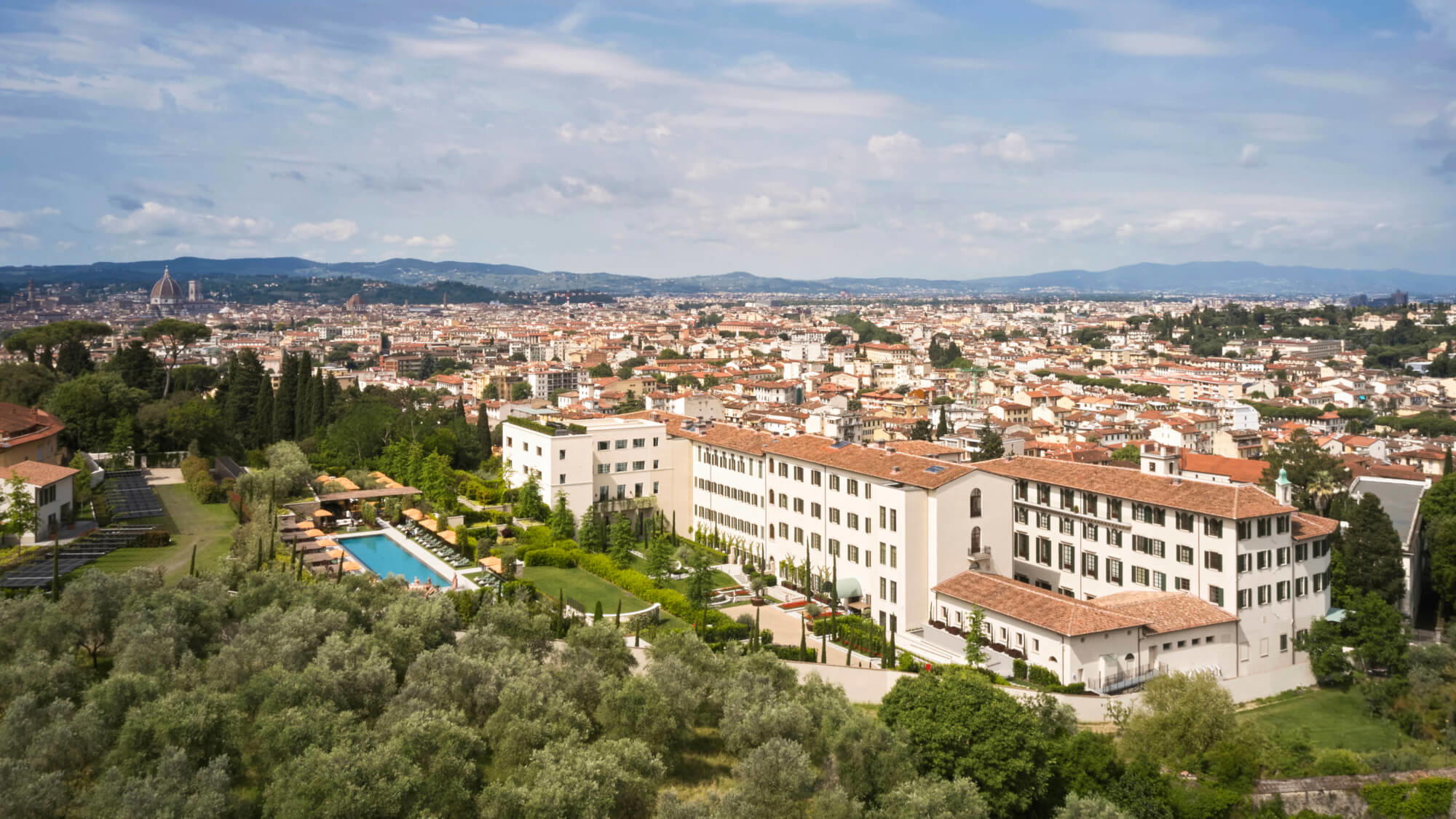
Pontassieve sits roughly twenty kilometres east of Florence at the confluence of the Arno and Sieve rivers, a position that places it at the gateway to Chianti Rufina, one of Tuscany's less-discussed but historically significant wine corridors. Visitors making the drive from the city pass through a landscape that shifts quickly from suburban Florentine sprawl to vine-terraced hills. The secluded position of Podere Belvedere makes the on-site guestrooms a practical consideration rather than a luxury upgrade: arriving for dinner and staying the night removes any pressure over the return journey.
What Self-Taught Means at This Level
The question of formal culinary training carries more weight in the Italian fine-dining conversation than it might elsewhere. Italy's kitchen culture has long been divided between the inherited domestic tradition, grandmothers, regional recipes, instinct, and the increasingly dominant professional circuit of starred kitchens, culinary academies, and international stages. Chef Edoardo Tilli occupies an instructive position in that divide. His training is characterised as self-taught, which at lesser operations can signal inconsistency or narrowness. At Podere Belvedere, it correlates instead with a kitchen that reads as deeply personal and territorially grounded rather than technically demonstrative.
Self-taught chefs working at this level in rural Italy tend to develop in one of two directions: towards hyper-regionalism, where the menu becomes almost archaeological, or towards a hybrid model that absorbs outside influences while keeping local produce at the centre. The Michelin recognition Podere Belvedere has held in both 2024 and 2025, combined with consecutive Opinionated About Dining placements, #479 in Europe in 2024 and an improvement to #366 in 2025, suggests the kitchen is moving forward rather than holding still. That upward movement on the OAD list is meaningful context: OAD rankings are built from the votes of experienced diners and travelling food professionals, not press-release momentum.
The cuisine description points to grilled meats and top-quality vegetables as the kitchen's core registers, with occasional creative departures that prevent the menu from becoming predictable. That combination maps onto a broader pattern visible across rural Tuscany's more ambitious restaurants: a respect for the region's butchery and live-fire traditions alongside a willingness to treat vegetables as primary rather than supporting material. The Pearl recommendation for 2025 adds a third independent data point to the recognition picture, placing Podere Belvedere among properties considerably more expensive and urban-facing.
Tuscan Country Cooking in Its Competitive Context
Understanding where Podere Belvedere sits in the Italian restaurant hierarchy requires some calibration. The price point places it below the full-starred operations that define Italian fine dining at its most ambitious: Enoteca Pinchiorri in Florence, operating at €€€€ with three Michelin stars, or Osteria Francescana in Modena and Le Calandre in Rubano, both of which anchor the progressive end of Italian cooking at a different investment level entirely. Further down the peninsula, Uliassi in Senigallia, Quattro Passi in Marina del Cantone, and Reale in Castel di Sangro represent the same ambition applied to other regional traditions.
Podere Belvedere is not competing in that register. Its comparable set is instead the cluster of quality-driven, agriculturally rooted trattorias and small restaurants that have been pulling serious diners out of Florence for decades, places where the experience depends less on technique display and more on ingredient quality, producer relationships, and kitchen coherence. Within that comparable set, consecutive multi-year recognition from Michelin and OAD is a credible differentiator. Dal Pescatore in Runate and Piazza Duomo in Alba represent what that kind of regional-roots cooking looks like when it reaches the very best of the Italian system; Podere Belvedere operates in the same philosophical territory at a more accessible tier.
The comparison also matters geographically. Florence itself has strong formal dining options, including Enoteca Pinchiorri, but the city's restaurant density means its best-known addresses compete on a highly trafficked circuit. Pontassieve's relative quietness is, in this context, an asset: the kitchen at Podere Belvedere is not serving a tourist rotation but a mix of local regulars and deliberate visitors who have made a specific choice to drive east.
The Kitchen's Logic: Gardens, Grills, Vegetables
Tuscan cooking's reputation in the international imagination tends to flatten towards a few well-worn categories: bistecca, ribollita, pici, Chianti. That simplified picture misses the significant variation within the region, particularly between the urban sophistication of Florence's leading tables and the more direct, produce-led cooking of the countryside. The Chianti Rufina zone, in which Pontassieve sits, has historically been more associated with wine than with destination dining, which partly explains why a property like Podere Belvedere, operating at an award-recognised standard, has not been absorbed into the standard Florence daytrip itinerary.
The emphasis on grilled dishes and high-quality vegetables reflects a kitchen that takes Tuscany's agricultural seriousness at face value. The region's live-fire tradition, tied to breeds like the Chianina and Maremmana and to specific butchers and small-scale farms, produces some of Italy's most distinctive meat cookery. A kitchen with direct access to its own farms and vegetable gardens is positioned to engage that tradition at source rather than through supply-chain intermediaries. The creative departures noted in the Michelin description suggest the kitchen is not content to remain entirely in documentary mode, there is ambition here, even if its expression is measured rather than theatrical.
Planning the Visit
The schedule reflects a kitchen that is not trying to maximise covers but to maintain a standard across a manageable number of services. The property's secluded position and the availability of on-site guestrooms make it a natural choice for an overnight stay, particularly for those travelling from outside the immediate Florence area. A Saturday lunch, for instance, pairs naturally with a night in one of the guestrooms and a Sunday morning in Chianti Rufina wine country before returning to the city.
The Google review average of 4.8 across 151 ratings is consistent with a kitchen that delivers reliably rather than occasionally: that kind of score, sustained over a meaningful sample, generally reflects a restaurant where the experience holds across different tables and different service evenings.
For reference points in the broader Italian creative cooking conversation, Atelier Moessmer Norbert Niederkofler in Brunico, Enrico Bartolini in Milan, and Casa Perbellini 12 Apostoli in Verona show the range of approaches operating across Italian regions at the higher price tiers. Internationally, Le Bernardin in New York City and Atomix in New York City offer instructive contrasts in how different culinary traditions handle the relationship between ingredients and technique at the top of their respective categories.
Comparable Spots, Quickly
Comparable venues nearby, for context on price, style, and recognition.
| Venue | Cuisine | Price | Awards | Notes |
|---|---|---|---|---|
| Podere Belvedere TuscanyThis venue — the venue you are viewing | Contemporary Tuscan Meat-Focused Fine Dining | $$$$ | Michelin Plate | |
| Locale | Contemporary Italian Fine Dining | $$$$ | Michelin Plate | San Niccolo |
| Oltre. | Modern Bolognese | $$$ | Michelin Plate | Porto |
| Mirabelle | Modern Italian Fine Dining | $$$$ | Michelin Plate | Ludovisi |
| Bis Osteria Italiana Contemporanea | Modern Tuscan Italian Osteria | $$$$ | Michelin Plate | Colle di Val d'Elsa |
| MikEle | Modern Italian Seafood | $$$$ | Michelin Plate | Maranello |
Continue exploring
More in Pontassieve
Restaurants in Pontassieve
Browse all →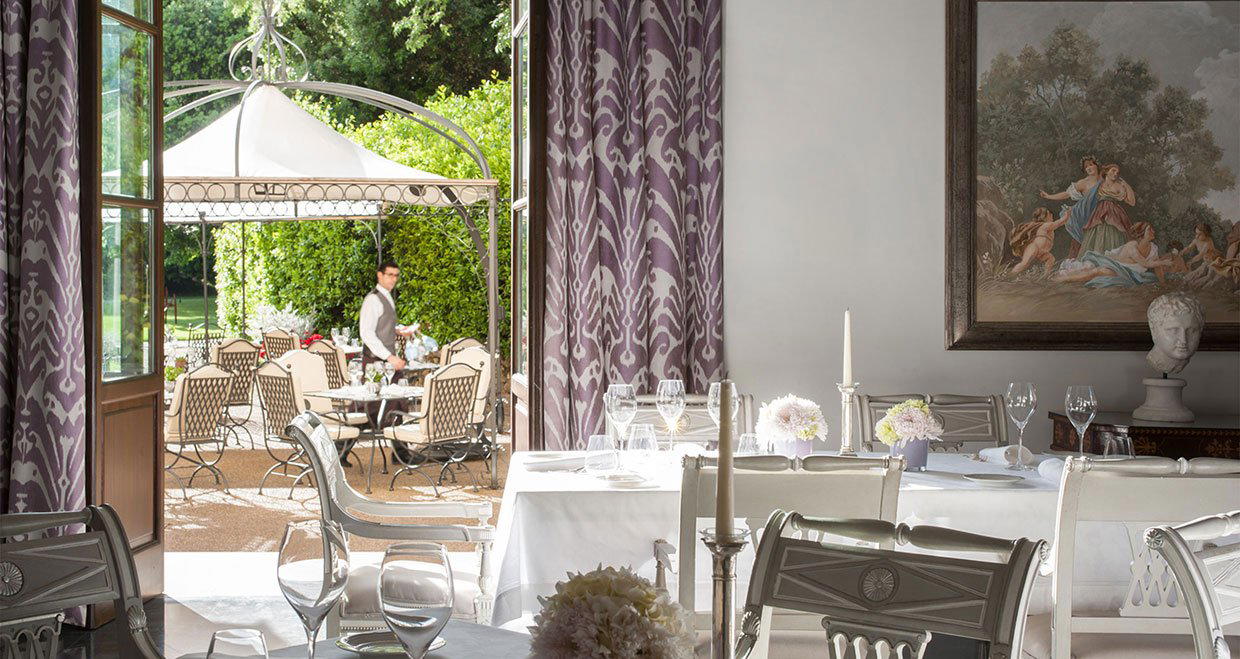
Bars in Pontassieve
Browse all →
Hotels in Pontassieve
Browse all →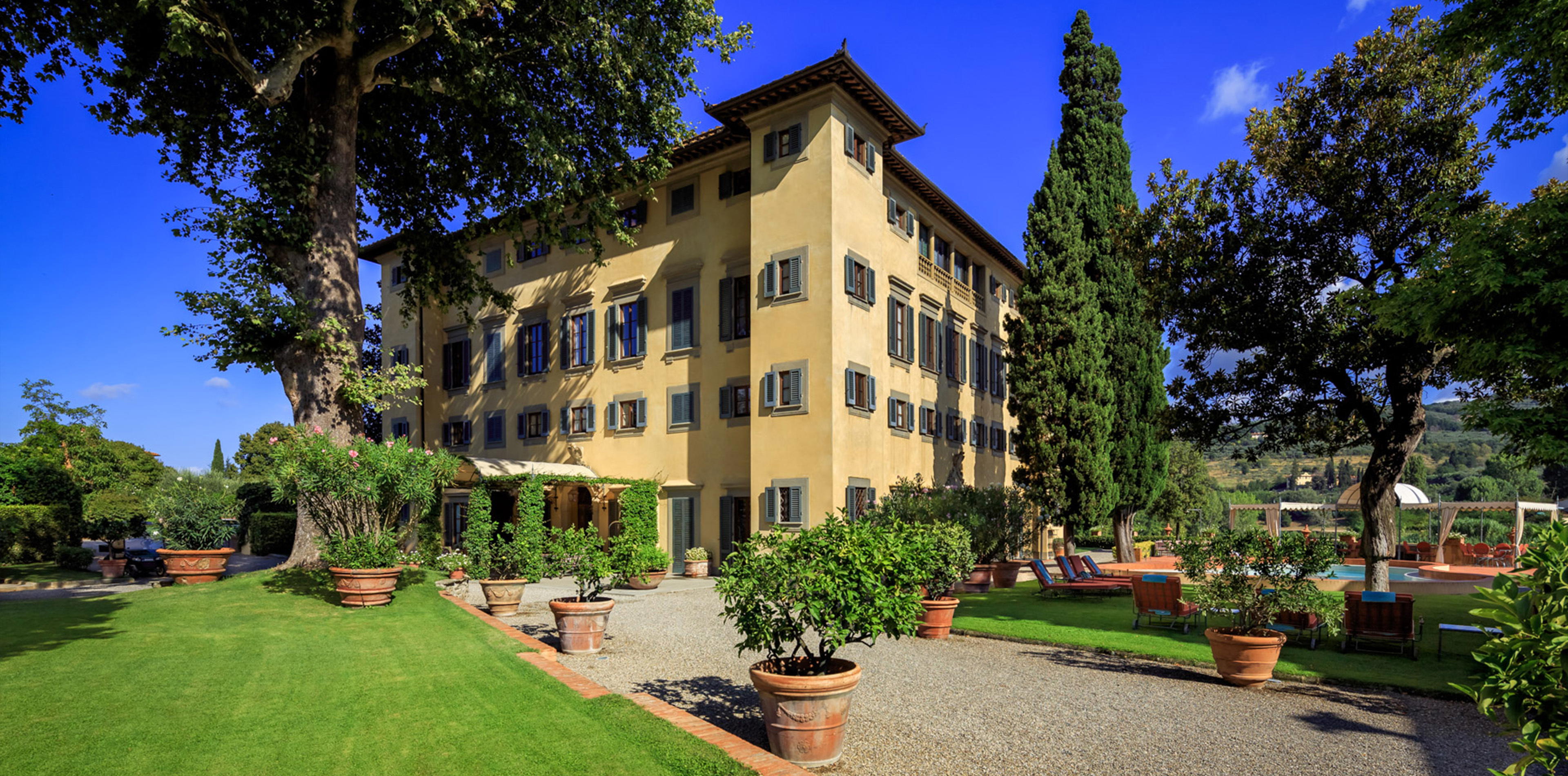
At a Glance
- Romantic
- Intimate
- Elegant
- Rustic
- Scenic
- Date Night
- Special Occasion
- Celebration
- Open Kitchen
- Terrace
- Panoramic View
- Historic Building
- Garden
- Chefs Counter
- Sommelier Led
- Farm To Table
- Organic
- Local Sourcing
- Biodynamic
- Vineyard
- Garden
- Mountain
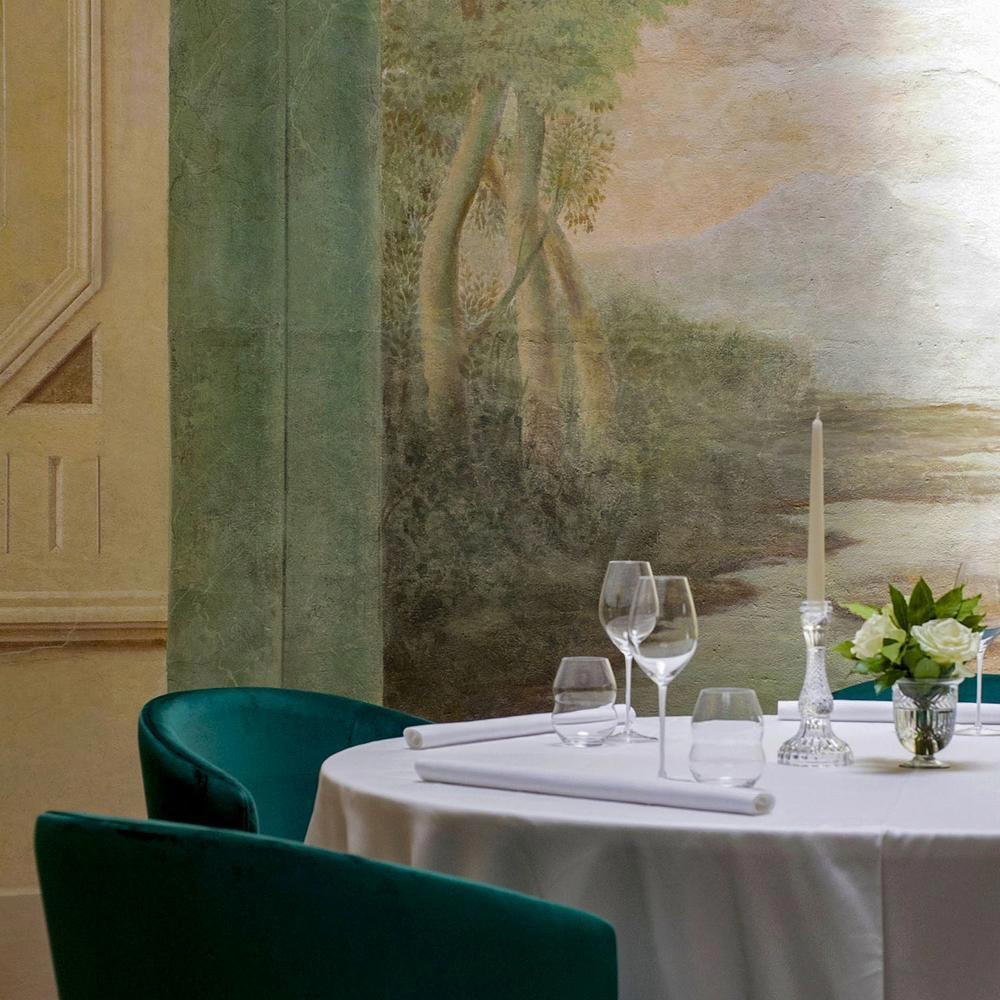
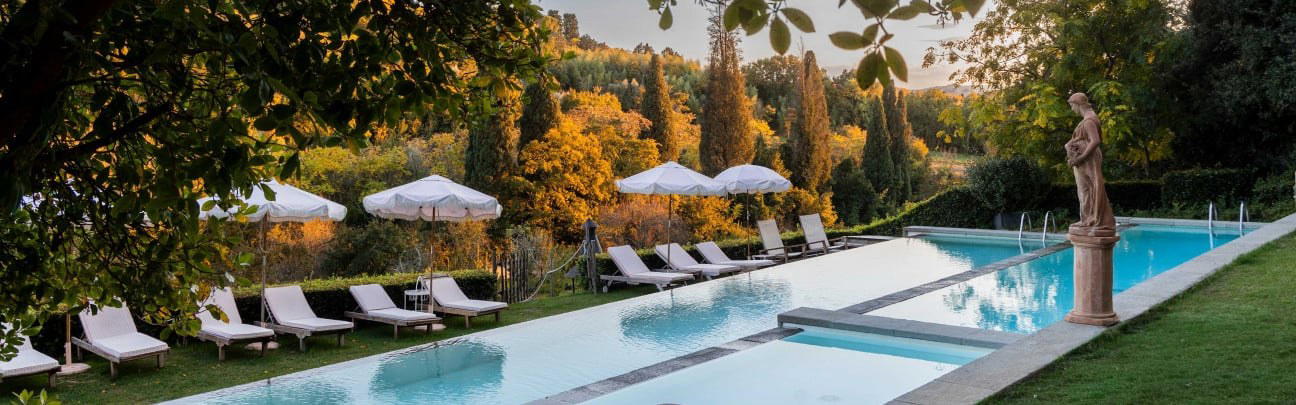
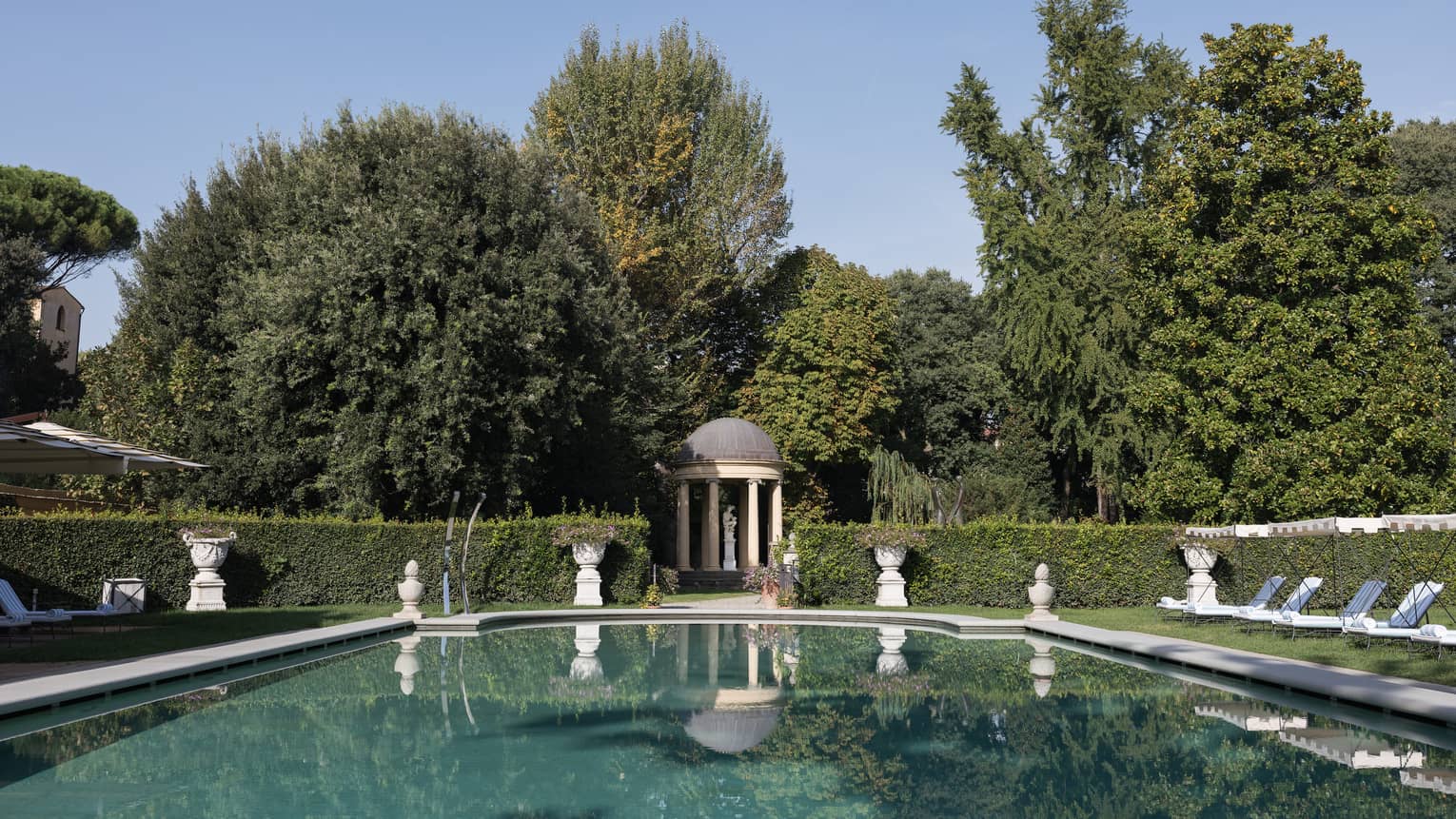
Intimate and rustic with fireplace-warmed rooms in winter; panoramic terrace overlooking olive groves and hills in summer; minimalist lighting with open kitchen views from chef's table.