

Tomkat sits on Via Calderia in Lucca's walled historic centre, earning a White Star recognition from Star Wine List in 2024, a signal that its wine program operates at a level beyond the casual trattoria tier. For a city where Tuscan tradition can feel rote, Tomkat's approach to what's poured alongside the food carries genuine editorial weight.
Pearl is the En Primeur Club membership app — saves, bookings, and concierge access live there. Same editors, same standards.
- Address
- Via Calderia, 12, 55100 Lucca LU, Italy
- Phone
- +39 376 203 5395
- Website
- tomkat.it
- Directions
- Get directions
 Saves & bookings on Pearl
Where Lucca's Wine Culture Gets Serious
Lucca is not short of places to eat well. Within the Roman walls, restaurants range from the neighbourhood simplicity of Il Mecenate at the accessible end of the market to the more composed Tuscan cooking at All'Olivo and the sustained classical ambition of Giglio. What is less common inside these walls is a restaurant recognised specifically for the seriousness of what it pours. That is the distinction Tomkat carries: a White Star from Star Wine List, published in July 2024, which places it in a category of venues where the wine program is considered an editorial subject in its own right, not a support act to the kitchen.
Via Calderia runs through one of the quieter quarters of the centro storico, away from the foot traffic that collects around Piazza Anfiteatro and the main tourist corridors. Arriving on foot through the old streets, the scale stays domestic, no hotel forecourts, no roped terraces competing for passing trade. That physical context matters, because it sets expectations correctly.
The White Star Standard and What It Signals
The Star Wine List White Star designation, awarded in 2024, is a wine-specific credential. It is a wine-specific credential, assessed on the depth, curation, and presentation of a venue's list rather than on food or ambience scores. In Italy, where wine is present on virtually every table, the distinction between a competent list and a curated one is meaningful. A White Star signals the latter: a list built with editorial intent, where producers and regions have been chosen rather than simply assembled from a distributor's standard offer.
For Lucca specifically, this matters in context. The city sits in a wine-productive region, Colline Lucchesi DOC runs along the hills immediately north of the city, producing both white and red wines from native varieties including Vermentino and Sangiovese-based blends. Further south, Morellino di Scansano and the broader Maremma have become increasingly important in the Tuscan wine conversation. A restaurant with wine program credentials has material to work with locally and regionally, and the White Star recognition suggests Tomkat has done more than default to Chianti Classico and Brunello, however sound those defaults may be.
Enoteca Pinchiorri in Florence or the cellar depth behind Osteria Francescana in Modena, operates at a different scale entirely. But the White Star model recognises that serious wine curation exists at smaller, less-celebrated addresses too, and that a city like Lucca can sustain a venue where the list is genuinely worth arriving for.
Sourcing as Editorial Stance
The Star Wine List recognition implicitly addresses sourcing: where do the bottles come from, and how deliberately have they been chosen? In a region where producer relationships are built over years and allocations from smaller estates are earned rather than purchased, a curated list is a statement about supplier relationships as much as palate. Restaurants at this level tend to work with importers and producers directly, prioritising bottles that reflect geographic identity over safe commercial labels.
Tuscany's wine map rewards this kind of deliberate sourcing. The Colline Lucchesi zone, one immediate local reference, remains under-represented on international wine lists, which means a Lucca restaurant leaning into its own region's producers carries genuine specificity. Further afield, Bolgheri's structured reds, the white wine potential of Vernaccia di San Gimignano, and the growing Maremma tier all offer a credible regional selection that goes well beyond the conventional Tuscan shortlist.
Italy's wider dining scene has seen a sustained argument over the last decade about whether the kitchen or the cellar drives a restaurant's identity. At places like Le Calandre in Rubano or Dal Pescatore in Runate, the two are treated as inseparable. At Tomkat, the public signal suggests the list is at minimum the lead story.
Tomkat in Lucca's Dining Tier
Lucca's restaurant scene does not operate at the scale of Florence or Milan. Enrico Bartolini in Milan or the creative register of Atelier Moessmer Norbert Niederkofler in Brunico represent a different tier of ambition and infrastructure. Within Lucca, the creative ceiling sits with L'Imbuto, which operates at a €€€€ price point and represents the city's most formally inventive cooking. The more established classical tier includes Buca di Sant'Antonio and Giglio, both of which anchor their identity in Lucchese and broader Tuscan tradition.
Tomkat's position within this range is clear from its modern Italian wine bar profile and €€€€ price tier. What is clear is that the White Star recognition puts it in a specific sub-category: not necessarily the city's most expensive address, but one where the wine program justifies a visit on its own terms. That is a narrower and more useful distinction than a general quality ranking.
Planning a Visit
Tomkat is located at Via Calderia, 12, in the 55100 postcode of central Lucca, within the walled city and reachable on foot from the main pedestrian axes. Given the White Star recognition and the relatively small scale typical of serious wine-focused restaurants in Italian provincial cities, booking in advance is advisable, particularly in peak tourist months between April and October when Lucca's walled centre operates at high capacity. No booking method or contact number is currently published in the main directories, so arriving with a reservation confirmed through the restaurant directly, or through a local concierge, is the practical approach.
Comparable Venues
Comparable venues nearby, for context on price, style, and recognition.
| Venue | Cuisine | Price | Awards | Notes |
|---|---|---|---|---|
| TomkatThis venue — the venue you are viewing | Modern Italian Wine Bar | $$$$ | Not listed | Not listed |
| All'Olivo | Traditional Tuscan Italian | $$$ | Michelin Plate | historic centre |
| Buca di Sant'Antonio | Traditional Tuscan Trattoria | $$$ | Michelin Plate | center |
| Giglio | Modern Tuscan Fine Dining | $$$ | Michelin Plate | historic centre |
| L'Imbuto | Avant-Garde Tuscan Fine Dining | $$$$ | Michelin Plate | Historic Center |
| Peperosa | Modern Italian Fine Dining | $$$ | Michelin Plate | Piazza dell'Anfiteatro |
Recognition history
Dated appearances from independent guides and award organizations, with the underlying list record or original source where available.
Star Wine List
Star Wine List
Wine Spectator Best of Award of Excellence
Wine Spectator
Continue exploring
More in Lucca
Restaurants in Lucca
Browse all →
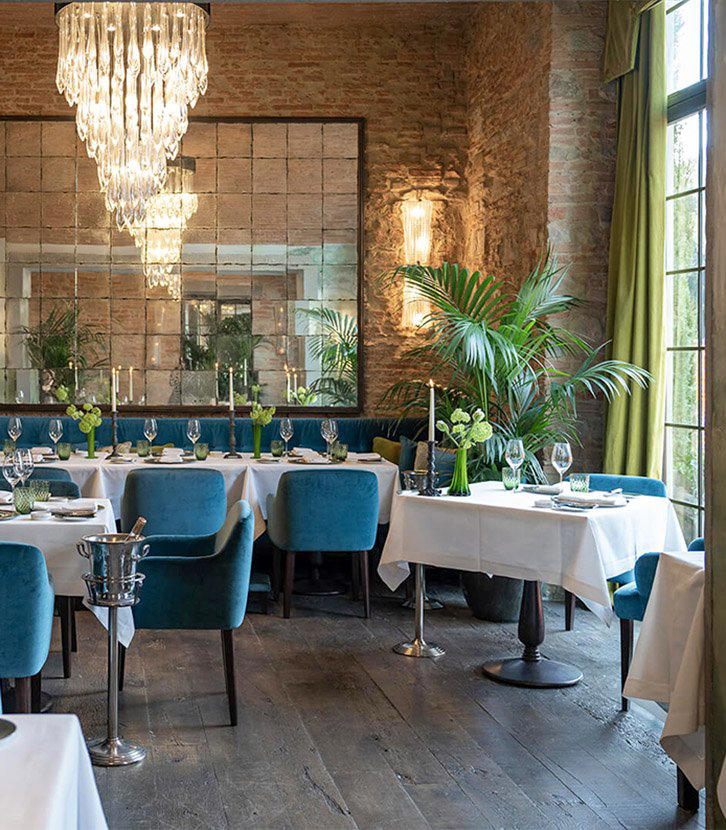
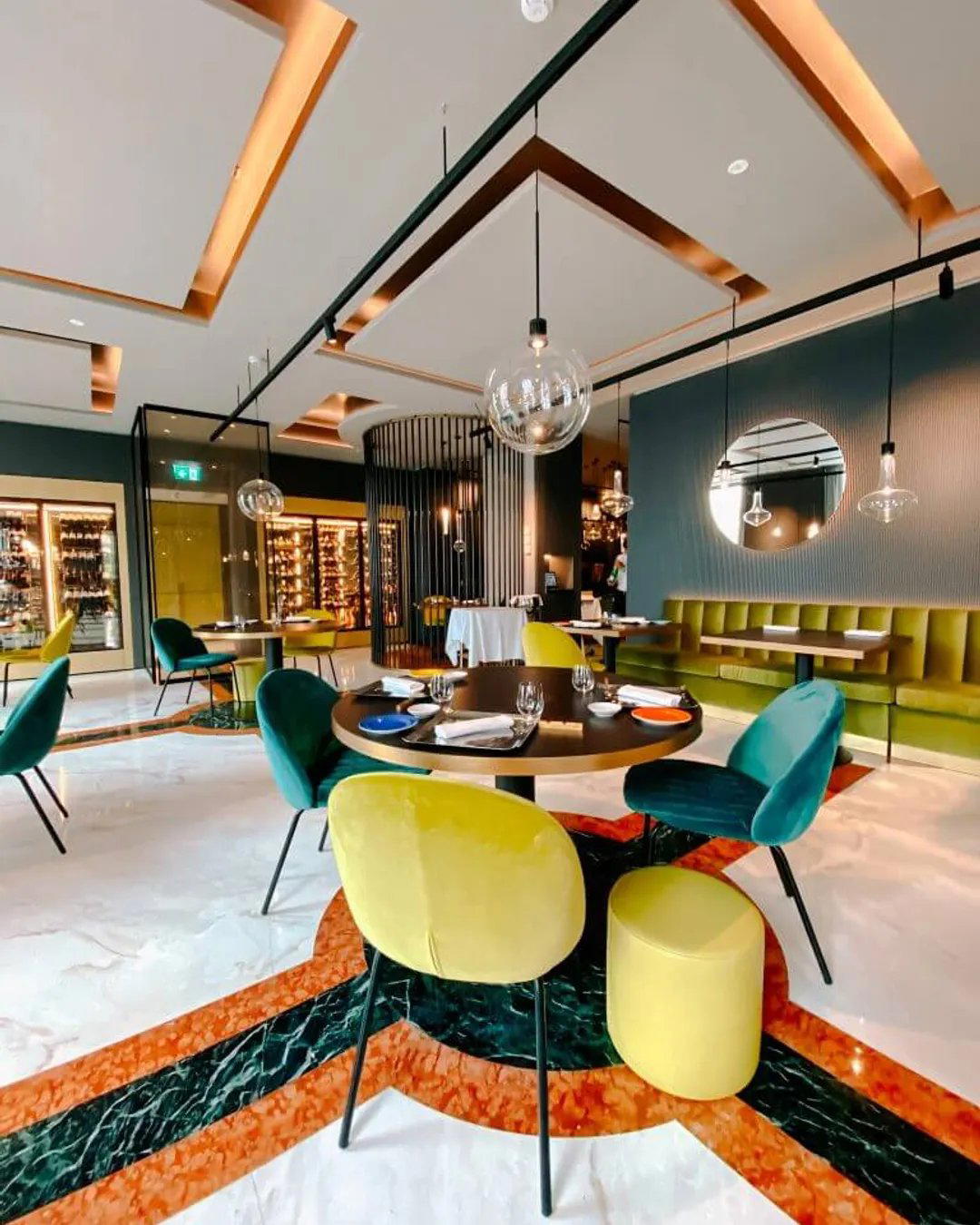
Bars in Lucca
Browse all →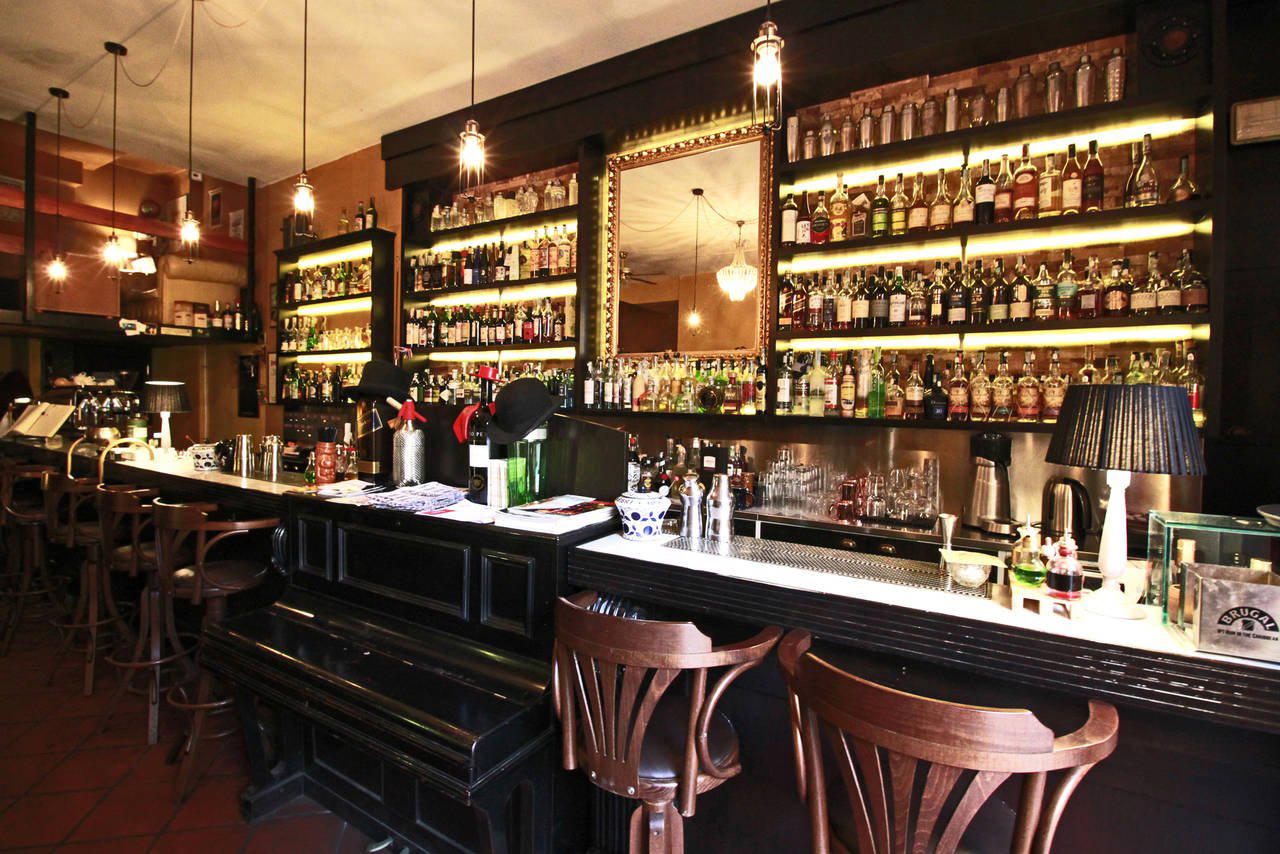
Hotels in Lucca
Browse all →

At a Glance
- Elegant
- Cozy
- Intimate
- Modern
- Sophisticated
- Date Night
- Special Occasion
- Late Night
- Wine Cellar
- Extensive Wine List
- Local Sourcing
Current opening hours
- Monday
- Closed
- Tuesday
- 6–11 PM
- Wednesday
- 6–11 PM
- Thursday
- 6–11 PM
- Friday
- 6–11 PM
- Saturday
- 6–11 PM
- Sunday
- Closed
Hours can change for holidays and private events. Last verified .
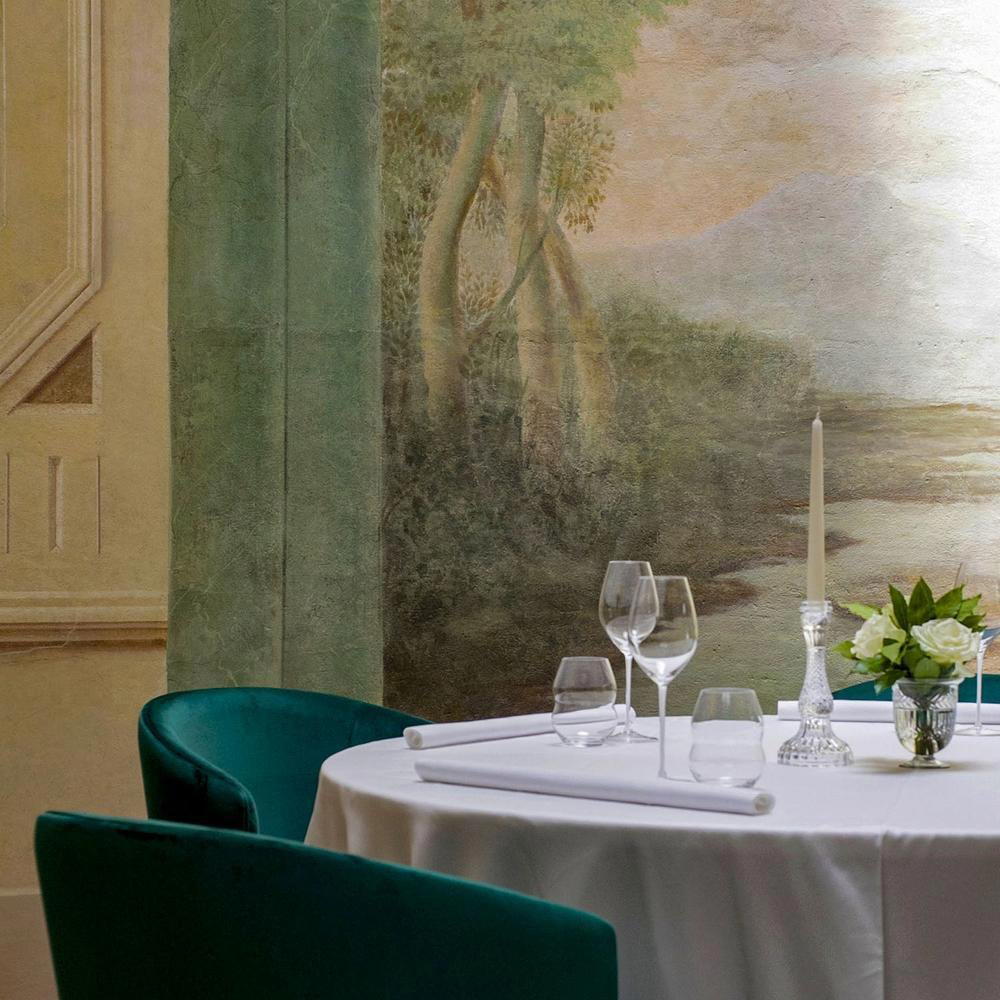
Elegant and modern atmosphere with international design, cozy and intimate lighting well-suited for wine tastings and special occasions.