Alle Logge di Piazza brings Tuscan cooking to the medieval hill town of Montalcino, where the Brunello wine tradition shapes both the table and the visitor's expectations.. it occupies a solid position in the town's small but focused restaurant scene, making it a reliable anchor for visits timed around the region's famous cellars.
Pearl is the En Primeur Club membership app — saves, bookings, and concierge access live there. Same editors, same standards.
- Address
- Via Giacomo Matteotti, 1, 53024 Montalcino SI, Italy
- Phone
- +39 0577 846186
- Website
- alleloggemontalcino.it
- Directions
- Get directions
 Saves & bookings on Pearl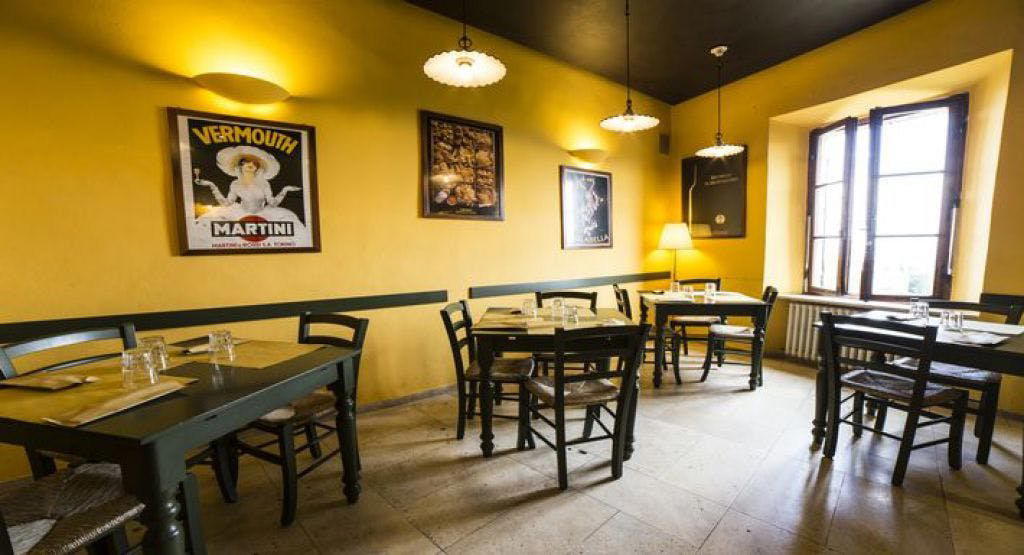
Eating in the Shadow of Brunello
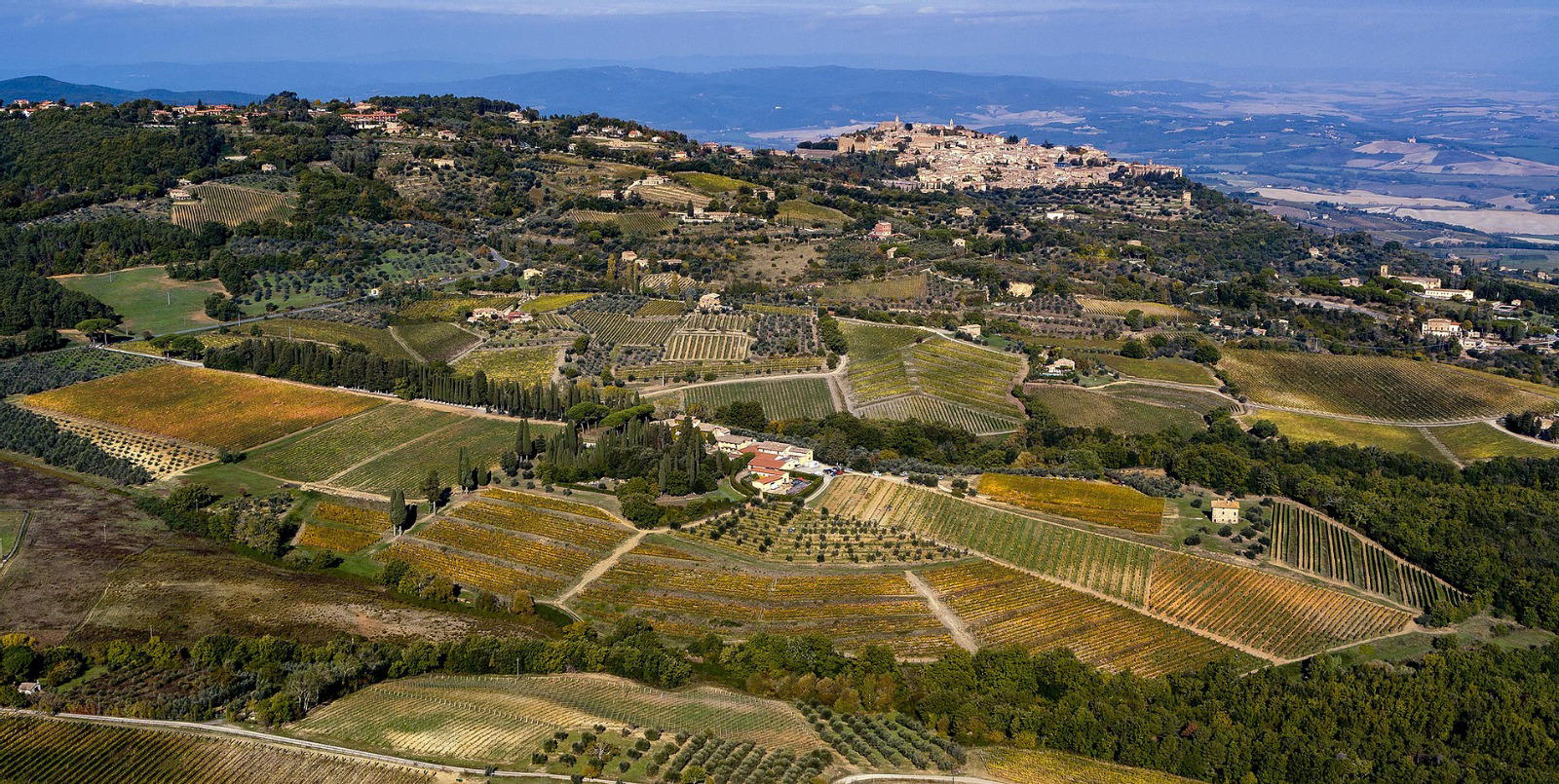
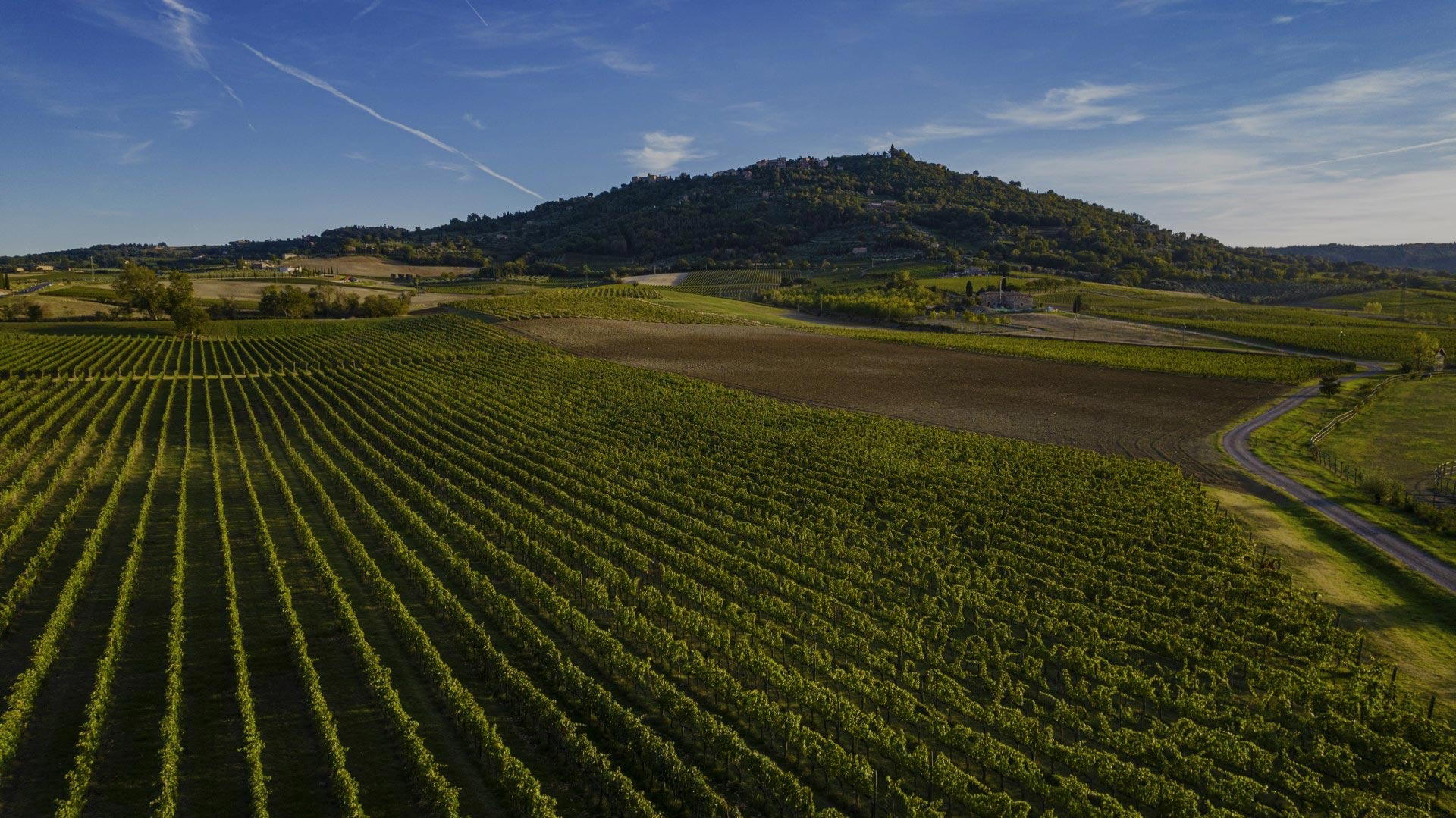
Montalcino is a town shaped by its wine. The hilltop settlement in the southern Sienese countryside earns its place on the Italian dining map almost entirely because of Brunello, one of Italy's most age-worthy reds, and the cellars that produce it draw visitors who arrive expecting the food to match. That expectation is not unreasonable: the Val d'Orcia and the broader Sienese province have built a culinary identity around slow-cooked meats, hand-rolled pasta, local pork, and the kind of ingredient sourcing that comes naturally when agriculture still defines the local economy.
What Tuscan Cooking Actually Means Here
Italian regional cuisine is often discussed as a monolithic category, but the distance between, say, the butter-and-cream logic of a Lombard kitchen and the olive oil, bean, and game foundations of Sienese cooking is substantial. Tuscany's inland province runs on a different set of ingredients than coastal or northern Italian tables. Pici, the thick hand-rolled pasta native to the region around Siena and Montalcino, is a useful marker: it appears on menus here as a matter of course rather than as a heritage gesture, served with wild boar ragù, breadcrumb-based sauces, or slow-cooked meat reduced long enough to coat each thick strand. Cinghiale (wild boar), pecorino at various stages of aging, and lardo from the Cinta Senese breed are the proteins and fat sources that define this corner of Tuscany more accurately than any tourist shorthand about pasta and olive oil.
Chef Michael Erickson leads the kitchen at Alle Logge di Piazza. The cooking here works within Tuscan frameworks rather than reinterpreting them, which is what a table in Montalcino should ask of its kitchen. For a sharper sense of how Sienese cooking ranges across formats, La Taverna di San Giuseppe in the city of Siena itself offers a useful comparison at the more traditional end, while Il Canto represents what happens when the Sienese kitchen is pushed toward the haute register.
Where Alle Logge di Piazza Sits in the Montalcino Tier
Montalcino does not have a large restaurant scene. The town's population is modest, and outside the wine-driven visitor season, its restaurants operate for a local and passing clientele rather than a dense resident base. This means the upper end of the local restaurant tier sits below what you would find in Siena proper, Florence, or the internationally ranked tables elsewhere in Italy. That comparison is not a criticism; it is a calibration. What a visitor to Montalcino is looking for, and what Alle Logge di Piazza is set up to deliver, is something different from what drives a destination dining pilgrimage to Piazza Duomo in Alba or Enoteca Pinchiorri in Florence. The standard here is regional honesty, consistency, and a wine list that reflects the town's primary output.
The 946-review base at 4.5 is a meaningful signal for a town this size. Montalcino is not a high-footfall urban destination; most visitors pass through over a day or a long weekend timed around cellar visits. A review volume at this level, sustained at that rating, indicates that the kitchen holds across the seasonal variation that defines small-town Tuscan restaurant traffic. Nearby, the winery estates produce Brunello that commands prices from mid-tier to investment-grade; the food tables that anchor these visits need to hold their own without pretending to be something they are not.
For a comparison within the specifically Tuscan register at a different scale, Campo Del Drago at Rosewood Castiglion del Bosco in Castiglion del Bosco shows how the same regional tradition operates inside a luxury estate format. Chic Nonna di Vito Mollica in Florence offers another angle on how Tuscan cooking is being reframed for an international urban audience. The restaurant sits between those poles: more grounded than an estate fine-dining room, more considered than a trattoria working purely from habit.
Planning the Visit
Montalcino's restaurant season tracks closely with the wine calendar. The estate open days around Benvenuto Brunello, typically held in February, and the autumn harvest period draw concentrated visitor traffic. Booking ahead during these windows is advisable; outside them, the town operates at a more measured pace. The address at Via Giacomo Matteotti 1 places the restaurant in the town center, within walking distance of Montalcino's medieval fortress and the main piazza. For visitors building a broader Sienese day or weekend, Torrefazione Fiorella in Siena handles the coffee side of the picture with comparable seriousness.
For those using a Montalcino table as one stop within a wider Italian dining trip, the structural contrast with what you will find at Atelier Moessmer Norbert Niederkofler in Brunico, Dal Pescatore in Runate, Enrico Bartolini in Milan, or Quattro Passi in Marina del Cantone clarifies why regional positioning matters. Italy's dining culture derives much of its credibility from exactly this kind of place-specific commitment. A table in Montalcino that executes its regional brief with consistency earns its standing on those terms, not by competing with starred destinations elsewhere in the country.
Comparison Snapshot
Comparable venues nearby, for context on price, style, and recognition.
| Venue | Cuisine | Price | Notes |
|---|---|---|---|
| Alle Logge di PiazzaThis venue — the venue you are viewing | Traditional Tuscan Trattoria | $$$ | Not listed |
| Ristorante Bar La Favorita | Traditional Tuscan Pizza and Italian | $$ | Centro Storico |
| Il Pomodorino | Neapolitan-Style Pizza with Sienese Influences | $$ | Historic Center |
| La Taverna di San Giuseppe | Traditional Tuscan Trattoria | $$$ | Historic Siena |
| La Prosciutteria Crudi e Bollicine Siena | Tuscan Crudi and Bollicine | $$ | Centro Storico |
| Torrefazione Fiorella | Historic Italian Coffee & Pastry Café | $ | Centro Storico |
Continue exploring
More in Siena
Restaurants in Siena
Browse all →
Bars in Siena
Browse all →

Hotels in Siena
Browse all →

At a Glance
- Romantic
- Cozy
- Classic
- Scenic
- Date Night
- Group Dining
- Family
- Special Occasion
- Open Kitchen
- Terrace
- Historic Building
- Wine Cellar
- Extensive Wine List
- Sommelier Led
- Local Sourcing
- Farm To Table
- Street Scene
Current opening hours
- Monday
- 12:30–9 PM
- Tuesday
- 12:30–9 PM
- Wednesday
- 12:30–9 PM
- Thursday
- 12:30–9 PM
- Friday
- 12:30–9:30 PM
- Saturday
- 12:30–9:30 PM
- Sunday
- 12:30–9:30 PM
Hours can change for holidays and private events. Last verified .
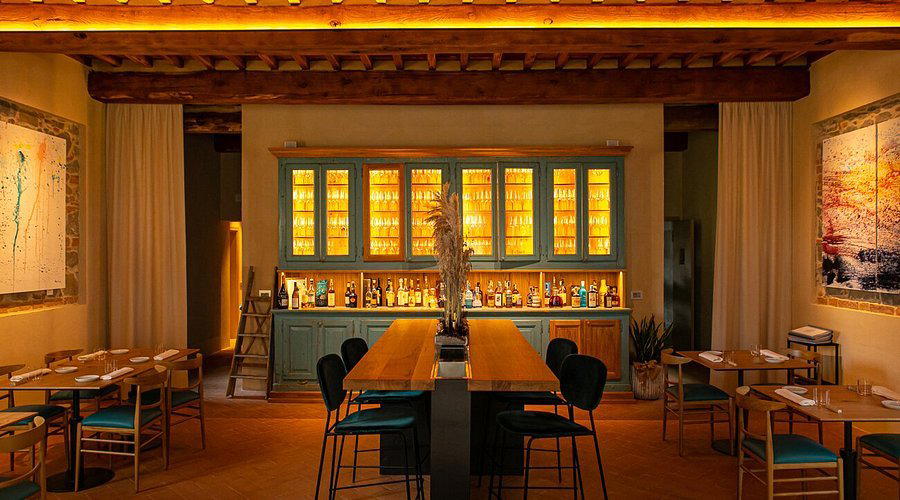
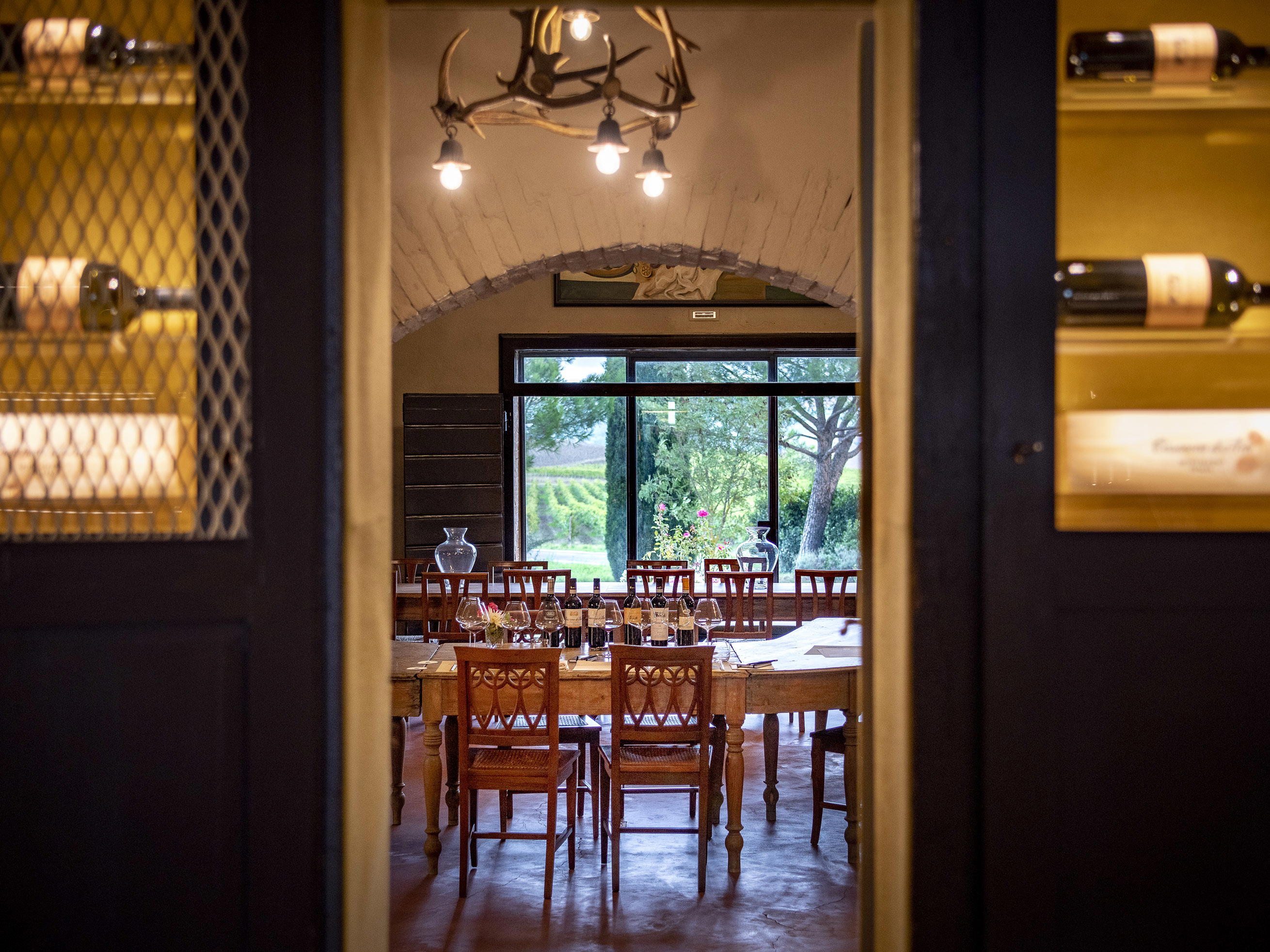
Warm and inviting with high ceilings, terracotta floors, exposed wood beams, and antique furnishings including tall glass-fronted cabinets filled with wine, books, and memorabilia; candlelit and romantic in the evening.