Our verdict
Wenzhou Food occupies a central address on Obrenoviceva in Niš, placing Chinese regional cooking inside a Serbian city better known for its grilled meats and kafana culture. The restaurant represents a broader pattern of Chinese immigrant-run kitchens bringing coastal Chinese cuisine to Balkan secondary cities, where the competition is thin and the ingredient calculus differs sharply from home.

Pearl is the En Primeur Club membership app, where members save venues, book tables and use the concierge.
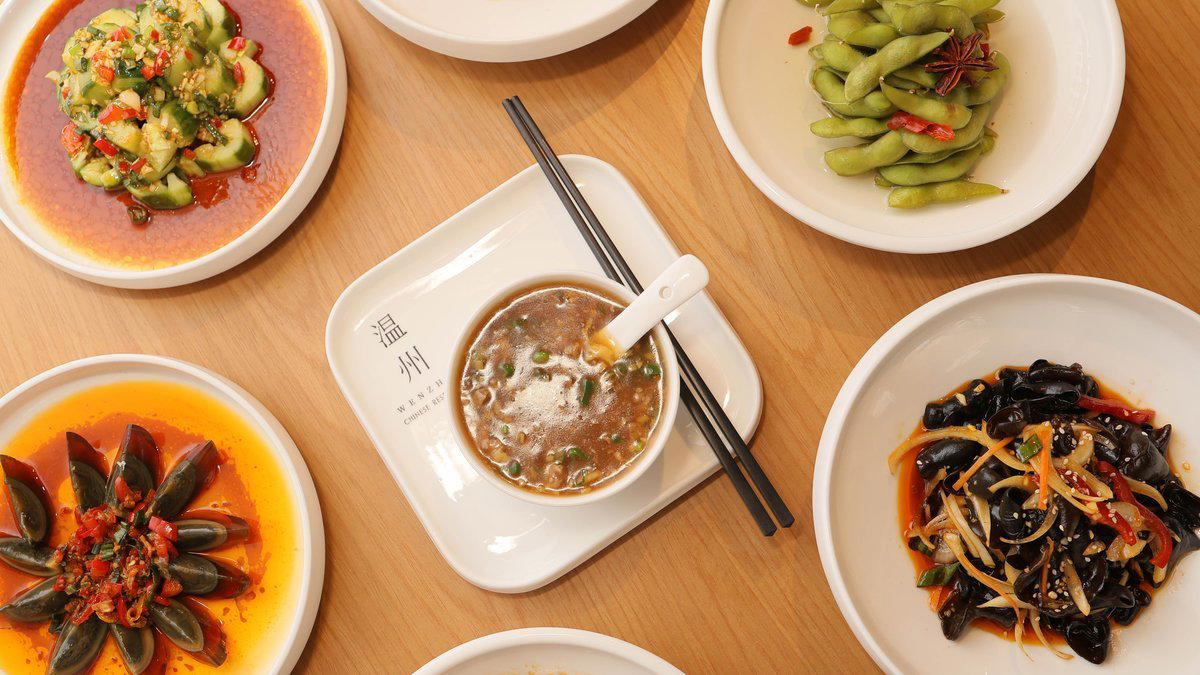
The menu
What to order
- Sizzling beef with onions and peppers
Chinese Regional Cooking in a Serbian City That Rarely Asks for It
Obrenoviceva is one of Niš's more trafficked pedestrian corridors, a street where Serbian grills, pastry shops, and kafanas trade on familiar ground. Against that backdrop, Wenzhou Food occupies a specific and deliberate niche: a Chinese restaurant drawing on the culinary traditions of Wenzhou, a coastal city in Zhejiang province whose food culture is distinct enough from Cantonese or Sichuan cooking that it barely registers in most European Chinese-food conversations. The fact that this restaurant exists at all says something about the demographic and commercial patterns reshaping secondary Balkan cities, where Chinese immigrant communities have quietly built out food infrastructure over the past two decades.
Wenzhou, as a city, has one of the most pronounced emigration patterns in China. Its diaspora networks run deep through southern and eastern Europe, and Wenzhou-origin operators have opened restaurants across cities from Prato to Budapest to Belgrade. Niš sits within that radius. Understanding Wenzhou Food in this context means understanding it less as an anomaly and more as a node in a well-travelled supply and staffing chain that stretches back to coastal Zhejiang.
What Wenzhou Cooking Actually Means on the Plate
Wenzhou cuisine sits within the broader Zhejiang culinary tradition, which prizes fresh seafood, light braising, and a restraint with chili heat that sets it apart from the Sichuan and Hunan registers most European diners associate with Chinese food. The ingredient priorities of Wenzhou cooking are seafood-forward: fish, shellfish, and freshwater catches treated with minimal intervention, often steamed or gently braised with ginger, scallion, and rice wine. Pork preparations tend toward slow-cooked methods rather than wok-fried speed. Rice and noodle dishes anchor the menu, with rice cakes (a Zhejiang staple) appearing in forms that have no real equivalent in other Chinese regional traditions.
The sourcing challenge in a city like Niš is considerable. Fresh seafood supply chains into landlocked southern Serbia are not built for the volume or variety that coastal Chinese cooking depends on. What Chinese-run restaurants in Balkan secondary cities typically do is adapt: substituting locally available freshwater fish where sea fish isn't practical, leaning into pork and poultry dishes that don't require cold-chain imports, and using dried and preserved ingredients that travel well. This adaptation is not a compromise so much as a practical translation, similar in logic to the way Italian immigrant kitchens in mid-20th-century America rebuilt dishes around what American wholesale markets could actually supply. The result is a version of the source cuisine shaped by geography and logistics, which is how most immigrant-driven food traditions actually work.
For diners approaching Wenzhou Food from a Serbian dining baseline, the flavour register will read as mild rather than fiery, savoury rather than sour-sweet, and more focused on texture than on sauce intensity. That distinction matters when calibrating expectations. This is not the style of Chinese cooking most Serbian diners encountered first.
Niš as a Context for This Kind of Restaurant
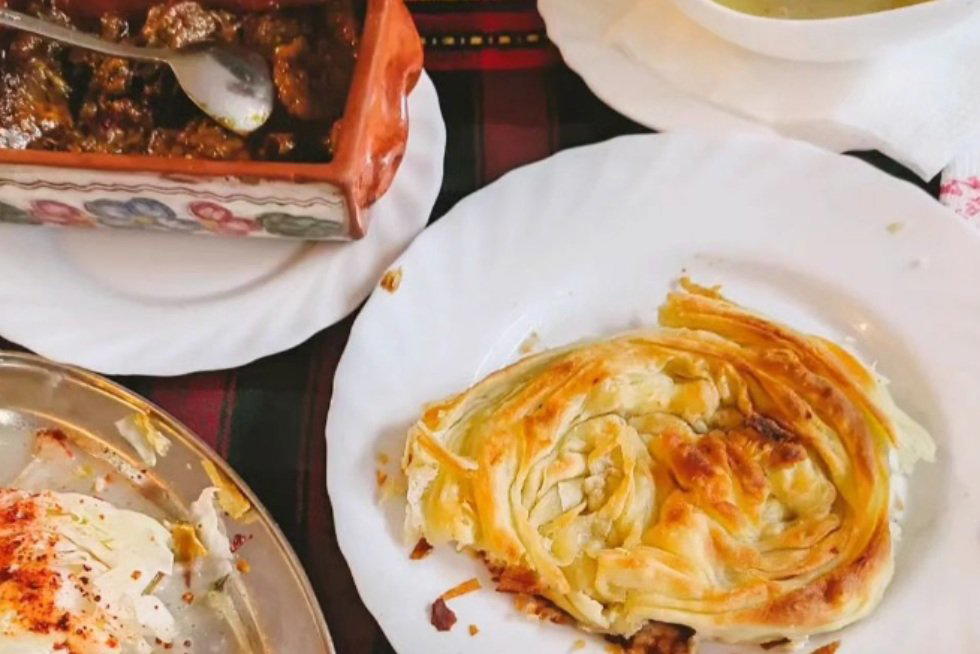
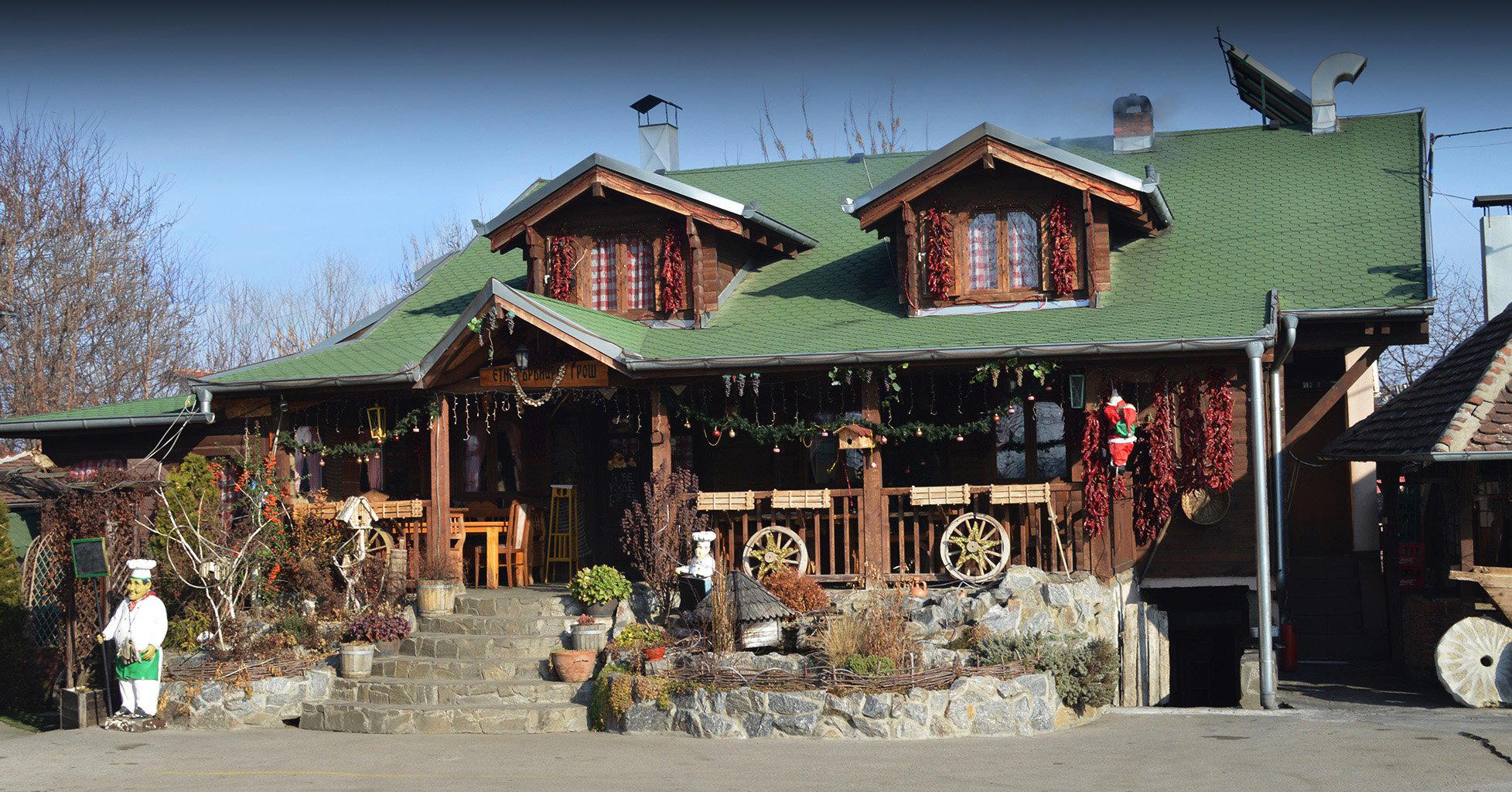
Niš's restaurant scene runs heavily toward Serbian traditional food: ETNO PODRUM BRKA represents the ethno-style kafana end of that tradition, and fast-casual operators like gyros 4 you handle the street-food middle. There is limited infrastructure in the city for ingredient-intensive cuisines that require specialist import supply, which means Chinese restaurants here operate in a different constraint environment than their counterparts in Belgrade, where a larger Chinese community and higher tourist throughput support more elaborate sourcing. For the broader Serbian restaurant picture, our full Niš restaurants guide maps the range more completely.
Elsewhere in Serbia, the contrast is instructive. Langouste in Belgrade operates at a price point and supply-chain depth that Niš's market doesn't yet sustain. Regional Serbian restaurants in smaller cities, whether Kod Brana in Cacak, Lovački dom in Valjevo, or Kafana Studenac in Bajina Basta, anchor their menus entirely in local agricultural supply. Wenzhou Food is doing the opposite: building outward from a distant culinary tradition and negotiating with local supply rather than being defined by it. That is a structurally harder position to sustain, and it shapes both the menu and the pricing realities.
The ethno-restaurant circuit across Serbia, including Etno Kuća Dinar in Vrsac, KAFANA DUKAT in Pirot, and Kafana Pećinar Ljubiš in Cajetina, operates with deep local sourcing as a point of identity. Chinese restaurants in Serbian secondary cities occupy the structural opposite: they signal difference rather than rootedness, and their appeal is partly built on offering something the surrounding food culture cannot.
Where This Fits in the Broader Picture
Internationally, the kind of cooking Wenzhou Food represents sits far below the radar of award circuits. At the premium end of Chinese dining, restaurants like Le Bernardin in New York City or high-end Korean tasting counters such as Atomix in New York City demonstrate how Asian culinary traditions can be repositioned at the highest price tiers with serious critical attention. Wenzhou Food is not competing in that space. It is a neighbourhood-scale, community-run operation in a mid-sized Serbian city, and the relevant comparison is not to Michelin-starred Asian dining but to the broader pattern of diasporic Chinese cooking across Europe's secondary cities: practical, adapted, consistent, and often considerably more interesting than its modest surroundings suggest.
Similar logic applies when looking at other non-Serbian options across the region. Windmill in Pancevo, Aleksandar Gold in Uzice, Grand in Kopaonik, ČARDA ZLATNA KRUNA in Apatin, and Kafe Restoran Maša in Novi Sad each represent different corners of Serbian dining, but none occupies the specific import-dependent, diaspora-run position that Chinese restaurants in secondary Serbian cities do. Kod poštara in Aran Elovac speaks to how deeply local sourcing defines the Serbian provincial restaurant default, which makes Wenzhou Food's different orientation easier to see by contrast.
Planning a Visit
Wenzhou Food is located at Obrenoviceva 2 in central Niš, walkable from the city's main pedestrian zone and accessible without a car. No dress code applies at this category of restaurant.
Frequently asked questions
Is Wenzhou Food child-friendly?
The setting on Obrenoviceva 2 in central Niš and the informal register of a community-facing Chinese restaurant at this level make it a practical choice for families. There are no formal dress requirements or tasting-menu formats that would complicate a visit with children. The broader Chinese restaurant category at this city tier in Serbia tends toward relaxed, accommodating service.
What's the overall feel of Wenzhou Food?
Wenzhou Food operates as a practical, neighbourhood-oriented Chinese restaurant in a city where the dominant dining culture runs toward kafanas and Serbian grills. Without a listed price tier or award recognition, it reads as accessible rather than destination dining. Its regional Wenzhou identity does give it a degree of specificity that separates it from the generic Chinese restaurants common across provincial European cities.
How does Wenzhou Food differ from other Chinese restaurants in Niš?
Wenzhou-origin restaurants draw on Zhejiang coastal culinary traditions, light braising, fresh seafood, and low chili heat, rather than the Sichuan or generic pan-Chinese menus that account for most Chinese restaurants in provincial European cities. In a city like Niš, where the restaurant scene is largely anchored in Serbian traditional cooking, that regional specificity is a meaningful distinction. It is not a credential awarded by any circuit, but a question of culinary provenance.
What should I eat at Wenzhou Food?
Wenzhou cuisine draws from Zhejiang's coastal tradition, where seafood and noodle dishes are the reference points rather than the chili heat of Sichuan or the roasted preparations of Cantonese cooking. At a Wenzhou-origin restaurant, the noodle and seafood sections of the menu reflect the kitchen's actual culinary lineage more reliably than dishes imported from other Chinese regional templates. Order accordingly.
How do I find Wenzhou Food?
Wenzhou Food is located at Obrenoviceva 2, 18000 Niš, Nis.
Comparable Venues
Comparable venues nearby, for context on price, style, and recognition.
| Venue | Cuisine | Price | Notes |
|---|---|---|---|
| Wenzhou FoodThis venue (the venue you are viewing) | Authentic Chinese | $10–20 | Not listed |
| ETNO PODRUM BRKA | Traditional Serbian | Not listed | Jelašnica |
| gyros 4 you | Greek Gyros | Not listed | Nis |
| Yxlanzh | Authentic Chinese Noodles | Not listed | Not listed |
| Vrelo | Traditional Serbian | Not listed | Perucac |
| Cafe Boem | Serbian Traditional Tavern | $10–20 | Lava Tolstoja |
Continue exploring
More in Nis
Restaurants in Nis
All restaurants in Nis →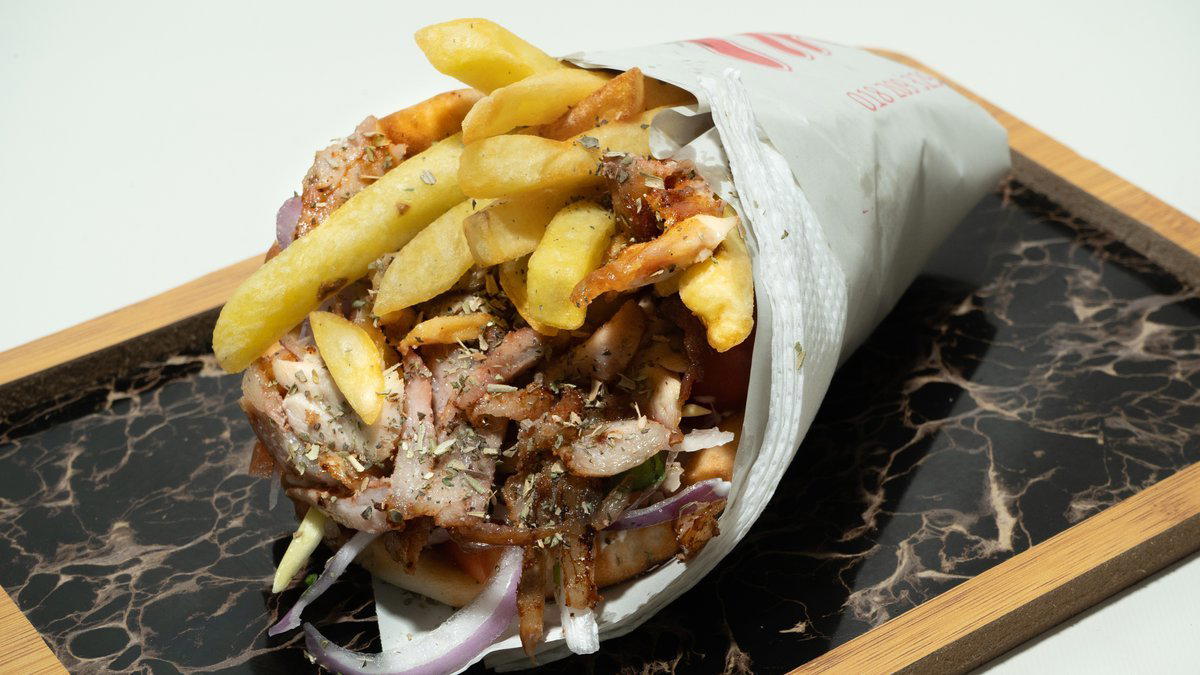

Hotels in Nis
Browse all →
Details
- Special Occasion
- A La Carte
Current opening hours
- Monday
- 11 AM–11 PM
- Tuesday
- 11 AM–11 PM
- Wednesday
- 11 AM–11 PM
- Thursday
- 11 AM–11 PM
- Friday
- 11 AM–11 PM
- Saturday
- 11 AM–11 PM
- Sunday
- 2–11 PM
Hours can change for holidays and private events. Hours as of .
No smoke, attentive service, and a welcoming atmosphere suitable for a special dinner.