Google: 4.7 · 1,137 reviews
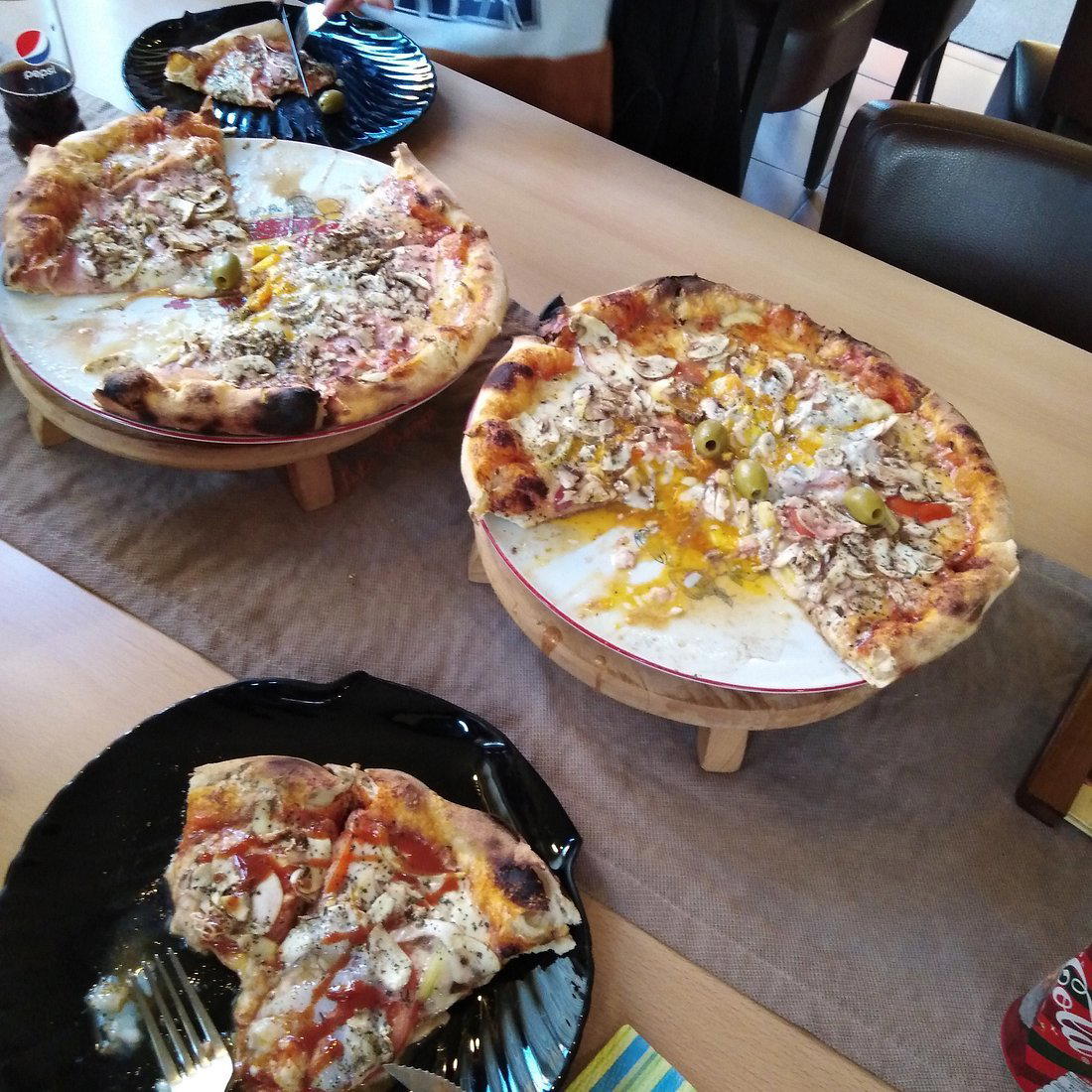
Isolated spot with wood-fired pizzas and garden
Pearl is the En Primeur Club membership app — saves, bookings, and concierge access live there. Same editors, same standards.

Pizza in a Serbian Spa Town: What Sokobanja's Casual Dining Scene Tells You
Sokobanja sits in a river valley in eastern Serbia, drawing visitors for its thermal waters and the particular rhythms of a balneological resort that has operated in some form for over a century. The town's dining scene reflects that visitor profile: a mix of hotel restaurants serving spa guests, traditional Serbian kitchens, and a smaller number of casual spots filling the gap between formal dining and street food. LAV PICERIJA, on Hajduk Veljkova 15, occupies the latter category. Its address puts it on one of the town's more active pedestrian corridors, where foot traffic from spa-goers and weekend visitors from Niš and Zaječar keeps casual eateries operating at consistent volume across the warmer months.
The pizzeria format in Serbian provincial towns has its own logic, distinct from the Italian original and from the Neapolitan-revival trend visible in Belgrade. In smaller spa towns like Sokobanja, pizza functions as shared, sociable food — something families and groups order alongside domestic dishes rather than as a destination meal in its own right. The format suits the town's visitor mix, which skews toward multi-day stays rather than single-night stopovers. For the full picture of where LAV PICERIJA sits relative to Sokobanja's wider dining options, the full Sokobanja restaurants guide maps the town's range from grilled-meat specialists to more formal seated dining.
Sourcing in a Small-Town Context
The ingredient question is worth raising for any pizzeria operating in a smaller Serbian market, because the sourcing conditions differ substantially from what you find in Belgrade or Novi Sad. Serbia's agricultural base is capable of producing good raw materials: the country has a long tradition of dairy production in its central and eastern regions, and the vegetable supply chains that feed smaller-town kitchens often run through local markets rather than the large wholesale distributors that dominate urban supply. What this means practically is that a pizzeria in Sokobanja is more likely to be using dairy and produce from regional suppliers than its Belgrade counterparts, not as a marketing position but as a logistical default.
Whether LAV PICERIJA leans into that sourcing advantage in any deliberate way is not something the available record confirms. But the structural reality of small-town supply chains in Serbia means that the gap between local ingredient access and menu execution is often smaller here than the absence of formal provenance claims might suggest. Compare this with spots like Etno Kuća Dinar in Vrsac or ETNO PODRUM BRKA in Nis, where the etno-kitchen tradition explicitly foregrounds regional sourcing as part of the proposition. The pizzeria format makes no such claim, but operates within the same regional supply environment.
Sokobanja's Dining Tier and Where This Fits
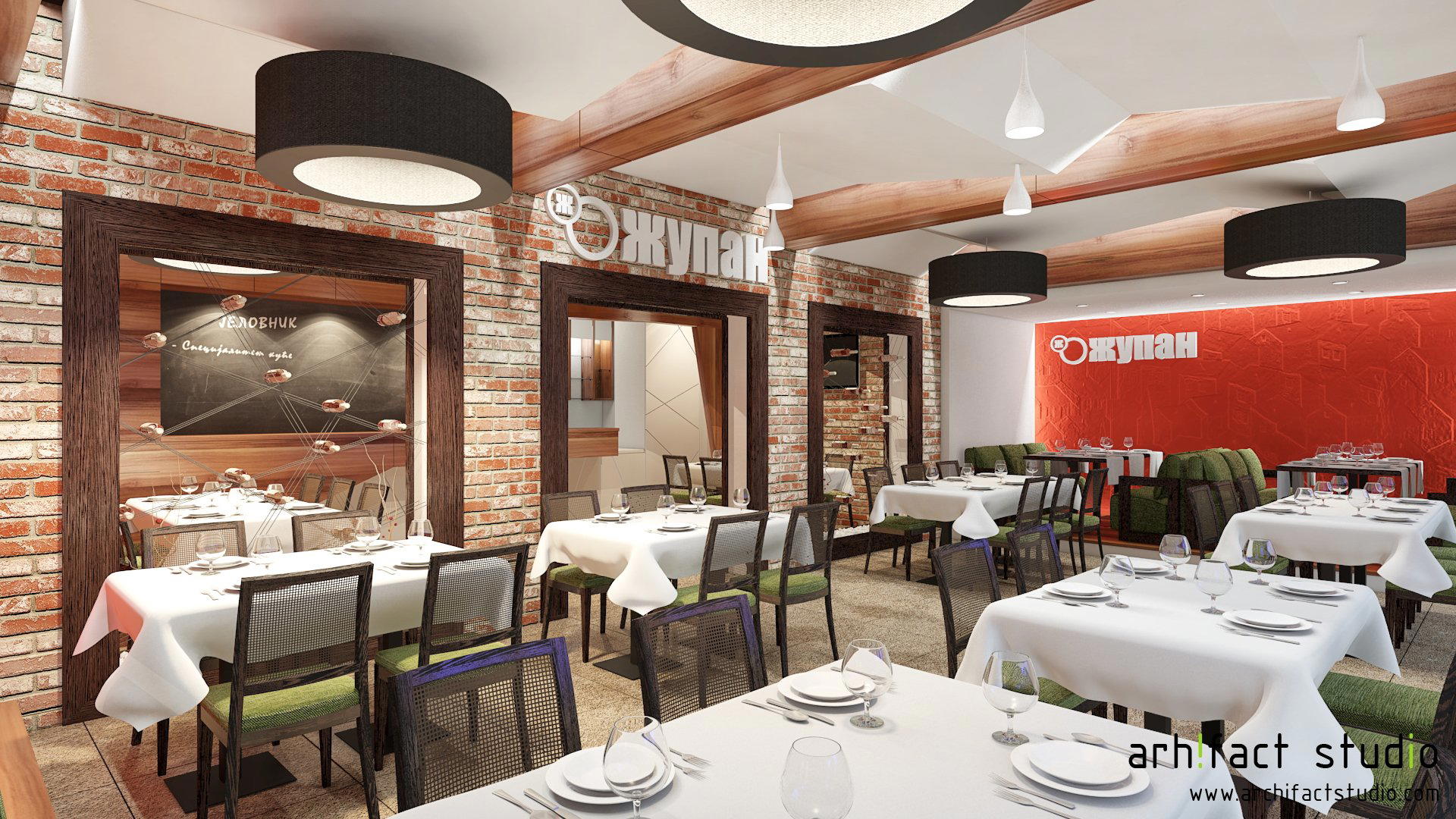
Sokobanja's restaurant scene is not large. The options that receive consistent attention split between more formal presentations — PEĆINA MARKO POLO and ŽUPAN represent the upper end of what the town offers in seated dining , and a broader base of cafes, grills, and casual spots where price points and expectations run lower. LAV PICERIJA sits in that casual base. This is not a criticism. The casual tier performs an important function in a spa town, providing reliable, affordable options for guests who have already spent their discretionary budget on accommodation and treatments and want a no-friction meal rather than a considered dining experience.
For context on what the higher end of Serbian provincial dining looks like, Aleksandar Gold in Uzice and Gočko in Vrnjacka Banja offer points of comparison in similar spa-adjacent markets. At the formal ceiling of Serbian dining generally, Langouste in Belgrade and CUBO in Novi Sad operate in a different register entirely. LAV PICERIJA is not competing in that space, nor is it trying to. Its logic is local and functional.
The Pizzeria Tradition in Eastern Serbia
Pizza arrived in Serbian towns through the same routes it took across the former Yugoslav region: partly through Italian cultural influence from the Adriatic coast, partly through the generational familiarity built by Gastarbeiter communities returning from Germany and Switzerland where pizza had become a standard casual food by the 1970s and 1980s. By the 1990s, the pizzeria format was embedded across Serbian provincial towns, and its staying power reflects how well it fits the group-dining culture of Balkan hospitality, where a table of eight needs something fast, shareable, and adaptable to mixed preferences.
In that historical context, a pizzeria on a busy pedestrian street in a Serbian spa town is not a novelty but a fixture. The interesting question is less why it exists and more what it does with the format: whether the dough reflects any local adaptation, whether toppings draw on domestic ingredients in ways that distinguish the product from generic versions. That level of detail is not available from the current record, but the structural question is worth raising for any reader thinking about what distinguishes one provincial pizzeria from another across Serbia. For more complex culinary propositions in the region, ETNO KOMPLEKS NIŠAVSKA DOLINA in Pirot and Etno Restoran Fijaker in Sombor demonstrate what the etno-kitchen format does with regional identity as an explicit organising principle.
Planning a Visit
LAV PICERIJA is at Hajduk Veljkova 15 in central Sokobanja, within walking distance of the town's main thermal facilities and hotel cluster. No phone or website is currently listed in the public record, which is consistent with the informal operating model of many smaller provincial spots in Serbia , booking is unlikely to be required, and walk-in access should be the default assumption. Sokobanja is approximately 230 kilometres from Belgrade by road and is most practically reached by car or bus from Niš, which sits around 80 kilometres to the southwest and has direct bus connections to the town. The spa season runs primarily from spring through early autumn, and the town's restaurants, including casual spots in this category, operate at higher volume during that window. Visitors arriving outside peak season should account for the possibility of reduced hours or temporary closures, a pattern common across Serbia's smaller resort destinations.
For reference points at different price tiers and formats across Serbia, Gallery caffe and restaurant in Cacak, Borkovac in Ruma, Fish and Zeleniš in Novi Sad, GARDEN in Kopaonik, and ČARDA ZLATNA KRUNA in Apatin cover a range of contexts from mountain resort dining to riverside fish specialists. At the international reference point, Le Bernardin in New York City and Atomix in New York City represent the formal benchmark against which the casual Serbian provincial category sits at the opposite end of the spectrum , a useful reminder that the pizzeria format and the three-Michelin-star tasting counter are solving entirely different problems for entirely different audiences.
Peer Set Snapshot
These are the closest comparables we have in our database for quick context.
| Venue | Cuisine | Price | Awards | Notes |
|---|---|---|---|---|
| LAV PICERIJA | This venue | |||
| Langouste | Modern Cuisine | €€€€ | Michelin 1 Star | Modern Cuisine, €€€€ |
| The Square | Contemporary French, Modern Cuisine | €€ | World's 50 Best | Contemporary French, Modern Cuisine, €€ |
| Iva New Balkan Cuisine | Modern Cuisine | € | Modern Cuisine, € | |
| Istok | Vietnamese | € | Vietnamese, € | |
| Salon 1905 | Modern Cuisine | €€€ | Modern Cuisine, €€€ |
Continue exploring
More in Sokobanja
Restaurants in Sokobanja
Browse all →Hotels in Sokobanja
Browse all →At a Glance
- Cozy
- Family
- Casual Hangout
- Terrace
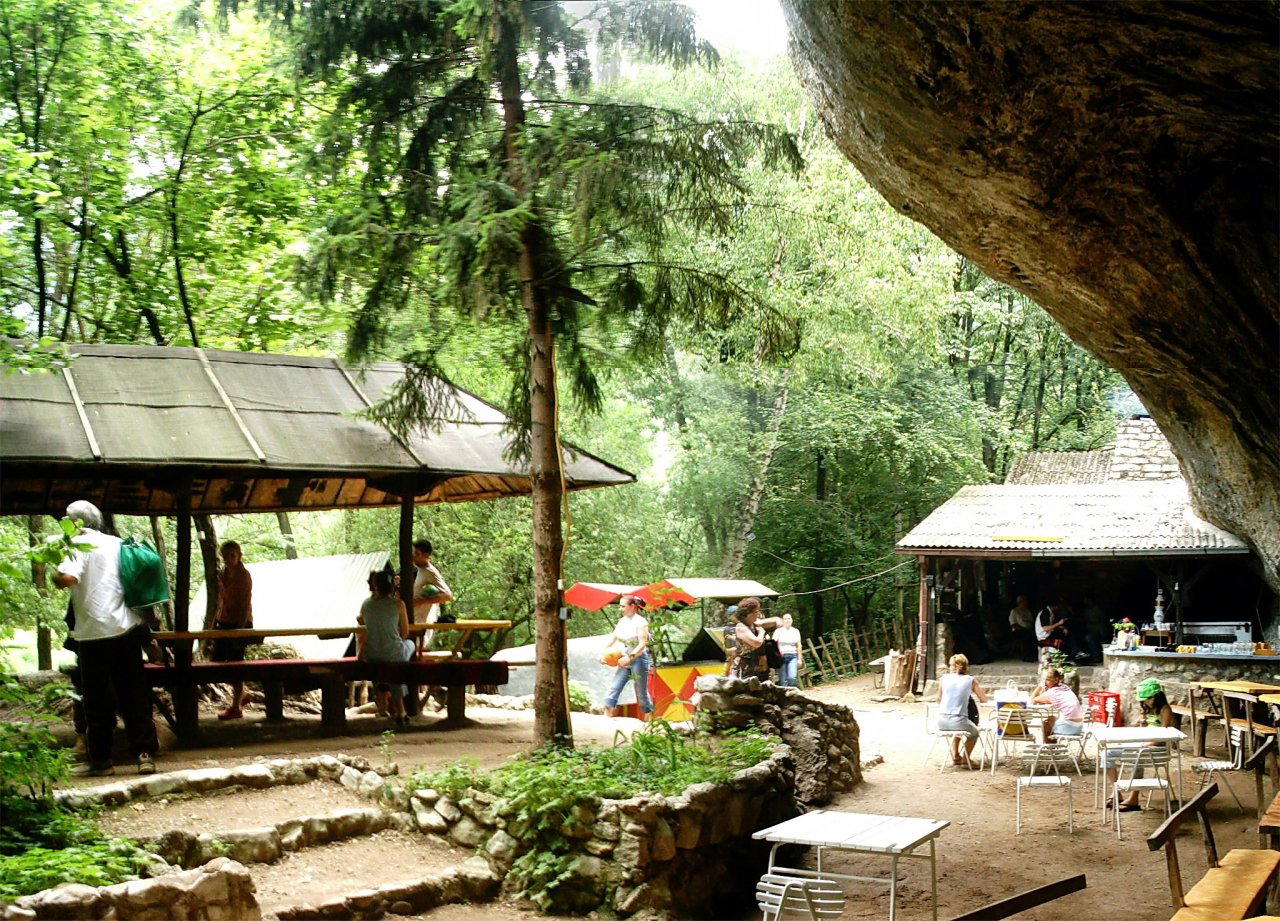
Cozy and pleasant interior with a beautiful terrace.