Our verdict
Parfarteria miL operates within Sapporo's compact tier of destination restaurants, where the collaboration between kitchen, floor, and cellar defines the experience as much as any single dish. The venue sits in a city whose dining scene has grown in international recognition, drawing comparisons to refined European formats that prioritize team-driven service alongside ingredient-led cooking.

Pearl is the En Primeur Club membership app — saves, bookings, and concierge access live there. Same editors, same standards.
- Address
- Sapporo, Japan
- Directions
- Get directions
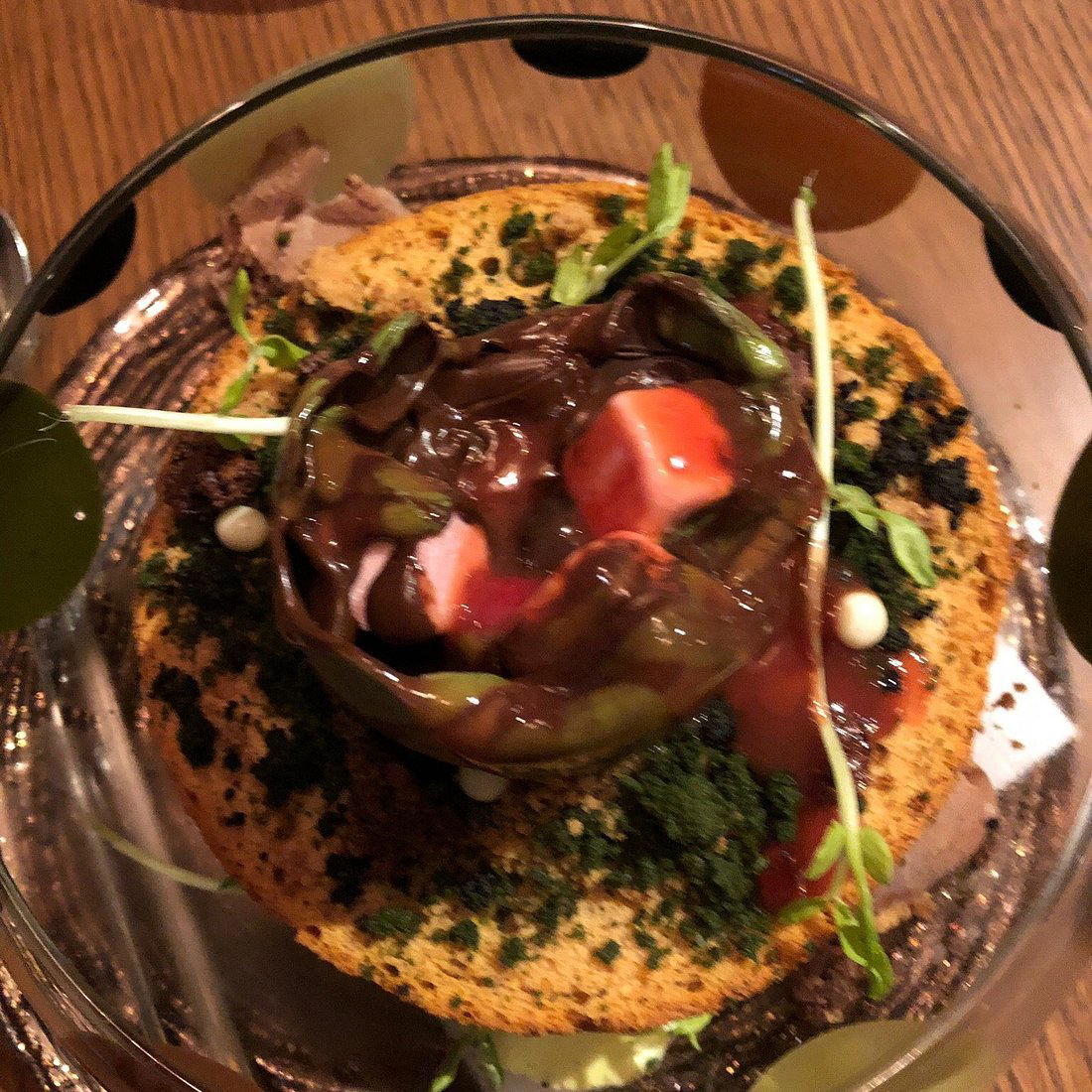
Where Sapporo's Team-Driven Dining Sits in Japan's Broader Picture
Japan's restaurant culture has long privileged the singular artisan: the sushi master at the counter, the kaiseki chef whose hands alone define a season's menu. But a quieter shift has been underway in several of the country's mid-sized cities, where dining rooms are being shaped less by one dominant figure and more by a disciplined collaboration between kitchen, front-of-house, and the person steering the drinks program. Sapporo has emerged as one of the more interesting places to track this shift, partly because Hokkaido's ingredient abundance gives any team with genuine ambition a remarkable platform to work from, and partly because the city's dining scene has developed largely outside the spotlight that falls on Tokyo, Osaka, and Kyoto. Parfarteria miL belongs to that moment — a venue whose identity appears to be built around the combined effort of its team rather than a single named protagonist.
The Hokkaido Ingredient Argument
Any serious conversation about Sapporo's dining scene has to begin with what the surrounding island produces. Hokkaido accounts for a disproportionate share of Japan's dairy output, its crab and sea urchin command premium prices at Tsukiji and across Asia, and its agricultural interior yields vegetables and grains that arrive in urban kitchens with a freshness difficult to replicate further south. The city's proximity to that supply chain is not incidental to what its better restaurants serve — it is the foundation. Venues like Higebozu and Arima (Sushi) have demonstrated that working with Hokkaido producers at a granular level produces results that hold up against what comparable venues achieve in Japan's larger dining cities. In this context, Parfarteria miL operates with access to one of the strongest regional larders in the country.
Collaboration as the Organizing Principle
The team-dynamic model, in which the sommelier's pairing logic shapes how dishes are sequenced and the front-of-house mediates the pacing of an evening, has taken firmer hold in Europe than in Japan, where kitchen hierarchy still tends to run in a single direction. What makes venues like Parfarteria miL worth watching is that they appear to be testing whether that collaborative structure translates to a Japanese dining context, and Sapporo, without the institutional weight of Kyoto's kaiseki traditions or Tokyo's omakase orthodoxies, may be more permissive ground for the experiment. At Hanakoji Sawada (Kaiseki), the kaiseki format provides its own structural discipline. What emerges from venues working outside that framework is a different kind of rigor, one that depends on the three arms of the room, kitchen, service, and cellar, operating with genuine coordination rather than a chain of command.
Comparable examples elsewhere in Japan give a sense of what that model can produce. HAJIME in Osaka has built a reputation over many years on the premise that the full dining experience, including how wine is integrated into the progression of a meal, is a compositional act requiring more than one authorial voice. Gion Sasaki in Kyoto operates within a traditional format but with an attentiveness to the room that speaks to a similar premise. In Sapporo, the scale is smaller and the international profile lower, but the logic is comparable.
Where Parfarteria miL Sits in Sapporo's Competitive Set
Sapporo's upper-tier dining has a relatively small footprint. The city has fewer destination restaurants per capita than Osaka or Fukuoka, which means the venues that do operate at a serious level are working within a compact peer group. Hidetaka and aki nagao represent different points on the spectrum, the former rooted in a particular technical tradition, the latter with its own formal orientation, and Parfarteria miL occupies a position in that landscape that is defined as much by format and collaborative intent as by cuisine type alone. For visitors coming to Sapporo specifically to eat, the city rewards the kind of itinerary that includes both its established names and the venues that are still defining their register. Our full Sapporo restaurants guide maps that picture in more detail.
Beyond Hokkaido, the team-first dining model has found expression in venues across Japan's secondary cities. Goh in Fukuoka has become one of the more discussed examples of how a regionally rooted dining room can develop a national and international reputation. akordu in Nara applies a European collaborative framework to Japanese ingredients with results that have drawn considerable critical attention. These venues provide a reference point for what Parfarteria miL is working within, even if its own data profile remains limited in the public record.
The Drinks Dimension
In rooms that operate on a team-dynamic model, the sommelier's role tends to shift from reactive to compositional. Rather than matching drinks to dishes after the fact, the pairing logic is built into how the meal is sequenced. Japanese natural wine interest, which has expanded considerably over the past decade, has given sommeliers in cities like Sapporo a broader vocabulary to work with, domestic producers from Hokkaido and elsewhere, combined with European imports and sake selections, create pairing possibilities that a generation ago would have been far more constrained. The degree to which Parfarteria miL's drinks program reflects that expanded vocabulary is not fully documented in the available record, but venues in its category in comparable cities have found that a considered cellar is as central to the dining proposition as the kitchen's output. For a useful point of comparison outside Japan, Atomix in New York City has demonstrated how deeply a drinks program can be integrated into the architecture of a tasting menu experience.
Approaching a Reservation
Sapporo's destination dining rooms tend to run on reservation-led formats, and venues in the collaborative, multi-course tier typically require advance booking rather than walk-in availability. For visitors traveling specifically for dining, aligning a visit with Hokkaido's seasonal peaks, crab season in winter, the summer vegetable and dairy produce window, adds a further dimension to what the city's better kitchens can offer. Those planning a broader Japan dining itinerary might also consider venues such as Harutaka in Tokyo or Le Bernardin in New York City as reference points for how team-coordinated, ingredient-focused dining operates at different scales and in different culinary traditions.
Frequently asked questions
How would you describe the vibe at Parfarteria miL?
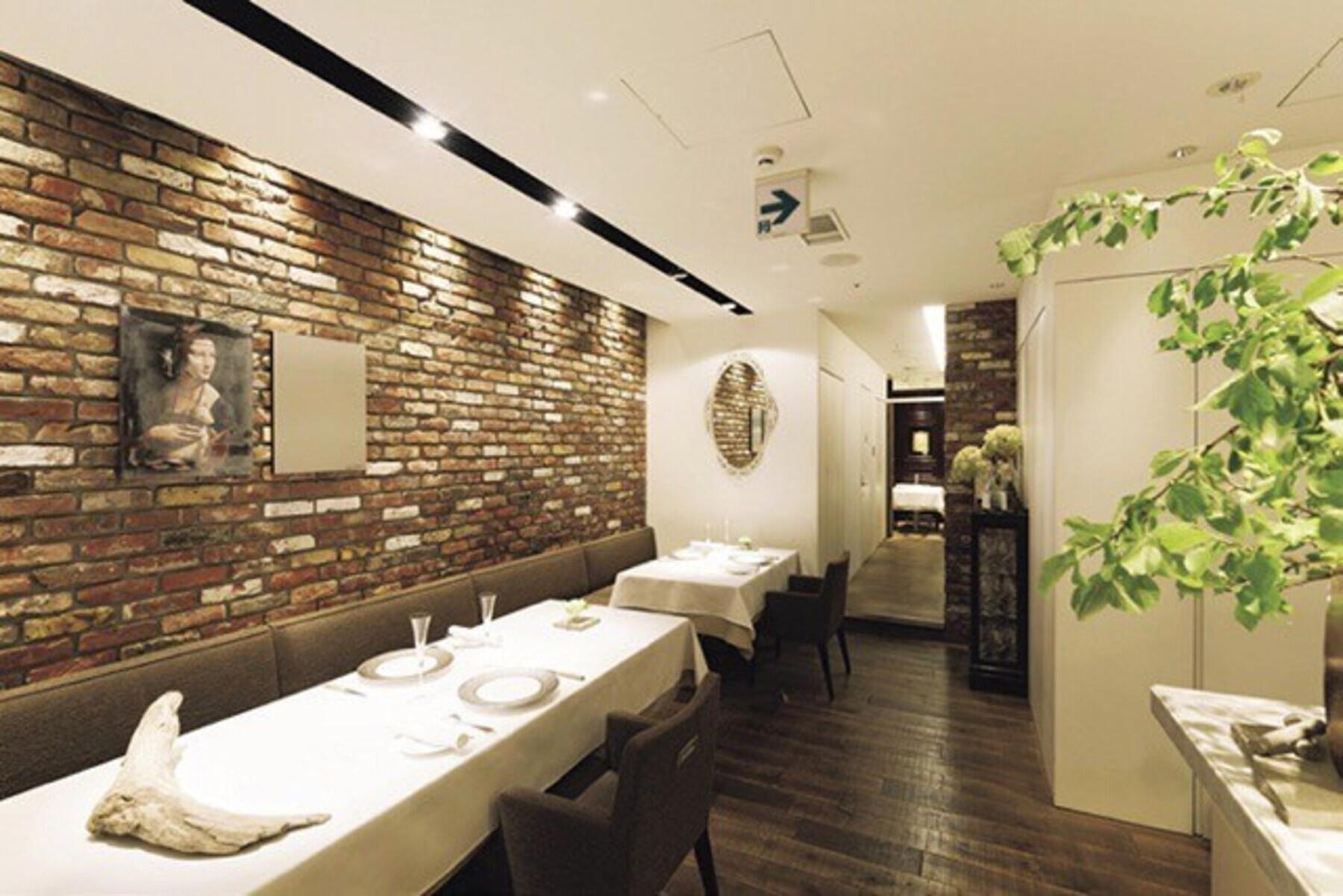
Parfarteria miL operates within Sapporo's collaborative, team-driven dining tier, which tends to produce rooms where sequencing and pacing are deliberate rather than casual. The front-of-house and kitchen work in concert, so the atmosphere runs closer to a curated performance than a neighbourhood dinner. It is the kind of room where silence between courses is part of the rhythm.
How does Parfarteria miL fit into Sapporo's fine dining scene compared to other Hokkaido restaurants?
Sapporo's upper-tier dining pool is smaller per capita than Osaka or Fukuoka, which means venues like Parfarteria miL carry more weight in defining what the city's serious restaurant culture looks like. Its team-dynamic model — where sommelier logic and kitchen sequencing are treated as a single compositional act — places it in a different category from the individual-artisan format that dominates Japanese fine dining elsewhere. For anyone mapping Hokkaido's restaurant scene, it represents the collaborative end of a spectrum that the rest of the island's dining rooms rarely occupy.
What's the best thing to order at Parfarteria miL?
Parfarteria miL sits in the multi-course, reservation-led category, so ordering à la carte is unlikely to be the format. The menu draws on Hokkaido's agricultural and seafood output, which gives the kitchen access to dairy, root vegetables, and cold-water fish that most of Japan's fine dining rooms have to import. Commit to the full progression rather than arriving with a specific dish in mind.
Do they take walk-ins at Parfarteria miL?
Sapporo's destination dining rooms at this tier run on advance reservations, and walk-in availability is not something to rely on. Collaborative, multi-course formats require the kitchen to prepare for a fixed guest count, which makes spontaneous seating structurally difficult. Booking ahead — ideally weeks in advance for weekend sittings — is the practical approach.
What's Parfarteria miL best at?
The venue's defining strength is the integration of the sommelier's role into the compositional logic of the meal itself, rather than treating drinks as an afterthought. That approach, combined with Sapporo's position as the gateway to Hokkaido's produce, means the kitchen has access to an ingredient argument that few Japanese cities outside Tokyo or Kyoto can match. The result is a room where the drinks sequence shapes how the food lands, not the other way around.
Pricing, Compared
A small set of peers for context, based on recorded venue fields.
| Venue | Cuisine | Price | Awards | Notes |
|---|---|---|---|---|
| Parfarteria miLThis venue — the venue you are viewing | Nighttime Parfait Specialty | Not listed | Not listed | Not listed |
| Arima | Hokkaido Ezo-mae Omakase Sushi | $100–150 | Tabelog Bronze #26 | Sushi |
| Hanakoji Sawada | Michelin-Starred Kaiseki | Not listed | Tabelog 100 #6 | Kaiseki |
| Le Musee IDEA | Contemporary French with Hokkaido Ingredients | Not listed | Tabelog Bronze #241 · We're Smart World 3 Radishes | French |
| Nukumi | Contemporary Kaiseki | $150–200 | Tabelog Bronze #330 | Crab |
| Menya Saimi | Sapporo Miso Ramen | $1–10 | Tabelog 100 #36 | Ramen |
Continue exploring
More in Sapporo
Restaurants in Sapporo
Browse all →
Details
- Trendy
- Cozy
- Casual Hangout
- Late Night
- A La Carte
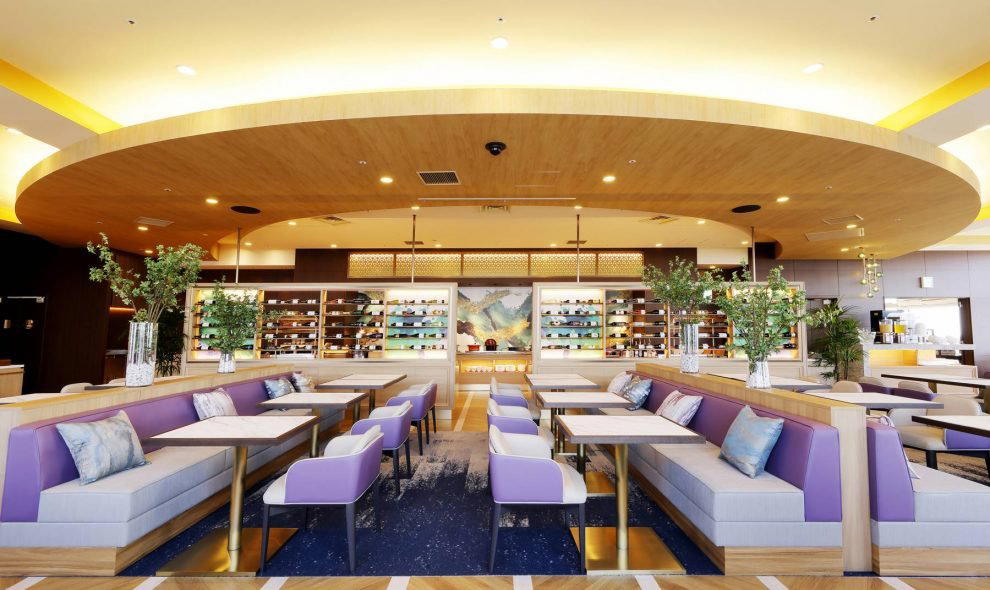
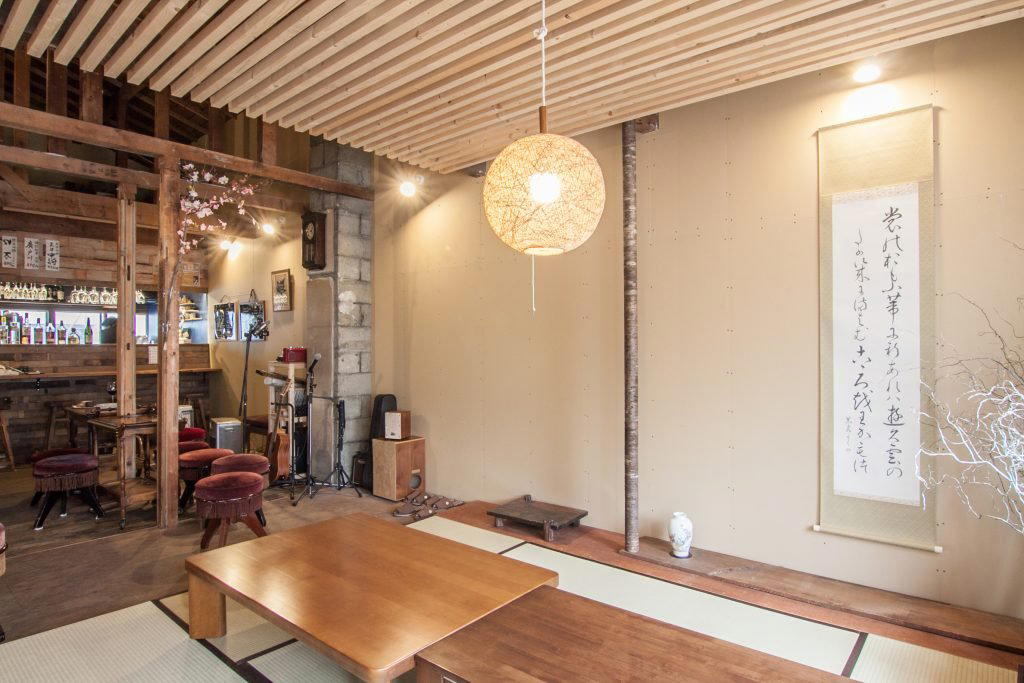
Trendy and cozy cafe atmosphere in bustling shopping street area.