
Sapporo’s soup curry culture is built around broth, spice choice, and practical cold-weather eating rather than ceremony. Soup Curry Okushiba Shoten Ekimae souseiji sits in the city’s accessible curry tier, with Tabelog Curry EAST “Tabelog 100” selections in 2023 and 2024 giving it a firmer signal than the average station-area counter.
Pearl is the En Primeur Club membership app — saves, bookings, and concierge access live there. Same editors, same standards.
- Address
- 北海道札幌市中央区北4条西1丁目 ホクレンビル B1F パールタウン飲食店街
- Phone
- +81112070266
- Website
- okushiba.net
 Saves & bookings on Pearl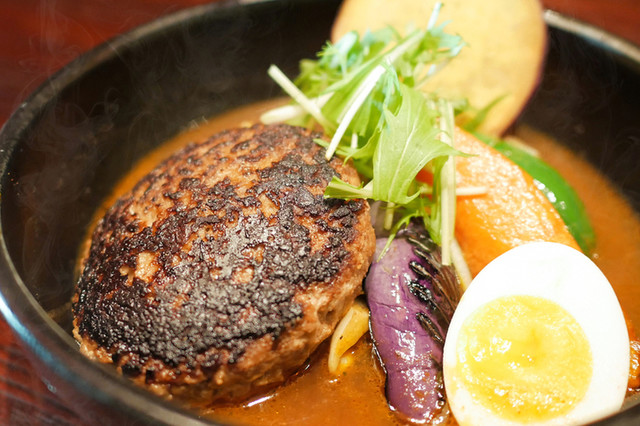
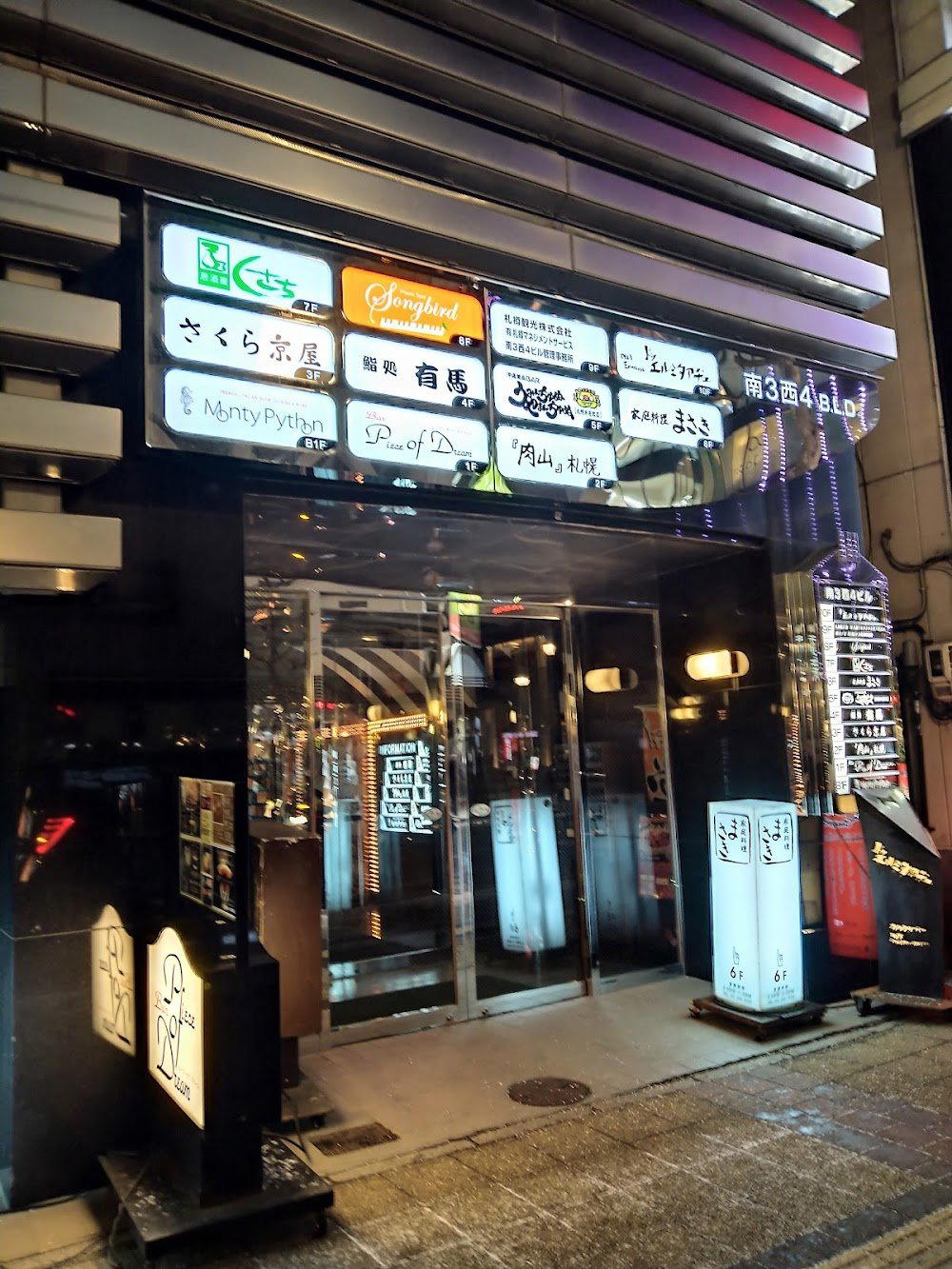
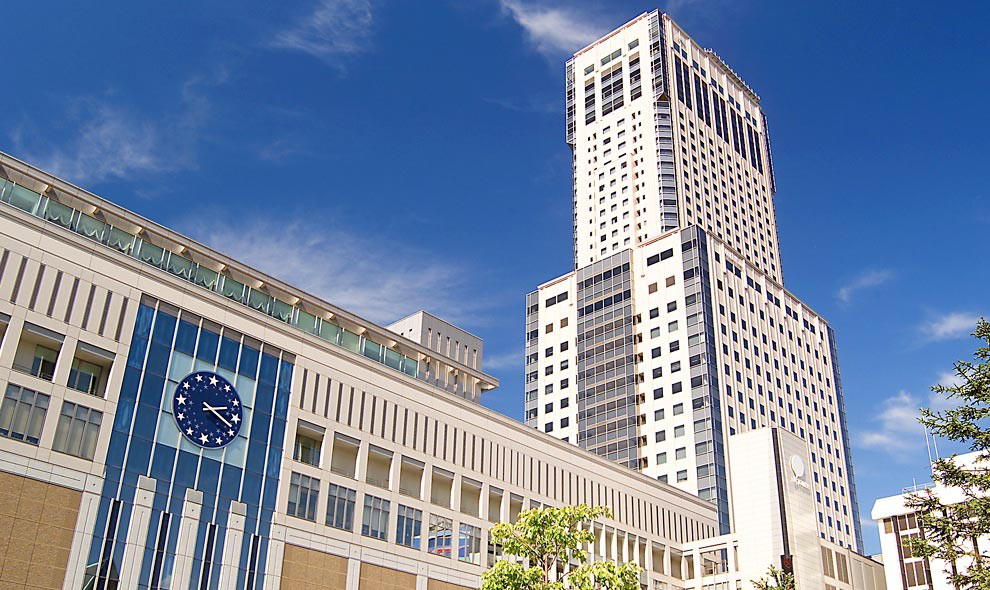
The approach is pure Sapporo station dining: underground corridors, office workers moving with purpose, and a basement restaurant zone where lunch decisions happen quickly. In that setting, soup curry makes particular sense. It is warming, modular, and less formal than the city’s hotel dining rooms, but it carries its own grammar: broth first, spice level second, rice on the side, then vegetables or protein doing the work of structure.
Soup Curry Okushiba Shoten Ekimae souseiji belongs to the practical end of that tradition rather than the destination-tasting-menu end of Sapporo eating. The useful signal is not luxury; it is consistency within a crowded local category. Selection for Tabelog Curry EAST “Tabelog 100” in both 2023 and 2024 puts it inside a recognized curry cohort, while its Tabelog score of 3.61 points to the kind of steady local approval that matters more here than imported fine-dining language.
Sapporo soup curry, read through broth rather than spectacle
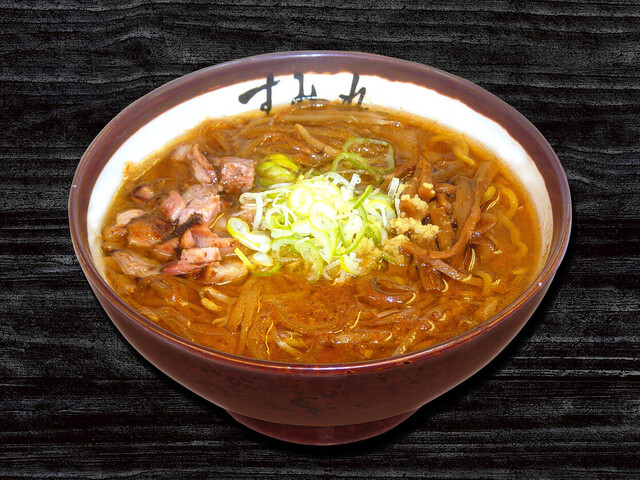
Soup curry is one of Sapporo’s clearest contributions to Japanese casual dining. Unlike thicker Japanese curry rice, the Sapporo style usually treats the soup as a seasoned broth with rice kept separate, giving the diner more control over pace and ratio. That format is also why the category travels well across seasons: it works during deep winter without becoming heavy, and it can absorb vegetables, meat, and spice variations without losing its identity.
The sustainability angle in this style is quiet but relevant. Soup curry kitchens can make a meal feel abundant through broth architecture and vegetable use rather than luxury protein alone. That does not make every bowl an ethical manifesto, and no diner should read sourcing claims where none are stated. But as an urban format, soup curry is well suited to lower-waste thinking: stock-based cooking, flexible toppings, and portion structures that can serve office lunches, family meals, and solo counter dining without changing the basic production model.
Okushiba’s station branch is especially useful for understanding how Sapporo’s curry scene differs from its ramen scene. Ramen often runs on speed, specialization, and noodle texture; soup curry gives more room to customize heat, rice, and add-ons. For a nearby contrast, 175°DENO Tantanmen Sapporo kitaguchi ten speaks to the city’s appetite for spice through sesame-rich tantanmen, while [Curry Senmon Ten] Maruyama Kyoju., Ajanta Indo Curry Ten, and Ajanta Sohonke show how broad the curry conversation becomes once Sapporo moves beyond a single house style.
A station-area curry room with useful constraints
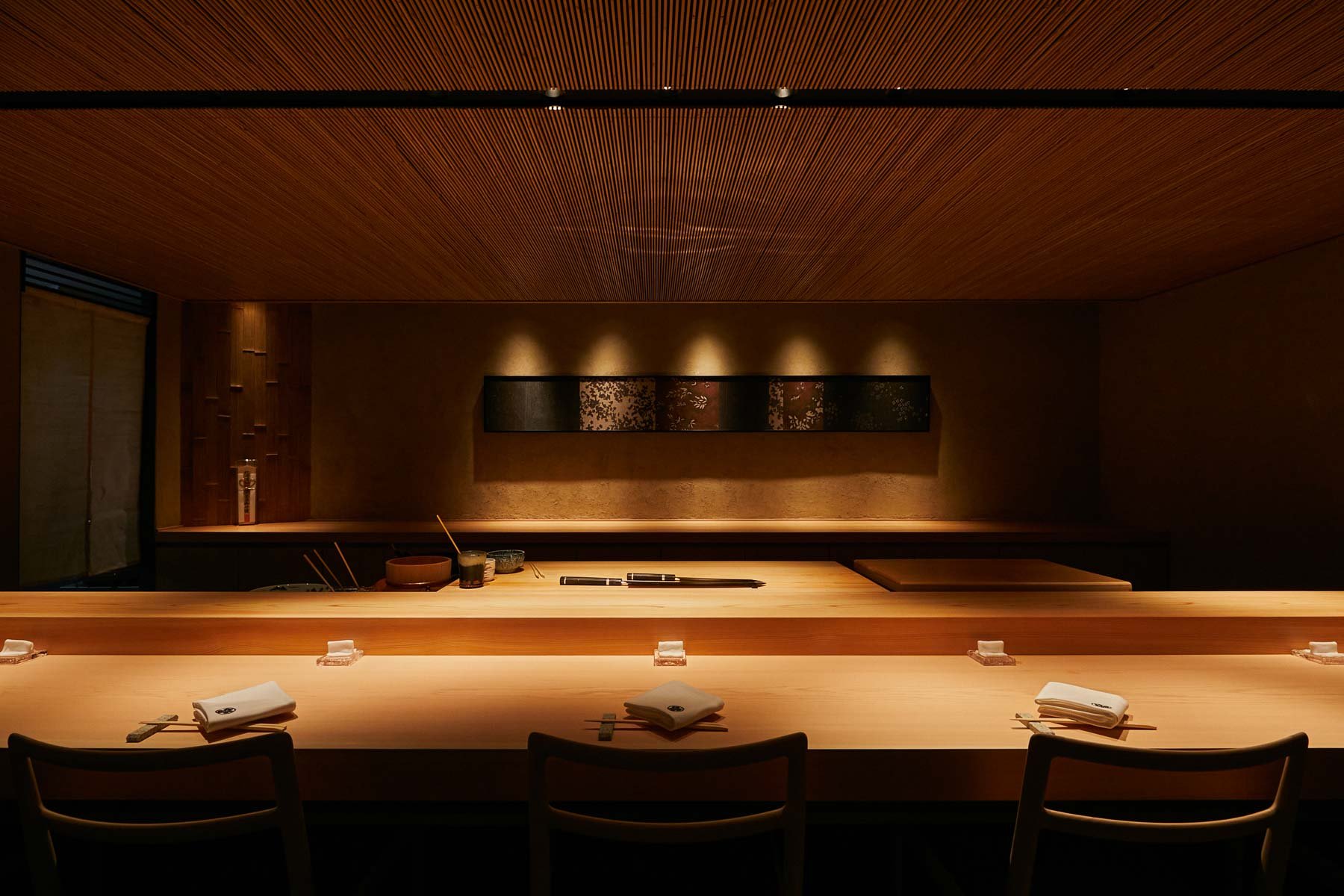
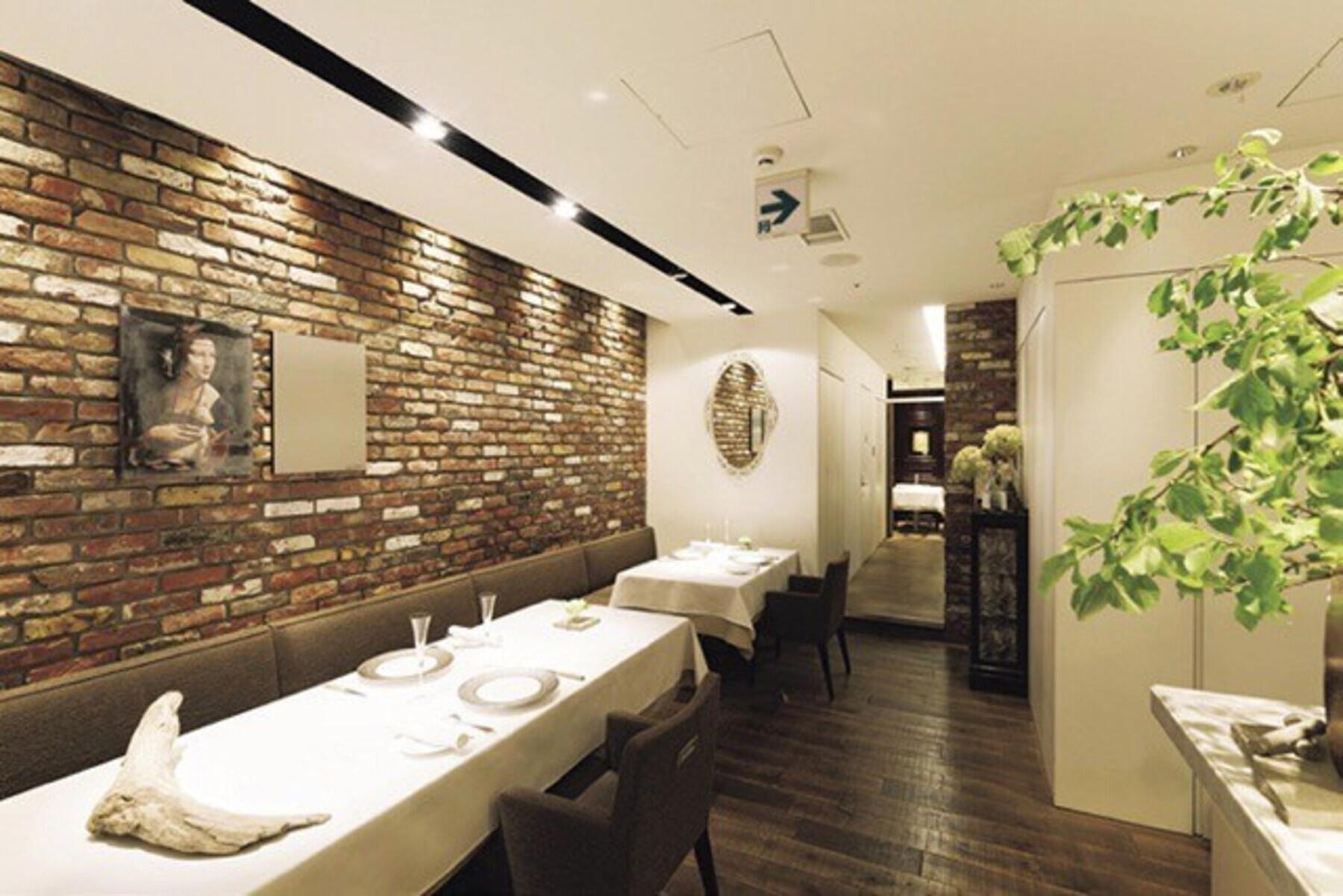
The room’s constraints shape the meal. A 26-seat format, counter seating, and a no-smoking policy point toward a compact urban operation rather than a leisurely dining room. Reservations are unavailable, which changes the decision calculus: this is a walk-in meal to time around station traffic, not a table to build an evening around weeks ahead. The absence of parking also fits the branch’s role; it is built for rail access and central movement.
That is also where the pricing sits intelligently. In a city where Teppanyaki Ishikari occupies a far higher spend bracket and hotel dining rooms such as SKY RESTAURANT “TANCHO” or Restaurant & Bar “SKY J” serve a different occasion entirely, soup curry near the station fills the gap between convenience and local specificity. Picante Sapporo ekimae ten sits in a comparable casual curry band, which is the more relevant comparison than Sapporo’s formal restaurants. The choice is not between luxury and compromise; it is between which version of local, fast-moving Sapporo dining fits the day.
There is also a visitor-friendly layer without turning the place into a tourist construct. Take-out is offered, and an English multilingual menu is listed, both practical details in a station district where visitors often arrive before they understand the city’s food rhythms. Cards, transit IC cards, iD, QUICPay, and PayPay are accepted, making it easier to treat the meal as part of a day in motion rather than a cash-only detour.
How to place it within a Sapporo food itinerary
The strongest use case is a first or last Sapporo meal: close to the transport spine, casual enough for luggage-day timing, and specific enough to avoid defaulting to generic station food. It also suits diners who want the city’s cold-climate comfort cooking without committing to ramen for every casual meal. Families have a clear signal here, with children welcomed across age groups, and the format is equally natural for friends or solo diners.
For a broader map of the city, use this curry stop as one anchor rather than the whole story. Our full Sapporo restaurants guide gives the restaurant spread, while Our full Sapporo hotels guide, Our full Sapporo bars guide, Our full Sapporo wineries guide, and Our full Sapporo experiences guide help frame where to stay, drink, and spend time between meals. Sapporo rewards that kind of planning: casual food can be serious, and serious food does not always require a formal room.
Travelers building a wider Japan itinerary can also read this meal against other regional formats: -Grilled beef Sukiyaki- KAMAKURA TANUKIAN 鎌倉 たぬき庵 in Kamakura for beef-focused set dining. 鮪と炭火焼き うお炭 秋葉原店 in Tokyo for tuna and charcoal cooking.cafe in Osaka for urban café pacing.know in Kumamoto for contemporary regional dining, (Shoku) Vietnam in Kawasaki for Vietnamese cooking in Japan, and [ki:] in Kyoto for a different register of restraint. Outside Japan, Jōdo Saké Bar in Los Angeles and Onigiri Time in Pasadena show how Japanese formats shift when they leave their home context.
The editorial read is simple: this is not the Sapporo meal for ceremony. It is the Sapporo meal for understanding why soup curry has lasted as a civic comfort food: flexible, station-friendly, affordable, and credible enough to be selected twice for a national curry list. In a city with long winters and serious casual dining, that combination carries weight.
City Peers
Comparable venues to place this listing in its category.
| Venue | Cuisine | Price | Notes |
|---|---|---|---|
| Soup Curry Okushiba Shoten Ekimae souseijiThis venue — the venue you are viewing | Hokkaido shrimp-broth soup curry | $$ | Not listed |
| NOUILLES JAPONAISE Tokuichi | French-inspired Japanese ramen | $$ | Chūō |
| Japanese Ramen Noodle Lab Q | Modern Tanrei Ramen | $$ | Chūō |
| Le Coq | Yakitori Izakaya | $$ | Chūō |
| soup curry yellow | Sapporo soup curry specialist | $$ | Chūō |
| Kitaro Sumikawa honten | Hokkaido soup curry | $$ | Minami |
Recognition history
Dated appearances from independent guides and award organizations, with the underlying list record or original source where available.
Tabelog 100 #99 · No. 99
Tabelog · Tabelog 100 - Curry - EAST - 2024


At a Glance
- Cozy
- Lively
- Classic
- Solo
- Family
- Group Dining
- Casual Hangout
- After Work
- Standalone
- Beer Program
Casual, cozy underground soup curry shop with a warm local feel, close seating in a compact 26-seat space, and the bustling atmosphere of a popular spot near Sapporo Station.