
Sapporo’s soup curry culture rewards repeat diners who know their spice level, broth style and vegetable order before sitting down. Soup Curry Hirihiri 2 Go sits in that everyday-regulars lane near Sapporo Station, with Tabelog Curry EAST 100 selections in 2019, 2020, 2023 and 2024, a 45-seat format, and pricing that keeps it closer to a daily meal than a destination splurge.
Pearl is the En Primeur Club membership app — saves, bookings, and concierge access live there. Same editors, same standards.
- Address
- 北海道札幌市北区北六条西6-1-1 WEST6
- Phone
- +81112213607
- Website
- hirihiri.jp
 Saves & bookings on Pearl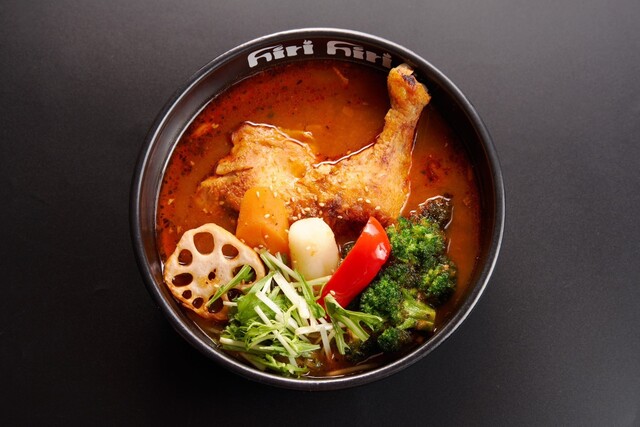
The approach is pure station-district Sapporo: commuter footfall, winter coats, quick decisions, and soup curry rather than the slower theatre of a tasting counter. Here, the genre is not novelty but a local grammar of broth, spice, rice, vegetables and heat, tuned by regulars over repeat visits. Soup Curry Hirihiri 2 Go fits that rhythm, close enough to Sapporo Station for a first meal after arrival or a practical last stop before a train.
Soup curry differs from Japanese curry rice in texture and behaviour. The sauce is not a thick blanket over rice; it is broth-based curry eaten in alternating spoonfuls, with rice alongside and vegetables as structure rather than garnish. That matters in Hokkaido, where produce has long shaped the city’s everyday eating. The format gives diners control over spice level, toppings, rice portion and the choice between meat-led comfort and vegetable-forward versions. Regulars return because the meal can be adjusted without becoming fussy.
Sapporo soup curry as a repeat-order cuisine
The strongest soup curry rooms in Sapporo are built for habit. A tourist may scan for a house favourite; a regular reads for mood, appetite and weather. In cold months, the appeal is obvious, but the category also works in shoulder seasons because broth and rice feel lighter than ramen and more flexible than cutlet curry. The city’s better curry addresses often sit between casual restaurant, commuter refuelling stop and specialist counter.
Soup Curry Hirihiri 2 Go’s recognition by Tabelog Curry EAST 100 in 2019, 2020, 2023 and 2024 places it in a competitive curry field rather than a generic station restaurant tier. Tabelog selection is not a Michelin-style star system, but in Japan’s dining culture it is a useful signal for specialist categories where local repeat traffic matters. A 3.63 Tabelog score reinforces the point: this is a category-specific address with enough consistency to register beyond neighbourhood convenience.
The menu identity is anchored in soup curry, curry and dining-bar categorisation, with vegetable attention and vegetarian options among the food signals. That matters in Sapporo, where soup curry can drift into heavy protein-and-spice territory. Vegetable-forward ordering keeps the dish close to its local purpose: warming, adaptable, and built around texture as much as heat. Counter seating suits solo diners, a key part of station-area eating in Japan, while the 45-seat scale gives it more range than a tiny cult counter.
How it fits the Sapporo Station curry circuit
Sapporo Station’s northern and western approaches concentrate meals that serve locals and visitors with luggage: ramen, curry, casual sushi, and quick specialist counters. Nearby comparison points help define the choice. 175°DENO Tantanmen Sapporo kitaguchi ten sits in the spicy noodle lane at a lower listed price band, while Ramen Jiro Sapporo ten is a heavier ramen proposition in the same commuter ecosystem. Curry House Colombo works in the same JPY 1,000 to JPY 1,999 bracket as Soup Curry Hirihiri 2 Go, but soup curry asks for a different appetite: less plate-and-sauce, more broth management.
The broader Sapporo curry map is deeper than one station stop. [Curry Senmon Ten] Maruyama Kyoju., Ajanta Indo Curry Ten and Ajanta Sohonke show how varied the city’s curry culture becomes beyond the rail hub. The useful reading is not that one style replaces another, but that Sapporo treats curry as specialist subcultures: soup curry, Indian-influenced curry, Japanese curry rice and late-night casual formats all follow different rules.
That is why the regulars’ perspective matters. The first-timer asks what to order; the repeat diner starts with heat tolerance and whether vegetables or protein should lead. The unwritten menu is personal calibration. This venue rewards that approach because its price band allows experimentation without set-course pressure, and the reservation policy keeps the experience democratic in a way many high-demand Japanese restaurants are not.
Planning it into a Sapporo food day
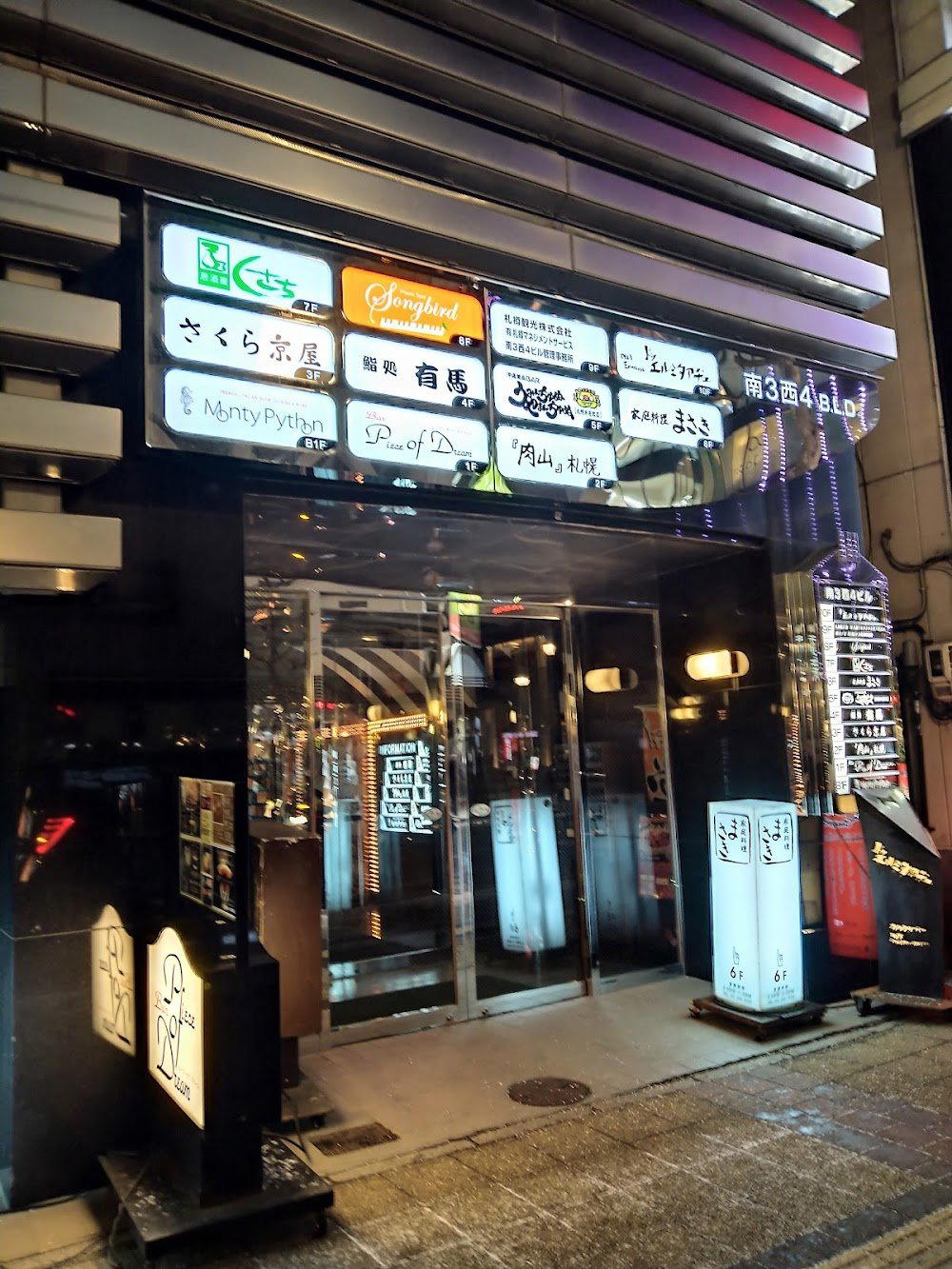
As a practical dining decision, this is a low-friction Sapporo meal with stronger credentials than its casual format suggests. The address is in Kita 6 Jonishi, Kita-ku, at WEST6, and station proximity suits travellers building a day around central Sapporo rather than a taxi-led itinerary. Lunch is the natural fit before shopping, museums or onward rail travel; evening works for those comparing casual local specialities over several nights.
Reservations are unavailable, so timing matters more than advance access. Listed hours run daily from late morning into the evening, with last order before closing, and the venue notes that soup may run out. Regulars read that operational clue clearly: arrive earlier if the meal matters, especially when station traffic is heavy. Payment flexibility is unusually broad for a casual specialist address, with major credit cards, transport IC cards and QR payments accepted.
Use it as a benchmark for Sapporo’s everyday curry culture, not a luxury detour. For a broader city plan, Our full Sapporo restaurants guide can frame how soup curry sits alongside sushi, ramen and specialist casual dining; Our full Sapporo hotels guide, Our full Sapporo bars guide, Our full Sapporo wineries guide and Our full Sapporo experiences guide help separate station convenience from neighbourhood-led exploring.
Travellers building a Japan-wide casual dining list can place this Sapporo stop beside different formats: Aigues Vives for Hokkaido baking context, -Grilled beef Sukiyaki- KAMAKURA TANUKIAN 鎌倉 たぬき庵 in Kamakura for beef-led comfort. 鮪と炭火焼き うお炭 秋葉原店 in Tokyo for tuna and charcoal grilling.cafe in Osaka for café culture.know in Kumamoto, (Shoku) Vietnam in Kawasaki, [ki:] in Kyoto, Jōdo Saké Bar in Los Angeles and Onigiri Time in Pasadena. The comparison clarifies the appeal: Sapporo soup curry is not formal dining, but it is a city-specific food habit with enough depth to reward more than one bowl.
Accolades, Compared
Comparable venues by cuisine and price in the same metro.
| Venue | Cuisine | Price | Notes |
|---|---|---|---|
| Soup Curry Hirihiri 2 GoThis venue — the venue you are viewing | Sapporo soup curry | $$ | Not listed |
| Keyaki (けやき) | Sapporo Miso Ramen | $$ | Susukino |
| PULU2 | Sapporo soup curry house | $$ | Chūō |
| soup curry yellow | Sapporo soup curry specialist | $$ | Chūō |
| NOUILLES JAPONAISE Tokuichi | French-inspired Japanese ramen | $$ | Chūō |
| Ichimonji Curry Ten | Sapporo Japanese curry house | $$ | Shiroishi |
Recognition history
Dated appearances from independent guides and award organizations, with the underlying list record or original source where available.
Tabelog 100 #97 · No. 97
Tabelog · Tabelog 100 - Curry - EAST - 2024




At a Glance
- Cozy
- Lively
- Trendy
- Casual Hangout
- Solo
- Family
- After Work
- Group Dining
- Standalone
- Local Sourcing
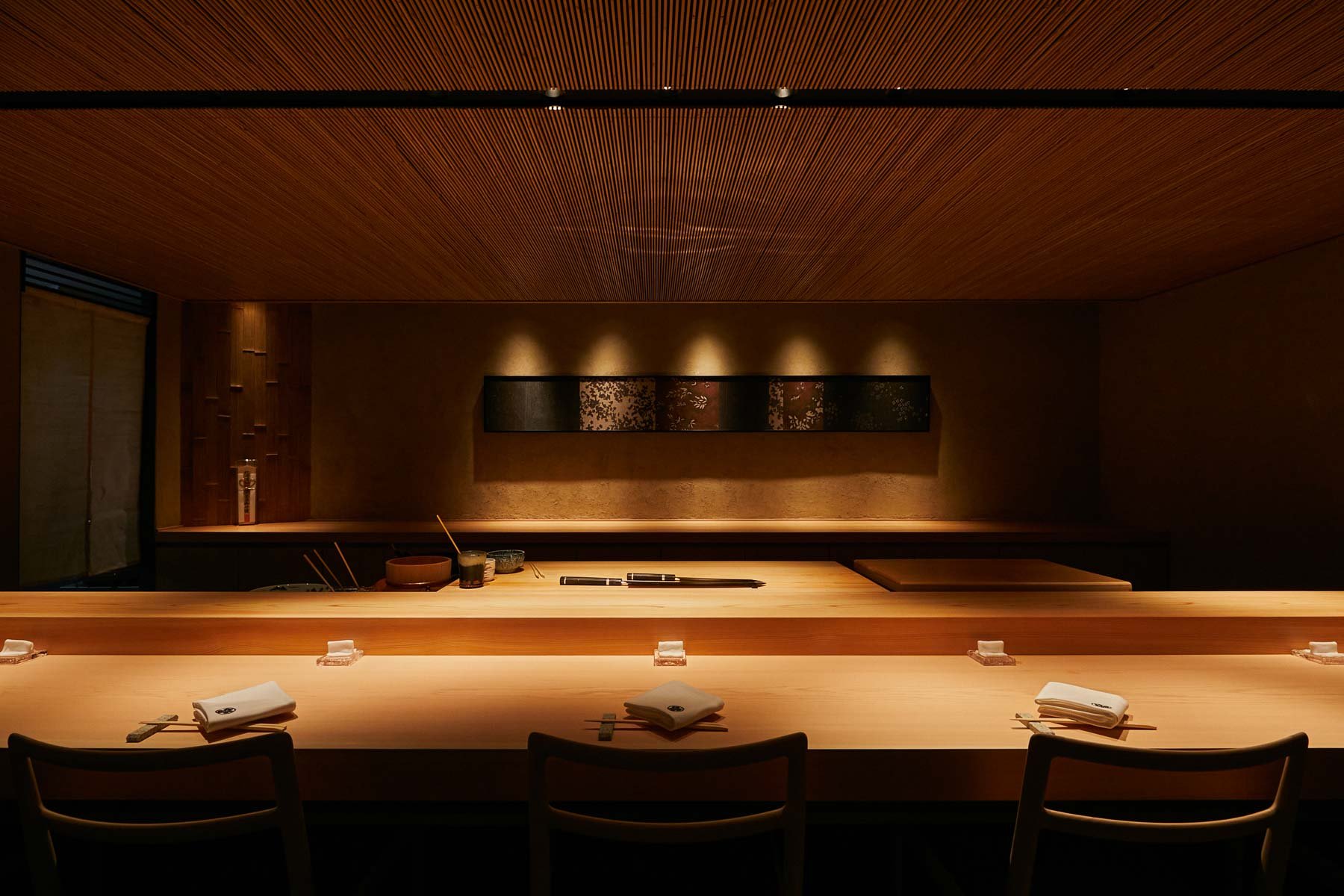
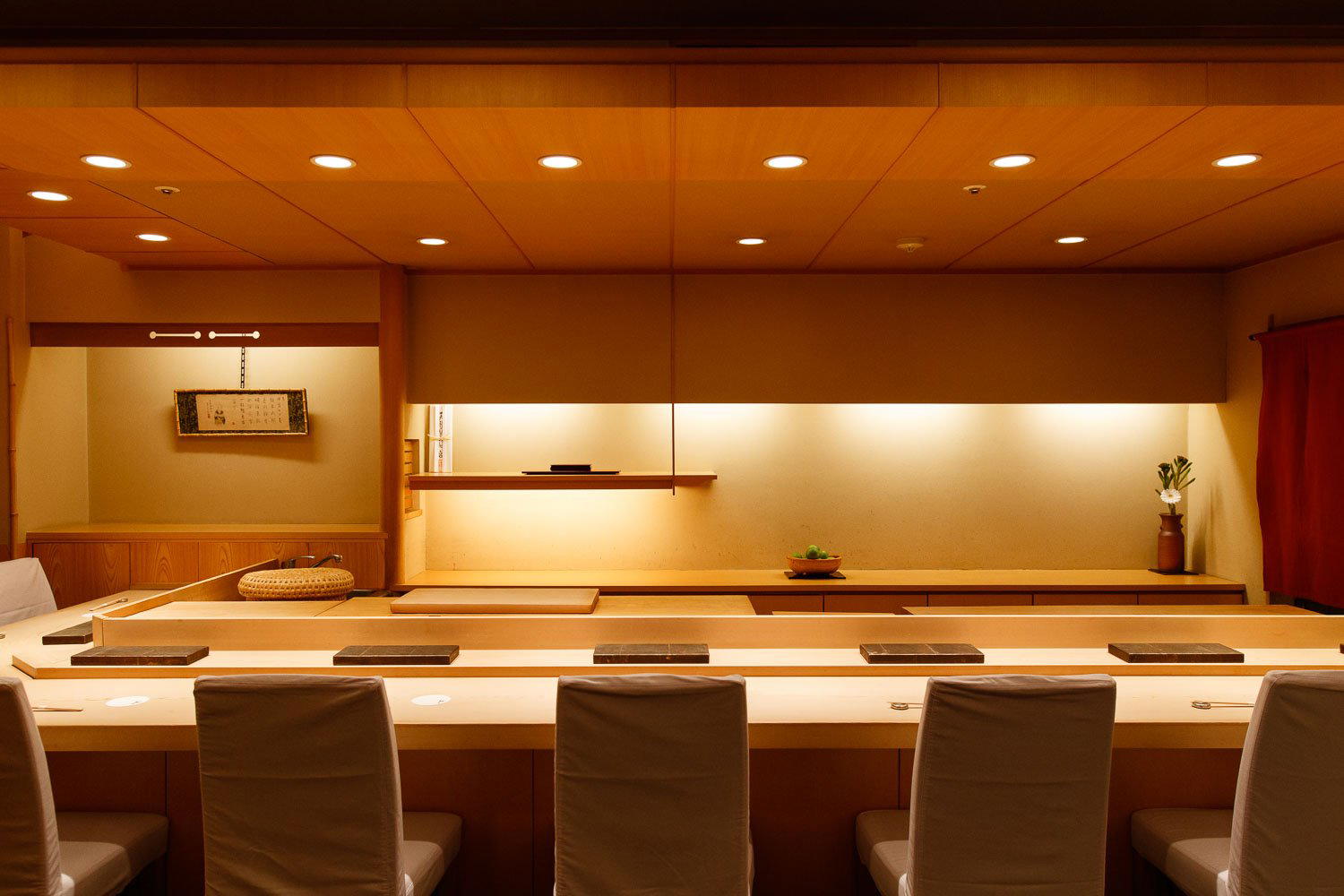
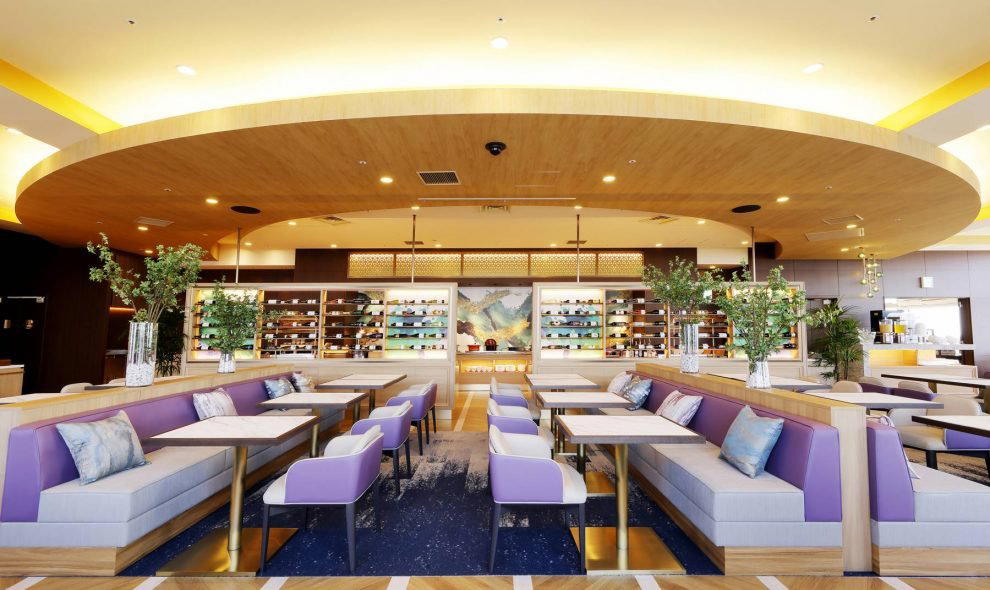
Casual and cozy soup curry shop with an exotic, slightly stylish interior where guests linger over late lunches and relaxed dinners in a lively but comfortable atmosphere.