
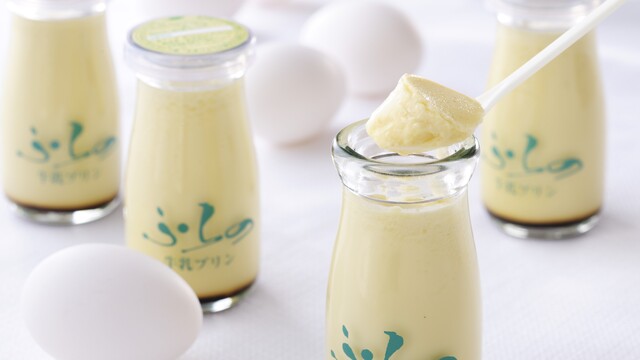
Farm Tomita turns Hokkaido’s lavender-country tourism into a concise, low-priced food stop: soft serve, café items, rice balls, take-out service, counter seating, and open terrace space. Its Tabelog 100 selection for Ice cream / Gelato in 2023 gives the dairy counter credible weight beyond the flower-field circuit, especially for travelers building a Furano day around texture, color, and rural pacing.
Pearl is the En Primeur Club membership app — saves, bookings, and concierge access live there. Same editors, same standards.
- Address
- 15 Kisenkita, Nakafurano, Sorachi District, Hokkaido 071-0704, Japan
- Phone
- +81 167-39-3939
- Website
- farm-tomita.co.jp
 Saves & bookings on Pearl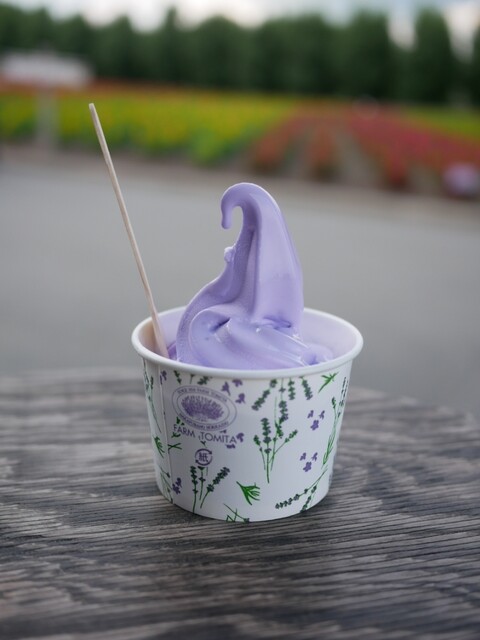
Approaching Nakafurano in summer means watching Hokkaido change register: fields open out, tour buses slow, and the scent of lavender becomes part of the itinerary before any food is ordered. In that setting, dessert is not an afterthought. It is part of the regional grammar, tied to dairy, flowers, fruit, and the slower rhythm of central Hokkaido travel. Farm Tomita sits inside that sensory economy, where the visual charge of the fields and the coolness of soft serve belong to the same afternoon rather than separate stops.
Hokkaido’s reputation for dairy gives even simple frozen desserts a heavier expectation than they would carry elsewhere in Japan. Soft serve here is judged less as a novelty and more as a regional product, and the better counters trade on freshness, speed, and clean handling rather than plated complexity. The Tabelog 100 selection for Ice cream / Gelato in 2023 places this address in a more serious conversation than a casual farm snack might suggest. The format remains accessible, but the recognition signals that the counter has been assessed within a national dessert category, not merely as a scenic add-on.
Lavender-country dessert culture, stripped down to cold dairy and open air
The experience works because it does not try to behave like a city pâtisserie. The categories are plain-spoken: soft serve ice cream, café service, and onigiri. Take-out is part of the operating logic, and the seating format includes counter seating and an open terrace. That matters in Furano, where the meal often has to fit between flower fields, train connections, rental-car timing, and weather. The pleasure is not a long reservation-led lunch; it is the clean break of cold dairy against an outdoor, agricultural setting.
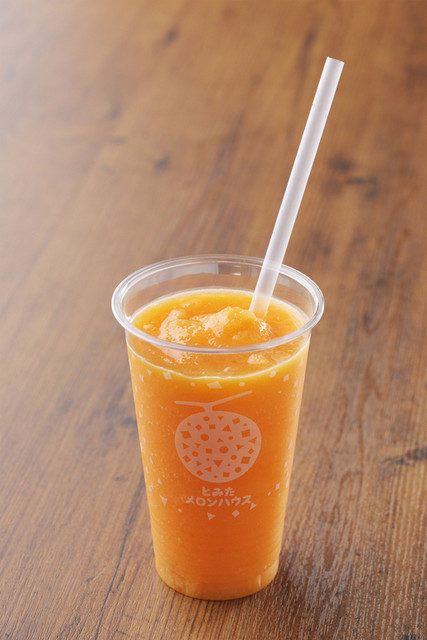
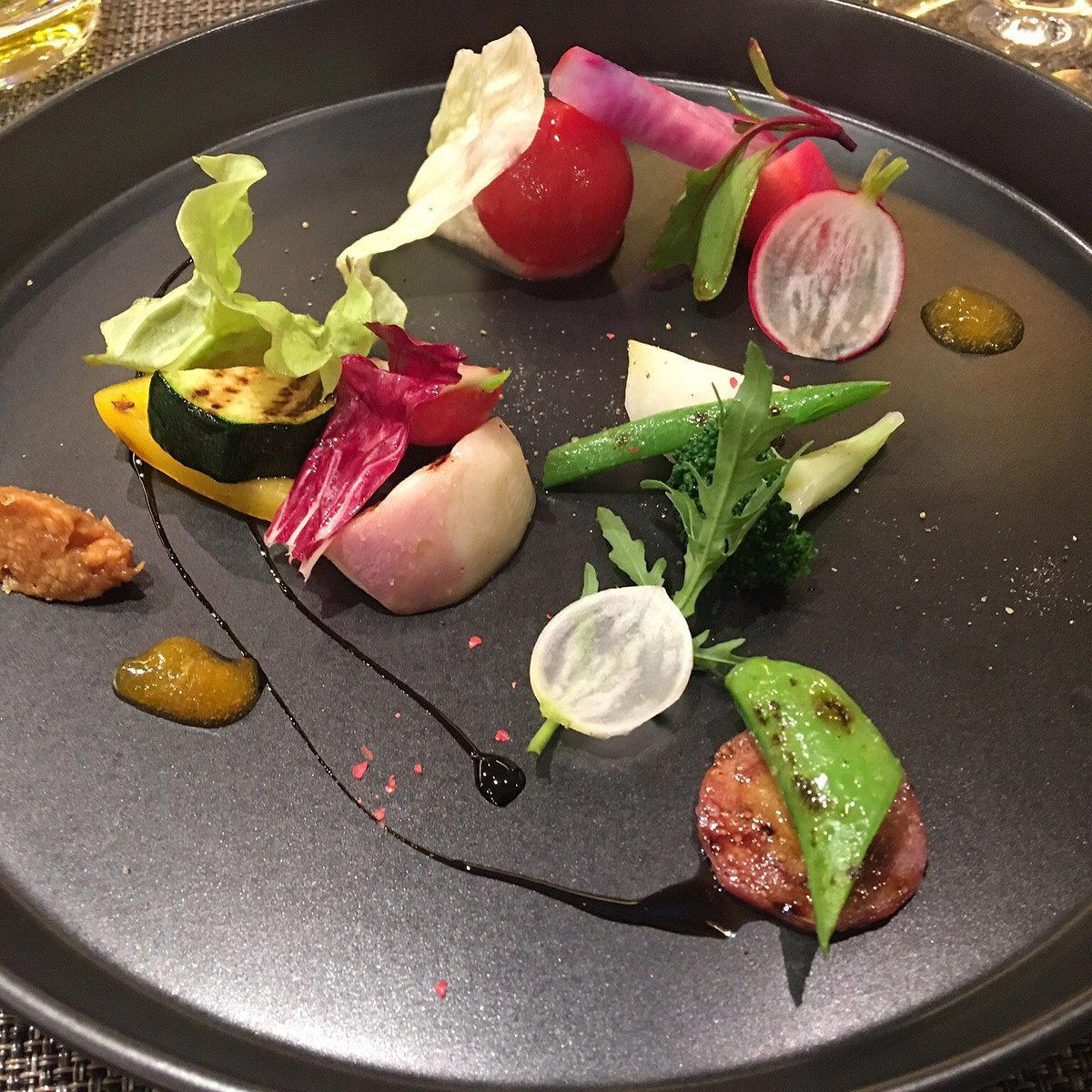
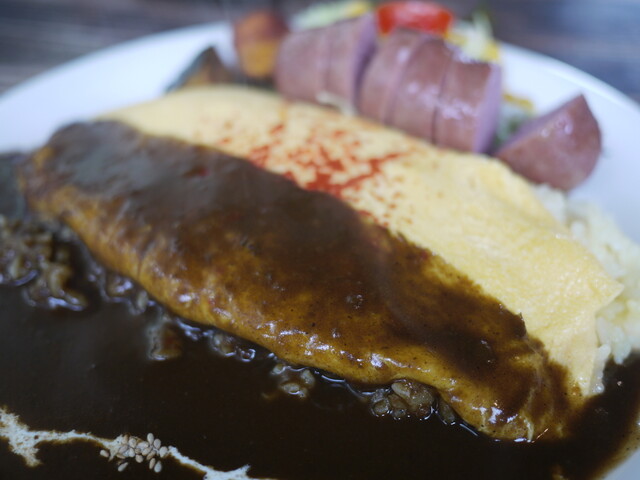
Compared with city dessert counters in Sapporo, the appeal is less about technique on display and more about context. A place such as Tomita Melon House operates in the same low-priced Furano pleasure zone, while Kashi Kobo Furano Delis sits at a slightly higher everyday-spend band. Yuiga Dokuson belongs to a different comfort-food register, and Auberge Erba Stella or ル・ゴロワ フラノ move toward destination dining rather than a short-form farm stop. Read this category correctly and the value becomes clearer: this is a brief sensory interlude with credible dessert recognition, not a substitute for a full Furano meal.
That distinction is useful for travelers coming from Sapporo, because the city’s eating scene rewards sharper planning. A ramen stop such as 175°DENO Tantanmen Sapporo kitaguchi ten or curry houses like [Curry Senmon Ten] Maruyama Kyoju., Ajanta Indo Curry Ten, and Ajanta Sohonke answers a different appetite: spice, broth, heat, and urban turnover. Aigues Vives pulls the itinerary toward bread and coastal-Hokkaido craft. Farm-region dessert belongs to the day-trip layer of the same broader food map.
Why the award signal matters for a casual farm stop
Tabelog’s Hyakumeiten lists can be useful precisely because they sometimes recognize modest formats. A high ceremony restaurant announces its seriousness through service structure; a farm dessert counter has to communicate quality through repetition, throughput, and public consensus. A 3.59 Tabelog score and a place on the 2023 Ice cream / Gelato list are not decoration. They help separate a scenic refreshment stop from the many rural counters that rely only on location.
The pricing band also changes the critical lens. At under JPY 999, judgment should be stricter about clarity and timing than about luxury cues. Low cost does not excuse weak execution, but it does shift the question: does the stop deliver a concentrated taste of Hokkaido’s dairy culture without demanding a major detour in budget or schedule? In this case, the answer is yes, with the strongest case made in warm months when Furano’s flower tourism and frozen dessert culture overlap.
Seasonality shapes the whole decision. Lavender season brings the heaviest traffic and changes the feel of the visit from rural pause to managed pilgrimage. Parking pressure begins early during that period, so the practical reader should treat timing as part of the experience, not an administrative footnote. Outside the flower peak, the setting becomes quieter, but the regional logic remains the same: a short, inexpensive, dairy-led stop in a part of Hokkaido where agriculture is not background scenery but the main stage.
How to place it in a sharper Hokkaido itinerary
The smarter way to use this stop is to avoid overloading it with expectations. It works as a cold, compact punctuation mark in a Furano day, especially for travelers who care about how food reflects place at a small scale. It is less compelling as a standalone journey from Sapporo without the fields, seasonal color, or another Furano meal around it. The editorial call is clear: combine it with the agricultural landscape, not with a checklist mentality.
For a wider city plan, Our full Sapporo restaurants guide is the better anchor for meals, while Our full Sapporo hotels guide, Our full Sapporo bars guide, Our full Sapporo wineries guide, and Our full Sapporo experiences guide help decide whether Furano belongs as a day trip or a deeper Hokkaido detour. Travelers mapping Japan more broadly can compare the role of regional specialties through -Grilled beef Sukiyaki- KAMAKURA TANUKIAN 鎌倉 たぬき庵 in Kamakura,. 鮪と炭火焼き うお炭 秋葉原店 in Tokyo,.cafe in Osaka,.know in Kumamoto, (Shoku) Vietnam in Kawasaki, [ki:] in Kyoto, Jōdo Saké Bar in Los Angeles, and Onigiri Time in Pasadena.
The point is not to inflate a farm dessert counter into fine dining. Its strength is narrower and more honest: a recognized, low-priced Hokkaido dairy stop set inside a landscape that gives the food a reason to exist. Plan it with the fields, expect a concise format, and let the cold sweetness do exactly the amount of work it should.
In Context: Similar Options
Comparable options at the same price tier.
| Venue | Cuisine | Price | Awards | Notes |
|---|---|---|---|---|
| Farm TomitaThis venue — the venue you are viewing | Casual café with lavender and Hokkaido specialties | $ | , | |
| Yamanaka Bokujou | Farm Dairy Café & Soft-Serve | $ | , | Akaigawa / Otaru countryside |
| Kashi Kobo Furano Delis | Japanese Patisserie / Dessert Cafe | $$ | , | Furano |
| Spice Bar TARA | Soup curry & spice bar | $$ | , | Chūō |
| Aji Toku Honten | Traditional Asahikawa Ramen Shop | $ | , | Asahikawa city center |
| Mugi Oto | Bakery & cafe with Tokachi local wheat | $ | , | Obihiro / Tokachi |
Continue exploring
More in Sapporo
At a Glance
- Scenic
- Iconic
- Rustic
- Whimsical
- Family
- Casual Hangout
- Group Dining
- Solo
- Garden
- Panoramic View
- Standalone
- Local Sourcing
- Garden
- Mountain
Bright, casual, and family-friendly, with self-service counters and large windows or terraces that open directly onto colorful flower fields, giving a relaxed sightseeing-stop feel rather than a formal restaurant atmosphere.