On the southern edge of the Aventine, Ar Monte Testaccio sits in one of Rome's most historically layered neighbourhoods, where the ancient mound of broken amphorae has long anchored a culture of unpretentious, neighbourhood-scale eating. The address on Via Nicola Zabaglia places it squarely within that local tradition, drawing diners who come for Roman cooking without the theatrical framing that has overtaken much of the centro storico.
Pearl is the En Primeur Club membership app — saves, bookings, and concierge access live there. Same editors, same standards.
- Address
- Via Nicola Zabaglia, 28, 00153 Roma RM, Italy
- Phone
- +39657300368
- Website
- armontetestaccio.com
- Directions
- Get directions
 Saves & bookings on Pearl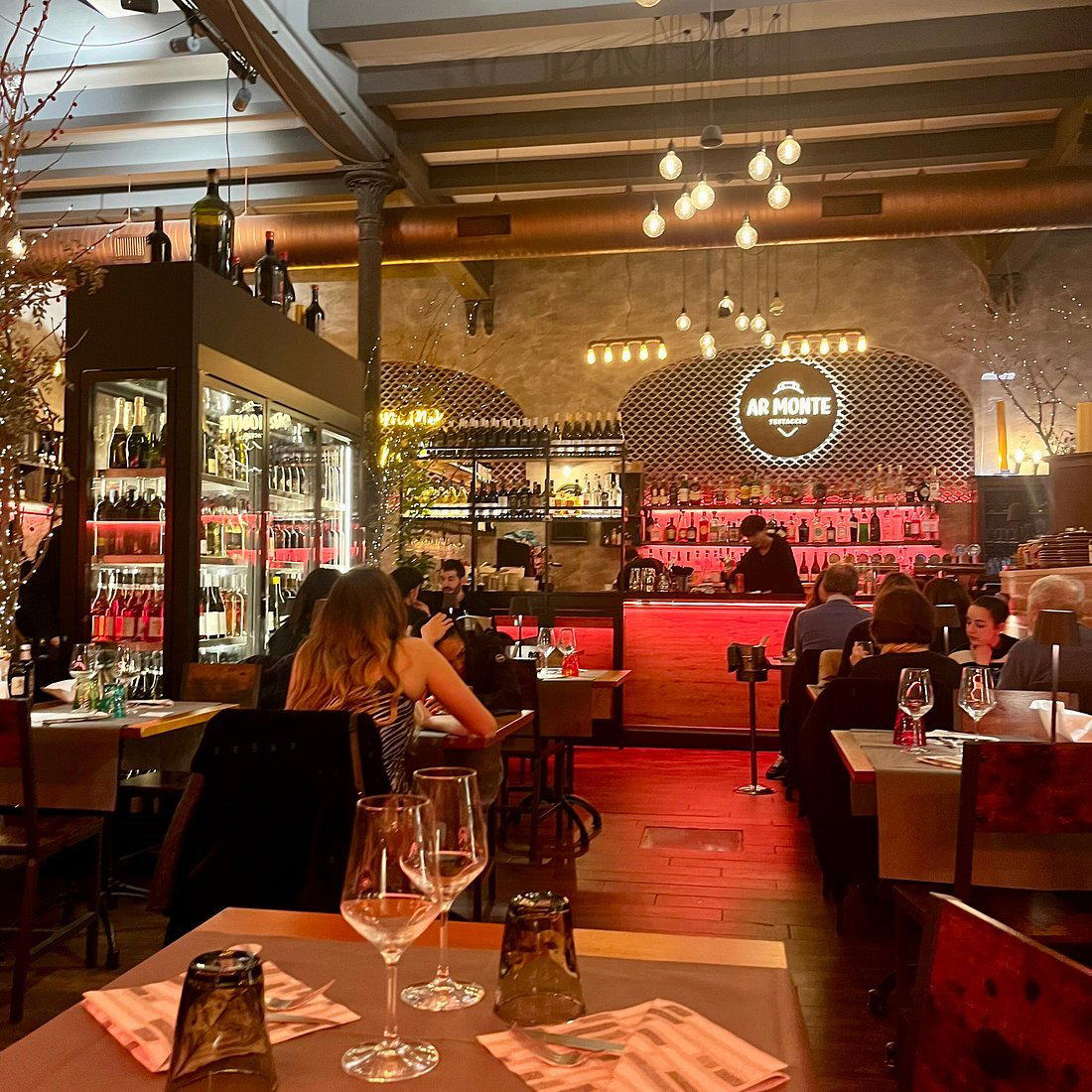
Testaccio Before the Table
To understand what Ar Monte Testaccio represents, it helps to understand Testaccio first. The neighbourhood takes its name from Monte Testaccio, an artificial hill of discarded Roman amphorae that once served the ancient city's port warehouses along the Tiber. Ar Monte Testaccio is a restaurant at Via Nicola Zabaglia, 28, serving Roman-Salento Italian with Pizza in Rome. For centuries afterwards, the area remained a working-class quarter, home to Rome's slaughterhouse and the butcher culture that gave rise to cucina povera dishes: offal preparations, braised cuts, slow-cooked proteins that turned overlooked ingredients into something worth returning to. That culinary identity has outlasted the abattoir. Testaccio today is where Romans still go when they want the city's cooking stripped of tourism pricing and presentation theatrics.
Via Nicola Zabaglia, where Ar Monte Testaccio is addressed, runs along the base of that ancient mound. The street-level geography matters here. Eating in Testaccio carries a different register from dining near the Pantheon or the Trevi Fountain, where Rome's restaurant economy has tilted sharply toward international visitors. Here, the composition of any given dining room still skews local, and kitchens tend to answer to a neighbourhood audience with long memories and low tolerance for shortcuts.
The Booking Situation
Rome's dining scene has split along a familiar axis in recent years. At one end, tasting-menu restaurants such as Il Pagliaccio and Enoteca La Torre operate on formal reservation systems, often with deposits and structured cancellation policies. At the other end, neighbourhood trattorias and osterie in areas like Testaccio still function on a more informal basis, where showing up early or calling ahead the same day can be enough, though that window has narrowed considerably as Testaccio's reputation has spread beyond the city's own residents.
For the restaurant specifically, reservations are recommended. Direct contact by phone or walk-in remains the primary route. The practical implication is that visiting on a Tuesday or Wednesday evening will almost always yield better outcomes than a Friday or Saturday attempt, when the area draws not just locals but visitors who have read about Testaccio's food credentials in international press. If your schedule allows flexibility, a midweek visit is the sensible approach. For weekend plans, arriving at opening time remains one reliable strategy across most of the neighbourhood's busy addresses.
This logistical informality is itself part of Testaccio's character. The neighbourhood's most respected kitchens have not historically traded on reservations systems or waiting lists as signals of prestige, the way that Michelin-tracked operators in Parioli or the centro storico do. The transactional relationship between kitchen and diner here is more direct.
Where Ar Monte Testaccio Sits in the Roman Conversation
Rome's fine dining tier, represented by addresses like La Pergola and Acquolina, operates in an entirely different register from what Testaccio produces. Those kitchens are in conversation with international fine dining, drawing on techniques and presentations that position them against peers like Osteria Francescana in Modena or Enoteca Pinchiorri in Florence. Testaccio kitchens answer a different question: what does Roman cooking look like when it is made by people who eat it every day?
That distinction matters when assessing the restaurant's place in the city's dining conversation. The venue is not positioning itself against Achilli al Parlamento or the creative-format restaurants that have emerged across Rome's more touristed zones. Its competitive set is the neighbourhood itself, the handful of other addresses along and around Via Nicola Zabaglia that serve the same cultural function: keeping Roman cucina tradizionale in contact with the people who built it.
Across Italy, the tension between regional tradition and modernising fine dining has produced some of the country's most interesting cooking. Reale in Castel di Sangro and Uliassi in Senigallia represent one resolution of that tension: chefs who absorbed regional tradition and then pushed outward into formal, internationally recognised fine dining. Testaccio kitchens tend to represent the opposite pole, where the tradition is the point and modernity enters only in execution, not in concept.
What the Atmosphere Communicates
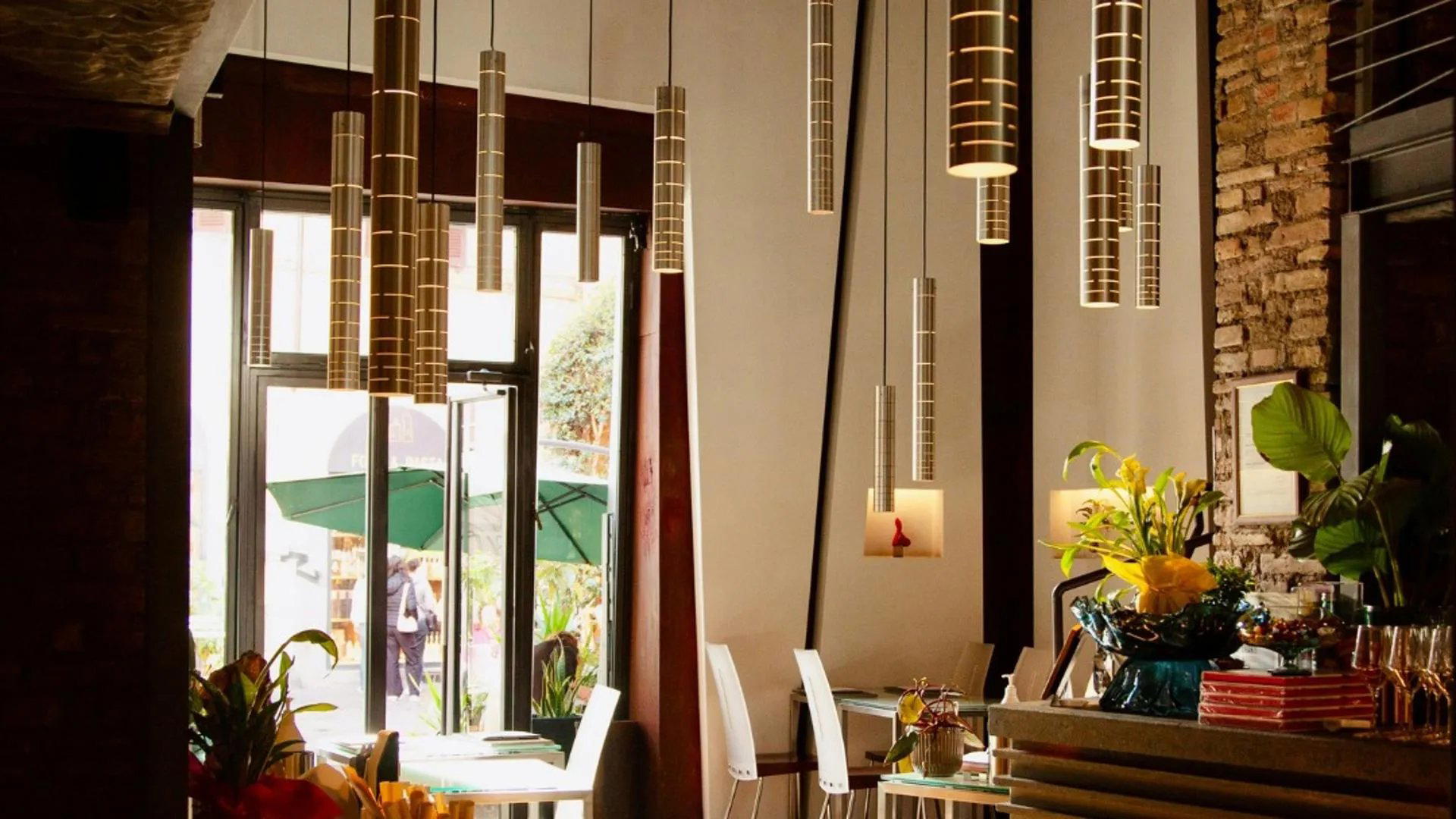
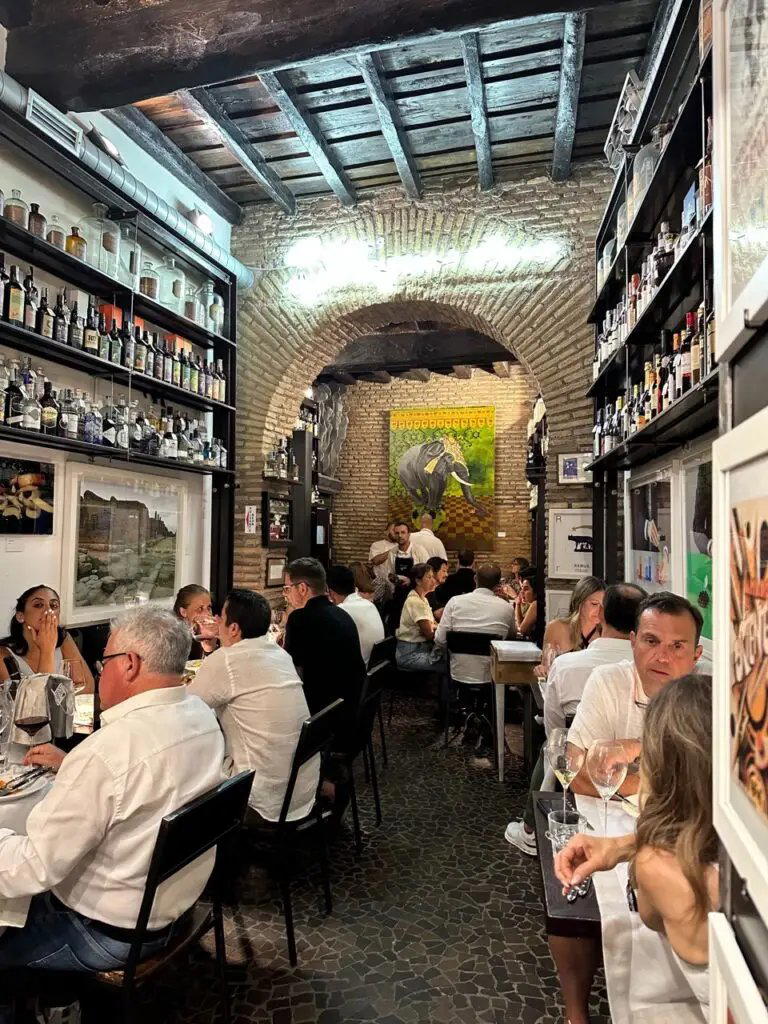
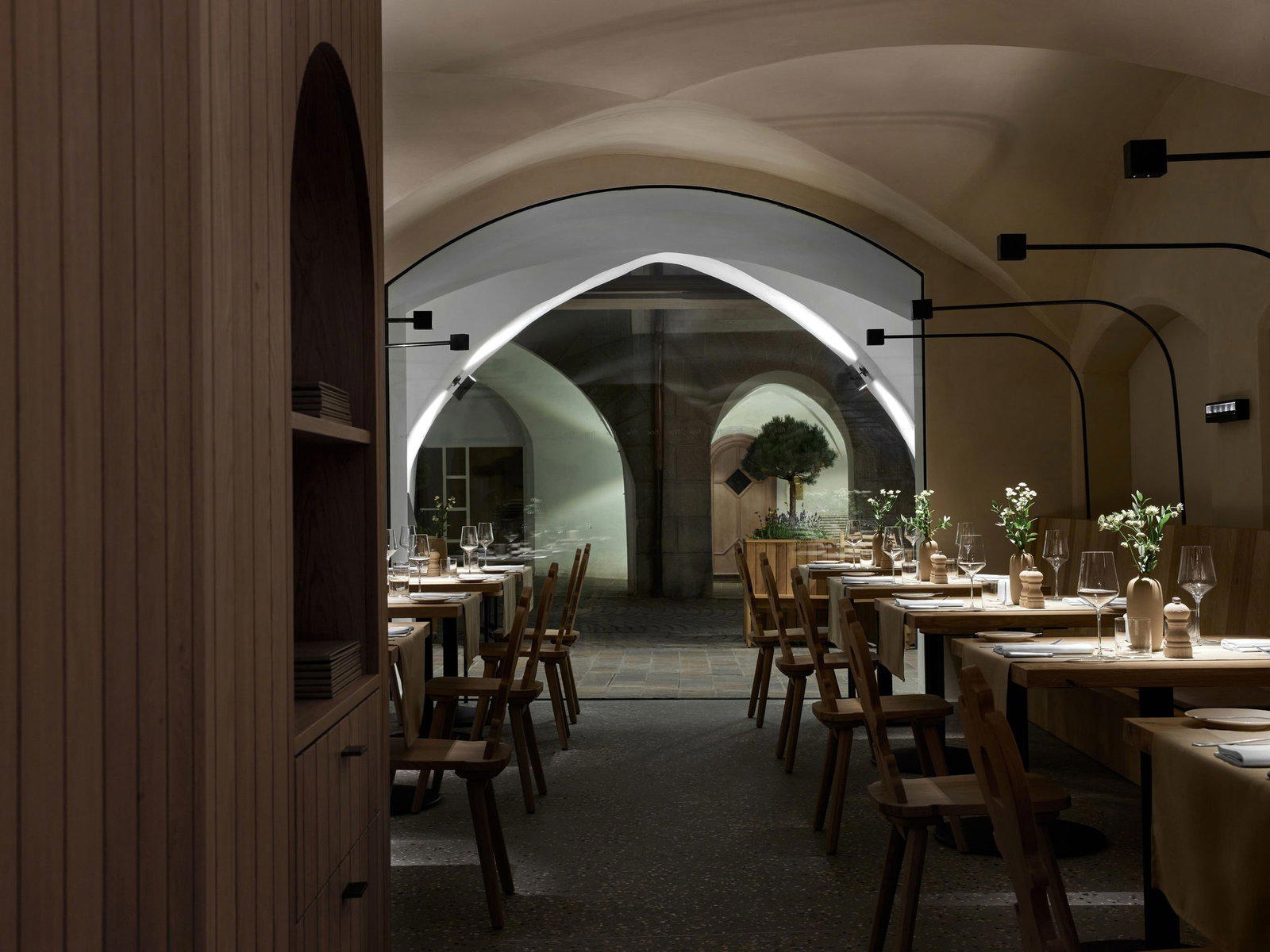
Testaccio's eating culture has a physical character that carries into its dining rooms. The neighbourhood is not architecturally decorative in the way that Trastevere or the Ghetto are, and its restaurants tend to reflect that. Tables are close, service is direct, and the absence of ambient design signals operates as its own kind of statement. In a city where international visitors are increasingly the primary audience for many restaurants, a dining room that reads as unambiguously local is a different kind of experience, though not a lesser one.
The restaurant's address on the flanks of the ancient mound reinforces that character. The physical setting places the restaurant in direct relationship with the neighbourhood's historical identity, not in a curated or themed sense, but simply because the geography has not changed and the cooking that grew out of it has remained recognisably continuous.
Planning Your Visit
For travellers assembling a broader Roman itinerary, Testaccio functions as the counterweight to the city's tasting-menu circuit. A meal at one of the neighbourhood's better addresses does not replace a booking at a Michelin-recognised kitchen; it answers a different question about what Rome tastes like. Pairing an evening in Testaccio with visits to the city's more formally structured dining gives a broader picture of the city's range than either tier alone provides.
Visitors coming from elsewhere in Italy should note that the culinary register here is specific to Rome and, within Rome, specific to this address. The offal tradition, the braised meat preparations, the pasta formats particular to Lazio: these are not interchangeable with what you will find at Dal Pescatore in Runate or Piazza Duomo in Alba. Testaccio is doing something geographically specific, and that specificity is the reason to go.
Practically, the address is accessible from central Rome without significant transit effort. The area around Via Nicola Zabaglia is walkable from the Circus Maximus and served by several bus lines connecting to Trastevere and the centro storico.
Standing Among Peers
Comparable venues nearby, for context on price, style, and recognition.
| Venue | Cuisine | Price | Notes |
|---|---|---|---|
| Ar Monte TestaccioThis venue — the venue you are viewing | Roman-Salento Italian with Pizza | $$ | Not listed |
| Monzù Vladì | Creative Regional Italian | $$ | Trastevere |
| MASTO a Testaccio | Traditional Roman Trattoria | $$ | Testaccio |
| Taverna Volpetti | Traditional Roman Trattoria | $$ | Testaccio |
| Trattoria da Lucia | Traditional Roman Trattoria | $$ | Trastevere |
| FA.SE Osteria Moderna | Modern Roman Osteria | $$ | Tuscolano |
Continue exploring
More in Rome
Restaurants in Rome
Browse all →
Bars in Rome
Browse all →
Hotels in Rome
Browse all →

At a Glance
- Modern
- Lively
- Rustic
- Date Night
- Group Dining
- Casual Hangout
- Open Kitchen
- Historic Building
- Extensive Wine List
Current opening hours
- Monday
- 12–11:30 PM
- Tuesday
- 12–11:30 PM
- Wednesday
- 12–11:30 PM
- Thursday
- 12–11:30 PM
- Friday
- 12 PM–12 AM
- Saturday
- 12 PM–12 AM
- Sunday
- 12 PM–12 AM
Hours can change for holidays and private events. Last verified .
Bright, modern industrial-style interior with good lighting, spacious and welcoming atmosphere.