Arte Bianca di Gabriele operates out of the Prati-adjacent district of Rome, on Via Sangemini in the 00135 postal zone, a residential address that places it well outside the tourist-facing centro storico. The venue's low profile in a city where dining reputation travels largely by word of mouth signals a particular kind of establishment: one whose audience finds it rather than stumbles upon it.
 Discover on Pearl
Pearl is the En Primeur Club membership app — saves, bookings, and concierge access live there. Same editors, same standards.
- Address
- Via Sangemini, 7 b/c, 00135 Roma RM, Italy
- Phone
- +393962757763
- Website
- facebook.com
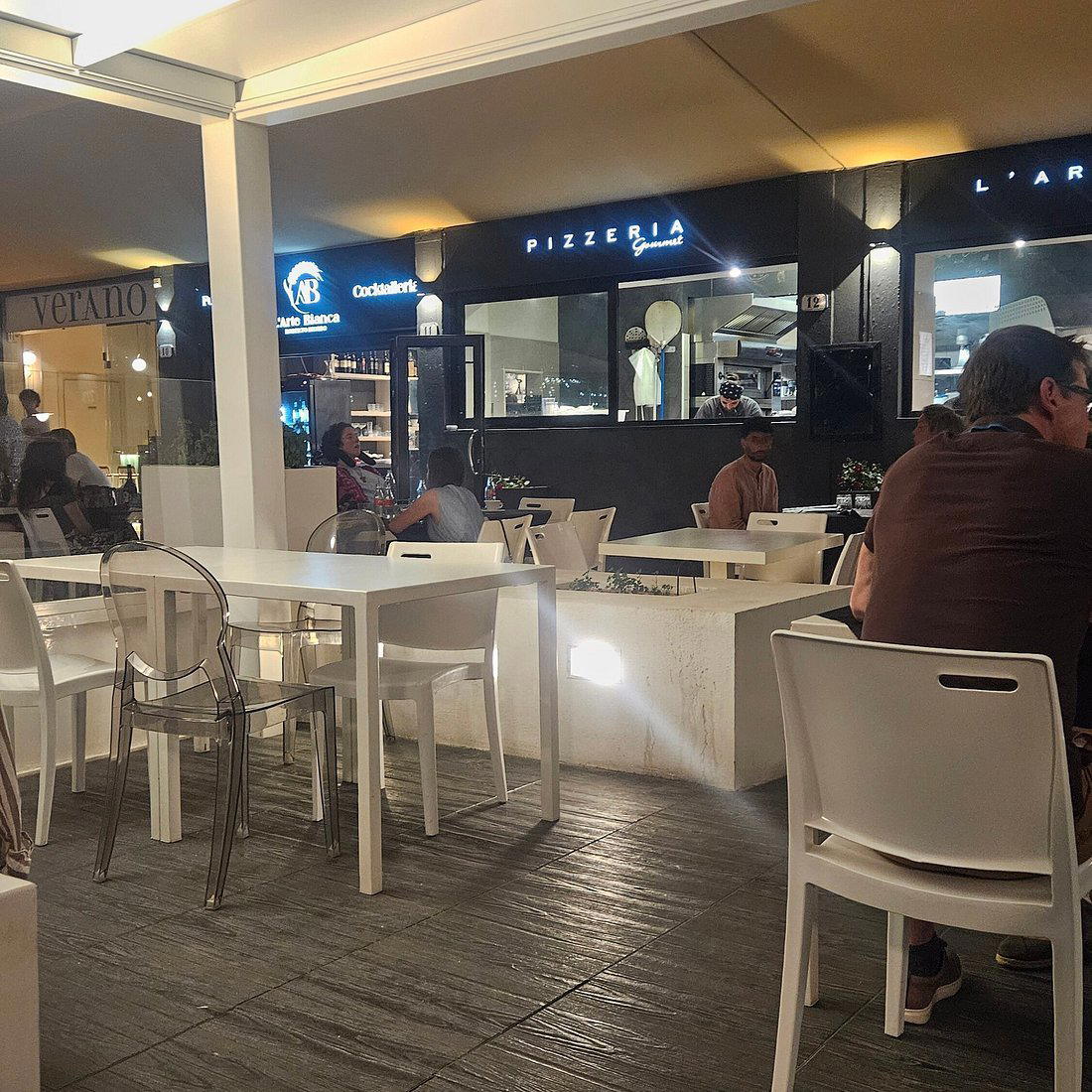
A Roman Address That Asks You to Come Looking
Arte Bianca di Gabriele is a Roman Pizza al Taglio restaurant on Via Sangemini in Rome, with a 4.9 Google rating from 113 reviews and an average price of about $15 per person. The northwest quadrant of Rome, stretching from the Prati neighbourhood toward the quieter residential streets of Monte Mario and Trionfale, operates by different rules than the dining corridors around the Pantheon or Campo de' Fiori. Foot traffic is local. The restaurants that survive here do so on returning custom rather than tourist rotation, which tends to filter the offer toward places with something genuine to sustain. Via Sangemini sits in this zone, a side-street address in the 00135 postal district that gives Arte Bianca di Gabriele an immediate character: this is not a venue designed to be found by accident.
In Rome, that kind of residential positioning carries editorial weight. The city's most discussed fine-dining addresses, from La Pergola at the top of the Cavalieri hill to Il Pagliaccio in the historic centre, draw on visibility and institutional reputation. The category below that tier is more interesting, because it includes establishments whose reputation is built almost entirely through the quality of what happens at the table, with very little marketing infrastructure behind it. Arte Bianca di Gabriele operates in that space.
The Collaboration at the Centre of the Room
Roman dining at this level tends to produce its most coherent results when the kitchen, the floor, and the cellar work from the same set of assumptions about what a meal should be. The leading examples elsewhere in Italy demonstrate how much that alignment matters: at Dal Pescatore in Runate, decades of family-led consistency across cooking and service have made the house feel like a single organism rather than a collection of departments. At Le Calandre in Rubano, the Alajmo family has built an operation where the pace of the room and the structure of the menu are clearly in conversation with each other.
At smaller Roman addresses, that same integration tends to happen at a more intimate scale. When front-of-house and kitchen share an understanding of how a meal should move, when the wine poured against a course isn't an afterthought but a considered choice, the effect on the guest is significant even if it's hard to articulate in a single attribute. The restaurant stops feeling like a sequence of transactions and starts feeling like a managed experience with a point of view. That dynamic, where team coherence shapes the atmosphere as much as any single dish, is the framework through which Arte Bianca di Gabriele is worth considering.
What the Roman Creative Tier Looks Like From Here
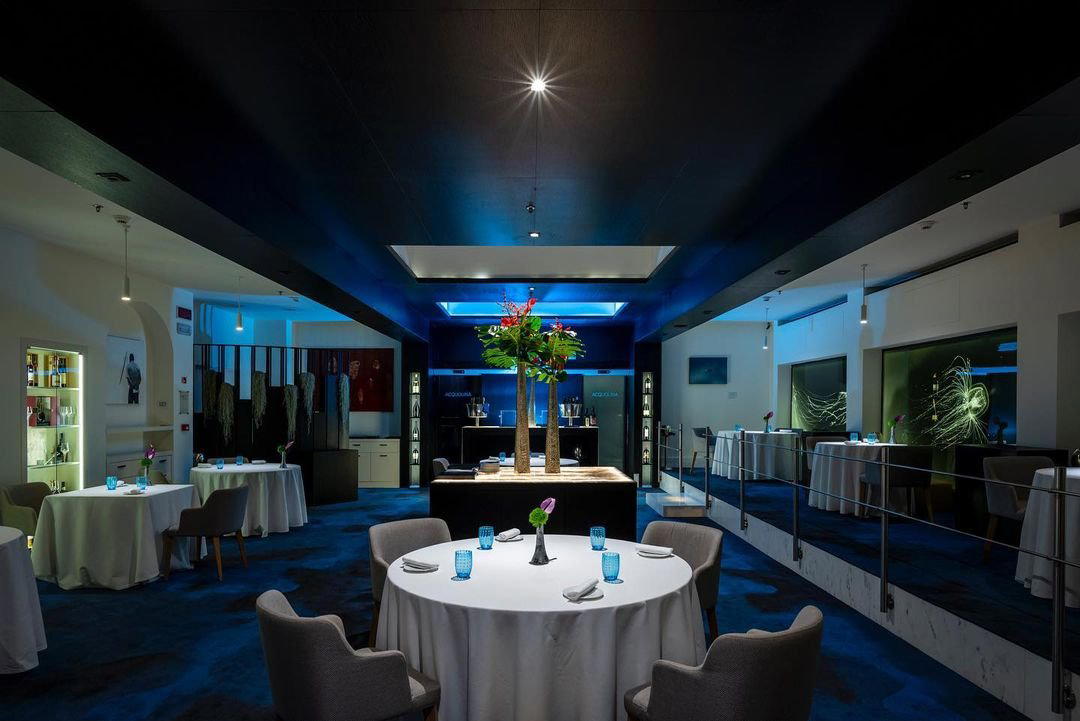
Rome's higher-end creative restaurants have consolidated around a recognisable set of reference points over the past decade. Acquolina made a case for seafood-led tasting menus as a serious format in the capital. Enoteca La Torre occupies a formal, design-led room in the Prati district itself, operating at €€€€ with the kind of structural ambition that competes with the top tier nationally. Achilli al Parlamento draws on a deep wine archive to frame its offer. These venues define one end of the creative spectrum in Rome: technically accomplished, institutionally anchored, and priced accordingly.
The reference set that includes Arte Bianca di Gabriele is harder to map precisely from the outside. What the address and positioning suggest is a place operating in a neighbourhood-anchored Roman dining scene. For context, the Italian fine-dining landscape nationally includes addresses like Reale in Castel di Sangro, Uliassi in Senigallia, and Piazza Duomo in Alba, all of which have built strong national identities from non-capital addresses. Rome's own version of that model is still developing, and venues in residential districts are part of that story.
Seasonal Rhythms in the Roman Dining Calendar
Rome's restaurant season has a particular shape. The summer months, especially July and August, see a significant portion of the local population leave the city, and many smaller restaurants either close entirely or reduce their hours. The most active periods for neighbourhood dining run from September through November and again from February through June, windows when the local clientele is present and when the supply of seasonal ingredients from Lazio's agricultural surrounds is at its most varied. Autumn in particular brings the kind of product, porcini, truffles from Norcia and the surrounding Umbrian border, and late-harvest vegetables from the Castelli Romani, that gives a skilled kitchen real material to work with.
For a venue at this address and at this scale, the rhythm of the year matters more than it does at a large hotel restaurant with a fixed international audience. Visiting between October and early December, or in the spring months before the city's pace changes, gives you the best chance of experiencing the kitchen at full capacity with seasonal product doing meaningful work on the plate. The same principle applies across the Italian mid-tier: Quattro Passi in Marina del Cantone and Atelier Moessmer Norbert Niederkofler in Brunico both operate with pronounced seasonal logics that reward timing your visit with care.
Planning a Visit: What to Know Before You Go
Via Sangemini 7 b/c places the restaurant in a part of Rome that is most practically reached by car or taxi from the centre, public transport connections exist but are indirect from major landmarks. The address is roughly northwest of the Vatican, in a zone where street parking is more available than in the historic districts, which is worth noting if you are driving. The most reliable way to confirm hours, availability, and any booking requirements is to check ahead in person or with local contacts.
Readers comparing Rome against other Italian cities for a longer trip can also find reference points at Enoteca Pinchiorri in Florence, Enrico Bartolini in Milan, and Osteria Francescana in Modena, all of which anchor the higher end of regional Italian dining and give useful context for what the best of the category looks like nationally.
Peers You’d Cross-Shop
Comparable venues nearby, for context on price, style, and recognition.
| Venue | Cuisine | Price | Notes |
|---|---|---|---|
| Arte Bianca di GabrieleThis venue — the venue you are viewing | Roman Pizza al Taglio | $$ | |
| Ristorante dai Pupi | Sicilian Seafood | $$ | Campo Marzio |
| Mastrociccia | Authentic Roman Osteria | $$ | Parione |
| Rosina Cucina di Casa | Traditional Roman Trattoria | $$ | Parione |
| Trattoria Der Pallaro | Traditional Roman Trattoria | $$ | Parione |
| La Reginella d'Italia | Roman-Jewish Trattoria | $$ | San Angelo |
Continue exploring
More in Rome
Restaurants in Rome
Browse all →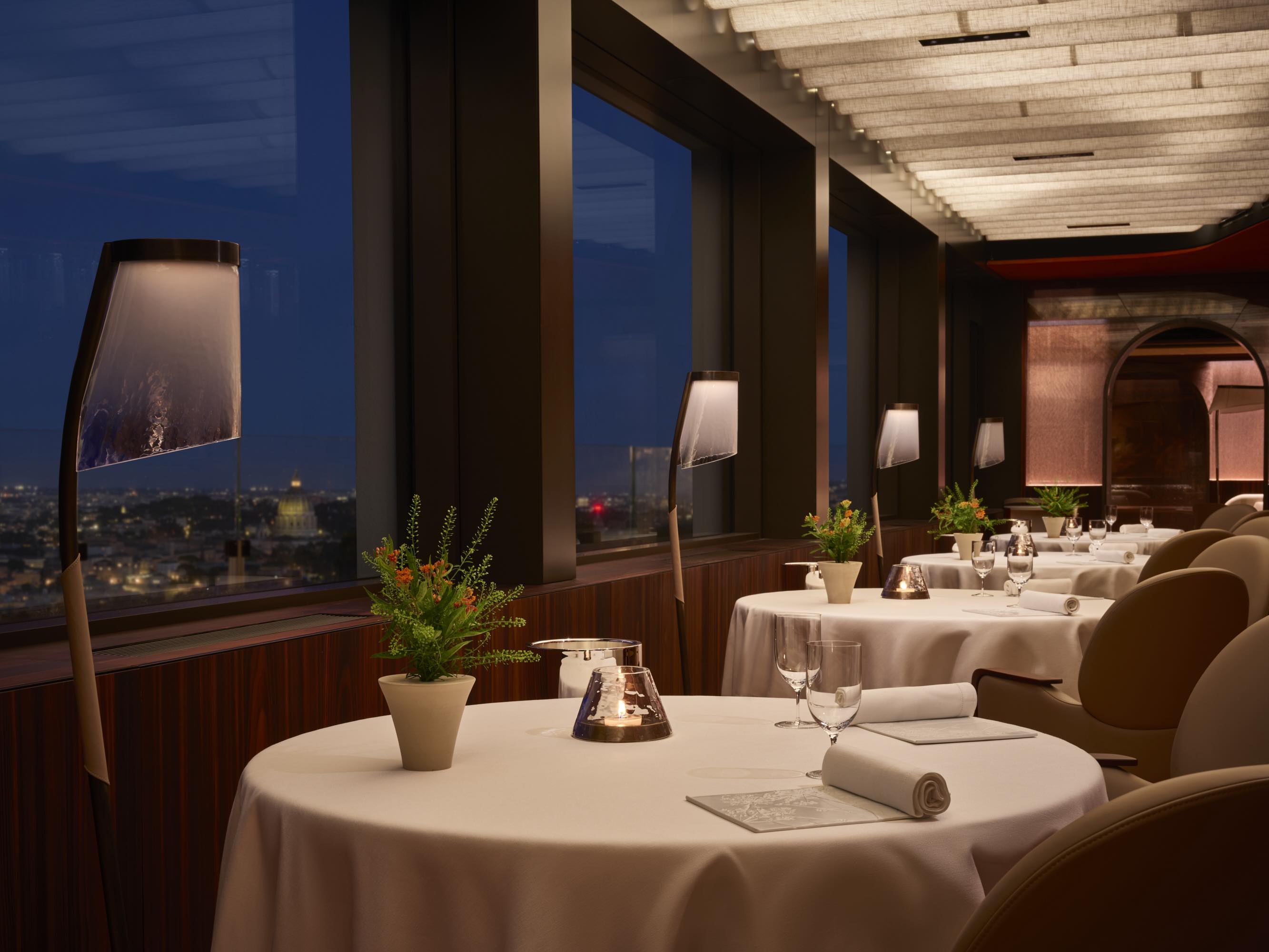
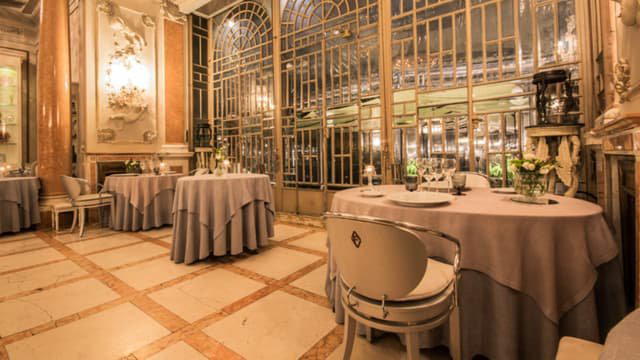
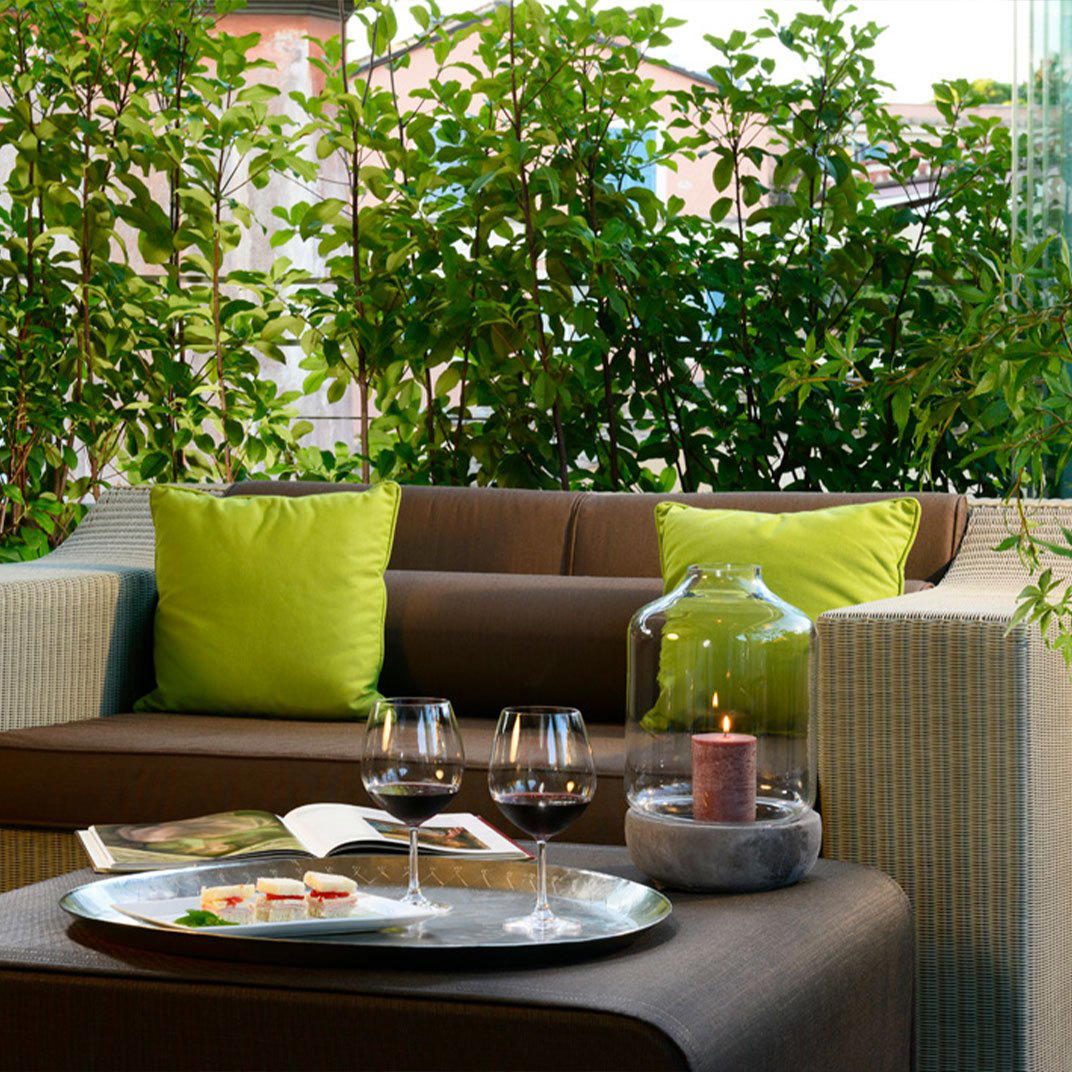
Bars in Rome
Browse all →
Hotels in Rome
Browse all →
Wineries in Rome
Browse all →
At a Glance
- Rustic
- Cozy
- Casual Hangout
- Standalone
- Local Sourcing
Casual neighborhood spot with a welcoming, local atmosphere focused on quality street food.