Marigold Roma operates from Via Giovanni da Empoli in Rome's Ostiense district, a neighbourhood that has drawn creative dining projects away from the centro storico over the past decade. The address places it within a cluster of kitchens working at the intersection of Italian regional produce and technique imported from further afield, a positioning that puts it in conversation with Rome's more restless creative tier.
- Address
- Via Giovanni da Empoli, 37, 00154 Roma RM, Italy
- Phone
- +39 06 8772 5679
- Website
- marigoldroma.com
- Directions
- Get directions
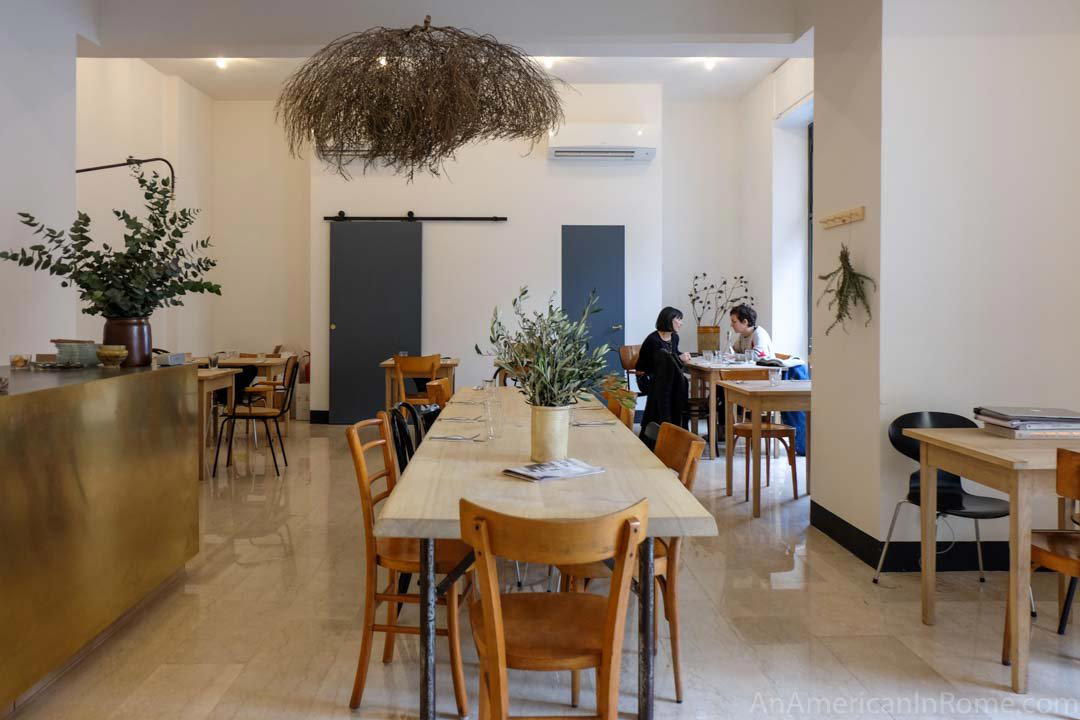
Where Ostiense's Creative Dining Scene Converges
Rome's most interesting restaurant openings over the past decade have not concentrated around the Pantheon or Piazza Navona. They have gathered south of the Aventine, in Ostiense and Testaccio, where lower rents and a working-class food culture provided the conditions for kitchens less obligated to tourist expectations. Marigold Roma sits at Via Giovanni da Empoli 37 in Ostiense, Rome, and is a casual, walk-in-friendly Italian Farm-to-Table Bakery Cafe priced at about $15 per person. The address sits outside the central tourist map, in a district where kitchens can prioritise what is on the plate.
This pattern has played out across European cities where creative cooking tends to migrate away from prime real estate. In Rome specifically, Ostiense sits in contrast to the tasting-menu formality concentrated in the centro storico and Parioli. The south of the river has attracted a different kind of project.
The Intersection of Local Ingredients and Imported Method
Italian fine dining has spent the better part of two decades working through a productive tension: how to apply technique absorbed from French kitchens, Nordic philosophy, or Japanese precision to ingredients that are already deeply embedded in regional identity. Particularly credible results come when the technique serves the product rather than performing above it. You see this calibration at its clearest in kitchens working with Lazio's larder, the abbacchio, the pecorino, the cacio, the bitter greens, where over-technique produces something neither Roman nor internationally interesting, while restraint produces something that reads clearly in both registers.
Across Italy, the restaurants doing this most convincingly share a common structure: sourcing that is geographically specific and often relationship-based, and technique that is precise without being decorative. Reale in Castel di Sangro applies this to Abruzzo's mountains. Uliassi in Senigallia does it with Adriatic seafood. Quattro Passi in Marina del Cantone anchors it to the Campanian coast. In Rome, the category has historically been underpopulated relative to the depth of the city's ingredient culture, which is part of what makes any serious new entrant to the creative tier worth tracking.
Marigold Roma's positioning on Via Giovanni da Empoli places it within this broader Italian conversation. The name itself signals an openness to cross-cultural reference. In Rome, where identity and tradition carry particular weight, a name that gestures outside the peninsula is itself an editorial statement about what kind of cooking a room intends to do.
Rome's Creative Restaurant Tier in Context
The city's recognised creative tier is not especially large. At the award level, Acquolina holds its Michelin recognition for seafood-focused contemporary work. Enoteca La Torre and Achilli al Parlamento operate in the creative-formal register with strong wine programs. Il Pagliaccio has sustained two Michelin stars and a reputation for contemporary Italian cooking that draws comparison to northern Italian peers rather than to Roman trattoria tradition.
What this comparable set shares is a willingness to work beyond the canonical Roman repertoire of cacio e pepe, carbonara, and coda alla vaccinara, not in rejection of those dishes, but in extension of the thinking behind them. Stronger examples from Rome's creative kitchens treat those preparations as examples of a culinary logic rather than as a ceiling. Technique and sourcing from elsewhere enter the picture as tools to sharpen that logic, not to replace it.
Italian fine dining at the national level, from Osteria Francescana in Modena to Piazza Duomo in Alba to Le Calandre in Rubano, provides the competitive reference frame that any serious Rome creative kitchen is implicitly measured against, whether or not the comparison is made explicit.
Technique Across Borders: A Pattern Worth Watching
The global-technique, local-product model has produced particularly coherent new fine-dining voices of the past fifteen years. Atelier Moessmer Norbert Niederkofler in Brunico applies mountain-pure discipline to South Tyrolean ingredients. Dal Pescatore in Runate has held three Michelin stars for decades by doing the opposite of trends: staying narrow, staying local, and refining rather than reinventing. Enoteca Pinchiorri in Florence frames Italian ingredients through a lens shaped partly by classical French wine and kitchen culture.
Outside Italy, the tension between imported method and indigenous product has driven particularly discussed restaurants of the past decade. Le Bernardin in New York City demonstrates how French technique applied to American seafood can produce a stable, long-lived identity. Lazy Bear in San Francisco takes American ingredient culture through a fine-dining format that draws on both classical and modernist European frameworks. Enrico Bartolini in Milan represents the Italian version of this calculation at its most formally ambitious. Rome, historically, has produced fewer entries in this category than Milan or the north, which is precisely why addresses that attempt it deserve attention.
Planning Your Visit
Marigold Roma is located at Via Giovanni da Empoli 37 in the 00154 postal district, placing it in Ostiense, accessible by metro (Piramide on Line B is the closest station) or by tram from Trastevere. The area around the old Gazometro and the MACRO Testaccio art space gives context to the district's post-industrial character.
Similar Picks
Comparable venues nearby, for context on price, style, and recognition.
| Venue | Cuisine | Price | Notes |
|---|---|---|---|
| Marigold RomaThis venue — the venue you are viewing | Italian Farm-to-Table Bakery Cafe | $$ | Not listed |
| Open Baladin | Italian Craft Beer Gastropub | $$ | Regola |
| Trattoria Settimio | Traditional Roman Trattoria | $$ | Regola |
| SantiNumi | Traditional Roman Trattoria | $$ | Esquilino |
| Trattoria da Lucia | Traditional Roman Trattoria | $$ | Trastevere |
| San Biagio | Italian Pizza | $$ | Della Vittoria |
Continue exploring
More in Rome
Restaurants in Rome
Browse all →
Bars in Rome
Browse all →
Hotels in Rome
Browse all →

At a Glance
- Minimalist
- Cozy
- Modern
- Brunch
- Casual Hangout
- Open Kitchen
- Farm To Table
- Local Sourcing
- Organic
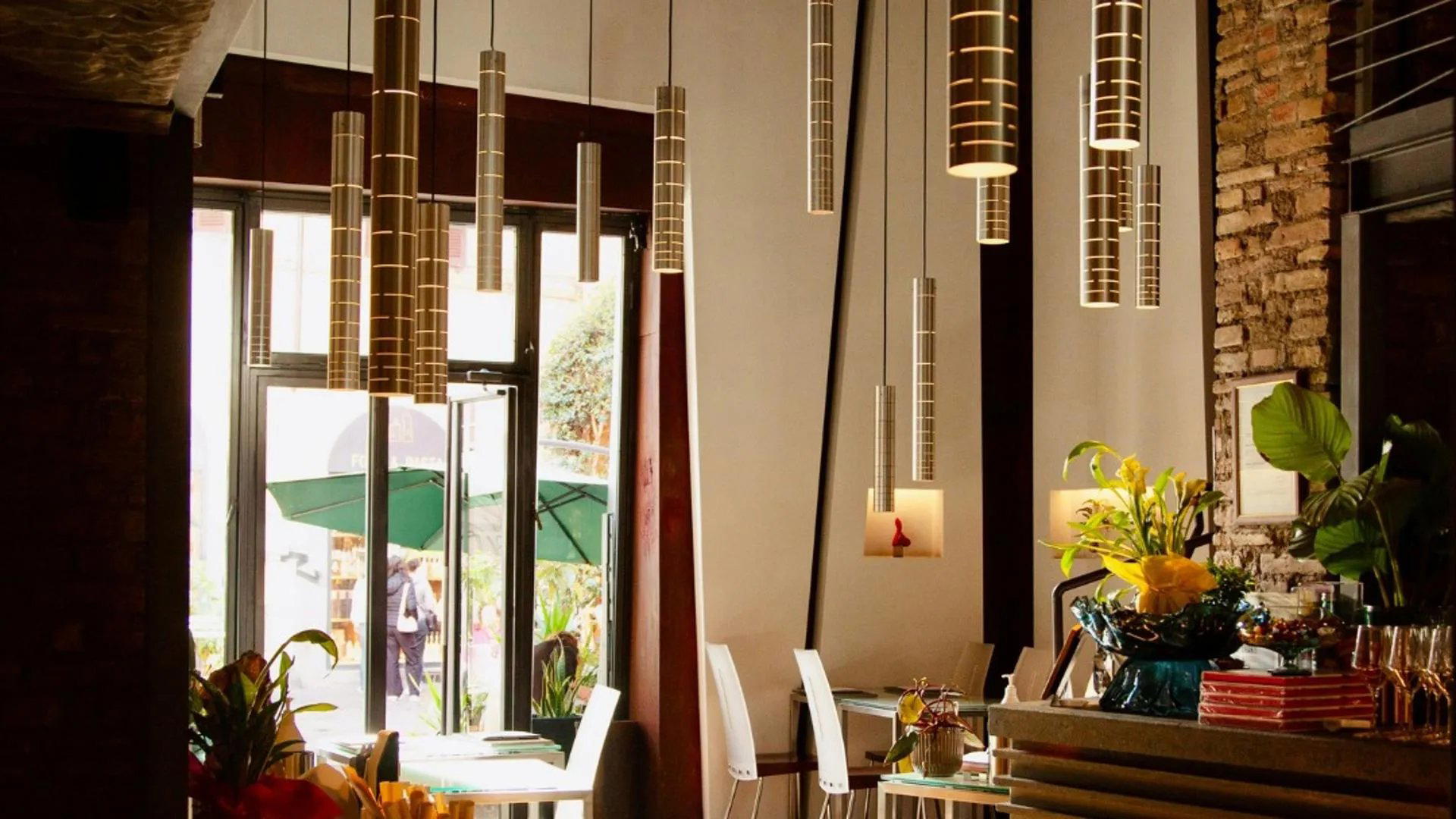
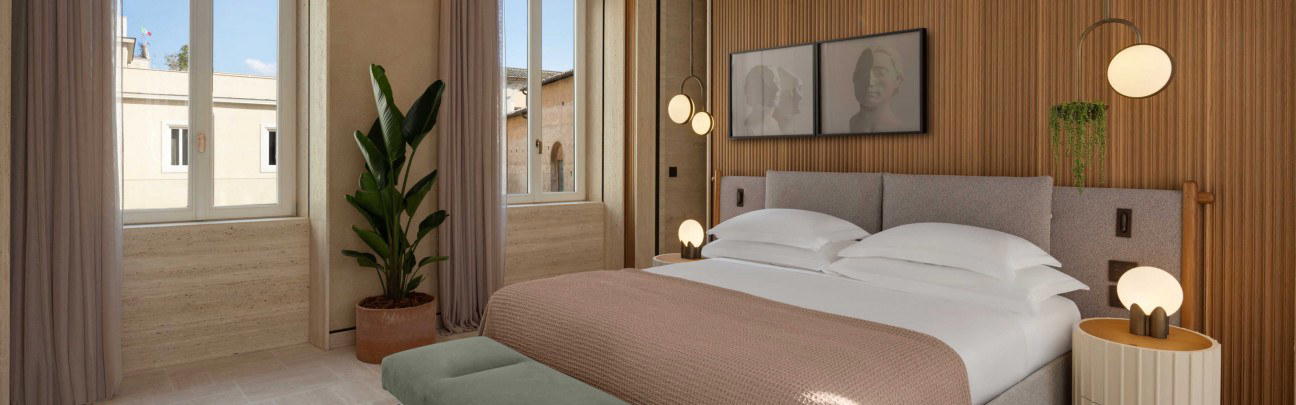
Hip, minimalist design with a cozy Danish hygge atmosphere and warm, welcoming vibe.